Para garantizar la seguridad y el cumplimiento normativo de líquidos inflamables, la precisión y fiabilidad de las pruebas es fundamental. Uno de los instrumentos más fiables para medir el punto de inflamación de estas sustancias es el comprobador de punto de inflamación de copa cerrada Pensky-Martens. Esta guía está meticulosamente diseñada para servir como un recurso completo, desmitificando la funcionalidad, las aplicaciones y las ventajas de este equipo de prueba esencial. Tanto si es técnico de laboratorio, ingeniero de seguridad o profesional de la industria que busca metodologías precisas, este artículo le proporcionará los conocimientos y las mejores prácticas necesarias para utilizar esta herramienta eficazmente. Continúe leyendo para explorar sus mecanismos operativos, el cumplimiento normativo y su papel fundamental en la seguridad laboral y el cumplimiento normativo.
¿Qué es un punto de inflamación y por qué es importante?
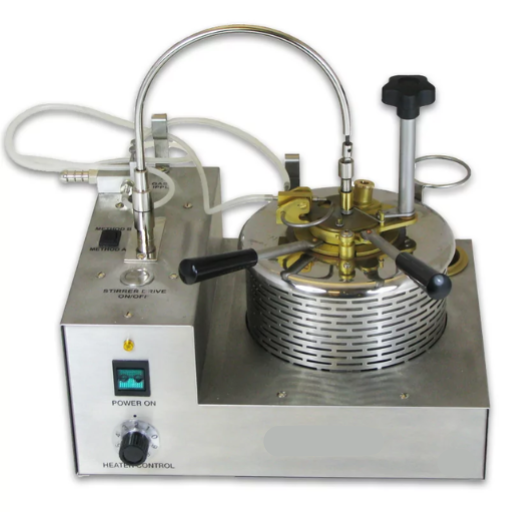
El punto de inflamación es importante al evaluar los riesgos de incendio asociados con diferentes materiales, ya que su valor se establece para el volumen de vapor emitido por el líquido. La comprensión y el cumplimiento adecuados de las normas de seguridad ayudan a garantizar el transporte seguro de materiales inflamables, mitigando el peligro en caso de incidentes inesperados.
Entendiendo el concepto de punto de inflamación
Factores clave que influyen en el punto de inflamación
El punto de inflamación de una sustancia se ve influenciado principalmente por su composición química y volatilidad. Las sustancias con pesos moleculares más bajos y fuerzas intermoleculares más débiles tienden a tener puntos de inflamación más bajos debido a su mayor propensión a vaporizarse. Otros factores incluyen la presencia de impurezas o aditivos, que pueden aumentar o disminuir el punto de inflamación según su naturaleza. Se utilizan métodos de prueba estandarizados, como los aparatos de copa cerrada y copa abierta, para determinar con precisión los puntos de inflamación. Los métodos de copa cerrada generalmente arrojan valores de punto de inflamación más bajos porque limitan la pérdida de vapor. Comprender estos factores permite clasificar eficazmente los materiales según su inflamabilidad y garantiza la toma de decisiones informadas sobre su uso seguro y su regulación.
El papel del punto de inflamación en las normas de seguridad
El punto de inflamación desempeña un papel fundamental en diversas normativas y directrices de seguridad de diversas industrias. Sus principales aplicaciones incluyen:
- Clasificación de peligrosEl punto de inflamación se utiliza para determinar la clasificación de inflamabilidad de sustancias según normas como las definidas por OSHA, NFPA y GHS. Ayuda a distinguir entre materiales inflamables y combustibles.
- Requisitos de almacenamientoLas normativas sobre el almacenamiento de sustancias inflamables dependen de su punto de inflamación. Los materiales con puntos de inflamación más bajos suelen requerir medidas de almacenamiento más estrictas para reducir el riesgo de incendio.
- Leyes de transporte:El punto de inflamación es un factor determinante para las pautas de seguridad del transporte, incluidos los requisitos especificados por el Departamento de Transporte (DOT) y organismos internacionales como el Código Marítimo Internacional de Mercancías Peligrosas (IMDG).
- Manipulación industrial:Los protocolos de seguridad en el lugar de trabajo, como los que se describen en las Hojas de datos de seguridad de materiales (MSDS), incorporan datos sobre el punto de inflamación para guiar el manejo y procesamiento seguros de los materiales.
- Gestión del Riesgo de Incendios:El punto de inflamación es fundamental para evaluar los riesgos de incendio durante los procesos de fabricación y operativos e influye directamente en la implementación de sistemas de extinción de incendios y estrategias de respuesta a emergencias.
- Cumplimiento ambiental:Los marcos regulatorios para la eliminación de residuos y la gestión de derrames a menudo utilizan el punto de inflamación para garantizar el cumplimiento de las normas de protección ambiental.
La comprensión y el cumplimiento de estas aplicaciones garantizan la seguridad, el cumplimiento normativo y la minimización de los riesgos asociados con el manejo de sustancias inflamables.
Aplicaciones en las industrias de combustibles y petróleo
- Clasificación de combustibles:El punto de inflamación se utiliza para clasificar los combustibles en categorías como inflamables o combustibles, determinando sus requisitos adecuados de almacenamiento y manipulación.
- Diseño del motorLos ingenieros utilizan el punto de inflamación para seleccionar combustibles adecuados para motores específicos, garantizando un rendimiento y una seguridad óptimos durante la operación.
- Seguridad de transporteLas reglamentaciones para el transporte de combustibles, en particular por carretera y ferrocarril, se basan en valores de punto de inflamación para mitigar el riesgo de incendio o explosión durante el transporte.
- Control de calidad:El punto de inflamación es un parámetro crítico en el proceso de control de calidad de los combustibles, garantizando que cumplan con los estándares y especificaciones de la industria antes de su distribución.
- Procesos de mezclaAl mezclar combustibles, el punto de inflamación influye en la elección y la proporción de los componentes para lograr las propiedades deseadas sin comprometer la seguridad.
- Condiciones de almacenaje:Se establecen pautas de almacenamiento adecuadas, incluido el control de la temperatura y la selección del contenedor, según el punto de inflamación del combustible para evitar la ignición accidental.
- Monitoreo Ambiental:La identificación y gestión del riesgo de liberación de vapores de productos derivados del petróleo en el medio ambiente se guía por mediciones del punto de inflamación en condiciones específicas.
- Evaluación de RiesgosLos datos del punto de inflamación son fundamentales para realizar estudios de peligros y operabilidad y ayudan en el desarrollo de estrategias de mitigación dentro de la industria.
¿Cómo funciona un probador de destello de copa cerrada Pensky-Martens?
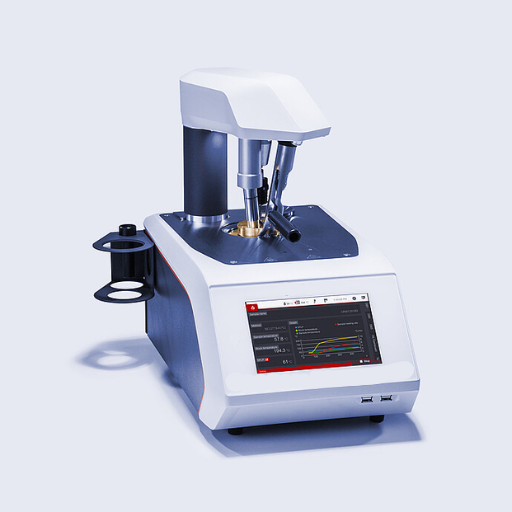
El comprobador de punto de inflamación de copa cerrada Pensky-Martens funciona calentando una muestra de la sustancia en una copa de prueba sellada bajo condiciones controladas. Un mecanismo de agitación asegura una distribución uniforme de la temperatura en la muestra. El aparato aumenta gradualmente la temperatura a una velocidad específica mientras se introduce una fuente de ignición a intervalos regulares. El punto de inflamación se determina cuando una llama o chispa provoca una breve ignición en el vapor sobre el líquido, lo que indica la temperatura más baja a la que se ha generado suficiente vapor. Este método minimiza la pérdida de vapor y las influencias externas, proporcionando resultados precisos y repetibles para sustancias volátiles e inflamables.
Componentes de un comprobador de punto de inflamación de copa cerrada
Un comprobador de punto de inflamación de copa cerrada normalmente consta de los siguientes componentes:
- Vaso de prueba y tapaEl recipiente de prueba está diseñado para contener la muestra líquida que se analiza, mientras que la tapa crea un ambiente sellado para limitar la pérdida de vapor. La tapa suele estar equipada con puertos para medición de temperatura, fuentes de ignición y ecualización de presión.
- Mecanismo de agitación:Un sistema de agitación incorporado garantiza un calentamiento y una mezcla uniformes de la muestra de líquido para proporcionar resultados consistentes, especialmente para sustancias viscosas o líquidos propensos a un calentamiento desigual.
- Fuente de ignición:El probador está equipado con una fuente de ignición confiable, como una chispa eléctrica o una llama de gas, para introducir una ignición controlada a intervalos regulares durante la prueba.
- Elemento de calefacción:Este componente aumenta gradualmente la temperatura de la muestra de líquido a un ritmo controlado, lo que es fundamental para mantener la precisión durante la determinación del punto de inflamación.
- Termómetro o sensor de temperatura:Un termómetro calibrado y preciso o un sensor de temperatura digital monitorea continuamente la temperatura de la muestra durante todo el proceso de prueba.
- Interfaz de controlLos comprobadores de punto de inflamación de copa cerrada modernos cuentan con interfaces de usuario o paneles de control digitales para establecer parámetros como la velocidad de calentamiento, la duración de la prueba y los intervalos de encendido, lo que garantiza un funcionamiento preciso.
- Características de seguridad:La mayoría de los dispositivos incluyen mecanismos de seguridad como protección contra sobrecalentamiento, sistemas de ventilación y apagado automático para evitar accidentes y garantizar el cumplimiento de las normas de seguridad.
Estos componentes trabajan al unísono para producir resultados confiables y repetibles en la determinación del punto de inflamación de un líquido mientras minimizan la influencia de variables externas.
El método de la copa cerrada explicado
El método de copa cerrada mide el punto de inflamación de un líquido limitando la exposición de la sustancia al aire exterior durante la prueba. Este método se considera más preciso para líquidos volátiles, ya que minimiza la pérdida de vapor y la interacción con las condiciones ambientales, lo que proporciona una medición más precisa de la temperatura de ignición de los vapores. Comúnmente empleada en industrias como la petroquímica y la de recubrimientos, esta técnica se rige por procedimientos estandarizados, como ASTM D93 o ISO 2719, para garantizar resultados fiables y reproducibilidad. Al controlar factores como la velocidad de calentamiento y el entorno de prueba, el método de copa cerrada reduce eficazmente la variabilidad externa, lo que aumenta la fiabilidad de la prueba para garantizar la seguridad y el cumplimiento normativo.
Procedimiento paso a paso para la prueba del punto de inflamación
1. Preparación del aparato
-
- Asegúrese de que el aparato de prueba, como el probador de copa cerrada Pensky-Martens, esté limpio y en buenas condiciones de funcionamiento.
- Verificar la disponibilidad de materiales de referencia estandarizados para la calibración y confirmar el cumplimiento de los protocolos de prueba ASTM D93 o ISO 2719.
- Mantenga el lugar de la prueba libre de corrientes de aire y perturbaciones ambientales para reducir la variabilidad durante el procedimiento.
- Recolección y manejo de muestras
- Recoja la muestra de prueba en un recipiente limpio y seco, asegurándose de que no haya sido contaminado previamente.
- Deje que la muestra alcance la temperatura ambiente si se almacenó en condiciones extremas. Esto evita lecturas erróneas debido a efectos térmicos residuales.
- Llenado de la taza de prueba
- Vierta la muestra en el probador de copa cerrada hasta el volumen especificado, normalmente entre el 70 % y el 75 % de su capacidad total, para asegurar una correcta acumulación de vapor. Evite llenarla demasiado, ya que puede generar puntos de ignición imprecisos.
- Asegure bien la tapa para formar una cámara de prueba sellada.
- Calentar la muestra
- Comience a calentar la muestra a una velocidad controlada y uniforme, generalmente de 1 a 2 °C por minuto. La velocidad de calentamiento debe cumplir estrictamente los estándares de reproducibilidad y precisión.
- Monitorizar continuamente el aumento de la temperatura mediante un termómetro calibrado o un sensor electrónico integrado en el aparato.
- Aplicación de la fuente de ignición
- A intervalos de temperatura predeterminados (por ejemplo, cada 1 °C), exponga momentáneamente la muestra de prueba a una fuente de ignición estándar, como una llama piloto operada eléctricamente o alimentada con gas.
- Observe la aparición de un destello, indicado por una breve llama en la superficie del vapor del líquido.
- Registro del punto de inflamación
- El punto de inflamación se define como la temperatura más baja a la que se produce suficiente vapor para encenderse momentáneamente al exponerse a la llama. Registre esta temperatura con precisión utilizando la lectura del termómetro.
- Verificación y Documentación
- Si es necesario, realice una nueva prueba para confirmar la reproducibilidad de los resultados, especialmente si la primera lectura se desvía significativamente de los valores esperados.
- Documente el valor del punto de inflamación, las condiciones de prueba detalladas y cualquier observación que pueda afectar la interpretación de los resultados.
- Limpieza posterior a la prueba
- Deje que el aparato se enfríe completamente antes de desmontar y limpiar los componentes para evitar la contaminación en pruebas posteriores.
- Deseche la muestra de prueba siguiendo los protocolos adecuados de manipulación de residuos peligrosos.
El seguimiento de estas instrucciones paso a paso garantiza una determinación confiable, reproducible y precisa de los puntos de inflamación, cruciales para evaluar la seguridad del material y el cumplimiento normativo.
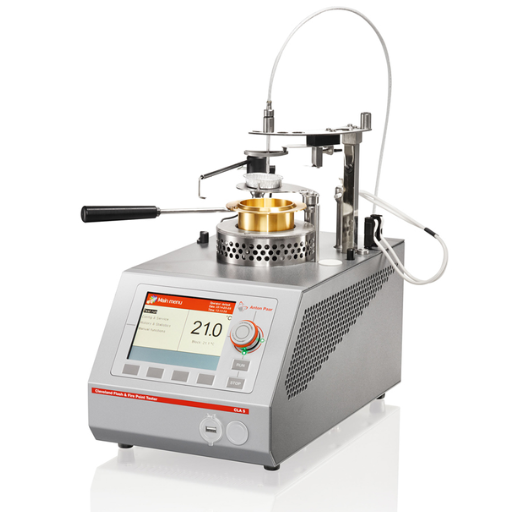
¿Cuál es la diferencia entre los métodos de copa cerrada y copa abierta?
|
Punto clave |
Método de vaso cerrado |
Método de taza abierta |
|---|---|---|
|
Exposición de muestra |
Cerrado, minimiza la pérdida de vapor. |
Abierto a la atmósfera, mayor pérdida de vapor. |
|
Concentración de vapor |
Más alto, debido al espacio restringido |
Más abajo, debido a la ventilación. |
|
Entorno de medición |
Controlado y estable |
Expuesto a condiciones externas |
|
Temperatura del punto de inflamación |
Generalmente más bajo |
Generalmente más alto |
|
Sensibilidad de prueba |
Alta sensibilidad a los vapores inflamables. |
Menos sensitivo |
|
Riesgo de incendio |
Entorno controlado y de menor riesgo |
Mayor riesgo, posibilidad de llama abierta |
|
Solicitud de cumplimiento |
Ideal para materiales sensibles a la seguridad. |
Común en las pruebas de petróleo crudo |
|
Influencia externa |
Impacto mínimo |
Afectado por el viento y las corrientes de aire |
|
Normalización |
ASTM D93 y otras normas |
ASTM D92 y normas similares |
|
Uso típico |
Combustibles, lubricantes y productos químicos |
Petróleo crudo y productos relacionados |
Ventajas del método Pensky-Martens
- Alta precisión y confiabilidad
El método de copa cerrada de Pensky-Martens proporciona mediciones del punto de inflamación precisas y reproducibles, lo que lo convierte en un estándar confiable en numerosas industrias.
- Cumplimiento de las Normas Internacionales
Este método cumple con los principales estándares de pruebas internacionales, incluidos ASTM D93 e ISO 2719, lo que garantiza la consistencia global y la aceptación de los resultados.
- Aplicabilidad a una amplia gama de sustancias
El método Pensky-Martens es adecuado para probar varios tipos de líquidos, incluidos productos derivados del petróleo, productos químicos, biodiésel y más, lo que mejora su versatilidad.
- Funciones de seguridad mejoradas
Su diseño de copa cerrada minimiza la exposición a los vapores, reduciendo significativamente el riesgo de condiciones peligrosas durante las pruebas.
- Precisión de control de temperatura
El método incorpora un control preciso de las tasas de calentamiento y de la temperatura de la muestra, lo que garantiza una detección precisa del punto de inflamación sin degradación de la muestra.
- Adaptabilidad para la automatización
Los probadores modernos Pensky-Martens se integran con sistemas automatizados, mejorando la eficiencia, la consistencia y la facilidad de uso para las operaciones de laboratorio.
- Crítico para el cumplimiento normativo
La utilización del método Pensky-Martens ayuda a cumplir con las normas de seguridad y las pautas de transporte, garantizando la clasificación y el manejo adecuados de materiales inflamables.
Cómo elegir el método adecuado para su tipo de líquido
Al seleccionar el método adecuado para determinar el punto de inflamación de su líquido, me centro en algunos factores clave basados en fuentes fiables del sector. En primer lugar, considero la viscosidad y la volatilidad del líquido; para materiales de alta viscosidad o aquellos con tendencia a formar una película superficial, un método de copa cerrada como Pensky-Martens es óptimo. En segundo lugar, evalúo los requisitos normativos específicos de la aplicación o la clasificación de transporte del líquido, garantizando el cumplimiento de las normas de seguridad. Por último, considero la eficiencia operativa, optando por soluciones automatizadas modernas siempre que sea posible para mejorar la consistencia y la reproducibilidad, manteniendo la precisión.
¿Quién debería utilizar un comprobador de punto de inflamación de copa cerrada?

Los profesionales que manipulan líquidos inflamables o combustibles, como fabricantes de productos químicos, ingenieros de seguridad y especialistas en control de calidad, deben utilizar un comprobador de punto de inflamación de copa cerrada. Este equipo es esencial para determinar con precisión el punto de inflamación de sustancias con alta viscosidad o propensas a formar una película superficial, garantizando así el cumplimiento de las normas de seguridad y mejorando la seguridad operativa general.
Industrias que se benefician de la precisión de la prueba del punto de inflamación
- Industria petroquímica
Las pruebas precisas del punto de inflamación son cruciales en el sector petroquímico para evaluar la seguridad de combustibles, lubricantes y solventes. Garantizar el punto de inflamación correcto de estos materiales mitiga el riesgo de incendio durante la manipulación, el almacenamiento y el transporte, a la vez que garantiza el cumplimiento de estrictas normas regulatorias.
- Industria de pinturas y revestimientos
Los fabricantes de pinturas, barnices y recubrimientos confían en pruebas precisas del punto de inflamación para evaluar la combustibilidad de sus productos. Estos datos son esenciales para el etiquetado, el transporte de materiales inflamables y el cumplimiento de las clasificaciones de seguridad internacionales.
- Industria farmacéutica y cosmética
La medición del punto de inflamación es vital en la formulación y el manejo de los componentes volátiles utilizados en la producción de productos farmacéuticos y cosméticos. Unas pruebas adecuadas ayudan a mantener la estabilidad de estas sustancias y garantizan la seguridad en el lugar de trabajo durante los procesos de fabricación.
- Industria de procesamiento de alimentos
La industria alimentaria utiliza las pruebas de punto de inflamación principalmente para evaluar aceites y grasas que pueden volverse peligrosos en condiciones de alta temperatura. Comprender el punto de inflamación ayuda a prevenir incendios y a mantener condiciones operativas seguras.
- Industria aeroespacial y de defensa
Los combustibles de alto rendimiento y los materiales relacionados utilizados en la industria aeroespacial y de defensa requieren análisis precisos del punto de inflamación para confirmar la seguridad y la confiabilidad en condiciones extremas.
Al implementar pruebas precisas de punto de inflamación en estas industrias, las organizaciones garantizan la seguridad, el cumplimiento normativo y la eficiencia operativa.
El papel de los comprobadores del punto de inflamación en las normas de seguridad
- Garantizar el cumplimiento de los estándares de la industria
Los comprobadores de punto de inflamación ayudan a las organizaciones a cumplir con los estándares y regulaciones de seguridad específicos de la industria, como ASTM D93 e ISO 2719, que especifican métodos para determinar los puntos de inflamación en diversas sustancias.
- Mitigación de riesgos de incendio y explosión
Al medir con precisión el punto de inflamación de materiales inflamables, estos comprobadores permiten la clasificación y manipulación de sustancias según su nivel de peligrosidad, reduciendo los riesgos de ignición accidental durante el almacenamiento o el transporte.
- Apoyo al etiquetado de materiales peligrosos
Los datos del punto de inflamación recopilados mediante probadores se utilizan para crear hojas de datos de seguridad (SDS) precisas y garantizar un etiquetado adecuado para el cumplimiento del Sistema Globalmente Armonizado de Clasificación y Etiquetado de Productos Químicos (GHS).
- Facilitando la seguridad del transporte
Las regulaciones de transporte, como las establecidas por la Organización Marítima Internacional (OMI) y el Departamento de Transporte (DOT), se basan en mediciones del punto de inflamación para determinar los métodos de envío y almacenamiento adecuados para materiales peligrosos.
- Mantenimiento de la seguridad en el lugar de trabajo
La prueba periódica de los puntos de inflamación de las sustancias permite que en los lugares de trabajo se puedan identificar y gestionar los posibles peligros de inflamabilidad en el lugar, garantizando así la seguridad del personal y la infraestructura.
- Cumplir con las regulaciones ambientales
Las pruebas del punto de inflamación también son necesarias para cumplir con las normas ambientales al evaluar la inflamabilidad y la volatilidad de las sustancias que podrían afectar la calidad del aire o contribuir a la contaminación.
- Mejora del desarrollo de productos
Durante el diseño y las pruebas de productos, los comprobadores de punto de inflamación proporcionan datos críticos necesarios para garantizar que las nuevas formulaciones cumplan con los puntos de referencia de seguridad y los requisitos reglamentarios.
¿Cómo realizar el mantenimiento y calibrar su comprobador de destello de copa cerrada Pensky-Martens?

Pautas de mantenimiento y calibración
Mantenimiento
- Limpieza regular:Limpie el vaso de prueba, la tapa y todas las superficies expuestas después de cada uso para eliminar cualquier residuo que pueda interferir con los resultados.
- Inspeccionar componentes:Inspeccione periódicamente el mecanismo de agitación, la fuente de ignición y los sensores de temperatura para detectar signos de desgaste o daños.
- Lubricación:Lubrique las piezas móviles según lo recomendado en el manual del usuario para garantizar un funcionamiento suave.
- Verifique las conexiones:Verifique que todas las conexiones eléctricas y mecánicas estén seguras para evitar fallas durante la prueba.
- Reemplazar piezas desgastadas:Reemplace inmediatamente cualquier pieza dañada o desgastada, utilizando únicamente componentes aprobados por el fabricante.
Calibración
- Materiales de Referencia:Utilice estándares de referencia certificados para verificar la precisión de las lecturas de temperatura y probar la funcionalidad.
- Establecer intervalos de calibración:Siga los intervalos de calibración recomendados por el fabricante, que normalmente se realizan anualmente o según la frecuencia de uso.
- Procedimiento de calibración:Para calibrar la temperatura, utilice un termómetro preciso para comparar las lecturas del comprobador de flash y realice los ajustes según el manual.
- Resultados del documento:Mantener un registro detallado de los ajustes de calibración y los resultados de las pruebas para garantizar la trazabilidad y el cumplimiento de las normas regulatorias.
- Servicios de calibración profesional:Contratar profesionales certificados para la calibración cuando sea necesario para cumplir con estrictos requisitos de garantía de calidad.
Si sigue estas pautas, maximizará la precisión, confiabilidad y longevidad de su probador de destello de copa cerrada Pensky-Martens.
Consejos de mantenimiento regular para un rendimiento óptimo
- Limpieza de rutinaMe aseguro de limpiar el probador después de cada uso, especialmente eliminando cualquier residuo de muestra o contaminantes del vaso y las áreas circundantes. Esto minimiza la acumulación que podría interferir con la precisión de los resultados.
- Inspeccionar los componentes claveInspecciono regularmente piezas críticas como el mecanismo de encendido, el recipiente de muestra y las sondas de temperatura para identificar cualquier signo de desgaste, corrosión o daño. Su reemplazo oportuno ayuda a mantener la precisión.
- Comprobar calibraciónVerifico periódicamente la calibración del dispositivo utilizando materiales de referencia estándar. Este paso garantiza que las lecturas se mantengan dentro del rango aceptable y cumplan con las normas regulatorias.
- Seguir las Pautas del FabricanteCumplo estrictamente el programa de mantenimiento y los procedimientos descritos en el manual del usuario. Esto incluye la lubricación de las piezas móviles, si se especifica, y la verificación de las actualizaciones de firmware o los ajustes necesarios.
- Almacene el equipo correctamente:Guardo el probador en un ambiente limpio y seco, en las condiciones de temperatura y humedad especificadas para evitar que factores externos afecten sus componentes.
Siguiendo estos pasos, mantengo la integridad de mi probador de destello de copa cerrada Pensky-Martens y aseguro una funcionalidad óptima durante su vida útil operativa.
Procedimientos de calibración para lecturas precisas del punto de inflamación
Para garantizar la precisión de las lecturas del punto de inflamación, sigo un procedimiento de calibración sistemático. Primero, verifico que el comprobador esté limpio y libre de residuos o contaminantes, ya que estos pueden interferir con las mediciones. A continuación, utilizo materiales de referencia certificados con puntos de inflamación conocidos para validar la precisión del instrumento. Realizo pruebas con estos materiales, comparando los resultados con los valores certificados y realizando los ajustes necesarios en la configuración del equipo. Además, confirmo que el termómetro y el mecanismo de ignición funcionen correctamente, reemplazando o recalibrando componentes según sea necesario. Finalmente, mantengo un registro detallado de las actividades y resultados de calibración para realizar un seguimiento del rendimiento a lo largo del tiempo. Este proceso garantiza lecturas fiables y precisas en todos los análisis.
Técnicas comunes de resolución de problemas
|
Problema |
Causa posible |
Solución |
|---|---|---|
|
El equipo no se enciende |
Conexión de alimentación defectuosa |
Verifique los cables y la fuente de alimentación |
|
Lecturas de temperatura incorrectas |
Deriva de calibración |
Recalibre el termómetro o reemplácelo si es necesario |
|
El mecanismo de encendido no funciona |
Componentes desgastados o dañados |
Reemplace las piezas de encendido o inspeccione el cableado |
|
Lecturas inestables del equipo |
Interferencia ambiental |
Minimizar las vibraciones y perturbaciones externas |
|
Errores de software durante el análisis |
Software o configuración obsoletos |
Actualizar el software y verificar la configuración del sistema |
|
Contaminación de la muestra |
Manipulación o almacenamiento inadecuado |
Utilice herramientas esterilizadas y recalibre los sensores. |
|
Fallo de registro de datos |
Límite de memoria o problemas de hardware |
Libere espacio o verifique las conexiones del registro de datos |
|
Cierres inesperados |
Sobrecalentamiento o subidas de tensión |
Inspeccione los sistemas de enfriamiento y utilice protectores contra sobretensiones. |
Fuentes de referencia
-
PMA 500 – Probador de punto de inflamación Pensky-Martens – Detalles sobre equipos de prueba de punto de inflamación de alta precisión.
-
Conceptos básicos de la prueba de punto de inflamación en copa cerrada de Pensky-Martens : una descripción general completa del montaje de la prueba en copa cerrada.
-
Ensayos de punto de inflamación: una guía completa – Analiza los métodos de ensayo, incluido el de Pensky-Martens, con especial atención a los lubricantes.
-
Ensayo de copa cerrada de Pensky-Martens (Wikipedia) : proporciona información estandarizada sobre el ensayo, incluida la norma ASTM D93.
-
Pruebas de punto de inflamación de ioKinetic : Ofrece información sobre los servicios de pruebas de inflamabilidad y los rangos de punto de inflamación.
Preguntas Frecuentes (FAQ)
P: ¿Para qué se utiliza el comprobador de punto de inflamación de copa cerrada Pensky-Martens?
R: El comprobador de punto de inflamación en copa cerrada Pensky-Martens se utiliza para determinar el punto de inflamación de una amplia gama de productos, incluyendo aceites lubricantes y combustibles, mediante el método de copa cerrada. Es esencial para garantizar el cumplimiento de las normativas de transporte y seguridad.
P: ¿Cómo funciona el agitador en el comprobador de punto de inflamación de copa cerrada Pensky-Martens?
R: El agitador, que es accionado por un motor agitador, garantiza una distribución uniforme de la temperatura y evita la formación de gradientes de temperatura dentro de la muestra de prueba, lo que es crucial para determinaciones confiables del punto de inflamación de los combustibles.
P: ¿Cuál es el significado de la taza de prueba de latón con asa en el probador?
R: La copa de prueba de latón con asa se utiliza para sujetar la muestra. Garantiza una conductividad térmica constante y facilita una manipulación segura durante el proceso de prueba.
P: ¿Cómo se compara el método Pensky-Martens con el método de flash en copa abierta?
R: A diferencia del método de inflamación en copa abierta, el método de copa cerrada de Pensky-Martens minimiza la pérdida de componentes volátiles, lo que proporciona una medición del punto de inflamación más confiable para líquidos que contienen sólidos suspendidos y líquidos que tienden a formar vapores inflamables.
P: ¿Con qué estándares cumple el comprobador de punto de inflamación de copa cerrada Pensky-Martens?
R: El probador cumple con varias normas internacionales, incluidas las especificaciones ASTM D56, IP 34 y EN ISO, lo que garantiza que cumple con los requisitos de la industria en materia de seguridad y confiabilidad.
P: ¿Qué rango de temperatura puede manejar el probador de punto de inflamación de copa cerrada Pensky-Martens?
R: El probador está diseñado para manejar un amplio rango de temperaturas, lo que le permite adaptarse a diversos requisitos de prueba para diferentes tipos de combustibles y lubricantes.
P: ¿Cuál es la función del detector de destello en el probador Pensky-Martens?
A: El detector de destello identifica el momento preciso en el que la llama de prueba hace que la muestra emita un destello, indicando el punto de inflamación, que es fundamental para determinar el punto de combustión de la muestra.
P: ¿Se puede utilizar el comprobador Pensky-Martens con líquidos que tienden a formar una capa superficial?
R: Sí, el comprobador es adecuado para determinar el punto de inflamación de líquidos que tienden a formar una capa superficial, gracias a su diseño cerrado que evita interferencias externas.
P: ¿Hay comprobadores automáticos del punto de inflamación disponibles para el método Pensky-Martens?
R: Sí, hay probadores de punto de inflamación automatizados disponibles, que ofrecen mayor eficiencia, repetibilidad y precisión para pruebas de punto de inflamación en una amplia gama de productos.
P: ¿Hay un modelo calentado a gas disponible para el probador de punto de inflamación de copa cerrada Pensky-Martens?
R: Sí, hay disponible un modelo calentado a gas, que ofrece una alternativa a las unidades calentadas eléctricamente y flexibilidad para diferentes configuraciones de laboratorio.