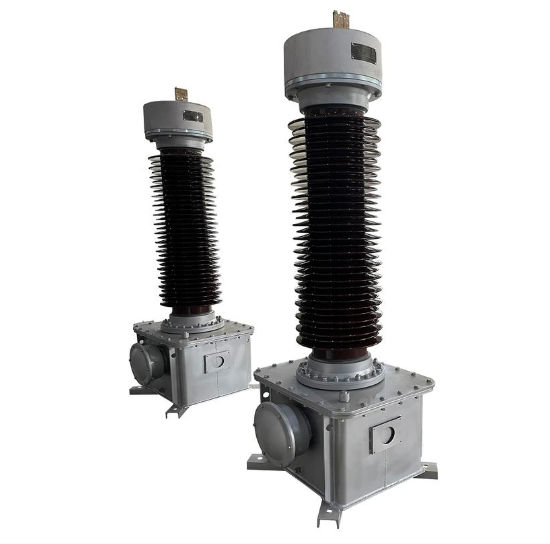
Transformer oil is both an insulator and a coolant for an electrical transformer, which makes oil consumable in the transformer extremely critical. The quality of the transformer oil is assessed through the dielectric dissipation factor (DDF) or dielectric loss factor. This evaluation reveals important information about the oil’s properties, potential impurities, and the overall dielectric contaminants, making it an oil diagnostic tool critical for transformer maintenance to render costly outages avoidable. In this paper, I will analyze the dissipation factor, describing its importance, measuring methods, as well as the variables that might change its value. Through this study, everyone, from an industry technician and engineer to veteran professionals would understand how to assess the condition of transformer oil.
What is the Dielectric Dissipation Factor of Transformer Oil?

The dielectric dissipation factor (DDF) of transformer oil or tan delta value is a measure of efficiency of oil as an insulating material. It measures the electrical energy within the oil which is transformed into heat energy due to its exposure to an alternating electric field. DDF being low is a positive indicator as that means minimal energy is being spent, whereas a high DDF is a negative indicator and suggests the oil is contaminated, meaning the supporting systems have aged, or the oil has deteriorated. Measuring and evaluating the condition for transformer oil per the industry benchmark is important in ensuring the reliability and efficiency of the entire transformer system.
Definition of Dielectric Dissipation Factor
The dielectric dissipation factor, or loss tangent (tan δ), is an important factor in assessing the electrical insulation qualities of transformer oil and other dielectric materials. It is defined as the ratio of the resistive (loss) component of current, compared to the capacitive (reactive) portion when an AC voltage is applied. This ratio quantifies the measure of energy consumed as heat E due to the imperfections of the insulation material. A lower dielectric dissipation factor indicates a good insulation system with lower energy losses. Higher values suggest moisture content, oxidation, contamination, or aging of the dielectric medium. As with many other parameters, this one is frequently monitored and measured during routine diagnostics because of its direct relationship with transformer productivity and safety. Keeping a low value of dielectric dissipation factor helps avoid device failures, enhances equipment performance, and increases the life of crucial electrical devices.
Importance of the Dissipation Factor in Transformer Performance
Both internal characteristics of a material and operational conditions impact the dielectric dissipation factor, otherwise known as tan delta. It is influenced by an overarching factor including the quality and type of insulating materials, the presence of ionic contaminants, and environmental temperature and humidity. For example, temperature changes affect the molecular relaxation processes within the insulation, thus impacting the dissipation factor. Likewise, moisture ingress due to permeable seals and aging insulation greatly impacts the dissipation factor by decreasing the insulation resistivity.
The high-precision diagnostic methods FDS and PDC have replaced traditional approaches to evaluating dielectric properties, and real-time monitoring systems enhance precision even further. With these systems, parameters can now be monitored and tracked continuously in real-time. Such data is incredibly valuable to develop predictive maintenance frameworks since operators can adjust systems based on minor deviations instead of waiting until critical failures occur. Therefore, ensuring the dissipation factor stays within these intervals, usually 0.005 to 0.015 depending on transformer design, helps maintain long-term operational stability and reliability.
How is the Dielectric Dissipation Factor Measured?
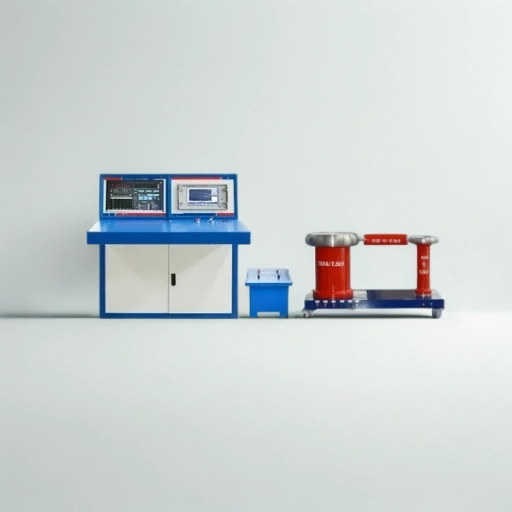
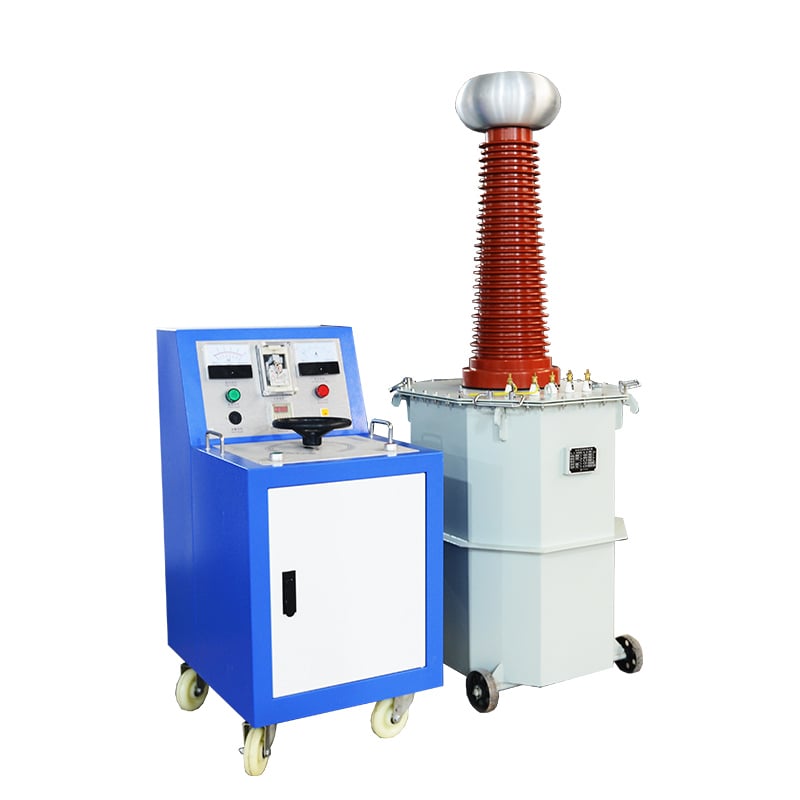
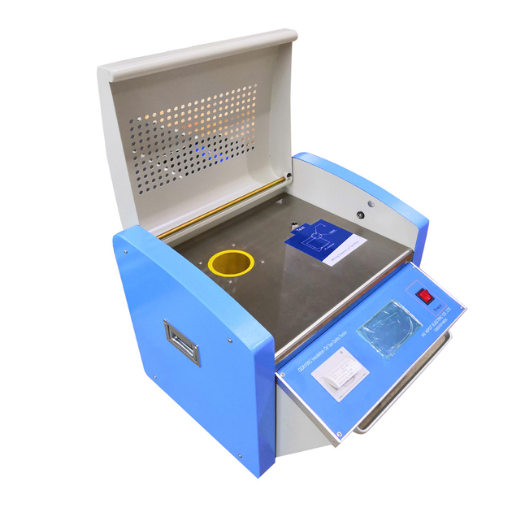
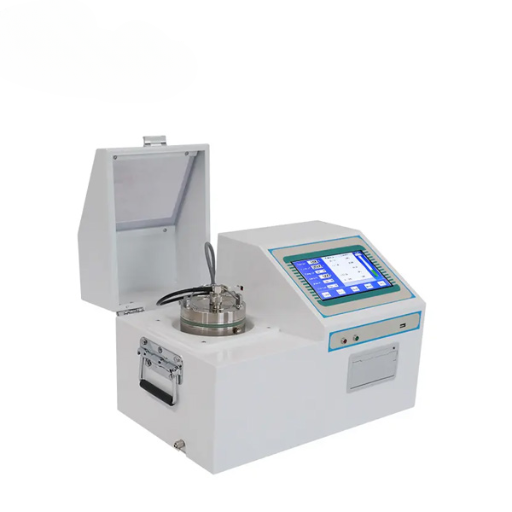
A dielectric dissipation factor is measured with specialized equipment called a tan delta test set. The insulation screener is subjected to an AC voltage, (50 or 60Hz) which replicates actual working environment conditions. The equipment used measures the insulation current and divides it into resistive current and capacitive current, then computes the ratio between resistive and capacitive current. This ratio, or tan delta, directly represents loss angle.
Today’s test equipment comes furnished with software that performs thorough data analysis and retrieves the relevant data including capacitance, power, and temperature. While it is preferable to carry out measurements in the laboratory or isolating the transformer or equipment, the tests must still be performed with the equipment well energized. Accurate measurement results require precise calibration with well-defined control protocols compliant to internationally accepted standards (e.g, IEC 60247 or ASTM D924). This systematic method guarantees the value of the dissipation factor obtained reflects the real condition of the insulation, thus revealing insight of the aging, contamination, or moisture absorption processes.
What Does the Dissipation Factor Indicate About Transformer Oil?

With regards to transformer oil, the dissipation factor indicates how much oil is wasted without performing useful work owing to impurities, moisture, acids or electrically conductive contaminants. A transformer oil with a high dissipation factor will severely undermine the transformer’s efficiency, raising the likelihood of equipment failure. Keeping an eye on the dissipation factor on the other hand helps gauge the oil’s overall quality and indicates when replacement is vital in order to keep all systems functioning reliably.
Understanding the Relationship Between Power Factor and Dissipation Factor
Observing a power factor’s value can reveal a lot regarding the insulating performance of electrical systems, energy losses in electrical systems, transformers, and capacitors. In that regard, the power factor connects to the insulation effeciency, measuring the active power spent versus the apparent power given. A high value of power factor indicates efficient energy utilization while low value of power factor suggests greater inefficiency and energy losses.
On the other hand, dissipation factor focuses on the dielectric properties of the insulating materials. More specifically, it quantifies the energy spent on heating up the dielectric material under an electric field. Because of these two their properties, these two factors become core indicators of the systems insulation condition. It is discovered that a dip in power factor usually means there is a dip in dissipation factor, suggesting potential dielectric failure or contamination of insulating materials.
Breakthroughs in technology have lead to new diagnostic procedures that can monitor and analyze these factors in real-time. An example of this is precision testing devices that provide measurements of power and dissipation factors with great accuracy. Such devices can help identify when dielectric breakdown or degrading occurs within the insulating components. With this insight, engineers are better equipped when deciding on how to optimize strategies for anticipating maintenance, improving system reliability and operational efficiency.
What Does a High Dissipation Factor Mean for Insulation Quality?
With insulation materials, a high dissipation factor reflects an imbalance of some kind in the dielectric quality of the material. A dielectric breakdown can happen due to moisture ingress, contamination, thermal aging, or chemical processes within the insulating medium. The dissipation factor defines the inefficiency within the insulation material’s ability to store electrical energy, which ignites some of that energy to heat. An increase in dissipation factor can indicate heightened dielectric losses, which result in inflation, accelerated aging, or, in some cases, electrical failure if sustained over a given period of time. Current research as well as observed data indicates that materials with a continuously high dissipation factor are prone to fail, especially when high voltage is applied as the stress on insulation is considerably high. For pinpointing components of concern and safeguarding the dependability of electrical systems over time, metering instruments for the sensitive parameters become invaluable.
How to Measure the Dielectric Dissipation Factor of Transformer Oil?

To measure the dielectric dissipation factor of transformer oil, follow these steps:
- Prepare the Testing Equipment
Use a specialized testing apparatus such as capacitance and dissipation (tan δ) meters. Make sure the equipment is clean and calibrated to avoid contamination.
- Collect the Oil Sample
With clean non-volatile, non-reactive containers, obtain an oil sample from the transformer. During collection, ensure there is no exposure to moisture or other contaminants.
- Set Up the Test Cell
Place the oil sample into the test cell ensuring there are no air bubbles present. Maintain a temperature of about 90ºC to the cell which is recommended by IEC 60247.
- Conduct the Measurement
Attach the test cell to appropriate measuring devices and apply required voltage which is often a low frequency AC signal. The device will determine and display the dielectric dissipation factor.
- Analyze the Results
Evaluate the measured value against industry standards or specifications provided by the transformer manufacturer. A high the value of dissipation factor indicates the level of contaminations or aging of the oil which demands extensive further evaluation or replacement.
These steps ensure accurate assessment of the oil’s dielectric performance, critical for maintaining transformer reliability.
Tools and Techniques for Measuring Dissipation Factor
To measure the dielectric dissipation factor, specialized equipment and measurement techniques need to be followed to provide accurate and reliable results. Different capacitance and dissipation factor measuring devices, like the Schering Bridge or more recent digital tan delta test sets, are widely known. These devices perform some form of AC voltage. They apply it to the sample under test and measure current at a certain phase shift angle. The more sophisticated versions come with some level of automation aimed at minimizing human intervention to enhance reproducibility.
Achieving accurate measurements of the dissipation factor requires strict control of the temperature. Because the dielectric characteristics of oil may change greatly with temperature, more modern testing apparatuses have built-in algorithms for temperature correction or temperature sensors that record temperatures externally to make adjustments to the readings based on standard conditions. Furthermore, the measurements are more reliable when good sample handling techniques such as storing oil in sealed containers and preventing exposure to air are applied.
New technologies like monitoring systems enable the continuous assessment of the dissipation factor in operating transformers. Such systems can use sensors and advanced analytical tools to continuously track the condition of the oil which supports predictive maintenance and reduces the chances of catastrophic failures. With the paradigm shift in the oil industry, experts have been able to achieve a greater precision and reliability when using transformer oils for dielectrics performance tests through a blend of traditional and modern techniques.
ASTM D924 and IEC 60247 Standards for Testing
Standards ASTM D924 and IEC 60247 remain quintessential methods used for evaluating the transformer oil dielectric insufficiency liquid, focusing on the dissipation factor and relative permittivity. Procedures for measuring dissipation factor in electrical insulating liquids by means of bridges is covered in ASTM D924. It also considers the irreversible change in the dielectric constituent due to aging or contamination. Similarly, in low and high temperature measurements, guidance on relative permittivity and dissipation factor is provided in IEC 60247.
As a result, these standards serve as critical benchmarks for uniform testing and cross-reference checkout in all parts of the world for data manufactured and tested by different manufacturers and laboratories. In addition, modern developments in oil testing instruments combined with automation have had a direct impact on effictive real-time responsiveness of the test as well as precision in noticing changes in the oil. Such developments offer possibilities for engineers to diagnose risks beforehand and increase transformer operating efficiency. Together, standards have formed the backbone of modern electrical systems and thus offer possibilities for extensive research in the field of transformer oil testing.
Factors Affecting the Dissipation Factor of Transformer Oil
Here are some basic factors that impact the oil dissipation transformer of an oil.
1. Moisture Content: Water vapor reduces the oil’s insulating property, thus increasing the dielectric losses. This makes the transformer oil more susceptible to damaging changes in the dissipation factor.
2. Contamination: Things like dirt, metal pieces, oil particulates, or gas bubbles increasing oil electric characteristics will also increase the dissipation factor.
3. Aging and Oxidation: Due to the combined exposure to air/oxygen and heat, the transformer oil will undergo chemical deterioration resulting in the creation of acids, sludge, and and moisture some of which will affect the dissipation factor.
4. Temperature: Improved operating temperatures alter the oils molecular structure giving way to increased resistor losses and an amplifier dissipation factor.
5. Additives Degradation: While some additives are intended to increase performance, they can increase oil electric properties thus degrading the dissipation factor.
Through regular maintenance and oil testing, the above actions can preserve the operational life of an oil transformer.
Impact of Oil Quality on the Dissipation Factor
The contaminants of transformer oil, such as water, gas, and solid particles have a direct effect on its dielectric strength and thus its dissipation factor. Excessive moisture can increase the oil’s conductivity while decreasing its insulating strength because liquid water facilitates ion migration within the dielectric medium. Some dissolved gases, especially oxidative ones like carbon monoxide or carbon dioxide, can also rupture the molecular structure of the oil and hence increase its electrical losses. Solid particles from either internal or external sources will increase local opera temperature during the operation, increasing the dielectric losses further.
To combat the aforementioned issues of the dissipation factor, adopting advanced filtration and vacuum dehydration processes are now widely recommended to mitigate these contaminants. Enhanced oil cleanliness directly reduces the dissipation factor while improving transformer efficiency and reliability. Other studies claim maintaining the moisture content below 30 ppm for particulates measuring 5 microns stabilizes the oil’s dissipation factor within the recommended range and enhances consistency.
Effects of Temperature and Voltage on Dielectric Properties
Changes in temperature and voltage levels have a direct impact on the dielectric properties of transformer oil. Enhanced thermal ionization and oil decomposition processes occurring at elevated temperatures tend to increase molecular mobility, weakening dielectric strength. Studies reveal that the dielectric constant of transformer oil loses its insulating effectiveness because it decreases with temperatures exceeding 60–80°C, which is above the optimal range.
Partial discharge activities and the formation of micro gas bubbles within transformer oil can be exacerbated by non-linear increases in voltage. This, in turn, decreases the oil’s insulation efficiency and increases the likelihood of dielectric failure. In addition, these high voltage stresses cause accelerated oil aging due to increased oxidation and decomposition, which produces acids, sludge, and moisture.
Recent breakthroughs in monitoring have voltage and temperature as two separate factors that can be diagnosed with precision with techniques like frequency-domain spectroscopy (FDS) and polarization-depolarization current (PDC). These methods not only aid in analyzing the quality of oil but also help in finding the value of oil and detecting the points that cause insulation damage provocation (thresholds) so that measures can be taken to avoid transformer’s operation and maintenance safety risks.
How Oil Age and Deterioration Influence the Dissipation Factor
The aging of transformer oil affects its dielectric parameters, such as the oil’s dissipative components which shows the effectiveness of transformers insulation system performance. Over time, oil deteriorates due to an increase in thermal, chemical, and electrical stress. This deterioration leads to increased dissolved byproducts of decay, moisture, and acids, considerably increasing the oil’s conductivity. The increased conductivity resulting in kiʻekiʻe acid conductivity increases dielectric loss, indicating that the whole insulation system loses its capability of suppressing energetic losses.
Research shows that aged oil has breakdown voltage of aged oil and voltage contamination worsened by polar contaminants such as dissolved water alongside the oxidation byproducts. Moreover, prolonged higher than normal temperature oil exacerbates oil oxidation which causes sludge formation. These oil degradation processes slow down the ability of oil to perform it’s main function of insulating and heat dissipation in a transformer.
Engineers can monitor the amount of oil aging by tracking changes in the dissipation factor with advanced oil diagnosis instruments, which helps maintain the operational reliability and safety of the transformer systems.
What is a Normal Dissipation Factor for Transformer Oil?

An average or normal oil dissipation factor for a transformer does not exceed 0.005 (or 0.5%) at the temperature of 25℃. This range is a strong indicator of desirable insulating properties coupled with low levels of contamination or oil aging. Exceeding this value indicates moisture content, degradation of oil, and some form of degradation which needs further detailed investigation or action. Regular monitoring ensures the oil remains within acceptable minimum and maximum bounds to support optimal transformer performance.
Typical Values for New Transformer Oil
To meet the newly set standards aimed for insulation as well and cooling effectiveness, new transformer oil must be within ideal parameters. Key characteristics include:
- Dielectric Strength: New transformer oil shows at least 30 kV dielectric breakdown at standard testing methods such as ASTM D877 or IEC 60156. High dielectric strength is critical for prevention of electrical discharge in the transformer.
- Water Content: Excess moisture for fresh transformer oil should be below 30 ppm (parts per million) to ensure insulation properties and hydrolysis does not occur. Too much moisture can lead to aging, compromising safety and efficiency.
- Neutralization Number (Acidity): For new oil, an ideal neutralization number would be less than 0.03 mg KOH/g. This figure describes the new oil’s resistance to oxidation and its overall purity with high values indicating deterioration or contamination.
- Interfacial Tension (IFT): For new transformer oil, the value of IFT should be greater than 40 dynes/cm (or mN/m). Oils with high IFT values are good in quality and are not oxidized by different substances and contaminants.
- Flash Point: New transformer oil’s flash point is typically above 135°C, ensures thermal stability and reduced fire risks during operation.
All these measurable properties mark the suitability of new transformer oil for electrical equipment. These rigorous benchmarks test and ensure industry standards for sustained operational reliability.
Comparison of Dissipation Factor in Different Oil Samples
|
Oil Sample |
Dissipation Factor at 20°C |
Dissipation Factor at 90°C |
Key Observations |
|---|---|---|---|
|
Mineral Oil (New) |
|
|
Suitable for standard transformers |
|
Mineral Oil (Aged) |
|
|
Elevated values indicate degradation |
|
Silicone Oil |
|
|
High thermal stability |
|
Ester Oil (Natural) |
|
|
Environmentally friendly alternative |
|
Ester Oil (Synthetic) |
|
|
Superior oxidation resistance |
|
Contaminated Oil |
Above 0.1 |
Above 0.5 |
Unsuitable, indicates severe pollution |
The table above presents important values of dissipation factor for different transformer oils at various temperatures. A higher dissipation factor denotes higher losses and indicates potential degradation of the oil. Operational risks also increase, requiring regular monitoring of the oil’s quality.
Guidelines for Acceptable Dissipation Factor Values
Ensuring that the optimal transformer oil is most reliable for its intended application requires acceptable dissipation factor values. New oils must comply with industry standards where dissipation factors are typically under 0.005 at 20°C, indicative of low energy loss and excellent insulation. For oils that are already in use, the acceptable limits depend on the operating conditions, the level of contaminants, the oil’s age and other factors. Usually, factors above 0.010 at 90°C are important as they signify extensive degradation or contamination that needs intervention.
As with other properties, transformer oils should also be tested at multiple temperature points as this property is affected by temperature—the dissipation factor is known to increase with rising temperature. Monitoring trends helps evaluate the rate of aging while also detecting issues like moisture ingress, oil oxidation, external contamination, among others. Professional maintenance often follows set schedules which incorporate periodic evaluation of the transformer using dissipation factor methods alongside other diagnostic techniques, like DGA and moisture content testing. Following these practices protects against insulation failure while guaranteeing sustained equipment efficiency.
How to Improve the Dielectric Dissipation Factor in Transformer Oil?
- Regular Filtration and Degassing
Perform oil filtration and degassing from time to time to remove moisture, dissolved gases, and particulate matter. This procedure improves the insulating characteristics of the oil.
- Maintain Proper Sealing
Check that all seals and gaskets are complete and do not allow for ingress of moisture and exposure to air, as both will impair the oil’s dielectric properties.
- Conduct Periodic Testing
Regular moisture content and acidity tests alongside dissipation factor analysis help identify early signs of oil degradation.
- Oil Reconditioning or Replacement
Significant impurities demand reconditioning the oil through purification techniques. Failing that, replace the oil with high-grade transformer oil compliant with industry standards.
- Avoid Overheating and Thermal Stress
Excessive heat accelerates oil degradation, so monitor and control transformer temperature.
With these practices, the dielectric dissipation factor can be preserved or enhanced, boosting transformer dependability while ensuring a longer service life.
Methods for Enhancing Transformer Oil Quality
- Utilize Modern Filtration and Degassing Technologies
High vacuum oil purifiers transform oil by removing moisture, gases, and particulates. In addition, the water content is reduced by exceedingly advanced filtration systems to lower than 10 ppm, and breakdown voltage is raised to above 70 kV. This also increases oil cooling and insulating properties. Oil degradation is lessened because gas removal of oxygen and other dissolved gases which would promote oxidation is eliminated.
- Implement Regular Dissolved Gas Analysis (DGA)
Monitoring dissolved gas levels through DGA is critical for detecting early-stage issues, such as overheating or partial discharge, that may affect transformer operation. DGA captures the concentration of hydrogen, methane, and ethylene in trace amounts, providing quantitative data which can be linked to certain identified transformer malfunctions. Routine monitoring ensures that the oil quality is maintained at the required level and promptly corrected if any anomalies are identified, reducing the possibility of system failures and increasing the life span of transformers.
- Add Oxidation Inhibitors
The incorporation of turbostabilizers, or oxidation inhibitors, into transformer oil takes advantage of proven methods designed to increase thermal stability besides preventing the formation of sludges. Antioxidants, such as synthetic 2,6-Di-tert-butyl-para-cresol (DBPC), significantly slow the degradation of oil. Such strategies can preserve oil functional properties while reducing maintenance intervals and operational costs in the long run.
Regular Testing and Monitoring for Optimal Performance
Scheduled examinations together with regular analysis of transformer oil help reveal the oil’s degradation, contamination, or failure trends. Analyzing the concentration of dissolved hydrogen, methane, and ethylene by Dissolved Gas Analysis (DGA) methods reveal the electrical or thermal faults of the transformer. Other tests such as measuring interfacial tension and dielectric strength, as well as moisture content analysis determine the degree of insulation of the oil and potential water ingress problems. With the use of sophisticated monitoring and predictive analytics, the transformer components reliability are improved and their life cycle prolonged with unplanned downtime and operational risks efficiently.
Reference Sources
-
A Novel Nondestructive Testing Method for Dielectric Loss Factor of Transformer Oil Based on Multifrequency Ultrasound (2022): This study introduced a nondestructive method using multifrequency ultrasound combined with a particle swarm optimization-Elman neural network (PSO-ENN) model to forecast the dielectric loss factor. The method effectively identifies polar impurities in transformer oil, which are indicative of aging and contamination.
-
Prediction of Dielectric Dissipation Factor by ATR-FTIR Spectroscopy (2023): This research proposed using attenuated total reflectance Fourier-transform infrared (ATR-FTIR) spectroscopy with multivariate calibration methods to predict DDF. The SPA-BP-ANN (successive projections algorithm-backpropagation artificial neural network) model outperformed ridge regression in accuracy.
-
Effect of Temperature on Dielectric Loss Factor of Biodegradable Transformer Oil (2018): The study demonstrated that the dielectric loss factor increases with temperature, particularly above 110°C, where it can rise by two orders of magnitude. The presence of dissolved water further exacerbates the loss factor.
Frequently Asked Questions (FAQs)
Q: What is the dissipation factor of transformer oil?
A: The dissipation factor of transformer oil, often referred to as tan delta, is a measurement that indicates the insulating oil’s ability to resist electrical currents. It represents the dielectric loss caused by the heating effect of the current in the insulating oil.
Q: How does the dissipation factor relate to the quality of insulating oil?
A: The dissipation factor is a crucial tool for evaluating the quality of insulating oil. A lower dissipation factor indicates better insulation characteristics, while a higher factor suggests greater dielectric loss and potential degradation of the oil’s properties.
Q: What factors can influence the dissipation factor of insulating oil?
A: The dissipation factor can be influenced by several factors, including the temperature of the oil, the condition of the insulating oil, and the presence of impurities. As the temperature rises, the dissipation factor of insulating oils may also increase, indicating higher dielectric loss.
Q: How is the dissipation factor measured in transformer insulating oil?
A: The dissipation factor is typically measured using a factor test that assesses the dielectric loss in an oil cup setup. Electrodes are used to apply a voltage and measure the resulting current to determine the dielectric dissipation factor.
Q: What is the significance of the loss angle δ in relation to transformer oil?
A: The loss angle δ, which is also known as the dielectric loss angle, is directly related to the dissipation factor. It is used to calculate the power factor of insulating oils, providing insight into the insulation’s efficiency and heat generation due to dielectric loss.
Q: What are the consequences of a high dissipation factor in transformer oil?
A: A high dissipation factor indicates that the insulating oil is experiencing greater dielectric loss, which can lead to increased temperature rises within the transformer. This can potentially accelerate the aging process of the insulating oil and compromise the insulation characteristics of the transformer.
Q: What are acceptable power factor values for insulating oils?
A: Acceptable power factor values for insulating oils typically range from 0.01 to 0.05 at room temperature. Values exceeding this range may indicate issues with the insulating oil that require further investigation.
Q: How can one determine the quality of transformer insulating oil over time?
A: Regular testing of the dissipation factor and power factor of insulating oils allows for ongoing evaluation of the oil’s quality. Monitoring these parameters can help identify trends indicating degradation or contamination over time.
Q: Why is it important to maintain optimal dissipation factor values in high voltage transformers?
A: Maintaining optimal dissipation factor values in high voltage transformers is crucial to ensure efficient operation, minimize heat generation, and prolong the lifespan of the transformer. High dielectric loss can lead to overheating and eventual failure if not managed properly.