Temperature control systems are the backbone of modern industries, ensuring precision, efficiency, and reliability across countless applications—from maintaining ideal conditions in pharmaceutical manufacturing to optimizing energy consumption in HVAC systems. This guide delivers an in-depth exploration of automatic temperature control systems, shedding light on their operational principles, core components, and practical applications. Whether you are a seasoned engineer refining your knowledge or a professional seeking to integrate cutting-edge technology into your operations, this article will equip you with the critical insights required to master these systems. Stay tuned as we break down the complexities and reveal actionable strategies to enhance performance and sustainability in temperature regulation.
How Does Automatic Temperature Control Work?

Automatic temperature control operates by continuously monitoring the environmental temperature and adjusting heating or cooling systems to maintain a desired setpoint. This process relies on a sensor to detect temperature changes, a controller to compare the measured value to the setpoint, and an actuator to make precise adjustments to the system. When the temperature deviates from the target, the system triggers a response, such as activating a heater, air conditioner, or fan, to restore the balance. By automating this process, these systems provide consistent comfort, improve energy efficiency, and reduce the need for manual intervention.
What Is a Temperature Control System?
A temperature control system is a sophisticated mechanism designed to monitor and regulate the thermal environment of a specific area or process. These systems operate by leveraging closed-loop or open-loop control techniques to maintain a pre-defined temperature, referred to as the setpoint. Modern temperature control systems utilize sensors, such as thermocouples or resistance temperature detectors (RTDs), to accurately measure real-time temperature data. This information is sent to a controller, often a programmable logic controller (PLC) or microcontroller, which compares the measured temperature to the setpoint. If discrepancies are detected, the controller signals actuators—such as heating elements, cooling systems, or motorized valves—to make precise adjustments.
Recent advancements in temperature control technology, as observed in search trends, highlight the integration of IoT (Internet of Things) devices and machine learning algorithms, which optimize performance and predict system behavior under varying conditions. These innovations enhance operational efficiency and allow remote monitoring and control through cloud-based platforms. Combined, these features make temperature control systems invaluable across industries such as manufacturing, healthcare, HVAC, and food processing, where precise thermal regulation is crucial for safety, consistency, and compliance with stringent standards.
Key Components in Automatic Temperature Control
- Temperature Sensors
These components are critical for measuring the current temperature within the system. Common types include thermocouples, resistance temperature detectors (RTDs), and thermistors. For industrial applications, thermocouples such as type K (temperature range of -200°C to 1,260°C) are often used due to their durability and wide measurement range. RTDs provide high accuracy and stability, typically operating within -200°C to 600°C.
- Controllers
Controllers process input signals from sensors and determine the appropriate output to maintain the desired temperature. Proportional-Integral-Derivative (PID) controllers are widely utilized due to their precise control capabilities. They work by managing proportional (current error), integral (historical error), and derivative (rate of error change) parameters, ensuring minimal temperature fluctuations.
- Actuators
Actuators execute the commands from the controller to adjust system variables. Examples include valves, motors, and relays that regulate heating or cooling elements. For instance, electric actuators typically operate within torque ranges suitable for mechanical systems, such as 2-20 Nm, ensuring precise modulation.
- Heating and Cooling Elements
These components directly influence the temperature of the system. Heating elements, such as electric heaters, are specified by power ranges like 100W to several kilowatts depending on the application’s heat load. Cooling systems may include compressors or thermoelectric coolers, selected based on capacity (e.g., 2 kW to 50 kW for industrial cooling systems).
- Power Supply Units
Consistent and reliable power supply is essential for stable operation. Power supply specifications must align with system requirements, often featuring ranges like 24V DC or 120/240V AC, ensuring compatibility with controllers and actuators.
- Interfaces for Monitoring and Control
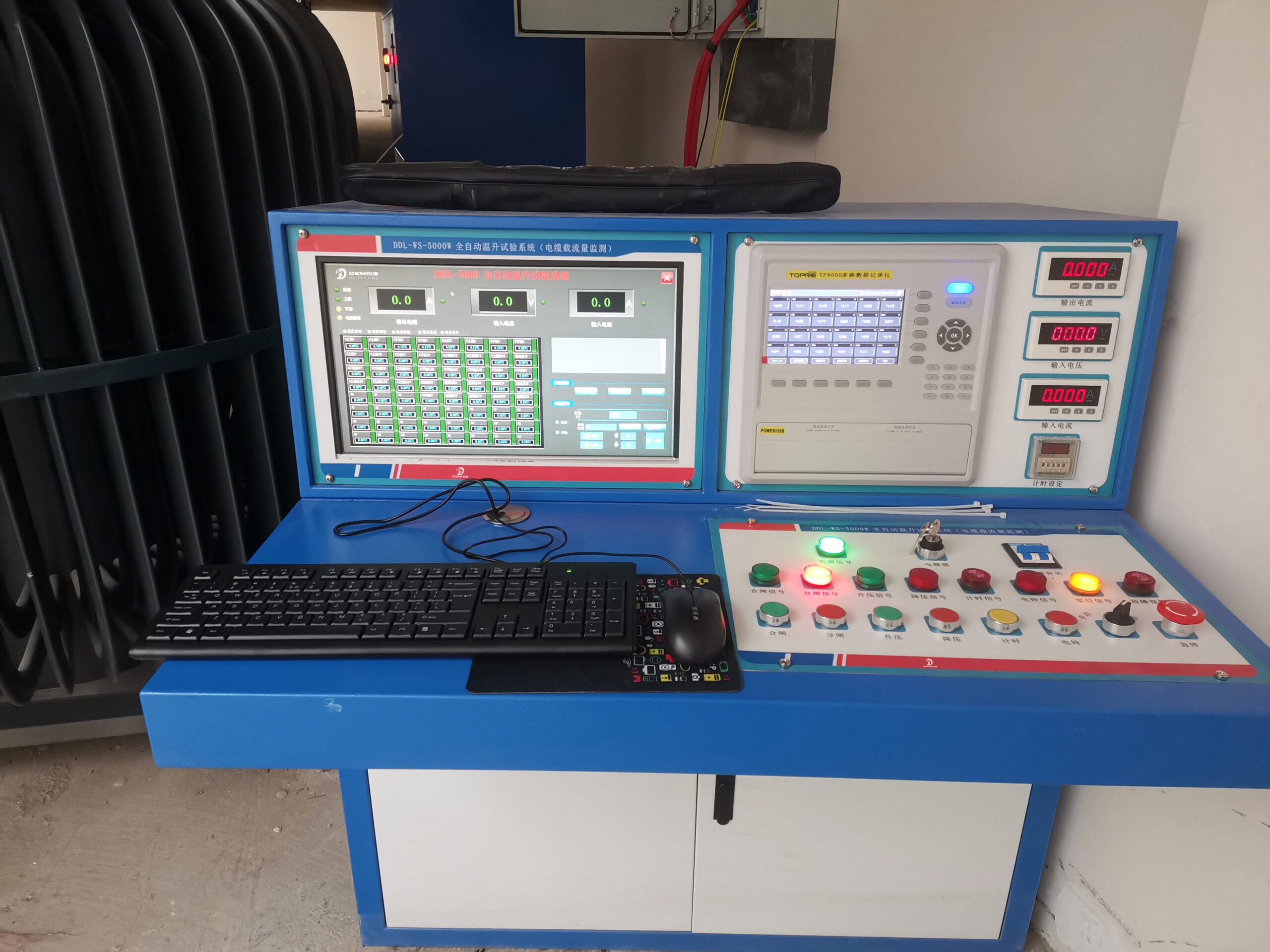
Modern systems integrate graphical interfaces or remote dashboards, often enabled by IoT technologies. These platforms allow operators to set parameters, monitor system status in real time, and access data logs for diagnostics and optimization.
Each of these components functions cohesively to ensure precise, reliable, and efficient temperature management tailored to the specific requirements of the application.
The Role of a Temperature Controller in Maintaining Balance
A temperature controller plays a critical role in maintaining thermal balance within any system. Its functions can be categorized into the following key aspects:
- Temperature Regulation: Automatically adjusts heating or cooling elements to maintain the target temperature set by the operator.
- Precision Monitoring: Continuously measures the current temperature using input from sensors to ensure accuracy.
- Feedback Mechanism: Utilizes control algorithms such as PID (Proportional-Integral-Derivative) to assess deviations from the set point and correct them efficiently.
- System Protection: Prevents overheating or undercooling by triggering alarms or shut-offs when the temperature exceeds safety thresholds.
- Energy Efficiency: Optimizes energy use by minimizing temperature fluctuations and reducing the demand on heating or cooling systems.
- Process Stability: Maintains consistent environmental or operational conditions, crucial for processes that require strict temperature control, such as in chemical manufacturing or food preservation.
- Data Logging and Analysis: Records temperature trends over time, providing valuable insights for performance analysis and predictive maintenance.
- Integration with Automation: Communicates with other system components, enabling full automation and streamlined process control.
What Are the Applications of Temperature Control?

Applications of Temperature Control
- Chemical Manufacturing: Maintains optimal reaction conditions to ensure product quality and consistency.
- Food Preservation and Storage: Prevents spoilage by keeping perishable goods at precise temperatures.
- Pharmaceutical Industry: Regulates environments for the production, storage, and transportation of medicines to ensure efficacy and safety.
- HVAC Systems: Ensures thermal comfort in buildings by controlling heating, ventilation, and air conditioning systems.
- Semiconductor Manufacturing: Maintains stringent temperature requirements during wafer production and device testing.
- Medical Equipment: Supports the precise operation of devices such as incubators and cryogenic systems.
- Energy Systems: Optimizes efficiency and safety in power plants and renewable energy systems through thermal regulation.
- Automotive Industry: Controls engine and battery temperatures to enhance performance and reduce wear.
- Aerospace Engineering: Manages thermal conditions in spacecraft and high-performance aircraft for component reliability.
- Industrial Automation: Integrates temperature control to enhance process efficiency and minimize downtime.
- Research and Development: Provides stable conditions for experiments requiring exact thermal environments.
- Electronics Cooling: Prevents overheating of sensitive electronic components to prolong device lifespan.
Industrial Temperature Control Applications
Industrial temperature control systems are integral across various sectors, ensuring precise thermal management to optimize performance, safety, and efficiency. Below is an exploration of their applications, with technical parameters consolidated from leading resources:
- HVAC Systems in Manufacturing
Temperature control within industrial HVAC systems is crucial for maintaining consistent indoor climates in factories, cleanrooms, and warehouses. Such systems ensure air quality, reduce humidity, and achieve temperatures typically ranging from 65°F to 75°F (18°C to 24°C), depending on process requirements.
- Plastics and Injection Molding
Temperature control is critical for mold temperature regulation to enhance product quality. For instance, coolant temperatures can vary between 50°F and 230°F (10°C to 110°C), depending on the type of plastic used to prevent warping or surface defects.
- Chemical Processing
Precise temperature management drives efficient reactions and prevents hazardous incidents in chemical manufacturing. Systems often operate within 32°F to 450°F (0°C to 232°C), ensuring the stability of catalysts and reaction rates.
- Food and Beverage Production
Industrial temperature controllers maintain strict thermal conditions for pasteurization, fermentation, and storage. Typical ranges include 37°F to 140°F (3°C to 60°C), ensuring product safety and shelf-life extension.
- Pharmaceutical Manufacturing
Cleanroom environments and biopharmaceutical production processes rely on temperature control systems for sterility and consistency. Conditions must often remain within ±2°F (±1°C) to meet regulatory standards.
- Semiconductor and Electronics Fabrication
Extreme precision is critical in semiconductor manufacturing to manage heat generated during wafer processing. Cooling systems often maintain temperatures below 77°F (25°C) to prevent thermal expansion and ensure production integrity.
These applications illustrate the diverse and essential roles of industrial temperature control, with optimal parameters tailored to industry-specific demands for quality assurance and operational reliability.
Home Climate Control Systems
Home climate control systems are designed to regulate indoor temperature, humidity, and air quality for both comfort and energy efficiency. Modern systems often incorporate advanced technologies, such as programmable thermostats, zoning capabilities, and smart connectivity for remote control via mobile devices. The most common types of systems include central air conditioning, heat pumps, and ductless mini-splits, each tailored to different household needs and layouts.
Central air systems rely on ductwork to distribute cooled or heated air across the entire home, while ductless mini-splits offer customizable zone control without requiring extensive duct installation. Heat pumps are versatile, providing both heating and cooling by transferring thermal energy, and are particularly energy-efficient in moderate climates. Smart systems can monitor living conditions in real time and adjust based on occupancy patterns or user preferences, maximizing efficiency and reducing utility expenses. Proper maintenance, including filter replacement and cleaning, is critical to sustaining optimal performance and extending the lifespan of these systems.
Advancements in climate control continue to prioritize energy efficiency, sustainability, and user convenience, aligning with modern standards for eco-friendly living and technological integration.
How Does PID Control Improve Automatic Temperature Control Systems?

PID control, which stands for Proportional-Integral-Derivative control, significantly enhances automatic temperature control systems by providing precise and stable regulation of temperature. The proportional component helps reduce errors by making real-time adjustments based on the difference between the current temperature and the setpoint. The integral component eliminates accumulated errors over time, ensuring that the system reaches and maintains the desired temperature. Lastly, the derivative component predicts future temperature deviations by analyzing the rate of change, enabling preemptive corrections. Together, these elements work to minimize overshoot, oscillations, and response time, resulting in a more efficient and reliable temperature control process.
Understanding PID Control in Temperature Control
Applications and Benefits of PID Control in Temperature Regulation
PID (Proportional, Integral, Derivative) controllers are extensively utilized in temperature regulation across various industries due to their precision and adaptability. They are commonly used in systems such as HVAC (Heating, Ventilation, and Air Conditioning), industrial furnaces, ovens, and chemical reactors, where maintaining a stable and precise temperature is critical.
The proportional component reacts to immediate errors by adjusting the control output proportionally to the deviation from the setpoint. The integral component accumulates past errors and applies corrections to ensure ultimate precision over time by eliminating residual offsets. Meanwhile, the derivative component forecasts potential future deviations by assessing the rate of change of the error, enabling timely corrective actions to prevent overshoot and oscillations.
The integration of these three components allows for a finely tuned response, ensuring rapid stabilization, minimal disturbance, and consistent process reliability. By continuously self-adjusting in response to real-time data, PID controllers enhance efficiency, reduce energy consumption, and improve overall system performance, making them indispensable in temperature-critical applications.
Benefits of PID Control in HVAC Systems
- Enhanced Temperature Stability: PID control ensures precise temperature regulation, reducing fluctuations and maintaining a consistent environment.
- Energy Efficiency: By optimizing system responsiveness, PID controllers minimize energy consumption, leading to lower operational costs and reduced environmental impact.
- Improved System Reliability: Continuous feedback mechanisms ensure that HVAC systems operate within optimal parameters, minimizing wear and tear on components.
- Faster Response Times: PID controllers enable systems to quickly adjust to changes in load or environmental conditions, ensuring rapid stabilization.
- Reduced Maintenance Requirements: With better control and reduced strain on HVAC components, the need for frequent maintenance is significantly diminished.
- Customizable Performance: PID settings can be fine-tuned for specific applications, allowing for versatility across a variety of HVAC configurations.
- Seamless Integration with Automation Systems: PID controllers are compatible with modern building automation systems, enabling centralized and intelligent control.
- Minimized Overshoot and Oscillations: By balancing proportional, integral, and derivative components, PID controllers prevent excessive deviations from setpoints.
- Enhanced Comfort Levels: Consistent temperature and humidity control lead to improved occupant comfort in both residential and commercial environments.
- Scalability: PID control can be adapted for HVAC systems of all sizes, from small units to large industrial setups.
What Is the Role of Thermocouples in Temperature Control?
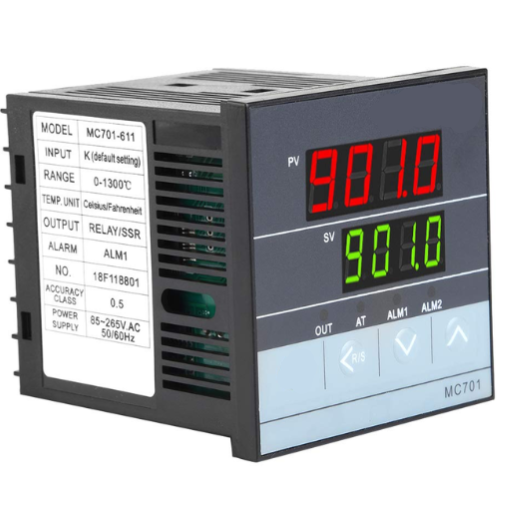
Thermocouples play a critical role in temperature control by providing accurate and rapid temperature measurements. They function based on the thermoelectric principle, where a voltage is generated due to the temperature difference between two dissimilar metals joined at one end. This voltage correlates to temperature and is relayed to a control system, such as a PID controller, to regulate heating or cooling mechanisms. Their durability, wide temperature range, and fast response make thermocouples an integral component in maintaining precise temperature control across various industrial and residential applications.
How Thermocouples Enhance Temperature Control Systems
Thermocouples contribute significantly to the accuracy and efficiency of temperature control systems due to their rapid responsiveness, robust construction, and wide operational range. These sensors are capable of measuring temperatures from as low as -200°C to as high as 2300°C, depending on the thermocouple type (e.g., Type K, J, or R). Their fast response time, often less than a second, ensures dynamic adjustments in real-time, essential for critical processes such as chemical reactions or industrial furnaces.
Key technical parameters that highlight their performance include accuracy, which typically varies from ±1°C to ±2°C, and sensitivity, often around 41 µV/°C for a Type K thermocouple. Additionally, their ability to function in extreme conditions, such as high pressure, corrosive environments, and rapid thermal cycling, makes them highly reliable. When integrated with PID controllers or PLC systems, thermocouples enhance system stability, reduce energy consumption, and improve overall process efficiency, reinforcing their role as fundamental components in modern temperature control systems.
Integrating Thermocouples with Temperature Controllers
When integrating thermocouples with temperature controllers, I prioritize accuracy, compatibility, and signal integrity. First, I ensure the thermocouple type matches the input specification of the temperature controller, such as selecting a controller designed for a Type K thermocouple. Proper wiring is crucial, so I use the correct compensating cables and ensure polarity is maintained to prevent measurement errors. To optimize performance, I calibrate the system by aligning the controller’s settings with the thermocouple’s specific temperature range and characteristics.
Additionally, I often incorporate cold junction compensation, as it is vital for correcting any temperature differences introduced at connection points. For industrial applications, I enable features like PID control on the temperature controller to achieve precise temperature regulation and minimize deviations. Finally, I consider environmental factors, such as electromagnetic interference, and use shielding or twisted-pair cables where necessary to maintain signal accuracy. By addressing these factors methodically, I ensure reliable and efficient system integration.
How Does Automatic Temperature Control Compare to Manual Systems?

|
Key Parameter |
Automatic Temperature Control |
Manual Systems |
|---|---|---|
|
Precision |
High, consistent temperature regulation |
Subject to human error |
|
Response Time |
Rapid adjustments to maintain setpoints |
Slower, depends on manual intervention |
|
Efficiency |
Optimized energy usage |
Potential for energy waste |
|
User Effort |
Minimal, fully automated |
High, requires constant monitoring |
|
Control Complexity |
Handles complex processes effectively |
Limited to simple adjustments |
|
Scalability |
Easily integrates into larger systems |
Difficult to scale for advanced setups |
|
Real-time Monitoring |
Continuous data logging and monitoring |
Limited or no real-time feedback |
|
Environmental Impact |
Reduces emissions through optimized control |
Potential for higher environmental impact |
|
Initial Cost |
Higher due to advanced technology |
Lower initial investment |
|
Long-term Cost Savings |
Saves costs through energy and resource efficiency |
Higher due to inefficiencies |
|
Maintenance Requirements |
Low with proper setup |
Significant due to reliance on manual actions |
Advantages of Automatic Control Over Manual Temperature Control
- Precision in Temperature Regulation: Automatic systems provide highly accurate temperature adjustments, reducing fluctuations and ensuring optimal conditions.
- Energy Efficiency: By maintaining precise control, automatic systems avoid unnecessary energy consumption, leading to significant savings over time.
- Consistency: Automatic control ensures a constant and uniform temperature, eliminating variability caused by human error.
- Automation and Convenience: These systems require minimal human intervention, offering continuous operation without the need for manual adjustments.
- Programmability: Advanced systems allow for the scheduling of temperature changes, catering to specific time periods or operational requirements.
- Integration with Smart Systems: Automatic control systems can often integrate with other smart technologies, enabling enhanced monitoring and control through IoT (Internet of Things) solutions.
- Reduced Maintenance: When properly installed and calibrated, automatic systems typically require less frequent maintenance compared to manual systems prone to wear and misuse.
- Improved Safety: By automating temperature control, these systems reduce risks associated with extreme temperatures or hazardous environments, offering safer operation overall.
- Scalability for Complex Systems: Automation is particularly advantageous in large-scale applications where manual control would be impractical or inefficient.
Limitations and Challenges of Automatic Temperature Control
While automatic temperature control systems offer numerous benefits, they also come with certain limitations and challenges that need to be considered:
- High Initial Costs: The installation of automatic temperature control systems often requires advanced hardware, specialized sensors, and sophisticated software, resulting in high upfront costs. For instance, precision RTD temperature sensors and programmable logic controllers (PLCs), commonly used in these systems, can significantly impact budgets.
- Complex Implementation: Integrating these systems into existing setups can be complex, particularly in environments with outdated infrastructure. Such integration requires detailed system analysis, technical expertise, and may involve retrofitting equipment.
- Maintenance and Calibration: While less frequent than manual systems, automatic temperature controls still demand periodic maintenance to ensure optimal accuracy. This includes recalibration of sensors to maintain their sensitivity and functionality, with deviation limits often specified within ±0.1°C depending on application requirements.
- Vulnerability to Power or System Failures: Automated systems are highly dependent on a stable power supply and network connectivity. A power outage or system failure can disrupt temperature regulation, potentially leading to operational downtime or product damage in critical environments such as pharmaceuticals or semiconductor manufacturing.
- Cybersecurity Risks: Modern automatic temperature control systems often rely on IoT and network connections for remote access and monitoring. This connectivity introduces an additional challenge of cybersecurity threats, requiring robust firewalls, encryption methods, and regular software updates.
- Response Delays in Complex Systems: These systems may have inherent latency due to data processing or slow response of specific equipment components, especially when scaled for large industrial setups. This can impact their ability to maintain real-time temperature control in fast-changing environments.
Understanding these limitations is essential for making informed decisions regarding the deployment and management of automatic temperature control systems to ensure both functionality and reliability in varied applications.
Reference Sources
-
Temperature Controller Basics – Team Wavelength: A detailed guide on the basics of precision temperature controllers and their components.
-
Top 10 Best Temperature Monitoring Solutions in 2025 – SafetyCulture: A comprehensive overview of modern temperature monitoring solutions.
-
Temperature Control Applications – Spirax Sarco: Insights into common temperature control applications like process vessels and heat exchangers.
-
How to Automate ANY Temperature Controlled Process – Instructables: A practical guide to automating temperature-controlled processes.
-
Temperature Control Resources – Thermo Fisher Scientific: A resource library for temperature control equipment and technical notes.
Frequently Asked Questions (FAQs)
Q: What is an Automatic Temperature Control (ATC) System?
A: An ATC system is an electronic device used to control the temperature within a specific environment by automatically adjusting control devices like control valves and electric motors to maintain the desired value.
Q: How does an ATC system regulate the temperature?
A: The ATC system regulates the temperature by using control units and devices to adjust the flow of refrigerant or other cooling/heating elements to match the set temperature, taking into account changes in temperature and other environmental factors.
Q: What role does a temperature controller play in an ATC system?
A: A temperature controller uses sensors and probes to monitor the process temperature, comparing it to the preset value, and then signals the control devices to adjust their output proportionally to maintain the desired temperature.
Q: Can ATC systems be found in vehicles?
A: Yes, ATC systems are commonly found in luxury cars where they control the temperature of the vehicle interior, adjusting the ambient air through vents and blend doors to ensure comfort for vehicle occupants.
Q: What is the function of a control valve in an ATC system?
A: A control valve is used to control the flow of heating or cooling mediums, such as refrigerant or water, to achieve the desired process temperature by adjusting as needed based on feedback from the control unit.
Q: How do changes in temperature affect an ATC system?
A: Changes in temperature are detected by sensors and probes, which then signal the ATC system to adjust the output of control devices to maintain the set temperature, ensuring consistent operation despite external or internal fluctuations.
Q: What is the importance of the ambient air in ATC systems?
A: Ambient air is a critical factor in ATC systems as it affects the initial temperature conditions. The system must adjust to varying ambient conditions to accurately control the temperature and maintain comfort or process efficiency.
Q: What types of control devices are typically used in ATC systems?
A: Common control devices in ATC systems include solenoids, electric motors, and control valves. These components work together to adjust the flow and temperature of the medium being controlled, ensuring the system effectively achieves the desired value.
Q: How does an ATC system stop heating or cooling once the set temperature is reached?
A: Once the set temperature is reached, the temperature controller signals the final control devices to reduce or stop the flow of heating/cooling mediums, maintaining the environment within the desired temperature range.
Q: What is the role of a Peltier device in temperature control?
A: A Peltier device is used in some ATC systems to provide precise temperature control by using electric currents to create a heat flux between two different materials, which can be employed for both heating and cooling applications.