Solar energy has emerged as a pivotal force in the transition towards sustainable and renewable power solutions. Photovoltaic power stations, often referred to as solar farms, are at the forefront of this transformation, offering a scalable and efficient way to convert sunlight into electricity. This article explores the incredible potential of photovoltaic power stations, examining their underlying technology, operational efficiency, and the critical role they play in reducing carbon emissions. Whether you’re a seasoned professional in renewable energy or simply curious about the mechanics and impacts of solar technology, this overview will provide you with valuable insights into how photovoltaic systems are reshaping energy infrastructure on a global scale.
What Is a Pv Power Station and How Does It Work?
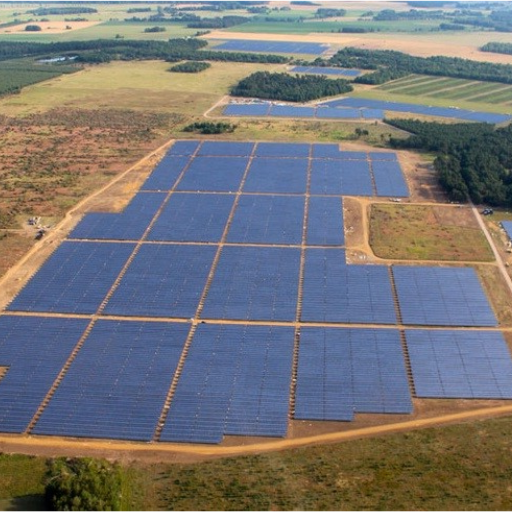
A photovoltaic (PV) power station, also known as a solar farm, is a large-scale facility designed to generate electricity by capturing sunlight and converting it into usable energy. This process relies on PV panels composed of semiconductor materials, typically silicon, which absorb sunlight and trigger the flow of electrons, creating an electric current. The electricity produced is direct current (DC) and is converted into alternating current (AC) using inverters, making it suitable for use in homes, businesses, or the power grid. PV power stations are strategically located in areas with high solar exposure to maximize energy output and contribute significantly to sustainable energy generation.
Understanding the Basics of Photovoltaic Technology
Photovoltaic (PV) technology operates by directly converting sunlight into electricity using semiconducting materials such as silicon. When sunlight strikes the PV cell, photons dislodge electrons, generating a flow of electricity. This process is known as the photovoltaic effect. The electricity generated is initially in direct current (DC) form and is transformed into alternating current (AC) using inverters to ensure compatibility with common electrical systems.
PV systems primarily consist of PV cells, modules (collections of cells), inverters, and often, energy storage solutions like batteries. Efficiency in energy conversion depends on factors such as the quality of the materials used, the design of the system, and the intensity and angle of sunlight exposure. Modern advancements, such as multi-junction cells and tracking systems, have further increased the efficiency of PV technologies.
PV technology is highly scalable, ranging from small rooftop installations to large utility-scale solar farms. Its deployment is influenced by geographic variables, such as solar insolation levels, which dictate energy yield. Photovoltaics offer an environmentally sustainable energy solution with minimal greenhouse gas emissions, positioning them as a critical component in the global transition to renewable energy sources.
Components of a Solar Power Plant
- Photovoltaic (PV) Modules: The essential parts that make up the semiconductor materials to sunlight to direct current (DC) electricity.
- Inverters: Changeover devices that take the PV modules output of DC electricity and switch it into alternating current (AC) electricity which is compatible with the electric grid and compatible for the use of home appliances.
- Mounting Structures: Also, these PV modules or their support frameworks Fixed or movable structure which can rotate with the sun to glean maximum solar energy.
- Balance of System (BOS) Components: With other electric elements needed for proper gattering or functioning, includes wiring, connectors, combiner boxes.
- Energy Storage Systems: Optional but increasingly common, these systems involve batteries or other storage technologies to retain excess energy for use during low sunlight conditions.
- Monitoring and Control Systems: Digital tools and software used to track system performance, detect faults, and ensure efficient operation.
- Transformer Units: Used in larger installations to step up generated electricity to the required voltage for grid distribution.
- Grid Connection Infrastructure (if applicable): Includes the required equipment and systems to feed electricity into the power grid.
The Role of Solar Panels in Electricity Generation
Solar panels play a critical role in the process of converting sunlight into usable electricity. Their functions and contributions can be categorized as follows:
- Photon Absorption: Solar panels are composed of photovoltaic cells that absorb photons from sunlight, initiating the photovoltaic effect.
- Electron Mobilization: The absorbed energy excites electrons, creating an electric current as they move through the material in the cells.
- Direct Current (DC) Generation: The electricity generated in this process is in the form of DC, which must often be converted to AC for practical use.
- Energy Efficiency: Solar panels are designed to maximize the capture of sunlight and operate efficiently under varying weather conditions.
- Scalability: Due to their modular design, solar panels can be deployed in various configurations, from small-scale residential systems to vast solar farms.
- Durability and Longevity: Modern solar panels are engineered to withstand harsh environmental conditions, maintaining performance over decades.
- Reducing Carbon Footprint: By producing clean energy, solar panels significantly contribute to reducing greenhouse gas emissions and dependency on fossil fuels.
These critical functions highlight the pivotal role solar panels play in the global shift toward sustainable and renewable energy systems.
What Are the Types of Solar Power Plants?
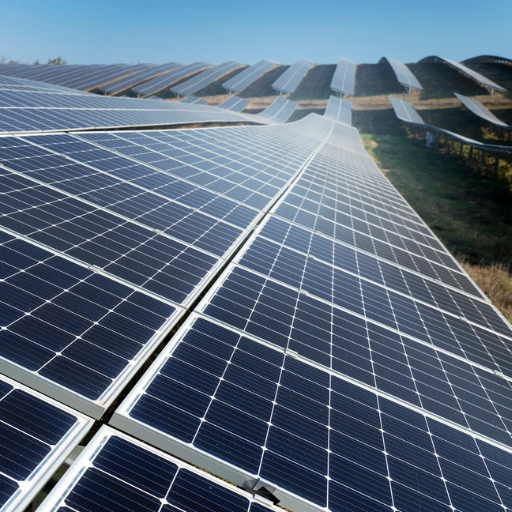
Solar power plants are classified into three primary types based on their technology and energy conversion mechanisms:
- Photovoltaic (PV) Solar Power Plants: These use photovoltaic cells to convert sunlight directly into electricity. They are the most common type and are scalable from small rooftop installations to large utility-scale systems.
- Concentrated Solar Power (CSP) Plants: CSP systems use mirrors or lenses to concentrate sunlight onto a small area, generating heat that drives a steam turbine to produce electricity. These are typically used in large-scale operations.
- Hybrid Solar Power Plants: Combining solar energy with other energy sources, such as biomass or fossil fuels, these systems enhance reliability and efficiency by operating consistently, even during low sunlight conditions.
Each type serves specific applications and scales, contributing to the diversification of renewable energy technologies.
Exploring Utility-Scale Solar and Residential Systems
When considering utility-scale solar systems, these are expansive installations designed to generate significant amounts of electricity for the grid. They operate on a large scale, using vast arrays of photovoltaic (PV) panels or concentrated solar power (CSP) technologies. The primary focus is on maximizing efficiency and power output to supply electricity to multiple communities or commercial operations.
Residential solar systems, on the other hand, are designed for individual households or small businesses. They typically consist of rooftop solar panels combined with an inverter and, in some cases, a battery storage system to manage energy usage. These systems empower homeowners to reduce reliance on the grid, lower electricity bills, and contribute to sustainability goals.
By leveraging the strengths of both utility-scale and residential systems, the solar energy sector fulfills diverse energy needs, advancing renewable energy integration across different levels of society.
Differentiating Between Solar Thermal and Photovoltaic
Solar thermal systems harness sunlight to generate heat, whereas photovoltaic (PV) systems directly convert sunlight into electricity.
|
Parameter |
Solar Thermal |
Photovoltaic (PV) |
|---|---|---|
|
Function |
Heat energy |
Electricity |
|
Mechanism |
Absorption |
Conversion |
|
Application |
Heating |
Power supply |
|
Efficiency |
High (heat) |
Moderate |
|
Energy Storage |
Thermal tank |
Batteries |
|
Ideal Use Case |
Water heating |
Direct power |
How Efficient are PV Systems in Generating Clean Energy?
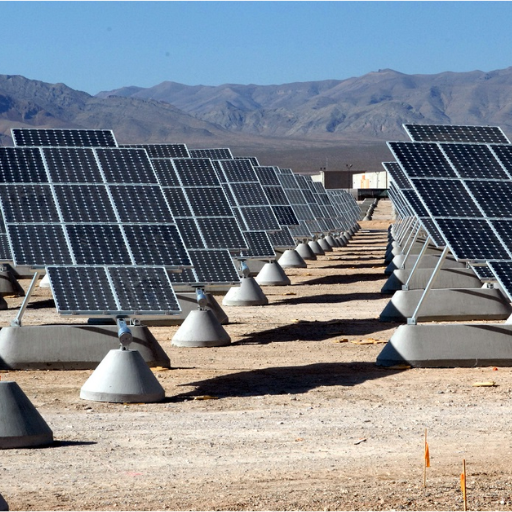
Photovoltaic (PV) systems are among the most efficient and scalable methods of generating clean, renewable energy. Modern PV panels typically achieve energy conversion efficiencies ranging from 15% to 22%, depending on the technology and materials used. Advanced designs, such as monocrystalline silicon panels, often outperform polycrystalline and thin-film alternatives in efficiency and durability. Additionally, PV systems have the advantage of producing electricity without emitting greenhouse gases during operation, contributing significantly to efforts to reduce dependence on fossil fuels. However, factors such as shading, temperature, and maintenance can influence their overall performance. Through continued technological innovation, the efficiency of PV systems is steadily improving, making them a crucial element in achieving global sustainability goals.
Factors Affecting PV Power Output
- Solar Irradiance: The intensity of sunlight directly affects the power output of photovoltaic systems, with higher irradiance leading to greater energy production.
- Shading: Obstructions such as trees, buildings, or debris can block sunlight, reducing the system’s energy yield significantly.
- Temperature: High temperatures can decrease the efficiency of photovoltaic cells, as excessive heat increases electrical resistance within the system.
- Panel Orientation and Tilt: The angle and direction of PV panels relative to the sun influence how effectively they capture sunlight. Optimal orientation improves energy generation.
- System Design: The configuration of PV components, such as inverters and cabling, impacts overall performance and energy conversion efficiency.
- Dust and Dirt Accumulation: The buildup of dirt, dust, or other residues on panel surfaces can lower their capacity to absorb sunlight, reducing output.
- Degradation Over Time: PV modules experience performance degradation due to aging, which minimally reduces their efficiency each year.
- Weather Conditions: Cloud cover, rain, and snow can limit sunlight exposure, temporarily decreasing the power output.
- Maintenance Practices: Regular cleaning, timely repairs, and component replacements ensure optimal system functionality and maximize output over time.
- Grid Integration Efficiency: Losses during the transmission and distribution of electricity due to resistance in wires or grid constraints can affect the usable power from PV systems.
Comparing Photovoltaic Efficiency with Other Solar Technologies
Photovoltaic (PV) solar technology is commonly compared to concentrated solar power (CSP) and thin-film solar technology in terms of energy conversion efficiency, cost-effectiveness, and practical applications.
|
Key Point |
PV |
CSP |
Thin-Film |
|---|---|---|---|
|
Efficiency |
15-22% |
30-40% |
~10-12% |
|
Cost |
Moderate |
High |
Low |
|
Area Use |
Compact |
Extensive |
Compact |
|
Application |
Rooftops |
Large Plants |
Flexible Uses |
|
Storage |
External |
Integrated |
External |
|
Tech Age |
Mature |
Evolving |
Evolving |
What Are the Largest Solar Parks in the World?

The largest solar parks globally are characterized by their massive capacity and land usage, often exceeding several gigawatts of installed power generation. Notable examples include the Bhadla Solar Park in India, boasting an installed capacity of 2.25 GW, making it the largest operational solar park. Similarly, the Tengger Desert Solar Park in China, with over 1.5 GW of capacity, is renowned for leveraging vast arid land to generate clean energy. The Pavagada Solar Park in India also ranks high, with a capacity of 2.05 GW, spread across 13,000 acres. These projects exemplify advancements in solar power scalability and their role in meeting renewable energy targets.
Spotlight on the World’s Largest Solar Park
The world’s largest solar park is the Bhadla Solar Park, located in the Jodhpur district of Rajasthan, India. With an installed capacity of 2.25 GW, it spans 14,000 acres and demonstrates the viability of large-scale renewable energy solutions in extreme climatic conditions. The park was developed in multiple phases with contributions from various developers, integrating advanced photovoltaic technology to optimize performance and reliability. Its strategic location, featuring high solar insolation and minimal rainfall, makes it ideal for consistent energy generation. The Bhadla Solar Park exemplifies India’s commitment to expanding renewable energy infrastructure and achieving its ambitious solar energy targets.
Understanding the Impact of Enel Green Power Projects
Enel Green Power’s projects have a profound impact on advancing global renewable energy goals by delivering sustainable, scalable, and innovative energy solutions worldwide. These projects are designed to reduce carbon emissions, enhance energy efficiency, and support local economies by integrating renewable energy systems such as solar, wind, hydro, and geothermal power.
From a technical perspective, Enel Green Power employs advanced technologies including bifacial solar panels, energy storage systems, and digital grid integration to maximize energy yield and ensure reliability. For instance:
- Bifacial solar panels: Improve energy capture by up to 25% by utilizing sunlight on both sides of the panel.
- Battery energy storage systems (BESS): Enhance grid stability by storing excess energy and releasing it during peak demand.
- Digital monitoring systems: Enable real-time performance tracking, reducing downtime and maintenance costs by up to 30%.
These parameters underscore the organization’s focus on efficiency and sustainability, setting a benchmark in renewable energy deployment globally.
How Does a PV Power Station Integrate with the Power Grid?

A PV power station integrates with the power grid through several critical components and processes. First, the photovoltaic (PV) modules generate direct current (DC) electricity, which is converted into alternating current (AC) by inverters to match grid frequency and voltage requirements. Then, a transformer steps up the voltage to align with the grid’s transmission standards. Grid synchronization is managed through advanced control systems to ensure seamless delivery of electricity while maintaining grid stability. Additionally, monitoring and protection systems are employed to mitigate power fluctuations and ensure operational reliability. Finally, power flow is coordinated with grid operators to optimize energy distribution based on real-time demand and supply.
The Role of Solar Power Stations in the Power Grid
- Renewable Energy Generation: Solar power stations contribute significantly to the supply of renewable energy, reducing dependence on fossil fuels and helping mitigate carbon emissions.
- Peak Demand Management: During periods of high electricity demand, particularly in sunny regions, solar power stations help alleviate pressure on the grid by providing supplementary power.
- Grid Decentralization: Solar installations promote a more decentralized grid structure, allowing for localized energy production and reducing transmission losses.
- Energy Storage Integration: Many modern solar power stations are integrated with energy storage systems, like batteries, to store excess power and ensure availability during periods of low solar production.
- Economic Benefits: Solar stations create opportunities for reducing electricity costs over time and can provide income through renewable energy incentives and credits.
- Grid Stability Contributions: Advanced technologies in solar stations, such as smart inverters, facilitate voltage regulation and assist with maintaining grid stability.
- Support for Electrification Goals: Solar power stations align with global efforts toward electrification and increasing the share of renewable energy in the power mix.
Challenges and Solutions in Electricity Generation
Solar and wind energy, as renewables, have their own advantages and challenges. Generating power using these sources comes with one major challenge; their intermittency, which means their dependability on weather conditions. This challenge is unlike fossil power which can generate energy consistently. Batteries, or newer technologies like flow batteries, are now being used in conjunction with other renewable electricity technologies to help make the power supply more reliable.
Another significant challenge is the aging grid infrastructure in many regions, which struggles to accommodate the rising demand for electricity and the integration of decentralized energy sources. Upgrading grid systems with smart technologies and developing microgrids can help enhance resilience, improve energy distribution, and expand the grid’s capacity to handle variable energy inputs.
Additionally, cost barriers remain a concern, especially in the adoption of advanced technologies like energy storage or grid upgrades. Policies such as tax incentives, government grants, and public-private partnerships can provide the necessary financial support to accelerate these advancements. By addressing these challenges through innovative solutions, we can move closer to a sustainable and efficient energy future.
Future of Independent Power Producers
The future of independent power producers (IPPs) is promising yet heavily dependent on adaptability and innovation. I believe the shift towards renewable energy will define our trajectory, as the demand for clean and reliable energy continues to grow. By integrating technologies like advanced energy storage, smart grid systems, and scalable renewable projects, IPPs have the potential to play a crucial role in decarbonizing electricity systems globally. Furthermore, navigating regulatory complexities and leveraging policy incentives will be key to maintaining competitiveness and ensuring long-term sustainability in an evolving energy landscape.
Reference Sources
-
National Renewable Energy Laboratory (NREL) – Solar Photovoltaic Technology Basics: Provides foundational knowledge about photovoltaic technology and its reliability.
-
U.S. Energy Information Administration (EIA) – Photovoltaics and Electricity: Explains how photovoltaic cells work and their role in electricity generation.
-
NREL – Photovoltaic Applications: Discusses various applications of photovoltaic systems, including utility-scale solar farms.
-
International Energy Agency (IEA) – Reliability and Performance of Photovoltaic Systems: Focuses on improving the reliability and performance of photovoltaic systems.
-
Aninver – Feasibility Study of Solar PV Projects: Discusses the primary constituent parts of feasibility studies of solar PV projects, concentrating on the technical and economic aspects.
Frequently Asked Questions (FAQs)
Q: What is a photovoltaic power station?
A: A photovoltaic power station, also known as a PV power plant or solar farm, is a large-scale installation that generates electric power by converting solar radiation into electricity using photovoltaic cells. These installations are designed to produce renewable energy for distribution to the electrical grid.
Q: How does a solar cell work in a photovoltaic power plant?
A: A solar cell, or photovoltaic cell, works by absorbing sunlight and converting it into electricity. When solar radiation hits the cell, it excites electrons, creating an electric current. This process is the fundamental operation behind generating solar photovoltaic power at a PV plant.
Q: What are the benefits of using solar energy from a solar plant?
A: Solar energy offers numerous benefits, including reducing greenhouse gas emissions, decreasing reliance on fossil fuels, and providing a renewable source of power. Solar plants contribute to sustainable energy production and help combat climate change by utilizing the sun’s limitless energy.
Q: How is the efficiency of a photovoltaic power station measured?
A: The efficiency of a photovoltaic power station is measured by its ability to convert solar radiation into usable electric power. This is typically expressed as a percentage of the total solar energy that the photovoltaic modules can convert into electricity. Factors influencing efficiency include the quality of the PV panels and environmental conditions.
Q: What is the largest solar plant in the world?
A: As of recent data, the Bhadla Solar Park in India is considered one of the largest solar plants in the world, with a total solar power capacity exceeding 2,245 megawatts. Other notable large-scale solar projects include the Solar Star and Desert Sunlight Solar Farm in the United States.
Q: How do solar farms impact the environment?
A: Solar farms have a positive environmental impact by reducing carbon emissions and reliance on fossil fuels. However, they require significant land use, which can affect local ecosystems. Careful planning and management are essential to minimize ecological disruptions while maximizing renewable energy benefits.
Q: What is the role of the Department of Energy in the deployment of solar projects?
A: The efforts of the Department of Energy resound strongly within the deployment of solar projects as they emphasize research and technological development of solar installations, offering sponsors for mounting uses of solar power. Other than increasing the adoption of renewables, they seek to advance energy security.
Q: What advancements are being made in solar photovoltaic power technology?
A: Advancements in solar photovoltaic power technology include the development of more efficient photovoltaic modules, increased use of floating solar installations, and innovations in solar thermal power. These advancements aim to lower costs, improve efficiency, and expand the potential applications of solar energy worldwide.
Q: How do large-scale photovoltaic installations differ from individual solar systems?
A: Large-scale photovoltaic installations, like solar farms, are designed to generate significant electric power for distribution to the grid, whereas individual solar systems are typically smaller and meant to supply power to a single home or business. Large-scale systems benefit from economies of scale and contribute more substantially to renewable energy world goals.