Just like batteries store electrical energy, hydraulic accumulators are very important in fluid power systems as energy-saving devices. They also keep the fluid power system operationally effective, streamline system workflows, and offset the impacts of pressure changes. Although to guarantee safety and best performance, hydraulic accumulators require regular testing and maintenance. In this article, I aim to explore the complete testing methodology of hydraulic accumulators including tools and safety measures. Regardless of your experience, this article will arm you with the knowledge needed to appreciate these hydraulic testing routines, the procedures involved, and the reliability and durability they promote in the hydraulic systems. Continue your reading to understand the principles that make it possible for the vital parts of the hydraulic systems to withstand extreme conditions and tension.
What is an Accumulator and Its Functions?

An accumulator functions as an energy storage device within hydraulic systems that specifically stores energy in the form of pressurized fluid. It compensates for fluid pressure changes, absorbs shocks, and ensures smooth system operations which helps to stabilize the system. Accumulators have multiple benefits such as safeguarding system components from damage triggered by abrupt pressure spikes, enhanced operational efficiency, and in supply emergency power during pump failures. The most common accumulators utilized bladder, diaphragm and piston accumulators.
Understanding Different Types of Accumulators
|
Type |
Key Features |
Common Applications |
Key Parameters |
|---|---|---|---|
|
Bladder Accumulator |
Flexible bladder separates gas and fluid |
Energy storage, shock absorption |
Pressure range, bladder material |
|
Piston Accumulator |
Piston separates gas and hydraulic fluid |
Industrial machinery, energy systems |
Bore size, maximum pressure |
|
Diaphragm Accumulator |
Flexible diaphragm divides gas and fluid |
Compact systems, mobile applications |
Volume capacity, gas pre-charge |
|
Spring Accumulator |
Spring mechanism provides energy storage |
Low-pressure systems, intermittent use |
Spring characteristic, pressure range |
How Does a Hydraulic Accumulator Work?
An accumulator uses a gas as a compressible medium to store energy in the form of pressurized hydraulic fluid. An accumulator stores potential energy for later use by creating a pressure differential through the gas compression which is formed from the hydraulic systems fluid pumping into the gas accumulator.
In operation, dampening pressure spikes, powering actuators, or compensating for fluid leaks all require work to be done which is achieved by releasing the fixed volume of pressurized fluid back into the circuit. Key parameters that pre-charge gas within a bladder, piston, diaphragm, or spring accumulator include gas pre-charge pressure, system operative pressure, and the accumulator design. By reducing energy fluctuations, hydraulic accumulators improve system efficiency and stability in a diverse range of industrial and mobile applications.
What Functions Does an Accumulator Serve in a Hydraulic System?
An accumulator within a hydraulic system performs critical features that enhances system performance, with the main one being energy storage. An accumulator allows system pressurized fluid to be stored and meets demand spikes without overloading the pump. This is important for systems where there is a requirement for intermittent high-speed fluid flow.
Yet another critical function of absorbers is maintaining shock load. Protecting critical components and reducing system wear by hydraulic shock shocks during pressure or flow changes is the role of accumulators. In addition, accumulators assist in pressure maintenance by countering fluid compressibility of compressible fluids, minor system leaks, and improving stability.
An equally important pulsations overall and volumetric changes interface functions are temperature compensation. Fluctuation of temperatures in hydraulic systems results in liquid contraction and expansion of fluid, with the help of the accumulators, the operating conditions of the hydraulic systems become stable. Also, in case of pump failure, accumulators ensure critical systems safety and emergency fluid supply, thus supporting emergency operations midstream.
As we move from manufacturing to heavy hydraulics, the areas of focus have shifted more on the dependability, durability and efficiency multipurpose hydraulic systems work. Above all, the broad span of focus will develop systems that stand up to constant usage and processing without the operator having to worry, as well as manage costs.
How to Check Your Hydraulic Accumulator?
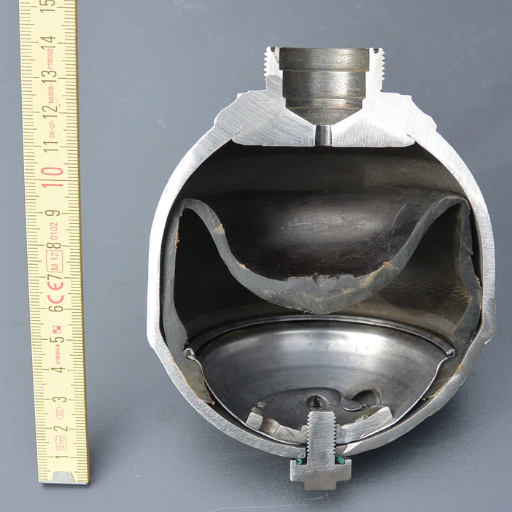
To check hydraulic accumulators, follow these steps:
- Inspect Visually
Look for visible external damage on the dynamics of the accumulator such as cracks, leaking fluid, and corrosion. Also check for all the bolts and connections and ensure they are tight without any signs of rubbing or wearing thin.
- Check Pre-Charge Pressure
Utilize a nitrogen gas talking kit to check the pre-charge pressure. Compare the reading against the manufacturer settings. If the pressure is low, recharge the accumulator with nitrogen to the manufacturer’s recommended value. Never use oxygen or compressed air as it poses risks of combustion.
- Monitor System Performance
Tune the hydraulic system; it should run smoothly. If not, erroneous vibrations, pressure spikes/sags, and overall sluggishness in system response can indicate trouble with the accumulator that requires further examination.
- Inspect Diaphragm or Bladder Integrity
If applicable, check that the diaphragm or bladder which is within the accumulator is not damaged. An element which has ruptured may result in system dysfunction.
Adhere to the manufacturer’s directions strictly to ensure safety and operational efficiency. For suspected critical issues, evaluate with a technician for professional diagnosis and repair.
What Tools Do You Need to Check Hydraulic Accumulator Pressure?
To properly measure the pressure in a hydraulic accumulator, specific tools are needed to ensure measurement accuracy as well as system isolation. Some of the main tools needed are:
- Pressure Gauge Kit
It is essential to have a hydraulic pressure gauge with the appropriate range and type of connection to measure accumulator pressure. Ensure that the gauge matches the operating pressure of the system and that its materials, especially the casing, are designed for hydraulics, such as stainless steel.
- Gauge Adapter or Test Couplings
Scan type couplings are used to connect the pressure meter to the accumulator and they make it possible to tighten the connection firm enough to prevent leaks during measurement.
- Nitrogen Charging Kit
The nitrogen charging set which consists of a valve, a reguIator and a hose assembly to be used with nitrogen cylinders is always needed for the controlled addition or removal of nitrogen from the accumulator for pre-charge adjustments.
- Leak Detection Tools
Ultrasonic tools for leak detection and soap bubble solutions are used to find leaks on the valves, fittings, and other connections. Finding leaks is a primary task before pressure measurements are done.
- Personal Protective Equipment (PPE)
The Industrial Protective Equipment (PPE) listed above alongside with safety goggles, face shields, gloves and hypoallergenic work clothes, will contain the operator during the tests especially under high pressure conditions. Observing safety measures lowers the risk of an accident.
When working with these tools, always observe the manufacturer’s guidelines and safety procedures to obtain accurate measurements and maintain peak performance of the system. Equipment that is in good order and careful techniques are essential in the diagnosis and treatment of the pressure problems in hydraulic accumulators.
What Are Common Indicators of a Faulty Hydraulic Accumulator?
A malfunctioning hydraulic accumulator exhibits critical signs that may affect the hydraulic system. Erratic changes to pressure is also a major component that needs to be diagnosed. Internal gas leakage from the bladder or diaphragm could also be a reason for pressure loss and this needs to be diagnosed.
Abnormal knocking noises during operation also hints towards the possibility of a ruptured bladder or failed seals. Too much internal components friction generates more than the required operating heat which hints towards broken elements.
Increased response time can stem from a broken filter, contamination, or internal wear that hinders fluid movement through the accumulator. To ensure further degradation does not occur regular system checks require timely work scheduling to detect early signs and mechanically monitor fluid systems.
What is the Importance of Pre-Charge Pressure in Accumulators?
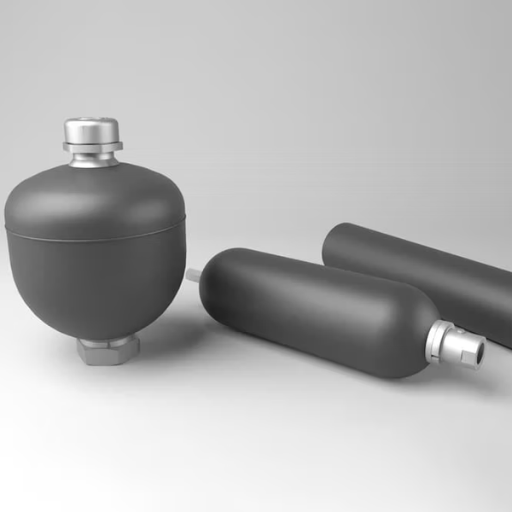
Pre-charge pressure is essential for the proper function of an accumulator because it determines the initial energy storage capacity needed for the accumulator to work properly. The pre-charge pressure dictates how much fluid the accumulator can capture and release during system cycles. If the pre-charge pressure is too low, the accumulator will be overfilled with fluid and will reduce shock absorption and energy efficiency. On the other hand, too much pre-charge pressure will limit fluid entry into the accumulator which will reduce system capacity and performance. Keeping the right pre-charge pressure helps to reduce excessive wear on pre-charge pressure regulating components, improves system reliability, and makes sure the hydraulic performance is constant and repeatable. There is no doubt that regular monitoring and adjustment of the system will always ensure the best efficiency.
How to Measure the Pre-Charge Pressure Correctly?
- Prepare the Necessary Tools
Always confirm that you have a working pressure gauge together with all the other equipment recommended by the manufacturer of the hydraulic accumulator. A charging kit with nitrogen gas specifically for hydraulic systems is usually needed.
- Isolate the Accumulator
To eliminate the influence of system pressure, disconnect the accumulator from the hydraulic circuit. This will aid in measurement as well as safety during the entire process.
- Relieve System Pressure
Confirm the internal gas side of the accumulator is separate from the hydraulic fluid before isolating the accumulator with the system to maintain appropriate pressure. This helps avoid both inaccurate readings and residual hydraulic fluid pressure.
- Connect the Pressure Gauge
Pump gas to the pressure gauge via a hydraulic accumulator gun. Like every other connection, this is also required to be airtight in order not to spiral into measurement vices or loss of gas during the process.
- Take the Pressure Reading
After stabilizing the gas flow, the gauge valve should be opened slowly in order to register pre-charge pressure. Reading and stabilizing the value refers to holding it currently during any external change hence stabilizing it with no friction enables accuracy.
- Compare with Manufacturer Specifications
Following reevaluation ensure the set value after reading it from the gauge proving it matches with their recommended value of pre-charge pressure. Based on their requirements, if high or low adjustments were needed releasing or adding is done till the desired point with the compressor.
- Recheck the Pressure After Adjustment
After making adjustments from the first reading, check if your values match the new gas parameters setting and level, and are consistent. The value of consistency validates accuracy regardless of iterative measurements during repetition.
- Secure the System
After checking the pre-charge pressure is correct, securely close the gas charging valve and reconnect the accumulator to the hydraulic circuit. Also, check for leaks in the entire system before putting it back into operation.
The pre-charge pressure can be measured precisely if all steps are taken in adherence to the equipment’s technical specifications and instructions. With proper maintenance, the system will be reliable and durable.
What Happens if the Pre-Charge Pressure is Too Low or High?
Inefficiencies and performance issues arise when the pre-charge pressure within a hydraulic accumulator is too low. Inadequate pre-charge pressure reduces the storage capacity fluid within the accumulator, thus failing to dampen pressure fluctuations or maintain consistent system pressure. This exacerbates wear on system components while decreasing the equipment’s life span. It may also increase the frequency of pump cavitation due to low fluid supply.
On the other hand, excessive pre-charge pressure reduces the gas volume within the accumulator too much, restricting space for hydraulic fluid. As a result, the accumulator will be incapable of performing energy storage or shock absorption functions. Furthermore, there is an increased risk of over-pressurizing the hydraulic system which may jeopardize system seals and connectors or cause equipment failure due to system component stress overload. For sustained stability, safety, and functionality of the system, the pre-charge must always remain within manufacturer limits.
How to Adjust the Pre-Charge Pressure Using a Charging Kit?
To change the pre-charge pressure of an accumulator using the charging kit, use the guidelines below for optimal results:
- Verify Compatibility
Check that the charging kit is suitable for the accumulator type and model. Refer to the user manual for details on pressure limits and connector types.
- Depressurize the System
Make sure the accumulator is not under operating pressure. Vent the system containing the fully charged accumulator.
- Connect the Charging Kit
Within this step, you should double check to see that the charging kit is secured onto the gas valve of the accumulator. Also check that the pressure gauge is properly attached within the measuring port.
- Measure Existing Pressure
Open the valve on the charging kit to make its pre-charge pressure equal to its current value. Adjust within limits before going above the levels specified by the manufacturer.
- Increase or Decrease Pre-Charge Pressure
-
- To Increase Pressure: To raise the charge, connect the charging kit to a nitrogen gas bottle. Raise the pre-charge value to desired levels, but check the needle, which measures gauge pressure, frequently.
- To Decrease Pressure: Use the bleeding valve on the charging kit to relieve gas gradually. Monitor the pressure reading and close the valve when the desired value is reached.
- Finalize the Adjustment
Ensure all valves on the accumulator and the charging kit are tightened securely. Put back any protective caps that were removed over the gas valve. Do not reconnect the kit yet, but check the pressure reading one last time to ensure accuracy and stability after the last adjustment.
- Test for System Compatibility
Reinstall the accumulator into the hydraulic circuit and operate the system at normal working conditions to evaluate functionality. Watch for any leakage or abnormal behavior.
Proper adjustment of the accumulator pressure enhances the energy storage capacity of the system, system performance, and the accumulator life. Use only certified nitrogen gas to prevent contamination or system failure, and observe safety measures at all times.
How to Charge an Accumulator with Nitrogen?

- Prepare the Equipment
Make sure that you have a nitrogen charging kit, a pressure gauge, and a nitrogen gas bottle that is certified. Make sure the gas bottle contains nitrogen only because other gases could be harmful to the accumulator or the system.
- Release Existing Pressure
Follow the manufacturer procedures to safely and gradually depressurize the accumulator. This step is done to promote safety and charge process damage mitigation.
- Connect the Charging Kit
Make sure to fasten the nitrogen charging kit to the gas valve of the accumulator. Ensure all connections are properly secured to avoid charging complications or leakage.
- Set the Desired Pressure
Determine the necessary pre-charge pressure for the system. Gradually open the regulator on the nitrogen bottle until the gas flows into the accumulator and the specified pressure is reached.
- Monitor and Adjust
Carefully monitor the pre-charge with the pressure gauge; make the necessary adjustments in order to meet the required precise values for the system.
- Secure and Test
Close the nitrogen supply and remove the charging kit once desired pressure is achieved. Inspect the accumulator once more for possible leaks and performance in actual working conditions.
Always follow safety requirements and manufacturer’s recommendations for specific equipment instructions.
What Equipment is Required for Charging an Accumulator?
To ensure both accuracy and safety while charging an accumulator, specific pieces of equipment need to be gathered. The following supplies contain the most basic and necessary components.
- Nitrogen Gas Supply – Because of its inert nature, nitrogen is the gas of choice for accumulator charging and so, a high-pressure nitrogen cylinder is indispensable.
- Pressure Regulator – It controls the gas flow out of the nitrogen cylinder by lowering it to the level required by the accumulator system.
- Charging Kit – The kit is often made up of a connector, pressure gauge, and a control valve and valves. It allows for the nitrogen cylinder and the accumulator to be connected securely and accurately.
- Pressure Gauge – This device precisely measures the internal pressure of the accumulator and during charging, making it easier to monitor and accurately.
- Valve Adapter or Charging Connection – Depending on the design of the an accumulator, an appropriate charging kit or pressure regulator would need an adaptable fitting to connect with the system.
- Proper Safety Equipment – Put on gloves, safety goggles and protective gear is greater than the potential risks such as high pressure gas leaks.
All parts should match the specific accumulator model being used, and all components must conform to relevant standards and regulations. Following the manufacturer’s instructions reduces the risk of errors and guarantees safe procedures during charging.
How to Safely Fill an Accumulator with Nitrogen Gas?
Refilling an accumulator with nitrogen gas is critical to both the system’s operability and the personnel’s safety. Follow these steps diligently and ensure accuracy:
- Inspect the Equipment
Make sure all parts like accumulators, pressure gauges, hoses, and nitrogen cylinders are not damaged and are in working order. Also pre-check that the nitrogen cylinder is meant for industrial applications.
- Prepare the Work Area
The area of operation and storage should be clean and free from combustible materials. Ensure all highly flammable items are cleared away to minimize safety risk during the procedure.
- Check the Pre-Charge Pressure
Check the technical datasheet of the accumulator to get the specifics of pre-charge pressure for each unit. Also, make sure the designated filling system for the nitrogen is appropriate for the working pressure to prevent both overcharging and undercharging.
- Connect the Charging Assembly
The accumulator’s charging valve should be connected with the pressure gauge. The cylinder should be connected with the correct charging hose and should not exceed the designated working pressure. Make sure to check all connections are not leaking and all hoses attached are rated for high pressure.
- Gradual Filling Process
Cautiously open the nitrogen cylinder valve so the gas flows into the system. Keep an eye on the pressure gauge to ensure you are not exceeding the pre-charge pressure limit and the system capacity. Overfilling the system can lead to dangerously high internal pressure and surge damage.
- Monitor for Leaks
After the accumulator has been charged to the desired pressure, shut the nitrogen cylinder valve, and check all joints for signs of leakage. Apply an appropriate leak detection solution if required.
- Document and Verify the Results
Enter the final pre-charge pressure in the system log and check it against the manufacturer’s data. For the safe operation of the accumulator, perform any additional clearance checks as detailed in the technical instructions.
The steps outlined above, in addition to those provided by the manufacturer and practiced in the industry, serve to mitigate system failure or dangerous scenarios. Only utilize nitrogen gas blends that have been approved.
How to Interpret Pressure Readings from a Hydraulic Accumulator?

To read pressure values from a hydraulic accumulator accurately, take the following steps:
- Identify Pre-Charge Pressure (P₀): Locate the nitrogen pre-charge pressure (P₀) of the accumulator as indicated by the manufacturer. This is usually recorded when the system is at zero hydraulic pressure.
- Compare Working Pressure: While the accumulator is running, check the hydraulic pressure and compare it with the working pressure of the system. Observe if the hydraulic pressure is within the manufacturer limits.
- Monitor Deviations: With low pre-charge pressures, leakage, or both, the system may show signs of low hydraulic pressure. Conversely, high hydraulic pressure could suggest overcharging of the accumulator or failure in the system.
- Regular Maintenance: Do regular checks to monitor both pre-charge and hydraulic pressures to ensure there is no drift over time. More investigation or preventative maintenance may be necessary when unusual pressure or time behaviors are detected.
Always observe safe practices by following the manufacturer’s instructions. Reading safety guidelines put calibrated pressure transducers into practice. Adhering to instructions specific to reading pressures will guarantee operational safety.
What is the Maximum System Pressure for Your Accumulator?
An accumulator’s maximum system pressure is typically constrained by the operational limits of the supporting hydraulic circuit and the specifications given by the manufacturer. Also, for the sake of structural integrity, the pressure should not exceed the rated operating pressure of the accumulator’s shell or bladder. Such limitations are common in the industry and are governed by ASME or ISO standards. As an example, accumulators in hydraulic systems are usually rated to a pressure of 3000 to 5000 psi. There are, however, some specialty accumulators designed to withstand much higher pressures.
As with any type of equipment, it is important to check the maximum pressure limit clearly specified in the manufacturer’s documents. It is also recommended to add a safety margin in case of pressure spikes and system variations. Apart from that, the interaction between the pre-charge pressure, system pressure, relief valve setting pressure must be managed to enable optimal performance while preserving operational safety.
How to Use a Pressure Gauge to Monitor Accumulator Performance?
When utilizing a pressure gauge to oversee the operation of an accumulator, it is critical to adhere to the standard operational procedures of best practices. Confirm that the pressure gauge is in working order and within the safe operating limits of the system; an inaccurate gauge would pose risks on both safety and data interpretation. Screw the gauge onto the accumulator’s designated port ensuring a firm and leak-tight seal.
In addition, take the reading while the system is at rest to have a baseline of the pre-charge pressure, which must be above zero. Engage the system and observe the pressure change during operation. This information is essential to ensure that the accumulator is working as intended and retaining set pressure during discharge and charge cycles.
Regularly monitoring and documenting system parameters provides a historical record of changes which could be due to gas leakage, bladder failure, or contamination by hydraulic fluid. Readings are greatly enhanced in multi-standard environments by using dual-scale pressure gauges that show bar and Psi simultaneously. Also, ensure compliance with recommended inspection intervals and applicable safety requirements to enhance the reliability and life span of the accumulator.
What Maintenance is Required for Hydraulic Accumulators?
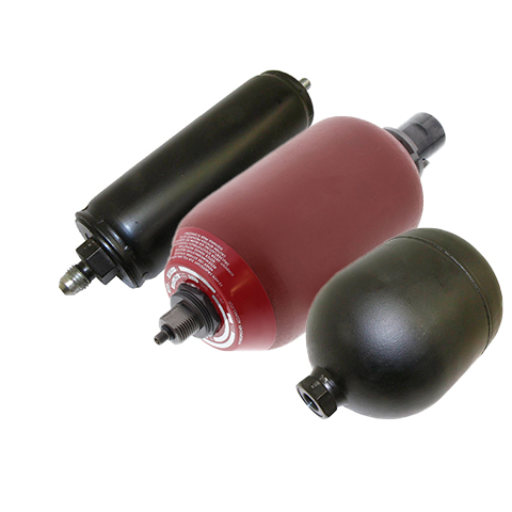
To maintain hydraulic accumulators safely and efficiently, it is pertinent to perform the following activities:
- Pressure Checks: Confirm pre-charge pressure is set to the specified level on the gauge. It should be optimal for performance, so adjust if needed.
- Inspection for Leaks: Examine the accumulator along with its interfacing components for any hydraulic or gas fluid. Repair and remove any identified leaks to improve efficiency of the system.
- Seal Integrity: Evaluate the seal condition and replace them if any signs of wear, cracking, or deterioration is evident. Faulty seal systems will risk the safety and operation of the system.
- Valve Functionality: Check all valves of the accumulator for proper pressure control.
- Scheduled Servicing: Adhere to the manufacturer’s servicing schedules and parameters for maintenance compliance windows.
Maintaining systems reduces strategic aerial surveillance, avoids component breakdowns, and increases the longevity of the hydraulic accumulator systems.
How Often Should You Inspect Your Accumulator?
Accumulators should be checked periodically to ensure they are operating at peak efficiency and to guarantee maximum safety. Most industries recommend performing the in-depth inspection at least every three to six months as per the operating conditions and intensity of use. Significant elements such as the operating pressure cycles, environmental conditions, and the fluid type within the system can determine how frequently inspection is needed. In extreme cases like elevated temperatures or high-pressure temperature fluctuation, frequent inspections become necessary. A thorough evaluation also needs to be performed every year to check the diaphragm, bladder, and seal fittings for appropriate wearing limits. Adhering to regular scheduled monitoring within the defined intervals helps eliminate the risk of unplanned breakdowns and consistent system dependability.
How to Store and Preserve Accumulators When Not in Use?
Maintaining proper storage and reserving practices for an accumulator ensures optimal functionality and efficiency. When an accumulator is not in use, it should be kept in a storage area that is clean, dry, and free from any temperature control issues. Failing to do so exposes the apparatus to extreme temperatures, contamination, or moisture which degrades materials and seals over time. It is best to store it charged to a pre-charge pressure level recommended by the manufacturer. This practice prevents deformation as well as helps bladder and diaphragm mechanisms retain their shape.
To prevent the ingress of dirt, dust, or foreign particles, protective caps or plugs should cover all hydraulic interfaces. For accumulators made of UV-sensitive materials, they should not be put under direct sunlight since UV rays can weaken exterior surfaces over extended periods. Inspections during storage and periodically checking for visible corrosion, pressure loss, and damage to fittings or the external casing should also be done. Following these recommendations will ensure the reliability of the accumulator when put back to operational use.
Reference Sources
-
Accumulator-based compaction of test responses
This paper discusses the probability and behavior of accumulators during test experiments, focusing on their response compaction capabilities. -
Accumulator compression testing
It explores the process of accumulator compression and its applicability to test compression, defining key concepts and methodologies. -
Test responses compaction in accumulators with rotate carry adders
This study examines the transient behavior of accumulators during compaction procedures, highlighting the stages before reaching steady-state. -
Methods to reduce test application time for accumulator-based self-test
The paper presents optimization methods for test pattern generators using accumulators, aiming to cover testable faults efficiently.
Frequently Asked Questions (FAQs)
Q: What is the purpose of a hydraulic accumulator in a system?
A: A hydraulic accumulator is used to absorb shock, provide a volume of oil to the system, and maintain system pressure in the event of a power failure.
Q: How does the accumulator’s pre-charge affect its performance?
A: The accumulator’s pre-charge, which is often pre-charged with dry nitrogen, determines the initial gas pressure within the accumulator. This pressure affects the ability of the accumulator to store energy and maintain system pressure during operation.
Q: What are the common types of hydraulic accumulators?
A: The common types of hydraulic accumulators include piston-type accumulators and diaphragm-type accumulators. Each type functions differently based on its design and intended application.
Q: What factors should be considered when selecting an accumulator size for a system?
A: When selecting an accumulator size, factors such as the accumulator volume, the required gas pressure, and the system’s expected pressure drop point must be considered to ensure optimal performance.
Q: What is the role of the gas pressure in a hydraulic accumulator?
A: The gas pressure in an accumulator, typically filled with inert gas, is crucial for maintaining energy storage and delivering oil to the system when needed. It helps to expand the accumulator’s volume as hydraulic fluid enters.
Q: How can I monitor the performance of a hydraulic accumulator?
A: The performance of a hydraulic accumulator can be monitored using a system pressure gauge. This gauge provides real-time feedback on pressure levels, allowing for timely adjustments if necessary.
Q: What equipment is typically used to charge a hydraulic accumulator?
A: A charging rig is typically used to charge a hydraulic accumulator. This rig helps to accurately fill the accumulator with the desired gas pressure, ensuring it is properly pre-charged.
Q: What happens if the accumulator is not pre-charged correctly?
A: If the accumulator is not pre-charged correctly, it may lead to insufficient gas pressure, causing inadequate performance such as reduced shock absorption or oil delivery to the system.
Q: How does the volume of the accumulator influence its effectiveness?
A: The volume of the accumulator directly influences its ability to store hydraulic energy. A high volume accumulator can store more energy, providing better performance in high flow rate applications.
Q: Why is it important to monitor the gauge needle of the pressure gauge?
A: Monitoring the gauge needle of the pressure gauge is important as it provides critical information regarding the accumulator’s current pressure status, helping to prevent system failures due to pressure loss or overload.