Lubrication systems are the backbone of effective machinery maintenance, ensuring optimal performance, reduced wear, and extended equipment lifespan. Whether in industrial facilities, automotive applications, or heavy machinery operations, proper lubrication is critical to minimize friction and protect components from damage under high pressure and demanding conditions. This article provides an in-depth exploration of lubrication systems, outlining the various types, key equipment used, and the advancements in automatic lubrication solutions. By understanding how these systems work and their applications, you can enhance operational efficiency, reduce downtime, and make informed decisions about implementing the right lubrication strategy for your needs.
What Is a Lubrication System and How Does It Work?

A lubrication system is a mechanical setup designed to deliver lubricants, such as oil or grease, to moving parts of machinery to reduce friction, wear, and heat generation. It functions by precisely distributing the lubricant to critical areas, ensuring smooth operation and prolonging the lifespan of components. Modern lubrication systems often include pumps, reservoirs, and delivery mechanisms to automate the process, providing consistent lubrication while minimizing waste. These systems are essential for maintaining the efficiency and reliability of equipment across industries, particularly in high-performance or continuous-use environments.
Components of a Lubrication System
A comprehensive lubrication system is comprised of several critical components, each serving a specific purpose to ensure optimal performance:
- Reservoir or Lubricant Storage
This is where the lubricant is stored before distribution. Reservoirs are typically designed to protect the lubricant from contaminants and maintain optimal temperature to preserve its quality.
- Pumps
Pumps create pressure to deliver the lubricant to various parts of the system. Common types include gear pumps, piston pumps, and vane pumps, which are selected based on the application requirements.
- Filters
Filters are essential to remove contaminants from the lubricant, ensuring that only clean oil or grease is delivered to the components, thereby preventing wear and increasing the lifespan of machinery.
- Distribution Lines
These are pipelines or channels that transport the lubricant from the reservoir to specific machinery parts. Proper design and maintenance of these lines are necessary to avoid blockages or leaks.
- Control Valves
Control valves regulate the flow and pressure of the lubricant, ensuring precise delivery to the required locations. They provide flexibility in operation and prevent over-lubrication.
- Injectors or Distributors
These mechanisms deliver the lubricant in exact proportions to targeted components. This precision reduces waste and optimizes the lubrication process.
- Monitoring and Control Systems
Modern systems include sensors, pressure gauges, and automated controllers to monitor lubrication parameters in real-time. This ensures efficiency, detects system faults, and reduces downtime.
Each component plays an integral role in maintaining the efficiency of the lubrication system, ensuring reliability, and protecting machinery from excessive wear and tear.
The Role of Lubricant in Machinery
- Friction Reduction
Lubricants minimize friction between moving parts, ensuring smoother operation and reducing energy loss.
- Wear Protection
By forming a protective film, lubricants shield surfaces from direct contact, preventing excessive wear and prolonging component lifespan.
- Heat Dissipation
Lubricants serve as a medium to absorb and transfer heat away from critical areas, maintaining optimal operating temperatures in machinery.
- Contaminant Removal
Circulating lubricants help flush out debris, dirt, and other contaminants, maintaining cleanliness within the system.
- Corrosion Prevention
Special additives in lubricants create a protective barrier to inhibit the oxidation and corrosion of metal surfaces.
- Load Distribution
Lubricants distribute loads evenly across contacting surfaces, reducing stress concentrations and enhancing operational stability.
- Energy Efficiency
By reducing friction and wear, lubricants improve overall energy efficiency, contributing to cost savings and sustainable operation.
- Sealing Functionality
Certain lubricants, particularly greases, aid in sealing gaps to prevent ingress of moisture and other contaminants.
These roles highlight the critical importance of lubricants in maintaining machinery performance, extending equipment longevity, and ensuring reliable operation.
Benefits of Using a Lubrication System
- Enhanced Equipment Lifespan
Automated lubrication systems ensure consistent and precise application of lubricants, reducing wear and tear on components and significantly extending the operational life of machinery.
- Improved Operational Efficiency
Proper lubrication minimizes frictional losses, resulting in smoother operations and optimized energy consumption, ultimately enhancing overall system efficiency.
- Reduced Maintenance Costs
By preventing premature equipment failure and reducing the frequency of manual lubrication tasks, lubrication systems lower maintenance expenses and downtime associated with repairs.
- Minimized Downtime
Automated systems can provide continuous lubrication even while equipment is in operation, reducing the need for shutdowns and thereby increasing production uptime.
- Precision in Lubricant Delivery
Modern systems deliver an exact amount of lubricant at defined intervals, eliminating over-lubrication or under-lubrication, which can otherwise lead to component damage or waste.
- Contamination Control
Closed-loop lubrication systems help prevent the ingress of contaminants such as dust or moisture, ensuring that the lubrication process remains clean and effective.
- Improved Safety
By automating lubrication tasks, these systems reduce the need for manual intervention in hazardous or hard-to-reach areas, enhancing workplace safety for operators and maintenance personnel.
- Environmental Benefits
Precision application reduces lubricant wastage and minimizes the environmental impact from excess or improper disposal, aligning with eco-friendly operations.
- Versatility Across Applications
Lubrication systems are compatible with a wide range of machinery and industries, offering flexibility and customization based on specific equipment and operational requirements.
Exploring Different Types of Lubrication Systems

Centralized Lubrication Systems
Centralized systems deliver precise amounts of lubricant to multiple points from a single controller. These systems are ideal for large machinery or plants, as they reduce manual input and ensure consistent lubrication. Subtypes include automatic and semi-automatic systems, enhancing operational efficiency and reducing downtime.
Single-Line Lubrication Systems
Designed for simplicity, these systems utilize a single supply line to distribute lubricant to multiple points. They are commonly used in moderate-sized machinery and can support oils or greases, offering reliability and ease of maintenance.
Dual-Line Lubrication Systems
Dual-line systems use two main lines to ensure a consistent flow of lubricant even under high operational pressure. These are particularly effective in large, heavy-duty industries where reliable performance is critical, such as steel manufacturing or mining.
Mist Lubrication Systems
Mist systems atomize the lubricant and deliver it as an aerosol, suitable for high-speed applications like bearings or spindles. These systems excel in providing uniform lubrication with minimal waste while protecting components against heat buildup.
Oil Circulation Systems
Oil circulation systems are designed for equipment requiring constant lubrication under high friction or temperature conditions. The oil circulates continuously, cooling the equipment while preventing wear, and is commonly employed in turbines and compressors.
Each type of system offers unique advantages tailored to specific industrial needs, ensuring optimal performance and reduced maintenance overhead.
Overview of Types of Lubrication Systems
Lubrication systems are engineered to deliver precise amounts of lubricant to machinery components to reduce friction, wear, and overheating. There are several types commonly used across industries, each tailored to specific operational needs:
- Manual Lubrication Systems
This type relies on human intervention to apply lubricants using tools such as grease guns or brushes. It is cost-effective but can be labor-intensive and prone to inconsistencies due to human error.
- Automatic Lubrication Systems (ALS)
Automatic systems are designed to dispense lubricant at regular intervals while machinery is in operation. They ensure consistent and precise lubrication, reduce downtime, and extend equipment life while minimizing manual labor. Subtypes include single-line, dual-line, progressive, and circulating oil systems.
- Centralized Lubrication Systems
These systems distribute lubricants from a central reservoir to various points through a network of tubes and valves. They are widely used in large-scale industrial operations, providing efficient and simultaneous lubrication to multiple components.
- Oil Mist Lubrication Systems
Oil is atomized into a fine mist and delivered to parts via air currents. This method is often used for high-speed or high-temperature machinery, as it promotes even lubrication without excess buildup.
- Grease Lubrication Systems
Designed for heavy-duty applications, grease systems provide adequate lubrication for components that operate under high loads or are exposed to contaminants. They may be manual or automated.
- Hydrodynamic and Hydrostatic Lubrication Systems
These systems leverage liquid films to support and separate moving parts, primarily used in applications with heavy loads, such as journal bearings and large turbines.
Understanding these systems allows operators to select the most appropriate type for their machinery, ensuring optimal performance, efficiency, and longevity. The choice of system often depends on factors such as the operating environment, type of equipment, and maintenance budget.
Characteristics of Automatic Lubrication Systems
Automatic lubrication systems are designed to deliver precise amounts of lubricant to critical machine components at predetermined intervals, ensuring continuous and efficient operation. These systems are characterized by the following:
- Lubricant Delivery
Automatic systems utilize pumps, reservoirs, and distribution networks to provide consistent lubricant flow. Delivery pressures commonly range between 10 to 250 bar (145 to 3,625 psi), depending on the system type and application.
- Control Mechanism
These systems often include programmable control units that regulate lubrication schedules and quantities. Advanced systems feature microprocessors capable of adjusting to changing operational parameters and can be integrated with industrial IoT for remote monitoring.
- Types of Lubricants
Support for a variety of lubricants, including grease (NLGI grades 0 to 3) and oil (ISO viscosity grades from 32 to 680), depending on the specific machinery requirements.
- Distribution Methods
Typical distribution methods include single-line, dual-line, and progressive systems. Each method is suited for various machinery sizes and lubrication points, with single-line systems supporting up to 100 points, while dual-line systems can handle up to 1,000 points.
- Durability and Environmental Resistance
Many systems are built to withstand harsh industrial environments, with resistance to high temperatures (-20°C to 150°C) and exposure to contaminants such as dust or moisture.
- Benefits
- Reduced equipment wear and tear through precise lubrication.
- Improved energy efficiency and productivity by minimizing frictional losses.
- Extended maintenance intervals, resulting in reduced downtime and associated costs.
By incorporating these detailed characteristics, automatic lubrication systems enable highly reliable and efficient machinery operation across diverse industrial sectors.
Choosing the Right Lubrication System for Your Needs
When selecting the ideal lubrication system, I consider the specific requirements of my machinery and the operating environment. First, I evaluate the type and scale of equipment to determine whether a single-line, dual-line, or progressive system is most appropriate. Then, I assess the lubrication intervals and the type of lubricant required, ensuring compatibility with my machinery’s components to prevent wear and contamination. Lastly, I analyze environmental factors, such as temperature, dust, or moisture, as these can influence system performance and durability. By carefully addressing these factors, I can select a lubrication system that optimizes efficiency, reduces operational costs, and extends equipment lifespan.
How Does Grease Function Within a Lubricating System?

Grease functions as a semi-solid lubricant within a lubricating system by providing a durable film that reduces friction and wear between moving parts. It is composed of base oils, thickeners, and additives, with the thickener acting as a sponge to retain the oil and release it gradually during operation. This property enables grease to perform effectively in applications where continuous oil circulation is impractical, such as in sealed bearings or areas exposed to contaminants. Additionally, grease helps to protect components from corrosion and prevents debris from entering critical surfaces, thereby enhancing operational reliability and extending equipment life.
The Importance of Grease in Machine Parts
The Role of Grease in Machine Longevity and Efficiency
Grease plays an essential role in ensuring the smooth operation and durability of machine components. Its semi-solid state, derived from a combination of base oil, thickeners, and additives, allows it to stay in place even under heavy loads, high temperatures, or harsh operating conditions. Unlike liquid lubricants, grease creates a protective barrier that minimizes wear by reducing friction between moving parts, even when exposed to shock loads or vibrations. This ability to stay intact under varying pressures is particularly essential in components such as roller bearings, gears, and joints.
Furthermore, grease acts as a shield against environmental contaminants such as dust, dirt, and moisture, which can cause corrosion or compromise the mechanical integrity of machine parts. It also simplifies maintenance in systems where regular re-lubrication is not feasible, thanks to its extended working life within sealed systems. Choosing the correct type of grease based on operating conditions (e.g., temperature range, speed, and load requirements) is critical to optimizing machine performance and preventing premature wear or failure. Hence, grease serves as an integral component in the overall reliability and efficiency of industrial machinery.
Manual vs. Automatic Grease Dispensing
Manual grease dispensing and automatic grease dispensing are two distinct approaches to ensuring proper lubrication in machinery. Manual dispensing requires a technician to apply grease at scheduled intervals using tools like grease guns. While cost-effective and straightforward, this method is labor-intensive, prone to human error, and may result in under- or over-lubrication. Conversely, automatic grease dispensing employs automated systems to deliver controlled amounts of grease at predetermined intervals. This method enhances precision, reduces labor requirements, and ensures consistent lubrication, but it involves higher initial costs and maintenance for the dispensing system. Determining which method to use depends on the specific application and operational demands.
|
Key Point |
Manual |
Automatic |
|---|---|---|
|
Cost |
Low |
High |
|
Precision |
Varies |
High |
|
Labor |
High |
Low |
|
Consistency |
Dependent |
Reliable |
|
Human Error |
Possible |
Minimal |
|
Initial Setup |
Simple |
Complex |
|
Maintenance |
Low |
Moderate |
Common Issues with Grease and Their Solutions
One common issue with grease is contamination, which can occur from dirt, moisture, or other foreign matter entering the lubrication system. To address this, I recommend ensuring all seals are intact, using proper storage practices, and employing contamination control measures such as sealed grease guns or filtered dispensing equipment.
Another frequent problem is incorrect grease selection, where operators use grease with unsuitable viscosity or additives for the application. The solution is to carefully check manufacturer recommendations and consult lubrication charts or experts to match the grease properties to the operating conditions.
Over-greasing or under-greasing also presents challenges, as both can lead to equipment damage or reduced efficiency. The best practice here is to adhere to the recommended re-lubrication intervals and quantities provided in equipment manuals or calculated based on operational demands.
The Advantages of Automatic Lubrication
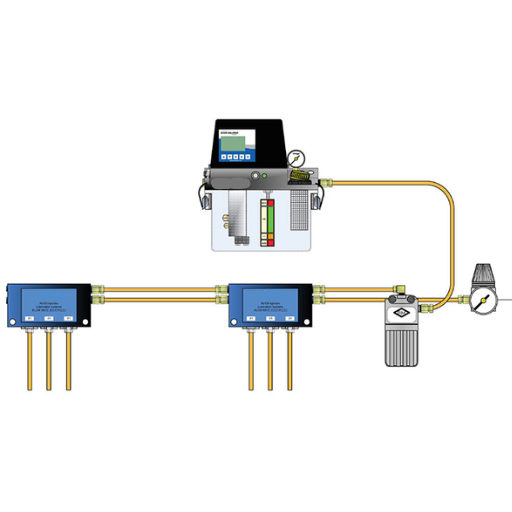
Automatic lubrication systems offer several significant advantages that address common lubrication challenges. First, they ensure consistent and precise delivery of lubricant to critical components, reducing the risk of over-lubrication or under-lubrication, which can lead to equipment wear or premature failure. These systems also enhance operational efficiency by eliminating the need for manual lubrication, saving time and reducing labor costs. Additionally, automatic lubrication minimizes equipment downtime by allowing for lubrication during operation, which helps maintain optimal performance. Furthermore, these systems improve workplace safety by reducing the need for personnel to access hazardous or hard-to-reach areas for manual lubrication. Ultimately, automatic lubrication contributes to extended equipment lifespan, improved reliability, and reduced maintenance costs.
Understanding Automatic Lubrication Systems
How Do Automatic Lubrication Systems Work?
Automatic lubrication systems operate by delivering precise amounts of lubricants—such as oil or grease—to critical moving parts of machinery at predetermined intervals. These systems are typically comprised of key components, including a reservoir for lubricant storage, a pump to pressurize and distribute the lubricant, and a network of hoses or lines connected to lubrication points. Advanced systems are often integrated with sensors and controllers to monitor performance and ensure consistent operation, automatically adjusting lubrication cycles based on the equipment’s operational conditions.
According to insights derived from Google’s latest search data, modern automatic lubrication systems are increasingly adopting smart technologies, such as IoT (Internet of Things) integration. This enables real-time monitoring, data collection, and remote adjustments, leading to more effective lubrication management. By leveraging predictive analytics, these systems can identify potential lubrication-related failures before they occur, further enhancing equipment reliability and reducing unscheduled downtime. Such advancements highlight the critical importance of combining traditional engineering principles with cutting-edge technological innovations to meet the evolving demands of industrial operations.
Key Benefits of Automatic Lubrication in Machinery
- Improved Equipment Lifespan: Regular and precise application of lubricant reduces wear and tear on machinery components, significantly extending their operational life.
- Enhanced Operational Efficiency: Automatic systems ensure consistent lubrication, minimizing friction and enabling machinery to perform at optimal levels.
- Reduced Maintenance Costs: By preventing under- or over-lubrication, these systems reduce the frequency of unscheduled maintenance, saving time and resources.
- Minimized Downtime: Continuous lubrication decreases the likelihood of unexpected equipment failure, increasing overall production uptime.
- Optimized Lubricant Usage: Automatic systems dispense the right amount of lubricant at the right time, reducing waste and lowering overall consumption costs.
- Improved Workplace Safety: By automating lubrication tasks, these systems eliminate the need for manual application in hazardous or hard-to-reach areas.
- Environmental Benefits: Efficient lubricant application minimizes spillage and contamination, supporting environmental compliance and sustainable practices.
- Advanced Monitoring Capabilities: Integrated sensors and data analytics provide real-time insights into lubrication performance, enabling proactive maintenance strategies.
Integrating Automatic Lubrication in Industrial Applications
Integrating automatic lubrication systems into industrial applications requires careful consideration of equipment requirements, operational conditions, and maintenance goals. These systems are versatile and can be deployed across a range of machinery, including conveyors, turbines, pumps, and earth-moving equipment. Their implementation involves the following key steps:
- Assessment of Lubrication Needs: Conduct a detailed analysis of machinery specifications to determine lubrication points, required volumes, and appropriate lubricant types to avoid under- or over-lubrication.
- System Selection and Customization: Choose an automatic lubrication system tailored to the operational environment, such as single-line, dual-line, or progressive systems, ensuring compatibility with existing machinery.
- Installation and Calibration: Proper installation requires positioning distribution lines and pump mechanisms precisely at lubrication points while calibrating the system for accurate delivery cycles based on machine runtime and load conditions.
- Integration with Monitoring Tools: Modern systems should leverage IoT-based sensors and controllers for real-time monitoring, allowing operators to track lubricant levels, flow rates, and system performance to identify anomalies early.
- Regular Maintenance and Troubleshooting: Although largely automated, these systems still require periodic checks to replace filters, inspect lines for blockages, and ensure optimal functionality over time.
By adopting these systems, industries can enhance operational efficiency, reduce downtime caused by mechanical wear, and achieve substantial cost savings through improved resource utilization. Proper integration of automated lubrication ensures longevity and optimal performance of critical industrial assets.
How to Maintain and Service a Lubricating System?

Key Steps for Maintaining and Servicing a Lubricating System
- Regular Inspection: Conduct routine visual and functional inspections to identify leaks, worn components, or blockages in the system. Early detection of issues reduces the risk of system failure.
- Filter Replacement: Periodically replace or clean filters to prevent contamination and ensure a clean flow of lubricant throughout the system.
- Monitor Lubricant Levels and Quality: Check lubricant levels consistently and analyze its condition to identify signs of degradation, contamination, or improper viscosity, replacing it as necessary.
- System Calibration: Verify that the system is calibrated to deliver the correct amount of lubricant to each component. Adjust settings as needed for optimal performance.
- Check for Line Blockages and Damage: Inspect delivery lines for blockages, cracks, or other damages to maintain an unrestricted flow of lubricant.
- Verify System Functionality: Test the operation of pumps, valves, and electronic controls to ensure that all components are functioning as intended.
- Follow Manufacturer Guidelines: Adhere to specific maintenance schedules and procedures recommended by the manufacturer for your particular system model.
Effective maintenance and servicing of a lubricating system ensure prolonged equipment life, minimize downtime, and maintain overall system efficiency.
Regular Maintenance Tips for Your Lubrication System
- Inspect and Clean Components
I make it a priority to regularly inspect and clean essential system components, such as filters, reservoirs, and lines, to prevent contamination or blockages that can compromise performance.
- Monitor Lubricant Levels and Quality
To ensure optimal operation, I closely monitor lubricant levels and check for any signs of degradation, such as discoloration, unusual viscosity, or contamination, replacing oil or grease as needed.
- Verify System Settings
I routinely verify that pressure, flow rate, and temperature settings align with the specifications required for my system. Any deviations are corrected immediately to protect equipment.
- Perform Functionality Tests
Regularly, I test pumps, distribution lines, valves, and electronic controls to confirm that all components are functioning reliably and efficiently.
Adhering to these maintenance practices helps me keep the lubrication system in peak condition, preventing costly failures and ensuring long-term reliability and equipment health.
Common Lubrication System Problems and Fixes
- Insufficient Lubricant Delivery
- Problem: This occurs when the system does not supply enough lubricant to the machinery, potentially causing increased friction and wear.
- Fix: Check for clogged lines, worn pumps, or incorrect system settings. Inspect and clean filters and ensure the pump output is calibrated to meet system requirements.
- Contaminated Lubricant
- Problem: Dirt, debris, and moisture can infiltrate the lubricant, reducing its effectiveness and causing component damage.
- Fix: Regularly replace or analyze the lubricant to verify its quality. Use sealed storage containers and install proper filtration systems to prevent contamination.
- Over-Lubrication
- Problem: Excess lubrication can cause component overheating, leakage, and accumulation of debris, leading to machine inefficiency.
- Fix: Monitor and adjust lubrication intervals and quantities. Use automatic lubrication systems designed to dispense the correct amount of lubricant as needed.
By addressing these common issues with proper inspection and maintenance strategies, you can significantly enhance the reliability and lifespan of your lubrication system.
The Role of Service in Extending System Life
- Regular Inspection: Conduct routine checks to identify wear, contamination, or deteriorating components before they cause significant damage.
- Timely Lubricant Replacement: Replace lubricants according to manufacturer recommendations to maintain optimal viscosity and reduce mechanical stress.
- Filter Maintenance: Inspect and clean or replace filters regularly to ensure contaminants are effectively removed from the system.
- System Calibration: Periodically calibrate dispensing mechanisms to ensure accurate lubricant delivery and prevent over- or under-lubrication.
- Contamination Control: Implement stringent practices to prevent dirt, water, and other contaminants from entering the system during maintenance activities.
- Component Upgrades: Replace outdated or worn components with modern, higher-performing alternatives to improve the system’s reliability and efficiency.
- Thorough Cleaning: Regularly clean reservoirs, lines, and other components to prevent buildup that could impair the system’s functionality.
- Leak Detection and Repair: Identify leaks promptly and address them to prevent lubricant wastage and safeguard equipment performance.
- Specialized Training: Provide maintenance personnel with proper training regarding system specifics, allowing them to perform service tasks effectively.
- Comprehensive Documentation: Maintain accurate logs of service activities, part replacements, and issues encountered to refine maintenance schedules and strategies.
Adhering to these service practices ensures that lubrication systems remain operational and efficient, reducing downtime and extending the lifespan of critical components.
Reference Sources
-
10 Lubrication Best Practices for Improved Equipment – A comprehensive guide on best practices for lubrication in machinery maintenance.
-
LubriSource: Centralized Automated Lubrication Systems – A resource focused on manual and centralized automated lubrication systems.
-
Different Types of Lubrication – An overview of the four main types of lubricants used in industrial applications.
-
Types of Lubrication Methods Used in Industries – A detailed explanation of various lubrication methods, from manual to automated systems.
-
Understanding the Basics of Automatic Lubrication Systems – A breakdown of the components and functionality of automatic lubrication systems.
Frequently Asked Questions (FAQs)
Q: What are the main types of lubrication systems used in industrial applications?
A: The main types of industrial lubrication systems include centralized lubrication systems, single-line resistance systems, and minimum quantity lubrication systems. These systems are designed to deliver the correct amount of lubrication to machinery components to ensure efficient operation and longevity.
Q: How do lubrication system manufacturers design systems for specific applications?
A: Lubrication system manufacturers consider factors like system configuration, the number of lubrication points, types of lubricators, and the specific needs of the machinery. They customize solutions to ensure optimal performance, using components like metering devices, lubrication pumps, and feed lines.
Q: What role does a lubricator play in a lubrication system?
A: A lubricator is a crucial component of a lubrication system that helps regulate the flow and amount of lubrication delivered to machinery parts. It ensures that the oil lubricant or grease is applied consistently and efficiently.
Q: How are automotive lubrication systems different from industrial ones?
A: Automotive lubrication systems are typically designed for smaller, more specific applications compared to industrial systems. They often involve single-point lubrication methods and are tailored to the unique requirements of automotive components, whereas industrial systems may require central pumps and more extensive distribution networks like supply and feed lines.
Q: What is the purpose of a metering device in a lubrication system?
A: A metering device controls the precise amount of lubrication that is distributed to each point in a system. This ensures that each component receives the appropriate amount of lubrication, preventing both over-lubrication and under-lubrication, which can lead to inefficiencies or equipment damage.
Q: Can you explain the concept of single-point lubrication?
A: Single-point lubrication refers to a system where lubrication is delivered to a single lubrication point. This method is often used for applications where individual machinery components require specific lubrication, and it helps in maintaining precise control over the lubrication process.
Q: What are the benefits of using automatic lubrication systems in industrial settings?
A: Automatic lubrication systems offer numerous benefits, including consistent and precise lubrication, reduced maintenance time, and improved machinery performance. They help minimize human error, extend the life of equipment, and can service up to 100 lubrication points efficiently.
Q: How do chain oilers function within a lubrication system?
A: Chain oilers are designed to continuously supply oil lubricant to chains used in machinery. They ensure that the chains are adequately lubricated, reducing friction and wear, which enhances the efficiency and lifespan of the chains and related components.
Q: What factors should be considered when selecting lubrication equipment for industrial applications?
A: When selecting lubrication equipment, consider the type of machinery, operating conditions, amount of lubrication required, compatibility with existing system configurations, and the reliability of components such as lubrication pumps and metering devices. Proper selection ensures effective and efficient lubrication management.
Q: How do manufacturers and suppliers ensure the quality of lubrication systems?
A: Manufacturers and suppliers ensure quality by adhering to industry standards, conducting thorough testing, and using high-quality materials. They also provide comprehensive support and maintenance services to ensure their lubrication systems perform optimally in various industrial environments.