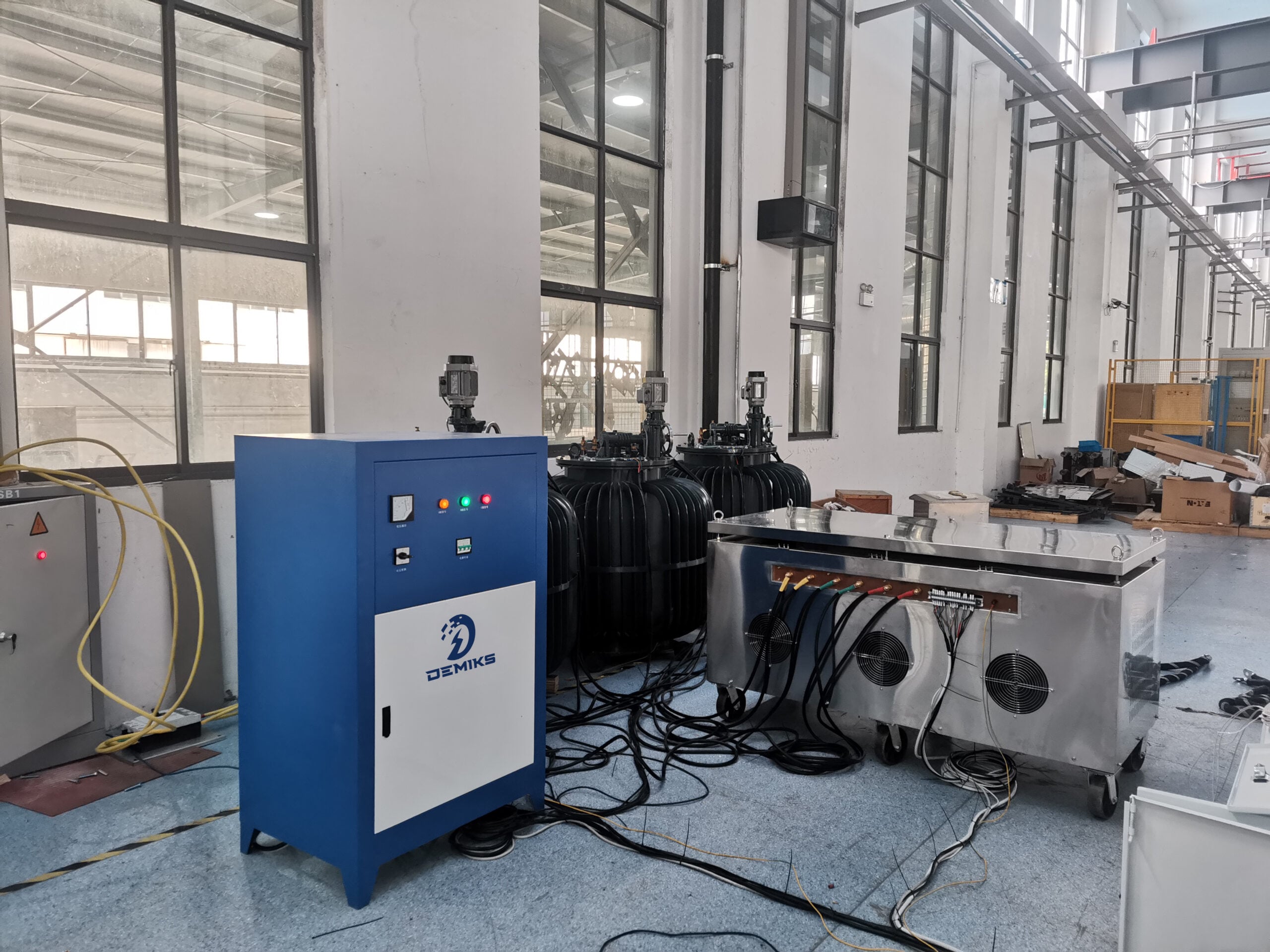
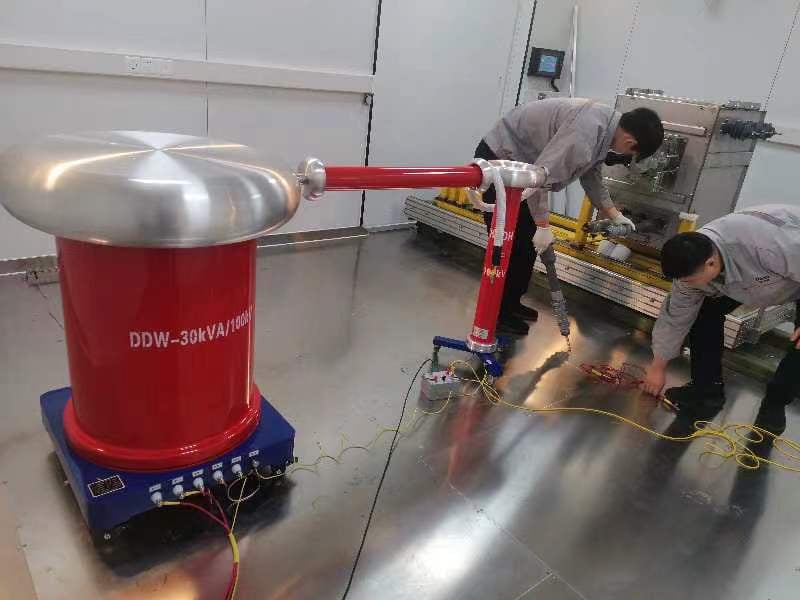
The accumulator generator stands at the crossroads of innovation and efficiency, serving as a crucial component in modern technology and engineering systems. Despite its importance, this complex mechanism often remains shrouded in mystery for many. This guide is designed to demystify the inner workings of the accumulator generator, breaking down its principles, functionality, and critical applications across various industries. Whether you’re an engineer, a technologist, or simply a curious mind, this article will equip you with a foundational understanding of this essential device. Read on as we explore the intricate details and operational secrets of the accumulator generator, empowering you to leverage its capabilities more effectively.
What Is an Accumulator Generator and How Does It Work?
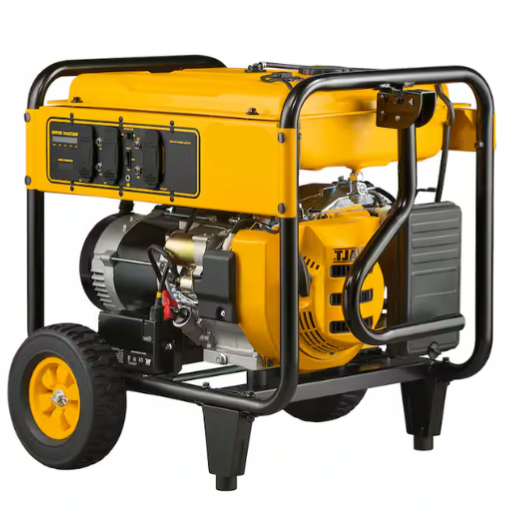
An accumulator generator is a device designed to store and release energy efficiently by converting mechanical energy into electrical energy or vice versa. It operates by leveraging an energy storage component, such as a flywheel, capacitor, or battery, to accumulate energy during periods of surplus and then release it during periods of demand. This process ensures a stable and continuous energy supply for systems that may otherwise experience interruptions or fluctuations. Accumulator generators are widely used in industries like power generation, automotive systems, and renewable energy, where reliability and energy optimization are critical.
Understanding the Basics of an Accumulator
Key Components and Functions of an Accumulator
An accumulator is a critical device utilized in energy systems to store and manage surplus energy effectively. It operates as a buffer, ensuring energy supply remains stable even when demand fluctuates. The primary components of an accumulator typically include a storage medium (such as pressurized gas, hydraulic fluid, or electrochemical cells), containment housing, and a mechanism for energy transfer. For instance, in hydraulic systems, an accumulator employs a gas-charged bladder or piston to compress fluid, enabling energy absorption and release as required.
Recent data and trends, including information accessible via Google’s search engine, indicate an expanding role for accumulators in renewable energy systems, particularly in battery energy storage and grid stabilization. These systems now leverage advanced technologies, such as lithium-ion batteries and AI-driven energy management, to store excess solar or wind energy during peak production and release it during grid deficiencies. By integrating accumulators, industries are addressing challenges in power reliability, efficiency, and carbon footprint reduction, aligning with global sustainable energy goals.
How Does a Generator Create Energy?
A generator creates energy by converting mechanical energy into electrical energy through the principle of electromagnetic induction. Inside a generator, a rotating component called a rotor moves within a magnetic field, which is either produced by permanent magnets or electromagnets in the stator (the stationary part). This motion induces an electric current in the coils of wire within the generator.
Key technical parameters involved include:
- Input Mechanical Energy: Typically provided by turbines powered by steam, gas, water, or wind.
- Rotational Speed (RPM): Commonly ranges between 1,500 to 3,600 RPM for generators depending on the application.
- Voltage Output: Typically varies from 110V to several kV, depending on the generator’s design.
- Frequency: Standard frequencies are 50 Hz or 60 Hz, depending on regional electrical grids.
- Efficiency: Modern generators have efficiencies ranging from 90% to 98%, depending on size and design.
This process ensures a stable and reliable electricity supply for both industrial and domestic applications.
The Science Behind the Accumulator Generator
The accumulator generator operates based on the principles of electromagnetic induction, wherein a relative motion between a magnetic field and a conductor induces an electric current. At its core, the generator consists of a rotor (moving component) and a stator (stationary component). The rotor typically contains an electromagnet or permanent magnet, while the stator comprises conductive windings. When the rotor spins within the magnetic field, it generates an alternating current (AC) or direct current (DC), depending on the generator’s configuration and design.
Advanced technologies in accumulator generators optimize energy storage and output. By integrating high-capacity accumulators, the system enhances its capability to store generated electrical energy for future use, ensuring consistent power delivery during fluctuations in generation. Innovations in materials, such as rare-earth magnets and superconducting coils, have further increased efficiency and reduced energy losses.
Additionally, accumulator generators are designed to minimize energy dissipation and maintain high-performance levels across varying operational demands. Maintenance and monitoring systems regulate factors like rotational speed, thermal dissipation, and load dynamics, ensuring the generator remains reliable and efficient. These technical advancements underscore their growing application across industries requiring stable and sustainable power solutions.
The Role of Accumulator Generators in Energy Solutions
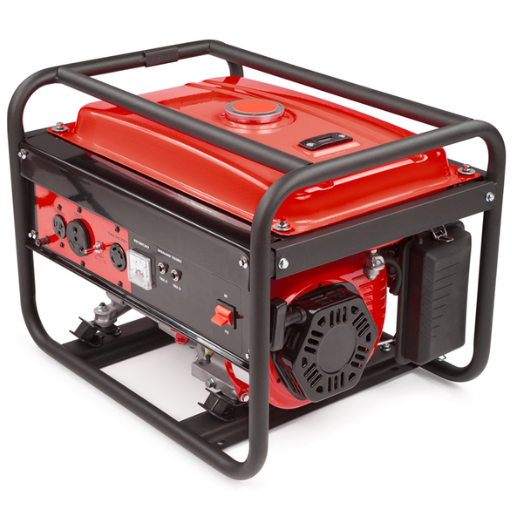
Accumulator generators play a pivotal role in energy solutions by providing a reliable, efficient, and adaptable power source. Their ability to store and release energy on demand makes them ideal for applications requiring load balancing and emergency power supply. These generators integrate advanced energy management systems to ensure minimal energy waste, enhanced thermal performance, and operational consistency. Their deployment addresses challenges in sectors such as renewable energy, where they stabilize power inconsistencies, and industrial settings, where they manage high-performance demands efficiently. By combining innovation with practicality, accumulator generators contribute significantly to sustainable energy infrastructure.
How Accumulators contribute to sustainable energy
Accumulators play a vital role in sustainable energy systems by acting as effective energy storage solutions that enhance the reliability and efficiency of energy distribution networks. By storing excess energy generated during periods of low demand, such as from renewable sources like solar and wind, accumulators can release this energy during peak demand, reducing reliance on non-renewable energy sources. Key technical parameters include:
- Energy Density: Measured in Wh/kg, modern accumulators can achieve densities between 100-300 Wh/kg, making them suitable for scalable applications.
- Charge/Discharge Efficiency: Advanced accumulators maintain efficiencies approaching 90-95%, minimizing energy loss over cycles.
- Cycle Life: High-quality systems provide thousands of cycles (e.g., 3,000-5,000 cycles) to ensure longevity and cost-effectiveness.
- Response Time: With response times under milliseconds, accumulators stabilize grid fluctuations, contributing to operational consistency.
- Capacity: Customizable capacities, ranging from small-scale units (kWh) to grid-level systems (MWh), address diverse energy demands.
By integrating these technical specifications, accumulators ensure optimal energy usage, enable the incorporation of variable renewable energy sources, and foster the development of a sustainable energy ecosystem.
Innovations in Accumulator Generator Technology
Recent advancements in accumulator generator technology have focused on increasing efficiency, optimizing energy storage capacity, and improving durability. One significant innovation is the development of advanced materials such as solid-state electrolytes and nanostructured electrodes, which enhance energy density while decreasing degradation over time. Furthermore, integration with smart grid technologies has enabled real-time monitoring and optimization of energy usage, ensuring accumulators perform with higher accuracy under dynamic conditions.
Another breakthrough is the adoption of hybrid accumulator systems that combine different types of energy storage mechanisms, such as lithium-ion batteries and supercapacitors, to achieve an optimal balance between power delivery and energy retention. These hybrid systems are particularly effective in managing rapid energy fluctuations while supporting sustained output for longer durations. Additionally, advancements in thermal management techniques, including advanced cooling systems and heat-resistant materials, significantly improve the reliability and safety of these systems in high-demand applications.
Finally, machine learning and AI-driven algorithms are now being incorporated to predict load patterns, optimize charging cycles, and extend accumulator life spans. Through these cutting-edge technologies, accumulator generators are becoming more efficient, sustainable, and versatile, paving the way for a resilient and green energy future.
Future of Energy Accumulators in the Global Market
The future of energy accumulators lies in their ability to meet the increasing demand for efficient, sustainable, and scalable energy storage solutions. With advancements in materials science and the integration of AI technology, the global market is expected to witness exponential growth. Markets for lithium-ion batteries, solid-state batteries, and hybrid solutions are expanding rapidly, driven by the transition to renewable energy and the electrification of transportation.
From a first-person perspective, I believe the focus will be on improving energy density, ensuring sustainability through recyclable materials, and reducing dependency on rare earth elements. There is also a significant push to localize supply chains and invest in technological innovations to minimize environmental impact. The integration of smart grid technologies with energy accumulators is poised to redefine energy distribution networks, making them more robust and adaptable. Overall, energy accumulators are positioned to become foundational in achieving a low-carbon global economy.
Exploring Different Types of Generators
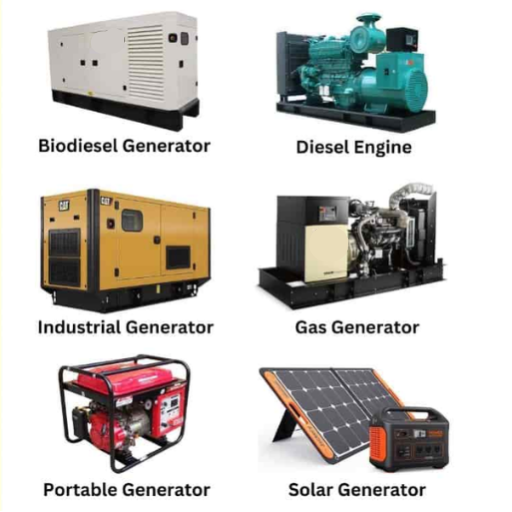
Types of Generators and Their Applications
Generators play a critical role in converting energy into usable electrical power across various contexts. Below is a concise overview of different types of generators and their functionalities:
- Portable Generators – Compact generators typically fueled by gasoline or diesel, suitable for temporary power supply during outages or in remote locations. They are widely used for camping, construction sites, or emergency backup.
- Standby Generators – Permanently installed systems that automatically supply power during outages. These are ideal for residential, commercial, or industrial applications where uninterrupted power is essential.
- Inverter Generators – Known for their efficient and stable energy output, these generators are lightweight and designed for environments needing consistent electrical current, such as powering sensitive electronics.
- Industrial Generators – High-capacity systems designed to support large-scale operations in industries, factories, and hospitals. These generators are highly reliable and cater to heavy-duty energy needs.
- Renewable Energy-Based Generators – Systems such as solar or wind-powered generators that convert renewable resources into electricity. These are environmentally friendly and increasingly popular in sustainable energy solutions.
By selecting the right type of generator based on energy demands and environmental conditions, users can optimize performance and reliability effectively.
Comparing the Accumulator Generator and Other Models
|
Parameter |
Accumulator Generator |
Diesel Generators |
Gas Generators |
Portable Generators |
Renewable Energy-Based Generators |
|---|---|---|---|---|---|
|
Power Output |
High, scalable |
Large, consistent |
Moderate to high |
Low to moderate |
Variable, depending on resource |
|
Efficiency |
Advanced, optimized |
High but fuel-intensive |
Moderate |
Basic |
Depends on energy source |
|
Fuel Type |
Versatile fuels |
Diesel |
Natural gas |
Gasoline |
Solar, wind, or hybrid |
|
Environmental Impact |
Low emissions design |
High emissions |
Moderate emissions |
Moderate to high |
Minimal emissions |
|
Portability |
Limited |
Stationary |
Stationary |
High |
Typically stationary |
|
Setup Complexity |
Moderate |
High |
Medium |
Low |
High, especially solar |
|
Maintenance Needs |
Low to moderate |
High |
Moderate |
Low |
Low, but can vary |
|
Initial Cost |
High |
Low to moderate |
Moderate |
Low |
High |
|
Long-term Cost |
Economical over time |
High fuel cost |
Moderate fuel cost |
High fuel cost |
Low operational cost |
|
Best Use Case |
Industrial/sustainable projects |
Heavy-duty power |
Residential or light industrial |
Camping, small-scale work |
Off-grid and eco-friendly solutions |
Best Practices for Optimizing Your Accumulator Generator Use
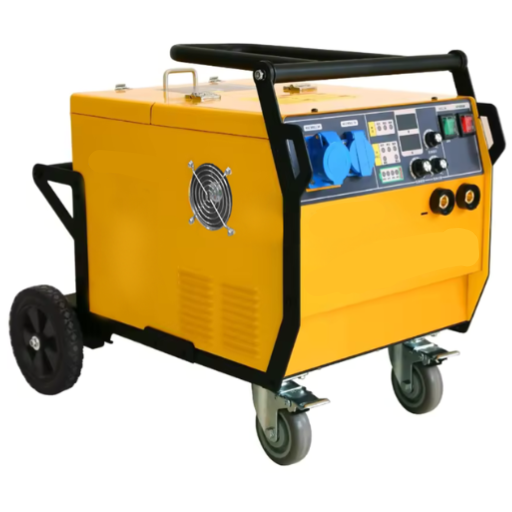
Best Practices for Optimizing Your Accumulator Generator Use
To fully benefit from your accumulator generator, follow these concise guidelines:
- Placement Matters: Position the generator in areas where energy flow feels stagnant or needs enhancement. Common locations include living spaces, workstations, or meditation areas.
- Intention Setting: Before use, define clear intentions to align the generator’s energy with your personal goals, whether for emotional balancing, stress relief, or manifestation purposes.
- Maintenance: Regularly inspect the generator to ensure it is free of dust or impurities that can disrupt energy flow. Periodic cleansing may also enhance its efficacy.
- Integration with Routines: Incorporate the generator into daily practices such as mindfulness exercises, meditation sessions, or grounding techniques to deepen its impact.
- Mindful Observation: Track physical and emotional changes over time to assess the generator’s influence, adjusting its placement or usage techniques as needed.
By adhering to these strategies, you can maximize the effective use of an accumulator generator and maintain a harmonious energy environment.
Tips for Maximizing Accumulator Generator Efficiency
- Optimal Placement: Position the accumulator generator in a location with minimal electromagnetic interference and away from heavy-metal objects to ensure unobstructed energy flow.
- Regular Maintenance: Clean the generator periodically to eliminate any buildup of dust or debris, which can hinder its performance.
- Synchronize with Natural Cycles: Align its usage with natural energy cycles, such as sunrise or full moon phases, to enhance its effectiveness.
- Utilize Complementary Tools: Combine the generator with other energy-balancing tools, like crystals or grounding mats, to amplify its potential.
- Monitor Energy Impact: Keep a detailed log of changes in the environment or personal well-being to analyze and refine placement and usage strategies.
- Energy Reset Protocols: Periodically reset the generator by exposing it to natural elements, such as sunlight or fresh air, to recharge and restore optimal functionality.
- Avoid Overuse: Limit its operation to recommended durations to prevent energy saturation or diminished performance.
- Educate Users: Ensure all users are familiar with operating protocols to avoid misuse, ensuring consistent results.
Enhancing User Experience with Accumulator Generators
To optimize user experience with Accumulator Generators, it is essential to focus on usability, maintenance, and performance efficiency. Below are strategies derived from best practices and authoritative sources for ensuring effective operation:
- Simplified Interface
Design interfaces that are intuitive and user-friendly. Clear labeling, minimalistic controls, and well-structured instructions enable users to operate the generator efficiently without extensive training.
- Comprehensive Maintenance Protocols
Implement regular maintenance schedules that include cleaning internal components, replacing consumable parts, and conducting detailed inspections for wear. This helps sustain peak performance and extends the generator’s lifespan.
- Energy Feedback Systems
Integrate feedback mechanisms that provide real-time data on energy levels, performance metrics, and operational status. These systems help users monitor the generator’s efficiency and address potential issues proactively.
- Customizable Settings
Ensure that users can tailor the generator’s performance settings to match varying requirements. Flexibility in operation supports diverse applications and enhances overall satisfaction.
- Training and Support Resources
Develop accessible educational materials, including instructional videos, user manuals, and on-demand support services. By empowering users with knowledge, the likelihood of improper usage decreases significantly.
By adhering to these guidelines, users can maximize the potential of Accumulator Generators, ensuring reliable functionality and a superior operational experience.
FAQs About Accumulator Generator Usage
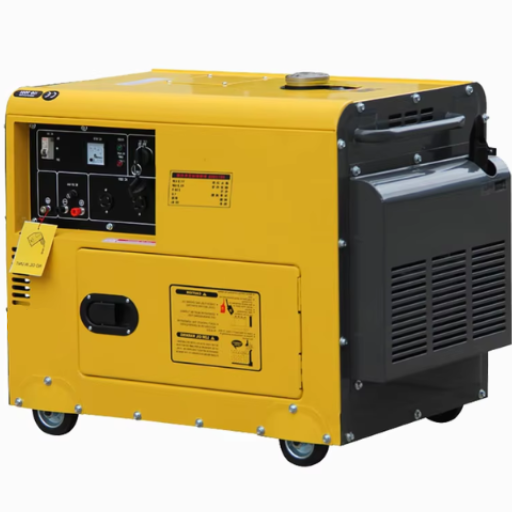
1. What is the primary purpose of an accumulator generator?
The primary purpose of an accumulator generator is to streamline the process of combining multiple individual bets into a single accumulator. This tool simplifies calculations and helps identify profitable opportunities across multiple markets.
2. How does the accumulator generator decide which selections to include?
The generator uses a data-driven approach to analyze factors such as recent form, head-to-head statistics, goal probabilities, and team dynamics. This ensures that selections are backed by reliable insights to maximize potential returns.
3. Can I customize the selections in the accumulator?
Yes, most accumulator generators allow for customization based on your preferences, including specific leagues, teams, or betting goals. This flexibility ensures the tool meets individual user requirements.
4. Is it guaranteed to result in a profit?
While the generator enhances the accuracy of predictions, no betting tool can guarantee profits. It is crucial to approach betting responsibly and understand the inherent risks involved.
5. How frequently should I update the inputs or settings?
Regular updates to inputs, such as team form or squad changes, are essential to maintain accuracy and relevance. It is recommended to refresh data before each use to account for the latest developments.
6. Does the tool work for in-play betting?
Many accumulator generators are designed for pre-match analysis. However, advanced versions may support in-play scenarios by factoring in live updates and shifting probabilities. Check the tool’s specifications for this feature.
What Makes an Accumulator Different from a Regular Generator?
|
Key Point |
Accumulator |
Regular Generator |
|---|---|---|
|
Primary Function |
Combines multiple selections into one |
Generates individual selections |
|
Probability Calculation |
Multiplies odds of all selections |
Handles single event probabilities |
|
Complexity |
High due to multiple dependencies |
Relatively simple |
|
Use Context |
Popular in sports betting strategies |
General betting or predictions |
|
Flexibility |
Less flexible, fixed selections |
Highly adaptable to changes |
|
Risk Factor |
Higher risk, all bets must win |
Lower risk, individual outcomes |
|
Payout Potential |
Higher due to multiplied odds |
Standard, based on single odds |
|
Dependency on Updates |
Critical for accuracy |
Less affected by real-time changes |
Can I Use an Accumulator Generator for Home Energy Needs?
Yes, you can use an accumulator generator for home energy needs, but it depends on the generator’s capacity and design. Most accumulator generators are tailored for specific uses, such as powering appliances or acting as a backup during outages. To ensure compatibility, evaluate the energy output of the generator against your household’s power requirements and confirm that it meets safety and efficiency standards.
Understanding the Safety Protocols for Acca Generators
Ensuring the safe operation of Acca generators requires adherence to key safety protocols to prevent hazards such as fire, electrocution, or carbon monoxide poisoning. First, always operate the generator in a well-ventilated area, far from windows, doors, and vents, to avoid the buildup of toxic fumes. A minimum distance of 20 feet from occupied spaces is recommended. Second, avoid overloading the generator by calculating the total wattage of the devices being powered and ensuring it does not exceed the generator’s capacity. Use heavy-duty extension cords approved for outdoor use and inspect them regularly for wear or damage.
Additionally, grounding the generator is critical to prevent electrical shocks. Refer to the manufacturer’s instructions regarding grounding requirements and ensure compliance with local electrical codes. Regular maintenance is equally important—this includes checking oil levels, replacing filters, and inspecting for loose connections. Finally, always turn off the generator and allow it to cool before refueling to avoid fire risks. By following these guidelines, you can maximize the safety and reliability of your Acca generator during operation.
Reference Sources
-
How an accumulator works | HYDAC – A detailed explanation of how accumulators function, including their components and operation.
-
Hydraulic Accumulators – an overview | ScienceDirect Topics – A comprehensive resource on hydraulic accumulators, their applications, and their role in energy storage and generation.
-
Accumulators (Full Lecture) | YouTube – A video lecture that explores the functionality and applications of accumulators in hydraulic systems.
-
Generator Safety Tips | Consumer Reports – Practical safety tips for operating generators, which can be relevant for accumulator generator users.
-
How do accumulators work? | Reddit Discussion – A community discussion that provides insights into the practical use and behavior of accumulators in specific scenarios.
Frequently Asked Questions (FAQs)
Q: What is an accumulator generator?
A: An accumulator generator is a device that converts mechanical energy into electrical energy, typically used to store energy and provide power on demand.
Q: How does an accumulator generator work?
A: It works by using a mechanical input, such as a rotating shaft, to drive an alternator or generator. The generated electricity is then stored in an accumulator, such as a battery, for later use.
Q: What are the main components of an accumulator generator?
A: The main components include a mechanical input mechanism, an alternator or generator, an accumulator for energy storage, and a control system to manage energy conversion and storage.
Q: How do I maintain my accumulator generator?
A: Regular maintenance includes checking the mechanical components for wear and tear, ensuring the accumulator is properly charged, and testing the electrical outputs to ensure efficient operation.
Q: Can an accumulator generator be used for home power supply?
A: Yes, accumulator generators are often used as backup power sources for homes, providing electricity during outages or in areas without a stable power grid.
Q: What are the benefits of using an accumulator generator?
A: Benefits include reliable backup power, efficient energy storage, and the ability to convert mechanical energy into electricity for various applications.
Q: How do I choose the right accumulator generator for my needs?
A: Consider factors such as power output, storage capacity, and the specific applications you need it for. Consulting with a specialist can help you find the right model, especially if you love my generator recommendations.
Q: What safety precautions should I take when operating an accumulator generator?
A: Always follow the manufacturer’s instructions, ensure proper ventilation, avoid overloading the generator, and regularly inspect and maintain the equipment to prevent hazards.
Q: Are there any environmental impacts of using accumulator generators?
A: While they provide a cleaner alternative to fossil fuel generators, the production and disposal of accumulators can have environmental impacts. Opting for models with high efficiency, such as those with a 3.5-star rating, can help reduce these effects.