The CT Analyzer stands as a critical tool in the field of electrical engineering, revolutionizing how current transformers (CTs) are tested and analyzed. Whether you’re focused on accuracy in energy metering or ensuring the reliable performance of protection systems, the CT Analyzer offers the precision and efficiency needed to evaluate these vital components. This blog post dives into the functionality, key benefits, and practical applications of the CT Analyzer, breaking down complex measurement and analysis processes into a streamlined approach. By the end, you’ll understand not only why the CT Analyzer is indispensable in modern testing environments but also how it can simplify and enhance your workflow. Let’s explore how this innovative device can empower professionals to achieve unmatched clarity and quality in transformer testing.
What Is a Ct Analyzer and How Does It Work?

The CT Analyzer is a specialized device used to measure and evaluate the performance of current transformers (CTs) with precision and efficiency. It operates by injecting a test signal into the CT and analyzing its output to determine key parameters such as ratio error, phase displacement, and burden compliance. This allows for a comprehensive assessment of whether the current transformer is functioning within required specifications. By automating much of the testing process, the CT Analyzer simplifies complex tasks, ensuring highly accurate results while significantly reducing time and effort for professionals in the field.
Understanding the Basics of CT Analyzer
Key Features and Benefits of the CT Analyzer
The CT Analyzer is an advanced diagnostic tool specifically designed to evaluate the performance and accuracy of current transformers (CTs) with unparalleled precision. By leveraging state-of-the-art measurement techniques, the device is capable of determining critical parameters, such as excitation curves, accuracy class, and measurement results for all burden and current ratings. A key feature of the CT Analyzer is its ability to automatically calculate the CT’s compliance with international standards, including IEC and IEEE, ensuring adherence to globally recognized performance benchmarks.
This device is indispensable for professionals who need to ensure the reliability of CTs in applications such as power systems protection and metering. Its user-friendly interface combined with high-speed testing functionality minimizes human error while improving the efficiency of testing processes. Additionally, its portability and lightweight design facilitate on-site testing, making it a preferred choice for field engineers and technicians.
How Does a CT Analyzer Conduct Tests?
A CT analyzer conducts tests by applying a low-voltage, high-frequency signal to the secondary side of the current transformer (CT) and measuring the resulting response. This method enables the precise determination of key CT parameters, including ratio accuracy, phase displacement, burden, excitation characteristics, and polarity. The device evaluates these parameters against predefined standards, such as IEC 60044-1 or IEEE C57.13, ensuring compliance with industry benchmarks.
Key technical parameters involved in CT testing typically include:
- Ratio Accuracy: Measures the deviation between the actual and rated transformation ratio, typically expressed in percentage (%).
- Phase Displacement: Assesses the angular difference between the primary and secondary currents, measured in minutes or centiradians.
- Excitation Current (Knee Point Voltage Testing): Determines the point at which the CT saturates (voltage level corresponding to a predefined current threshold).
- Burden: Specifies the load impedance connected to the CT’s secondary winding, usually measured in ohms (Ω) or volt-amperes (VA).
- Polarity Check: Verifies the correct alignment of primary and secondary windings to avoid operational errors.
By automating these measurements and providing detailed reports, a CT analyzer ensures that essential parameters are within specification, greatly enhancing diagnostic accuracy and system reliability.
Key Features and Software Capabilities
- Comprehensive Testing Functions
The CT analyzer provides automated testing for ratio, phase angle, and excitation characteristics. It can measure parameters such as transformation ratio accuracy (±0.05%), phase displacement in minutes (±2 min), and excitation current.
- Wide Compatibility
Supports testing of current transformers with different classifications, including protection class (e.g., 5P, 10P) and metering class (e.g., 0.5, 0.2, 0.1). The device accommodates a wide range of CT types with secondary currents from 1A or 5A.
- Burden Simulation
Accurately simulates secondary burden conditions within a range of 1 VA to 50 VA or above, ensuring real operational scenarios are replicated during testing.
- Polarity and Connection Checks
The software provides automatic polarity verification and connection diagnostics to minimize configuration errors during setup.
- Data Logging and Report Generation
Features advanced logging capabilities that generate standardized test reports in formats such as PDF or CSV. Reports include measured values, deviations, and compliance grades based on IEC/ANSI standards.
- User-Friendly Interface
Intuitive software interface with graphical representations of key test results, including ratio error curves and knee-point voltage plots.
- High Accuracy and Reliability
Incorporates advanced algorithms to ensure test accuracy even in challenging field conditions, with a voltage output range up to 2000V for excitation testing, and current injection up to 20A for ratio testing.
By integrating these functionalities, the CT analyzer delivers a robust solution for professionals seeking precision, consistency, and compliance with international standards in current transformer testing.
How Can a CT Analyzer Offer a Comprehensive Testing Solution?
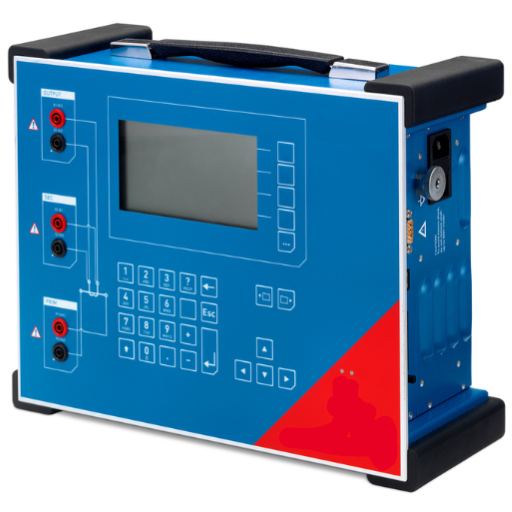
A CT analyzer offers a comprehensive testing solution by combining multiple critical capabilities into a single, portable device. It enables precise measurement and analysis of parameters such as excitation curves, ratio errors, polarity, and burden testing to ensure that current transformers meet operational and safety standards. With automated testing procedures, advanced error detection algorithms, and compatibility with industry standards like IEC and IEEE, the CT analyzer eliminates the need for multiple instruments, streamlining workflows and enhancing accuracy. Additionally, its user-friendly interface and data management features allow for detailed reporting and efficient test result evaluation.
Exploring the Range of Tests for Current Transformers
When it comes to testing current transformers (CTs), a comprehensive approach is critical to ensure their performance and reliability. Key tests typically include ratio accuracy testing, which verifies the turns ratio between the primary and secondary windings, and polarity tests, ensuring correct alignment of current flow. Additionally, burden verification examines whether the CT can operate effectively under different load conditions without exceeding its error margins.
Excitation testing is also fundamental, determining the magnetization characteristics of the CT core to ensure it meets designed operating limits. This test helps in detecting core saturation and other potential issues. Another essential procedure is insulation resistance testing, which evaluates the integrity of CT insulation to prevent electrical failures. Finally, dynamic testing methods, such as transient response analysis, assess the CT’s ability to accurately follow rapid current changes during faults or disturbances, vital for advanced protection systems. These tests collectively contribute to maintaining operational accuracy, safety, and compliance with stringent industry standards.
The Role of CT Analyzer in Protection and Metering CTs
- Ratio Tests
CT Analyzers perform ratio tests to confirm the accuracy of the turns ratio between primary and secondary windings, ensuring precise current transformation.
- Polarity Tests
Polarity verification is crucial for maintaining the correct phase relationship, which impacts the reliability and accuracy of metering and protection systems.
- Excitation Characteristics Testing
By analyzing the excitation curve, CT Analyzers evaluate core magnetization properties to prevent issues such as over-saturation under high current conditions.
- Burden Testing
CT Analyzers simulate connected burdens to determine if the CT maintains accuracy under varying load conditions.
- Accuracy Class Verification
Testing the compliance of CTs with defined accuracy classes ensures they meet industry standards for application in metering and protection systems.
- Winding Resistance Measurement
This test detects potential issues such as winding damage or contact problems by measuring the resistance of the CT windings.
- Short-Circuit Impedance Measurement
CT Analyzers calculate short-circuit impedance to detect possible defects or misalignments within the windings.
- Demagnetization
CT Analyzers assist in demagnetizing the CT core after testing to restore optimal operational conditions and avoid residual magnetism effects.
- Transient Behavior Analysis
Evaluating the CT’s transient response ensures its ability to operate effectively under fault conditions, critical for advanced protection schemes.
- Phase Angle Error Measurement
Accurate assessment of phase angle errors ensures the CT operates within acceptable tolerance limits, preventing errors in metering or relay operation.
These capabilities highlight the comprehensive role of CT Analyzers in maintaining the performance, accuracy, and reliability of protection and metering CTs across diverse applications.
Benefits of Portable and Lab Use
- Flexibility in Testing Environments
Portable CT Analyzers enable on-site testing, reducing downtime and allowing for direct assessment of equipment in its operational environment.
- Ease of Transport
The lightweight design of portable units facilitates easy transport between locations, making them ideal for field engineers and maintenance teams.
- Precision in Controlled Conditions
Lab-use CT Analyzers provide a stable and controlled testing environment, ensuring highly accurate measurements and reliable results for detailed analysis.
- Time and Cost Efficiency
The dual capability of portable and lab use minimizes the need for multiple testing tools, streamlining processes and reducing operational costs.
- Enhanced Diagnostics
Both portable and lab units are equipped with advanced diagnostics and automated test features, increasing efficiency in identifying potential faults or calibration issues.
- Compliance with Standards
CT Analyzers are designed to meet international testing standards, ensuring that both field and lab applications maintain regulatory compliance across a range of use cases.
- User-Friendly Interfaces
Modern CT Analyzers feature intuitive software interfaces, simplifying operations whether on-site or in a laboratory setting.
- Adaptability for Various CT Types
They support a wide range of current transformers (CTs), allowing versatile use across protection, measuring, and metering equipment in industrial and utility sectors.
What are the Steps for Accurate Current Transformer Measurement?

Steps for Accurate Current Transformer Measurement
- Inspection and Initial Setup
Begin by visually inspecting the current transformer (CT) for any physical damage or defects. Ensure that both the CT and the testing equipment are properly installed and grounded to minimize safety hazards and interference.
- Selection of Proper Testing Equipment
Use a calibrated CT analyzer that matches the specifications of the CT under test. Verify that the analyzer supports the CT type and rating to ensure compatibility.
- Parameter Configuration
Input the required parameters, such as the CT primary and secondary current, rated burden, and accuracy class, into the analyzer software based on the CT’s technical documentation.
- Conduct Tests
Perform key tests such as ratio measurement, polarity check, excitation curve analysis, and burden testing. These tests help verify the CT’s performance and compliance with industry standards.
- Data Recording and Analysis
Record the test results for analysis. Compare the measured values, such as ratio error and phase displacement, against the CT’s rated specifications to determine accuracy and suitability.
- Report Generation
Generate a detailed report summarizing the findings. Ensure the report clearly indicates whether the CT meets the required standards or if corrective actions are needed.
By following these steps with precision, accurate CT measurement can be achieved, ensuring reliable performance and adherence to regulatory requirements.
Step-by-Step Guide to Conducting a CT Test
- Preparation and Safety Measures
Begin by ensuring all necessary safety protocols are in place. De-energize the circuit where the CT is installed, check for potential hazards, and confirm that appropriate personal protective equipment (PPE) is used.
- Inspection of the CT
Conduct a visual inspection of the current transformer for any physical damage, signs of wear, or contamination that could impact performance. Verify the integrity of the CT’s insulation and connections.
- Verification of Specifications
Confirm the CT’s nameplate information, such as current ratio, VA burden, and accuracy class, matches the requirements of the installation and testing conditions.
- Connection of Testing Equipment
Connect the CT to appropriate testing equipment, such as a CT analyzer or multi-function relay test set. Ensure proper connections are made to avoid inaccuracies or equipment damage.
- Primary Injection Test
Perform a primary injection test by injecting a known current into the primary winding and measuring the corresponding secondary current. Compare this with the expected output based on the CT’s ratio to verify accuracy.
- Polarity Check
Conduct a polarity test to verify correct primary-to-secondary winding orientation. This ensures proper CT functioning, especially in protective relay applications.
- Burden Test
Measure the CT’s burden by evaluating the impedance connected to the secondary winding. Check that the burden is within the CT’s specified limits to maintain accurate performance.
- Excitation Curve Test
Assess the CT’s magnetization characteristics by generating an excitation curve, which plots the relationship between secondary voltage and magnetizing current. This test identifies potential saturation issues.
- Ratio and Phase Angle Error Test
Measure the ratio error and phase angle displacement to verify compliance with the CT’s accuracy class. Use the test results to detect deviations from the standard values.
- Insulation Resistance Test
Evaluate the insulation resistance between the CT’s primary and secondary windings, as well as between the windings and ground, to ensure reliable insulation levels.
- Short-Circuit and Open-Circuit Testing
Check for any short circuits in the windings or unexpected open circuits in the CT assembly, which could affect performance.
- Report Documentation
Compile a detailed report of all test results, including comparisons against regulatory standards and any discrepancies noted. Highlight required corrective measures, if any.
By following these comprehensive steps, technicians can execute a thorough and precise CT test, guaranteeing the transformer meets both operational needs and regulatory compliance.
Importance of Winding Resistance and Saturation Tests
Winding resistance and saturation tests are critical to ensuring the reliability and efficiency of current transformers (CTs). These tests help identify potential manufacturing defects, aging effects, or damages caused by external factors, ensuring that the CT performs optimally under operational conditions.
- Winding Resistance Test
The winding resistance test measures the resistance of the transformer’s windings to detect issues such as poor connections, broken strands, or uneven winding distribution. Key parameters to consider include:
– Resistance Value Range: Should align with the manufacturer’s specifications.
– Measured Tolerances: Typically, the deviation should not exceed ±2% of the expected value.
– Resolution of the Test Equipment: At least 1 µΩ to ensure accurate measurements for low-resistance windings.
- Saturation Test
This test evaluates the CT’s magnetic core to ensure it can handle expected levels of current without excessive magnetization or distortion. Critical parameters include:
– Knee Point Voltage (Vk): The point where the core begins to saturate. This value must meet or exceed design requirements.
– Excitation Current (Ie): Measured corresponding to Vk. Proper operation generally requires Ie below 30% of rated excitation current.
– Test Voltage Accuracy: A stable and accurate voltage source is essential to prevent erroneous saturation results.
Both tests are integral to diagnosing latent issues that could lead to inaccuracies in current measurement or equipment damage during operation. Consistent testing and adherence to technical thresholds enable compliance with operational and safety standards while ensuring long-term performance of CTs.
Analyzing Polarity and Phase Data
Accurately analyzing polarity and phase data is critical in ensuring the reliable operation of current transformers (CTs). Polarity testing confirms the correct orientation of CT windings, which is essential for maintaining the proper direction of secondary current relative to the primary current. Incorrect polarity can lead to errors in protective relaying systems, resulting in misoperation or failure to detect faults.
Phase data analysis is equally pivotal and involves verifying that the angular displacement between primary and secondary currents aligns with designed specifications. Discrepancies in phase angles can compromise the performance of metering and protection systems, leading to ineffective fault isolation or inaccurate measurements. Consistent testing of polarity and phase alignment plays a fundamental role in preventing operational errors, ensuring safety, and maintaining precision in electrical system performance.
Why Choose a CT Analyzer for Current and Voltage Assessments?
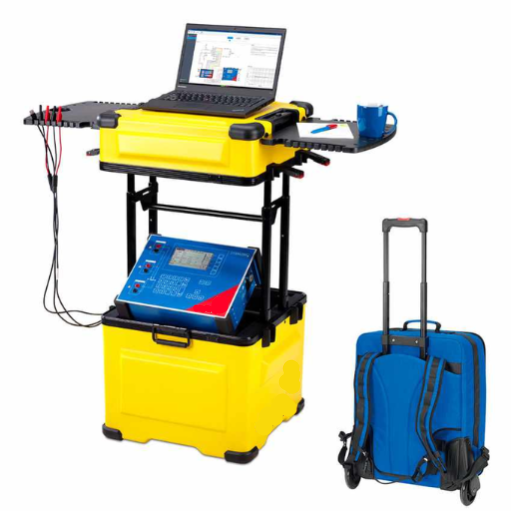
A CT analyzer is an essential tool for assessing current and voltage in complex electrical systems due to its precision, efficiency, and versatility. It provides accurate measurements of parameters such as ratio errors, phase displacement, and burden impedance, ensuring compliance with industry standards. Additionally, CT analyzers can evaluate transformer performance across a wide range of operating conditions while minimizing testing time and complexity. Their advanced automation features and comprehensive diagnostic capabilities make them indispensable for maintaining system reliability and safety.
Advantages of CT Analyzer for Accuracy and Output
- Provides precise measurement of ratio errors and phase displacement to ensure conformity with strict industry standards.
- Reduces testing time significantly through advanced automation and efficient workflows.
- Capable of testing under diverse operating conditions, simulating real-world scenarios with high accuracy.
- Delivers comprehensive diagnostic reports for evaluating overall transformer performance and identifying potential issues early.
- Ensures high reliability and safety in power systems by minimizing errors and enhancing measurement consistency.
- Supports burden impedance testing to validate proper functionality under various load conditions.
- User-friendly interface and software integration streamline operations while maintaining data integrity.
Comparing CT Analyzer to Other Test Systems
|
Feature/Parameter |
CT Analyzer |
Other Test Systems |
|---|---|---|
|
Accuracy |
High (±0.02% typical) |
Varies, often lower accuracy |
|
Portability |
Lightweight and compact |
Bulky and less portable |
|
Test Time |
Fast testing process |
Slower, more time-consuming |
|
Burden Impedance Testing |
Supported |
Not always supported |
|
Ease of Use |
User-friendly interface |
Can be complex |
|
Software Integration |
Advanced and seamless |
Limited or outdated |
|
Data Storage and Export |
Extensive, multiple formats supported |
Limited or basic options |
|
Measurement Range |
Wide current and voltage ranges |
Restricted ranges |
|
Error Detection |
Automated and highly reliable |
Manual, less consistent |
|
Transformer Compatibility |
Versatile, multiple types supported |
Limited or specific configurations |
How to Utilize the Push of a Button Technology in CT Analyzer?
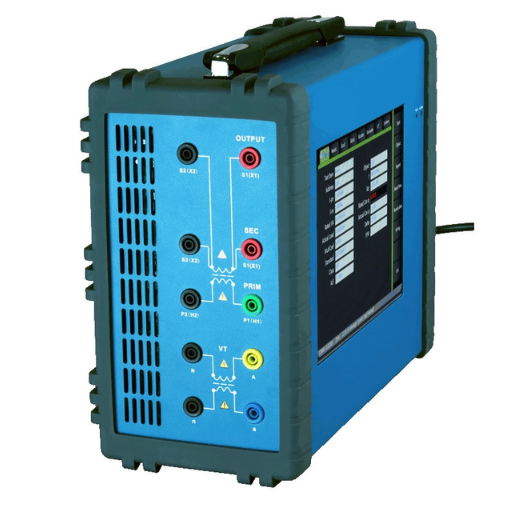
The push-of-a-button technology in the CT Analyzer simplifies testing by automating complex procedures and reducing manual intervention. To utilize this feature, the operator selects the desired test parameters via the intuitive user interface, and the system executes all necessary measurements with minimal user input. This technology ensures precise and standardized testing, consolidates multiple diagnostic steps into a single process, and generates detailed, algorithm-backed reports instantly. By streamlining operations, it enhances efficiency, reduces the potential for user error, and ensures reliable results even in demanding environments.
Enhancing Efficiency with Automated Testing
Automated testing significantly reduces time and resource expenditure compared to manual testing by eliminating repetitive tasks and ensuring consistent execution. Modern systems leverage robust algorithms and machine learning techniques to identify errors, generate accurate test data, and adapt to evolving testing scenarios. These tools facilitate parallel test execution, allowing multiple test cases to run simultaneously, which dramatically shortens testing cycles while maintaining precision. Furthermore, automated testing enhances scalability by accommodating complex and large-scale test environments, making it an essential component in agile and continuous integration/continuous delivery (CI/CD) workflows. By integrating seamlessly with development pipelines and offering comprehensive analytics, it minimizes human intervention while optimizing overall performance and reliability.
Understanding the Interface and Display Features
To address your questions concisely, the interface and display features are designed to prioritize usability, accessibility, and functionality. Modern interfaces rely on intuitive layouts, responsive design principles, and clear visual hierarchies to ensure ease of navigation. Display features often include dynamic elements like real-time updates, customizable dashboards, and adaptive resolutions to suit varying user devices and preferences. These systems also incorporate accessibility standards, such as keyboard shortcuts and screen reader compatibility, to enhance inclusivity. By focusing on these elements, the interface enables efficient user interaction while maintaining a balance between complexity and simplicity.
Maximizing Product Operation with Touch Screen Controls
To optimize the operation of products utilizing touch screen controls, it is essential to focus on usability, responsiveness, and precision. High-performing touch screens should integrate capacitive technology, which offers superior accuracy and faster response times compared to resistive alternatives. This ensures a seamless user experience, whether through gestures like swiping, pinching, or tapping.
Designing intuitive on-screen interfaces with clear visual hierarchy and error-minimizing features is critical. For instance, larger touch targets and customizable settings enable greater accuracy and adaptability to user needs. Multi-touch capabilities further enhance complex interactions, allowing simultaneous inputs such as zooming or rotating.
To improve longevity and reliability, touch screen products must combine durable materials like anti-glare coatings and reinforced glass to withstand wear and environmental factors. Incorporating haptic feedback mechanisms can also provide tactile confirmation for user actions, enhancing confidence and reducing input errors. By focusing on these elements, manufacturers can develop touch screen systems that align with user expectations for functionality and reliability.
Reference Sources
-
OMICRON Energy – CT Analyzer: A comprehensive resource on current transformer testing, calibration, and assessment using CT Analyzers.
-
KV Tester – CT Analyzer: Details on how CT Analyzers determine relevant current transformer values and compare them to criteria.
-
CT Analyzer Brochure (Omicron): A user guide and brochure providing insights into the functionality and applications of CT Analyzers.
Frequently Asked Questions (FAQs)
Q: What is a CT Analyzer and how does it work?
A: A CT Analyzer is a device used to measure and analyze current transformers (CTs) in a power system. It evaluates the performance, accuracy, and characteristics of CTs by applying various tests and measurements, ensuring they meet ieee and iec standards. The analyzer typically includes a tft lcd for displaying results and is used in both factory settings and field applications.
Q: What are the benefits of using a CT Analyzer in a test system for protection and metering?
A: Using a CT Analyzer in a test system for protection and metering ensures accurate and reliable measurements of CTs, which are crucial for the correct operation of protection systems and energy metering. It helps in verifying the performance of both single and multi-ratio CTs according to ieee and iec standards, thus enhancing the overall safety and efficiency of the electrical system.
Q: How does a CT Analyzer handle multi-ratio CTs?
A: A CT Analyzer can test multi-ratio CTs by applying tests to each tap or ratio. This ensures that every configuration operates within nominal parameters and meets required standards. The analyzer checks for accuracy across different ratios, verifying that the CT performs correctly in all its variable configurations.
Q: What role does remanence play in CT analysis?
A: Remanence refers to the residual magnetism left in a CT core after a current has been removed. It can affect the accuracy and performance of the CT. A CT Analyzer measures remanence to assess its impact and ensure the CT operates effectively within protection and metering applications, according to ieee and iec standards.
Q: Can a CT Analyzer be used for both factory and field testing?
A: Yes, a CT Analyzer is designed for versatility and can be used in both factory and field settings. Its portability and comprehensive testing capabilities make it suitable for on-site evaluations as well as controlled factory environments, ensuring CTs meet required standards under various conditions.
Q: Why is it important to test CTs according to ieee and iec standards?
A: Testing CTs according to ieee and iec standards is crucial to ensure they meet international safety and performance requirements. These standards provide guidelines for accuracy, reliability, and safety, helping to prevent failures in protection systems and inaccuracies in metering, safeguarding both equipment and personnel.
Q: How does a CT Analyzer contribute to the accuracy of protection and metering systems?
A: A CT Analyzer ensures that CTs used in protection and metering systems are accurate by conducting thorough tests and calibrations. By aligning the CTs’ performance with ieee and iec standards, it minimizes errors in current measurement, which is critical for the precise operation of protection relays and energy meters.
Q: What features should be considered when selecting a CT Analyzer?
A: When selecting a CT Analyzer, consider features such as its ability to test single and multi-ratio CTs, compliance with ieee and iec standards, portability, ease of use, the presence of a tft lcd for clear display of results, and the capability to measure remanence. These features ensure comprehensive testing and reliable analysis.
Q: How is a CT Analyzer calibrated?
A: A CT Analyzer is calibrated using reference standards and calibration equipment to ensure accuracy and reliability. This process involves adjusting the analyzer’s measurements to align with known standards, thus maintaining its precision in testing CTs for protection and metering applications.