Transformer oil plays a critical role in the reliable operation of transformers, serving as both an insulator and a coolant. Over time, however, this oil can degrade due to contamination, oxidation, and chemical reactions, which can lead to the formation of acids. These acidic compounds not only reduce the oil’s effectiveness but can also cause significant damage to internal transformer components. This guide focuses on the acidity test of transformer oil—a key diagnostic procedure used to assess the oil’s condition and ensure transformer efficiency and longevity. By the end of this article, you will gain a detailed understanding of how the acidity test works, its importance in maintenance strategies, and the actionable insights it offers to prevent costly equipment failures and operational downtime.
What Is the Acidity Test in Transformer Oil?

The acidity test in transformer oil is a diagnostic procedure used to measure the amount of acidic compounds present within the oil. These acids are typically formed due to the oxidation of the oil over time or as a result of contamination. Elevated acidity levels can lead to the degradation of insulation materials, corrosion of internal components, and a decrease in the oil’s overall performance. Regularly conducting this test helps identify oil deterioration early, ensuring timely maintenance to prevent damage to the transformer and maintain operational reliability.
Defining Acidity in Transformer Oil
Measuring and Impact of Acidity in Transformer Oil
Acidity in transformer oil is measured by determining its neutralization number, which indicates the concentration of acidic compounds present. This value is quantified in milligrams of potassium hydroxide (KOH) needed to neutralize one gram of oil (mg KOH/g). Elevated acidity levels not only compromise the dielectric properties of the oil but also accelerate the aging process of both the oil and solid insulation materials. According to IEEE and IEC standards, a neutralization number above 0.3 mg KOH/g typically signals the need for oil treatment or replacement.
The presence of acidity is primarily attributed to oxidation, where heat and oxygen interact with hydrocarbons in the oil, forming acidic byproducts such as carboxylic acids. Additionally, contamination from moisture, metal catalysts, and oil degradation products can exacerbate this process. Modern techniques such as Fourier-transform infrared spectroscopy (FTIR) and titration are used to provide precise measurements of acidity levels, ensuring accurate diagnostics.
Maintaining low acidity through regular testing and proactive maintenance is essential for the longevity and reliability of transformer operations. Industry databases and recent studies emphasize that controlling acidity significantly reduces the risk of catastrophic failures and extends transformer service life.
Importance of Acidity Testing for Transformer Health
Key Technical Parameters in Acidity Testing
Acidity testing is critical for monitoring transformer oil health and preventing deterioration of insulation and core components. The key technical parameters involved in this process include:
- Neutralization Number (NN): This measures the total acidity in the oil, typically expressed in mg KOH/g. The acceptable limit for most transformers is below 0.1 mg KOH/g, with values exceeding this threshold signaling potential oxidation or contamination.
- Dielectric Breakdown Voltage (DBV): While not directly measuring acidity, this parameter is indirectly impacted by increasing acidity, as it reduces the insulating properties of the oil. Minimum acceptable DBV values range from 30-40 kV, depending on transformer specifications.
- Interfacial Tension (IFT): Lower IFT values often indicate the presence of polar compounds like acids. Standard IFT levels typically exceed 24 dynes/cm for healthy oil; values below this threshold may require corrective action.
- Colorometry: Changes in the color of transformer oil can also indicate the progression of acid formation due to aging or contamination.
By monitoring and maintaining these parameters within recommended ranges, operators can proactively safeguard transformers against excessive acid buildup and its associated risks. This ensures operational efficiency and extends the equipment’s service life.
How Acidity Levels Affect Insulation
Elevated acidity levels in transformer oil have a direct and detrimental impact on the insulation system. Acidic compounds, which often result from oil oxidation or contamination, degrade the paper insulation’s structural integrity and thermal performance. Over time, these acids initiate a chemical breakdown of cellulose, leading to reduced dielectric strength, brittleness, and the eventual deterioration of insulation properties. This degradation increases the risk of short circuits, overheating, and system failure. Furthermore, acidic conditions can accelerate the formation of sludge, which obstructs efficient heat dissipation and reduces oil flow within the transformer. Effectively managing acidity through regular monitoring and maintenance is critical to preserving the reliability and lifespan of both the oil and insulation system.
How to Conduct a Transformer Oil Acidity Test?
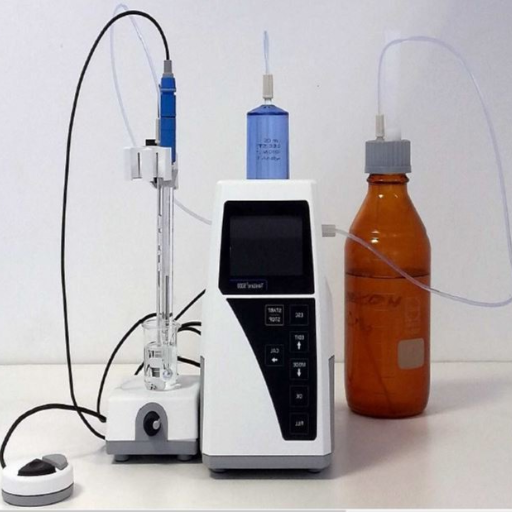
Steps to Conduct a Transformer Oil Acidity Test
- Sample Collection: Begin by obtaining a representative oil sample from the transformer. Ensure the sampling process is done under controlled conditions to prevent contamination.
- Preparation: Measure a specific volume of the oil sample, typically as per the guidelines outlined in relevant standards (e.g., ASTM D974). Prepare required reagents, including potassium hydroxide (KOH) solution and an appropriate solvent, such as toluene.
- Titration: Mix the oil sample with the solvent and an indicator solution (e.g., phenolphthalein). Titrate with the KOH solution to determine the amount of acidic components. End the titration when a stable color change indicates neutralization.
- Calculation: Record the volume of KOH used to neutralize the acid in the sample. Calculate the total acid number (TAN), expressed in milligrams of KOH per gram of oil.
- Analysis: Compare the TAN results with the allowable limits defined in industry standards or manufacturer recommendations. Elevated TAN values indicate increased acidity, requiring corrective action.
Performing this test regularly and accurately is essential for monitoring transformer oil health and mitigating risks associated with acidity-induced degradation.
Required Acidity Test Kit and Equipment
To conduct the acidity test for transformer oil accurately, the following materials and equipment are required:
1. Titration Apparatus:
-
- Burette (50 mL capacity with an accuracy of ±0.1 mL)
- Conical flask (250 mL)
- Chemical Reagents:
- Potassium hydroxide (KOH) solution, standardized at 0.1N
- Titration solvent (e.g., a mixture of toluene, isopropanol, and deionized water in a 70:30 ratio)
- Phenolphthalein indicator solution (1% in isopropanol)
- Measuring and Storage:
- Analytical balance (weighing accuracy ±0.0001 g)
- Sample containers made of inert material to prevent contamination
- Safety Equipment:
- Gloves, safety goggles, and lab coat
- Fume hood or ventilation system for safely handling volatile solvents
Ensure that all equipment is properly calibrated, and reagents are within validity for reliable test results. Adherence to standard testing procedures, such as those outlined in ASTM D974 or IEC 62021, is critical for maintaining precision during TAN analysis.
Step-by-Step Guide to Testing
- Sample Preparation
I ensure the test sample is properly mixed to create a homogenous solution. Using inert sampling tools, I transfer the required quantity of the test fluid into a clean, dry container. For accurate measurements, I avoid any external contamination during the process.
- Equipment Calibration
Before proceeding, I verify that all measurement equipment, such as pH meters or titration units, is calibrated according to the manufacturer’s specifications. This ensures the detection of accurate endpoints during titration.
- Reagent Measurement
I carefully measure reagents like titration solutions (e.g., potassium hydroxide or pre-standardized base solutions) and solvents to ensure precise quantities for reliable results. Typical reagent concentrations should align with standards, such as 0.1 N KOH in methanol for titration.
- Testing Setup
I set up the titration system, ensuring the glassware (burette, titration vessel) and electrodes are clean, dry, and free of residues. For automated systems, I configure the software settings as per the test procedure, referencing methods such as ASTM D974.
- Titration Process
I add the pH indicator (such as phenolphthalein) to the test sample and begin the titration by slowly introducing the titrant while stirring the sample to maintain uniformity. If using automatic titrators, I monitor the system to ensure smooth progression. The endpoint is typically reached when the sample solution changes color (phenolphthalein shifts from colorless to pink) or when the pH stabilizes at around 8.3, depending on the standard method.
- Result Calculation
After completing the titration, I record the volume of titrant consumed and calculate the Total Acid Number (TAN) using the formula:
TAN (mg KOH/g) = (Volume of titrant in liters × Normality of titrant × 56.1) / Mass of sample in grams
This formula provides the TAN value in milligrams of KOH per gram of the sample.
- Documentation and Validation
I document all findings, ensuring traceability, and compare the results against acceptable TAN ranges for the specific fluid. Typically, values above recommended limits indicate potential fluid degradation or contamination.
By following these steps, I ensure the TAN test is conducted with precision and aligned with industry standards for reliable and repeatable results.
Interpreting Test Results
Interpreting the results of the Total Acid Number (TAN) test involves analyzing the measured TAN value to assess the condition of the fluid and identify any potential concerns. A low TAN value typically indicates that the fluid remains within acceptable acidity levels, suggesting minimal degradation or contamination. Conversely, elevated TAN values may signify chemical degradation, contamination by external agents, or the natural oxidation process, depending on the fluid in question.
Threshold values for TAN vary based on the specific fluid type and its intended application, but exceeding the recommended range generally indicates the need for corrective action. For lubricants, high TAN levels may point to oxidation of base oil or additive depletion, which can result in increased corrosion risk for machinery. Similarly, in transformer oils, a rising TAN value might signal thermal degradation or aging of insulating materials.
By comparing the test results with baseline values and manufacturer-recommended thresholds, it’s possible to determine whether the fluid requires replacement, filtration, or additional monitoring. These conclusions should be aligned with industry best practices, ensuring equipment longevity and operational efficiency.
Why Is Acidity Testing Essential for Power Transformers?

Acidity testing is critical for power transformers because it provides a reliable indicator of the condition and degradation of insulating oils. Elevated acidity levels can lead to the formation of sludge and other by-products, which impair the oil’s insulating and cooling properties. This can result in reduced transformer efficiency, overheating, and accelerated aging of internal components. By regularly monitoring acidity levels, operators can take proactive measures to mitigate potential risks, maintain optimal performance, and extend the lifespan of the transformer in accordance with industry standards.
Effects of Acidity on Transformer Insulation
- Degradation of Insulating Oil: Increased acidity leads to the breakdown of insulating oil, resulting in the formation of sludge and other contaminants that compromise its insulating and cooling properties.
- Reduction in Dielectric Strength: Acidity can lower the dielectric strength of the oil, diminishing its ability to effectively insulate against electrical surges and short circuits.
- Overheating of Transformer Components: Acidic by-products create deposits that impede heat dissipation, causing overheating and reducing the operational efficiency of the transformer.
- Corrosion of Internal Components: Acidic compounds can corrode metallic parts within the transformer, including windings and the core, leading to structural damage and increased risk of failure.
- Accelerated Aging of Solid Insulation: Acidity can contribute to the degradation of cellulose-based solid insulation, reducing its mechanical strength and accelerating thermal aging.
- Risk of Electrical Failures: The overall impact of acidity increases the probability of electrical faults, including arcing and short circuits, jeopardizing the safety and reliability of the transformer.
- Higher Maintenance Costs: Transformers exposed to high acidity levels require more frequent maintenance and oil replacement, resulting in increased operational expenses over time.
Preventing Transformer Failure through Regular Testing
To prevent transformer failure effectively, I prioritize a strict schedule of regular testing and monitoring. First, I ensure the transformer oil undergoes periodic testing to assess key properties such as acidity levels, dielectric strength, and moisture content. These parameters are critical in identifying early signs of degradation. I also perform dissolved gas analysis (DGA) to detect any harmful gases that could indicate faults like overheating or electrical discharges within the transformer. Insulation testing is another essential step, as it helps evaluate the condition of winding insulation, preventing issues such as short circuits.
Additionally, I incorporate thermographic imaging to detect any hot spots or irregularities in the operation of the transformer. Regular visual inspections and comprehensive maintenance routines further help to identify external factors, such as oil leaks or damaged components, that could compromise performance. By following these measures consistently, I aim to extend transformer lifespan, minimize downtime, and ensure optimal functionality while reducing unexpected expenses related to emergency repairs.
Role of Dissolved Gas Analysis in Oil Testing
- Identification of Fault Types: Dissolved Gas Analysis (DGA) helps detect specific fault types such as arcing, overheating, and partial discharges within a transformer by analyzing the types and concentrations of gases dissolved in the insulating oil.
- Early Fault Detection: By identifying even minor accumulations of certain gases, DGA enables the detection of faults at an early stage before they escalate into major failures.
- Condition Monitoring: Regular DGA monitoring provides essential insights into the operational health and condition of a transformer, allowing for informed maintenance decisions.
- Gas Ratio Analysis: The method employs established gas ratio techniques, such as Duval’s Triangle and Rogers’ Ratio, to analyze gas patterns and determine the root cause of anomalies.
- Thermal and Electrical Fault Analysis: DGA is effective in distinguishing between thermal and electrical faults, enabling a more precise diagnostic process.
- Transformer Aging Assessment: The presence and levels of specific gases, such as carbon monoxide and carbon dioxide, are indicators of transformer insulation degradation and aging.
- Prevention of Catastrophic Failures: By providing actionable data, DGA reduces the risk of catastrophic transformer failures through proactive intervention.
- Cost-Effective Maintenance Planning: Insights from DGA support predictive maintenance, reducing unnecessary servicing and optimizing resource allocation.
- Compliance with Industry Standards: DGA is a key tool in ensuring compliance with industry standards and best practices for transformer maintenance and reliability.
- Trend Analysis: Long-term DGA data facilitates trend analysis, making it possible to identify gradual degradation trends and intervene accordingly.
What Are the Causes of Acidity in Insulating Oil?
Acidity in insulating oil primarily results from the oxidation of hydrocarbons within the oil over time. This oxidation process is accelerated by factors such as elevated operating temperatures, the presence of oxygen, and catalytic impurities like moisture, metals, and solid contaminants. The breakdown of oil molecules during oxidation forms acidic byproducts, including carboxylic acids and aldehydes, which contribute to the overall acidity. Additionally, exposure to electrical discharges or overheating can degrade the oil, introducing further acidic compounds. These changes adversely affect the oil’s dielectric properties and can accelerate the deterioration of transformer components. Regular monitoring and maintenance are crucial to mitigate these issues.
Understanding Oxidation and Its Impact
Oxidation in transformer oil occurs when the oil interacts with oxygen, typically at elevated temperatures or under high electrical stress conditions. This process produces harmful byproducts such as acids, aldehydes, and sludge, which degrade the oil’s insulating and cooling properties. Over time, sludge can deposit on internal components, impairing heat dissipation and accelerating equipment aging. Acidity from oxidation increases the risk of corrosion in metal components, particularly within the transformer’s core and winding structures. To mitigate these issues, regular oil testing for acidity, interfacial tension, and dissolved oxygen content, combined with periodic oil regeneration or replacement, is essential. Based on industry research and best practices, effective management of oxidation is a critical component of transformer reliability and lifespan optimization.
Common Compounds Leading to Acidity
|
Compound Name |
Source/Formation |
Impact on Transformer Oil |
Key Parameter to Monitor |
|---|---|---|---|
|
Hydrocarbons |
Oxidation of mineral oil |
Forms weak organic acids |
Acid number (TAN) |
|
Carboxylic Acids |
Degradation of oil under heat/oxidation |
Corrodes metal parts, lowers dielectric strength |
Interfacial tension (IFT) |
|
Phenolic Compounds |
Byproduct of oil thermal degradation |
Reduces oil stability |
Dissolved decay products |
|
Sulfuric Acid |
Reaction of sulfur additive with moisture |
Aggressive corrosion, accelerates aging |
Dissolved sulfur compounds |
|
Oxalic Acid |
Breakdown of oil byproducts due to oxidation |
May precipitate, causing sludge formation |
Precipitate presence |
|
Acetic Acid |
Oxidation and hydrolysis of ester compounds |
Contributes to acidity, impacts insulation |
Dissolved oxygen content |
|
Nitric Acid |
Nitrogen-based contaminants under high stress |
Causes nitration, impacting oil performance |
Presence of nitrogen oxides |
How Does Acidity Influence the Dielectric Properties of Transformer Oil?
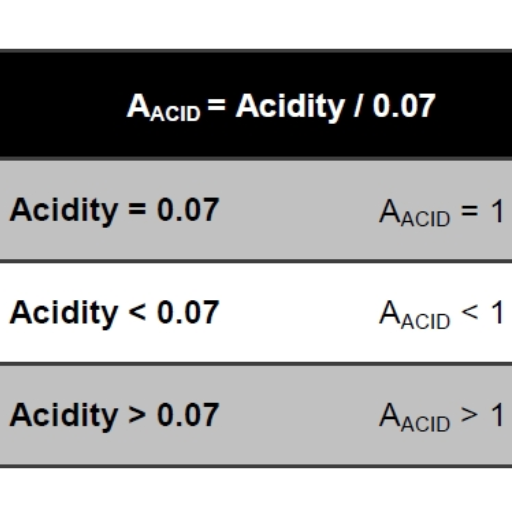
Acidity in transformer oil directly impacts its dielectric properties, reducing its effectiveness as an insulating medium. Acidic compounds degrade the chemical stability of the oil, leading to the formation of sludge and sediments that can accumulate on winding surfaces and within the transformer core. This contamination impairs heat dissipation and increases the risk of electrical failures. Furthermore, elevated acidity fosters the breakdown of cellulose insulation and accelerates the aging process of the transformer. Consequently, the dielectric strength diminishes, which heightens the occurrence of partial discharges and compromises overall operational safety.
Impact on Dielectric Strength and Dissipation Factor
- Decreased Dielectric Strength: The degradation of insulating materials due to thermal and oxidative stresses reduces the ability of the transformer to withstand electrical stresses, increasing vulnerability to breakdowns.
- Elevated Dissipation Factor: Contaminants, such as moisture and acid byproducts, raise the dissipation factor, indicating greater dielectric losses and reduced efficiency of the insulation system.
- Moisture-Driven Failures: Moisture ingress enhances conductivity within insulating oils and paper, significantly weakening the dielectric integrity and risking sudden electrical discharges.
- Partial Discharges: A decline in dielectric strength promotes the occurrence of partial discharges, which incrementally damage internal insulation and generate heat, further degrading the system.
- Thermal Runaway: Poor heat dissipation caused by contamination can lead to localized overheating, compounding the breakdown of critical insulating materials and exacerbating losses.
- Oxidation Accelerators: Acidity and high dissipation factors accelerate oxidation processes in transformer oil and insulation, further diminishing performance over time.
- Aging-Related Deficiencies: Prolonged elevated dissipation factors are indicative of aging insulation systems, leading to reduced reliability and a higher probability of transformer failure during operation.
Relationship between Acidity and Transformer Windings
The acidity of transformer oil directly impacts the condition and performance of transformer windings. Elevated acidity levels in the oil lead to the formation of corrosive by-products, which can degrade the insulating materials surrounding the windings. These corrosive compounds promote the deterioration of cellulose insulation and accelerate copper corrosion on the winding surfaces, potentially causing insulation failures.
Key technical parameters to monitor include:
- Acidity Level (Total Acid Number – TAN): Recommended limit is typically below 0.1 mg KOH/g for in-service oil. Values exceeding this suggest significant degradation.
- Copper Corrosion Test (ASTM D1275): Should indicate no visible signs of corrosion to ensure winding protection.
- Interfacial Tension (IFT): A value below 15 mN/m often correlates with higher acidity and poor oil quality.
- Dielectric Breakdown Voltage (as per IEC 60156): A minimum recommended value of 30 kV to ensure adequate insulation effectiveness.
By proactively monitoring and controlling these parameters, the longevity and reliability of transformer windings can be preserved, minimizing risks associated with insulation breakdown and operational failure.
Reference Sources
- Acidity Test of Transformer Insulating Oil – Electrical4U
- Acidity in Power Transformers – Power Transformer Health
- Transformer Oil Analysis: An Overview – IPPTA
- Understanding Transformer Testing – SDMyers
- Transformer Oil Testing – VPS Veritas
Frequently Asked Questions (FAQs)
Q: What is the purpose of transformer oil testing?
A: Transformer oil testing is essential to assess the condition of the oil and ensure it provides adequate insulation and cooling. It helps in identifying issues like the acidity of the oil, which can indicate degradation or contamination.
Q: How is the acidity of insulating oil measured?
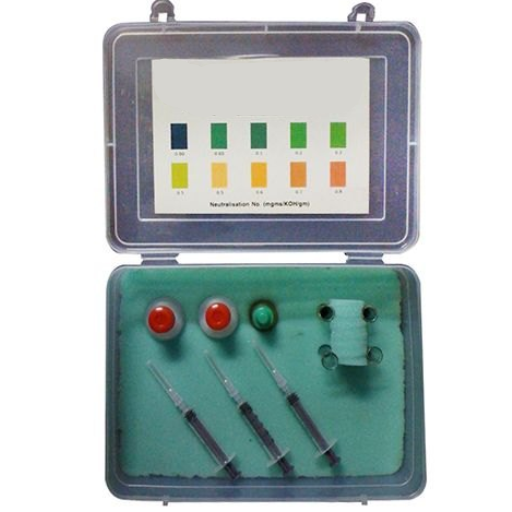
A: The acidity of insulating oil is measured using test tubes where 1 gram of insulating oil is mixed with rectified spirit and a universal indicator. The resultant color of the sample oil after mixing rectified spirit gives an indication of the acidity level.
Q: Why is the acidity test of transformer oil important?
A: The acidity test of transformer oil is important because high acidity levels can lead to the deterioration of paper insulation and other components. It can result from oxidation reactions in the transformer oil and needs to be monitored to prevent damage.
Q: What role does interfacial tension play in transformer oil testing?
A: Interfacial tension is a measure used in transformer oil testing to determine the contamination and degradation of oil. A decrease in interfacial tension can be a sign of increased acidity or the presence of polar compounds dissolved in the transformer oil.
Q: What is the significance of the color of the sample oil in testing?
A: The color of the sample oil can indicate the level of contamination or degradation. Changes in color after mixing with rectified spirit can signify changes in the acidity of the oil sample, giving insight into the oil’s condition.
Q: How does oxidation reaction in the transformer affect the oil?
A: Oxidation reactions in the transformer produce acids and other by-products in the mineral oil, which can increase the acidity content. This can lead to the deterioration of paper insulation and affect the overall performance of the transformer.
Q: What is the method to measure the acidity content in mg KOH?
A: The acidity of the oil sample is typically measured in mg KOH per gram of oil, indicating the amount of potassium hydroxide required to neutralize the acids in the oil. This measurement helps in understanding the severity of the oil’s acidity.
Q: Why might mineral oil be highly soluble in testing?
A: Mineral oil is highly soluble in certain testing solvents, which is essential for accurate measurement of contaminants and acidity in the oil. This solubility helps in thoroughly mixing the oil with test solutions to assess its condition.
Q: How does the dielectric breakdown test relate to acidity testing?
A: The dielectric breakdown test complements acidity testing by evaluating the oil’s insulating properties. High acidity can compromise the oil’s insulating capabilities, making dielectric breakdown tests crucial for assessing overall transformer health.
Q: What is the role of sodium carbonate solution in transformer oil testing?
A: Sodium carbonate solution may be used in some testing procedures to neutralize acids produced in the mineral oil. This helps in evaluating the oil’s acidity and ensuring it remains within safe operational limits.