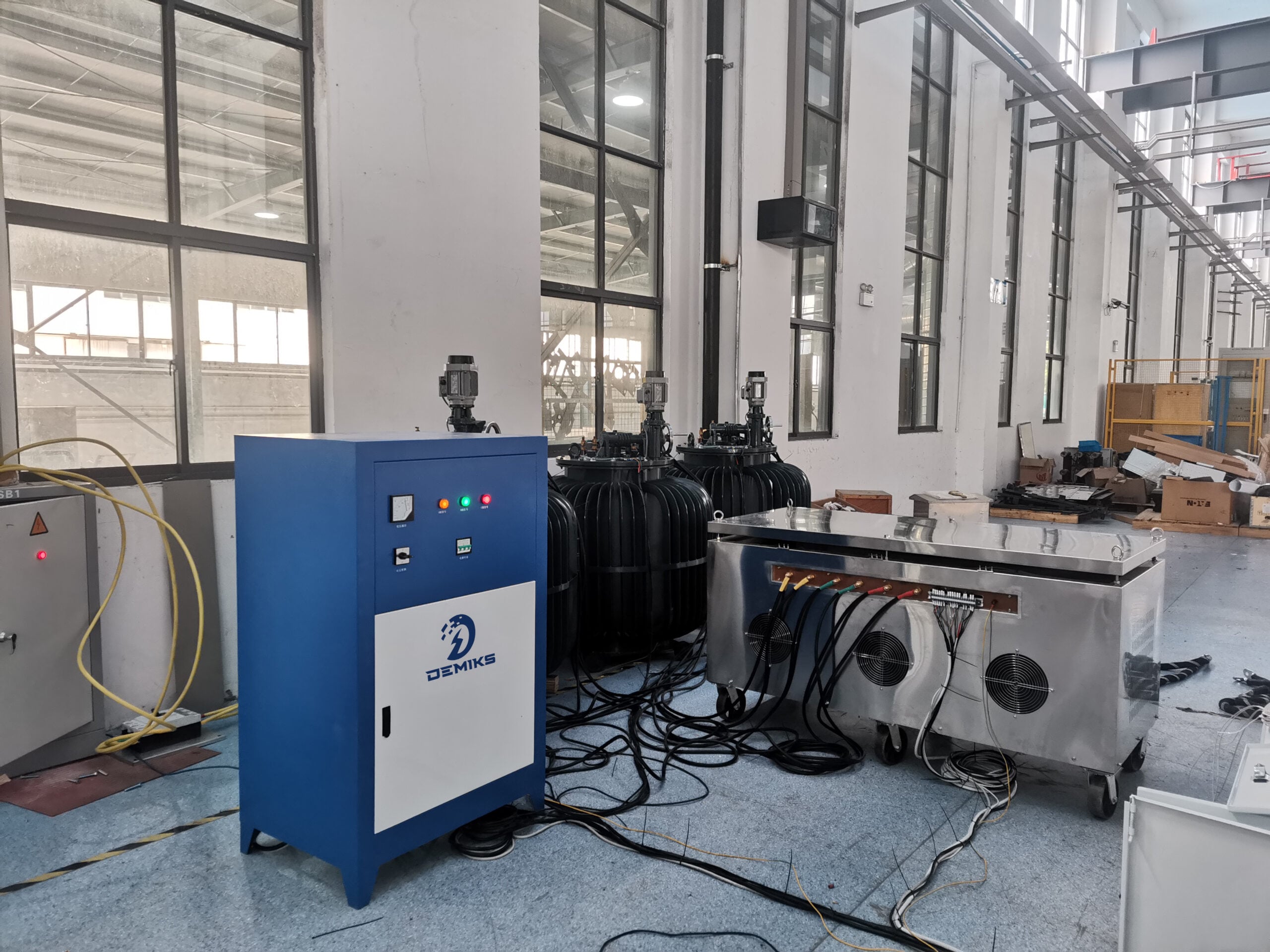
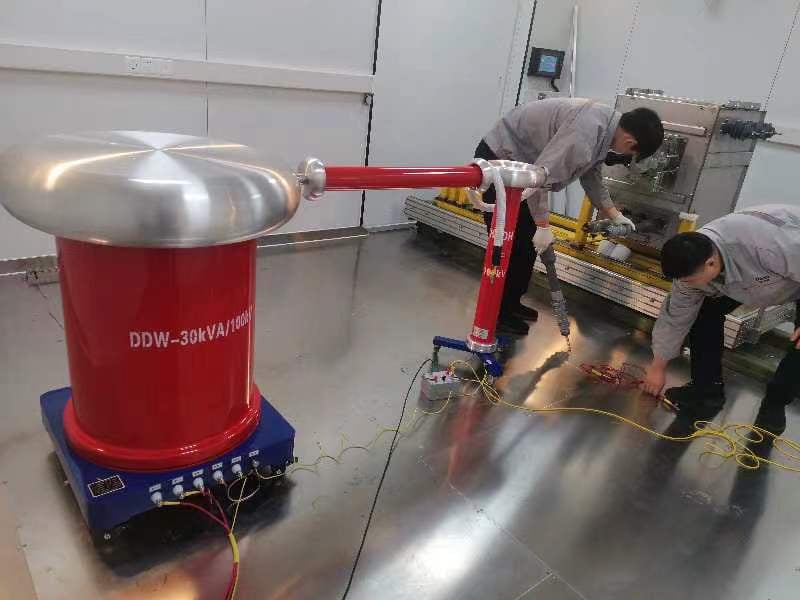
Just like any typical system, electrical insulation systems undergo different stresses, which can result in system failure. Performing partial discharge tests, or PD tests, helps break down and evaluate potential insulation failures to ensure insulation systems work efficiently while preventing costly repairs. Predictive maintenance, compliance verification, and extending equipment life are only some of the numerous benefits provided by performing PD tests. With the provided data in this blog, you will learn how unexpected malfunctions in high-voltage systems can be avoided. We will explain the underlying reasoning of partial discharge detection so you can understand its importance in powering electrical asset management.
What is a Partial Discharge Test?
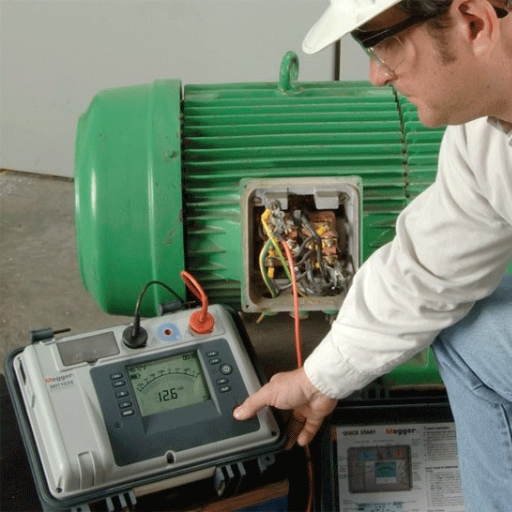
PD tests are used to identify internal and external electrical discharges caused by various factors, such as temperature and localized weak points within the insulation system. These tests help identify failing high-voltage components and warn of their potential failure in advance. Performing PD tests allows electrical assets to be evaluated and helps maintain uninterrupted functionality in power systems.
Definition and Purpose of a Partial Discharge Test
A partial discharge (PD) test is a key diagnostic procedure for high-voltage equipment that analyzes the condition of internal insulation. Partial discharges can be described as small dielectric ruptures that do not fully sever the insulating bond between conductors. Performing a PD test involves detecting, measuring, and analyzing these discharges, which often precede the degradation of insulation and failure. Through detailed information capture, PD tests allow engineers to detect early stage insulation damage such as electrically stressed voids, cracks, or even contamination which could worsen over time.
PD testing is not only cost-effective but it has also become highly advanced using ultra-high frequency (UHF) and acoustic sensors for precise results that transform and switchgear cables. PD tests monitored with UHF sensors provide accuracy in identifying the health of equipment while maintaining strategies to reduce repair costs and asset downtime. PD tests also follow international standards such as IEC 60270 ensuring reliable evaluation across the industry.
Importance of Partial Discharge Measurement in Electrical Systems
In the realm of electrical systems, partial discharge (PD) measurement serves as a key diagnostic practice to safeguard equipment. While high-voltage machinery is in operation, unchecked partial discharges can cause insulation failure, voltage faults, and even system-wide disasters. Studies show insulation failure caused by partial discharge (PD) activity is a notorious culprit behind high-voltage asset equipment malfunctions.
Advanced PD measurement methods utilize UHF sensors and acoustic emission detection to pinpoint and even visualize discharge activity within intricate systems. These methods, alongside management systems that analyze real-time data on asset condition and PD, improve the predictive accuracy of these PD measurements.
With predictive maintenance allowances, PD testing directly reduces infrastructure operating costs while improving efficiency through less maintenance requirement. Reducing unplanned-time activities as a result of predictive maintenance in operation not only cuts down on repair costs, but it also slows down the rate of critical infrastructure damage. The fact that PD measurement can decrease overall maintenance required while also mitigating risks showcases its importance in the management of electrical systems.
Overview of Partial Discharge Testing and Monitoring
With the development of modern diagnostics, PD testing and monitoring techniques have become more refined in evaluating the health of insulation within electrical systems. PD activity occurs as a result of localized breakdown within the insulating material, which is most commonly caused by defects, contaminations, or material degradation. Such discharges are discontinuous and progressive, leading to total failure of the insulation if left unattended.
Modern PS testing incorporates more advanced methods like electro-magnetic, acoustic, and electrical measurement techniques which facilitate extensive data collection and analysis. As an example, online PD monitoring systems placed on high-voltage equipment actively monitor the state of insulation by evaluating performance under real-world operating conditions. These systems are capable of identifying PD activity as it occurs, providing invaluable predictive insights that help maintenance planning.
The most recent studies have shown the importance of continuous PD monitoring in high-voltage cables, transformers, and switchgear as the electric networks evolve for better integration of renewable sources and increase in load demand. In addition to the reliable operation of the system, continuous monitoring helps improve the safety of aging infrastructure, providing both immediate and longer-term risk mitigation. With the application of machine learning algorithms and big data analytics, subtle degradation patterns can be recognized during PD analysis, which enhances accuracy in fault prediction and improves the system’s uptime.
How Does Partial Discharge Occur in High-Voltage Equipment?

High voltage equipment experiences partial discharge (PD) when the insulation system undergoes localized electrical stress, exceeding its dielectric strength. PD is often associated with manufacturing flaws, cavities within solid insulations, and edges and molecular-grade impurities within the insulator’s materials. Such imperfections lead to uneven electric field distribution, resulting in partial breakdown between the insulation and conductors. Repeated PD activity over time weakens the insulation and increases chances of equipment failure. Hence, PD management is critical for high-voltage systems.
Understanding the Insulation System
To mitigate the high voltage ones, the dielectric components provide them the necessary protection from overheating and burning. As such, the insulation system is composed of a solid, liquid, or gas. Different dielectric materials are used for varying temperatures and corrosive incidents due to differences in thermal and chemical stability. To withstand stress and corrosion for extended ages, solids like polyethylene and epoxy resin serves as high voltage insulators. Abrasive liquids such as mineral oils or manufactured esters function as dual purpose insulators and coolants. Also, high-voltage devices with compact designs incorporate gas insulators such as sulfur hexafluoride (SF6) owing to their outstanding insulating capabilities.
Further progress into monitoring systems that focus on aging, thermal degradation, or signs of discharge activity has been made with advanced diagnostic technologies. New insulation technologies concentrate on the production of nanocomposite materials which improve dielectric strength, and resistance to moisture and pollutants. Innovations of this nature are essential as the high voltage systems are designed to evolve and incorporate increasing demands with renewable energy integration. Safeguarding critical components poses the greatest risk to the safety and the efficiency of electrical infrastructure.
Factors Leading to Discharge in Transformers and Switchgear
Transformers and switchgear contain partial discharge which poses a critical concern that needs to be understood to mitigate equipment failures and safety risks during operations. Below are the primary factors contributing to discharge with more elaborate explanation:
- Void and Cavity Formation in Insulation
Weak points within an insulator, such as tiny voids or bubbles filled with gas can harbor partial discharge. When subjected to an electric field higher than the breakdown strength of the partially insulating gas, discharge will occur. Investigations prove that small voids, even less than a millimeter, can substantially shorten the life of insulation under stress.
- Surface Contamination
Dust, moisture, or other corrosive materials can settle on the insulator surfaces which may lead to leaks. Leakage pathways usually result in breakdowns, usually in humid conditions. Studies have shown that surface leakage remains one of the most dominant ways breakdown occurs accounting for 25% of all breakdown incidents in high voltage systems.
- Aging and Deterioration of Insulating Materials
Factors such as heat, electricity, and lifting stress can deteriorate the insulating material increasing the likelihood of breakdown. This aging process accelerates discharge activity, process known as thermal runaway which increases exponentially after a certain temperature threshold known as a tipping point is breached.
- High Voltage Stress and Overvoltage Events
Insulation components have a limit to withstanding pressure and stress. Fluctuations caused by lightning or other external sources can cause transient overvoltages leading to partial discharge under certain conditions. For example, exposed aged systems can withstand up-to 150% surge voltage without insulating failure.
- Improper Design and Manufacturing Defects
Flaws inflicted during manufacturing or poor design choices can elevating the local electric field strength where sharp conductor edges meet. Insulator flaws such as ununiform material distribution, edges, or inclusion of impurities will lower overall efficiency.
Considering these factors allows utility companies and engineers to carry out specific maintenance tasks and design changes intended to minimize the dangers brought by partial discharge in transformers and switchgear. Careful supervision together with full compliance to operational instructions are critical to prolonging the life of the equipment and improving the reliability of the system.
What Are the Different Types of Partial Discharge Measurements?

The following outlines four electroacoustic types of PD measurement which provide valuable information for assessing our equipment insulation condition and defect recognition.
- Electrical Measurement: This method employs sensors like capacitive couplers to monitor electrical signals generated by partial discharges. It is very efficient in monitoring the magnitude and patterns of the discharge.
- Ultrasound Detection: This technique is useful in locating discharge activity in open air insulation systems. It is non-invasive, identifying high-frequency sound waves that are above the normal ear shift.
- Optical Measurement: This can capture UV or visible light which occurs during discharge. Therefore, it is useful to detect and analyze PDs in visible locations like switchgears.
- Chemical Analysis: Analyzing certain gases like hydrogen and methane that are dissolved in transformer oil, which occurs as a result of partial discharge. This is a useful method for determining insulation deterioration.
For precise monitoring, the systems are meticulously designed enabling diverse functions tailored to adaptable operational requirements.
Types of PD Measurement Techniques
- Electrical Detection: This technique captures the electrical impulses emitted during partial discharge activity. Transient voltage and current signals are detected by High Frequency Current Transformers (HFCTs) and capacitive couplers. This method is sensitive to PDs, making it possible to identify and locate PDs in electric systems.
- Ultrasound Detection: Specialized sensors have been developed for the higher frequencies of sound produced alongside partial discharge. This method is unobtrusive, making it easy to locate surface discharges to the outside of cables, transformers, and other machinery. Directional sensors combined with sophisticated signal processing enable precise location.
- Optical Methods: Technologies such as photomultipliers or cameras detecting ultraviolet and visible light can be used for Optical Detection. Systems with some degree of insulation decay where the Optical PD detection would operate disproportionately well would be those where such insulation decay could be geometrically rapidly assessed.
- Acoustic Detection: This employs sensors for PD sound emissions from partial discharge monitoring. It is especially applicable for high-voltage transformers where electrical silence is a necessity for other methods of detection. Using triangulation and PD source localization algorithms, PDs can be accurately located.
- UHF Detection: Ultra-high frequency (UHF) techniques exploit the electromagnetic emissions from PD in the band 300 MHz to 3 GHz. UHF detection works remarkably well in GIS applications because of its insensitivity to low-frequency electrical interference and accuracy in high-voltage conditions.
- Chemical Analysis: As an example, chemical sensors may detect the gas by-products of acetylene, ethylene, or hydrogen both internally within insulating oil or externally in the atmosphere. Evaluating the concentration of gas dissolved in liquid reveals valuable information about the insulation and the type of partial discharge developing within the system.
These techniques help in driving predictive maintenance efforts, allowing the operators to manage the risks, improve equipment longevity, and strengthen system dependability. Comprehensive diagnostics often rely on the combination of these techniques to provide the greatest accuracy and reliability of the health assessment of the electrical assets.
Comparison of Offline Partial Discharge vs. Online Partial Discharge
|
Key Point |
Offline Partial Discharge (PD) |
Online Partial Discharge (PD) |
|---|---|---|
|
Equipment status |
Tested when de-energized |
Tested during operation |
|
Downtime required |
Yes, equipment must be offline |
No, equipment remains operational |
|
Risk to system |
Minimal, no system load |
Potential risk under live conditions |
|
Testing environment |
Controlled, lab-like conditions |
Real-world, operating environment |
|
Diagnostic accuracy |
High, no operational interference |
Moderate, influenced by system noise |
|
Applicability |
Maintenance, commissioning |
Monitoring, predictive maintenance |
|
Cost |
Generally lower, fewer challenges |
Higher, complex installation |
|
Test duration |
Longer, in-depth analysis |
Shorter, real-time detection |
|
Detection of defects |
Precise under static conditions |
Detects issues in dynamic conditions |
|
Safety considerations |
Safer, no live system contact |
Requires advanced safety precautions |
High Voltage Assets and Their PD Detection Methods
The reliability and longevity of high voltage assets systems hinges on the detection of Partial Discharge (PD). With modern PD monitoring techniques, utilities and manufacturers are able to more accurately predict failures, increasing the reliability and safety of systems. Key strategies include online and offline PD detection methods tailored for particular use cases. Offline methods like conventional electrical discharge measurements have the advantage of providing comprehensive diagnostic information in controlled settings which simultaneously enables defect localization and insulation condition evaluation. Online systems, however, focus on detecting PD activity during regular operation periods using real-time monitoring technologies like acoustic emission sensors, UHF detectors, and transient earth voltage (TEV) measurements.
New machine learning technologies that are capable of analyzing massive amounts of data from continuous online monitoring systems are beginning to be adopted. Machine learning algorithms examine PD activity to identify any early degradation warning signs. At the same time, modern power equipment such as gas-insulated switchgear (GIS) and transformer systems are now more accessible due to the advancements in fiber optic sensing technologies which have increased the spatial resolution and sensitivity of PD detection. With these technologies, unplanned outages can be minimized while asset performance can be maximized, enabling further innovation in predictive maintenance techniques. This ongoing change highlights the necessity for advanced and precise solutions for PD monitoring high voltage asset management requires.
How Is a Partial Discharge Test Conducted?

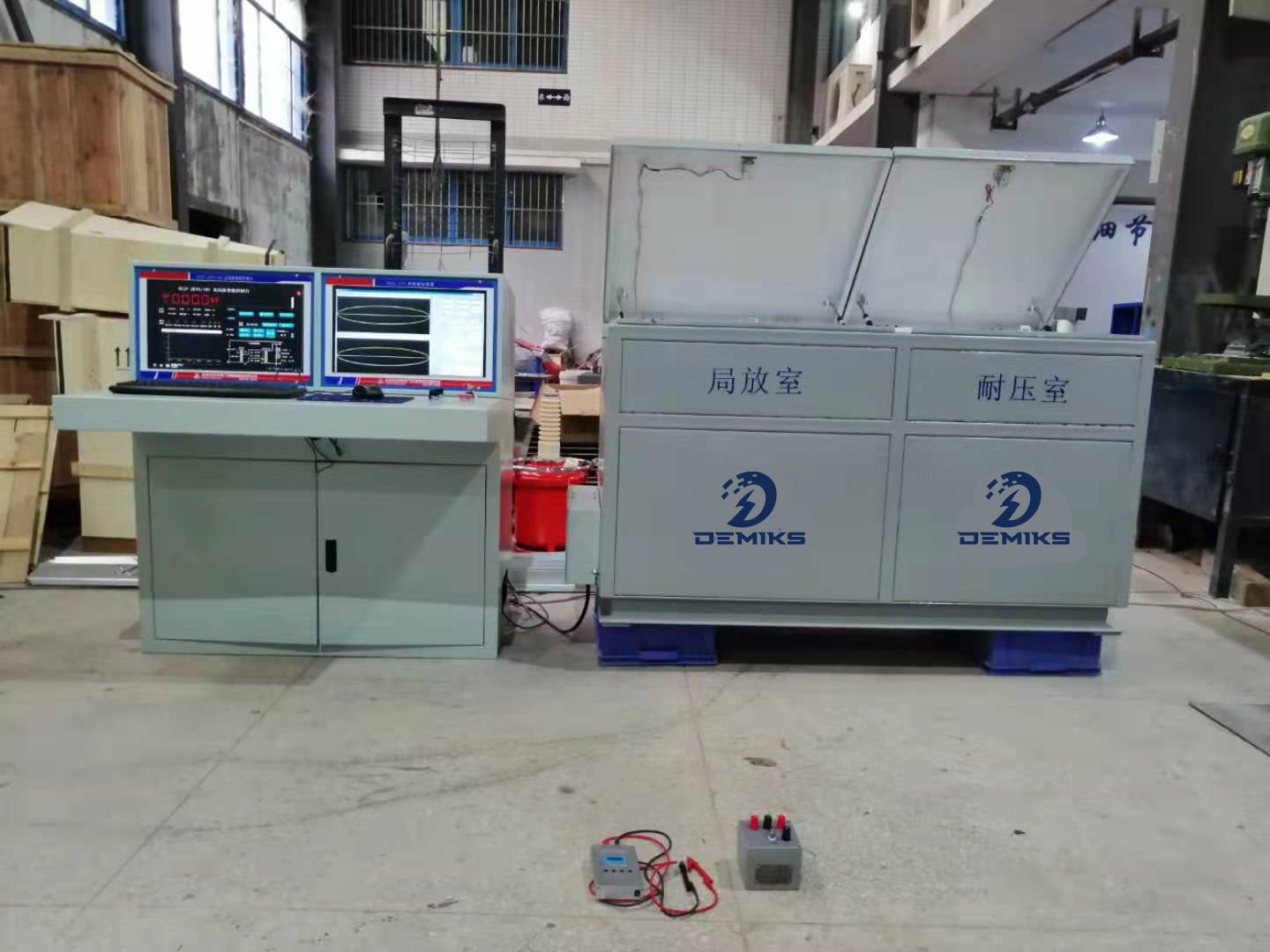
A PD test involves energizing the equipment with a voltage greater than the intended operating voltage. PD triggers are monitored by sophisticated sensors that incorporate capacitive couplers, acoustic sensors, and ultra-high frequency (UHF) antennas. This process is known as PD monitoring and involves advanced diagnostic systems to record the PD signals and determine the discharges’ location, magnitude, and source. Defining insulation conditions and designing resilient equipment relies on these comprehensive assessments of the equipment’s structure.
Preparation for PD Test on Electrical Equipment
Conducting a PD (partial discharge) test requires strict compliance with defined standards to guarantee accuracy and reliability in the diagnosis results. The below steps are important in achieving effective preparedness.
- Environmental Conditions
Avoid external PD detection interference. Electrical noise, temperature, and humidity all have a direct bearing on the accuracy of PD detection. To ensure accuracy, ambient temperature and humidity should be maintained within prescribed bands because excessive moisture and extreme temperatures can affect insulation properties of equipment.
- Equipment Inspection and Cleaning
During the test preparation phase, inspect the surfaces of equipment for PD damages, dirt, and other forms of contaminations. Wiping surfaces with a cloth can help remove contamination which would trigger false PD readings.
- Selection of Test Instruments
Select PD detection instrumentation tailored to the equipment under test and it’s voltage class. The selected detection instrumentation should be able to register the sensed PD from the system under test.
- Calibration of Sensors and Equipment
All measuring instruments must adhere to the manufacturer’s specification in regard to sensor calibration. Calibration guarantees precision and ensures that measurement captured represent the actual PD activity within the accepted error margin.
- System De-energization and Safety Precautions
Offline PD testing requires that the equipment under test is powered off and properly grounded for safety. Check that the test connections do not pose a risk for electrical shorts or arcing. For additional safety during the setup and actual testing, personal protective equipment must be worn.
- Test Configurations and Circuit Connections
Accurate configuration of the test circuit requires attachment of sensors, couplers, and/or antennas at the specified monitoring points. Ensure that adequate shielding and grounding is used to prevent any external noise interference.
Effective procedures are essential to accurately detecting partial discharge activities and extracting valuable diagnostic data. A reliable approach not only improves the dependability of the tests but also guarantees safety and control during the evaluation process for the personnel and equipment.
Required Equipment for Partial Discharge Testing
To carry out PD testing accurately and consistently, the following tools are needed:
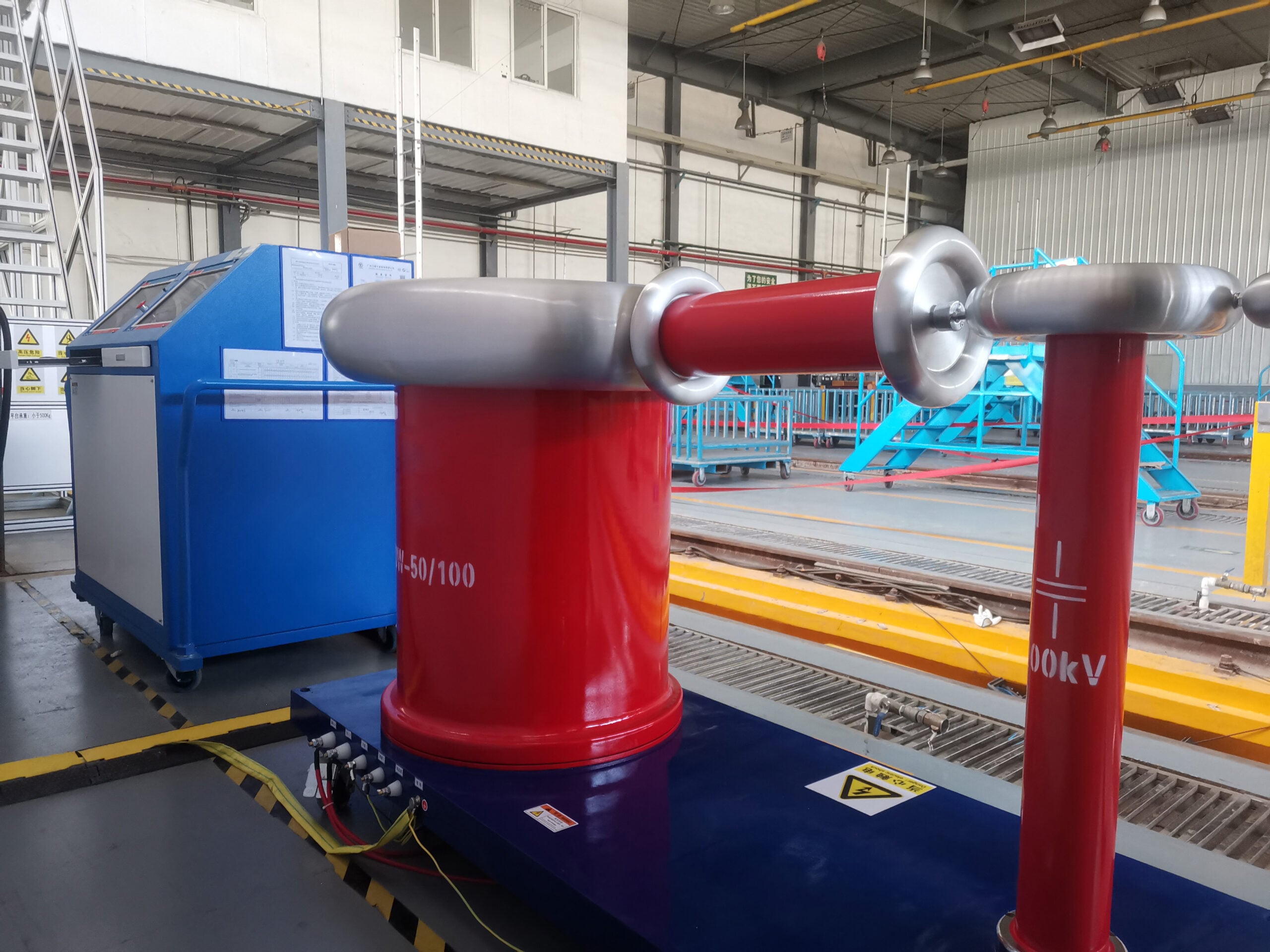
- High-Voltage Source
Stability and precision resulted from using a high voltage power supply system. The power supply outputs energy steadily with minimal noise, which is vital to avoid interference with the signals.
- Coupling Capacitor
Partial discharge (PD) signals coupled with high voltage electric discharges need isolation during measurement. The dielectric susceptibility limits of the PD coupling capacitor allows to discretely measure voltage at a given level.
Frequencies associated with partial discharges are above 1 MHz. The PD detectors capture high frequency signals radiated during PD activity. With real time filtering and analysis, testing becomes more efficient and accurate.
- High-Frequency Current Transformer (HFCT)
The hydrophone based HFCT sensors are employed for identification of PD activity within the cable and ground connections. Over a broad frequency range, these sensitive instruments are quickly identifying minute discharge signals.
- Oscilloscope or Data Acquisition System
PD patterns determine the defect type, location, or even quantify the energy released during an electric discharge. To determine these factors, oscilloscopes or high speed data acquision systems are needed for visualization and recording of waveforms.
- Acoustic Sensors (Optional)
When coupled with other tools, acoustic sensors can ultrasound signals from partial discharge. They are useful in locating PD activity within transformers or other enclosed areas.
PD testing is accurate and reliable when the above equipment is properly calibrated, industry standard compliant, and within specifications. Each unit also needs to comply with regulations to efficiently identify and resolve problems related to electrical insulation systems.
What Are the Benefits of Partial Discharge Testing and Monitoring?

Electrical systems rely on partial discharge monitoring and testing for maintaining safety and reliability. Protecting infrastructure from potential damage while monitoring systems ensures:
- Preemptive Fault Identification: Through monitoring, PD activity can pinpoint potential failures before crises or breaks that result in destruction or sudden downtimes.
- Reduced Operational Costs: Preservation and mitigation of damage automatically means a reduced share of frequent replacements contributing to operational costs; an overall lowering of prices.
- Improved Performance: Risk of catastrophic failures can impact system performance, but during PD monitoring where risks are mitigated, performance greatly improves dependability.
- Emergency Maintenance Prevention Saving on maintenance previously funded for insulation degradation, while concurrently preventing expenses on emergency repairs funded for delayed intervention.
- Equipment Protection: Ultimately, monitoring insulation helps shield vital equipment from unnecessary risks while protecting staff from hazardous situations.
These advantages together make discharge testing and monitoring an important practice for tracking equipment functionality and performance of high-voltage devices.
Enhancing the Reliability of High-Voltage Equipment
Ensuring high-voltage equipment’s reliability demands the integration of rigorous testing frameworks, cutting-edge technologies, and predictive maintenance. Online condition monitoring systems featuring advanced sensors track critical metrics, including temperature, pressure, vibration, and partial discharges. This data can be analyzed, and failures predicted with remarkable accuracy long in advance using advanced algorithms.
Advanced diagnostics can further be augmented by artificial intelligence and machine learning. Subtle pattern recognition and multifactor anomaly detection can provide better failure predictions and root cause exploration well beyond traditional techniques. Additional diagnostic testing reliability comes from traditional methods like FRA or dielectric loss measurements, confirming compliance to safety and performance benchmarks.
Revamped insulation materials not only fortify the interfaces, but also preserve the structural integrity, while introducing better cooling aids elevates the High-Voltage system’s performance. This, concocted with meeting IEC 60270 standards for partial discharge testing, sets one on the right track of optimizing safety while minimizing downtimes.
Preventing Electrical Breakdown Through Early Detection
The use of high-voltage electronics monitoring equipment is essential to prevent system failures. Diagnostic tools like online partial discharge monitoring or thermal cameras allow continuous system evaluation without shutdowns. Such real-time systems enable monitoring of equipment for potential irregularities like overheating, insulation faults, or unusual discharges which can indicate developing faults. The risk of unanticipated system outages is minimized, and maintenance or servicing is done on a predictive schedule rather than reactive, all due to the application of these technologies. From industry-based observations, these technologies help reduce equipment failure risks and also improve maintenance planning and decision-making for aging equipment by enabling better scheduling of planned outages. For best system reliability, all collected data must be cross analyzed with the system’s historical performance data for identification and resolution of issues before they shift from a manageable state to critical failure.
Cost-Effectiveness of Regular PD Measurement
Routine partial discharge (PD) measurement is an economical method for the maintenance and optimization of electrical systems. With systematic monitoring, the operator can detect insulation weaknesses or faults long before critical equipment damage or operational downtime occurs. Research indicates that proactive PD issue detection and mitigation can reduce estimated maintenance costs by up to 30% when compared to post-failure reactive approaches. However, costs can be controlled further owing to the use of sophisticated data collection technology as much less manual labor is needed with the automation of data collection and real-time analysis. Over time, this significantly enhances the reliability and safety of the system while reducing the total cost of ownership of the electrical assets.
How to Analyze Partial Discharge Signals?

To perform effective analysis of partial discharge signals, these important procedures needs to be followed:
- Signal Detection: For PD activity detection, the use of high-sensitivity sensors such as ultrasound or electromagnetic sensors is recommended. Also, ensure that equipment and sensors are well calibrated to avoid incorrect readings.
- Gathering of the Data: Utilize traditional PD monitoring instruments to measure and record the signals that were detected. Data should be collected over a duration long enough to provide baseline patterns and reduce noise.
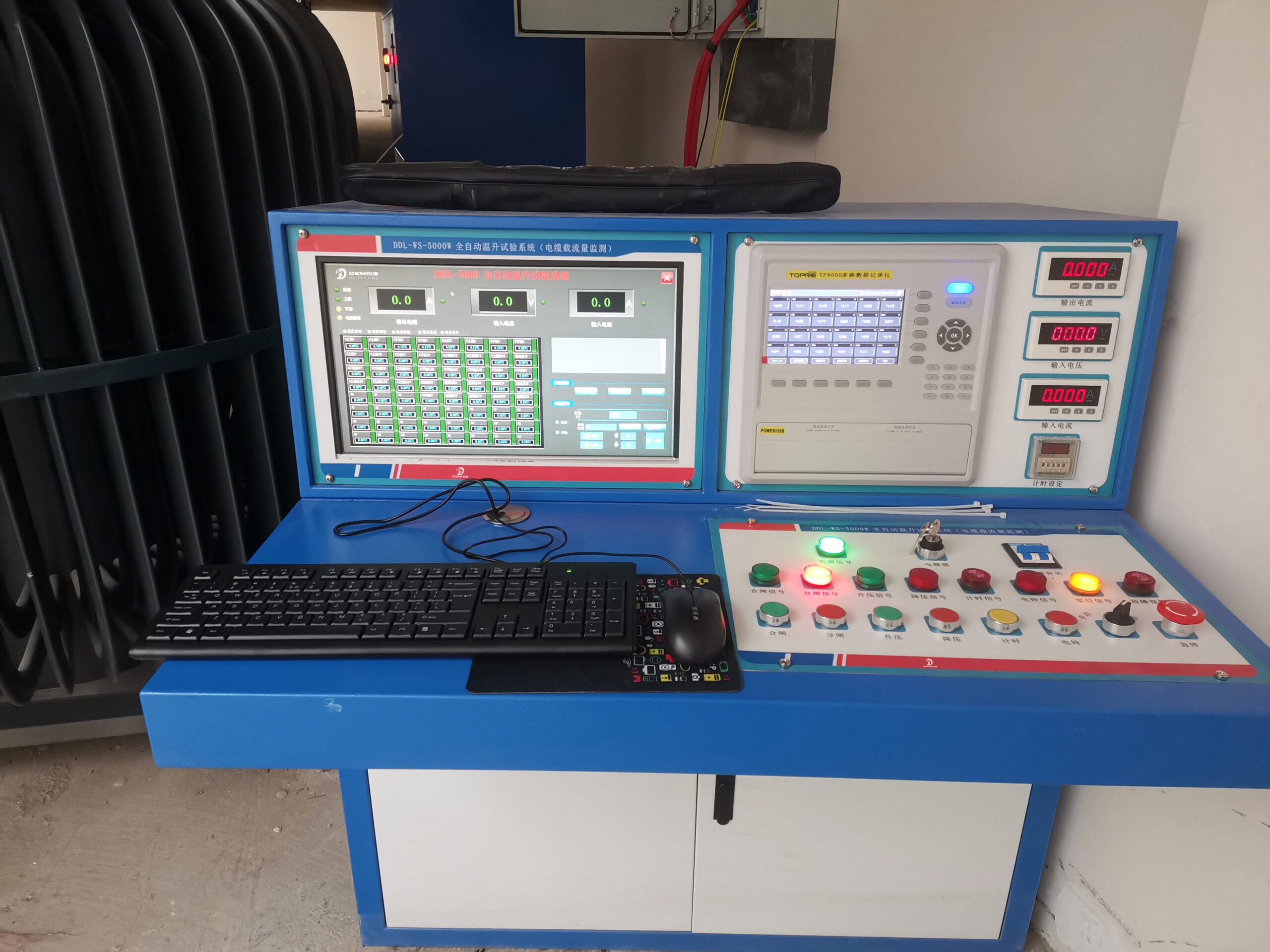
- Processing the Signal: Remove the PD signals from the noise using noise filtering techniques. Using appropriate software, visualize the signals to extract and display important quantities like amplitude and frequency.
- Pattern Recognition: Overlays the processed signals with known signal patterns of common partial discharge types like corona or surface tracking. Helps determine the nature and origin of the discharge.
- Evaluation and Diagnosis: Evaluate the severity of discharge activity considering its intensity and change over time. Benchmark against the system design and industry reference standards to decide if action is required.
An engineer can prevent issues stemming from insulation deterioration by taking corrective actions in advance after identifying issues, following the steps above.
Understanding PD Pulse Characteristics
The characteristics of partial discharge (PD) pules are impacted by different factors such as rate of energy release and frequency of the pulses. Factors such as insulation type, internal defects, and the level of electrical voltage stress applied directly impact theenergy release. For instance, in solid insulations, electric fields are often more intense in the insulator’s voids than on the surfaces, which leads to higher energy release in comparison to the surface discharges.
Modern high-speed PD measurement systems and time-domain reflectometry coupled with high-frequency current transformers allow accurate PD pulse measurements. Those diagnostic systems provide valuable details, for example, rise time, pulse repetition rate, and phase-resolved distributions which are essential for discharge activity mapping and pattern recognition. Also, humidity, temperature, and even operating frequency define PD pulse in significant ways, which makes these factors important while conducting analysis.
With modern methods of analysis and detection technologies, engineers are now able to more accurately define and analyze PD pulses, which has subsequently enabled more predictive maintenance strategies and improved reliability of high-voltage equipment.
Software and Tools for Partial Discharge Measurement and Analysis
The contemporary world of partial discharge (PD) measurement and analysis thrives thanks to modern software and holistic tools that strive to improve precision, automation, and system compatibility. Specialized software for collecting, visualizing, and interpreting PD signals is offered through Omicron’s MPD Suite and Techimp’s PDBase II. These platforms incorporate cutting edge algorithms for noise cancellation, real-time signal processing, and pattern recognition to ensure even the most difficult environments provide rigorous precision results.
Moreover, comprehensive monitoring is provided through software that works with hardware tools such as high-frequency current transformers (HFCT), acoustic emission sensors, and capacitive couplers. Insulation failure forecasting grounded on historical data patterns and real-time measuring is integrated within advanced systems through AI-based analytics. There is a greater incorporation of cloud-based systems which provide remote access and scale for grid control and asset supervision.
These sophisticated tools aim and incorporate foreign countries requirements compliance such as the IEC 60270 which ensures reliability and proper functioning cross borders. Work with such sophisticated and automated technology enable engineers improve the reliability of the electrical infrastructure and increase the operation lifetime of their high-voltage systems.
Reference Sources
-
Partial Discharge Testing (PD Testing) – Overview of partial discharge testing and its role in assessing electrical insulation health.
-
The Basics of Partial Discharge Testing – Explains the fundamentals of partial discharge and its impact on insulation systems.
-
Partial Discharge Test Methods – Details the causes of partial discharge and various measurement techniques.
-
A Detailed Review of Partial Discharge Detection Methods – A comprehensive review of detection methods for partial discharges, focusing on safety and reliability.
-
Preliminary Measurements of Partial Discharge Inception – A study on the thermo-chemical degradation of motor winding insulation through partial discharge experiments.
Frequently Asked Questions (FAQs)
Q: What is a Partial Discharge Test and why is it important in high-voltage applications?
A: A Partial Discharge Test is a diagnostic method used to detect and measure partial discharges within insulation systems of high-voltage equipment. It is important because it helps identify potential insulation breakdown, allowing for timely maintenance and preventing catastrophic failures in motor and cable systems.
Q: How does monitoring partial discharge contribute to the longevity of high-voltage equipment?
A: Monitoring partial discharge helps in early defect detection, allowing for proactive maintenance. By identifying issues before they escalate, operators can extend the lifespan of high-voltage equipment, such as transformers and power cables, and ensure reliable performance.
Q: What are the different types of PD that can be detected during partial discharge testing?
A: The different types of PD include surface discharges, internal discharges within insulation, and corona discharges. Each type can indicate specific insulation problems, and identifying them is crucial for effective maintenance strategies.
Q: What is the significance of test voltage in partial discharge testing?
A: Test voltage is critical as it simulates operational conditions under which partial discharges may occur. By applying a voltage that is representative of normal operating conditions, the test provides accurate insights into the insulation’s integrity and its potential for insulation breakdown.
Q: How are partial discharge measurements conducted on-site?
A: On-site PD measurements are conducted using specialized devices that monitor partial discharge pulses while the high-voltage equipment is energized. This allows for real-time assessment of the insulation condition without the need for shutdown.
Q: Can partial discharge testing be performed on different types of cable systems?
A: Yes, partial discharge testing can be performed on various types of cable systems, including extruded cables and cable terminations. Each system may require specific test methods to effectively measure and analyze PD activity.
Q: How does capacitance play a role in partial discharge testing?
A: Capacitance is a key factor in partial discharge testing as it affects the measurement sensitivity and the detection of partial discharge pulses. Understanding the capacitance of the test object helps in accurately interpreting the results of the PD measurements.
Q: What are the common high-voltage test techniques used for detecting partial discharges?
A: Common high-voltage test techniques include UHF (Ultra High Frequency) detection, acoustic emission monitoring, and electrical measurements. Each technique has its advantages and can be selected based on the specific requirements of the test object.
Q: What role do factory acceptance testing and acceptance testing play in partial discharge detection?
A: Factory acceptance testing and acceptance testing are essential for ensuring that high-voltage equipment meets specified standards before being put into operation. These tests often include partial discharge evaluations to confirm the integrity of insulation and the overall reliability of the equipment.