When it comes to power distribution and electrical systems, understanding the distinction between a Ring Main Unit (RMU) and switchgear is crucial for optimizing functionality, reliability, and safety. These two components play fundamental roles in managing and protecting electrical networks, yet their applications, configurations, and operational mechanisms differ significantly. This article delves into the key differences between RMUs and switchgear, providing a detailed and authoritative analysis to help industry professionals, engineers, and technicians make informed decisions. Whether you’re designing a new system or upgrading an existing one, this guide will equip you with the knowledge needed to select the optimal solution for your specific requirements.
What Is a Ring Main Unit (Rmu)?

A Ring Main Unit (RMU) is a type of electrical switchgear used to ensure the reliable distribution of power in medium-voltage networks. It is a compact and enclosed system that integrates circuit breakers, switches, and protection devices, allowing for the management and control of power distribution. RMUs are primarily utilized in secondary distribution networks to ensure operational flexibility, improve system reliability, and minimize downtime during maintenance or faults. These units are widely adopted in industrial, commercial, and residential sectors due to their space-saving design and ease of maintenance.
Components of a Ring Main Unit
A Ring Main Unit (RMU) typically comprises several key components, each playing a vital role in ensuring efficient and safe power distribution:
- Circuit Breaker: The circuit breaker serves as the primary protection device, designed to interrupt fault currents and isolate faulty sections of the electrical system. Modern RMUs often use either vacuum or SF6 gas-insulated circuit breakers, known for their high reliability and low maintenance requirements.
- Switching Mechanisms: Commonly, RMUs include load break switches or disconnectors that allow for manual or automatic isolation of specific circuit sections during maintenance or fault scenarios. These switches ensure minimal disruption to the overall power supply.
- Busbars: Busbars act as a central connecting point within the RMU, facilitating the distribution of electrical power between different circuit sections. Typically constructed from high-conductivity materials like copper or aluminum, busbars are insulated to prevent accidental contact.
- Protection Relays: Protection relays are integral components that monitor electrical parameters—such as current, voltage, and frequency—and activate the circuit breakers in case of abnormal conditions. Modern systems utilize microprocessor-based relays for enhanced precision and real-time analytics.
- Instrument Transformers: Current and voltage transformers within the RMU provide crucial measurement and scaling of electrical parameters for both operational monitoring and protection purposes. These transformers ensure safe isolation between high-voltage systems and sensitive measuring devices.
- SF6 or Vacuum Insulation: Insulating mediums, such as sulfur hexafluoride (SF6) gas or vacuum technology, are utilized to enhance the safety and durability of the RMU. SF6, in particular, is widely used due to its excellent dielectric properties, although its environmental impact is a growing concern.
- Control Panel: Serving as the interface between operators and the RMU, the control panel provides access to system controls, status indicators, fault diagnostics, and communication with remote monitoring systems in smart grid implementations.
These components collectively enable the RMU to perform its function as a compact, reliable, and efficient solution for medium-voltage power distribution. It is noteworthy that ongoing technological advancements emphasize digitalization and automation in RMU design, integrating IoT capabilities to further enhance operational efficiency and predictive maintenance.
Advantages of Using RMU in Power Systems
- Compact Design: RMUs are designed to occupy minimal space, making them ideal for urban areas and installations with limited room for infrastructure.
- Improved Reliability: With features like fault isolation and load break switches, RMUs enhance the continuity of power supply by minimizing outage durations and isolating faults efficiently.
- Safety Features: Equipped with robust insulation (often SF6 or air-insulated), RMUs provide high safety for operators and systems by preventing accidental contact and ensuring safe fault management.
- Low Maintenance Requirements: The sealed and insulated enclosure reduces maintenance frequency while protecting internal components from environmental factors.
- Scalability and Flexibility: RMUs are modular in design, allowing for easy integration and expansion into existing power systems to meet growing electrical demands.
- Automation Capabilities: Modern RMUs incorporate automated switching and remote monitoring, reducing the need for manual intervention and enabling faster response times to faults.
- Efficient Fault Detection and Isolation: RMUs can quickly detect, isolate, and clear faults, ensuring minimal disruption and improving system stability.
- Long Service Life: Built with durable materials and advanced engineering, RMUs are designed to have a prolonged operational lifespan under standard conditions.
- Environmental Protection: The enclosed design prevents exposure of critical components to dust, moisture, and pollution, ensuring consistent performance even in harsh conditions.
- Enhanced Smart Grid Integration: RMUs with IoT and digital communication capabilities facilitate seamless integration into smart grid systems, supporting data analytics and predictive maintenance.
Common Applications of RMUs
- Urban Distribution Networks: RMUs are extensively used in urban power distribution systems to ensure reliable electricity delivery with minimal downtime.
- Industrial Facilities: They provide dependable power to manufacturing plants, processing units, and other industrial operations requiring uninterrupted energy.
- Renewable Energy Systems: RMUs play a vital role in managing the integration and distribution of power generated from renewable sources such as solar and wind farms.
- Commercial Buildings: High-rise buildings, malls, and large complexes employ RMUs for efficient power management and load distribution.
- Data Centers: Due to their reliability and compact design, RMUs are critical in maintaining continuous power supply in data centers where outages are unacceptable.
- Airports and Transportation Systems: RMUs provide stable and secure energy in airports, railway stations, and metro systems.
- Rural Electrification Projects: They are deployed to enhance the reliability and quality of power supply in remote and rural areas.
- Critical Infrastructure: Hospitals, research centers, and other critical facilities utilize RMUs to ensure a dependable energy supply under all circumstances.
Exploring the Basics of Switchgear

Switchgear is an essential component within electrical power systems, designed to regulate, protect, and isolate electrical equipment. It serves multiple critical functions, including fault isolation, circuit control, and interruption of power flow during maintenance or emergencies. Comprising components such as circuit breakers, disconnect switches, and fuses, switchgear ensures safe and efficient operation of power systems by preventing equipment damage and safeguarding personnel from electrical hazards. Its design is tailored to handle varying voltage levels, from low to high voltage applications, making it indispensable across industry sectors, from utilities to manufacturing.
Types of Switchgear Used in Power Distribution
Switchgear used in power distribution includes low-voltage switchgear, medium-voltage switchgear, and high-voltage switchgear.
|
Type |
Voltage |
Function |
Application |
Examples |
|---|---|---|---|---|
|
Low-Voltage (LV) |
Up to 1 kV |
Protection |
Residential, Commercial |
Breakers, Fuses |
|
Medium-Voltage (MV) |
1-36 kV |
Distribution |
Industrial, Utilities |
GIS, AIS |
The Role of Switchgear in Electrical Distribution
Switchgear plays a critical role in modern electrical distribution systems by ensuring operational reliability, safety, and efficiency. Below are the key roles of switchgear in electrical distribution:
- Fault Isolation: Protect the system by quickly isolating faulty sections to prevent damage to equipment and maintain system stability.
- System Control: Enable centralized or remote control of electrical circuits, ensuring smooth switching and operational flexibility.
- Voltage Regulation: Manage current flow and voltage levels to optimize the power transferred through distribution networks.
- Safety Assurance: Provide safe operation by housing live components in insulated environments, reducing the risk of electrical accidents.
- Load Management: Facilitate the distribution of electricity across circuits effectively to balance load demands and prevent overloading.
- Protection Devices Integration: Accommodate safety devices such as circuit breakers, fuses, and relays to safeguard equipment and personnel.
- Operational Reliability: Ensure consistent performance under varying load and environmental conditions for uninterrupted power supply.
- Maintenance Support: Simplify system maintenance through modular designs and accessible components, minimizing downtime.
- Energy Efficiency: Enhance energy efficiency by reducing losses during power distribution and improving overall system performance.
These functions make switchgear an indispensable component in both commercial and industrial electrical distribution setups.
How Switchgears Ensure Reliable Power Supply
Switchgears ensure reliable power supply by performing critical operational and protective functions that maintain the stability and safety of electrical systems. Key mechanisms include:
- Fault Detection and Isolation: Switchgears promptly detect electrical faults using protective relays and circuit breakers. For example, overcurrent relays trigger at preset thresholds (e.g., 150% of rated current) to prevent equipment damage and ensure safety.
- Load Management: By segmenting the electrical network, switchgears enable efficient load distribution and minimize interruptions. Automatic transfer switches (ATS) can switch between power sources within milliseconds (typically <100 ms) during outages, ensuring continuous power supply.
- Arc Flash Protection: Advanced switchgear systems incorporate arc flash mitigation technologies with response times under 10 milliseconds, reducing the risk of operator injury and equipment damage.
- Voltage Control: Switchgears regulate and maintain voltage levels within specified ranges, typically ±5% of the rated voltage, ensuring steady operation of connected devices and preventing power quality issues.
- Integration with SCADA Systems: Modern switchgears integrate with Supervisory Control and Data Acquisition (SCADA) systems, providing real-time monitoring, control, and diagnostics to enhance operational reliability.
These technical features, combined with regular maintenance and adherence to industry standards (e.g., IEC 62271 or ANSI C37), make switchgears vital for ensuring uninterrupted and efficient power distribution in complex electrical networks.
Comparing RMU and Switchgear: What’s the Difference Between RMU and Switchgear?

Ring Main Units (RMUs) and switchgears serve distinct yet complementary roles in electrical distribution networks. RMUs are compact, enclosed systems primarily utilized in medium-voltage distribution to ensure uninterrupted power supply by enabling a ring network configuration. They are ideal for urban areas and complex grids due to their space efficiency and reliability. On the other hand, switchgears encompass a broader category of devices designed to control, protect, and isolate electrical equipment. These systems can handle both low and high-voltage applications and are extensively used in large-scale substations. The critical difference lies in their application scope and design, with RMUs being a specialized subset of switchgear optimized for medium-voltage distribution in demanding environments.
Key Differences Between Ring Main Unit and Switchgear
The key differences between a Ring Main Unit (RMU) and switchgear stem from their application, voltage levels, functionality, and design suitability for specific tasks.
|
Parameter |
Ring Main Unit (RMU) |
Switchgear |
|---|---|---|
|
Application |
Medium-voltage networks |
Low & high-voltage |
|
Design Scope |
Compact & enclosed |
Broad & modular |
Understanding the Specific Application of RMUs and Switchgear
Reliable and efficient operation of RMUs (Ring Main Units) and switchgear is critical in numerous applications, including:
- Electrical Power Distribution: Facilitate seamless and safe distribution of electricity in medium- and low-voltage networks, ensuring stability and reliability.
- Industrial Facilities: Support high-demand industrial operations by ensuring consistent power flow, fault isolation, and protection of sensitive equipment.
- Renewable Energy Systems: Integrate renewable energy sources, such as solar and wind, into the grid by managing fluctuations and providing overload protection.
- Transmission Networks: Act as key components in substations to control power flow, provide circuit protection, and enhance grid reliability.
- Urban Infrastructure: Ensure uninterrupted power supply for critical services like transportation systems, hospitals, and data centers in densely populated urban settings.
- Utilities and Substations: Offer robust solutions for fault detection, switching, and maintenance activities, ensuring optimal performance in public utility grids.
- Oil and Gas Operations: Deliver reliable power distribution in hazardous environments, with enhanced protection against electrical faults.
- Telecommunication Networks: Safeguard equipment in telecommunication facilities by maintaining stable electrical supply and preventing downtime.
These applications underline the critical role RMUs and switchgear play in modern energy management systems.
Impact on Power Distribution and Transmission
Ring Main Units (RMUs) and switchgear have a profound impact on both power distribution and transmission processes, ensuring efficiency, reliability, and safety within electrical networks.
Enhanced Network Reliability
RMUs and switchgear are instrumental in minimizing power outages and maintaining operational continuity. According to industry data, modern RMUs equipped with intelligent monitoring systems can reduce average outage durations by up to 40% by quickly isolating faults and redirecting power through alternative pathways. This ensures uninterrupted power supply to critical sectors such as healthcare and industrial manufacturing.
Improved Grid Resilience
The advent of automation in power systems, including remote operability of RMUs, significantly enhances grid resilience. A report by the International Energy Agency (IEA) highlights that automated switchgear reduces manual intervention times by over 50%, streamlining repair and maintenance processes during fault scenarios. This capability proves vital for highly dense urban areas or geographically challenging regions.
Integration with Renewable Energy Sources
With the shift toward cleaner energy, RMUs are now playing a pivotal role in integrating renewable energy sources such as wind and solar into existing grids. Advanced switchgear systems allow for better load balancing and accommodate the intermittent nature of renewables, ensuring that distributed generation sites comply with grid requirements. By 2030, renewable-specific RMU installations are projected to grow at an annual rate of 8%, as outlined in a report by Markets and Markets.
Capacity for Load Growth Management
Switchgear, particularly in high-voltage applications, enables effective management of increasing electricity demands. For instance, modern gas-insulated switchgear (GIS) systems are designed to handle up to 170 kV while maintaining compact designs and reducing environmental footprint. These systems ensure optimal load distribution, preventing overloading and maintaining system stability.
These innovations demonstrate how RMUs and switchgear technologies are redefining power distribution and transmission, equipping grids to handle evolving energy demands, and enforcing smarter, greener, and more reliable power systems worldwide.
The Role of GIS in Modern Switchgears

Gas-Insulated Switchgears (GIS) play a pivotal role in modern power systems by providing compact and efficient solutions for high-voltage applications. Unlike traditional air-insulated switchgears, GIS systems use sulfur hexafluoride (SF6) gas as an insulating medium, which enhances operational safety and reliability. This design significantly reduces the equipment’s spatial footprint, making GIS an ideal choice for urban and industrial settings with limited space. Additionally, GIS ensures minimal maintenance requirements due to its enclosed structure, which protects critical components from environmental contaminants. With their capability to handle high voltages and ensure robust performance, GIS is central to advancing grid infrastructure and supporting next-generation energy demands.
What is Gas-Insulated Switchgear (GIS)?
Gas-Insulated Switchgear (GIS) is a compact, metal-enclosed type of switchgear that uses sulfur hexafluoride (SF₆) gas as an insulating medium. This advanced technology is designed to manage high-voltage electrical distribution efficiently in both indoor and outdoor environments. Unlike air-insulated switchgear systems, GIS significantly reduces the spatial requirements due to its compact enclosed design, making it suitable for areas with space constraints such as urban centers or industrial facilities.
The use of SF₆ gas as an insulator allows GIS to achieve high dielectric strength, enabling it to operate reliably at voltages ranging from tens to hundreds of kilovolts. GIS is engineered to support critical applications such as power generation, transmission, and distribution, facilitating seamless grid infrastructure management. The enclosed design not only minimizes the risk of arc faults but also protects the internal components from external factors such as humidity, excessive dust, and corrosive contaminants, resulting in minimal maintenance and longer operational life.
Recent advancements in GIS technology emphasize energy efficiency, enhanced safety measures, and eco-friendly alternatives to SF₆ gas to reduce the environmental impact. These modern innovations exemplify GIS’s integral role in bolstering the performance, stability, and sustainability of electrical power networks around the globe.
Benefits of Gas-Insulated Systems in Switchgears
- Compact Design
Gas-insulated switchgears (GIS) require significantly less space compared to air-insulated switchgears, allowing installation in confined or urban environments where space is limited.
- Superior Reliability
GIS systems are highly reliable due to their enclosed design, which minimizes exposure to contaminants such as dust, moisture, and pollution, resulting in consistent performance over long periods.
- Enhanced Safety
The enclosed, grounded metallic casing reduces the risk of electrical faults, arc flash incidents, and provides better insulation for operators and equipment.
- Low Maintenance Requirements
With minimal exposure to environmental factors and the durable construction materials used, GIS systems necessitate infrequent maintenance, reducing downtime and lifecycle costs.
- Extended Operational Lifespan
GIS systems are designed to last for several decades, offering cost-effective performance over time due to their robust build quality and resistance to wear.
- High Dielectric Strength
The insulating properties of the gas used (traditionally SF₆, though alternatives are emerging) allow for higher voltage operations without increasing physical size.
- Climate Resistance
GIS technology performs reliably under a wide range of environmental conditions, including extreme temperatures, high humidity, or corrosive atmospheres.
- Eco-Friendly Innovations
Recent advancements incorporate alternatives to SF₆ gases, reducing the environmental footprint while maintaining high levels of performance and safety.
- Ease of Installation in Restricted Areas
Because of its compact and modular design, GIS can be easily installed indoors, underground, or in densely populated urban areas.
- Reduced Audible Noise
The fully enclosed design of GIS reduces noise emissions, making it ideal for urban applications or noise-sensitive environments.
- Scalability and Flexibility
GIS systems feature modular configurations, allowing for future expansions or upgrades without significant structural changes, ensuring adaptability to evolving grid demands.
- Enhanced Fault Tolerance
Due to its robust insulation and protection schemes, GIS provides superior fault tolerance, ensuring consistent system stability even during unforeseen power events.
By consolidating these benefits, gas-insulated systems in switchgears continue to play a critical role in the modernization and sustainability of global power distribution infrastructures.
GIS vs Traditional Switchgear: Key Differences
Gas-Insulated Switchgear (GIS) differs from traditional switchgear in terms of insulation type, space requirements, maintenance needs, operational lifespan, environmental impact, and cost-effectiveness.
|
Parameter |
GIS |
Traditional Switchgear |
|---|---|---|
|
Insulation |
Gas |
Air |
|
Space |
Compact |
Large |
|
Maintenance |
Low |
High |
|
Lifespan |
Long |
Moderate |
|
Environmental |
SF6 (emission risk) |
Eco-friendly |
|
Cost |
High initial |
Lower initial |
Choosing the Right Equipment: RMU or Switchgear?
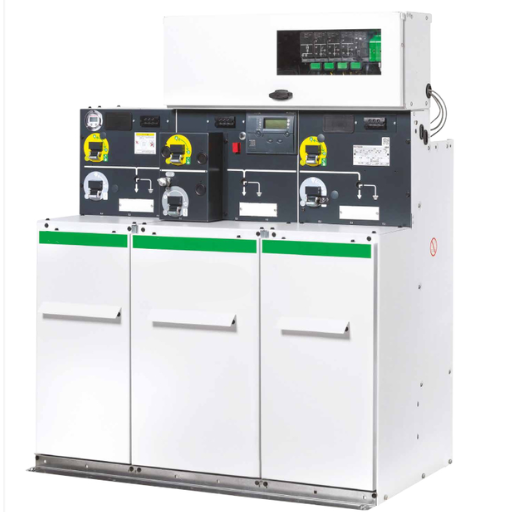
Selecting between a Ring Main Unit (RMU) and traditional switchgear depends on several key factors. If your application requires a compact design, low maintenance, and a longer lifespan, an RMU is the optimal choice. RMUs are particularly suited for urban environments where space constraints are significant. However, it is essential to consider the environmental implications due to the use of SF6 gas, which poses emission risks.
Conversely, traditional switchgear is more appropriate for installations where space is not a limitation and a more eco-friendly solution without SF6 gas is desired. While the initial costs of switchgear may be lower, higher maintenance requirements and a shorter lifespan should also be factored into the decision.
Ultimately, the selection should align with the project’s specific requirements, including environmental considerations, budget constraints, and operational reliability.
Factors to Consider in Switchgear Selection
When selecting switchgear, I prioritize several critical factors to ensure optimal performance and reliability for the intended application:
1. System Voltage and Current Ratings
-
- Rated Voltage (e.g., 11kV, 33kV, etc.)
- Continuous Current Rating (e.g., 630A, 1250A)
- Short-Circuit Current Rating (e.g., 25kA, 40kA for 3 seconds)
These parameters must match the design specifications of the electrical system to ensure compatibility and safety.
- Type of Insulation and Interruption Medium
Options such as air-insulated (AIS) or gas-insulated (GIS) switchgear are selected based on space availability, environmental impact, and maintenance requirements. For instance, GIS offers a compact design and higher reliability, while AIS may be more cost-effective in installations with ample space.
- Operating Environment and Durability
Consider environmental conditions such as humidity, dust, and temperature. Switchgear materials should meet standards for corrosion resistance and withstand harsh operating conditions.
4. Reliability and Maintenance Requirements
-
- Maintenance Intervals (e.g., 5–10 years for GIS)
- Expected Operational Life (>25 years for quality equipment)
I ensure the selected equipment meets operational reliability targets while balancing maintenance costs.
- Compliance with Standards
I validate that the switchgear adheres to international and regional standards such as IEC 62271 or ANSI/IEEE standards to guarantee safety, performance, and interoperability.
By weighing these technical parameters and operational needs, I can make informed decisions that align with the project’s requirements for efficiency and long-term functionality.
When to Opt for a Ring Main Unit
I opt for a Ring Main Unit (RMU) when efficient and reliable electricity distribution is required in medium-voltage networks, particularly in urban or industrial environments. RMUs are ideal for applications requiring compact designs due to limited space, as they integrate seamlessly into substations or constrained layouts. I choose RMUs when I need enhanced network reliability and flexibility, as they support load switching and fault isolation without interrupting supply to other parts of the network. Additionally, RMUs are a viable choice when sustainability and reduced maintenance needs are prioritized, as modern gas-insulated units offer minimal leakage and longer service lives.
Balancing Cost and Efficiency in Power Distribution
When balancing cost and efficiency in power distribution, my approach focuses on optimizing resources while ensuring reliability. I prioritize solutions like Ring Main Units (RMUs) for their flexibility, low maintenance, and sustainability, which help minimize long-term operational costs. Additionally, I consider the life-cycle cost of equipment, factoring in not just the initial investment but also expenses related to upkeep and potential energy loss. By leveraging load management technologies and modern monitoring systems, I ensure efficient energy use and quick fault identification, reducing downtime and overall costs. My decisions are driven by a combination of technical viability, operational needs, and economic feasibility.
Reference Sources
- Difference Between Ring Main Unit and Switchgear – Orecco
- The Difference Between Ring Main Units and Switchgear – Giant Electric
- What is the difference between RMU and switchgear? – Quora
- What is the difference between ring main unit and switch cabinet – China Meto
- GIS vs RMU Switchgear: Key Differences Explained – Interesting Automation
Frequently Asked Questions (FAQs)
Q: What is a Ring Main Unit (RMU) in the context of switchgear?
A: An RMU, or Ring Main Unit, is a type of medium voltage switchgear that is used to ensure the safe and reliable operation of electrical distribution networks. RMUs are typically gas insulated and include protective devices such as circuit breakers and switches. They are suitable for various protection and control applications in distribution systems.
Q: How does switchgear differ from RMU in an electrical system?
A: Switchgear is a broader term that includes various electrical components like circuit breakers, fuses, and isolators used to control, protect, and isolate electrical equipment. An RMU is a specific type of switchgear designed for medium voltage applications, often used in compact installations with gas insulated compartments.
Q: What are the main components of a Ring Main Unit?
A: An RMU typically consists of several compartments, each containing components such as circuit breakers, switches, and isolators. These components work together to protect against overloads and short circuits, ensuring the safe and reliable operation of the distribution network.
Q: Why is RMU preferred in urban and industrial zones?
A: RMUs are preferred in urban and industrial zones due to their compact design, which makes them suitable for space-constrained areas. Additionally, their gas insulated compartments and protective devices provide reliable electrical protection and control, ensuring safe operation in densely populated areas.
Q: How does a Ring Main Unit contribute to the safety of a power distribution system?
A: An RMU contributes to safety by including protective devices such as circuit breakers and isolators that help prevent overloads and short circuits. This ensures that any electrical faults are quickly isolated, reducing the risk of damage to equipment and enhancing the overall safety of the power distribution system.
Q: What role does a switchgear play in power plants?
A: In power plants, switchgear is crucial for controlling, protecting, and isolating electrical circuits and equipment. It ensures the safe and reliable operation of power generation and distribution by managing electrical loads, preventing overloads, and isolating faults through protective devices.
Q: How do RMUs manage cable connections and feeders?
A: RMUs manage cable connections and feeders by providing a secure environment for the incomer and outgoing feeders. Each compartment in an RMU includes breakers and switches that facilitate the connection and disconnection of cables, making it easier to feed a distribution transformer and manage network configurations.
Q: What is the significance of having a gas insulated RMU?
A: A gas insulated RMU is significant due to its ability to provide reliable electrical insulation and protection in a compact form. The gas insulation helps prevent short circuits and ensures that the remaining circuit components operate safely and efficiently, even in harsh environmental conditions.
Q: Can switchgear handle various protection and control tasks in an electrical network?
A: Yes, switchgear is designed to handle various protection and control tasks in an electrical network. It includes components like circuit breakers, fuses, and isolators to manage electrical loads, protect against faults, and ensure the safe operation of the network under different conditions.