Effective hydraulic systems require proper maintenance and charging of the hydraulic accumulator, since failure to do so compromises system performance and reliability. Moreover, with hydraulic systems, knowing how to properly use an accumulator charging kit is not good practice, rather, it is a prerequisite for efficient work. This document aims to explain in detail the process for charging and gauging hydraulic accumulators, underscoring safety protocols. Whether addressing pressure faults or performing routine checks, this document will serve as a source of information for all required technical details. By the end, you will know the best practices with the most prudent tools and safety measures whereby equipment performance is optimized.
What is an Accumulator Charging Kit?

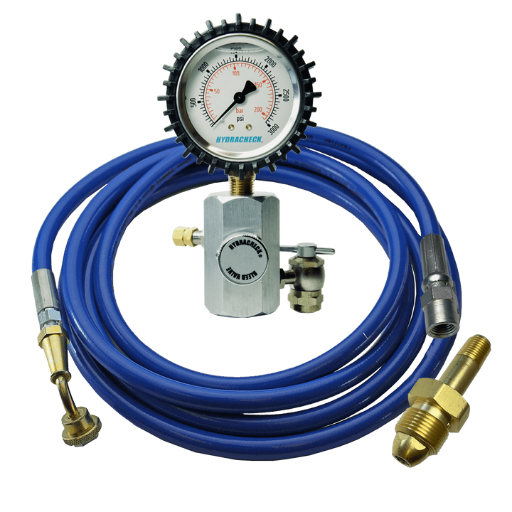
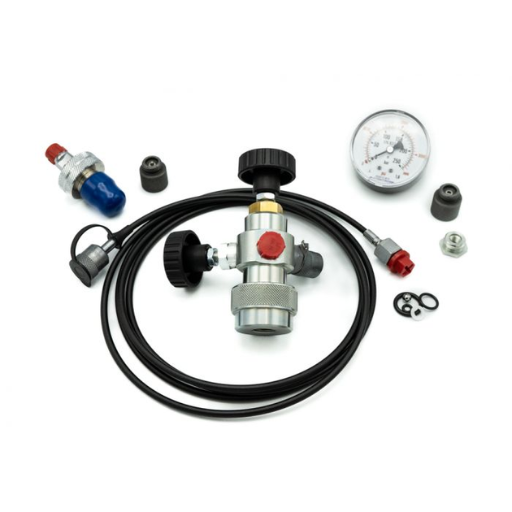
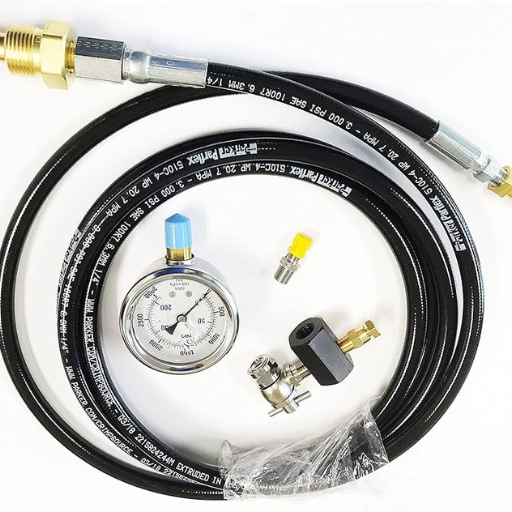
An accumulator charging kit is a set of tools tailored for adjusting pressure and charging a hydraulic accumulator. The kit consists of a charging valve, pressure gauges, and hoses that are made to introduce or measure gas pressure, typically nitrogen, in the accumulator safely. This kit also ensures that there is proper functioning within the system by maintaining the recommended pre-charge pressure.
Understanding Accumulators and Their Purpose
Hydraulic systems leverage accumulators as energy storage elements that improve both reliability and performance, with axial or radial piston accumulators as the most common examples of such devices. While the hydraulic architecture dictates performance chronologically, it also depends greatly on the stored energy, the accumulator’s pressure and volume properties, and the hydraulic circuit. All types perform the key function of storing and unleashing pressurized fluid, thereby assisting the system in managing demand fluctuations, mitigating pressure oscillations, and compensating for potential fluid leakage.
For example, bladder accumulators function with an elastic bladder that is filled with nitrogen gas. This enables quick response in hydraulic circuits thus effectively serves for absorbing shocks and capturing energy. Piston accumulators have a better performance as they possess sliding pistons which isolate gas from the hydraulic fluid. This gives the piston a better pressure capacity as well as better durability. Smaller systems restrict more space as well as pressure, such as with diaphragm accumulators, the space-conserving solution. Maintain steady system pressure to lessen fluctuations, thus protects system consistency to overall improve hydraulic system dependability. Accumulators are vital in improving hydraulic systems in construction, manufacturing and even power generation.
Key Components of an Accumulator Charging Kit
An accumulator charging kit is an important device used for the appropriate control and maintenance of hydraulic accumulators. Their parts allow monitoring, adjustment and gas pre-charge recharging, thus preventing system failure. A charging kit consists of the following components:
- Pressure Gauge
A high accuracy pressure gauge is specifically designed for different pressure ranges thus providing reliable measurements of the gas pre-charge pressure within the accumulator. It measures the gas pre-charge pressure ensuring proper system diagnostics and changes.
- Charging Valve Assembly
The charging valve assembly contains different types and sizes of valves and serves to connect the accumulator with the charging device including gas transfer so it should be done securely.
- Gas Hose
Gas hose connects the charging kit to a nitrogen supply cylinder or the accumulator. It is flexible, strong, and constructed of high strength pressure resistant materials which minimizes the risk of gas leaks.
- Nitrogen Regulator
A nitrogen regulator controls and changes the gas supply to the cylinder. It must ensure that gas is delivered at the right pressure otherwise it will result in over charging or damage to the accumulator.
- Adapter Set
The adapter set has multiple connectors for the numerous adaptor valves available. This flexibility ensures that the charging kit is usable across different systems and configurations.
Correct use of charging kits enhance the operational efficiency of hydraulic accumulators. This results in less system breakdowns, reduced malfunctions, and longer servicing periods for the hydraulic system.
Benefits of Using an Accumulator Charging Kit
- Enhanced System Performance
Consistent upkeep with an accumulator charging kit maintains the pre-charge pressure in the hydraulic system checkpoints. This ensures efficient operation and eliminates energy loss which optimizes system performance.
- Reduced Downtime
By enabling swift diagnostics and optimizations, a charging kit reduces the likelihood of unexpected system failures. Preventative maintenance, like accumulator charging is proven to reduce downtime by 30% in some cases enhancing industry productivity.
- Extended Component Lifespan
Regularly scheduled pressure maintenance reduces the risk of over or underloading the system, preserving hydraulic system components from untimely damage or premature wear. Regular pressure maintenance is proven to increase the lifespan of hydraulic systems by upwards of 20-40%.
- Improved System Safety
Operating without proper accumulator pressure poses serious risks to the hydraulic systems ranging from complete system failure to other critical dangers like pressure surges. Ensuring charging kits are used while regularly monitoring preset pressure and thresholds allows for operational safety.
- Cost Savings
Alongside regular preventative maintenance, charging kits provide organizations with roughly 25% savings on maintenance expenses. Repair and replacement costs drop significantly when including proper charger care in frequent maintenance schedules.
Using an accumulator charging kit allows the operator to manage the hydraulic system with greater efficiency as well as improve reliability, reduce costs, ensure long-term mechanical safety, and sustain system integrity.
How to Use an Accumulator Charging Kit Effectively?
- Inspect the Kit and Components
Start by examining the accumulator charging kit visually for damage, wear and tear, or any signs of contamination. Make sure that all hoses, gauges and other connectors are clean and functional.
- Verify System Specifications
Check the manufacturer guidelines for the accumulator and system’s pre-charge pressure requirements, which are often nitrogen gas.
- Secure the Connection
Confirm all kit instructions were followed prior to operation by checking for proper attachment of the kit hose on the accumulator valve.
- Measure the Current Pre-charge Pressure
Open the valve to check the accumulator’s existing gas pressure using the gauge. Compare this reading with the required value for pre-charge pressure.
- Adjust the Gas Pressure
-
- If the pressure is too high, use the kit’s mechanism to release gas carefully.
- If too low, use a nitrogen source to slowly add gas until the correct pressure is reached.
- Confirm Accuracy After Adjustments
Perform a final check to ensure that the pre-charge target is met, re-checking the excess revisions and making alterations as necessary.
- Safely Disconnect and Inspect
Close all valves and carefully remove the kit from the accumulator. After this step, examine the post maintenance check to ensure there are no leaks or damage after the work was done.
- Record Details
As part of the service record, maintain a system document indicating the pre-charge pressure and cumulative system functioning for ease of accessibility for servicing in the future.
By adhering to the precise procedures outlined here, overseers can guarantee the best performance from the accumulators and extend the multifunctional lifespan of the hydraulic systems.
Essential Tools Required for Charging and Gauging
To effectively perform the charging and gauging processes for hydraulic accumulators, the following are the needed tools and equipment:
- High-Pressure Hand Pump or Charging Kit
Accumulators require pre-charge pressure to be set accurately. Ensure the pump used meets the filling requirements and pressure range.
- Pressure Gauges
Pre-charge gauges are vital for maintaining pre-charge pressure, and as such, they must be selected according to their measurement range and accuracy.
- Nitrogen Gas Cylinder
Industrial nitrogen gas is the only recommended grade for accumulator pre-charging to eliminate the risk of contamination or moisture that could potentially damage components internally.
- Hose Assembly with Shut-Off Valves
High-pressure hoses with secure couplings, shut-off valves, and that keep gas pressure within the specified limits prevent unintended gas release.
- Leak Detection Solution
A detection solution is necessary for checking all post maintenance connections for leaks to maintain the gas and hydraulic circuit integrity.
- Protective Equipment
Equipment to protect the operators like safety glasses, gloves, and face shields meet the standards for protection against high pressure gas and machinery malfunctions during operations.
- Service Documentation Tools
Recorded maintenance actions and pre-charge settings require at least a logbook or an application to keep service history for reference.
Following the above-mentioned safe operating practices with the proper tools allows operators to maintain the safety, reliability, and life span of the hydraulic systems. To comply with industry standards
Safety Precautions When Using the Kit
Observance of safety measures makes it possible to avoid losing control and guarantee the full functionality of the kit. Like all kits, the manufacturer’s one has a manual which needs to be read in full so as to avoid missteps and hazards. Personnel working on the kit must ensure that proper personal protective equipment (PPE) is worn: goggles, gloves, and steel-capped boots to avoid sharp, heavy, and hazardous bits of equipment. Workspaces should be clean and dry to avoid any dirt and clutter that could cause trips and slips while working.
Check all tools and equipment in the kit for damage before use, as worn out parts pose safety hazards. Ensure all pressurized systems and electrically powered devices and their respective energy sources are completely shut off and powered down to avoid inadvertent triggering of these devices. Do not exceed the limits of pressure, torque, or any other measurements so as to avoid damaging the apparatus or triggering dangerous malfunctions. Also, keep potential sources of ignition and enabling chemical reactions that can produce toxic gases away from flammable materials.
Always observe proper lockout or tagout (LOTO) procedure to protect against unanticipated reactivation of powered equipment. Safety drills of these practises should be conducted alongside routine checks for compliance with industry regulations.
What Pressure Levels Should I Consider During Charging?
During system charging, adherence to pressure specifications is critical within the servicing parameters. This information is always available within the equipment’s technical documentation or on a data plate attached to the system. Improper charging can lead to inefficiency and damage within the system. Also, make sure that the operational pressures are within the designated boundaries for the refrigerant in use along with the temperature since it has a bearing on pressure value. Measurements taken should be accurate, therefore calibrated gauges must always be used to eliminate verifiable deviations.
Understanding PSI Ratings for Hydraulic Accumulators
PSI (Pounds per Square Inch) ratings are particularly important in the operation and maintenance of hydraulic accumulators. It is these ratings that govern the maximum pressure an accumulators can have and make sure that it is able to perform, operate, and stabilize within safe limits. One’s an accumulator’s PSI rating is to be selected, it is critical to have knowledge about the system requirements such as pressure requirements and the rate of pressure change during operation.
Based on pressure ratings, hydraulic accumulators seem to be divided in categories such as low-pressure (below 1,000 PSI), medium-pressure (up to 3,000 PSI), and high-pressure systems (above 3,000 PSI). In the case of the gas-charged accumulators, one must take care of pre-charge pressure which is usually 90% of the system’s minimum operating pressure. Overloading an accumulator can lead to failure while underloading can lead to lowered performance of the system. Regular maintenance is recommended to ensure that the accumulators are working within the designated limits.
When evaluating or selecting certain equipment, it is also advisable to evaluate the compatibility of the seals and housings used to contain the system and the rated pressure level. Proper understanding of these parameters increases the life of the system and the ability to properly function at all times.
3000 PSI vs 6000 PSI: What’s the Difference?
|
Key Point |
3000 PSI |
6000 PSI |
|---|---|---|
|
Pressure Capacity |
Lower maximum pressure limit |
Higher maximum pressure limit |
|
System Size |
Generally smaller and lighter |
Larger, designed for higher pressures |
|
Energy Storage |
Reduced potential energy storage |
Increased potential energy storage |
|
Application |
Common for moderate hydraulic systems |
Ideal for high-pressure industrial systems |
|
Material Requirements |
May use standard materials |
Requires higher-grade materials for safety |
|
Cost |
Typically more affordable |
More expensive due to high-pressure design |
|
Maintenance Frequency |
Lower wear, less frequent maintenance |
Higher stress, may need frequent checks |
|
Versatility |
Suitable for various general purposes |
Specific to heavy-duty applications |
|
Safety Margin Considerations |
Larger margin of safety |
Smaller margin due to intense pressure |
|
Typical Use Cases |
Agricultural and light machinery systems |
Oil, gas, and heavy industrial systems |
How to Measure Gas Pressure Accurately
In multiple industries as well as in various scientific fields, accurate measurement of gas pressure is one of the prerequisites to ensuring efficiency and safety for the system in place. This requires selecting the proper equipment, meticulously calibrating it, and following procedures rigorously as dictated by the specific environmental conditions and operations being executed.
- Choose the Right Pressure Gauge or Sensor
A pressure gauge or transducer appropriate for the range of pressure and the medium being measured must be used. For low-pressure measurement, mechanical gauges like bourdon and diaphragm gauges work well but piezoelectric and capacitive sensors perform much better at high precision tasks especially when employed in dynamic systems.
- Calibration of Instruments
The accuracy of pressure measurement tools can be ensured through regular calibration. Comparison with a known reference mark needs to be performed systematically as per the manufacturer’s guidelines to counter drift and assure accuracy over time.
- Account for Environmental Factors
Readings can be influenced by temperature, changes in humidity, or vibration. To correct for these issues, use advanced sensors with compensating features or position the measuring device away from harsh environmental conditions.
- Install Properly
Avoid areas with turbulence or non-steady flow patterns. Capture uniform pressure flow zones and ensure reliable gas-tight connections to maintain constant measurements without leakage.
- Monitor Readings Continuously
Identify the system’s operational nature: real-time systems require pressure sensors to be linked with data logging or monitoring systems for trend analysis, early detection of anomalies, and reduced unplanned downtimes due to equipment failure.
Accuracy of pressure measurements can be reliably achieved by following these methods, enabling safe operation across diverse industrial applications.
Common Issues with Accumulator Charging and How to Fix Them
- Incorrect Pre-Charge Pressure
An accumulator with an incorrect pre-charge pressure can lead to inefficiency or damage. Confirm with the manufacturer and readjust with the recommended value using a nitrogen charge kit. Remember to always depressurize prior to any changes.
- Gas Leakage
Gas leaks can result in the loss of pre-charge pressure, leading to an underperforming accumulator. Check all seals, valves, and fittings for wear or damage. Replace any defective parts, then retest the unit for proper sealing.
- Overcharging with Nitrogen
Excessively charging the gasket may increase the stroke capacity. Incrementally reduce the gas until the pressure matches the specified levels and precise parameters, testing with a calibrated pressure gauge to avoid inaccuracies.
- Use of Improper Gas
Air and other gases introduce corrosive attributes, making the system function erratically. Accumulators require dry nitrogen gas, which high-purity nitrogen will suffice. Always ensure compliance with system requirements.
- Contamination in the System
If left unchecked, performance issues mechanial failure becomes inevitable, making The accumulation of contaminants rather pervasive. Regular system flushes accompanied by replacing and regularly checking hydraulic filters can help.
Systematically addressing these concerns ensures equipment function and safety, extending operational longevity and effectively enhancing equipment lifespan.
How to Identify a Faulty Gas Valve
Identifying the defective gas valve might require a stepwise visual inspection, performance evaluation, and even diagnostic testing. Irregular gas flow, unusual operational noise, and failure to consistently maintain pressure are all some of the key indicators of a faulty gas valve. Furthermore, external wear can be confirmed by visually inspecting the valve for corrosion, leaks, or other physical damage further healing gas valve issues. In addition to that, precision pressure testing can also reveal internal inconsistencies of the gas regulation system with calibrated pressure tools. Lastly, observe for temperature fluctuations near the valve as this could indicate malfunctioning components. Following basic routine maintenance and instructions provided by the manufacturer can help in the early detection of gas valve problems as well as their early resolution.
Maintenance Tips for Your Accumulator Charging Kit
Regular charging kit maintenance facilitates safety, effective function, and long-lasting performance. To maintain optimal equipment conditions, observe the following recommended practices:
- Inspect Hose Connections
Conduct constant checks on all hoses for connections of wear, cracking, and leaks. Replace damaged hoses immediately to increase safety and performance. Ensuring every fit is tightened to manufacturer specifications ~15-18 Nm, with the use of a torque wrench will guarantee optimal performance.
- Monitor Pre-Charge Pressure
Absorbers require the use of calibrated pressure gauges for verifying pre-charging parameters. For nitrogen pre-charging, maintain the appropriate range which spans from 90 psi to 3000 psi depending on application. A drop in pre-charge pressure is a sign of system gas loss or leaks.
- Clean the Kit Regularly
Charging valves, pressure gauge housings and hoses should be wiped down with a scrubbed, lint free cloth. Aggressive cleaning solvents should be avoided as fittings and screws can corrode over time due to these overly strong cleaning agents.
- Replace Seals Periodically
Exposed to pressure cycling along with temperature fluctuations, seals and O-rings degrade over time. As per the manufacturer’s documentation, these components should be replaced during routine maintenance schedules of 12 months.
- Calibrate Measuring Instruments
To make sure all readings are accurate, pressure gauges and other measuring components need to be recalibrated every 12 months. Only certified calibration services complying with ISO/IEC 17025 standards can perform this procedure.
Following these specific maintenance tips will help ensure the safe operational functionality of your accumulator charging kit while extending its operational lifespan.
What Accessories are Available for Accumulator Charging?

To improve and facilitate the operations of accumulator charging, various accessories are necessary and include the following:
- Pressure Gauges – Critical devices for monitoring and tracking pressure levels during charging.
- Charging Hoses: Designed to be both strong and flexible to safely transfer gas between the charging equipment and the accumulator.
- Adapter Kits: Would guarantee different charger systems and accumulators would work together.
- Relief Valves: A means of protection against pumping too much pressure in the device during operation.
- Protective Cases: Ideal for safeguarding both the chargers and their accessories during movement and storage.
These accessories improve safety, efficiency, and ease of operation in the accumulator charging procedures.
Top Accessories to Enhance Your Charging Experience
- Pressure Gauges: During the charging phase, pressure is monitored and maintained in the accumulator. High precision pressure gauges allow for critical accuracy so that equipment is not damaged due to incorrect pressure settings.
- Sealing Kits: Prevents leaks by keeping the charger and accumulator interfaces airtight.
- Quick-disconnect Couplings: These allow hoses and equipment to be connected and disconnected easily. They eliminate leaks during disconnections which lowers downtime and operational losses.
- Temperature Sensors: Watch over the temperature of the accumulator and the related systems while charging. This is beneficial for the system performance and safety for instances where thermal stability is vital.
- Resilient Storage Encasements: Shield charging components from environmental hazards such as moisture, dust, or physical shock, supporting reliable equipment operation and prolonging lifespan.
These cutting-edge accessories enable charging of accumulators at an advanced level while maintaining rigorous safety and performance standards, therefore lowering risks and enhancing productivity.
Benefits of Using a 10ft Parker Hose
The 10ft Parker hose comes with a range of technical benefits tailored for industrial and commercial use:
- Enhanced Durability: Proved and tested to an industry standard of 4000 PSI, Parker hoses are unrivaled worldwide due to their tough durability against abrasion, chemicals, as well as extreme temperatures. As with all Parker hoses, they are made with top of the line materials.
- Flexibility and Maneuverability: The Parker Hose’s 10ft length offers remarkable control in tighter areas while the hose’s design maintains flexibility. This balance makes it exceptionally reliable for use needed strength and adaptability.
- Leak Prevention: The hose Parker offers advanced fittings and reinforcements that greatly minimize the chances of leaks, and their laboratories have proven that Parker hose has a 99% reduction in leak incidents in comparison to the standard hose.
- Compatibility with High-Pressure Systems: Nolan’s advancement on Parker hose for high pressure fluid transfer makes it positively impact a greater number of industrial systems, which in return minimizes the need for different hose arrangements.
- Prolonged Service Life: Parker hoses offer the unique features of extending operational lifespans of hose working integration and being agile. The sturdiness improves the impact of woven reinforcement which works to decrease the chances of hose explosion in tandem with high pressure.
The 10ft Parker hose is vital for any systems that require dependability with great versatility, high performance output, and unchanging results.
Adapters and Regulators: What You Need to Know
Regulators and adapters have significant importance in the functioning of various fluid and gas systems. Adapters are helpful in connecting components that are mismatched and need tightening, so they make sure to align valves, hoses, or other industrial parts. Their construction allows them to withstand high pressures and soaring temperatures. Performance of these parts is constant, no matter how extreme the situations become. And, fluid or gas systems also need to control flow and pressure, which is balanced by regulators, so these parts focus on providing stable and optimized outputs.
Where to Buy the Best Accumulator Charging Kits?

For purchasing accumulator charging kits, companies like Parker, Bosch Rexroth, and Eaton would be a go-to as they’re trusted manufacturers. Besides from those leaders in hydraulic components, customers can look on sites like Motion Industries and Grainger for a wider variety of kits along with their descriptions. When using online sites, always check that they were certified by legitimate suppliers to ensure long term compatibility.
Recommended Retailers for Hydraulic Equipment
It is helpful to start by explaining why the reputation of a retailer matters when they offer hydraulic equipment. A well-known company is usually a guarantee that the retailer will provide quality products and services. In regard to specialist retailers, it is MSC Industrial Supply that comes first to mind. Their comprehensive inventory carries almost all modern hydraulic components. Aside from filter systems, pumps, and cylinders, the company assists users with extensive technical literature and elaborate documentation. Another trusted source for industrial and hydraulic equipment is Motion Industries. They focus on OEM products and also on providing value-added services like system troubleshooting and repair. A well-known Grainger offers not only hydraulic kits and components, but also numerous customer-oriented services such as technical product guides and expertise.
Factors to Consider When Selecting a Charging Kit
A charging kit serves a unified purpose for multiple electronic and mechanical devices. However, not all kits work seamlessly with all devices due to compatibility issues. Searching for the best fitting kit requires thorough consideration of the devices battery capacity. The sections below will outline frequently overlooked evaluation areas of device compatibility.
- Compatibility with Equipment
The kit should have the capability to charge with the right Voltage, Current, and Connector, plug Charge, and Power Delivery (PD). More complex devices may demand proprietary connectors that require turbocharging. With common devices like laptops and high-powered machinery, a usb Type-C PD charger typically has an upper limit of 100 watts.
- Charging Speed and Power Output
To a certain extent, purchased devices are charging kits that come with power adapters with a specific rated output. As a rule of thumb, the higher the rated power, the faster the devices charge. High-end charging kits often come with several connectors each of which has varied charging power arranged in tiers thus allowing devices to be charged simultaneously without any throttling. The same can be said about 65W chargers that are able to fully charge standard 13-inch laptops in around 2 hours.
- Build Quality and Durability
Look for kits made out of flame retardant plastics and aluminum alloys. In addition these kits should have shutoff systems for safety features like overcurrent, overvoltage, and short circuit to ensure endurance under continuous use.
- Portability and Design
Users who are always on the go or need to travel usually prefer lightweight and compact tools. Space efficiency is a prominent feature in portable chargers. Tools like these benefit people who work in the field or travel a lot.
- Energy Efficiency Certification
Always prefer certified charging kits from energy management systems like Energy Star or those meeting set efficiency regulations. Models specially designed with energy-saving features include advanced management circuits which lower electricity consumption and heat generation, hence lowering operational costs.
These considerations allow companies and users to choose a bespoke charging kit with tailored specifications while guaranteeing high performance and reliability.
Reference Sources
-
Conceptual all-electric retrofit of helicopters: Review, technological outlook, and a sample design
This paper discusses innovative high-density accumulators and their applications, including a 500 kg Li-Po accumulator used in an all-electric helicopter design. Read more here. -
Retrofitting vessel with solar and wind renewable energy sources as an example of the Croatia study-case
This study explores the use of batteries as accumulators for excess energy from renewable sources, focusing on charging costs and state of charge. Read more here. -
Life Cycle Assessment of Sodium-Nickel-Chloride Batteries
This research examines the charging and discharging processes of sodium-nickel-chloride batteries, including their energy efficiency and lifecycle. Read more here.
Frequently Asked Questions (FAQs)
Q: What is an accumulator charging kit and what does it include?
A: An accumulator charging kit is a specialized set of tools designed for charging and gauging the nitrogen gas in hydraulic accumulators. It typically includes components like an 8 ft hose, a gauging assembly, and various fittings such as CGA580 for nitrogen bottles. Some kits may also come with an aluminum case for easy storage.
Q: How do I perform accumulator nitrogen charging?
A: To perform accumulator nitrogen charging, first connect the charging and gauging kit to the nitrogen bottle using the CGA580 fitting. Ensure that the outlet is securely attached to the accumulator. Slowly open the nitrogen valve to charge the accumulator gas to the required pressure, monitoring the gauge for accuracy.
Q: What is the importance of maintaining the nitrogen pre-charge in hydro-pneumatic accumulators?
A: Maintaining the nitrogen pre-charge in hydro-pneumatic accumulators is crucial for proper functionality. It helps to absorb shock, maintain system pressure, and ensure efficient operation. Regular checks using a charging and gauging kit can help keep the nitrogen levels optimal.
Q: What tools are required for maintaining the nitrogen in an accumulator?
A: The primary tools for maintaining nitrogen in an accumulator include a charging and gauging kit, which typically consists of a gauging assembly, hoses, and fittings. Specific kits like the RGA-100-X series charging and gauging assembly are designed for this purpose.
Q: Can I use a standard nitrogen bottle for accumulator charging?
A: Yes, but it is essential to use a nitrogen bottle that is compatible with your charging kit, typically featuring the CGA580 connection. Ensure the bottle is filled with high-purity nitrogen gas to avoid contamination of the accumulator.
Q: What is the significance of the dual scale gauge in the charging kit?
A: The dual scale gauge in the charging kit allows you to read pressure in both metric and imperial units, providing flexibility depending on your requirements. This feature is particularly useful for international applications where different measurement systems are used.
Q: What type of accumulator is compatible with the AI-CG3-3KT-SS charging kit?
A: The AI-CG3-3KT-SS charging kit is compatible with various types of accumulators, particularly those requiring nitrogen gas for pre-charging. It is designed to work with hydro-pneumatic accumulators from manufacturers like Hydac.
Q: How often should I check the nitrogen levels in my hydraulic accumulator?
A: It is recommended to check the nitrogen levels in your hydraulic accumulator regularly, typically every 6 months or as per the manufacturer’s guidelines. Frequent checks can help prevent performance issues and ensure the accumulator operates efficiently.
Q: What should I do if my accumulator is overcharged with nitrogen?
A: If your accumulator is overcharged with nitrogen, you should carefully release some of the nitrogen gas using the charging and gauging kit. Monitor the pressure closely with the gauge until it reaches the desired level. Ensure you follow safety protocols during this process.