The global demand for energy continues to grow at an unprecedented rate, placing immense pressure on power grids to transmit electricity efficiently over long distances. Enter ultra-high-voltage (UHV) power transmission—a cutting-edge solution capable of transporting massive amounts of electricity with minimal loss. This technology has the potential to revolutionize energy systems worldwide, bridging the gap between renewable energy sources in remote locations and densely populated urban areas.
This guide dives deep into the essential aspects of UHV power transmission, exploring the science behind its operation, its advantages over conventional systems, and the challenges it must overcome. Whether you’re an energy professional, policymaker, or an enthusiast interested in the future of sustainable power solutions, this article will provide crucial insights into how UHV technology is reshaping the energy landscape.
What Is Ultra-High-Voltage (Uhv) Transmission?

Ultra-High-Voltage (UHV) transmission refers to the transfer of electrical power at extremely high voltage levels, typically defined as exceeding 800 kV for direct current (DC) systems and 1,000 kV for alternating current (AC) systems. This technology is designed to efficiently transmit large amounts of electricity over long distances with minimal energy loss. By using higher voltage levels, UHV systems reduce resistance and power losses, making them a vital solution for meeting the energy demands of distant regions and densely populated urban centers.
Defining UHV Transmission
Advantages of UHV Transmission Systems
UHV transmission systems offer numerous advantages, particularly in the context of modern energy infrastructure. By operating at ultra-high voltages, these systems significantly reduce line losses due to resistance, which can otherwise account for substantial energy inefficiencies across long transmission distances. According to recent data, UHV transmission can achieve efficiency levels exceeding 95%, a critical factor in reducing the carbon footprint of power distribution networks. These systems are also instrumental in balancing load demand across regions by enabling the transfer of electricity from areas with surplus generation, such as renewable energy hubs, to consumption-heavy urban centers. Furthermore, the compact design of UHV infrastructure allows for higher power delivery capacity with fewer transmission lines, mitigating environmental impact and reducing land usage requirements. This makes UHV transmission an optimal solution for integrating renewable energy sources into national grids, addressing both growing energy demand and global sustainability goals.
Key Advantages of UHV Transmission
- High Efficiency Over Long Distances: UHV transmission significantly reduces energy losses associated with long-distance power transfer compared to conventional high-voltage systems, ensuring efficient delivery of electricity from generation sites to consumption zones.
- Enhanced Grid Capacity: The technology enables the transmission of vast amounts of electricity, supporting growing urbanization and industrial demands without the need for excessive infrastructure expansion.
- Support for Renewable Energy Integration: UHV lines facilitate the effective integration of remote renewable energy sources, such as wind and solar farms, into the grid, promoting the adoption of sustainable energy solutions.
- Reduced Land Use and Environmental Impact: The compact infrastructure design minimizes the need for additional land, lowering environmental disturbance and reducing ecological footprint.
- Improved Grid Reliability and Stability: UHV systems enhance grid resilience by increasing voltage stability and reducing the risk of blackouts, ensuring reliable power supply.
- Economic Benefits: By decreasing transmission losses and supporting bulk electricity transfer, UHV transmission systems help lower overall operational costs and contribute to cost-effective energy delivery.
- Facilitation of International Power Trade: UHV networks aid cross-border power exchange, fostering energy cooperation and promoting energy security on a global scale.
Challenges in Implementing UHV Systems
- High Initial Investment Costs: The development and deployment of UHV transmission systems require substantial capital due to the advanced technology, specialized equipment, and extensive infrastructure required, making them financially demanding for many regions.
- Technical Complexity: UHV systems involve intricate engineering and operational challenges. Issues such as voltage stability, insulation requirements, and electromagnetic interference necessitate precise technical solutions and highly skilled expertise.
- Environmental Concerns: The construction of UHV lines can lead to land use challenges, deforestation, and potential ecological impacts. Additionally, concerns about electromagnetic field (EMF) exposure may draw public resistance in affected areas.
- Regulatory and Policy Barriers: Differing national policies, lengthy regulatory approval processes, and difficulty in achieving cross-border agreements can delay the implementation of UHV projects.
- Maintenance and Safety Risks: Operating UHV systems poses significant safety risks due to the extremely high voltages, requiring stringent safety protocols and advanced maintenance practices to avoid catastrophic failures or outages.
How Does UHV Transmission Work?

Ultra-high voltage (UHV) transmission functions by transmitting electricity at exceptionally high voltages—typically above 800 kV for direct current (DC) systems or 1,000 kV for alternating current (AC) systems. The higher voltage levels reduce energy losses over long distances, making it highly efficient for transmitting power from remote generation sites, such as large hydroelectric dams or renewable energy farms, to densely populated urban or industrial centers. UHV systems utilize advanced transformers, circuit breakers, and insulation technologies to manage and regulate these elevated voltages. The electricity is stepped up to UHV levels at the generation site, transmitted via specialized overhead lines or cables, and then stepped down through substations closer to end-users to deliver it safely at usable voltage levels. This process ensures minimal energy waste and supports the integration of clean energy into the grid.
The Role of UHV Lines in Power Transmission
- Efficient Long-Distance Power Transmission
UHV lines are critical for transmitting electricity over vast distances with minimal energy losses. By operating at extremely high voltages, they reduce resistive losses in the transmission lines, making them ideal for connecting remote generation sites, such as wind and solar farms, to urban centers.
- Supporting Grid Stability
The deployment of UHV lines enhances grid reliability and stability by integrating diverse power sources and facilitating the balancing of supply and demand across large geographic areas.
- Integration of Renewable Energy
UHV transmission systems play a vital role in integrating renewable energy sources into the grid. They enable the transportation of clean energy generated from remote locations, such as deserts or offshore wind farms, to areas with high energy demand.
- Reducing Land Use and Environmental Impact
Compared to lower-voltage transmission systems, UHV lines can transport larger amounts of electricity using fewer lines, which contributes to reducing land use and minimizing the environmental footprint of transmission infrastructure.
- Cost-Effective Energy Distribution
Although the initial infrastructure investment for UHV systems is high, their operational efficiency and lower energy losses make them a cost-effective solution for electricity transmission in the long term.
- Enhancing Cross-Border Energy Trade
UHV technology facilitates regional and international energy trade by enabling the transfer of large electricity volumes across borders, contributing to energy security and cooperation between countries.
- Accommodating Growing Energy Demands
With global energy consumption continuing to increase, UHV lines provide the capacity needed to meet future energy demands without overburdening existing transmission systems.
Understanding the Transmission System Components
Key Components of Ultra-High Voltage (UHV) Transmission Systems
UHV transmission systems comprise several critical components that work in unison to ensure the effective and efficient transfer of electricity over long distances. These include:
- Conductors
Conductors form the core of the transmission system, carrying high-voltage electricity across vast areas. Typically constructed from aluminum or aluminum-steel alloys due to their conductivity and strength-to-weight ratio, these materials are chosen to minimize energy losses and withstand environmental challenges.
- Transformers
Transformers play an essential role in stepping up the voltage for long-distance transmission and stepping it down for safe distribution to end-users. UHV systems utilize large-scale transformers designed to handle extremely high voltages, ensuring minimal energy losses and consistent delivery.
- Insulators
Insulators are deployed to prevent unwanted current flow to surrounding structures. High-grade composite materials are utilized in UHV equipment to withstand elevated voltages, extreme weather, and prolonged use without degradation.
- Switchgear and Circuit Breakers
These components are essential for system safety and operational efficiency. They allow for the control, monitoring, and protection of the grid by isolating faulty sections and ensuring smooth operations during maintenance or unexpected outages.
- Towers and Pylons
Towers provide physical support for the transmission lines, maintaining them at a safe height above ground. UHV systems require specially engineered towers to handle greater mechanical loads and ensure consistent energy transmission in diverse terrains.
Together, these components ensure the reliability, scalability, and safety of UHV transmission systems, enabling efficient cross-border energy trade and addressing the increasing demands of global power consumption. Continual advancements in materials science and grid technology promise even greater efficiency and integration capabilities for future UHV systems.
Alternating Current vs Direct Current in UHV Transmission
Alternating current (AC) and direct current (DC) systems are both used in ultra-high voltage (UHV) transmission, each offering distinct advantages and challenges. AC transmission is traditionally favored for its ability to simplify voltage transformation using transformers and accommodate multi-terminal networks. However, AC systems suffer from higher reactive power losses and are less efficient for long-distance power transfer. On the other hand, DC transmission provides superior efficiency over extensive distances, minimal line losses, and better stability in interconnecting asynchronous grids. Despite these benefits, DC systems require complex and costly converters, and expanding DC networks to multi-terminal configurations can be technologically challenging.
Below is a comparative summary of key parameters for AC and DC in UHV transmission:
|
Parameter |
AC |
DC |
|---|---|---|
|
Losses |
High |
Low |
|
Stability |
Moderate |
High |
|
Cost |
Lower |
Higher |
|
Distance |
Limited |
Long |
|
Converter Need |
No |
Yes |
|
Grid Type |
Multi-terminal |
Point-to-point |
This comparison highlights how AC and DC technologies can be strategically applied based on specific transmission requirements, terrain, and economic considerations, ensuring optimal performance of UHV systems.
What Are the Benefits of Uhv Transmission for the Power Grid?
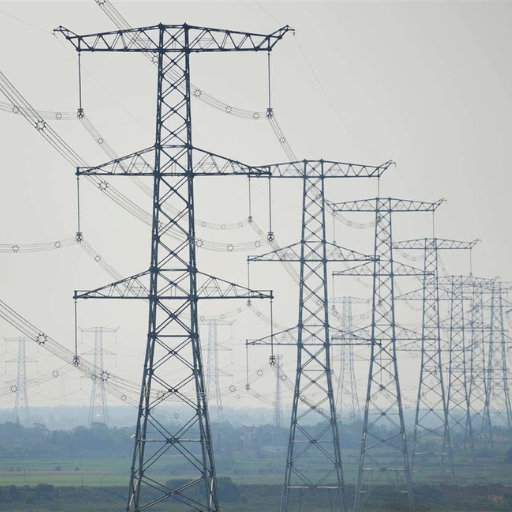
Ultra-high voltage (UHV) transmission offers several key benefits for the power grid, enhancing its efficiency, reliability, and capacity. Firstly, UHV systems enable the transmission of electricity across vast distances with minimal losses, making it possible to connect remote energy generation sites, such as hydroelectric or renewable energy plants, to urban demand centers. Additionally, UHV transmission increases grid stability by facilitating the integration of diverse energy sources and reducing congestion in existing networks. The high capacity of UHV lines also supports the growing demand for electricity while optimizing land use, as fewer lines are needed compared to conventional systems. These advantages make UHV transmission a critical solution for modernizing energy infrastructure and supporting the transition to a more sustainable and resilient power grid.
Enhancing Grid Reliability with UHV Transmission
Ultra-high voltage (UHV) transmission enhances grid reliability by mitigating challenges such as line losses and system congestion. By transmitting electricity over long distances with minimal energy loss, UHV lines ensure stable and efficient power delivery to areas with high demand. Additionally, their high capacity allows for better management of peak loads and integration of renewable energy sources, reducing reliance on localized generation. This increased efficiency and flexibility improve overall grid resilience, ensuring uninterrupted service even during system fluctuations or outages.
Impact on Transmission Capacity and Efficiency
From my research, I can confidently state that ultra-high voltage (UHV) technologies significantly enhance transmission capacity and overall efficiency. UHV systems are engineered to transmit electricity over vast distances while drastically reducing energy losses, which is essential for meeting the energy demands of dense urban centers and industrial hubs. Additionally, by enabling the integration of a higher proportion of renewable energy into the grid, these systems minimize the dependence on traditional, less efficient localized generation. This capability not only makes transmission networks more robust but also optimizes load distribution, ensuring a more reliable and sustainable power supply.
Integration with Renewable Energy Sources
The integration of renewable energy sources into modern power grids is critical for achieving sustainability goals while meeting growing energy demands. High-voltage direct current (HVDC) transmission systems play a pivotal role in this process by facilitating the efficient transfer of electricity generated from remote renewable sources, such as offshore wind farms and large-scale solar installations, to consumption centers. HVDC technology minimizes energy losses over long distances, providing a cost-effective solution to transport clean energy.
Furthermore, advances in smart grid technology enhance the grid’s ability to accommodate variable outputs from renewables. Systems such as energy storage solutions and real-time grid monitoring ensure stability and reliability despite the intermittent nature of solar and wind energy. By optimizing grid flexibility, these integrations elevate the efficiency of power distribution and encourage the growth of renewable energy adoption globally.
How Is Uhv Transmission Implemented in China?
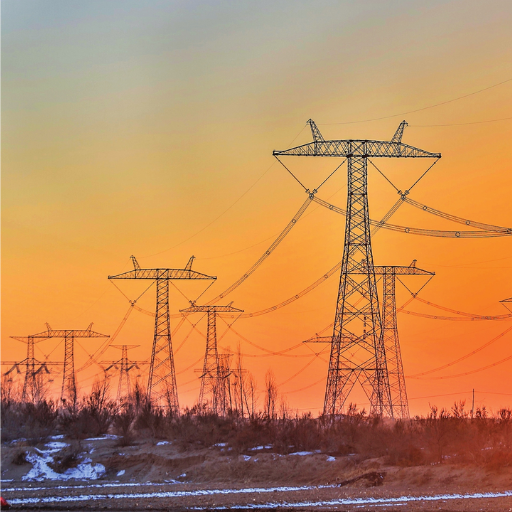
China has implemented Ultra-High Voltage (UHV) transmission through an extensive network of UHV AC and DC transmission lines, connecting energy-rich regions to high-demand urban centers. This system enables efficient long-distance power transmission, minimizing energy losses and optimizing resource distribution. Advanced technologies, such as modular multilevel converters and robust insulation systems, are employed to ensure system reliability and stability. Additionally, China integrates renewable energy sources like wind and solar into its UHV grid to meet growing energy demands while reducing carbon emissions. The country’s significant investment and research in UHV infrastructure highlight its role as a global leader in energy technology.
Overview of China’s UHV Transmission Projects
China’s Ultra-High Voltage (UHV) transmission projects represent a revolutionary advancement in the global power transmission industry, characterized by their scale, efficiency, and technical sophistication. These projects aim to address the nation’s geographical energy imbalance by transporting electricity from resource-rich regions in the west to energy-demanding industrial hubs in the east. As of recent years, China has constructed over 30 UHV transmission lines, covering thousands of kilometers, with voltages reaching up to 1100 kV for direct current (DC) and 1000 kV for alternating current (AC) systems.
The technology achieves record-breaking efficiency and reliability by minimizing transmission losses over long distances. China’s State Grid Corporation has been instrumental in pioneering these projects, employing innovations such as modular multilevel converters, advanced insulation systems, and real-time monitoring tools. These advancements not only enhance grid stability but also facilitate the integration of renewable energy sources like wind and solar into the grid infrastructure.
China’s UHV projects serve as a benchmark for modern power engineering, with international collaborations and export of its technologies to countries such as Brazil and Pakistan. These initiatives underscore the critical role of China in shaping the future of energy transmission while advancing global renewable energy integration and decarbonization efforts.
The Role of State Grid Corporation in UHV Development
- Infrastructure Planning and Deployment: The State Grid Corporation takes a leading role in the planning, design, and construction of UHV transmission lines, ensuring the projects align with national energy goals and regional development strategies.
- Technological Innovation: The company invests heavily in research and development to advance UHV technology, focusing on improving system efficiency, transmission capacity, and environmental sustainability.
- Grid Interconnection and Optimization: By managing and integrating UHV systems into the national grid, the corporation enhances power grid reliability and facilitates the long-distance transmission of renewable energy resources.
- Policy and Regulation Compliance: The State Grid Corporation works closely with government bodies to adhere to and implement policies that support China’s energy transition and decarbonization goals.
- International Collaboration: The company actively engages in global energy cooperation by sharing expertise and exporting UHV technology, further establishing China’s presence as a leader in energy infrastructure development.
- Sustainability Initiatives: Through the adoption of UHV systems, the company reduces energy losses, minimizes land use, and supports the large-scale integration of environmentally friendly energy sources.
- Economic Stimulation: The construction and maintenance of UHV infrastructure drive local economic growth by creating jobs and encouraging investment in surrounding industries.
Lessons Learned from UHV Implementation in China
The implementation of Ultra-High Voltage (UHV) technology in China offers several key lessons that have implications for the global energy sector:
- Strategic National Planning is Essential: China’s success with UHV deployment stems from well-coordinated national energy strategies. Government support at both policy and financial levels ensured seamless integration of large-scale projects into the national grid.
- Technological Innovation Drives Success: Continuous innovation in UHV technology enabled significant advancements in transmission capacity, distance, and efficiency. Investments in research and development ensured that UHV systems met the demands of an increasingly complex energy network.
- Environmental and Economic Benefits Can Align: UHV systems have demonstrated the ability to deliver renewable energy from remote regions to urban centers while reducing carbon emissions. Additionally, these projects stimulated regional economic activity through job creation and infrastructure development.
- Robust Infrastructure as a Prerequisite: Building and maintaining UHV networks require resilient and advanced infrastructure that can withstand operational challenges, such as extreme weather conditions and high energy loads, ensuring long-term reliability and cost-effectiveness.
- Public and Industry Collaboration is Critical: Transparent communication and partnerships between the government, private stakeholders, and the public fostered trust, streamlined development processes, and minimized opposition, paving the way for timely implementation.
China’s experience demonstrates that UHV systems are a viable solution for addressing global energy challenges, particularly in transitioning toward renewable energy and meeting increasing demand efficiently.
What Is the Future of Uhv Transmission and Distribution?
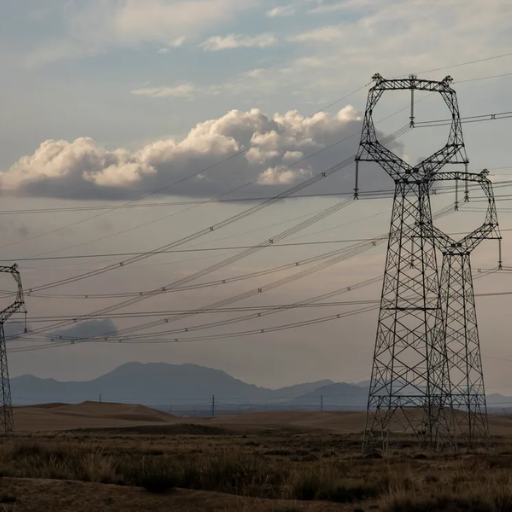
The future of UHV transmission and distribution lies in its potential to support a global transition toward sustainable energy systems. With increasing investments in renewable energy generation such as solar and wind, UHV networks are poised to play a critical role in transmitting large volumes of clean energy over vast distances with minimal losses. Advancements in materials, grid automation, and energy storage technologies will further enhance efficiency and reliability. Furthermore, international collaborations may lead to the development of interconnected UHV grids, enabling cross-border energy sharing and improving grid resilience. However, challenges such as high initial costs, regulatory complexities, and environmental concerns will need to be addressed to fully harness UHV’s capabilities in building a sustainable energy future.
Innovations in UHV Transmission Technology
Advancements in UHV transmission technology have centered around enhancing efficiency, expanding capacity, and improving environmental compatibility. I would address this by emphasizing three key innovations. First, the development of advanced insulation materials has significantly improved the reliability and safety of UHV lines under extreme environmental conditions. Second, precision monitoring and control systems, powered by AI and IoT, allow for real-time performance diagnostics, which optimize transmission efficiency and reduce downtime. Lastly, advancements in high-temperature superconductors are minimizing resistive losses, making long-distance energy transmission more cost-effective and sustainable. These innovations collectively address challenges while paving the way for a resilient and environmentally conscious energy grid.
Global Trends in UHV Transmission Projects
Globally, Ultra-High Voltage (UHV) transmission projects are gaining significant momentum as countries prioritize efficient and sustainable energy solutions. We see a strong focus on developing cross-border UHV transmission lines to facilitate international energy trade and integrate renewable energy sources more effectively. For instance, China has emerged as a global leader in UHV technology, deploying extensive networks to connect remote energy-rich regions with high-demand urban areas. Simultaneously, Europe is advancing intercontinental transmission systems to enhance grid stability while incorporating green energy. Emerging markets, particularly in Africa and South America, are also exploring UHV transmission to meet growing electricity demands and support industrialization. These trends underscore a global commitment to modernizing grid infrastructure for a low-carbon future.
Challenges and Opportunities in UHV Expansion
We recognize that the expansion of UHV transmission systems presents both significant challenges and opportunities. Key challenges include the high initial capital investment required for infrastructure development, the complexity of coordinating cross-border projects, and addressing environmental and regulatory hurdles. Additionally, public concerns over land use and electromagnetic fields must be thoughtfully mitigated through transparent communication and advanced engineering solutions.
However, these challenges are counterbalanced by the immense opportunities UHV systems provide. They enable efficient long-distance transmission, reduce energy losses, and facilitate the integration of renewable energy into the grid on an unprecedented scale. By adopting cutting-edge technologies, fostering international cooperation, and prioritizing sustainable practices, we can overcome barriers and unlock the full potential of UHV transmission to drive global energy transformation.
Reference Sources
-
Ultra-high voltage AC/DC power transmission – A comprehensive resource discussing the technology and its applications.
-
Ultra high voltage transmission in China: developments, current status and future prospects – Focuses on China’s advancements and challenges in UHV transmission.
-
Research and application of UHV power transmission in China – Explores China’s strategies and environmental compatibility of UHV projects.
-
State of the art in ultrahigh-voltage transmission – Discusses the role of UHV in renewable energy transmission and its economic implications.
-
Risk evaluation on UHV power transmission construction project based on AHP and FCE method – Analyzes risk factors in UHV construction projects.
Frequently Asked Questions (FAQs)
Q: What is ultra-high-voltage power transmission?
A: Ultra-high-voltage (UHV) power transmission refers to the process of transmitting electric power at extremely high voltages, typically above 800 kV. This method allows for the efficient transfer of large amounts of power over long distances, reducing the amount of power lost during transmission.
Q: How does UHV transmission differ from traditional power transmission?
A: UHV transmission operates at much higher voltages compared to traditional high-voltage power transmission, which typically ranges between 100 kV and 345 kV. The higher voltage classes in UHV systems reduce the amount of power loss over long distances and increase the efficiency of electric power transmission.
Q: What are the benefits of using UHV transmission lines?
A: The primary benefits of UHV transmission lines include reduced power losses, increased efficiency in power transmission, and the ability to transmit large amounts of power over long distances. This is particularly useful for connecting remote power plants, such as wind power and solar power facilities, to urban centers where electricity consumption is high.
Q: Why is UHV transmission important for renewable energy sources?
A: UHV transmission is crucial for renewable energy sources like wind power and solar power because these power plants are often located far from urban centers. UHV lines facilitate the long-distance transmission of electricity generated at these remote sites to areas with high electricity consumption, thus integrating renewable energy into the power grid effectively.
Q: What role does the State Grid Corporation of China play in UHV transmission?
A: The State Grid Corporation of China is a major player in the development and implementation of UHV transmission in China. They have been instrumental in building and operating numerous UHV AC and DC transmission lines, making China a global leader in UHV technology and infrastructure.
Q: What are some challenges associated with UHV transmission projects?
A: Challenges of UHV transmission projects include the high cost of infrastructure development, the need for advanced technology and engineering expertise, and potential environmental impacts. Additionally, coordinating the integration of UHV systems with existing power systems can be complex.
Q: How does UHV DC transmission differ from UHV AC transmission?
A: UHV DC transmission uses direct current (DC) to transmit power, which is more efficient for very long-distance transmission lines. In contrast, UHV AC transmission uses alternating current (AC). UHV DC systems are often preferred for long-distance, point-to-point transmissions, while UHV AC is used for interconnected power systems.
Q: What is the highest voltage level used in UHV transmission?
A: The highest voltage level typically used in UHV transmission is around 1100 kV for UHV DC systems and 1000 kV for UHV AC systems. These voltage levels allow for the efficient transmission of electricity over long distances with minimal losses.
Q: How does UHV transmission impact electricity costs?
A: It is cheaper to maintain cheaper prices in the long run with UHV because it reduces transmission power wastage. Although, the construction spending in the beginning is expensive.