Lightning impulse withstand voltage is a critical parameter in electrical engineering and power systems, serving as a measure of an equipment’s ability to endure high-voltage surges caused by lightning strikes. With the increasing complexity of modern electrical grids and the growing need for robust infrastructure, understanding this concept has never been more important. This guide explores the fundamentals of lightning impulse withstand voltage, its significance in system reliability, and the methodologies used in testing and evaluation. Whether you are a seasoned professional or a curious learner, this article will equip you with a comprehensive understanding of how this electrical phenomenon impacts design, safety, and performance in power systems.
What Is Lightning Impulse Voltage?

Lightning impulse voltage refers to the high-voltage surge that occurs when a lightning strike interacts with an electrical system. It is characterized by a rapid rise to its peak value followed by a gradual decay. This type of voltage is critical to consider because it has the potential to cause severe damage to electrical equipment and infrastructure if not properly accounted for in system design. Electrical systems are tested to ensure they can withstand these impulses by replicating conditions similar to a lightning strike, thereby enhancing reliability and safety.
Definition of Lightning Impulse
A lightning impulse, as defined in electrical engineering, refers to a sudden surge of high-voltage electricity resulting from natural lightning strikes or artificial high-voltage testing. It is typically characterized by a waveform with an extremely steep front, defined rise time, and a longer decay time, standardized by international testing protocols such as IEC 60060. The waveform of a standard lightning impulse typically has a 1.2 microseconds rise time followed by a 50 microseconds fall time to half of its peak value.
According to the latest data, managing and mitigating the effects of lightning impulses is critical for protecting sensitive electrical infrastructure, particularly high-voltage power lines, transformers, and substations. Advances in surge protection technologies, like lightning arresters and insulation coordination, are essential for ensuring system integrity. When properly designed, these protective measures help prevent insulation breakdowns and catastrophic failures, safeguarding both equipment and continuity of service.
How Lightning Impulse Voltage is Measured
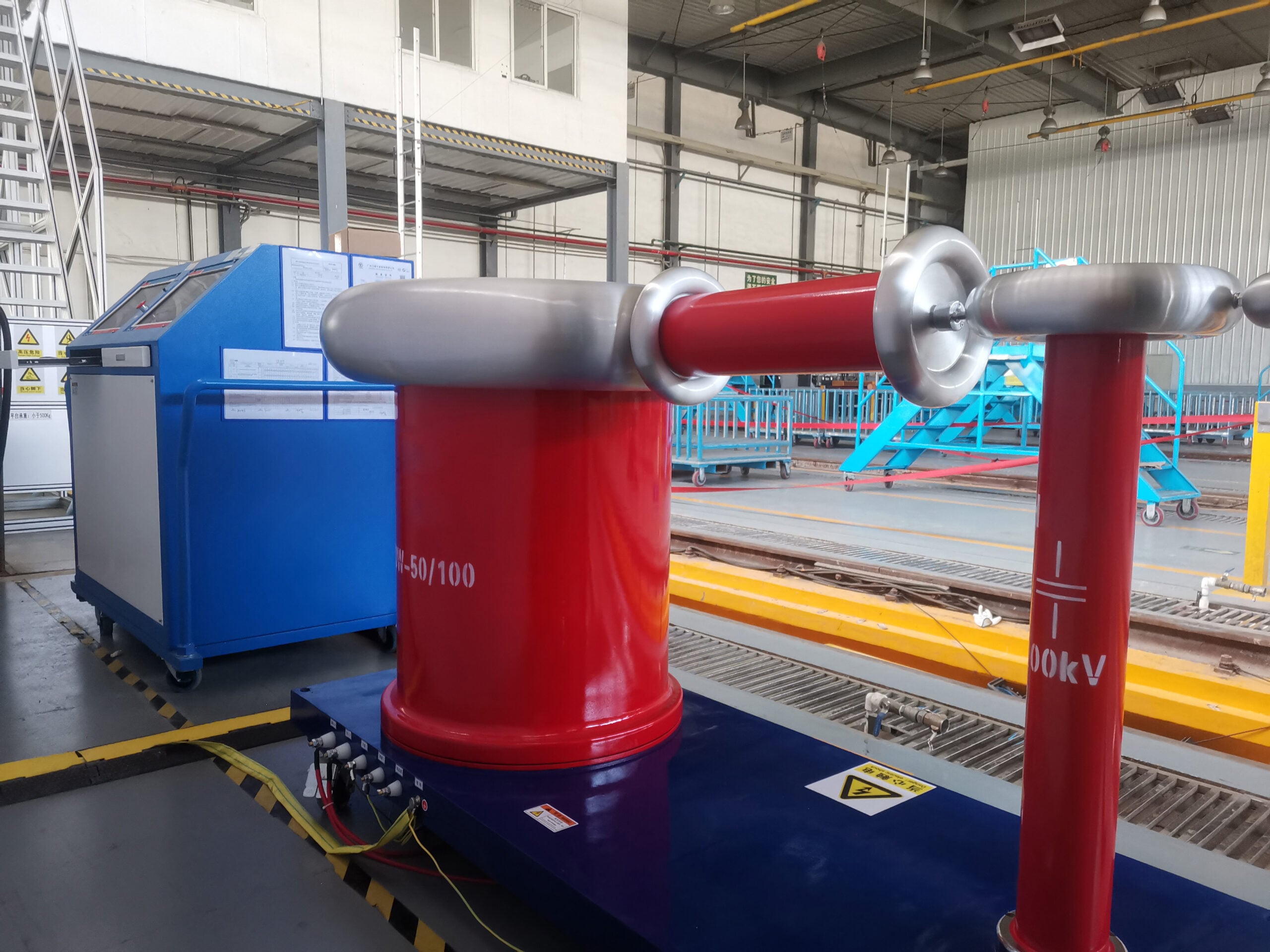
Lightning impulse voltage is measured using a combination of specialized equipment and techniques to ensure accurate representation of its characteristics. The process typically involves generating a standard lightning impulse waveform in a controlled environment using impulse generators, which simulate the high-voltage surges caused by lightning strikes. Measurement is conducted through precision voltage dividers and high-speed oscilloscopes or advanced digital recorders to capture the waveform’s amplitude, rise time, and tail time. These parameters are critical for assessing insulation performance and validating the design of electrical equipment under high-voltage stress conditions. Adherence to international standards, such as IEC 60060-1, ensures consistency and reliability in the measurement process.
Significance of Lightning Impulse in Electrical Systems
Lightning impulse testing simulates the extreme electrical stress that equipment may experience during lightning strikes or switching surges, ensuring robustness and reliability. This test is critical for assessing the insulation strength and dielectric properties of electrical systems, thereby preventing breakdowns under transient high-voltage conditions. By replicating fast and high-voltage waveforms, engineers can evaluate the system’s ability to withstand these stresses without compromising functionality or safety. The incorporation of lightning impulse tests is mandatory for high-voltage equipment such as transformers, circuit breakers, and surge arresters to comply with international standards like IEC 60060-1 and IEC 60076-4. These tests also help manufacturers identify design flaws, optimize insulation configurations, and verify operational safety, resulting in enhanced durability and performance.
How Does Impulse Withstand Voltage Affect Electrical Equipment?

Impulse withstand voltage directly impacts the reliability and longevity of electrical equipment by determining its ability to endure high-voltage impulses such as those caused by lightning strikes or switching operations. Equipment that can effectively handle these impulses is less likely to suffer insulation failure, breakdown, or operational disruptions under extreme conditions. Proper design and testing to meet specified impulse withstand voltage levels ensure compliance with international standards, protect critical components, and reduce the risk of unplanned outages or costly maintenance.
Impact of Impulse Voltage on Insulation
Impulse voltage has a significant impact on the durability and performance of insulation systems within electrical equipment. It is a high-amplitude, short-duration voltage surge that places intense stress on insulation materials. If the insulation is not correctly rated to withstand impulse voltage, it can lead to partial discharges, dielectric breakdown, or catastrophic failure of the equipment. Critical factors influencing the performance of insulation under impulse stress include the material’s dielectric strength, thickness, and the presence of defects or contaminants.
To mitigate these risks, equipment must be designed and tested to meet specific impulse voltage withstand levels as defined by international standards, such as those outlined in IEC 60060 or IEEE guidelines. Testing ensures that the insulation can endure common transient surges caused by lightning strikes, switching operations, or system faults. Employing advanced materials and design techniques further enhances reliability, protecting critical infrastructure and minimizing downtime due to failures. The careful assessment and periodic monitoring of insulation performance are also crucial for maintaining long-term operational stability.
Role of Impulse Withstand in Surge Protection
- Protection Against Lightning-Induced Surges
Impulse withstand capability ensures that insulation and critical components can handle high-voltage transients caused by lightning strikes, preventing damage to electrical systems.
- Mitigation of Switching Transients
High impulse withstand ratings allow systems to endure voltage spikes from switching operations, safeguarding the integrity of power equipment and maintaining stability.
- Enhanced Equipment Longevity
By withstanding transient overvoltages, impulse-resistant designs help reduce wear and tear on components, extending the service life of electrical infrastructure.
- Minimized Risk of Outages
Robust impulse withstand characteristics ensure uninterrupted operation even during sudden power disturbances, thereby reducing the likelihood of downtime.
- Compliance with Safety Standards
Adequate impulse withstand performance is often a regulatory requirement, ensuring installations meet international safety and reliability standards.
- Improved System Reliability
With the ability to endure surge events, systems demonstrate greater reliability, particularly in environments with frequent electrical disturbances.
- Support for High-Performance Applications
High impulse withstand ratings enable systems to operate in demanding applications, such as industrial plants and renewable energy installations, without compromising performance.
Ensuring Equipment Can Withstand Voltage Surges
To ensure that equipment can withstand voltage surges, I focus on several key strategies. First, I prioritize the installation of surge protection devices that align with the system’s voltage ratings and the specific environmental conditions. Second, I assess grounding systems to ensure they are robust and compliant with industry standards, as proper grounding is critical for dissipating excess voltage safely. Lastly, I select components with high impulse withstand ratings, ensuring they are capable of operating effectively in high-performance or disturbance-prone applications. These measures collectively reduce the likelihood of equipment damage and enhance overall system reliability.
What Are the IEC Standards for Lightning Impulse?

The International Electrotechnical Commission (IEC) has established specific standards for lightning impulse testing to ensure the safety and reliability of electrical systems under high-voltage conditions. According to IEC 60060, which governs high-voltage test techniques, lightning impulse testing involves applying a standard impulse waveform of 1.2/50 µs (a rise time of 1.2 microseconds and a decay to half of the peak value in 50 microseconds) to the equipment under test. This test evaluates the insulation’s ability to withstand transient overvoltages caused by lightning strikes or switching operations.
IEC 62305, which covers protection against lightning, further emphasizes the importance of implementing adequate protection measures, including surge protective devices (SPDs) that comply with IEC 61643. These SPDs are tested to withstand lightning currents while limiting voltage levels to prevent damage to sensitive electronics. Compliance with these standards ensures that systems are designed with appropriate resilience to lightning impulses, reducing risks to equipment and maintaining operational integrity in high-voltage environments.
IEC 60071-1 vs. IEC 62271-1
When comparing IEC 60071-1 and IEC 62271-1 standards for lightning impulse performance, it becomes clear that these standards govern different aspects of electrical equipment design and operation. IEC 60071-1, titled “Insulation Coordination—Part 1,” focuses on principles for the selection of insulation levels of equipment based on overvoltage stresses. This standard establishes clear guidelines for determining appropriate withstand voltages and helps in designing insulation to handle both external and internal overvoltages. Conversely, IEC 62271-1, “High Voltage Switchgear and Controlgear—Part 1,” emphasizes the general performance requirements, including dielectric withstand, for equipment operating above 1 kV.
Key differences include the scope and specific parameters addressed. IEC 60071-1 primarily deals with determining and coordinating insulation levels, while IEC 62271-1 provides detailed requirements for the construction and testing of switchgear and control gear equipment. For instance, IEC 62271-1 includes practical testing procedures like lightning impulse tests that verify performance under simulated overvoltage conditions, ensuring compliance with safety and reliability standards. Both standards are essential for confirming system resilience but serve different objectives within electrical design and safety protocols.
|
Key Point |
IEC 60071-1 |
IEC 62271-1 |
|---|---|---|
|
Scope |
Insulation coord. |
Switchgear tests |
|
Voltage Range |
Any levels |
>1 kV |
|
Focus |
Overvoltage risks |
Equipment design |
|
Purpose |
Insulation levels |
Performance req. |
|
Test Methods |
Analytical |
Practical tests |
|
Application |
System-wide |
Equipment-specific |
This comparison underscores the importance of selecting the correct standard based on the specific needs of the system or equipment to ensure operational efficiency and safety.
Compliance with International Standards
Compliance with international standards, such as IEC, IEEE, or ISO, ensures that electrical systems and equipment meet globally accepted safety, performance, and reliability criteria. For insulation coordination, standards like IEC 60071 outline methodologies for assessing overvoltage stresses and determining appropriate insulation levels. Similarly, IEC 62271 provides detailed guidelines for switchgear design and testing, addressing factors such as dielectric performance, mechanical operation, and thermal management.
Adhering to these standards reduces the risk of operational failures, enhances compatibility across systems, and simplifies international trade by aligning products with global benchmarks. Testing methodologies prescribed within these standards, whether analytical simulations for system-wide applications or on-site practical tests for specific equipment, provide a consistent framework to validate compliance and performance. Organizations must regularly update their practices to reflect changes in these standards, ensuring ongoing alignment with the latest safety and technological advancements.
Testing Withstand Voltage in Accordance with IEC
Testing withstand voltage, as outlined by the International Electrotechnical Commission (IEC), involves applying a high voltage to electrical equipment to validate its insulation strength under operational and fault conditions. This test is critical for identifying defects in insulation materials and ensuring that equipment can operate safely under specified voltage levels. According to IEC 60060, the test is performed on equipment such as transformers, cables, and circuit breakers by subjecting the insulating regions to either an alternating current (AC) or direct current (DC) voltage for a specified duration, often ranging from one to five minutes.
Key considerations include the test voltage level, which is determined based on the equipment’s nominal operating voltage and applicable safety margins. Additionally, the testing environment must replicate realistic conditions, including temperature and humidity, to ensure accuracy. Test results are analyzed to ensure there is no insulation breakdown or excessive leakage current, which would compromise the operational integrity. Consistently adhering to IEC standards not only verifies the safety and reliability of equipment but also aligns manufacturers with international compliance requirements.
Why is Lightning Protection Crucial for Power Systems?

Lightning protection is crucial for power systems to safeguard infrastructure, prevent outages, and ensure safety. Lightning strikes can induce high surge voltages that damage transformers, circuit breakers, and other critical components. Without proper protection mechanisms, such as surge arresters and grounding systems, these surges can lead to significant equipment failure, increased downtime, and costly repairs. Additionally, unprotected systems pose risks to personnel and may disrupt essential services. Implementing robust lightning protection measures ensures the reliability, longevity, and operational integrity of power systems.
Understanding Transient Voltage Phenomena
Causes and Effects of Transient Voltage Phenomena
Transient voltages, also known as voltage surges or spikes, are sudden, temporary deviations in voltage levels within an electrical network. These phenomena are often caused by external events such as lightning strikes, grid switching operations, or faults in power lines. Internally, equipment malfunction, motor startups, or the operation of inductive loads can also generate transient voltages. The latest data available indicates that transient voltage events can sometimes peak at amplitudes significantly higher than the system’s rated voltage, often reaching thousands of volts in microseconds.
The effects of transient voltages on electrical systems are profound. Sensitive electronic components, such as microprocessors, integrated circuits, and telecommunications equipment, are particularly vulnerable to damage from these surges. Such events can not only result in immediate equipment failure but also lead to long-term degradation, reducing the lifespan of critical infrastructure. Mitigating these issues requires the implementation of advanced protection strategies, including the use of surge protection devices (SPDs), transient voltage suppressors, and proper system grounding.
Understanding transient voltage phenomena is crucial in designing resilient electrical systems, especially as modern infrastructures become increasingly reliant on sophisticated and sensitive technologies. Continued advancements in data collection and predictive analysis—enabled by tools like Google’s search engine—offer valuable insights for identifying patterns in transient voltage occurrences and optimizing protective measures accordingly. Ultimately, integrating these solutions ensures the stability and efficiency of power systems in diverse applications.
Importance of Insulation’s Ability to Withstand Lightning Strikes
Insulation’s ability to withstand lightning strikes is critical to maintaining the reliability and safety of power systems. When a lightning strike occurs, the insulation must endure high voltage surges and transient currents without breakdown. This capability prevents equipment damage, unplanned outages, and potential safety hazards. Key technical parameters to consider include:
- Dielectric Strength – Insulation should have a dielectric strength that exceeds the anticipated lightning impulse voltage, typically in the range of 500 kV to 1500 kV for high-voltage transmission systems.
- Impulse Withstand Voltage (BIL) – The Basic Insulation Level (BIL) must align with system voltages and natural overvoltage levels to safeguard against transient surges caused by lightning.
- Creepage Distance – Ensuring sufficient creepage distance (e.g., 25 mm/kV for high-pollution areas) prevents surface discharges due to repelled currents and environmental contamination.
- Thermal Resistance – Insulating materials should handle the rapid temperature rise induced by lightning without degradation, supported by high thermal stability standards such as IEC 60085 classification.
- Durability in Harsh Conditions – The insulation should resist environmental factors like humidity, UV radiation, and pollution, which can impair its performance over time.
Optimizing these parameters helps ensure that insulation can successfully mitigate the effects of lightning strikes, thereby protecting both infrastructure and public safety. Proper material selection and adherence to international standards, such as IEEE and IEC guidelines, are essential in this regard.
Utilizing Surge Protection Devices in Distribution Systems
To effectively utilize surge protection devices (SPDs) in distribution systems, I focus on ensuring that they are installed at critical points within the system, such as at service entrances, distribution panels, and near sensitive equipment. I follow the recommendations outlined in standards like IEC 61643 and IEEE 1100, which provide detailed guidance on SPD selection, placement, and maintenance. I prioritize selecting SPDs with appropriate voltage ratings and energy handling capacities based on the specific operational and environmental conditions of the system. Regular inspections and testing are also critical to ensure that the devices continue to operate reliably over time. By adhering to these practices, SPDs can effectively protect distribution systems from transient overvoltage events caused by lightning or switching operations.
How to Conduct a Withstand Test?

To conduct a withstand test, it is essential to follow a systematically defined procedure to ensure safety and accurate evaluation. Begin by isolating the circuit or equipment undergoing testing to prevent unwanted energization and ensure compliance with safety protocols. Configure the test equipment to apply the specified voltage level, as outlined in the equipment’s technical standards or manufacturer guidelines. Gradually increase the voltage to the desired test level while monitoring for abnormalities such as excessive current leakage or insulation breakdown. Maintain the voltage for the prescribed duration, typically one minute, unless stated otherwise. After the test, carefully reduce and disconnect the applied voltage, then document the results to assess compliance. Regular calibration of test equipment is vital to maintain accuracy and reliability during the test process.
Preparation for Impulse Withstand Testing
To prepare for impulse withstand testing, ensure the test equipment is properly configured and calibrated according to relevant industry standards such as IEC 60060. Begin by verifying that the insulation type and test specimen are suitable for the required impulse voltage level. Use a controlled environment, free from external electromagnetic interference, to prevent inaccuracies in measurement. Ensure all connections are secure, and confirm that the wave shape of the applied impulse complies with the standard parameters, typically defined as a 1.2/50 μs wave for high-voltage testing. Safety measures, such as establishing an appropriate grounding system and ensuring personnel are safely distanced, are critical to mitigate risks. Record initial equipment readings, and confirm all test settings are correctly applied before initiating the test. Proper pre-test preparation guarantees reliable measurements and minimizes test failure risks.
Using an Impulse Generator for Testing
When using an impulse generator for testing, the following technical parameters and steps should be adhered to for accuracy and safety:
1. Waveform Parameters:
-
- Standard waveform for high-voltage impulse testing: 1.2/50 μs (rise time/duration to half-peak).
- Peak voltage level based on equipment under test (EUT) rating, commonly ranging between 100 kV to 1200 kV.
- Pre-Test Preparations:
- Verify calibration of the impulse generator to ensure compliance with IEC 60060 standards.
- Ensure proper grounding of the EUT and the test environment to avoid hazardous potential differences.
- Testing Configuration:
- Connect the generator to the EUT with appropriate high-voltage cables ensuring minimal impedance.
- Implement oscilloscopes or measuring devices capable of capturing rise time, overshoot, and peak voltage i. Execution and Observation: – Gradually increase impulse voltage in steps to ensure equipment withstand levels are not breached prematurely. – Monitor waveform distortion, insulation breakdown, or arcing as critical indicators of EUT performance.
- Post-Test Evaluation:
- Analyze recorded waveforms against specifications to identify deviations like insulation failure or voltage overshoot.
- Document results meticulously, including waveform plots and observed anomalies.
By maintaining these parameters and following the outlined procedures, testing outcomes are both reliable and compliant with international testing standards.
Analyzing Dielectric Strength and Insulation Level
Key Factors in Analyzing Dielectric Strength and Insulation Level
Dielectric strength refers to the maximum electric field a material can withstand without breakdown, typically measured in volts per unit thickness. It is a critical parameter for assessing an insulating material’s quality and its ability to perform under high-voltage conditions. Factors such as material composition, operating temperature, and environmental conditions (e.g., humidity or contamination) directly influence dielectric strength.
Insulation level evaluation focuses on the ability of an electrical component or system to resist electrical stress over time. Key tests include partial discharge analysis, AC and impulse voltage testing, and insulation resistance measurement. These tests help identify vulnerabilities like surface tracking, moisture ingress, or aging-related degradation that could compromise the insulation’s integrity.
By combining these analyses, engineers can ensure compliance with standards such as IEC 60243 and ASTM D149, optimize equipment performance, and improve longevity while preventing failures in high-voltage applications. Findings from these evaluations enable targeted improvements in design and material selection to enhance overall system reliability.
Reference Sources
-
Understanding the Lightning Impulse Voltage Withstand Test – A detailed explanation of the test and its significance.
-
What is the difference between the rated impulse withstand voltage? – Insights into rated impulse withstand voltage and its applications.
-
Research on lightning impulse voltage discharge – A scientific study on lightning impulse voltage discharge characteristics.
Frequently Asked Questions (FAQs)
Q: What is the rated lightning impulse withstand voltage?
A: The rated lightning impulse withstand voltage is the maximum value of voltage that the equipment can withstand when subjected to voltage impulses generated by lightning strikes. It is crucial for ensuring the reliability of electrical equipment.
Q: How does the rated lightning impulse withstand voltage impact the design and operation of electrical systems?
A: The rated lightning impulse withstand voltage impacts the design and operation of electrical systems through determining the required level of electrical insulation which needs to be maintained to guarantee safety of electrical operations during such extreme conditions.
Q: Why is it important for switchgear to have a high rated lightning impulse withstand voltage?
A: Maintaining high rated withstand lightning impulse voltage on switchgear is very important so that they can withstand the extreme forces of lightning strike which endangers the reliability of electrical equipment as well as the entire electrical system.
Q: What role does electrical insulation play in withstanding lightning impulses?
A: Electrical insulation plays a critical role in withstanding lightning impulses by preventing short circuits and ensuring that the system can withstand high-voltage conditions without compromising the operation of electrical systems.
Q: How does the rated voltage relate to the rated lightning impulse withstand voltage?
A: The rated voltage is the normal operating voltage for equipment, while the rated lightning impulse withstand voltage is the maximum voltage the equipment can withstand during a transient overvoltage event. Both ratings are essential for ensuring the equipment’s operational reliability and safety.
Q: What is the difference between lightning and switching impulse?
A: Lightning impulse is caused by natural phenomena like thunderstorms, resulting in high-voltage surges, whereas switching impulse is a result of operations within the electrical grid, like switching operations, that cause overvoltage conditions. Both require equipment to be designed to withstand these surges for safety and reliability.
Q: How do medium voltage and high-voltage systems differ in their impulse withstand requirements?
A: Medium voltage and high-voltage systems have different impulse withstand requirements based on their rated voltage levels. High-voltage systems generally require higher rated lightning impulse withstand voltage due to the greater potential for extreme voltage conditions.
Q: What is the relationship between peak withstand current and rated current in the context of lightning impulses?
A: Peak withstand current refers to the highest current that equipment can withstand during transient conditions like lightning impulses, whereas rated current is the normal current it is designed to carry under regular operation. Both are critical for ensuring equipment reliability under varying conditions.
Q: How is the rated short-time withstand current relevant to lightning impulse withstand voltage?
A: The rated short-time withstand current is relevant to lightning impulse withstand voltage as it determines the duration equipment can endure high currents without damage, ensuring it withstands extreme conditions such as those caused by lightning strikes.
Q: What impact does power frequency withstand voltage have on equipment designed for high-voltage applications?
A: Power frequency withstand voltage is crucial for equipment designed for high-voltage applications as it defines the ability of the equipment to endure normal operational voltage levels over a specific duration, ensuring routine reliability and safety of electrical systems.