In any industrial and commercial installations, utility services, and even in power distribution, the seamless operation and protection of electrical networks is greatly supported by switchgears. These enclosed protective devices are critical in any facilities because they help ensure reliability, safety, and efficiency when it comes to power systems. I’m writing this blog post to help you understand in detail metal-enclosed switchgear. So whether you are an energy professional, a facility manager or someone who holds interest in power distribution, I’ll explain everything from its workings to its importance. In the end, you will be able to see how metal-enclosed switchgear reinforces the safety and the seamless operation of global electrical systems.
What is Metal Enclosed Switchgear?
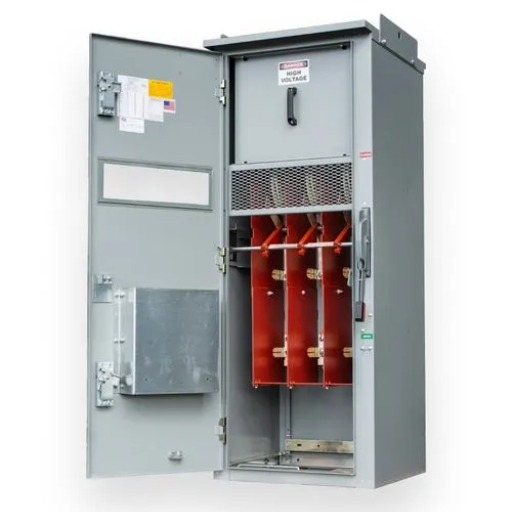
Metal-enclosed switchgear is an essential integrated electrical equipment used to manage, protect, and separate electrical systems. It comprises a metal chassis that incorporates circuit breakers, switches, and busbars. The metal enclosure subjected in this design gives the apparatus physical protection which helps prevent hazards. This construction helps in protecting personnel from the dangers of electrical contact with live parts which improves safety. This kind of equipment has been aimed for industrial, commercial, and utility applications, sustaining the dependable distribution of electrical power and keeping system reliability during maintenance or fault conditions.
Definition and Purpose of Metal-Enclosed Switchgear
Switchgears are meant to provide in-depth safety measures, reliability, and operational requirements to distinct electrical systems. These systems are meant to integrate with switching devices like circuit breakers, disconnect switches, and fuses in order to encapsulate a grounded metallic enclosure so as to improve protection from environmental and electrical risks. One of the most important fortes here is that these systems improve power distribution reliability by isolating faulty portions which minimizes downtimes yielding better maintenance on a systematic basis. Furthermore, modern advancements enable intelligent features such as real time diagnostics and analytics for better energy management and issue detection, allowing issues to be addressed before they escalate. All of these advancements greatly enhance system performance, reduce operational costs, and provide a prolonged equipment lifespan in turn.
Components of Metal-Enclosed Switchgear
In this case, as in the one we just discussed, metals encased switch gears contain various components meant to ensure secure and fulfill distinct power distribution requirements in utility, commercial, or industrial settings. Here are a few important components:
- Circuit Breakers: These break circuits either partially or fully depending on operational requirements. Failsafe firebreak circuitry is integrated into these modern switchgears and SF₆ gas insulators and vacuum seals are employed to boost the safety, protection, and reliability standards of the metal encased switchgears to protect from gasses.
- Busbars: As electrical conductors that distribute power, busbars are made of copper or aluminum strips. They are also busbars protected with insulation and spacing to avoid short circuits, achieving the best operational efficiency for the system.
- Instrument Transformers: Measuring and protective instrument transformers like current and potential transformers (CTs and PTs) integrate to properly monitor electrical parameters by activating protective relays.
- Protective Relays: These devices help in detecting abnormal conditions like over and under voltage scenarios, making them the first line of defense against electrical faults. They activate timely isolation of the affected sections, serving as protective mechanisms.
- Enclosure: The robust structure not only gives mechanical protection but also environmental shielding and safety to the personnel. Advanced designs focus on heat dissipation and have specified ingress protection ratings for certain applications.
- Control and Monitoring Systems: With intelligent software and digital interfaces, operators can oversee real-time performance and automate processes. These systems utilize predictive multifunctional maintenance and can anticipate component failures.
- Earthing Systems: In switchgear, the mechanisms for earthing are vital for operational safety. They ensure effective dissipation of fault currents, saving the equipment and personnel from electrical dangers.
Modern metal enclosed switchgear parts are more reliable, safer, and adaptable with the addition of materials, design, and intelligent automation enhancements. They meet the requirements of today’s advanced power systems.
What are the Differences Between Metal-Enclosed and Metal-Clad Switchgear?
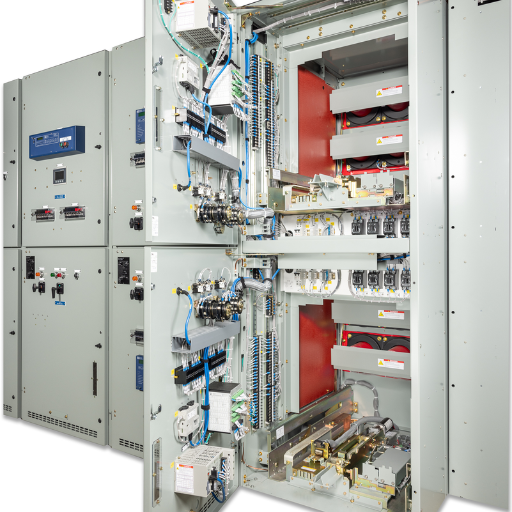
Switchgear enclosed with metal and clad type switchgears differ in design, construction features, application and use. Metal-enclosed switchgear has components situated within a common enclosure such that there are no fully separate sections. This arrangement is suited for systems which do not require individual compartments for all components. Such systems have a lower overall footprint and are cheaper due to their unsegregated design.
On the contrary, metal-clad switchgear does offer full compartmentalization for each component, such as control section, circuit breakers, busbars, and so on, by surrounding each part with separate metal barriers. This configuration increases safety as faults, in most cases, would be limited to a single compartment and thus lesser operators and equipment would be affected, adding a level of protection. These are popular in high voltage systems and those which are safety critical as reliability and safety are always priorities.
The two options are interchangeable and have identical functionalities but differ in complexity, safety standards, and operations.
Construction Differences: Metal Enclosed vs. Metal Clad
|
Key Point |
Metal Enclosed |
Metal Clad |
|---|---|---|
|
Primary Purpose |
General electrical equipment housing |
High-voltage, compartmentalized applications |
|
Internal Component Segregation |
Limited to enclosures, not compartmentalized |
Fully compartmentalized with barriers |
|
Fault Isolation Capability |
Minimal fault isolation |
Fault isolated to individual compartments |
|
Access to Components |
Limited, designed for minimal maintenance |
Easy access through dedicated compartments |
|
Voltage Rating |
Low to medium voltage |
Medium to high voltage |
|
Operator Safety |
Standard safety measures |
Enhanced safety with fault containment |
|
Equipment Protection |
Basic enclosure protection |
Advanced protection with segregation |
|
Common Applications |
Industrial, commercial |
Power plants, substations |
|
Cost |
Generally lower cost |
Higher cost due to advanced design |
|
Standards Compliance |
Meets basic standards |
Meets rigorous electrical safety standards |
Functional Differences in Electrical Systems
As far as the functional distinctions in the electrical systems, it is vital to consider their ability to meet operational workflows, frameworks pertaining to safety, and efficiency in energy consumption. Systems with low voltage, typically defined as below 1,000 volts, are used commonly in residential and light commercial settings due to their cost and ease of installation . However, this type of system is limited by power handling capabilities and might need additional devices to facilitate enlarged operations.
In contrast to the previously mentioned systems, medium (1kV to 38kV) and high voltage systems (over 38kV) are intended for heavy industrial applications, utility networks, and critical infrastructure. Such systems incorporate major enhancements to safety, fault isolation systems, and advanced level protective relays to minimize downtime and prevent catastrophic failures as well as nigh impossible and preserve operational integrity during high load conditions. Moreover, medium and high voltage systems incorporate sophisticated monitoring and automation tools, greatly enhancing overall operational efficiency together with meeting stringent regulatory requirements.
These systems further differ in regard to energy loss management. High-voltage installations are essential in grid-level power dispersal as they are designed to minimize I²R (Current squared times resistance) losses over long distances, while low-voltage systems excel in delivering energy over short distances. In any case, the choice of voltage level between these electrical systems will always heavily depend on the use case, budget, and required safety objectives for the application.
Safety Features in Metal Enclosed vs. Metal Clad Switchgear
|
Feature |
Metal Enclosed Switchgear |
Metal Clad Switchgear |
|---|---|---|
|
Construction |
Shared compartments for components |
Individually compartmentalized components |
|
Degree of Isolation |
Minimal component isolation |
Full segregation between components |
|
Arc Flash Protection |
Lower arc fault containment |
Enhanced arc fault containment |
|
Maintenance Requirements |
Less complex, minimal maintenance |
Higher due to compartmentalization |
|
Ease of Access |
Easier access to components |
Restricted access for safety purposes |
|
Insulation Type |
Air-insulated systems |
Air or gas-insulated systems |
|
Service Continuity |
Possible downtime during maintenance |
Higher system reliability |
|
Voltage Range |
Typically low to medium voltage |
Medium to high voltage |
|
Application Suitability |
Industrial, commercial buildings |
Utility, critical infrastructure |
|
Cost |
Lower initial cost |
Higher initial investment |
What are the Benefits of Using Metal-Enclosed Switchgear?
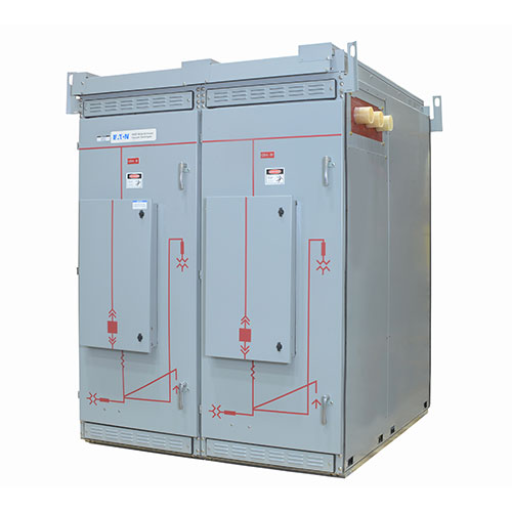
Metal-enclosed switchgear provides a number of specific advantages that improve the performance and safety of the electrical system:
- Improved Safety: The protective casing gives additional safety to operators and maintenance personnel by eliminating the chances of physical interference with live parts.
- Compact Design: It is beneficial for compact installations because its structure is space-saving.
- Reliability: Enclosed metal switchgear aids in the protection of electrical components from external dust, moisture or other harmful contaminants which adds to its durability as well as operational lifespan.
- Ease of Maintenance: Since the components are located inside the enclosure, they are easier to access which makes maintenance and servicing simple and fast.
- Versatility: Its adaptability to different voltage levels makes it suitable for industrial plants, commercial buildings, and even utility networks.
These factors contribute to the reason why metal-enclosed switchgear is a preferred equipment choice for modern electrical systems.
Space-Saving Designs and Compact Solutions
Recent development on switchgear technologies have strived to maintain performance while optimizing space. Compact switchgears are best for installation in urban substations and offshore platforms and such because these units are constructed using advanced engineering techniques that minimize space use. Their modular nature permits them to be tailored and expanded based on operational needs.
Research on internal component positioning has greatly improved thermal management, reducing the chance of overheating. For higher voltage switchgear systems, air as an insulating medium can be replaced with gas, making space for other critical components without sacrificing performance. Modern diagnostic and monitoring tools, equipped with advanced electronics, also replace traditional bulky equipment, allowing for maintenance to be done more efficiently. All of this helps enhance reliability within minimal physical space. These developments drive modern electrical infrastructure integrated systems geared towards contemporary needs.
Enhanced Safety Features of Metal-Enclosed Switchgear
With the implementation of metal-enclosed switchgear, there have been a number of safety improvements for the operational and maintenance risks. These improvements are achieved by optimizations and sophisticated technologies that reinforce compliance with the requirements of the metal industry and enhance the reliability of the entire system. Below are the measurable and detailed safety improvements that metal-enclosed switchgear have.
- Arc-Resistant Design
The addition of arc resistant features into metal enclosed switchgear works to mitigate the possibility of injury to personnel by containing and redirecting internallly generated arc flash energy. Reported test results confirm that the chance of injury to personnel with these modifications is among the lowest in the industry, up to 95%, fulfilling the requirements of IEEE C37.20.7 standards.
- Interlocking Mechanisms
Complications such as switching under load, or attempting to access a live component are dealt with through advanced electrical and mechanical interlocks which have provided a substantial restriction to these improper operations. Operator error, which accounts for approximately 70% of all electrical system failures, has become an easier problem to deal with due to these systems.
- Insulated Bus Bars and Components
Insulated bus bars and other dielectric coatings mitigate the risks of phase-to-phase or phase-to-ground faults and enhance operational safety. Such materials undergo stringent testing and surpass ASTM and IEC standards for dielectric strength.
- Low Voltage Compartments
Metal-enclosed switchgear commonly has low-voltage segregated compartments, which allows the operator to safely perform access control and routine inspections without the need to expose high-voltage components.
- Remote Monitoring and Operation
Many other systems now integrate with digital monitoring tools and SCADA (Supervisory Control and Data Acquisition), allowing operators to monitor and control equipment from a distance. Remote operation protocols have reduced the need for high-risk interventions by 60%.
Combined modern design innovations and these features impart a substantial layer of protection against operational risks while safeguarding personnel, extending system life, and enhancing safety. The development of such innovative electric infrastructure strengthens the systems and aligns with the evolving safety frameworks.
Durability and Maintenance Considerations
When discussing an electrical system’s durability and maintenance criteria, primary focus areas include: material durability, maintenance ease, and environmental mitigation factors. An electrical system’s structure is incorporated with advanced alloys and polymers, leading to improvements in the wear and tear, corrosion, as well as thermal stress mitigation capabilities. As an example, some exhaust-grade alloys and polymers exceed operating temperatures over 150℃ with extended exposure to corrosive environments permitting a longer usable lifespan.
Predictive maintenance systems and IoT sensors, along with AI analytics, have allowed for real-time alerts to be focused on wear, load imbalance, or failure of components. These alert systems with SmartFactory have made users leverage efficient ways to increase their performance. Other industry data suggests that these kinds of facilities see an increase up to 25% in reduced unplanned downtime and a 20% increase for maintenance effectiveness. All of these innovations point out the importance of design durability smart analytics based maintenance in order to increase operational reliability and coupled it with the life span of the system.
How Does Medium-Voltage Metal-Enclosed Switchgear Work?
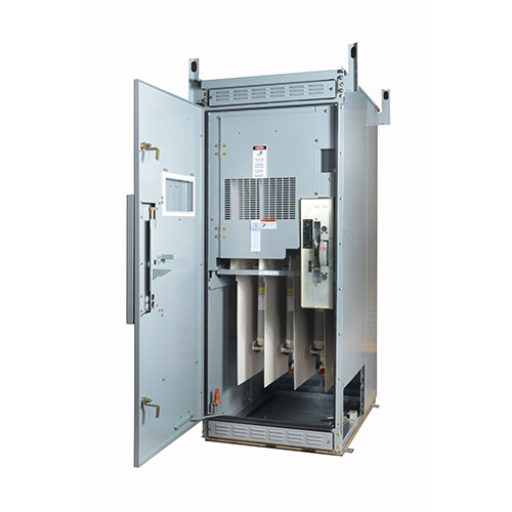
A medium-voltage metal-enclosed switchgear turns on, isolates, and protects equipment within an electrical distribution system. It works as a centralized unit that governs the “traffic” of electricity between a power source and various loads. The switchgear already has circuit breakers, protective relays, and switches integrated into a metal enclosure that protects the operators from live parts.
Each circuit breaker is configured in such a way that they all interrupt power supply to connected devices in quick succession, all in a matter of seconds to mitigate risks of damage to industrial machinery and enhance safety. Relays also monitor the current and voltage levels continuously, and if there are any fluctuations, they automatically take necessary preconfigured measures. This protects the system from failing while assuring safety as well.
Understanding Voltage Ratings and Applications
Voltage ratings exert a decisive influence in the electric field as they determine the upper limit for the failure or degradation proneness of the components, equipment and conductors used in the voltage systems. Their classification includes low voltage up to 1,000 volts, medium voltage between 1,000 to 69,000 volts and high voltage 69,000 and above. Each classification has its own set of applications. Low-voltage systems are typically used in residential and commercial buildings for lighting, appliances, and general power distribution. Medium voltage systems are found in industrial plants and utility substations where power requirement are higher. High power long-distance transmission is used for transmitting power over long distances and for connecting vast utility networks to each other, permitting the best possible energy efficiency. Knowledge of the systems and components voltages and their applications ensure optimum system safety, efficiency in operations, and design compliance.
Role of Circuit Breakers and Fuses in Medium Voltage Systems
Fuses and circuit breakers are essential protective equipment used in medium voltage systems to safeguard them from damage due to overcurrent situations like short circuits or load exceeding surge limits. In contrast to fuses which offer no option for restoration after a protective action is executed, circuit breakers add value as they can be reset after a fault occurs, hence termed resettable devices. Advanced medium voltage circuit breakers incorporate modern features like vacuum-interruption technology and SF6 gas-insulated mechanisms that further improve safety and contractor operation during arcing.
Unlike circuit breakers, fuses are one-time devices that disrupt circuits by severing their conductive component which melts when excessive current passes through a system. A classification used for medium voltage fuses is full-range and back-up, crafted to offer protection at different fault levels. Full-range fuses provide protection against all overcurrent conditions and back-up fuses are specially designed to protect high-current faults in coordination with other devices such as relays.
Each device is carefully selected based on the specific system needs like voltage, current ratings, and fault tolerance. Recent trends indicate a growing inclination toward the adoption of hybrid protection methods which integrate the resettable circuit breaker technology with the accurate fault isolation of fuses, providing more reliability and efficiency in medium voltage systems. This improves the overall integrity of the system while meeting the more rigorous requirements of modern energy distribution networks.
What Standards Govern Metal-Enclosed Switchgear?
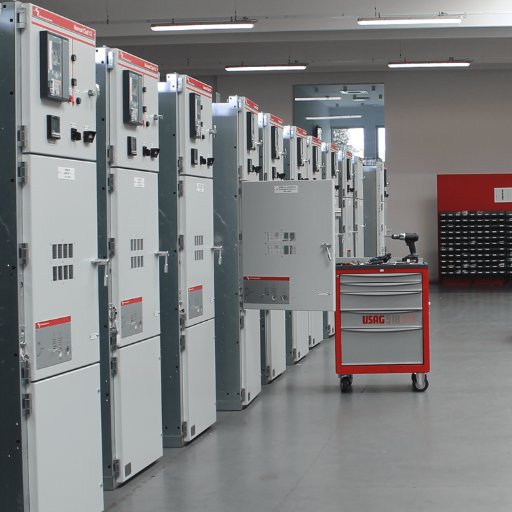
The rules for metal-enclosed switchgear derive from the standards set by the National Electrical Manufacturers Association (NEMA), the International Electrotechnical Commission (IEC), and the Institute of Electrical and Electronics Engineers (IEEE). Some key standards are as follows:
- NEMA SG 5: It describes the general requirements for metal-enclosed and metal-clad switchgear, highlighting safety and performance requirements.
- IEC 62271 Series: It includes high-voltage switchgear and controlgear specifications for their design, testing, and operational guidelines.
- IEEE C37 Series: It covers application, testing, and performance of the switchgear equipment with special emphasis to electrical power distribution system.
The standards serve the purpose of uniformity in design, reliability, safety, and compliance to industrial benchmarks for the manufacturers and operators.
Industry Standards and Compliance (IEEE)
Like everything else related to technology, safety standards are also on the rise keeping in mind the use of advanced technology. A good example of this would be the IEEE C37 series which contains information on short-circuit ratings, design verification testing and arc flash mitigation which are key electrical systems in preserving devices during fault conditions. The introduction of smart grids and renewable energy integration (RES) also had an impact on these standards in the sense that there now needs to be added consideration on the interoperability of the grid as well as advanced communication requirements. It also places added importance on safety. Alongside the requirements themselves, there is now more emphasis placed on architecture that is innovative, uses updated technology and is safe for the environment. A side effect of all of this is that there will be accuracy according to the up-to-date servings provided by the market which also promotes technology advancement.
Regulatory Guidelines for Safety and Performance
Performance and safety regulatory guidelines, like everything else, are under constant change to keep in mind advanced ecosystems and increase risk of operations. These outline the most paramount parameters as to how reliable equipment is, the systems and environment as a whole. The real world is complex and demanding, thus modern safety standards need to include requirements for robust fault EMC (electromagnetic compatibility) and thermal tolerance. Systems are a critical part of an organization, thus thorough attention needs to be paid for optimal performance.
On the other hand, performance guidelines concentrate on optimizing workflows and achieving set results, operating within defined metrics and generating outputs. Such metrics include specific delimiters for a given efficiency, energy consumption, scale of automated systems, and latency in timed communication networks. A central feature to these guidelines is their harmonization with international norms such as those published by the International Electrotechnical Commission (IEC) or the Institute of Electrical and Electronics Engineers (IEEE) which serve as global benchmarks for uniformity and cross-domain functioning.
Integration of automated systems for monitoring and verification of compliance, has made it easy to conduct checks and confirmations, therefore enhancing verification accuracy, especially for real time evaluations, assessments, and adjustments. Such regulatory layering is an additional approach to compliance, which emphasizes regulatory compliance from a safety, performance, compliance, and technology standards perspective, not only augments safety and performance but improves the adoption of new technological standards that meet these compliance requirements.
Impact of Standards on Custom Solutions
Business benchmarks are crucial because they streamline custom solutions by ensuring trust, scalability, and reliability. Information technology and manufacturing sectors rely heavily on ASTM and ISO/IEC, which assist custom solutions in their smooth integration into legacy systems while preserving operational efficiency. Also, these custom solutions greatly assist in mitigating the interoperability challenges in global or cross-platform deployments due to these preset guidelines.
Incorporating industry benchmarks into custom solutions saves costs and time significantly. Custom solution developers can use preset protocols, dodging the inefficient scramble to build proprietary systems, which in turn shifts focus onto advancement tilted towards tailored distinct features and performance optimizations that serve client-specific needs.
Empirical evidence of adoption and success rates in dynamic markets proves compliance with standards solves problems more efficiently. As an illustration, the use and trust made my enterprise level clients on cloud-based platforms that comply with SOC 2 or GDPR security frameworks is noticeably high. This further exemplifies how standards can serve as a measurement system for quality but offer motivation for agile bespoke solutions that provide lasting security, flexibility, and sustainability.
What Should You Consider When Choosing Metal-Enclosed Switchgear?
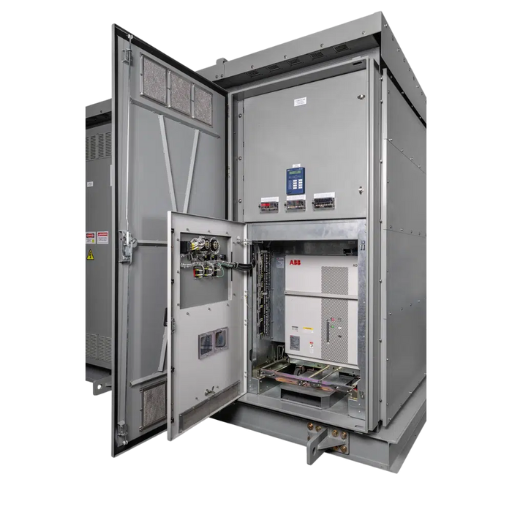
In acquiring an enclosed metal switchgear, the following criteria must be addressed:
1. Voltage and Current Ratings – confirm safely and efficiently managing the electrical load to the system’s operating voltage and current using the switchgear.
2. Safety Standards – Ensure dependable functionality during normal operations and under fault conditions by compliance with safety standards like IEEE or IEC specs.
3. Environmental Compatibility – Contemplate the surroundings as far as moisture, dust and corrosive factors, and select enclosures with fitting IP ratings.
4. Maintenance Requirements – Ensure optimal consistent performance with minimal downtime through routine maintenance and inspections by selecting accessible switchgear designs.
5. Scalability and Future Expansion – Make sure to choose a system that allows modification down the line, be it upgrades or expansions, offering adaptability as your infrastructure evolves.
By following these considerations, you will make sure the durable, efficient, and reliable switchgear will be specially built for your system.
Evaluating Specific Applications and Requirements
Is the equipment capable of performing within the range of defined operational parameters? What are the environmental conditions? Are there preconditions set by the system demand profile? These are some of the key questions that ensure performance expectations are met while controlling all other critical standards that switchgear need to comply with.
- Voltage Rating
- Determine the operating voltage (e.g., low-voltage [<1,000V], medium-voltage [1,000V-36,000V], or high-voltage [>36,000V]) to select compatible switchgear for the application.
- Example Application Data: Systems installed in commercial facilities using 480V will need Low Voltage Switchgear.
- Current Rating
- Assess short-term and long-term limits for carrying current throughout the system.
- Example Data Consideration: Manufacturing plants often operate near peak demand of 3000A. For smooth operations, switchgear must be rated for at least 3,500A to keep safety margins intact.
- Fault Current Interruption Capacity
- Identify if the anticipated maximum fault current can be safely managed by the switchgear’s interrupting capacity.
- Example Data Point: An industrial power system with a short-circuit current of 25kA requires switchgear above 25kA interrupting capacity.
- Environmental Conditions
- Consider temperature and humidity as well as altitude along with exposure to dust, corrosive substances, or other contaminants.
- Examples Considerations: Coastal sightings of outdoor installation might need the use of switching equipment with protective enclosures resistant to corrosion and with rated ingress protection seals.
- Application Type
- Specify the requirements for the designated use such as; a house, commercial building, industrial activity, or an application pertaining to renewable energy.
- Example Scenarios:
- A data center has high redundancy and fault tolerance needs.
- Compact and modular switchgear configurations are advantageous for renewable energy systems.
Considering these factors along with application requirements ensures the best choice of switchgear is made, thus system efficiency, safety, and operational longevity are enhanced. Revisiting these criteria as technology advances will enhance adaptability for decades to come.
Comparing Metal Enclosed and Metal Clad Options
Based on design and application considerations, metal clad and metal enclosed switchgear serve different operational needs while offering unique advantages. A distinguishing feature of the metal enclosed switchgear is its compact configuration that integrates all components within a single enclosure. It is best suited for space constrained environments, such as light industrial or commercial facilities. In addition, it offers accessibility and reliability at a lower cost, is simpler to install, and requires nominal maintenance.
Conversely, metal-clad switchgear is built with greater safety features and protective durability. Its design separates critical components such as the breakers, busbars, and control equipment into distinct compartments, enhancing safety. Fault isolation increases significantly, leading to better protection from critical system failure and loss of essential services that could lead to cascading faults in other dependent systems. Furthermore, metal-clad systems are worse under maintenance without de-energizing conditions, which is crucial for high-availability operations, such as heavy industrial centers or substations. These systems are powerful enough to integrate advanced protection relays and remote monitoring, thus meeting the requirements of modern intelligent grid systems.
While picking from these choices, factors like fault current ratings and the environment, along with continuity and maintenance requirements, need to be carefully examined. Also, modern shifts towards modular structures and eco-friendly materials to minimize lifecycle costs and enhance performance is shaped by material science and insulation tech. It is critical to grasp these subtle details so that switchgear can be installed that meets outlined performance standards, safety, and regulations.
Reference Sources
-
Metal Enclosed Switchgear Market Dynamics: Discusses the global market trends, projecting growth to $31.23 billion by 2025.
-
The U.S. Move Toward Gas-Insulated MV Switchgear: Explores the U.S. market’s shift towards gas-insulated medium voltage switchgear, including demand drivers.
-
Future Trends in Switchgear Technology: A research paper focusing on challenges, predictive maintenance, condition monitoring, and fault detection in switchgear technology.
-
Electrical Switchgear Market Insights: Provides market size and growth forecasts, emphasizing industry challenges and opportunities.
-
Innovative Medium Voltage Switchgear Design: Details an innovative design for removable metal-enclosed switchgear, focusing on longitudinal three-phase main circuits.
Frequently Asked Questions (FAQs)
Q: What is metal-enclosed switchgear?
A: Metal-enclosed switchgear is a type of switchgear that consists of electrical power systems enclosed in a metal housing, providing protection for medium voltage applications. It typically features components like interrupters, switches, and fuses, all housed within a metal shell on all sides.
Q: How does metal-enclosed switchgear differ from metal-clad switchgear?
A: The main difference between metal-enclosed and metal-clad switchgear lies in their construction. Metal-clad switchgear has individual components that are enclosed in a metal shell, providing enhanced protection and separations between parts, while metal-enclosed switchgear may have some components that are not individually clad.
Q: What are the typical applications for medium-voltage switchgear?
A: Medium-voltage switchgear, including both metal-enclosed and metal-clad switchgear, is commonly used in electrical power systems for distribution, feeder switches, and protection of power circuits in commercial and industrial facilities, typically operating at kv levels.
Q: Can you explain the term ‘interrupter’ in the context of metal-enclosed switchgear?
A: An interrupter is a device within metal-enclosed switchgear that is responsible for interrupting the flow of current during fault conditions. It plays a crucial role in ensuring the reliability and safety of the electrical system by isolating faulty sections.
Q: What types of switchgear are available for electrical systems?
A: There are primarily two types of switchgear: metal-enclosed switchgear and metal-clad switchgear. Each type offers different levels of protection and design suited for various applications in electrical power systems.
Q: What are power fuses, and how do they function within metal-enclosed switchgear?
A: Power fuses are protective devices that are used in metal-enclosed switchgear to protect against overloads and short circuits. They are designed to melt and interrupt the circuit when excessive current flows, thereby safeguarding equipment and personnel.
Q: What does ‘grounded metal’ refer to in metal-enclosed switchgear?
A: Grounded metal refers to the metal housing of the switchgear that is electrically connected to the ground. This grounding provides a safety measure, helping to prevent electric shocks and ensuring the safety of the electrical power systems.
Q: How are feeder switches utilized in metal-enclosed switchgear?
A: Feeder switches are used in metal-enclosed switchgear to control the distribution of electrical power to various loads. They can isolate sections of the electrical system for maintenance or in the event of faults, maintaining operational safety.
Q: What is the significance of the available fault current in switchgear selection?
A: The available fault current is a critical factor in selecting switchgear, as it determines the capacity of the switchgear to withstand short-circuit conditions. Properly rating switchgear for the maximum available fault current ensures that it can safely operate under fault conditions.