Control transformers play a critical role in modern industrial and automation systems, providing stable and precise voltage required for the efficient operation of control circuits. Their design and functionality ensure reliability in environments where power fluctuations and disturbances are common. This guide explores the foundational principles of control transformers, including their working mechanisms, technical specifications, and essential benefits in automation applications. Furthermore, we will provide a detailed comparison of control transformers to other transformer types and outline practical considerations for selection, installation, and maintenance. By the end of this article, readers will gain a comprehensive understanding of control transformers and their pivotal role in powering automation systems with accuracy and efficiency.
What Is a Transformer and How Does It Work?

A transformer is an electrical device designed to transfer electrical energy between two or more circuits through electromagnetic induction. It operates based on Faraday’s Law of Electromagnetic Induction, where a varying current in the primary winding generates a magnetic flux in the transformer core, inducing a voltage in the secondary winding. Transformers can either step up or step down voltage levels depending on the winding configuration ratio. They are integral to electrical systems, enabling power transmission across long distances efficiently while matching voltage levels to specific application requirements.
Understanding the Basics of Voltage Transformation
Voltage transformation in transformers is achieved through the principle of mutual induction. The voltage ratio between the primary and secondary windings is directly proportional to the ratio of the number of turns in each winding, known as the turns ratio. For example, a transformer with twice as many turns in its secondary winding compared to its primary winding will double the voltage output (step-up transformer). Conversely, if the primary winding has more turns than the secondary winding, the output voltage is reduced (step-down transformer).
This mechanism enables high-voltage power to be transmitted over extensive distances with minimal energy loss due to resistive heating. The voltage is then stepped down at distribution substations to safe levels for residential and commercial use. By effectively isolating or matching voltage levels, transformers ensure compatibility between generation, transmission, and end-user requirements, supporting the reliable operation of modern electrical systems. Understanding this process is critical in designing and optimizing energy networks for efficiency and sustainability.
The Role of Control Transformers in Industrial Control
Control transformers play a vital role in industrial control systems by providing a stable voltage supply to critical control equipment, such as relays, contactors, and timers. These transformers are designed to accommodate the varying demands of control circuits, ensuring consistent performance even during voltage fluctuations or inrush currents. Key technical parameters to consider when selecting a control transformer include:
- Voltage Rating: Common primary voltages include 120V, 220V, and 240V, with secondary voltages typically ranging between 12V, 24V, or 48V, depending on the specific control circuit requirements.
- Power Capacity (VA Rating): The transformer’s capacity is measured in Volt-Amps (VA) and must be sufficient to handle both the steady load and inrush currents; typical VA ratings range from 50VA to 500VA for industrial applications.
- Frequency: Control transformers are designed for standard frequencies like 50Hz or 60Hz, aligning with regional power grid standards.
- Insulation Class: The insulation system must meet safety and temperature specifications, often classified as Class B (130°C) or Class F (155°C).
- Regulation Performance: A low voltage regulation percentage, typically below 4%, is preferred to maintain stable output under varying load conditions.
By ensuring these parameters align with operational requirements, control transformers enhance system reliability, minimize downtime, and protect sensitive components within industrial environments.
Why Electrical Isolation is Crucial
Electrical isolation is critical for ensuring safety, protecting equipment, and maintaining system integrity. By electrically separating circuits, isolation prevents hazardous voltage from transferring to sensitive components or operators, thereby reducing the risk of electric shock and component damage. Additionally, it helps minimize electrical noise interference, which is essential for the accurate operation of sensitive devices. Isolation transformers are commonly used in industrial applications to achieve this, ensuring compliance with safety standards and providing a stable operational environment.

When selecting the appropriate control transformer, consider the following critical factors:
- Load Requirements – Determine the total voltage and current requirements of the connected load. Ensure the transformer can handle inrush currents without exceeding its capacity.
- Voltage Ratings – Verify that the primary and secondary voltage ratings match the input supply and output load requirements.
- Power Rating – Choose a transformer with sufficient VA (Volt-Ampere) rating to accommodate both continuous and peak loads.
- Phase Type – Select between single-phase or three-phase transformers based on your system’s configuration.
- Environmental Conditions – Assess the operating environment for factors such as temperature, humidity, and potential exposure to contaminants, ensuring the transformer is designed to meet environmental demands.
- Standards Compliance – Confirm that the transformer complies with industry safety and performance standards, such as UL or IEC certifications, to ensure reliable and safe operation.
A careful evaluation of these parameters will help optimize the performance, safety, and longevity of your control transformer.
Assessing Power Requirements and Load
To accurately assess power requirements and load for a control transformer, start by determining the total power demand of all connected devices, including operational and inrush currents. Identify the primary and secondary voltage ratings required for the application to ensure compatibility with system specifications. Factor in the transformer’s load type—whether resistive, inductive, or a combination—as this impacts efficiency and performance. Additionally, consider safety margins by selecting a transformer with a capacity that exceeds the calculated load by 15-25%, allowing for future scalability or unexpected fluctuations. Proper evaluation of these parameters ensures optimal sizing, minimizing the risk of overloading while maximizing reliability and performance.
Calculating Inrush and VA Ratings
To calculate inrush current and VA ratings, I begin by analyzing the specific application requirements and the transformer’s expected loading conditions. For inrush current, I factor in the peak instantaneous current that occurs when the transformer is energized, which depends on core magnetization and residual flux. It’s crucial to reference manufacturer data sheets or use specialized tools to estimate the inrush accurately, incorporating parameters like primary winding impedance and supply voltage. For VA ratings, I calculate the apparent power by multiplying the nominal voltage and current levels of both primary and secondary circuits, ensuring it meets or exceeds the connected load’s total demand. This step includes accounting for power factor and any potential future load increases for system reliability.
Ensuring Reliability in Industrial Environments
To ensure reliability in industrial environments, it is crucial to evaluate and address the key factors influencing system performance and durability. Parameters such as temperature tolerance, vibration resistance, and electrical insulation strength of components must be assessed against industry standards (e.g., IEC 60076 for transformers). For example, insulation class is selected based on maximum operating temperatures, typically 105°C for Class A or 155°C for Class F. Similarly, vibration resistance is designed to withstand frequencies within 10–1000 Hz to prevent mechanical fatigue over time.
For electrical systems, voltage regulation and harmonic distortion are integral to maintaining reliability. Voltage regulation should ideally remain within ±5% under varying load conditions, ensuring consistent power delivery. Total Harmonic Distortion (THD) should be minimized, with a target of less than 8% in compliance with IEEE 519 guidelines to prevent damage to sensitive equipment.
Regular maintenance schedules involving thermographic analysis, oil testing in transformers (for moisture and dielectric strength), and load analysis are essential for early fault detection. By systematically addressing these parameters and adhering to regulatory standards, a stable and reliable industrial electrical environment can be achieved.
Why Use Isolation Transformers in Industrial Applications?

Isolation transformers are critical in industrial applications for enhancing safety, reducing electrical noise, and protecting sensitive equipment. These transformers electrically isolate the primary and secondary circuits, preventing direct electrical contact and minimizing the risk of shock or equipment damage. They effectively mitigate common mode noise and transients, ensuring stable power delivery in environments with fluctuating energy demands. Additionally, isolation transformers help maintain compliance with industrial standards by reducing harmonic distortion and enhancing overall system reliability. Their application is essential in industries where precision, safety, and equipment longevity are paramount.
Enhancing System Protection and Safety
Isolation transformers play a pivotal role in enhancing system protection and safety by preventing direct electrical connections between input and output circuits. This separation eliminates ground loops, reducing the risk of shock hazards and ensuring that sensitive equipment is shielded from voltage spikes and interference. Furthermore, they provide protection against electrical noise, which can disrupt system performance and compromise data integrity in industrial and medical applications. By integrating an isolation transformer, organizations ensure compliance with safety regulations such as IEC and UL standards, while simultaneously extending the operational lifespan of critical equipment.
Reducing Electrical Noise in Sensitive Equipment
Effective noise reduction in sensitive equipment typically involves a combination of proper grounding, shielding, and the use of noise suppression devices. Ensuring that the grounding system is properly designed is critical, as inadequate grounding can increase susceptibility to electromagnetic interference (EMI). Utilize a low-impedance ground path and adhere to standards like IEEE 1100 for power system grounding.
For shielding, the implementation of materials such as copper or aluminum foils can significantly reduce EMI. Enclosures should maintain continuity at seams and openings to prevent leakage of interference. Shielding effectiveness is measured in decibels (dB), with typical requirements ranging from 20 dB to over 100 dB, depending on the environment and application.
Additionally, deploying noise suppression components such as ferrite beads, capacitors, and filters can mitigate high-frequency noise. Low-pass filters are particularly useful for blocking frequencies above a specific threshold while allowing desired signals to pass through. For example, a filter with a cut-off frequency of 10 kHz could effectively suppress higher-frequency noise in sensitive medical instrumentation.
Isolation transformers, as mentioned, are highly effective for separating equipment from noise sources, providing common-mode noise attenuation typically rated up to 60 dB. Parameters such as leakage inductance and interwinding capacitance should be appropriately specified to minimize coupling and ensure optimal performance.
Lastly, regular maintenance and testing of the electrical system, using techniques like time-domain reflectometry, can identify the presence of noise sources or faulty connections, further safeguarding the reliability of noise-sensitive applications.
Providing Electrical Isolation for Machine Tool Transformers
Importance of Electrical Isolation
When discussing electrical isolation for machine tool transformers, the primary goal is to prevent direct electrical connections between systems while enabling power transfer. Electrical isolation is achieved through the transformer’s core design, where primary and secondary windings remain physically and electrically separated. This separation not only safeguards equipment by mitigating the risk of voltage spikes and ground loops but also protects operators from potential electric shocks.
To ensure effective isolation in machine tools, I focus on selecting transformers with robust insulation materials rated for the required operating voltage and temperature conditions. I also verify compliance with industry standards, such as ANSI, IEC, or NEMA, to ensure the electrical isolation meets safety and performance benchmarks. Additionally, proper grounding of the transformer frame and secondary circuit plays a vital role in maintaining isolation integrity, especially in environments prone to electrical noise or transient surges. Regular inspections and thermal testing can further confirm that insulation barriers maintain their reliability over time.
How to Install and Maintain Control Transformers?

Installation of Control Transformers
- Selection of Location: Install the transformer in a well-ventilated area, free from excessive moisture, dust, or vibration. Ensure it has clearance for heat dissipation as per manufacturer guidelines.
- Mounting: Secure the transformer firmly using appropriate brackets or enclosures to ensure stability during operation.
- Electrical Connections: Connect the primary and secondary windings according to the wiring diagram provided by the manufacturer. Verify phase relationships and voltage ratings before energizing.
- Grounding: Properly ground the transformer frame and secondary circuit to enhance safety and minimize electrical noise.
- Inspection Before Energizing: Conduct a thorough visual inspection to identify any loose connections or potential faults before applying power.
Maintenance of Control Transformers
- Periodic Inspections: Regularly check for signs of wear, overheating, or damage to insulation, terminals, and wiring.
- Thermal Monitoring: Use infrared thermography to detect hot spots that might indicate overloading or poor connections.
- Cleaning: Remove dust and debris that may accumulate on the surface to ensure optimal heat dissipation and prevent contamination.
- Testing: Perform insulation resistance testing periodically to verify the integrity of the windings and insulation barriers.
- Load Assessment: Regularly evaluate the actual load against the rated capacity to avoid overloading and maintain efficiency.
By following these steps, control transformers can deliver reliable operation while ensuring compliance with safety and performance standards.
Step-by-Step Wiring and Terminal Setup
- Review Technical Specifications
Begin by verifying the transformer’s nameplate details, including primary voltage, secondary voltage, frequency, and rated capacity. Confirm that these specifications align with the application’s requirements to ensure compatibility.
- Identify Terminal Configurations
Locate and clearly identify the primary and secondary terminals. Typically, primary windings (high voltage side) are marked as “H1,” “H2,” etc., while secondary windings (low voltage side) are designated as “X1,” “X2,” etc. Grounding terminals should also be identified for safety purposes.
- Primary Side Connection
Connect the primary windings to the input power source according to the wiring diagram provided by the manufacturer. Ensure proper voltage alignment, and if tapping is required, use the specified tap settings to adjust the input voltage. For example:
– Standard Voltage Range Example: 120V/240V primary voltage.
– Tap Adjustment Tolerance (if applicable): ±5%.
- Secondary Side Setup
Wire the secondary terminals to the load circuit. Confirm that the output voltage meets the application needs. Common secondary voltage examples are 24V or 120V, often used in control circuits.
- Grounding (Earthing)
Establish a secure ground connection at the terminal marked for grounding (typically located on both primary and secondary sides). This minimizes potential electrical shocks or equipment damage caused by fault currents. Grounding resistance should ideally conform to standards such as IEEE 142-2007 (Green Book), typically below 5 ohms.
- Polarity and Phase Verification
Test and verify the polarity and phase relationships between primary and secondary terminals. This is crucial to ensure proper operation, especially in multi-transformer configurations. A polarity test ensures that the voltage orientation matches the system’s requirements.
- Test and Inspect Connections
After completing the wiring, visually inspect all terminals and connections to confirm proper tightening and secure placement. Torque values should meet manufacturer recommendations (e.g., 2 N·m for typical small connectors).
- Pre-Startup Electrical Testing
Before operating the transformer, perform insulation resistance tests (e.g., using a megohmmeter). Acceptable insulation resistance values should be at least 1 megohm for every 1,000V of rated operating voltage, with a minimum value of 1 megohm.
- Energization and Load Monitoring
Gradually energize the transformer and monitor the secondary output to ensure proper voltage delivery. Observe for any abnormal noise, excessive heating, or fluctuations. Ensure load current does not exceed the rated capacity, such as:
– Example Load Capacity: 5 kVA with a maximum current of approximately 20.8A at 240V.
By adhering to these step-by-step instructions, you can ensure the proper wiring and terminal setup of the control transformer, minimizing installation errors and ensuring compliance with industry standards.
Understanding Control Circuit Requirements
Control circuits are integral to the operation of electrical systems, as they regulate and automate the performance of primary machinery or devices. To effectively design and implement a control circuit, certain requirements must be met:
- Voltage Ratings and Compatibility: The control circuit voltage must match the required operational specifications of the connected equipment. Typical control circuit voltages include 24V, 120V, and 240V, depending on the application. Using the correct voltage ensures compatibility and prevents malfunctions or damage.
- Current and Load Capacity: Assessing the current demand of control elements like relays, contactors, and sensors is crucial. The total load must be within the current rating limits of the power source or transformer. If overloaded, the system will heat up, potentially causing equipment failure.
- Protective Devices: The inclusion of protective devices such as circuit breakers, fuses, and overload relays provides added protection for control circuits against short circuits and excessive current. These protective components must be matched with the circuit’s characteristics so that dependable protection is achieved.
- Wiring and Connections: Proper insulation, wire sizing, and secure connections are critical to maintain circuit integrity. Following wire color codes and labeling simplifies troubleshooting and maintenance while adhering to industry standards like the National Electrical Code (NEC).
- Compliance with Standards: Control circuits should conform to applicable safety and performance regulations, such as UL listings or IEC standards. Compliance ensures reliability, minimizes risks, and provides assurance of meeting industry benchmarks.
By addressing these core requirements during the planning and installation phases, control circuits can be optimized for safety, efficiency, and long-term performance.
Routine Maintenance for Longevity and Efficiency
To ensure the longevity and efficiency of control circuits, I focus on several key maintenance practices. First, I conduct regular inspections to identify wear, corrosion, or loose connections that could impact performance. Cleaning components and removing debris is essential for preventing overheating and electrical faults. I also verify proper operation by testing functions under normal and load conditions to ensure all systems comply with expected parameters. Additionally, I update firmware or software periodically to maintain compatibility with the latest standards and enhance system reliability. Keeping detailed records of maintenance activities aids in tracking performance trends and addressing any recurring issues proactively.
What Are the Applications of General Purpose Control Transformers?
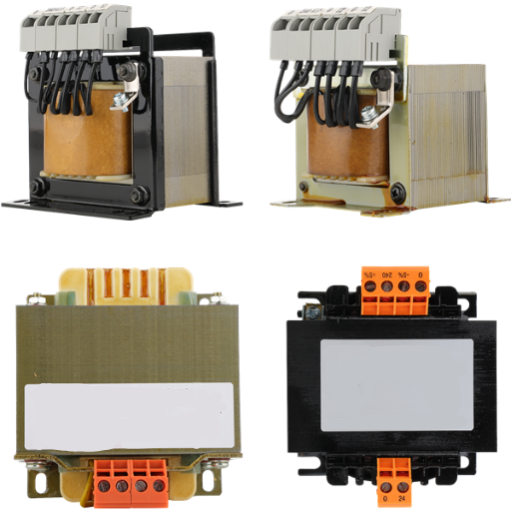
General purpose control transformers are widely utilized in industrial and commercial applications to provide stable voltage for the proper operation of control circuits and auxiliary equipment. They are commonly employed in motor control systems, robotics, HVAC units, and automated machinery to step down utility power to a lower, usable voltage level. These transformers ensure reliable performance of relays, timers, sensors, and other control devices by isolating them from power fluctuations and providing consistent voltage regulation. Additionally, they are critical in environments that demand a secure electrical supply to prevent downtime or disruptions in operations.
Adapting to OEM and CE Standards
Adapting to OEM (Original Equipment Manufacturer) and CE (Conformité Européenne) standards involves ensuring that transformers and related electrical equipment meet stringent safety, performance, and environmental requirements. Compliance necessitates adherence to specific technical parameters that guarantee the product is both reliable and market-ready for global industries.
Key Technical Parameters for Compliance:
1. Voltage Accuracy:
-
- Input Voltage Range: 230V ±10% (typical for European markets).
- Output Voltage Regulation: ±1% for stable device operation.
- Insulation and Isolation:
- Dielectric Strength Test Voltage: ≥3,000V AC for one minute.
- Isolation Resistance: ≥1,000 MΩ at 500V DC.
- Thermal Parameters:
- Maximum Operating Temperature Range: -10°C to +55°C.
- Thermal Class Insulation System (per IEC 60085): Class B (130°C) or Class F (155°C).
- Electromagnetic Compatibility (EMC):
- Meets EN 55011 or equivalent standards for radiated and conducted emissions.
- Safety and Protection:
- Compliance with IEC/EN 61558 for transformer safety.
- Equipped with overcurrent and overload protection mechanisms.
- Efficiency Ratings:
- Minimum Efficiency Percentage (Load-Dependent for Energy Conservation): ≥96%.
By conforming to these parameters, manufacturers ensure the equipment not only meets regional and international guidelines but also provides end-users with durable and efficient solutions.
Customizing for Industrial Control Transformers
Factors to Consider When Customizing Industrial Control Transformers
When customizing industrial control transformers, multiple factors must be taken into account to ensure optimal performance, safety, and adherence to operational requirements. Below are the core considerations synthesized from leading industry sources:
- Voltage and Power Requirements
Industrial control transformers are tailored based on the input and output voltage specifications as well as the desired power capacity. These parameters define the transformer’s ability to handle load variations and maintain voltage stability in sensitive control circuits.
- Environmental Conditions
The operating environment plays a critical role in customization. Transformers intended for harsh conditions require enclosures with higher IP ratings, robust insulation, and materials capable of withstanding high temperatures, moisture, or corrosive substances.
- Efficiency and Energy Loss Minimization
Efficiency is a paramount concern during the customization process. Advanced designs incorporating high-grade core materials such as silicon steel or amorphous metals can minimize energy losses and meet energy efficiency standards.
- Safety Standards and Certifications
Compliance with international standards, such as IEC/EN 61558 and UL certifications, is crucial to ensure the transformer is safe for both personnel and equipment. Additionally, safety features like thermal protection, overload systems, and fail-safe mechanisms are integrated during the design phase.
- Noise Reduction Needs
For industrial environments sensitive to noise, transformers can be customized with laminated cores or other vibration-dampening techniques to reduce operational hum and acoustic emissions.
- Custom Dimensions and Mounting Options
Space constraints may necessitate non-standard sizes or unique mounting configurations. Customizations must align with the physical requirements of the installation site without compromising functionality.
By addressing these factors with precision, manufacturers can deliver industrial control transformers optimized for specific applications, ensuring reliable and efficient operation.
Utilizing in Machine Tool and Automation Systems
Industrial control transformers are critical components in machine tool and automation systems, providing reliable voltage regulation and adaptation for control circuits. These transformers isolate control panels from power supply fluctuations, minimizing the risk of electrical noise or voltage surges disrupting system performance. For machine tools, they ensure consistent and precise voltage levels, crucial for operations requiring high accuracy and repeatability.
Automation systems benefit from their ability to handle transient inrush currents caused by solenoids, relays, and contactors, maintaining system stability. When selecting transformers for such applications, considerations must include voltage ratings, load capacity, and operating conditions to ensure compatibility with high-demand environments. Custom designs may also be required to optimize performance for specific machinery or processes. By integrating appropriately designed industrial control transformers, machine tool and automation systems operate with enhanced efficiency, safety, and reliability.
Reference Sources
- Control Transformer Selection Guide – Elliott Electric
- Control Circuit Transformers – Rockwell Automation Literature Library
- Acme Electric – Control Transformers Selection Guide
- Control Transformers: Types, Features, Benefits, and Applications – Shin Energy
- Control Transformer Product Specifications – ACI
Frequently Asked Questions (FAQs)
Q: What is a control power transformer and how is it used in automation?
A: A control power transformer is a transformer designed to provide a stable voltage supply for control and protection circuits in automation systems. It is essential for powering relays, reactors, and other electromagnetic components, ensuring the efficient energy management and functionality of complex systems.
Q: How do engineers choose the right transformer for their application?
A: Engineers select the right transformer by evaluating the required voltage levels, current capacity, and the specific needs of the application, such as a high degree of secondary voltage stability. They also consider factors like the operating environment and compliance with relevant directives to ensure reliable performance.
Q: Why are single phase control transformers preferred in certain applications?
A: Single phase control transformers are often preferred for their simplicity, cost-effectiveness, and ability to provide efficient energy conversion in systems with lower power requirements. They are commonly used in HVAC systems and small-scale automation requiring precise voltage regulation.
Q: What role do terminal blocks play in control transformers?
A: Terminal blocks are vital components in control transformers, facilitating secure and efficient electrical connections. They help in minimizing wiring complexity and ensuring proper power management across various circuits in automation and building management systems.
Q: How can a control transformer help minimize overload conditions?
A: A control transformer can minimize overload conditions by providing a stable voltage supply and incorporating current limiting features. This helps protect connected devices and circuits from damage due to excess current, ensuring longevity and safety in automation systems.
Q: What is the significance of having a high-quality transformer in automation systems?
A: High-quality transformers are crucial in automation systems as they ensure reliable power control, robust performance, and extended life expectancy. They are designed to withstand rigorous conditions and provide consistent voltage regulation, which is essential for maintaining system efficiency and minimizing downtime.
Q: Can a transformer be used in both 208V and 480V systems?
A: Yes, a transformer can be used in both 208V and 480V systems by selecting a suitable transformer designed to provide the required voltage conversion. This flexibility makes transformers versatile components for various industrial and commercial applications.
Q: What makes a transformer rugged and suitable for harsh environments?
A: A rugged transformer is often encapsulated and built with durable materials to withstand harsh environmental conditions. This includes protection against dust, moisture, and mechanical stress, ensuring reliable operation even in demanding settings.
Q: How do voltage transformers contribute to power management in automation?
A: Voltage transformers contribute to power management by ensuring precise voltage levels are supplied to control circuits, enabling accurate and efficient operation of automation systems. They play a critical role in maintaining voltage stability, which is essential for the safe and effective functioning of electronic components.