The generator voltage can single-handedly affect the reliability and efficiency of the electrical systems within a generator. Having a clear understanding of generator voltage is important in balancing performance and stability during industrial machinery operations, grid infrastructure loading, or even during outages when backup systems are used. This article covers the basic concepts of generator voltage, its importance in the generation and distribution of electric power, and why it is an important parameter for engineers and operators. You will learn how the regulation of voltage affects energy output, system efficiency, operational life, and reliability of the system and thus be better equipped to make decisions for the operation and/or selection of generators.
What is Generator Voltage?

Generator voltage denotes the difference in electrical potential that results when a generator changes mechanical energy into electrical energy. Additionally impacting performance is the rotation speed of the generator as well as the strength of the magnetic field and the coils windings. A steady generator voltage is essential for mechanical stability during operations alongside averting power fluctuations or damages to equipment.
Definition of Generator Voltage
The term generator voltage describes the potential difference in a generator which is produced when mechanical energy is transformed into electrical energy. This voltage is proportional to the rotational speed of the generator’s rotor and the strength of the magnetic field present. Advances in generator technology focus precision and efficiency on modern attempts at generator voltage control. Any reliable generator generally sets a fixed lower and upper voltage bound, for example 120V or 240V for home use and even higher in industrial settings to suit various systems, minimize energy loss during transmission, and ensure compatibility with numerous systems. However, the system’s voltage can be influenced by many factors like voltage regulation, load demand, temperature changes, or even mechanical wear of the components, making real time monitoring necessary for safe operation.
How is Voltage Generated?
The generation of voltage is achieved in practice through electromagnetic induction as Faraday’s Law explains. A certain voltage is considered as induced in a conductor with the conductor subjected to a varying magnetic field. This is the principle employed for modern day generators, where either a conductor in form of copper windings is rotated within a magnetic field or the magnets are rotated around fixed windings. Such movement alters the magnetic flux and voltage (alternating (AC) or direct (DC)) is produced depending on the design and configuration of the generator.
The frequency and magnitude of the voltage produced are also important parameters that are ascertained from the rotational speed of the generator’s rotor, strength of the magnetic field, and the number of turns in the conductor coils. For alternating current, frequency is usually restricted to common values which are 50Hz for most countries and 60Hz in the US. In conjunction to this, dynamic control systems are usually added to manage voltage output to keep synchronization with external loads to streamline efficiency and reliability in power delivery.
Importance of Voltage in Generators
Much like many other parameters, voltage remains an integral factor in generator usage because it greatly affects electrical systems in relation to their efficiency, reliability, safety, and their performance. Equipment operating downstream of the generators is best prevented from overheating, operational inefficiencies, or damage by stable voltage outputs. Furthermore, a steady voltage output will prevent “burning out” of sensitive electronic equipment, enabling industrial-grade machinery to function while enhancing their operational lifespan.
Variable load conditions present in an industrial, commercial, or residential setting require the use of AVRs (Auto Voltage Regulators) capable of regulating output voltage. Output voltage dynamically responds to load changes in modern generators with the help of AVRs. Specialized generators built for distributed energy resources effectively avoid under or over pricing energy while achieving optimal operational costs through advanced voltage control. In addition, provided energy from variable renewable energy sources improves voltage regulation and energy efficiency. Advanced research in generator technology is further expected to lower operational costs and reduce energy loss.
How Does a Voltage Regulator Work in Generators?

Voltage regulators control a generator’s output voltage, throttling it to target levels whether the load and the speed of the generator increase or decrease. Monitoring the voltage output on the generator permits fine tuned control of the excitation current given to the rotor. The regulator either increases or excites decreases current based on whether the output voltage is above or below the setpoint value. The use of a voltage regulator enables reliable power delivery and also fortifies the connected hardware against damage caused by fluctuating voltages.
Function of a Voltage Regulator
Based on the method of operation, one may classify all voltage regulators into two broad categories: Switching voltage regulators and linear voltage regulators. A linear voltage regulator will always operate by dropping unused voltage across a resistive component in order to maintain a stable output voltage. These are perfect for low-power situations as they are simple, low-cost, and generate little electrical noise. Though, these have a lower efficiency while the gap between the input and output voltage increases which generates excess heat.
Unlike other types of regulators, switching voltage ones use inductors, capacitors, and switches like transistors to adjust the input voltage to the output value needed. They can boost, buck, or invert voltage levels with heavy precision, often exceeding 80-90%. Because of this, a switching regulator is most suitable when high efficiency, compact size, and flexibility under changing load conditions are critical. On the other hand, the speed of regulation adapts to changes in load conditions. This may increase their electromagnetic interference (EMI), requiring additional filtering.
With the right voltage regulator and considering system efficiency, load profiles, as well as physical and environmental constraints, engineers can assure reliability in performance throughout myriad electric and electronic systems.
Types of Voltage Regulators
- Linear Voltage Regulators
Maintaining a constant output voltage with a series or shunt element is done within the device’s linear region which is the defining feature of Linear voltage regulators. These types of regulators are perfect for sensitive analog circuits as well as low power applications since they are very simple, generate low levels of noise and are precise in terms of regulating. Moreover, they include LDOs or Low Drop Out Regulators which function under low voltage headroom between its input and output. Regardless, linear voltage regulators are less efficient because they dissipate excess energy as heat, lowering the overall efficiency for high current drain applications.
- Switching Voltage Regulators
Switching voltage and switch-mode regulators use rapid switching of transistors in order to control the flow of electrical current through inductors, capacitors and transformers. For this reason, these types of regulators have much higher efficiencies when applied to purposes that require a large amount of power. Some common types are: buck converters, which are step-down (increase current, decrease voltage); boost converters, which are step-up (decrease current, increase voltage); and buck-boost converters which are both step-up and down. There are also flyback converters for isolated applications. Although switching regulators are extremely efficient, they do tend to produce electromagnetic noise so special attention is required when it comes to EMI and thermal management while designing these types of regulators.
- Comparison of Linear and Switching Regulators
While picking out a voltage regulator, factors such as linear versus switching designs need to be considered. For low-power systems that need precision and minimum noise, switching regulators are better for power intensive systems where efficiency and heat management are important. Modern designs often include feedback, control, programmable features, and fault detection for advanced system requirements.
Benefits of Using an Automatic Voltage Regulator
- Consistent Voltage Output
AVR – Automatic Voltage Regulators are used to control the steady supply of a certain voltage by compensating for changes in input voltage. Consistent protective boundaries enable its smooth operation and protect sensitive electrical and electronic equipment from damages caused by over voltage or under voltage.
- Enhanced Equipment Lifespan
With a steady and optimal supplied voltage, AVR reduces the wear and tear on the devices connected to it and mitigates the risks of overheating, electrical stress, or device failure.
- Improved System Efficiency
An AVR helps eliminate energy inefficiencies by regulating power supply systems, reducing energy wastage and improving overall performance.
- Protection Against Power Surges and Spikes
AVRs help connected equipment by absorbing and mitigating sudden voltage surges caused by lightning strikes, short circuits, grid disturbances, etc.
- Optimized Performance in Industrial Applications
Power-intensive equipment in industrial settings is often accompanied by unstable Power supplies. AVRs enhance stability for equipment sustain voltage, minimizing operational downtime and ensuring unimpeded operations.
Installing an Automatic Voltage Regulator is vital for preserving the health and safey of a system while simultaneously increasing the efficiency. These devices are critical in operations where the power serves to deeply influence the power’s precision and dependability.
What are the Common Causes of Low Voltage in Generators?

Low voltage in generators could arise from a few common problems such as:
- Worn or Damaged Components: Old or damaged pieces such as brushes or slip rings can generate voltage, but disrupt its proper generation.
- Malfunction of Excitation Systems: Insufficient output of voltage can result due to malfunction of the systems that provide the necessary field current.
- Incorrect Speed of the Engine: If the engine operating the generator is running too slow, there may be insufficient sustainable voltage produced.
- Troubled Wiring: Weak or broken connections in the wiring could disrupt voltage stability and create issues.
- Excessive Loading: Using the generator beyond the set parameters can cause a drop in voltage.
Right away identifying and resolving problems is possible with consistent maintenance and inspection.
Understanding Low Voltage Issues
Effective solutions for addressing low-voltage problems in generators involve understanding their causes and taking the corrective actions necessary. Low voltage issues arise from multiple factors, which are often mechanical, electrical, or operational failures:
- Insufficient Excitation Voltage: Proper excitation is a must for an alternator to generate the magnetic field necessary for voltage production. Voltage regulators, exciter winding, or control circuits suffering from internal faults can disrupt this process.
- Aging or Failing Components: Inconsistent voltage output of a generator can be caused by worn out parts like brushes, slip rings, and bearings over time. Active replacement as well as preventive maintenance reduce these risks.
- Environmental Conditions: Dust, extreme temperatures and high humidity can damage connections in electromechanical systems, while humidity and dust can lower overall performance. Environmental protection like filter systems can help in maintaining operation efficiency while these conditions exist.
- Testing and Monitoring: Monitoring generator operation parameters such as voltage waveform, frequency, and current loads using multimeters, load banks, and power analyzers helps identify performance issues needing correction.
With structured maintenance routines, generator operators are able to address environmental influences to minimize downtime and improve power system efficiency. Active monitoring in real-time saves operators time and fuel, allowing for more precise power output.
Effects of Load on Voltage Output
The amount of load on a generator affects the voltage it produces owing to the relation between load and generation capacity. Voltage drop is likely to happen when a generator is loaded progressively, and in the case when the generator’s excitation system or governor fails to meet the changed demand. This drop in voltage is due to the current increase which raises the resistance losses due to the winding current in the generator windings (I²R losses).
Take inductive loads generated by motors or transformers for instance. These loads affect the generators ability to maintain stable voltage because of the increasing demand for reactive power. With resistive loads however, there is a lag in responsiveness in voltage regulation because of low reactive power. To address output voltage stability, modern generators use AVRs which adjust excitation in response to fluctuations in voltage. Still, there are situations with constant undervoltage, lower efficiency, and mechanical strain on the generator parts with excessive loading beyond rated capacity.
Requiring effective management of the load and adherence to recommended load factors, optimal voltage stability under varying load conditions necessitates system calibration. Moreover, incorporating advanced power system controls and load flow analysis software into operational workflows enhances one’s ability to forecast and proactively mitigate voltage deviations.
How to Adjust Generator Voltage for Optimal Performance?
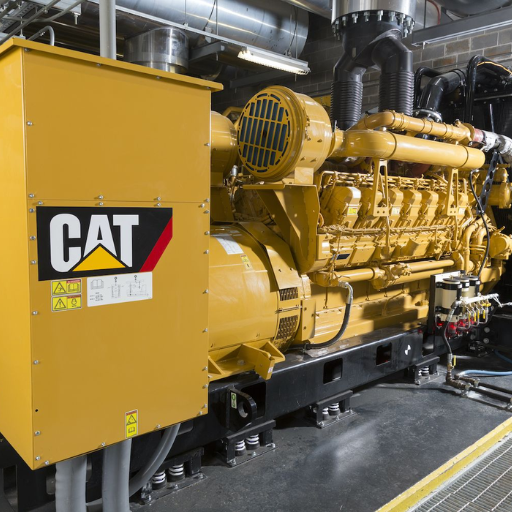
To adjust generator voltage for optimal performance, the following steps should be taken:
- Check the Voltage Setting
Check the control panel of the generator to see the voltage setting. It should be set at the operational requirements and equipment conditions.
- Use the Voltage Regulator
Adjust the voltage regulator on the generator as required. Following the company guidelines, increase or decrease the output voltage as necessary.
- Monitor Voltage Output
Monitor the generator’s output voltage using a voltmeter or the adjustable meter on the control panel. Scrutinize the adjustments done to confirm the desired range within system limits is achieved.
- Test with Load
Cautiously adjust the load to be connected to the generator and check for voltage stability during real operating conditions. Confirm that the adjustments done preserve consistent voltage while in use.
For precise and safe actions with the generator, always refer to the user manual or consult a qualified technician especially when making changes.
Tools Needed for Voltage Adjustment
To adjust the voltage levels quickly and safely, these pieces of equipment are necessary:
- A multimeter, either analog or digital. To adjust the voltage correctly and safely, it is critical to have an adjustable multimeter to check the generator’s output voltage. Along with a properly calibrated device, the multimeter needs to be checked for accuracy on all levels of voltage measurement
- Insulated screwdrivers: These tools help in the making of all regulations to the volt meters and electric parts of the machine, thus lowering the chances of being shocked while amending the cold parts these devices.
- Load Bank: A load bank provides a means to apply electrical load to the generator in a controllable manner for testing voltage stability under realistic operational conditions.
- Safety gloves and protective clothing: Use insulated gloves and non-conductive protective clothing to reduce the possibility of coming into contact with unintended electrical current.
- user manual: They contain critical configuration and adjustment procedures with safety considerations relevant to the specific model of the generator.
- Oscilloscope (optional): More sophisticated devices used in monitoring the output voltage waveforms and frequencies.
All of the above tools together with compliance with safety protocols will guarantee safe voltage adjustment, equipment and operator safety.
Common Mistakes in Adjusting Voltage
1. Neglecting Proper Calibration Not adjusting tools like multimeters and oscilloscopes in advance can lead to voltage changes being made, measurements taken, and settings adjusted which are out of spec for the system and may lead to damage.
2. Bypassing Manufacturer Guidelines Over-adjusting voltage with no regard to certain restrictions may result in performance loss. Always check the documentation of the equipment to have it run step by step in the logic flow described.
3. Ignoring Load Variations Inconsistent results are more likely to occur if there’s no allowance for current and future load variations when performing voltage adjustments.
4. Not Testing Under Load Conditions Many operators adjust in no-load conditions while the system is running, resulting in untested voltage parameters for the “normal” state. Discrepancies can result where actual performance is worse than expected.
5. Inadequate Safety Procedures: Not using PPE or failing to isolate systems prior to changes increases the risk of electrical burns or equipment failure.
Precise and safe voltage adjustments, maintaining system operational reliability, and preventing unnecessary wear and damage requires adherence to industry best practices. Measurement and testing should be prioritized, regardless of the sequence order dictated by the procedure.
What Are the Different Types of Generators and Their Voltage Outputs?

Generators are categorized based on their application and potential voltage output capabilities into the following classes:
- Portable Generators: Typically designed for temporary power needs, these generators usually provide voltage outputs ranging from 120V to 240V, making them suitable for home appliances, tools, or small-scale outdoor events.
- Standby Generators: These types deliver voltage outputs ranging between 120V to 480V. Standby generators are primarily used by homes or businesses requiring backup instand power systems.
- Industrial Generators: These are used in industrial settings to fuel heavy machinery and equipment. Ranging around 480V to several thousand volts, these devices are constructed to support massive energy requirements.
- Renewable Energy Generators (e.g., solar, wind): Employed to transform energy sources into usable electronic power, these devices can have their voltages outputs varied based on system design. However for battery charging they are commonly set at 12V and can exceed 600V.
As noted above, every generator is designed with the notion of specific power requirements in mind which highlights the importance of voltage output capabilities with respect to the application in question.
Industrial Generators Explained
Generators for industries are powerful systems built for large-scale energy use. They can be divided into diesel, natural gas, and dual-fuel types, each with differing value on cost effectiveness, availability, and emission factors. Diesel generators are still most widely used for industrial purposes. This is because they are dependable, long-lasting, and have a high power output. These types of generators are best for large operations and areas with good access to storage for fuel.
Natural gas generators have an edge over other types as they can be connected to existing pipelines, reducing emissions while providing a continuous supply of fuel, serving as fuel storage for the gas. This directly lowers operational maintenance costs. On the other hand, dual fuel generators are versatile as they switch between diesel and natural gases, making use of whichever is cheaper at the moment. This provides great cost efficiency and fuel security.
Innovation in technology has greatly affected the operation, generator fuel consumption, emissions, and even the noise they make. Today, most generators used in industries such as manufacturing, healthcare, and data science come equipped with mechanisms that can monitor performance, manage loads, and control switching. There is an uninterrupted need for high performance in critical operations. The ongoing evolution in hybrid systems makes construction generators that are less harmful to the environment, and increases the overall reliance on alternative power systems.
Comparison of Diesel Generator Sets
In order to obtain the best diesel generators, the most important aspects to consider are construction efficiency, generator durability, noise levels, and the environmental impact. Each modern diesel generator comes equipped with heavy-duty construction which ensures proper usage for a long time. With the right maintenance, most generators are able to function effectively and efficiently for thousands of hours. Heavier loads are usually easier for commercial and industrial generators to work through due to the high-load capacities they possess. Therefore, they are designed to endure intense power requirements.
Another positive feature of the diesel generators its ability to be cost efficient. Lower operation costs during the long run can be expected because diesel engines utilize fuel more efficiently in comparison to gasoline engines. The reduced emission of harmful gases and enhanced fuel performance can be attributed to the advance turbocharging systems and fuel injectors that most modern generators have started using.
Noise Reduction Technology A diesel Generator manufacturers noise reduction technology has progressed increasingly. Hospitals, residential buildings, and offices have greatly benefitted from improved trim damping methods, integrated silencers, improved enclosure designs, and upgraded silencers. These advancements have resulted in quieter operations.
While noise-dampening technologies have greatly impacted the construction sector, environmental impacts concerning the emission of diesel generators equipped with emission control technologies such as Diesel Particulate Filters (DPFs) and Selective Catalytic Reduction (SCR) systems are compliant with regulations stated on Tier 4 in the US and Stage V in Europe. With these technologies, the release of Dioxode, Nitrogen, and particulate matter is minimal, leading to sustainable practices.
While these technologies are beneficial, charges for upfront diesel generators, maintenance, and diesel accessibility need to be carefully evaluated. Users should also evaluate their specified power requirements, maintenance, fuel accessibility, peak load demands, and operational revive time. These thorough assessments will aid the selection of the most appropriate generator model for application and ensure optimal performance. This, in turn, aids cost-effectiveness and improves environmental accountability.
Three-Phase vs. Single-Phase Generators
|
Key Point |
Single-Phase Generators |
Three-Phase Generators |
|---|---|---|
|
Power Output |
Lower, suitable for small loads |
Higher, ideal for heavy loads |
|
Phase Structure |
Single alternating current (AC) |
Three alternating AC currents |
|
Efficiency |
Less efficient |
More efficient |
|
Voltage Stability |
Moderate |
Highly stable |
|
Applications |
Residential and small businesses |
Industrial and large facilities |
|
Cost |
Lower upfront cost |
Higher upfront cost |
|
Design Complexity |
Simple |
Complex |
|
Maintenance Requirements |
Minimal |
Higher |
|
Wire Requirements |
Two wires |
Three or four wires |
|
Compatibility with Motors |
Limited performance |
Optimized for motor operations |
|
Peak Load Capacity |
Low |
High |
|
Power Distribution Balance |
Less balanced |
Balanced across phases |
|
Energy Loss |
Higher |
Lower |
|
Long-Distance Efficiency |
Not ideal |
Excellent |
|
Reliability in Heavy-Duty Use |
Less reliable |
Highly reliable |
How to Measure Generator Voltage Accurately?

Accurately measuring generator voltage output involves the following steps:
- Prepare the Multimeter
Always ensure the measurement device you are using, particularly a multimeter, is in good condition and set to the AC voltage function. Generators commonly output AC voltage, thus, the multimeter must be set to AC voltage as well.
- Identify the Terminals
Mark every generator’s output terminal connection as positive and negative according to the user’s manual which should be referenced. For three phase generators, manual references should include their phase output definitions, and respective associate markings. This ensures proper identification of the phase outputs.
- Connect the Multimeter Probes
Attach the multimeter probes to the corresponding terminals. For single phase generators, they should attach the red probe to the positive terminal and black probe to the negative or neutral terminal. In the event of three phase generators, attachment should be done across all phase output pairs to allow for reading consistency.
- Take the Reading
Proceed to switch on the generator. Its display along with the connected multimeter should output a voltage reading which is then recorded. It is critical to match the recorded value to the rated specs of the generator to confirm successful measurement.
- Verify Stability
Observe the output voltage measurement for a short duration. During that time, the measure value should stabilize, for the duration observed. If substantial changes or volatility occur, the generator might have issues.
Following through with the above steps will guarantee accurate measurement of voltage output. These in turn provide the correct insight for addressing maintenance issues thereby enhancing performance. While performing these measurements, safety should be a priority and user manuals should provide the most detailed information about the device in question.
Using a Multimeter to Measure Voltage
- Select the Correct Voltage Range
Set the multimeter to the appropriate voltage range for the specific type of circuit being measured. For DC circuits, select the “V⎓” symbol and for AC circuits, the “V∿” setting. Always make sure the voltage range selected is higher than the expected maximum voltage in order to avoid damaging the device.
- Inspect and Prepare the Multimeter Leads
Check the multimeter charger leads and look for any signs of damage as worn probes may cause dangerous inflations or inaccurate readings. The red probe should be plugged to the terminal labeled “VΩ” or “V,” while the black probe plugs to “COM” terminal.
- Connect the Probes to the Circuit
Minimally move the probes as to contact with the circuit under examination. While the black probe should be placed to the ground or negative terminal of the circuit, the red probe is placed at the live or positive terminal. Stability should always be maintained in order to avoid connecting issues.
- Read and Interpret the Voltage Measurement
Now observe the reading shown on the screen of the multimeter. In DC systems a steady value will be displayed, and a balanced value will replacing fluctuating values in AC circuits because of its alternating current nature. Use operational specifications of the circuit to evaluate performance against the voltage measurement.
If you really want to prioritize operator and equipment safety while achieving accurate readings, consider following the outlined steps. To validate a circuit’s operation and ensure it is functioning optimally, a multimeter is a critical piece of equipment used for measurements and assessments.
Best Practices for Voltage Measurement
To properly carry out safe voltage measurements, it is necessary to follow recommended practices. First off, ensure that your multimeter is within the voltage scope you intend to measure, observing relevant safety regulations like IEC 61010. Prior to measuring, inspect the multimeter and test leads for wear and damage to avert hazards.
Admiring your equipment comes with certain checks you need to perform. Firstly, ensure that the measuring device is properly calibrated. Moreover, ensure proper maintenance tools are used when undertaking any high-voltage jobs. Also ensure proper grounding measures are utilized to evade transient voltage jumps or inaccuracies triggered by floating grounds.
When dealing with a multimeter, one should regularly calibrate it. It’s advisable to follow the manufacturer’s recommendations concerning time intervals. If in doubt, it is better to err on the side of caution and trust the assumption that is more favorable. Moreover, make use of advanced multimeters containing features such as True RMS measurements for non-linear loads or data logging capability for complete assessment of voltage trends over time.
Embracing these practices improves safety in the workspace, reduces the likelihood of equipment malfunctions, and enhances the dependability of measurements garnered.
Reference Sources
-
Experimental study on self-excited induction generator for small-scale isolated rural electricity applications
This paper explores the optimal configuration for self-excited induction generators (SEIGs) in rural electricity applications, focusing on maintaining excitation and voltage generation. -
Operating the Induction Motor as a Generator Mode by Supplying DC Voltage
It investigates the operation of three-phase asynchronous motors as alternators, analyzing voltage variations based on excitation current and RPM. -
Microgrid Frequency Regulation and Optimal Sizing of Emergency Generator Considering VSG Coupled Electric Vehicles
This study emphasizes the role of Automatic Voltage Regulators (AVRs) in maintaining voltage stability in microgrids, particularly with VSG-coupled electric vehicles. -
Doubly fed induction machine-based DC voltage generator with reduced oscillations
The paper compares field-oriented control methods to reduce torque and voltage oscillations in doubly fed induction machines.
Frequently Asked Questions (FAQs)
Q: What is the relationship between generator voltage and power output?
A: The generator voltage is directly related to the power output; higher voltage can lead to more efficient electricity production, making it essential to understand generator voltage for optimal performance.
Q: How can I adjust the voltage of my generator to meet my power needs?
A: Adjusting the voltage can be done through the voltage regulator or by altering generator setups. It’s important to ensure that the adjustments match the specific voltage requirements of your power source.
Q: What components are involved in controlling the voltage of a generator?
A: Key components include the voltage regulator, engine speed controls, and the stator. These elements work together to maintain the proper voltage for efficient generator output.
Q: Can I use a generator with a diesel engine for backup power?
A: Yes, diesel engine generators are commonly used for backup power due to their reliability and ability to produce consistent voltage under load, making them a great choice for emergency situations.
Q: What is the ideal RPM for a generator to maintain stable voltage?
A: The ideal RPM for stable voltage production typically depends on the generator type and design, but many generators operate optimally at around 1800 RPM for producing 60 Hz electricity.
Q: What should I do if my generator’s voltage output is fluctuating?
A: If the voltage output is fluctuating, it may be due to improper connections and wiring or a malfunctioning component. It’s advisable to consult a professional for diagnosis and repair.
Q: How often should I perform regular maintenance on my generator to ensure proper voltage?
A: Regular maintenance should be performed at least once a year or as recommended by the manufacturer to ensure that all components are functioning correctly and to safeguard against voltage output issues.
Q: What are the implications of using an adjustable voltage generator?
A: An adjustable voltage generator allows for flexibility in power output, enabling users to match the generator to their specific needs, but it requires careful setup and understanding of the voltage required for different applications.
Q: Why is understanding generator voltage important for industrial motors?
A: Understanding generator voltage is crucial for industrial motors because they often require specific voltage levels to operate efficiently, and improper voltage can lead to overload and equipment failure.
Q: How can additional component adjustments affect generator output?
A: Additional component adjustments, such as tuning the voltage regulator or modifying the engine speed, can significantly enhance generator output by ensuring that the voltage remains within required levels for optimal performance.