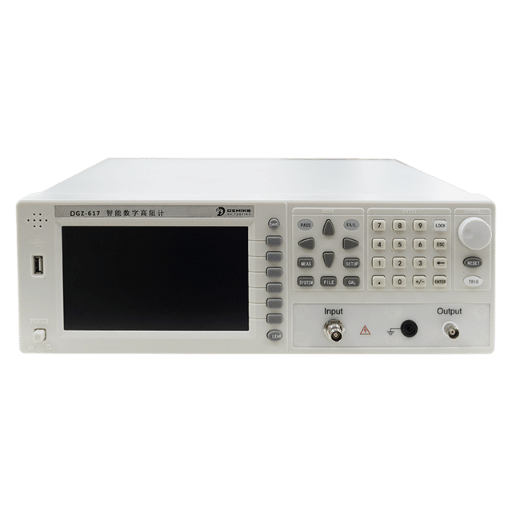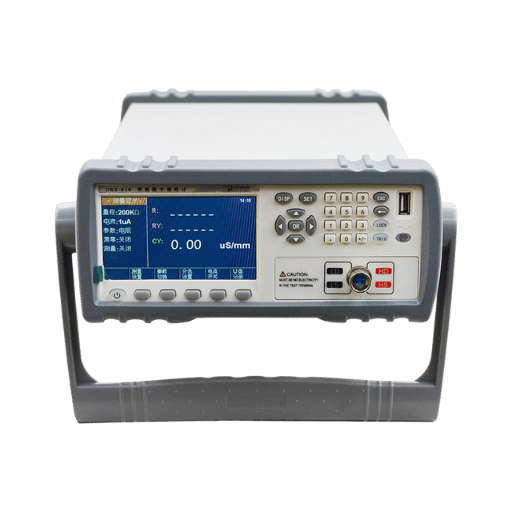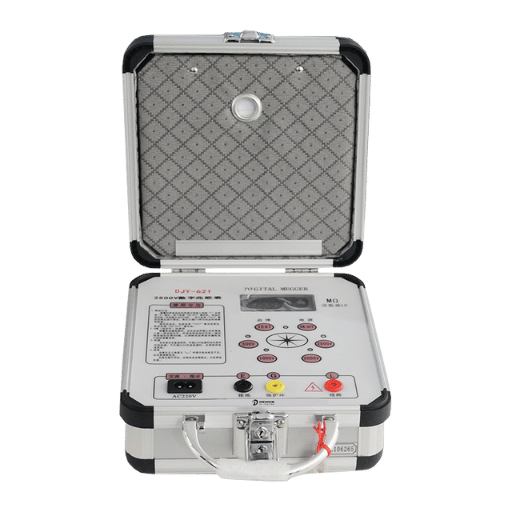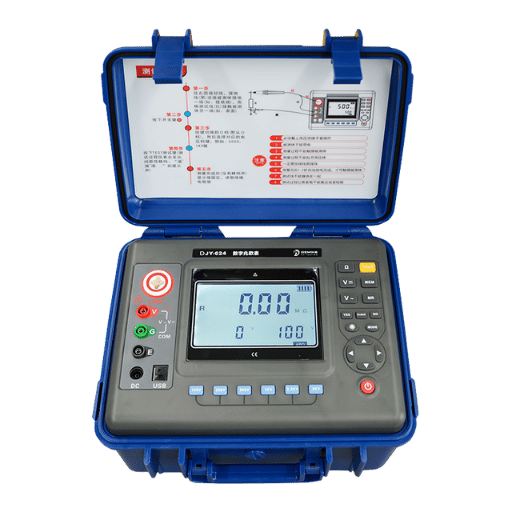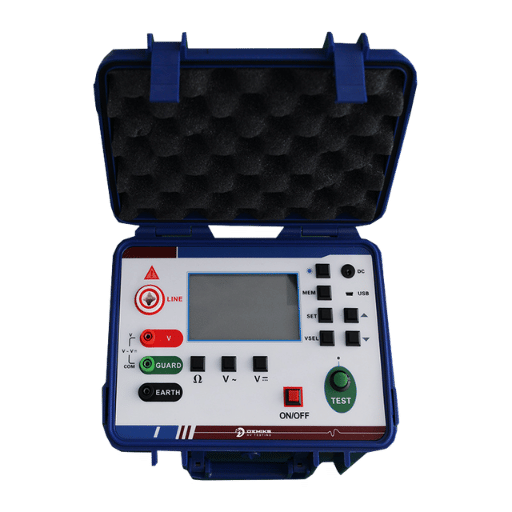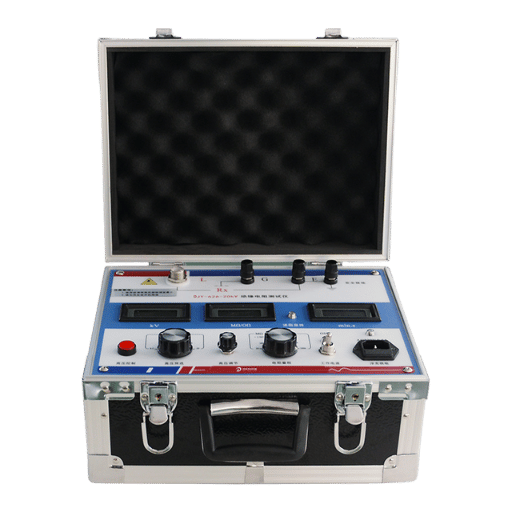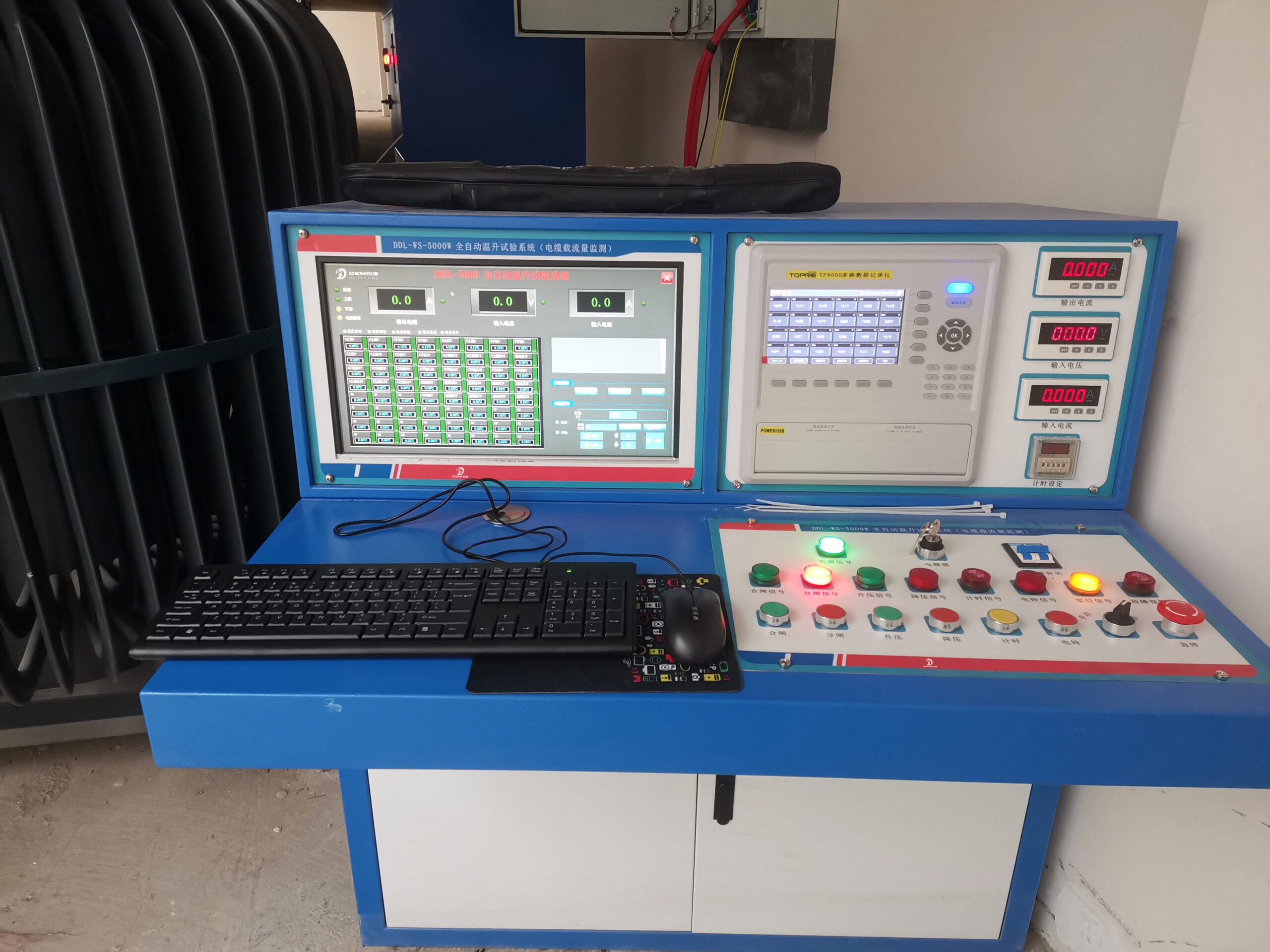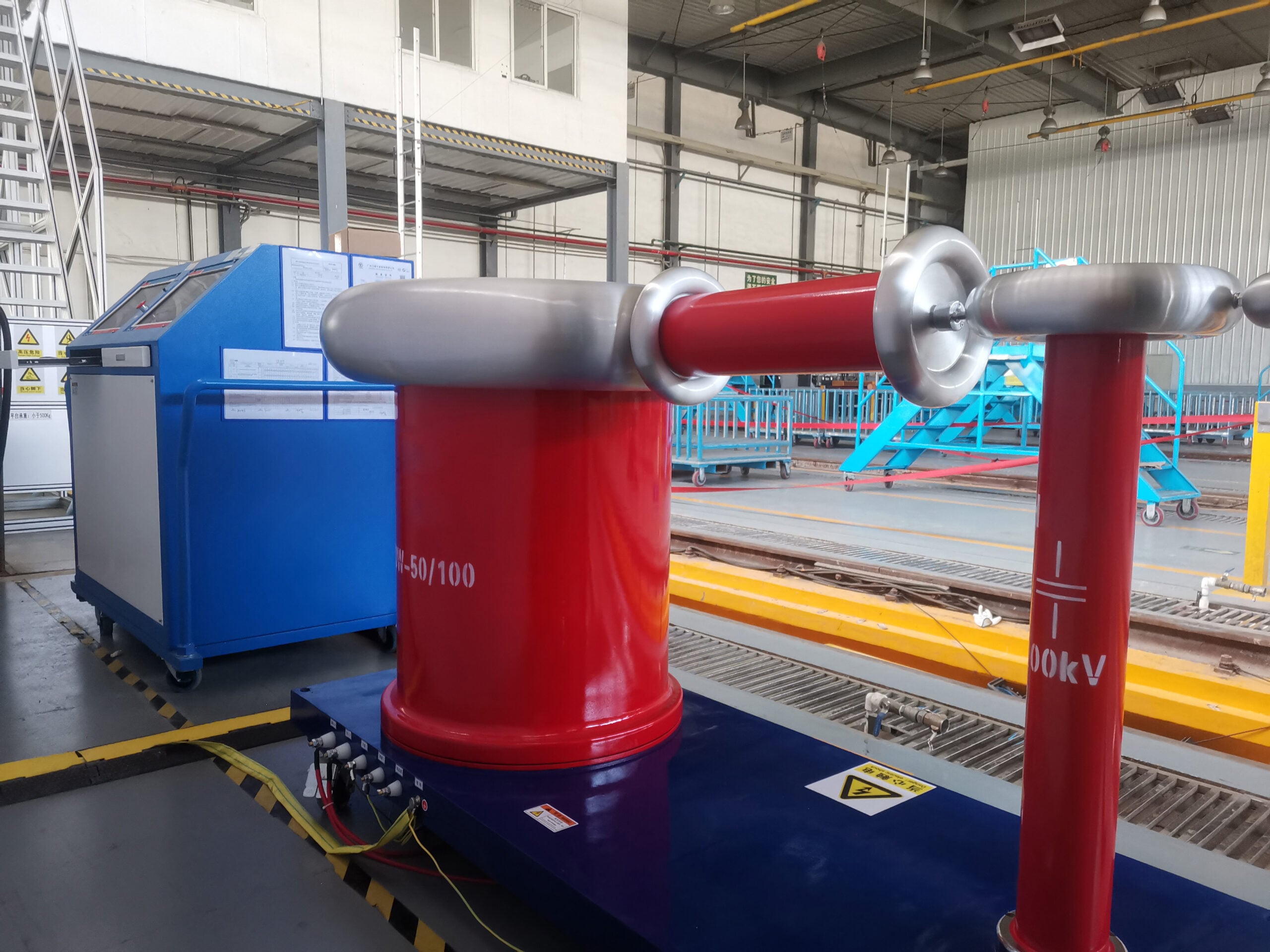
As a functional component in most electric industries and maintenance, Digital insulation resistance testers (megohmmeters) help in measuring the insulation resistance of units and systems. Ensuring safety, reliability, and compliance of the devices with standards, these systems aids in determining industry compliance. From troubleshooting rehearsed equipment to routine maintenance and new installation certifying, all of these procedures has been made easier with the presence of digital testers, allowing precision, advanced features, and improved productivity. Megohmmeters has long provided essential functions in maintaining electric standards. Their operational features, key factors to consider while purchasing, and outstanding performance of the digital insulation resistance testers will be discussed in detail in this ultimate guide. Having gone through this article, a reader will be equipped in knowing the practical uses and operational features of the testers, and how to select the appropriate tester for the intended purpose.
What Is a Digital Insulation Resistance Tester?

A digital insulation resistance tester, often referred to as a megohmmeter, is a device used to measure the insulation resistance of electrical systems, components, or equipment. It works by applying a high DC voltage across the insulation and measuring the resulting current to determine resistance levels. This tool is essential for detecting insulation degradation, which helps prevent electrical failures, enhance safety, and ensure system reliability in industrial, commercial, and residential applications.
How Does a Digital Insulation Resistance Tester Work?
When using a digital insulation resistance tester, the device applies a high direct current (DC) voltage—commonly ranging from 250V to 5,000V—across the insulation material. This creates a potential difference between the conductive parts and the insulating material. The tester then measures the leakage current flowing through the insulation. Using Ohm’s Law, it calculates the insulation resistance as the ratio of the applied voltage to the measured current. Advanced models often include features such as automatic voltage selection, programmable test durations, and diagnostic capabilities to identify issues like moisture ingress, contamination, or material degradation. Results are displayed immediately on the digital interface, allowing for efficient and precise analysis.
Key Features of Digital Insulation Resistance Testers
- Wide Voltage Range
Digital insulation resistance testers typically support a range of test voltages, such as 250V, 500V, 1000V, and 5000V, enabling flexibility in assessing different insulation systems and materials. This allows users to adapt testing to specific equipment requirements.
- High Measurement Accuracy
These devices provide highly accurate resistance measurements, often in the range of megohms (MΩ) to terohms (TΩ), with error tolerances as low as ±1-2%. Precision is crucial for diagnosing early-stage insulation performance deterioration.
- Programmable Test Durations
Programmable configurations allow users to set test durations, such as 1 minute, 10 minutes, or longer, to perform time-dependent tests like Polarization Index (PI) or Dielectric Absorption Ratio (DAR).
- Data Logging and Storage
Advanced models offer internal memory and data logging capabilities to store thousands of test results. This feature facilitates trend analysis and complies with comprehensive maintenance schedules.
- Real-Time Diagnostics
Integrated diagnostic features, like the ability to detect insulation moisture levels and contamination, help predict potential failures. This is achieved through detailed analysis of leakage currents and insulation capacitance.
- Automatic Discharge
Built-in automatic discharge functionality safely dissipates any residual charge present in the system under test. This ensures user safety and prevents damage to sensitive equipment.
- Robust Build and IP Ratings
Often designed to withstand harsh environments, digital insulation testers are engineered with protective casings and are rated IP54 or IP65 for resistance to dust and water ingress.
- Advanced Interface Options
Equipped with a modern user interface, these devices may include LCD or LED displays and connectivity options like USB and Bluetooth for data transfer and software integration.
- Standards Compliance
Digital insulation resistance testers adhere to international safety standards, such as IEC 61010-1 or CAT III/CAT IV, ensuring their suitability for industrial-grade applications.
- Power Source Versatility
Most testers are dual-powered, capable of operating on rechargeable batteries or direct AC power, maximizing convenience across varied testing scenarios.
Difference Between Insulation Resistance Testers and Multimeters
|
Key Point |
Insulation Resistance Testers |
Multimeters |
|---|---|---|
|
Primary Function |
Measures insulation resistance |
Measures multiple electrical parameters |
|
Typical Measurement Range |
High resistance, up to teraohms |
Low to moderate resistance |
|
Usage |
Insulation and leakage testing |
General electrical diagnostics |
|
Test Voltage |
Applies high voltage (up to 10kV) |
Operates at low voltage |
|
Applications |
Motors, cables, transformers, etc. |
Circuits, components, general devices |
|
Safety Standards |
Adheres to CAT III/CAT IV and IEC 61010-1 |
Varies by design, usually lower standards |
|
Power Supply |
Rechargeable batteries or AC power |
Typically batteries only |
|
Advanced Features |
Polarization index, dielectric absorption |
Basic measurements with fewer features |
|
Durability |
Built for industrial environments |
Typically less rugged |
|
Cost |
More expensive |
Generally more affordable |
Why Choose a Digital Megohmmeter Over an Analog Model?

Digital megohmmeters offer several advantages over their analog counterparts, making them the preferred choice for modern applications. Firstly, digital models provide higher precision and enhanced readability with clear numerical displays, reducing the chances of human error during interpretation. Additionally, they often include advanced features such as data storage, automated test sequences, and connectivity options for remote monitoring or analysis. Digital megohmmeters also boast superior durability and compliance with stricter safety standards, ensuring reliability even in demanding industrial environments. These benefits collectively make digital megohmmeters more efficient, user-friendly, and versatile for insulation resistance testing.
Advantages of Digital Insulation Resistance Testing
- Enhanced Accuracy: Digital megohmmeters provide precise and consistent readings with minimal measurement error, making them ideal for critical testing applications.
- User-Friendly Interface: Equipped with intuitive displays and controls, these instruments simplify operation, even for users with limited technical experience.
- Data Storage Capabilities: Many models include built-in memory to store test results, allowing for easier record-keeping and analysis over time.
- Automated Test Sequences: Digital units often feature programmable test sequences, enabling consistent and efficient testing without manual intervention.
- Connectivity Options: Advanced devices support USB, Bluetooth, or wireless connectivity, facilitating remote data transfer, monitoring, and integration with other systems.
- Safety Features: Designed with advanced safety mechanisms such as voltage warning indicators and overload protection, digital megohmmeters ensure safer operation during high-voltage insulation testing.
- Durability: Rugged construction and compliance with industrial standards ensure the reliability of these devices in harsh environmental conditions.
- Wide Measurement Range: Digital models often support expansive measurement ranges, accommodating diverse testing scenarios from domestic to industrial applications.
- Real-Time Analysis: Modern digital units provide real-time feedback and analysis, enabling immediate identification of insulation defects or issues.
- Energy Efficiency: Many digital devices are designed with lower power consumption, extending battery life and reducing operational costs.
Comparing Digital and Analog Megohmmeters: Which is Better?
|
Key Point |
Digital Megohmmeters |
Analog Megohmmeters |
|---|---|---|
|
Accuracy |
High precision with minimal errors |
Moderate, prone to parallax errors |
|
Ease of Use |
User-friendly with clear digital display |
Requires manual readings and skill |
|
Measurement Range |
Broad, supports diverse applications |
Limited to specific ranges |
|
Real-Time Analysis |
Instant feedback and diagnostics |
No real-time capability |
|
Durability |
Sensitive to harsh environments |
Robust and more resistant |
|
Power Consumption |
Energy-efficient, long battery life |
No battery required, mechanical design |
|
Portability |
Lightweight, easy to carry |
Bulkier, less portable |
|
Maintenance |
Regular calibration required |
Minimal maintenance |
|
Cost |
Higher initial investment |
Generally more affordable |
|
Data Logging |
Advanced capability for data storage |
Lacks data storage functionality |
Top Features to Look for in Digital Models
When evaluating digital megohmmeters, it’s essential to focus on features that enhance accuracy, reliability, and efficiency. Below are some key features to consider:
- Wide Measurement Range: High-quality digital models typically provide a wide resistance range, often from 1 MΩ to 10 TΩ, accommodating a variety of testing environments, from low-resistance utilities to high-insulation industrial applications.
- Adjustable Test Voltages: Look for instruments offering multiple test voltage options, such as 250V, 500V, 1000V, and up to 5kV or more, allowing for flexible testing scenarios based on the insulation material and application requirements.
- High Accuracy: Ensure a precision level of ±5% or better to deliver reliable results, which is critical for detecting subtle insulation degradation.
- Data Logging and Storage: Advanced models often incorporate data storage for time-stamped results, with download capabilities via USB or Bluetooth for later analysis.
- Real-Time Digital Display: A clear, high-resolution display with backlighting is crucial for reading resistance values in diverse lighting conditions. The display should also show essential parameters such as test voltage, current, and elapsed testing time.
- Built-In Safety Features: Ensure that the model includes features like safety interlocks, automatic discharge of test circuits after the test is complete, and overvoltage protection for user safety and device durability.
- Durable Build: Industrial-grade models are typically designed to be dustproof, waterproof (e.g., IP54 or higher), and impact-resistant to withstand harsh field conditions.
- Battery Efficiency: Opt for models that use rechargeable lithium-ion batteries for extended testing sessions without frequent recharging. Ideally, aim for at least 6-8 hours of continuous operation.
- Compatibility with Standards: The device should comply with international safety and performance standards like IEC 61010-1 and CAT IV 600V ratings, ensuring suitability for high-performance and safe electrical testing.
By emphasizing these features, technicians can select a digital megohmmeter that provides optimal performance for their specific insulation testing needs.
How to Choose the Right Megohmmeter?

When choosing the right megohmmeter, consider the following key factors:
- Voltage Range: Ensure the device can generate the test voltages required for your specific application, typically ranging from 250V to 5000V depending on industrial needs.
- Measurement Accuracy: Look for a megohmmeter with a high degree of precision, where low uncertainty ratings are critical for reliable insulation assessments.
- Environment Suitability: Opt for a device designed to perform in your working conditions, such as extreme temperatures or high humidity.
- Ease of Use: Features such as a clear LCD, intuitive interface, and lightweight design enhance efficiency and convenience during operation.
- Battery Life: Confirm that the battery life meets operational demands, enabling uninterrupted testing in field environments.
- Safety Features: Prioritize models adhering to IEC and CAT safety standards to minimize electrical risks in high-energy applications.
By aligning these considerations with your testing requirements, you can ensure the selection of a dependable and efficient megohmmeter.
Factors to Consider When Selecting a Megohmmeter
- Measurement Range: Ensure the megohmmeter can measure the range of insulation resistance values required for your specific application.
- Test Voltage: Verify that the device supports appropriate test voltage levels, as different insulation systems require specific voltage ranges for accurate evaluation.
- Accuracy: Select a model with a high accuracy rating to guarantee precise measurements, especially in critical testing environments.
- Portability: Assess the device’s size, weight, and overall portability to match its intended usage, whether in the field or a controlled lab setting.
- Battery Life: Confirm that the battery life meets operational demands, enabling uninterrupted testing in field environments.
- Safety Features: Prioritize models adhering to IEC and CAT safety standards to minimize electrical risks in high-energy applications.
- Data Storage and Connectivity: Consider a megohmmeter with built-in data storage and connectivity options, such as USB or wireless communication, to facilitate easier data transfer and analysis.
- Durability: Evaluate the device’s material and build quality to endure harsh environments, including extreme temperatures, dust, or moisture exposure.
- Ease of Use: Look for intuitive controls, clear displays, and straightforward operation that enhance usability and reduce the learning curve for new operators.
- Additional Features: Explore any supplementary capabilities, such as timed tests, automatic discharge, or multi-functionality, that could add value to the testing process.
By taking all these factors into account, you can select a megohmmeter that aligns precisely with your technical and operational requirements.
Understanding the Importance of Test Voltage
Test voltage is a critical parameter in insulation resistance testing, as it determines the effectiveness and reliability of the assessment. Selecting the correct test voltage minimizes the risk of equipment damage while ensuring accurate readings. Generally, the test voltage should align with the insulation’s rated operating voltage, typically applying a factor between two to ten times the device’s operational voltage, depending on the industry standard or insulation class.
Excessive test voltage can overstress insulation, potentially causing breakdown or misleading results, while insufficient voltage may fail to reveal latent insulation defects. For low-voltage equipment, test voltages often range from 250V to 500V. For medium to high-voltage systems, values between 1kV and 15kV are commonly employed, ensuring results represent actual insulation performance under operating conditions.
Additionally, environmental conditions, such as temperature and humidity, can influence insulation testing accuracy. Implementing the proper test voltage within the parameters recommended by standards like IEEE 43 or IEC 60034 ensures the process is both precise and compliant, making it an essential consideration for maintenance or commissioning activities.
Comparing Megohmmeter Models: 6529, 1060, and 1015
|
Parameter |
Megohmmeter 6529 |
Megohmmeter 1060 |
Megohmmeter 1015 |
|---|---|---|---|
|
Voltage Range |
50V – 1000V |
50V – 5000V |
50V – 1000V |
|
Resistance Measurement Range |
Up to 200 GΩ |
Up to 2 TΩ |
Up to 4000 MΩ |
|
Test Current |
1 mA |
|
1 mA |
|
Display Type |
Digital LCD |
Dual display (Digital & Bar) |
Digital LCD |
|
Power Source |
Rechargeable battery |
Alkaline batteries |
|
Data Storage |
Up to 150 tests |
Up to 1300 tests |
No storage |
|
Weight |
~2.2 lbs |
~4.4 lbs |
~1.5 lbs |
|
Application Focus |
General electrical testing |
Industrial high-voltage |
Compact, portable |
|
Compliance Standards |
IEC 61010 |
IEC 61010, IEEE standards |
IEC 61010 |
|
Connectivity |
USB download port |
USB and Bluetooth |
None |
How to Use a Digital Insulation Tester Safely?

To follow the steps to operate a digital insulation tester safely, proceed as follows:
- Understand the Equipment: Wiithin the boundaries of the operation, go through the user manual, device specs, and safety precaution header. Make sure to use a tester within the bounds of applicable standards.
- Inspect the Tester and Environment:Look for any elements externally that show damage towards the insulation tester. Make sure the environment contains no moisture, dust, or any other contaminants which can alter the readings along with space free of robotic movements.
- Proper Voltage Selection: Choose an appropriate test voltage for the specific piece of equipment being evaluated, taking into consideration relevant standards such as IEEE or IEC.
- Isolate the Equipment: Ensure that the equipment under test is completely disconnected from the power source and is in a powered down state to eliminate the risk of electric shock.
- Apply Safety Gear: Put on personal protective equipment such as, at a minimum, insulated gloves and safety spectacles, to mitigate risks while testing.
- Set Up and Conduct Testing: Attach the test leads to the relevant test points, ensuring no contact with any live circuits. Proceed to operate the tester sequentially in order to achieve correct and safe readings.
- Review and Interpret Results: Review the test results in accordance with the oven manufacturer’s instructions or the industry standards as to evaluate the insulation condition at hand.
- De-energize and Disconnect: in a safe manner, remove the leads after the test has been carried out. Ensure that the tester is switched off when idle.
Following the outlined safety steps will allow you to minimize risks while getting dependable results from an insulation test.
Safety Precautions for Using Digital Insulation Testers
When using a digital insulation tester, I always follow specific safety precautions to ensure proper operation and avoid hazards. First, I verify that the equipment being tested is completely de-energized and discharged to prevent electrical shock or damage. I also ensure the testing environment is free of moisture, as water can compromise the accuracy of the results and increase risks during testing. While connecting the test leads, I double-check their condition and ratings to confirm they are suitable for high-voltage insulation testing.
Before starting the test, I carefully configure the tester according to the manufacturer’s instructions, selecting the correct voltage range applicable to the system. During the procedure, I maintain a safe distance and avoid touching conductive parts. I also make sure to discharge any residual charge on the test equipment post-measurement to eliminate the risk of stored energy causing harm. By adhering to these steps and consistently prioritizing safety, I achieve reliable results while minimizing risks to myself and the equipment.
Step-by-Step Guide to Conducting Insulation Resistance Testing
1. Preparation and Safety Checks
-
- Verify that the equipment is properly de-energized and isolated from any power sources before beginning the test.
- Inspect the testing device for any signs of damage or potential malfunction.
- Ensure all personnel involved are wearing appropriate personal protective equipment (PPE), such as insulated gloves and safety goggles, to mitigate risks.
- Selection of Testing Equipment
- Choose an insulation resistance tester (commonly referred to as a megohmmeter) suitable for the voltage level of the equipment under test.
- Confirm the tester’s calibration and functioning according to the manufacturer’s guidelines.
- Connecting the Test Leads
- Connect the test leads from the insulation resistance tester to the equipment terminals, ensuring a secure and stable connection.
- Clearly identify the test points to avoid cross-connections or errors during the measurement process.
- Voltage Setting
- Set the appropriate test voltage on the insulation resistance tester, ensuring it aligns with the specifications of the equipment being tested. Typically, test voltage ranges should not exceed the rated voltage by more than the recommended factor.
- Performing the Test
- Activate the test device and initiate the insulation resistance test, maintaining steady control of the equipment.
- Monitor the readings on the insulation tester, ensuring measurements remain stable to ascertain reliable results.
- Interpreting Results
- Compare the measured insulation resistance values with the manufacturer’s standards or industry benchmarks to determine the condition of the insulation.
- Record all measurements and any observed anomalies for further analysis or reporting.
- Post-Test Procedures
- Discharge any residual voltage from the equipment under test to prevent potential electrical hazards.
- Disconnect the test leads carefully to avoid accidental contact with live elements.
- Review all recorded data and document the findings comprehensively for maintenance logs or compliance requirements.
- Inspection and Cleanup
- Conduct a final visual check of the equipment to ensure no damage occurred during testing.
- Store the testing equipment properly and ensure all tools are accounted for.
By following these steps meticulously, insulation resistance testing can be conducted efficiently and safely, yielding accurate insights into the health of the electrical insulation system.
Common Mistakes to Avoid During Insulation Testing
When performing insulation resistance testing, I focus on avoiding several critical errors that could compromise accuracy or safety:
- Skipping Initial Equipment Checks
Failing to inspect the device under test (DUT) for visible damage, incorrectly terminated wiring, or signs of moisture can lead to inaccurate readings or unsafe testing conditions.
- Improper Test Voltage Selection
Using a test voltage that exceeds the insulation’s rated value can cause insulation damage. Always adhere to the manufacturer’s specifications, such as 500V for low-voltage systems and up to 5kV for high-voltage systems.
- Ignoring Environmental Conditions
Conducting tests in inappropriate conditions, like high humidity or extreme temperatures, may lead to unreliable results. For example, relative humidity above 60% can introduce surface leakage paths, distorting readings.
- Insufficient Test Duration
Insulation resistance tests need time for stabilization, particularly in systems with high capacitance. A duration of at least 1 minute is recommended, as per industry standards like IEEE 43-2013.
- Inadequate Equipment Grounding
Properly grounding the test equipment is crucial to prevent electrical hazards and ensure result accuracy. Never proceed without confirming that a solid ground connection is in place.
- Neglecting Safety Protocols
Testing live circuits or failing to discharge capacitive components post-testing could result in equipment damage or personal injury. Always use a discharge stick to eliminate residual voltage safely.
By addressing these common mistakes, I ensure tests are consistent, reliable, and compliant with industry standards.
What Are the Applications of Insulation Resistance Testing?

Insulation resistance testing has numerous critical applications across various industries to ensure safety, efficiency, and equipment reliability. It is widely used in assessing the integrity of electrical insulation in motors, transformers, cables, and generators. This testing detects degradation or contamination in insulation materials, which could lead to electrical leaks or failures. Additionally, it plays a vital role in preventive maintenance programs by identifying potential issues before they result in costly downtime or hazards. Insulation resistance testing is also essential in quality control during manufacturing processes and in verifying compliance with industry standards and regulatory requirements.
Using Megohmmeters for Motor Maintenance
Megohmmeters are indispensable tools for motor maintenance, offering precise measurements of a motor’s insulation resistance to detect potential electrical faults. Regular testing with megohmmeters ensures the integrity of the motor’s insulation and reduces the risk of failures caused by moisture, dirt, or aging insulation. To use a megohmmeter, the motor must first be disconnected from the power source to prevent damage to the device or motor. Next, test leads are connected to the motor’s winding terminals and its frame to measure the resistance. A healthy motor insulation system typically shows high resistance values in the megohm range, whereas lower values indicate issues such as insulation degradation or contamination. By integrating megohmmeter testing into routine maintenance schedules, technicians can prolong the lifespan of electric motors, enhance operational reliability, and ensure compliance with safety standards.
Role of Insulation Resistance Tester in Electrical Installations
- Detecting Insulation Deterioration: Insulation resistance testers identify early signs of insulation degradation caused by factors like aging, environmental exposure, or material defects, allowing preemptive maintenance.
- Ensuring Safety Standards Compliance: These testers verify that insulation resistance levels meet relevant electrical safety standards, thereby reducing risks of electrical shocks or equipment failures.
- Preventing Equipment Failures: By identifying insulation issues before they lead to breakdowns, insulation resistance testers help prevent costly downtime and improve the overall reliability of electrical installations.
- Assessing Installation Quality: During commissioning, these devices evaluate the quality of new installations to ensure proper workmanship and adherence to design specifications.
- Monitoring Environmental Impact: Insulation resistance testers measure the effects of environmental conditions, such as humidity and temperature, on insulation performance.
- Diagnosing Faults in Circuits: They assist in pinpointing faults or weaknesses in electrical circuits, facilitating targeted repairs and efficient troubleshooting.
- Extending Equipment Lifespan: Regular testing with these devices allows for timely interventions that help maintain insulation integrity, thereby extending the operational life of electrical systems.
- Supporting Predictive Maintenance: Insulation resistance testers form the backbone of predictive maintenance programs by providing data-driven insights into the condition of electrical infrastructure.
- Enhancing Accuracy in System Assessments: These instruments deliver precise measurements, enabling technicians to make informed decisions about system conditions and necessary actions.
How Digital Insulation Testers Benefit Industrial Equipment Management
Digital insulation testers play a critical role in maintaining the reliability and efficiency of industrial equipment. By providing precise and consistent readings, these advanced tools help technicians ensure that insulation integrity meets safety and operational standards. Below is a detailed overview of the benefits and corresponding technical parameters:
- Improved Performance Monitoring
Digital insulation testers allow for continuous and accurate monitoring of insulation performance over time. With testing voltages typically ranging from 500 V to 5 kV, they accommodate various equipment types and insulation classes.
- Early Fault Detection
By identifying deteriorating insulation resistance, often measured in megaohms (MΩ), digital testers aid in preventing breakdowns. Threshold values such as 1 MΩ per kV of operating voltage are used as a general guideline for safety compliance.
- Enhanced Data Storage and Analysis
Many digital insulation testers feature built-in memory and connectivity options for data logging and trend analysis. These capabilities enable technicians to track insulation resistance trends over weeks or months, facilitating predictive maintenance programs.
- Minimized Testing Errors
High precision, typically within ±2% of the reading, ensures reliable results during inspections of critical equipment such as transformers, motors, and switchgear.
- Wide Testing Range for Equipment
With insulation resistance measurement ranges often extending up to 200 GΩ, digital testers are suitable for low-voltage, medium-voltage, and high-voltage equipment testing.
- Reduced Downtime
By using advanced diagnostic features like polarization index (PI) and dielectric absorption ratio (DAR), digital insulation testers provide insights into insulation aging and contamination. Calculated results for PI (ideal values >2.0) and DAR (ideal values >1.25) help optimize maintenance schedules.
By incorporating these tools into industrial operations, facility managers can enhance equipment longevity, reduce unexpected failures, and improve system safety. Digital insulation testers are indispensable for modern industrial equipment management.
Reference Sources
-
Megger Guide to Insulation Testing: A comprehensive guide on insulation resistance testing using Megger instruments.
-
Fluke’s Guide to Insulation Resistance Testing: Insights into best practices and the benefits of using Fluke megohmmeter testers.
-
Hioki’s Guide on How to Use Insulation Testers: A detailed tutorial on using insulation testers effectively.
-
RS-5500/5505 Digital Insulation Tester Manual: A technical manual for understanding the features and usage of digital insulation testers.
-
How to Use a Megohmmeter: A Step-by-Step Guide: A practical guide to using megohmmeters for identifying insulation issues.
Frequently Asked Questions (FAQs)
Q: What is a digital insulation resistance tester, and how does it work?
A: A digital insulation resistance tester, also known as a megohmmeter, is a device used to measure the resistance of electrical insulation. It works by applying a high voltage, typically from 100V to 15 kV, across the insulation and measuring the resistance in ohms. This helps in detecting faulty insulation in electrical equipment, ensuring safety and reliability.
Q: How does the Fluke 1550C differ from other insulation testers?
A: The Fluke 1550C is a high-performance insulation tester designed for testing voltages up to 5kV. It offers digital readings, a true-rms multimeter function, and an analog bargraph for easy interpretation. It is particularly suited for testing insulation in electrical equipment, offering robust features like a multi-function tester kit.
Q: What are the advantages of using a megohmmeter model 1060?
A: The megohmmeter model 1060 offers advanced features like a digital multimeter, true-rms voltage measurement, and high insulation resistance testing capabilities. It is designed for rigorous testing environments and provides accurate measurements even under electrostatic interference, making it suitable for professional use.
Q: Can you explain the use of the hand-cranked megohmmeter?
A: A hand-cranked megohmmeter is a type of insulation tester that generates test voltages manually. This is particularly useful in situations where power sources are not readily available. Despite the manual operation, it effectively measures resistance and ensures the safety of electrical equipment by identifying faulty insulation.
Q: What safety precautions should be taken when using a 15 kV insulation tester?
A: When using a 15 kV insulation tester, it is crucial to follow safety protocols such as wearing insulated gloves, ensuring the device is CAT IV rated for high voltage environments, and never using the tester on live circuits. Proper precautions prevent electrical shock and ensure accurate measurement of resistance.
Q: How do Fluke insulation testers compare with AEMC models?
A: Fluke insulation testers, like the Fluke 1550C, are known for their durability and accuracy in measuring resistance with multi-function capabilities. AEMC models, such as the megohmmeter model 1015, also offer reliable performance with features like handheld portability. Both brands provide excellent tester kits, but Fluke is often preferred for its advanced digital features.
Q: What is the significance of a multi-function digital multimeter in insulation testing?
A: A multi-function digital multimeter in insulation testing allows users to perform various measurements, including voltage, current, and resistance, all in one device. This versatility is useful for comprehensive electrical diagnostics and ensures the safety and functionality of electrical systems by providing accurate readings across different parameters.
Q: Why is it important to measure resistance with a continuity tester?
A: Measuring resistance with a continuity tester is crucial for identifying the integrity of electrical circuits. It helps detect breaks or faulty insulation in the wiring, which can prevent electrical failures and ensure the safety of the system. Continuity testers are essential tools for maintaining reliable and efficient electrical installations.
Q: What role does the analog bargraph play in insulation testers?
A: An analog bargraph in insulation testers provides a visual representation of the measurement, allowing for quick assessment of insulation resistance levels. It complements digital readings by offering an intuitive display, which can be particularly useful in fluctuating or unstable conditions, enhancing the ease of use during testing.


![Partial Discharge Test Equipment: Types, Selection & IEC 60270 Guide [2026]](https://demikspower.com/wp-content/uploads/2026/05/0-10.webp)

![What Instrument Is Used to Measure Temperature? [2026 Guide]](https://demikspower.com/wp-content/uploads/2026/05/0-8.webp)