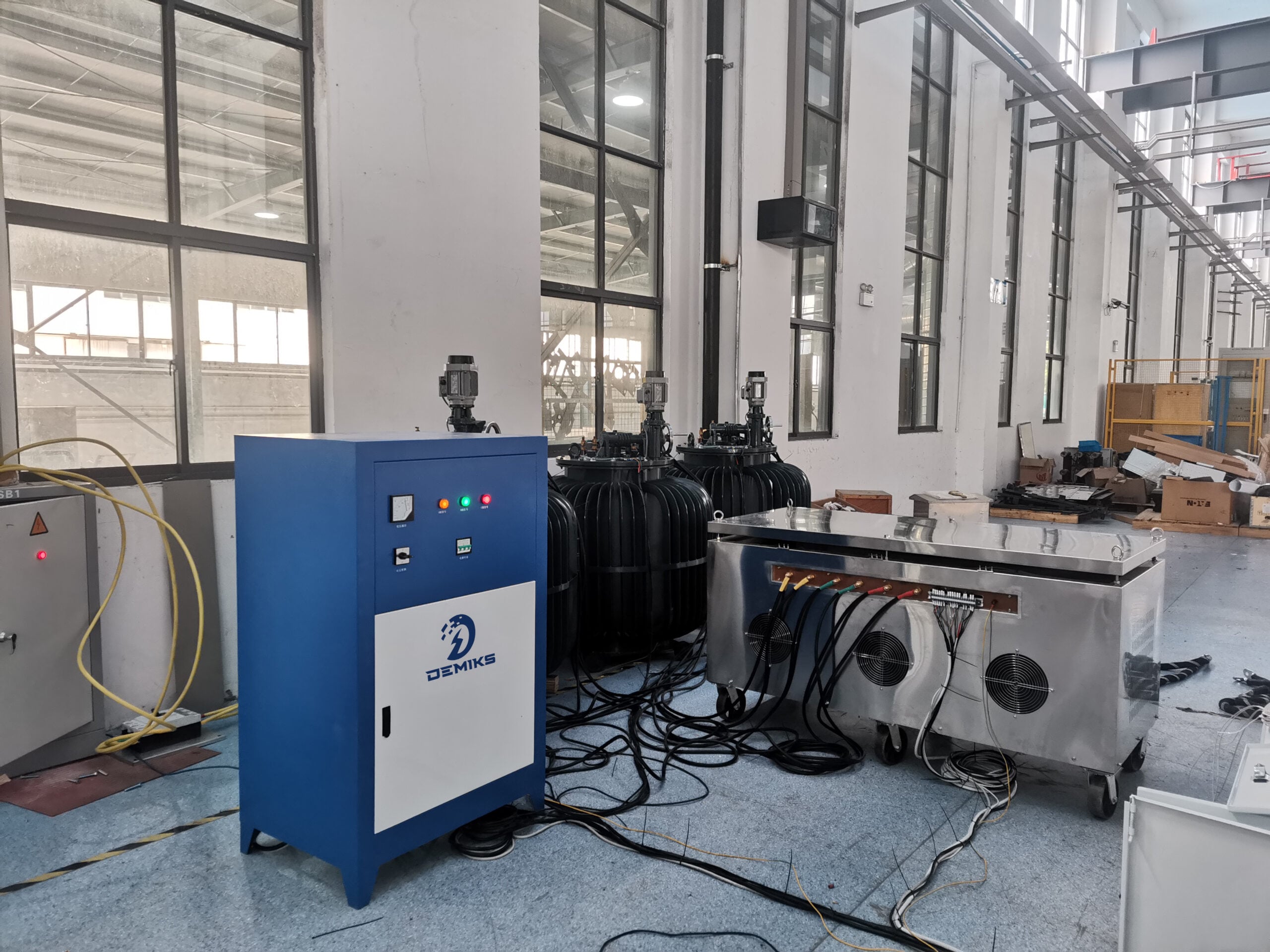
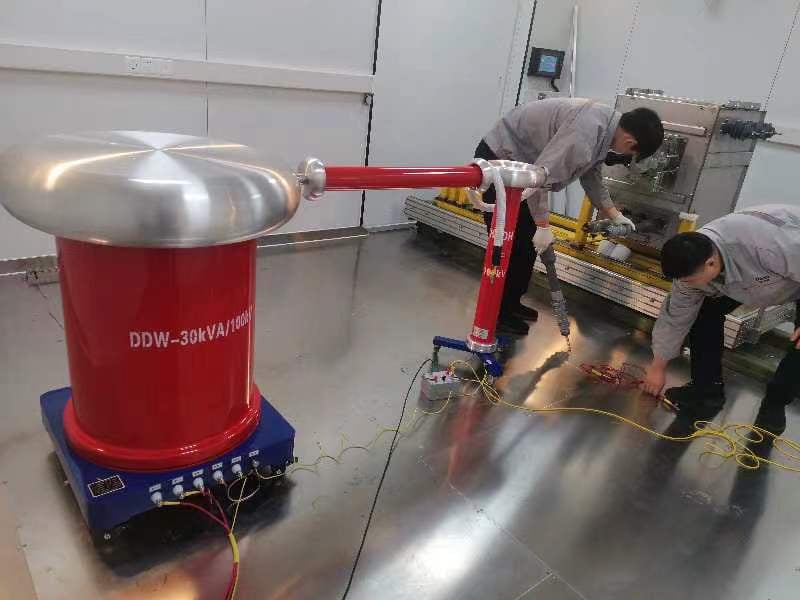
Ensuring electrical safety and optimal functioning, an insulation tester is a significant component of the right tool choice. For the seasoned technician or the newest of trainees, a literal understanding of how these devices work and their relevance to equipment reliability and the prevention of costly failures is an absolute must. This is a basic guide to insulation resistance testers, covering their use, operational principles, key features to consider during purchase, and practical tips for proper use. With these in hand, you will be ready to make good choices and confidently implement insulation testing into maintenance or troubleshooting work.
What is an Insulation Resistance Tester and How Does it Work?
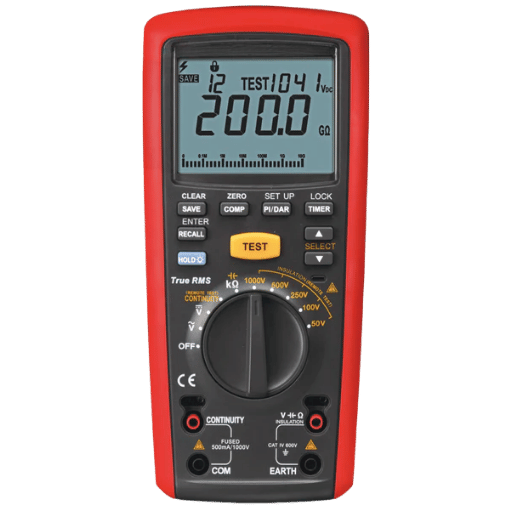
An insulation resistance tester is equipment specifically designed for measuring the resistance of electrical insulation in wires, cables, motors, and other electrical equipment. This equipment applies a high DC voltage to the insulation medium and measures the amount of current leakage. The higher the resistance read earlier, the better the insulation; the lower the resistance, the more likely a potential degradation or fault. Insulation resistance testers are vital for evaluating insulation defects, electrical safety interventions, and guaranteeing system reliability.
Understanding Insulation Resistance
Electrical insulation effectiveness is judged primarily by insulation resistance. This refers to the material’s ability to resist current leakage and thus allow the smooth operation of electrical equipment, thereby preventing hazards. The insulation resistance test is performed periodically to detect aging, contamination, or physical damage in the insulation, keeping it hazard-free, ensuring system reliability, and thus avoiding equipment failure.
The Role of an Insulation Tester in Electrical Systems
The insulation tester is an indispensable measuring tool for assessing electrical insulation in the system, particularly in switchgear applications. The primary function of an insulation tester is to measure the insulation resistance between conductors and grounded parts. This helps identify potential issues such as current leakage or deterioration. In addition to equipment maintenance, these insulation tests will promote safety, regulatory compliance, and help prevent untimely failures or downtime of the electrical system.
📋 How to Perform an Insulation Resistance Test
- Prepare the Equipment: Switch off the power supply to the equipment to be tested and isolate it from power sources to avoid hazards. Use a correctly calibrated and well-functioning insulation resistance tester.
- Inspect the System: Inspect the equipment or circuits under test for signs of damage, wear, or contamination. Address any evident problems before continuing with the test to obtain accurate results.
- Set Up the Tester: Properly connect the test leads, with one end connected to the conductor being tested and the other to either earth or an adjacent conductor. Ensure all the connections are correctly made.
- Select the Test Voltage: Consider the equipment’s rated operating voltage and applicable standards to determine the test voltage to apply. Manufacturers may specify voltage levels, or standards will address this.
- Conduct the Test: Press the testing device on and observe the resistance value displayed on the panel. Let the reading stabilize before writing down the value on paper. Usually, high resistance values indicate good sound insulation; low resistance values indicate potential problems.
- Review and Document Results: Compare the measured resistance with the values specified in standards or recommended by equipment manufacturers; below these values, insulation is considered inadequate. Record the inspected values for later use in maintenance planning.
- Conclude Safely: Upon completion of the test, carefully disconnect the tester leads and restore the system to its normal operating state. All safety precautions shall be observed throughout this operation.
How to Choose the Right Insulation Tester for Your Needs?
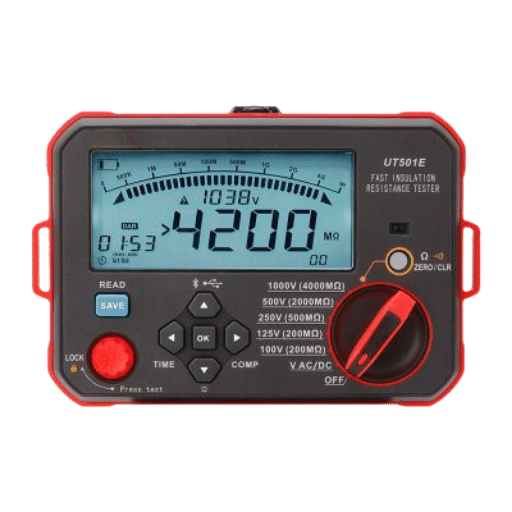
Key Features to Look for in a Megohmmeter
⚡ Testing Voltage Range
A suitable megohmmeter should offer an appropriate range of test voltages (e.g., 250V to 5000V) to suit different insulation testing scenarios. This ensures that it interfaces with the equipment of choice and fulfills industry requirements.
🎯 Measurement Accuracy
Measurements require the highest level of accuracy. Therefore, select models that provide accurate readings with precision over the entire range of their application.
🛡️ Safety Certifications
Any device you purchase must comply with respected safety standards to ensure your safety during usage, preferably IEC or UL certifications.
💪 Durability and Build Quality
Choose a rugged, well-constructed tester capable of working in challenging environments, such as moisture and impact.
📱 Display and User Interface
Clear backlighting and intuitive controls should go a long way toward facilitating efficient, error-free operation—especially in complex working conditions, when lights are often dim.
💾 Data Storage and Connectivity
In modern times, considerations may include data logging and possibly wireless connectivity to ease record-keeping and reporting while offering greater convenience for the aforementioned maintenance activities.
💡 Pro Tip: Users are encouraged to prioritize these features when buying a megohmmeter to ensure it adequately serves the intended tests and adheres to accepted standards for electrical insulation testing.
Comparing Fluke and Klein Tools Models
| Feature | Fluke Models | Klein Tools Models |
|---|---|---|
| Target Audience | Professionals requiring precise measurements and extensive functionality | Technicians seeking straightforward operation and affordability |
| Build Quality | Robust build quality with precision engineering | Rugged exterior suitable for harsh field environments |
| Notable Example | Fluke 1587 FC Insulation Multimeter with wireless connectivity via Fluke Connect | Klein Tools MM500 with user-friendly features at an accessible price point |
| Key Features | Combines insulation testing with voltage and capacitance measurements, wireless data transfer | Essential measurement functions with durability and efficiency |
| Resistance Range | Higher resistance ranges with advanced diagnostic capabilities | Standard ranges suitable for everyday field use |
| Best For | Intensive industrial applications | General-purpose testing and field work |
From a technical perspective, one might argue that Fluke models indeed tend to offer higher resistance ranges and advanced diagnostic capabilities, thus suited for more intensive industrial applications. Klein Tools, conversely, strives to provide ruggedness and efficiency for everyday fieldwork, an excellent trade-off for general-purpose testing. The ultimate decision between the two brands should, of course, come down to specific requirements. In contrast, the desired feature set, budget, and work environment complexity are the factors shown in the picture.
Understanding Test Voltage and Its Impact
The electrical test voltage is a significant consideration in assessing the insulation and electrical characteristics of switchgear. Thus, it indicates the material’s ability to withstand electrical stress while operating under energy constraints. Testing the highest possible stress voltage is adequate for assessing insulation strength in high-performance or industrial systems, whereas checking the lowest possible voltage suffices for a residential or general commercial system. Equipment may be damaged if an improper test voltage is used; hence, safe operation and accurate, reliable results require the use of the appropriate test voltage. Always double-check the manufacturer’s or industry standards before choosing a test voltage to ensure safety and compliance.
What Are the Applications of Megohmmeters in Different Industries?
Using Insulation Testers in Electrical Maintenance
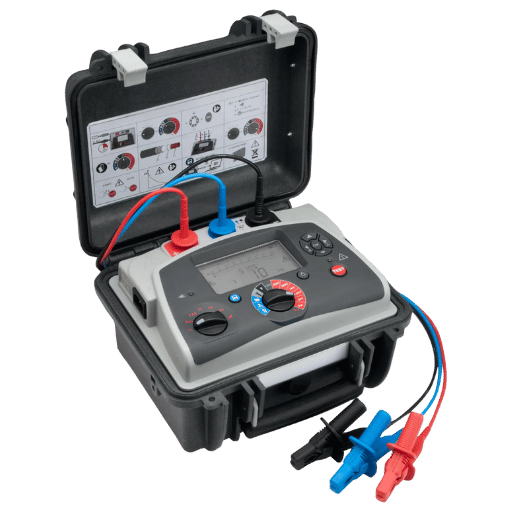
Insulation testers are highly regarded for electrical maintenance because they assess the actual condition of insulation in cables, motors, transformers, and virtually any electrical equipment. Insulation testing helps detect insulation deterioration that may cause equipment failure or unsafe conditions, including electrical shock or fire. These devices measure insulation resistance in megohms to ensure it prevents the flow of current.
📊 Cost Impact of Insulation Failures
According to studies, an unexpected insulation breakdown could result in serious downtime, costing anywhere from thousands to millions of dollars, depending on the size of the operation. For example, in a manufacturing plant, preventive maintenance using an insulation tester could reduce critical equipment downtime by up to 60%.
Typically, insulation testers are deployed across industrial settings to monitor high-voltage equipment, where insulation issues are crucial to operational reliability. New-generation insulation testers offer a variety of features, including automated report generation, trend file creation, and integration with predictive maintenance systems. Additionally, they allow the engineer to set custom test voltages, review time-resistance profiles, or examine polarization or dielectric absorption ratios for an in-depth diagnosis of equipment health.
🏭 Key Industries Using Insulation Testers:
- Utilities
- Heavy Manufacturing
- Transportation
- Renewable Energy
Integrating insulation testing with maintenance schedules enables organizations to maximize electrical system safety, reduce the risk of unplanned outages, extend equipment life, and meet industry standards such as ANSI/NETA, IEEE, and IEC.
The Importance of Megohmmeter Insulation in Motor Testing
Testing insulation with a megohmmeter is a critical process for motor winding integrity analysis and for detecting potential faults within the winding. It checks for icing of resistance problems induced by moisture, dirt, aging, and physical damage, which come in handy for downtimes and failures. Regular testing helps tremendously by ensuring early detection of such problems and a reliable motor, thereby extending operational longevity and minimizing the risk of interruptions. These tests further help comply with ratings for some industries and, hence, operate equipment in accordance with safety and performance guidelines.
Applications in Cable and Wire Testing
Insulation resistance testing should be carried out regularly as an essential aspect of cable and wire testing and used to detect potential insulation faults, moisture ingress, or mechanical damage. Such tests help ensure electrical integrity, minimizing the risk of short circuits and power outages. This habit will support system reliability, maintain safety, and comply with regulatory standards.
What Steps Are Involved in Performing an Accurate Insulation Test?
Preparation and Calibration of Equipment
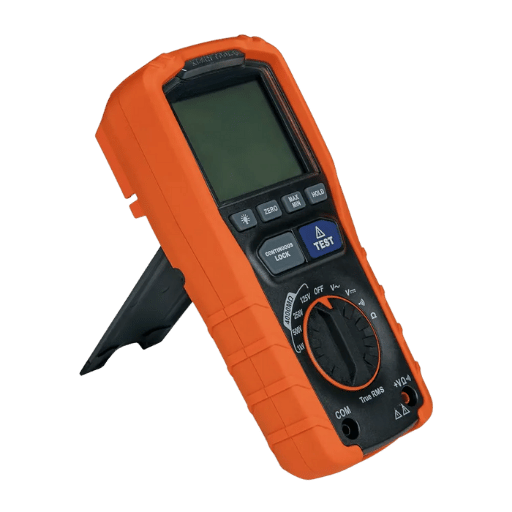
Preparation and calibration of equipment must be carried out to ensure the required accuracy for insulation testing. The inspection almost always begins by ensuring that the testing device is in good working order and not showing visible damage. It is of utmost importance that the insulation tester be calibrated against a known standard to ensure proper measurement precision during the electrical insulation test. Nowadays, many insulation testers even have self-calibration routines that internally compare the reference materials with the readings to ensure accuracy.
⚙️ Critical Preparation Factors:
- Securely tighten all connections
- Check the equipment ground to prevent safety hazards
- Assess ambient temperature and humidity
- Evaluate surface contaminants
- Perform calibration in controlled conditions
Proper calibration of measuring equipment ensures not only compliance with international standards such as IEC 61557, but also that no downtime is required to resolve irregular results.
Step-by-Step Guide to Conducting Resistance Testing
Step 1: Prepare the Equipment
Make sure the resistance-testing machine is well-calibrated and in good working order. Make sure all accessories, like test leads and probes, are available and in satisfactory condition.
Step 2: Inspect the Test Points
Examine the test points to ensure they are clean, dry, and free of contaminants that could cause erroneous measurements.
Step 3: Establish a Secure Connection
Firmly attach the test leads to the designated terminals or bases, ensuring proper insulation of the test points. The connections should be well-maintained to discharge any fluctuations that may arise during measurement.
Step 4: Set the Parameters
Set up the resistance tester with the correct measurement parameters, such as test voltage or mode, according to the instrument’s instruction manual or the application’s requirements.
Step 5: Conduct the Measurement
Begin testing while minimizing interference with environmental variables, such as vibration or electromagnetic noise. Record the resistance values as shown to monitor the development of dielectric absorption with time.
Step 6: Verify the Results
Interpret the recorded resistance values and compare them with the ranges accepted in the relevant standards or system specifications. Find the causes of inconsistencies, if any; potential explanations include poor connectivity or defective equipment.
Step 7: Document and Report
The results shall be systematically logged, along with any observations. Store the data securely for later reference or audit purposes.
Interpreting Results to Identify Issues
Resistance measurement data will need to be interpreted by noting any deviations from the predetermined acceptable thresholds or operational limits. Readings outside the limit may indicate problems such as corrosion, insulation impairment, or incorrect grounding. If there is a trend in how the resistance changes, it can suggest the system is changing due to wear and tear, environmental factors, or polarization index.
⚠️ Common Issues Indicated by Abnormal Readings:
- High Resistance: Physical damage to wires, contamination, or loose connections
- Erratic Readings: Moisture ingress or electromagnetic interference
- Low Resistance: Insulation degradation or ground faults
In diagnosing these issues, cross-referencing data with maintenance logs and system design specifications can provide valuable context for electrical insulation performance. More advanced diagnostics may use thermal imaging of the cable sheath or another technique best suited to the situation, such as network analysis, resistance testing, fault location, or measurement of bearing insulation behavior. The result is a comprehensive dataset from which meaningful conclusions and guidelines for rectification can be drawn to prevent a recurrence of failure.
What Are Common Troubleshooting Tips for Insulation Testers?
Diagnosing Issues with Equipment
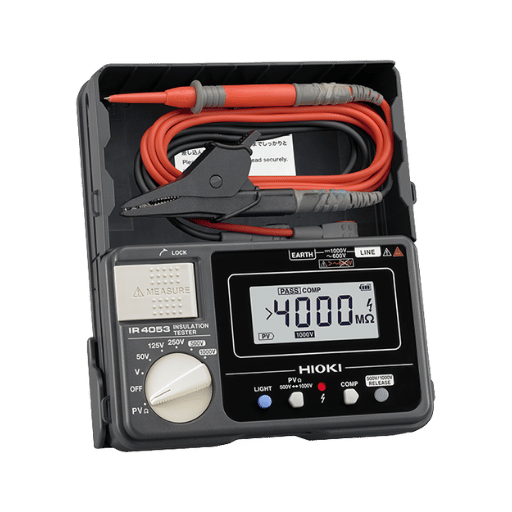
When troubleshooting insulation testers, it is crucial to adopt a systematic approach to pinpoint potential faults and ensure correct performance. Common problems include incorrect test leads, aging insulation, or improper calibration. Discrepancies in the resistance readings —such as readings that snake about and never drop or extreme ones that always stay high— may point to wear or damage in the tester’s internal circuitry.
🔧 Troubleshooting Checklist:
- Examine test leads and connectors for frayed wires, corrosion, or loose contacts
- Verify calibration as per manufacturer specifications
- Don’t forget about environmental factors such as humidity and temperature
- Check if batteries or internal capacitors have degraded
- Utilize self-diagnostic facilities whenever available
- Match outputs to the reference resistance or to some load box
Regular maintenance, proper storage, and strict adherence to testing protocols enhance reliability and help to extend the life of insulation testing equipment.
Dealing with Moisture and Its Impact on Results
Moisture is one of the most influential factors in insulation test results. Acceptance of moisture will eventually lead to a drop in insulation resistance, often resulting in misinterpretation and the perception of an unsolvable problem. Any atmospheric conditions, such as high humidity, exposure to water, or temperature-induced condensation within the equipment.
📈 Moisture Impact Data:
Studies reveal that the moisture absorption rate of certain insulators at certain temperatures can double for every 10°C increase in temperature, with significant alterations in resistance properties.
💧 Mitigation Strategies:
- Performing the testing in a controlled atmosphere
- Preconditioning by maintaining the equipment in a dry atmosphere before testing
- Apply drying processes to the equipment before measurement
- Use advanced testers with temperature and humidity compensation features
- Implement proper sealing mechanisms and protective coatings
- Conduct regular IR thermal inspections to identify moisture-vulnerable areas
Maintaining Your Insulation Multimeter for Longevity
🛠️ Best Practices for Equipment Longevity
🧹 Regular Cleaning
Make sure to keep the device clean by physically wiping it with a soft, dry cloth to prevent dirt and debris from entering and affecting its performance. Avoid harsh chemicals or abrasive materials.
📦 Proper Storage
Keep the multimeter in a clean, dry environment when not in use, and use protective cases to prevent physical damage.
🔋 Battery Maintenance
Regularly check batteries and replace them to prevent corrosion. Remove the batteries if you are not going to use the device for quite an extended period.
📊 Calibration
Calibrate periodically, as scheduled by the manufacturer, to maintain measurement accuracy.
🔍 Inspection for Damage
Check test leads, probes, and connectors for wear and damage before use, and replace any compromised components immediately.
📖 Follow Manufacturer Guidelines
Follow the manufacturer’s care and use instructions in the user manual for optimal operation and longevity.
✅ Result: Keeping these things in mind will, from now on, help you ensure maximum efficiency and longevity when using the insulation multimeter and measure accurately.
❓ Frequently Asked Questions (FAQs)
Q: What is an insulation resistance tester?
A: An insulation resistance tester, or Megger, is an electrical instrument used to test the insulation resistance in electrical equipment and wiring. It applies high voltage to the insulation and measures resistance in megohms to ensure the integrity of the electrical system.
Q: How does a digital insulation resistance meter work?
A: By applying a test voltage, usually between 250V and 1000V, to the electrical insulator, the insulation resistance meter measures any current leakage and calculates the corresponding value of resistance. The meter displays dielectric absorption characteristics on a digital display.
Q: What is the importance of measuring insulating resistance?
A: Measurement of insulation resistance is an important preventive maintenance procedure because it helps predict possible failure in insulation before it can give rise to electrical faults. Insulation tests are performed redundantly to ensure that electrical installations are safe, reliable, minimize downtime, and avoid repair costs.
Q: Does a fluke insulation tester measure HV?
A: Yes, a fluke insulation tester such as the fluke 1503 insulation and the fluke 1587 FC covers safety testing of high voltage. These instruments measure insulation resistance at voltages up to 1000V, thus fitting the description of an insulation tester for a wide range of electrical applications.
Q: What is a megger, and how would one use it?
A: A megger is a type of insulation resistance tester whose hand-cranked generator produces the high voltage. It is primarily an instrument for field testing cables and motors to verify that the insulation is intact and can withstand electrical stress.
Q: What ranges do insulation testers cover?
A: Generally, insulation meters cover a range of test voltages from 250 to 1000 volts. Having such a varied range allows selecting an appropriate voltage based on the type of insulation material and other application requirements, including 1000-volt testers.
Q: How does leakage current affect insulation resistance testing?
A: Leakage current affects insulation resistance testing by giving incorrect or misleading results. High leakage indicates compromised insulation and may lead to failures. Insulation testers provide clean, noise-free measurements, thereby enhancing test accuracy.
Q: What features do I look for in a digital insulation resistance tester?
A: When selecting a digital insulation resistance tester, look for a backlight for visibility in dim lighting, various test voltage options (for example, 500V, 1000V), and a carrying case for easy portability. Also, make sure the insulation resistance is measured accurately in megohms.
Q: Why are insulation resistance testers essential for electrical equipment maintenance?
A: Insulation testers are crucial in guaranteeing that electrical equipment is safe and long-lasting. By taking regular measurements of insulation resistance, technicians can spot deterioration or damage, allowing them to carry out repairs in time to prevent heavy failures.
Q: Can insulation resistance testers be applied to motors and transformers?
A: Yes, insulation resistance testers may indeed be applied to motors and transformers to test insulation integrity. With such testing, failures that lead to downtime and extensive electrical system repairs can be prevented.
📚 Reference Sources
- Kenyon College – Physics Department: Detailed explanation about the “Megger” instrument for measuring insulation resistance
- University of Wisconsin-Milwaukee: Guide in PDF format for setting up Megger MFT for continuity and insulation resistance tests
- Insulator (electricity): Technical documentation on electrical insulators
- Top High Voltage Test Equipment Manufacturers and Suppliers in China: Industry supplier information