Fraud Blocker

Understanding High-Voltage Test Procedures for Transformers

High-voltage testing is an essential part of guaranteeing the integrity, safety, and performance of power transformers, critical elements of any power system. Such tests are conducted to verify that transformers can withstand the stresses of construction and operate under real conditions, where electrical stresses may differ and be more severe than theoretical values. The paper will consider fundamental issues in testing power transformers at high voltage, the importance of conducting these tests for system reliability, and the primary methods currently used by practitioners. If you are an engineer, technician, or energy analyst, this guide provides a comprehensive overview of the procedures and standards that underpin HV testing in the power sector.

Contents show

What is High Voltage Testing and Why is it Crucial?

What is High Voltage Testing and Why is it Crucial?

High-voltage testing is the application of controlled electrical stress on equipment, systems, or components to verify their insulation strength, working reliability, and compliance with safety standards. This test, in fact, helps identify potential weak spots that could fail and create unsafe conditions, especially in areas where electrical performance is of utmost importance, such as power transmission, aerospace, and manufacturing. By enabling early fault detection and verification of systems against defined regulations, high-voltage testing ensures greater efficiency, safety, and the longevity of electrical infrastructure.

Critical Safety Considerations

When performing high-voltage testing, certain safety measures must be implemented to protect personnel and property. These are the considerations:

  • Proper Insulation: Ensure that all test equipment and connections are appropriately insulated against accidental exposure to HV electricity.
  • Clear Warning Signs: Use visible warnings and barricades around the test site to alert personnel of the hazard.
  • Grounding Procedures: Equipment must be properly grounded to prevent shock hazards and to ensure safe operation.
  • Personal Protective Equipment (PPE): Based on the hazards involved, provide test personnel with appropriate PPE, including insulated gloves, rubber-soled shoes, and protective clothing.
  • Emergency Protocols: Formulate emergency procedures that include first-aid measures and an immediate response to incidents.

The above considerations will ensure safe and effective testing involving high voltages.

Types of High Voltage Testing Methods

Dielectric Testing

Test the insulation by applying high voltage to the equipment to ensure it withstands the normal conditions of use without the voltage breaking down the insulation.

Impulse Testing

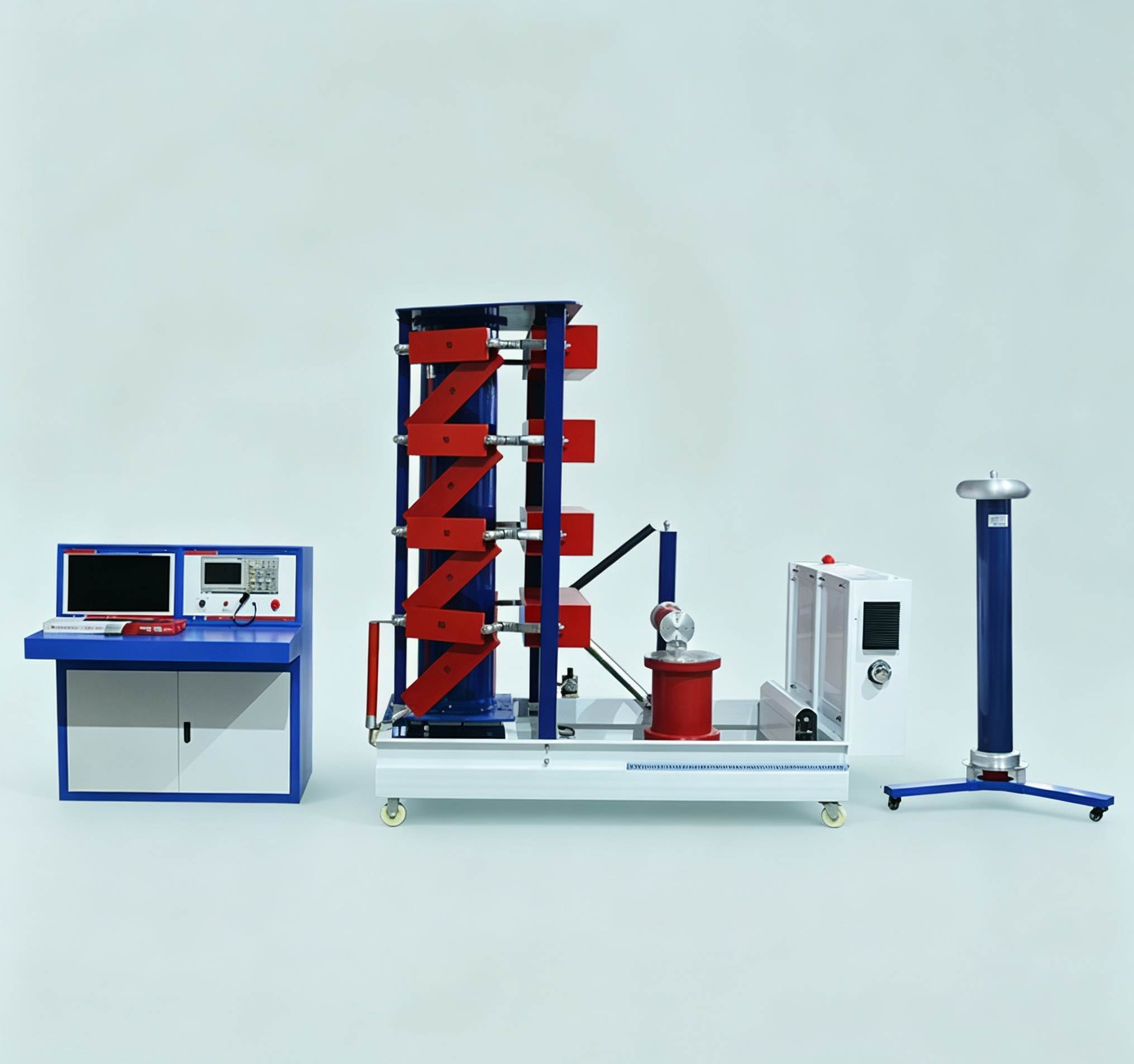
Simulates lightning strikes and switching surges by applying short-duration, high-magnitude voltage pulses against the equipment.

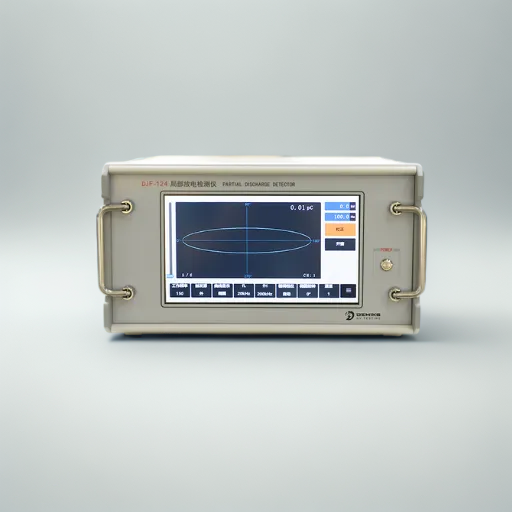
Partial Discharge Testing

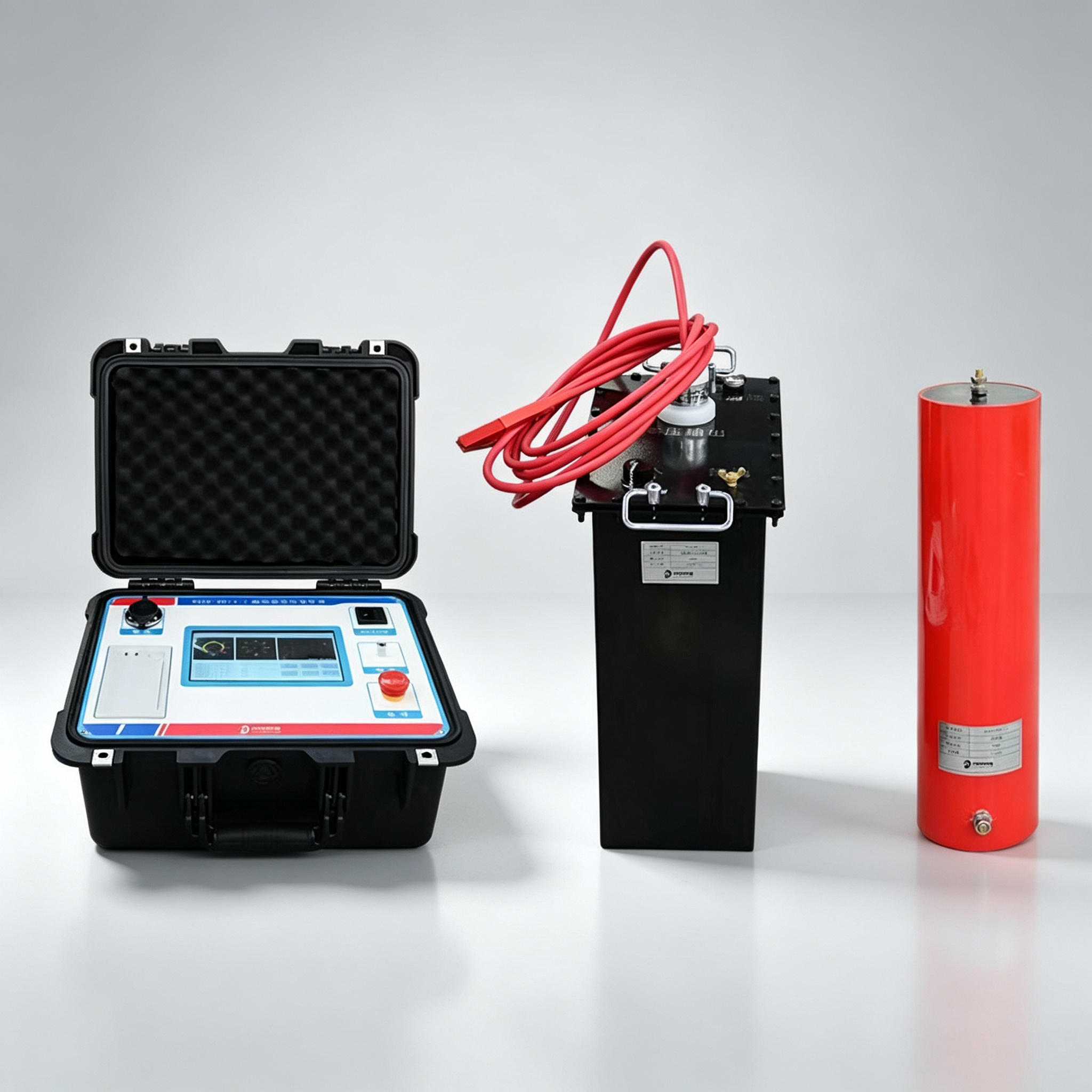
Detects small electrical discharges in insulation systems to establish possible weaknesses or faults before they fail.

Leakage Current Testing

Measures currents that leak through the insulation at high voltage to determine their integrity and safety.

AC and DC Testing

Tests the insulation and performance of the device under different voltage conditions, including high-voltage AC or DC.

These methods require magnetic testing to verify the reliability and safety of electrical equipment across various applications.

Standard Procedures and Equipment Used

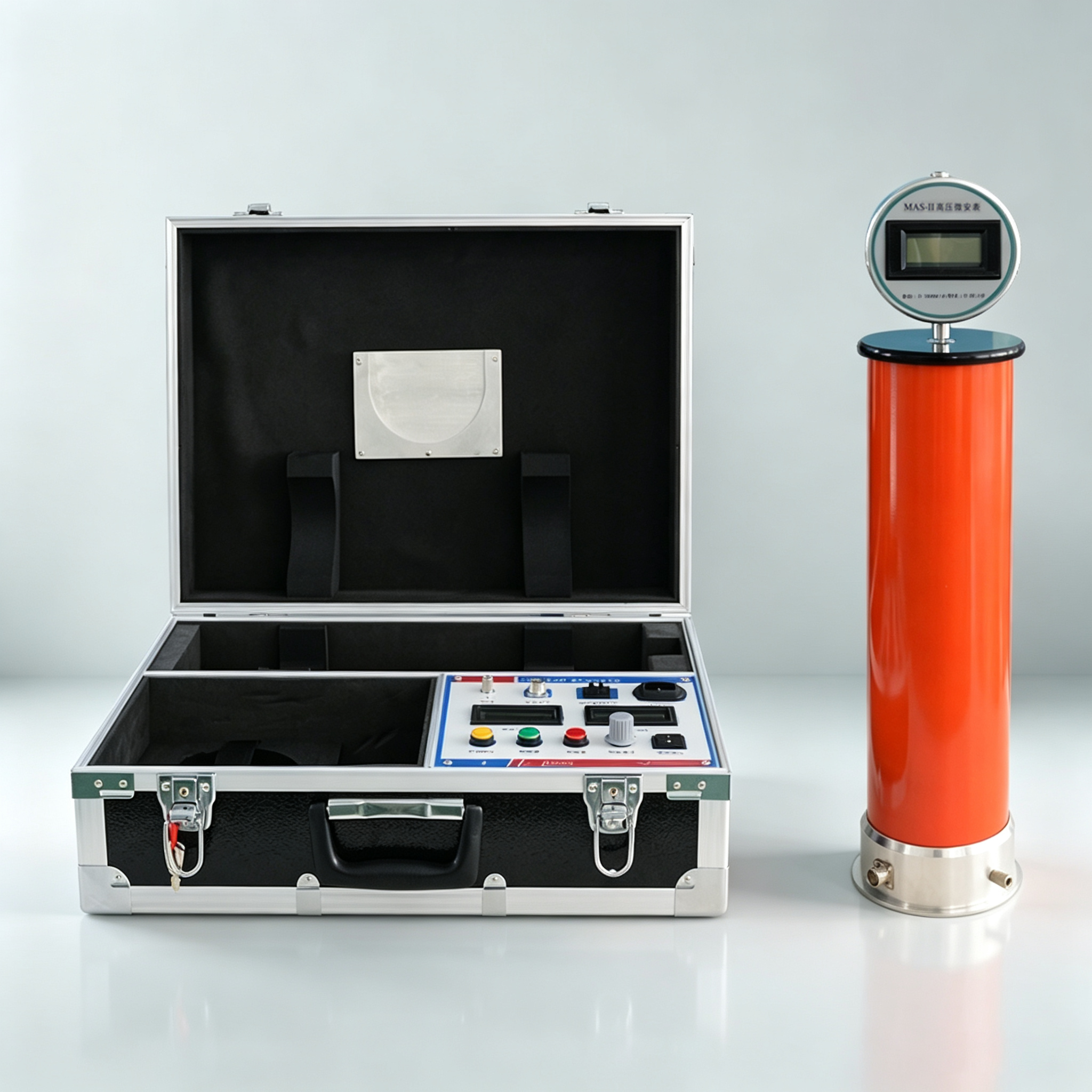
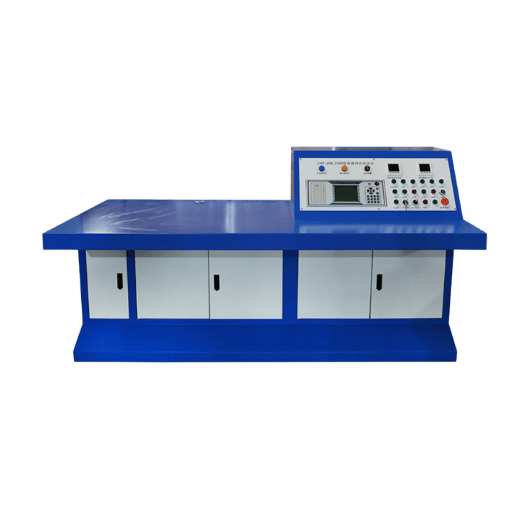
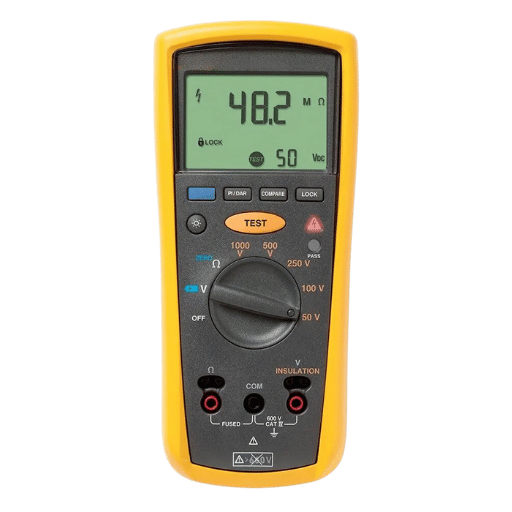
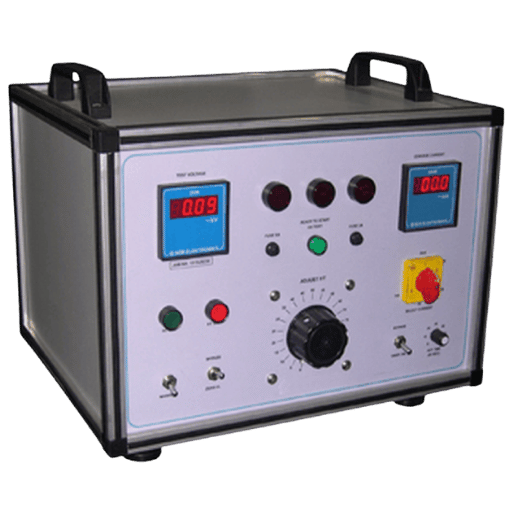
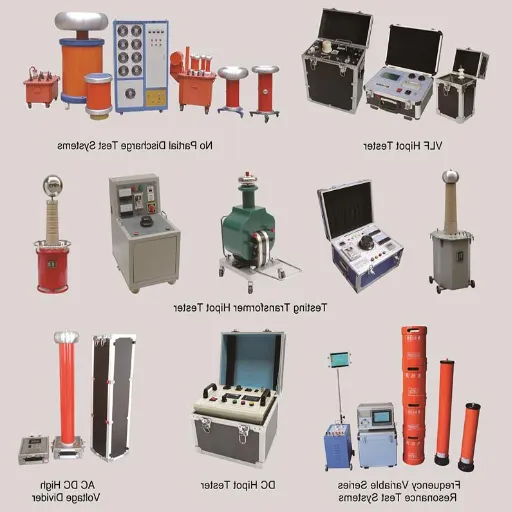
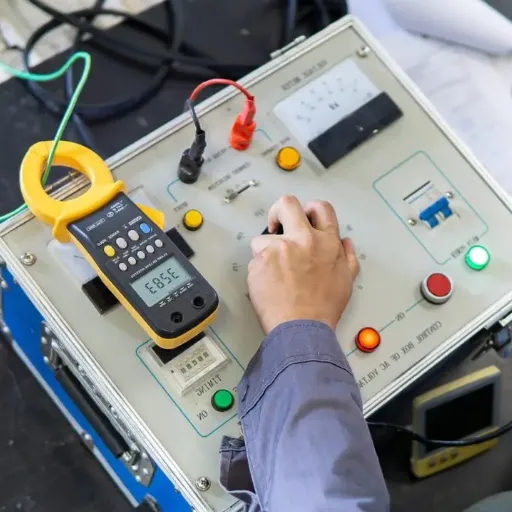
The standard procedures for assessing electrical equipment reliability consist of preparation, testing, and validation phases necessary to maintain technical standards. First, a visual check is made on the equipment for any visible damage or wear. Suppose it gets confirmed that the equipment looks fine. In that case, the testing procedure follows using relevant test equipment, such as a megohmmeter for insulation resistance, a hipot tester for dielectric strength, or a multimeter for general diagnostics, with all tests conducted in accordance with the relevant standards, such as IEC or IEEE, for consistency and safety. Results are interpreted and documented to demonstrate the equipment’s performance and any remedial action required for further maintenance or repair.

How Do Transformer High Voltage Tests Work?

How Do Transformer High Voltage Tests Work?

Identify Transformer Test Types

Transformer high-voltage testing encompasses many types to analyze performance and safety. These include:

  1. Insulation Resistance Test: Measures the insulation’s resistance to ensure it adequately resists leakage.
  2. Dielectric Strength Test: Measures the ability of a material to withstand high voltage without breaking down.
  3. Turns Ratio Test: Checks that the turns ratios of primary and secondary windings are correct, thus making for the proper voltage transformation.
  4. Winding Resistance Test: Finds out any irregularities due to loose connections or damaged windings by measuring resistance in transformer coils.
  5. Partial Discharge Test: Detects transient electrical discharges within the insulation that can signal defects or weaknesses.

These tests are necessary to certify a transformer and ensure its reliability and safe operation.

Testing Procedures in Power Systems

Testing procedures in power systems are significant for realizing efficiency, stability, and safety of electrical power networks. Such methods include ensuring the readiness and reliability of equipment, such as transformers, circuit breakers, and protection systems. These procedures aim to identify potential faults, test the equipment under operating conditions, and, above all, prevent system failure. Testing helps minimize downtime, extend equipment lifespan, and ensure compliance with safety and performance standards. Hence, these practices guarantee a continuous supply of electrical power to the consumer.

Assessing Insulation and Reliability

Recent developments in insulation testing methods have made it easier to evaluate and ensure the reliability of electrical equipment. One of the most essential methods is dielectric testing, which measures the ability of insulating materials to withstand electrical stress without breaking down. Partial discharge measurement, for example, can be used to detect insulation defects, providing early indications of potential weak points before they develop into system failures.

Another widely used test is insulation resistance measurement. It defines the resistance between the different conductive parts to ensure proper separation and low leakage current. Newer test equipment uses advanced diagnostic features to analyze insulation performance over time, enabling programmed interventions. Industry case studies indicate that this measure has reduced unplanned failure rates by up to 30% in power transmission systems.

Key Insight: Thermal Imaging technology plays a significant role in reliability assessment by detecting heat anomalies that signal possible insulation decay or equipment overload, the latter of which is necessary for continuous operations.

The interplay between data analytics and machine learning algorithms provides deep insights into plant health, enabling better decision-making and reducing unplanned outage costs. Consistent execution of these methods consistently sustains the reliability of the electrical network and compliance with regulatory safety levels. Reliable insulation systems and carefully controlled equipment reduce hazards, protect the infrastructure, and ensure smooth operations in complicated power networks.

What Are the Safety Measures in High-Voltage Testing?

What Are the Safety Measures in High-Voltage Testing?

Protective Equipment and Safety Protocols

High voltages pose inherent hazards, requiring a full range of safety measures to protect personnel and equipment. Among the key protective equipment are insulating gloves, dielectric boots, safety helmets, and flame-retardant clothing, all of which undergo rigorous testing to ensure compliance with relevant standards, such as ASTM and IEC. Insulating gloves are classified by voltage, from Class 0 (lower rating, up to 1,000 volts) to Class 4 (higher rating, up to 36,000 volts), to ensure suitability for the intended application.

Glove Class Voltage Range Application
Class 0 Up to 1,000V Low voltage applications
Class 1 Up to 7,500V Standard electrical work
Class 2 Up to 17,000V Medium voltage systems
Class 3 Up to 26,500V High voltage operations
Class 4 Up to 36,000V Extra high voltage work

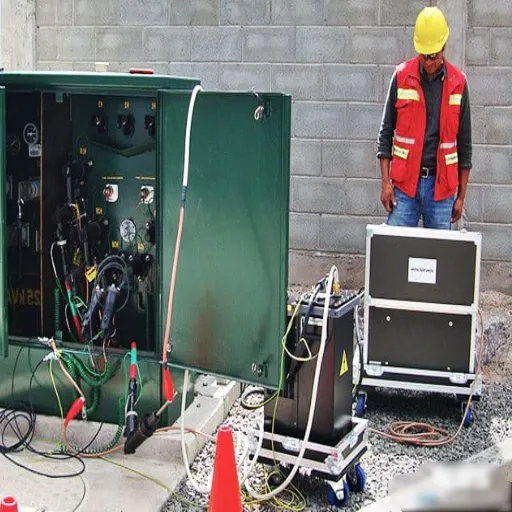
Safety protocols concern mitigating risks during high-voltage testing and ensuring that technical procedures are sound. One widely accepted practice is to use a lockout/tagout system to de-energize and guard equipment before starting a test, to maintain safety in a technical setting. Grounds rods and grounding devices are arranged to prevent unintended energizations and transient voltages from injuring the operator. In addition, high-risk zones are clearly marked with barriers and warning signs to restrict unauthorized entry, thereby minimizing the potential for accidents.

Modern developments have brought about remote supervision and control systems that have indeed enhanced testing safety. These systems allow technicians to test equipment remotely, reducing the risk of direct exposure to live electrical equipment. The inclusion of automated safety interlocks and fail-safe mechanisms builds on these protections by halting test procedures whenever abnormal situations are perceived. The combination of these considerations with innovative technology makes high-voltage testing areas safer and more productive.

Evaluating and Reducing Risk Factors

Practical risk evaluation and mitigation in the domain of high-voltage testing must be structured around data analysis and internationally accepted industry best practices. Paramount had always been the ongoing assessment of risk factors, such as equipment failure, human error, and environmental conditions, to eliminate hazards. For instance, studies show that arc-flash events occur in nearly 60% of electrical incidents, underscoring the importance of maintaining proper insulation and adequate barriers.

Risk Reduction Strategies

  • Predictive Maintenance: Organizations are widely adopting predictive maintenance strategies using sophisticated sensors and monitoring systems. These technologies generate real-time data on equipment performance, enabling a technician to detect any abnormality before it becomes hazardous.
  • Training Programs: Carried-out technician training programs provide a thorough understanding of safety measures, including the proper use of PPE, which has been proven to reduce injury cases by 85%.
  • Advanced Diagnostics: Advanced diagnostics, coupled with the inculcation of a strong safety culture, support incident reduction and enhance operating reliability in a systematic manner.

Implementing these measures will protect staff during high-voltage tests and ensure regulatory compliance, thereby reducing service brake time and minimizing disruptions to lab operations.

Regular Safety Maintenance

Regular safety maintenance practices contribute to ongoing personnel protection and the reliability of high-voltage testing installations. This is accomplished through systematic inspections on schedule for preventive maintenance, ensuring that all equipment remains in compliance with standards such as ISO 45001 and NFPA 70E. Studies reveal that organizations that undertake routine safety procedures record a 41% lower incidence of workplace hazards than those that resort to reactive approaches.

Essential Maintenance Practices

  • Thermal imaging inspections to detect overheating components
  • Dielectric testing to evaluate insulation integrity
  • Calibration checks to ensure proper equipment functionality
  • Regular updates to safety protocols aligned with industry innovations
  • Continuous workforce training on hazard identification and emergency preparedness

These areas being consolidated allow operations to enhance efficiency and minimize the risk of costly, dangerous incidents.

How to Maintain Efficient Operation During High-Voltage Testing?

How to Maintain Efficient Operation During High-Voltage Testing?

Maintaining Equipment Performance

To ensure optimal performance during high-voltage testing, proper attention must be paid to equipment maintenance and the use of advanced diagnostic tools. Regular checks should be carried out to spot wear arising from insulation failure, corrosion, or overheating, for instance, in transformers, circuit breakers, or cables. Non-destructive testing methods such as partial discharge monitoring and thermography are suitable for analyzing equipment condition while minimizing downtime.

Calibration Importance: Proper and accurate calibration of all instruments used for testing is another paramount factor. Studies show that measurements obtained with improperly calibrated instruments are unreliable. These can lead to incorrect interpretations of the measurements and may pose safety hazards. By means of predictive maintenance technologies, such as condition-monitoring systems that employ IoT sensors to enable real-time data collection and analytics, any intervention can be made in time if a minor problem turns into a major one.

Environmental Management: Maintaining ecological conditions at an installation, including humidity and temperature control in a high-electrical-stress area, is crucial to equipment integrity. Studies have shown that excessive humidity accelerates the aging of insulation materials, thereby impairing their performance over time. Good environmental management, along with adherence to the manufacturer’s strict maintenance schedule, certainly ensures the stable and efficient operation of high-voltage equipment in critical testing scenarios.

Minimizing Downtime and Improving Efficiency

Minimizing downtime and enhancing operational efficiency have always been paramount objectives in the management of high-voltage equipment. Reports indicate that unprovided downtime leads to considerable financial losses — estimated at $260,000 per hour —in specific industries. Therefore, implementing predictive maintenance systems to mitigate such risks is necessary. In other words, the use of IoT sensors, coupled with advanced analytics, can enable real-time monitoring of equipment status and early detection of failures.

Technology Impact Benefits
Digital Twins Up to 20% reduction in downtime Virtual simulation, performance optimization, maintenance scheduling
IoT Sensors Real-time monitoring Early failure detection, data-driven decisions
Automated Systems Improved efficiency Reduced human error, consistent operations

Also, automation and digital twin technologies are transformative drivers. Digital twins create a virtual copy of physical equipment, allowing engineers to simulate performance, analyze potential failures, and optimize maintenance schedules without halting operational activities, thereby contributing to energy management. Companies today report up to a 20% reduction in downtime and significant improvements in system effectiveness upon implementing digital twins.

Lastly, the installation of comprehensive training programs equips personnel to operate and maintain equipment appropriately. Continuously updated documentation, along with updates in industry best practices, stands as a pillar for good operational reliability. In return, these measures improve equipment performance, reduce downtime collectively, and provide firm and efficient high-voltage outputs.

How to Identify and Solve Common Problems in High Voltage Testing?

How to Identify and Solve Common Problems in High Voltage Testing?

Identifying High-Voltage Test Failures

High-voltage testing is less prone to faults caused by improper insulation, equipment aging, environmental conditions, or insufficient testing procedures. Insulation failures may occur if contaminants or moisture seep in or if the insulation’s dielectric strength diminishes over time. The data shows that an essential share of failures are disturbances in high-voltage systems caused by insulation, again stressing the utmost importance of timely inspection and maintenance.

Key Diagnostic Tools

Partial Discharge Detection: This diagnostic method can effectively detect insulation deterioration. Detecting partial discharge levels can indicate voids, cracks, or other defects in insulating materials before they lead to catastrophic failure.
Thermal Imaging: This method pinpoints the hotspots of electrical stress or poor connections that may cause overheating. It is, thus, a powerful tool to prevent long-term damage and ensure operational reliability.
Automated Testing Systems: With modern developments, automation has achieved a much higher level of accuracy by eliminating operator error and standardizing process steps.

Environmental conditions, such as high humidity or powdery dust, were also causes of test failures. Hence, ensuring clean, controlled environmental conditions for testing really goes a long way toward reducing the risk of a faulty test. In combination with this technology, thorough analyses and intermittent equipment audits help maintain the highest performance standards across all high-voltage systems.

Solutions for Common Testing Issues

When addressing common testing issues in high-voltage systems, it is essential to adopt a simultaneous approach that combines advanced technology, rigorous application, and maintenance practices. Some elaborate solutions to address recurring problems are:

1. Minimizing Measurement Errors

Measurement inaccuracies often arise from environmental noise, improper calibration, or improper instrument handling. Employing electromagnetic shielding in a high-noise environment will help reduce interference. Using high-sensitivity sensors with low-threshold noise helps achieve precise data collection. Also, regularly calibrate equipment with the standards recommended by the manufacturers.

2. Enhancing Equipment Reliability

Aging of testing equipment can cause inconsistent performance. In other words, using machine-learning-based predictive maintenance tools can be an effective way to forecast potential failures before they occur. This step is necessary because it can accompany infrared thermography-based observations that measure potential overheating of equipment components, thereby preventing undetected damage to the apparatus and ensuring icing performance.

3. Addressing Human Errors

Human error is a significant concern in manual processes. Automation in accepted systems dramatically reduces most manual entry, typically done through PLCs and software programming. Training and checklist use can further ensure that staff members follow standardized procedures, reducing variability caused by noncompliance.

4. Optimizing Test Bench Design

The poorly conceived test environment jeopardizes the very possibility of obtaining good test results. Modular test benches with various options can be adopted for different requirements. Real-time monitoring systems also provide instant feedback, enabling operators to address anomalies promptly.

5. Documenting and Analyzing Test Data

Efficient data control and storage enable long-term trend analysis and identification of discrepancies. Advanced data analytics tools, particularly those that use artificial intelligence, can provide deeper insights into identified failure patterns and operational bottlenecks. Maintaining well-organized test parameter databases also supports continuous performance improvement.

By augmenting its modern technologies with tested methods, the organization can circumvent testing issues, improve accuracy, and ensure the operability of high-voltage systems.

Repair and Evaluate Transformer Conditions

Proper repair and accurate assessment of transformer conditions are essential for maintaining the operational longevity and reliability of electrical systems and ensuring adequate energy utilization. The water-tight procedure includes diagnostic testing methods, such as dissolved gas analysis (DGA), which detect the presence and concentration of gases produced by the decomposition of insulating oil. A pattern of gases (hydrogen, acetylene, or methane) may directly indicate that electrical faults, overheating, or arcing have taken place within the transformer.

Diagnostic Method Purpose Key Indicators
Dissolved Gas Analysis (DGA) Monitor oil decomposition gases Hydrogen, acetylene, and methane levels
Power Factor Testing Assess insulation health Dielectric losses measurement
Thermal Imaging Detect hotspots and stress Temperature distribution patterns
Vibration Analysis Detect mechanical imbalances Loose components, structural damage

Power factor testing is another crucial approach, enabling insulation health assessment by measuring transformer dielectric losses, and it contributes to the reliability of electrical systems. The lower the power factor, the better the insulation integrity is considered to be. A deviation in power factor indicates aging or contamination in the insulating parts.

Thermal imaging, on the other hand, is a powerful tool for detecting hotspots and uneven temperature distributions, which are stress indicators and early signs of fault development. Further considerations would include vibration analysis for mechanical imbalance, loose parts, or damage to internal structural areas.

During maintenance, advanced IoT-based tools fitted with sensors, together with cloud monitoring systems, can be integrated into the transformer maintenance workflow to ensure precision. These systems monitor operational parameters in real-time, including temperature, load fluctuations, and oil quality. Combining such diagnostic methodologies enables an engineer to conceive, for each worksite, a maintenance program focused on treating likely defects before they become system failures. In turn, this leads to less downtime, lower repair costs, and greater assurance of grid stability.

Frequently Asked Questions (FAQs)

Q: What are high voltage test procedures?

A: High voltage test procedures refer to the series of tests conducted systematically to ensure the reliability and safety of those systems working at elevated voltage levels. The tests anticipate potential problems and maintain the integrity of transformers and other power system components.

Q: What types of high-voltage tests are usually considered?

A: Usually, high-voltage tests are insulation resistance tests, dielectric tests, and impulse tests. They are conducted to ensure that the insulation and equipment can withstand extreme conditions, such as lightning strikes and surges.

Q: How are these high-voltage test methods assuring your safety?

A: Safety during high voltage testing is strictly ensured through compliance with the procedure and use of specialized tools and equipment that are safe in the presence of high voltage. This is a proactive approach towards preventing cast hazards.

Q: What have you learned about the upkeep of high-voltage infrastructure?

A: Maintaining high voltage infrastructure allows transformers to have a long life duration, and thereby, maintenance costs are reduced. However, these tests and maintenance help identify aging components that are likely to fail, thereby preventing outages.

Q: What contribution does software offer to high voltage testing?

A: Software assists in high voltage testing by collecting data, analyzing it, and reporting it accurately. Thereby, assisting engineers in simulating various scenarios and checking the efficiency and reliability of electrical systems under differing conditions.

Q: How do high-voltage tests help to define aged components?

A: With high voltage tests, they can measure insulation resistance and other electrical properties to determine the wear and degradation of a component. Such information is used to determine which aging components need to be replaced so the power system can continue operating.

Q: What is the importance of certification in high voltage testing?

A: Certification in high voltage testing states that test procedures and equipment conform to international regulations such as IEC. Certification is necessary for safety reasons, as inaccurate test results can compromise electrical system safety.

Q: How can high voltage testing help improve the efficiency of electrical systems?

A: High-voltage testing improves the efficiency of electrical systems to a significant extent if it detects conditions that lead to energy losses or failures. In doing so, organizations address these problems proactively to improve performance and cut costs.

Q: What are the trustworthy tools used in high voltage testing?

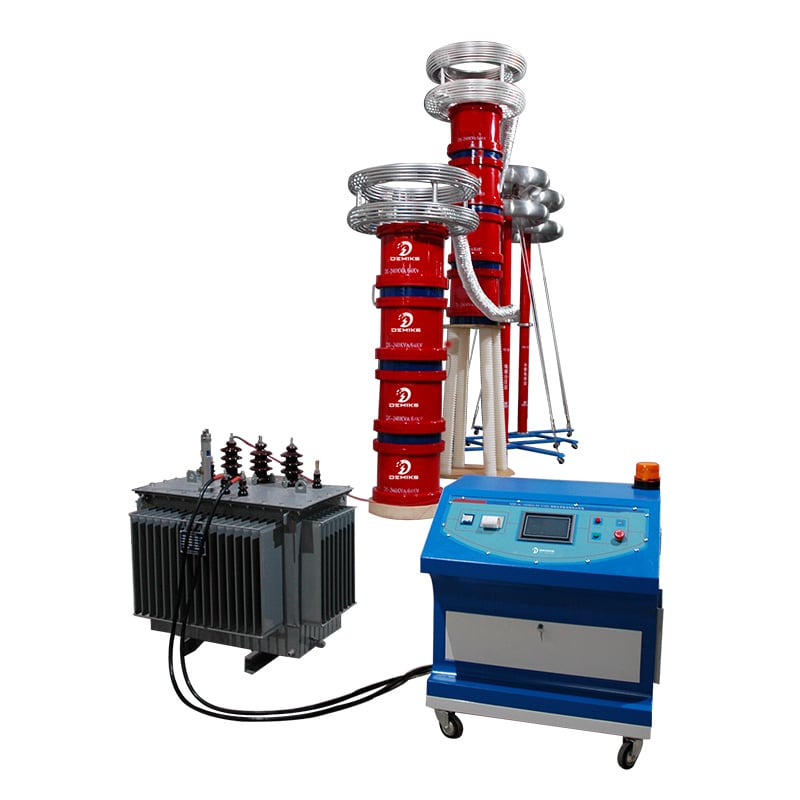
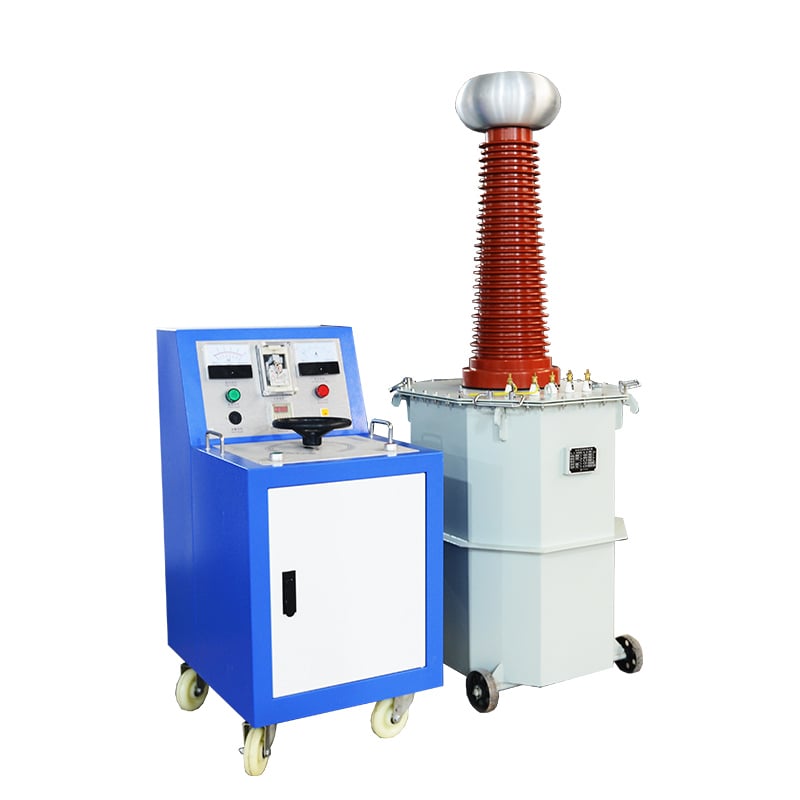
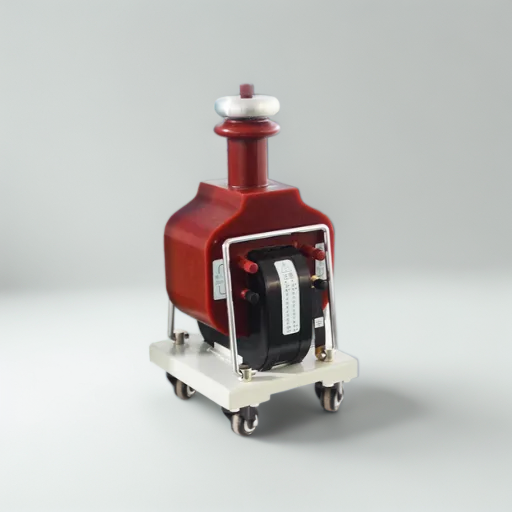
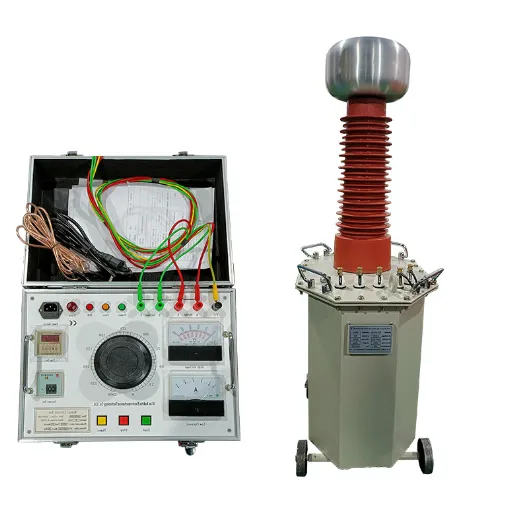
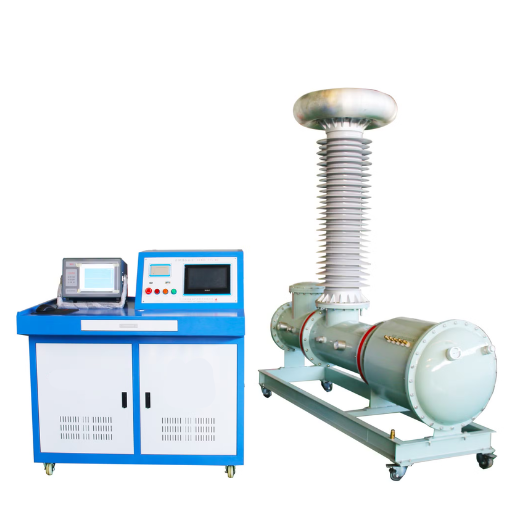
A: Trustworthy tools used in high voltage testing are insulation testers, high voltage transformers, and surge generators. These tools are designed to operate safely and effectively in testing applications, producing accurate outputs to maintain system integrity.

Q: Does high voltage testing simulate extreme conditions?

A: High voltage testing can reproduce extreme conditions, such as surges caused by lightning; using impulse tests, a system can be checked to see if it can withstand such scenarios. This feature is critical for designing a robust infrastructure that can withstand unfavourable environmental conditions.

Reference Sources

  1. University of Kentucky – Med/High-Voltage Testing Procedures: Standards and procedures are established for conducting high-voltage testing, including equipment preparation and safety measures.
  2. Michigan State University – High Voltage Testing: A technical talk on the principles and applications of high voltage testing.
  3. High voltage
  4. Top High Voltage Test Equipment Manufacturers and Suppliers in China

I’m DEMIKS, and I manage this blog. We are bringing electric power technology from China to the rest of the world for its innovation, sustainability, and global impact. We are deeply driven by professionalism, integrity, and service excellence.

Scroll to Top
Get in touch with DEMIKS company
Contact Form 在用