High-voltage cable testing ensures the reliability and other assurances of electrical activities, especially in industries where downtime is not an option. Among the advanced tools used for such testing, the Very Low Frequency (VLF) Hipot Tester stands out as a powerful solution for diagnosing, servicing, and certifying high voltage cables. But then, what makes the VLF Hipot Tester important, and how does it contribute to the efficacy of electrical testing? This comprehensive guide details the practical applications of VLF testing and its benefits, which, in effect, enable safe and efficient high-voltage assessments as a key outcome. Suppose you aim to examine your testing procedures or to know more about maintaining electrical systems. In that case, this blog provides a comprehensive overview of how to maximize the benefits of this exceptional technology. Join us as we explore the role of VLF Hipot Testers in future electrical testing endeavors.
Introduction to VLF Hipot Testing

What is VLF Hipot Testing?
VLF (Very Low Frequency) Hipot Testing is a method used to assess the integrity and reliability of high-voltage electrical systems, particularly power transmission cables and other equipment such as transformers or motors. Being a low-frequency testing method, usually at 0.1 Hz or below, it applies HV to the system in question, thus verifying its dielectric strength and the reason for any discrepancy or possible faults.
VLF technology offers the advantage of effective testing without significantly stressing the insulation, as can happen in traditional DC Test methods. Using AC at very low frequencies essentially recreates the stresses the insulation undergoes during normal operations. Modern VLF Hipot Testers come equipped with advanced features, including automatic test sequences, accurate voltage control, and comprehensive data reporting, which enhance accuracy in both field and laboratory conditions.
Key data reveal that VLF testing has dramatically increased fault detection rates and reduced maintenance downtime, thereby becoming indispensable to maintenance strategies, especially in the utility, manufacturing, and renewable energy sectors. That way, the test method adheres to international electrical standards and is widely recognized as a reliable method for extending the lifespan of critical infrastructure.
Importance of High Voltage Testing in Electrical Systems
Again, high-voltage testing is performed to ensure the reliability, safety, and efficiency of an electrical system. Testing of insulation in cables, transformers, and switchgear is done to detect any weakness in its strength, as these tend to become more vulnerable with time, an expensive failure being the final consequence. Thus, degradation of insulation remains one of the primary causes of electrical failures, making it essential to conduct these tests regularly as a preventive measure. For instance, electrical testing methods such as dielectric withstand tests and partial discharge measurements provide information about the equipment’s condition, thereby minimizing hazards and extending its working life.
These advancements have brought further accuracy and precision to evaluations through VLF testing and online partial discharge detection. Above all, these are non-destructive tests that enable operators to monitor the system’s performance without interfering with its operations. This proves highly beneficial, particularly in the utilities, manufacturing, and renewable energy industries. High-voltage testing is also a good way to ensure compliance with International standards such as IEC or ANSI so that systems meet high safety and quality demands. The application of proactive testing will not only reduce downtime but also help in cost savings by avoiding catastrophic failures and optimizing maintenance schedules. Hence, on the one hand, thorough diagnosis and, on the other hand, modern test technologies are both still essential in the management of electrical systems today.
Review of VLF and Low Frequency Testing
The applications of Very Low Frequency (VLF) and Low Frequency tests in electrical diagnostics focus on determining the condition and integrity of high-voltage cables, transformers, and other critical components. The test method employs AC with frequencies significantly lower than those used in power systems, ranging from 0.01 to 0.1 Hz. Whenever testing for insulation faults, partial discharges, and cable aging, VLF tests are beneficial; therefore, this testing method is considered for preventive maintenance and quality assurance.
While VLF testing enables engineers to place operational stress without overloading, it unlawfully mimics real working conditions on electrical assets. The more advanced the VLF testing equipment, the more detailed diagnostics can be performed, such as time-domain analyses and frequency-domain analyses, allowing faults and degradation to be pinpointed more precisely. The use of VLF testing, combined with other diagnostic methods such as TDL/PD testing, enhances the value of VLF testing by providing more comprehensive insights into the health of insulation.
Over the past few years, VLF test equipment has become increasingly portable and automated, allowing for on-site testing at higher speeds. For example, some equipment features an integrated digital interface and real-time data tracking, allowing technicians to conduct tests more rapidly while adhering to the established standards. All these latest features, combined with solid test procedures, serve to make VLF and low-frequency testing the core of asset management strategies today, ensuring operational reliability and minimizing unexpected failures.
Understanding the VLF Hipot Tester

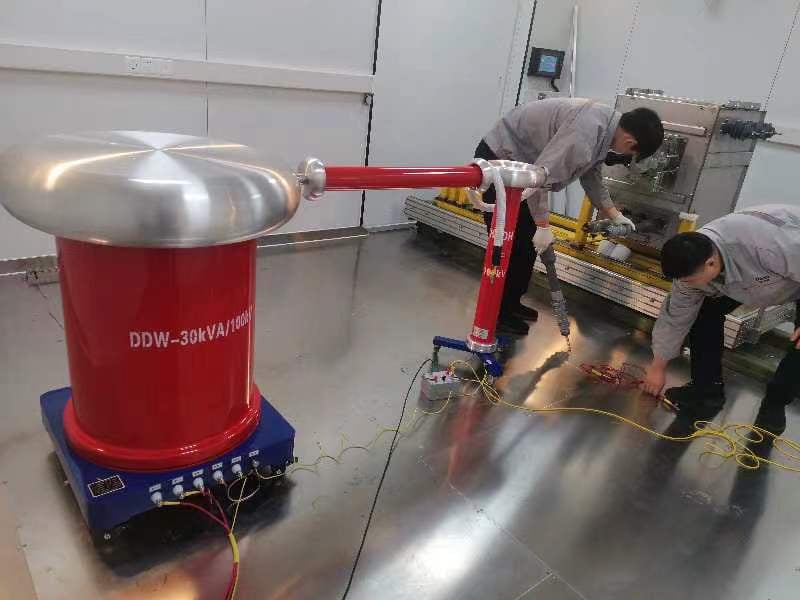
Components of a VLF Hipot Tester
To provide precise and reliable tests on insulation systems, a VLF (Very Low Frequency) Hipot Tester consists of several key components. Here are its main components:
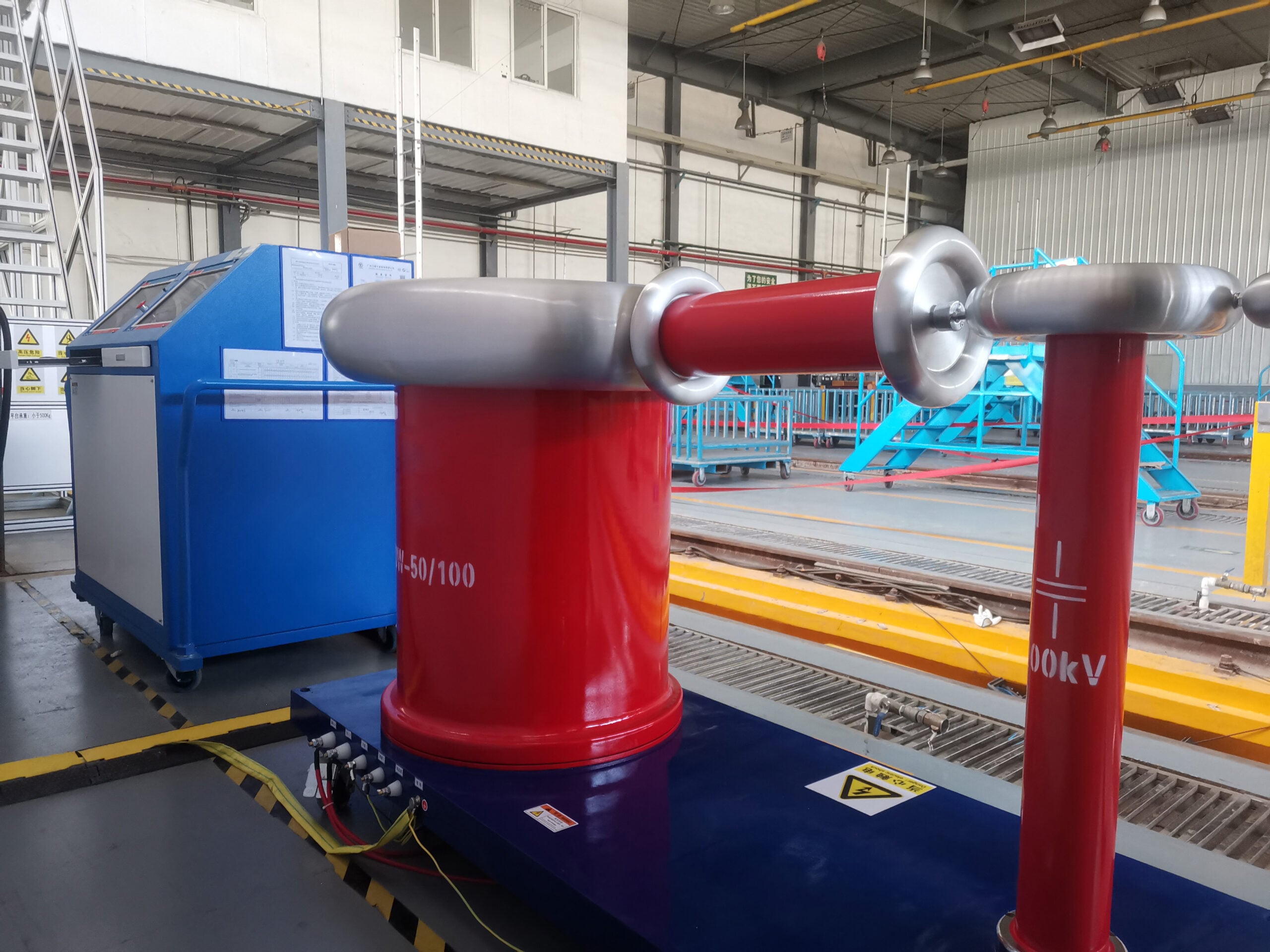
High-Voltage Generator: The generator is the heart that creates the controlled low-frequency AC voltage needed for insulation testing. It provides a constant voltage output while causing minimal distortion to the waveform, which is vital for obtaining results.
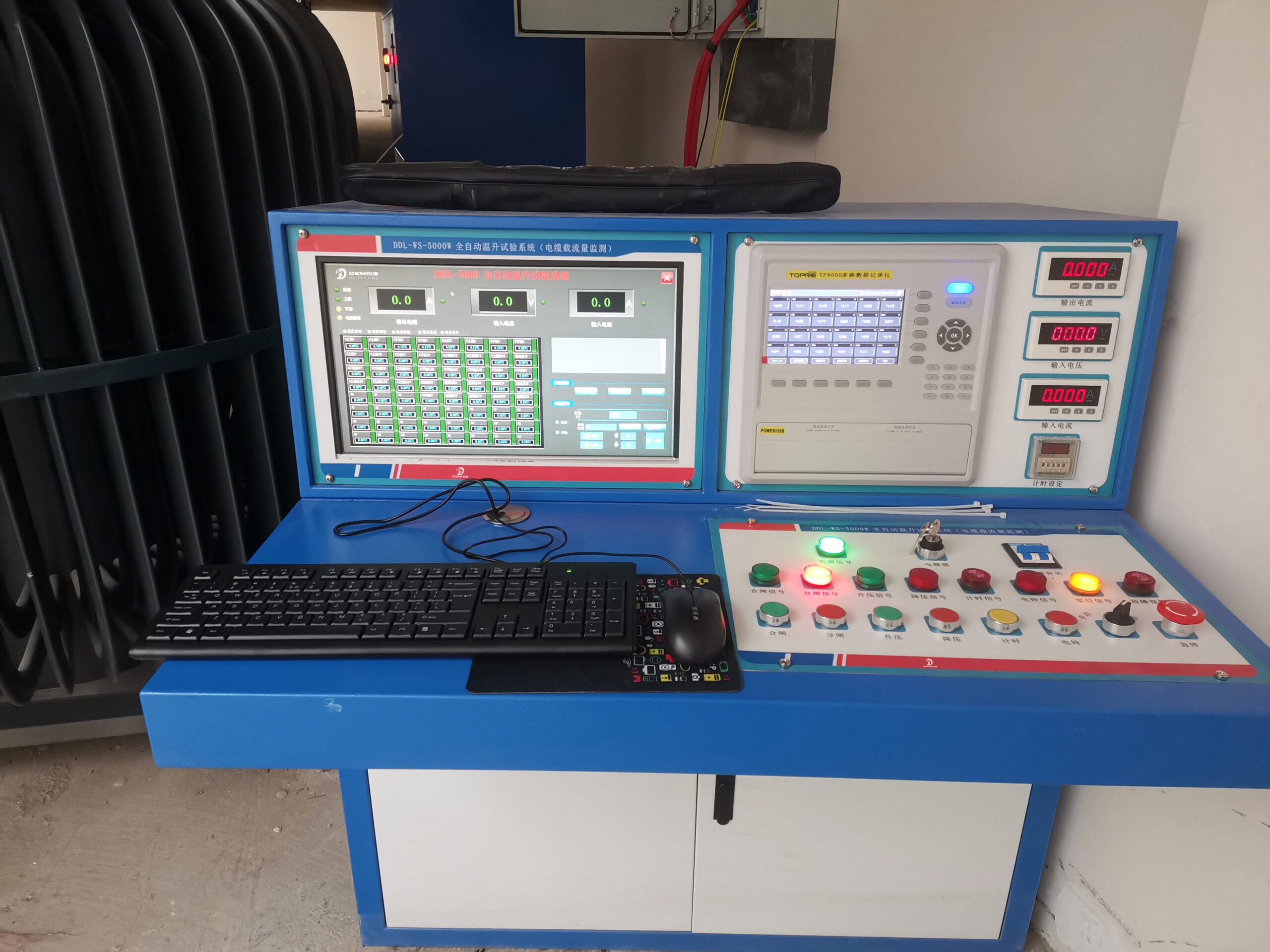
Control Unit: The control unit serves as the interface for operating and manipulating test parameters, including voltage level, frequency, and test duration. Modern control units are often equipped with easy-to-use digital displays, as well as automated control features.
Output Cable and Probes: These enable connections to test equipment with the VLF tester, requiring flexible and varied connections depending on the configuration. Output cables have very high insulation, making them suitable for high-voltage tests, while the probes allow for flexible connections to various electrical configurations.
Measurement and Monitoring Systems: The system measures key test parameters, including voltage, current, and time. More advanced features of monitoring include real-time data logging and diagnostics, which provide the technician with an overview of electrical performance and fault location.
Safety: The VLF Hipot Testing System incorporates several safety features, including overload protection, an emergency stop safety switch, and automatic shutdown, to prevent damage to equipment and minimize risks to the operator during testing.
Portability Features: Many testers these days have been designed with portability in mind, featuring lightweight components and a compact design. The casing usually sits on wheels for easier transport across worksites.
Powered by high-end components, VLF Hipot Testers offer superior efficiency and precision, thereby making them indispensable in both fault diagnosis and testing insulation integrity within diverse electrical systems.
Working of VLF Hipot Testers
By applying an AC voltage at a low frequency, the ULF frequency is approximately 0.1 Hz, to the insulation of electrical systems, VLF Hipot Testers test the insulation. At such a low frequency, the capacitive current can be minimal, which can be very high for large capacitive loads, such as long cables or transformers. This current reduction ensures that stable and repeatable results are obtained.
In the testing procedure, the VLF Hipot Tester is connected to the equipment or cable being tested. Then, the voltage will be gradually increased until it reaches the predetermined value, commonly specified in various industrial standards or manuals for a specific piece of equipment. This high voltage is maintained for a particular, fixed time, during which the engineers determine whether the insulation provided with the equipment meets the standard. Any interruption or leakage current noticed would mean that the insulation has probably shown some weaknesses or has failed.
Being equipped with a digital control and monitoring system enhances the precision of modern VLF Hipot Testers. Such processors take meter readings of parameters such as leakage current, test voltage, and resistance, allowing users to assess the immediate condition of their electrical assets. The entire system maintains a log and generates reports, allowing users to analyze test results and track system performance over time. It is this interface of low-frequency operation with contemporary technology that makes VLF Hipot Testers still useful in predictive maintenance and diagnostics.
Advantages of Using VLF Hipot Testers
In VLF hipots, many of the benefits afforded explain their essential status during high-voltage testing. Most importantly, they set medium and high voltage cables and electrical apparatus without stressing them directly from DC, thereby significantly reducing the risk of damaging the insulation system. Secondly, their low frequency helps simulate real operating conditions, thus providing true diagnostic information.
Moreover, ensuring their lightness makes them suitable and portable for fieldwork, with a fair number of them offering interfaces that aid ease of testing for users. Modern VLF Hypot Testers are capable of performing automated step voltage testing, partial discharge measurements, and real-time data analysis. These functions, once manually performed, improved the efficiency and accuracy. This allows the identification of potential faults. These abilities of the devices in turn contribute reliability to a maintenance strategy by keeping downtime to a minimum, whether due to aging or modern electrical infrastructure. It complies with various industry standards and optimizes overall testing procedures with its capabilities for digital data storage and organized referencing.
Cable Testing with VLF Hipot Testers

Types of Cables Suitable for VLF Testing
Very low frequency (VLF) is one method, popular amongst others, for testing the insulation integrity of different medium-voltage and high-voltage cables. It is a suitable method primarily for extruded dielectric insulation cables, such as cross-linked polyethylene (XLPE) and ethylene propylene rubber (EPR), which are widely used in modern power-distribution systems due to their good lifespan and high electrical properties.
VLF is also suitable for testing paper-insulated lead-covered (PILC) cables, which are typically installed in older infrastructure. Although these PILCs are vintage cables, they continue to function in many networks, and insulation testing with VLF provides a reliable option without causing any damage.
Depending on the application, VLF testing must be adjusted to accommodate special cables, such as submarine cables, to provide highly accurate diagnostic results while taking into account unique environmental constraints, including underwater placement. This exact ability of VLF equipment makes it suitable for testing almost every type of cable. Very Low Frequency testing, therefore, offers an adaptable yet very accurate test method in assuring reliability across many electrical systems and preventing borne failures.
The Procedure for VLF Cable Testing
VLF (Very Low Frequency) cable testing procedures describe the practical method of testing the insulation integrity and performance of power cables. Typically, the procedure begins with a visual inspection to assess for damage to the cable, which cuts, abrasions, or adverse environmental conditions may have caused. Next, preparation of the cables ensues. Grounding is performed for any nearby equipment, and safety requirements are met before testing begins.
Once the preparations are complete, the test voltage is applied to the cable, typically at 0.1 Hz, which is far below the normal AC frequency. Testing voltages are chosen and standards applied based on cable ratings to ensure accurate diagnoses without damaging the cable’s insulating material. Measurements of leakage currents, dielectric strength, and capacitance are taken to assess the complete condition of the cable.
Modern VLF test sets leverage recent advancements by incorporating systems for automatic data logging and real-time diagnostic capabilities, providing detailed insights into the insulation’s health. Such systems can monitor partial discharge activity, localize weak spots, or the point of imminent failure before critical failures occur. With regular application, these procedures will help extend the life of power cables, reduce unplanned outages, and still provide compliance with international safety standards.
Interpreting VLF Test Results
Interpreting the results of a VLF test requires in-depth knowledge of the measured parameters and the insulation condition of the power cable. Important data points considered when diagnosing cable health include leakage current, tan delta values, and the visual observations of discharge activity. High tan delta values typically indicate probable insulation degradation, which may require further inspection or replacement to prevent breakdowns.
Advanced tools now enable operators to track these parameters precisely over time and rate them to detect slow changes in insulation condition. With such minute detail, operators can distinguish between the process of wear and signs of accelerated degradation. For instance, if the leakage current levels fluctuate significantly between phases, irregularities in insulation integrity are likely to be revealed.
Each finding must be recorded systematically to identify patterns and amend these maintenance schedules accordingly. With current diagnostic capabilities, VLF test data analysis can now be conducted on both a predictive and preventive basis to facilitate more reliable power system operations, thereby reducing lifecycle costs.
Comparison of VLF Hipot Testers and Other Testing Equipment

VLF vs. DC High Voltage Testers
There are several differences when comparing VLF hipot testers to DC high-voltage testers in terms of application, operation, and cable testing capabilities. VLF test sets are designed for AC testing of cables, which provides less stress on the materials than traditional DC methods. This reduced stress is quite welcome for modern polymeric wires, such as XLPE and EPR, which suffer from material degradation when subjected to DC testing due to residual space charges.
One may consider DC high voltage testing to be somewhat legal for the slow aging of insulations, such as PILC cables. Still, its limitations become apparent when dealing with newer insulation systems, as the set polarities exacerbate space charge effects that may ultimately lead to further insulation deterioration and premature failure.
As VLF testing is designed, a sinusoidal voltage is applied at frequencies between 0.01 Hz and 0.1 Hz, which simulates the operating conditions of the cables, but at low frequencies to minimize heat buildup during testing. This method enables partial discharge testing, Tan Delta testing, and other advanced diagnostic services crucial for cable health. Additionally, VLF testing is a more suitable method for detecting insulation weaknesses because it simulates operating conditions more accurately than DC testing.
Data from case studies further support the benefits of VLF testing, showing that cables tested using VLF methods experience fewer insulation failures and have a longer service life. Advanced diagnostic tools can also be used in conjunction with VLF testing to diagnose the current state of the cable further, enabling the maintenance team to prioritize maintenance interventions and prevent unplanned outages.
In the end, many sectors will find VLF hipot testers to be the ideal tool for them, especially for maintenance on a condition-based basis and predictive diagnostics. The finer accuracy, material-friendly testing, and compatibility with insulation types have made VLF testing an excellent strategy for electrical infrastructure maintenance.
The Difference between AC Hipot Tester and VLF Tester
AC and VLF hipot testers, which perform very low frequency testing, are separate pieces of equipment with their own application areas, advantages, and disadvantages. AC-type hipot testers operate by applying a test standard frequency AC voltage, typically 50 or 60 Hz, to assess the insulation strength of electrical equipment. Their ability to detect minute insulation weaknesses, partial discharges, or voids becomes apparent during high-frequency stress testing. However, this type of testing could be damaging to the equipment, especially if the equipment being tested is older, mainly due to the high stress applied to the insulation materials during the testing.
Conversely, VLF testers apply a very low-frequency AC voltage of the order of 0.01 to 0.1 Hz, with the lower voltage range being less stressful on the insulation materials. This helps VLF testing to evaluate the dielectric strength of modern extruded insulation of cables, such as XLPE and EPR, without the risk of causing any damage. This makes VLF testers preferable for condition-based maintenance, especially in environments where repeated testing might otherwise accelerate insulation wear. Due to their lower frequency, these devices are also less power-hungry, thereby enhancing portable power supply and operating efficiency; yet they nonetheless provide adequate diagnostic resolution.
Another very major difference lies in the areas of their application. AC hipot testers are predominantly used in short-term tests along critical assembly lines, where high-voltage stress must be applied as the final production check on transformers, motors, and other electrical components. VLF testers are primarily used for field-testing medium- and high-voltage utility cables. Being able to detect insulation deterioration as it occurs helps asset-management programs that aim to prevent expensive breakdowns and extend the life spans of equipment. These distinctions underscore the importance of understanding and selecting the appropriate testing set for the equipment type, operating conditions, and maintenance criteria.
Picking the Right Tester for Your Application
Certain factors must be considered to ensure the best performance from the equipment and the reliability of the application. First of all, what type of apparatus do you want to test, because different apparatuses will have different voltage levels, frequency ranges, or diagnostic capabilities? For example, power factor testing is helpful for insulation condition tests of high-voltage circuit breakers. Cable systems, on the other hand, are typically tested with VLF testers while stressing them under simulated operational conditions.
Then comes an assessment of the operating environment. Extreme conditions affecting moisture and temperature, while subjective, will require rugged testers to cope with environmental stress. Other considerations, such as the frequency of testing and the size of the workforce available, also come into play. A highly automated tester or a tester that is easier to use would verify results more quickly and require less training time, enabling a team to achieve a given result sooner with significantly less volunteer time.
While analyzing data for the right equipment is critical, it is also an essential element. Modern testers may come with powerful data recording and reporting features that enable the end-user to identify trends and potential early degradation signs, making data-driven decisions. These decisions include optimizing maintenance schedules. Other tools that may also enhance operational and equipment longevity are those that integrate with asset management systems. Such a combination ensures that your investments are worthwhile in the long term.
Integrating Tan Delta Measurements into VLF Testing

Meaning of Tan Delta Testing?
Tan Delta testing, also known as dissipation factor testing, is a popular diagnostic method I use to test the insulation quality of given electrical equipment. By measuring the ratio of resistive current to capacitive current in the insulation, the test measures the dielectric health of cables, transformers, and other high-voltage assets. It primarily detects aging, contamination, or other deterioration in the insulation before these conditions become critical. This method helps ensure the reliability and safety of the electrical system.
During Tan Delta testing, I usually conduct VLF testing. This very low-voltage and low-frequency action is imposed to minimize stress on the equipment while enabling precise diagnostic use. With the Tan Delta test, I can extract vital information, such as how much the insulation might have degraded or if moisture ingress could be an issue, and accordingly make informed decisions regarding maintenance. Since the test is non-destructive, it is a dependable method of determining the state of insulation without putting the asset at risk.
Performing Tan Delta testing to complement regular maintenance and diagnostics provides me with the assurance to pinpoint any cause of concern and address it at an early stage. Faster interventions translate to longer life for electrical equipment, less downtime, and expensive repairs-and this means efficient and sustainable operations.
Advantages of an Integrated Hipot Tester with Tan Delta
Using a Hipot tester with integrated Tan Delta functionality offers a range of advantages that help streamline my diagnostic and maintenance tasks. To begin with, it is a twofold solution: high-voltage testing to analyze creep voltage insulation conditions. Time and resources are precious, and this setup completely saves them because I can go through all tests in one step, rather than having to go to another piece of equipment for Tan Delta testing. By combining both tests on instruments in one system, I can ensure better-planned work and deal with logistical challenges less frequently by owning separate devices.
Another primary benefit is that one can gain deeper insights into the health of insulation. The Tan Delta feature measures dielectric losses quantitatively in the insulation, providing real-time data concerning its quality and aging. Based on this data, I can assess the risks of failure and subsequently prioritize maintenance or replacement. Such preventive maintenance extends the longevity of my electrical assets while minimizing the risk of abrupt breakage, thereby ensuring operational reliability.
Lastly, the Hipot tester with integrated Tan Delta takes inspection safety with necessary precision to another level. Combining all these features in one device is truly a delight, enabling users to undertake HV tests and measure insulation quality at rigorous safety levels. The versatility with which the tests are conducted, coupled with the trustworthiness of the results, provides me with immense confidence in making maintenance decisions that contribute to operational efficiency and long-term cost savings.
Best Practices for Tan Delta and VLF Testing
Tan Delta and VLF testing require adherence to a range of processes until best practices are established after training in safety and accurate reporting; they test to ensure that safety is guaranteed. First, I consider the apparatus very necessary to provide a thorough check for any visible damage, wear, or contaminants. This procedure helps identify any immediate issues that may interfere with testing or pose safety hazards during operation. Additionally, following all manuals for the operation of the equipment is mandatory, as it provides a solid basis for a correct testing procedure.
During testing, to minimize external interference, the equipment is set up in a controlled environment. For Tan Delta testing, I carefully monitor the insulation quality, looking for abnormalities or spikes in the data, as these could indicate degradation or a fault. VLF is also closely monitored in terms of the fault voltage applied, ensuring it accurately corresponds to the type of cable or insulation being tested. Otherwise, one may easily overstress the components in the test, rendering the test results inaccurate or meaningless.
After testing, I would promptly review and document the results. Comparing the data with baseline values or historical records provides insight into the condition of the equipment, which informs my decision on whether to perform maintenance or replacement. Periodic calibration of the test equipment is essential for maintaining reliability and staying up-to-date with new industry standards. Such procedures enable my practices to be accurate and also sustainable for future performance and safety.
Reference Sources
-
How does the very low frequency hipot tester work – Application
Explains how VLF Hipot Testers assess insulation integrity in cables, transformers, and other equipment. -
VERY LOW FREQUENCY (VLF) AC TECHNOLOGY – HVinc
Discusses primary applications of VLF testing, including medium and high-voltage cables and rotating machinery. -
VLF Hipot Testing for High Voltage Power Cables – LinkedIn
Highlights VLF Hipot Testing as a non-destructive method for evaluating high-voltage power cables. -
The Characteristics And Applications Of VLF Hipot Tester
Covers the use of VLF Hipot Testers for voltage withstand tests and insulation testing. -
The Advantages of VLF Hipot Testing of Cables – Protec Equipment
Focuses on the diagnostic benefits of VLF testing for ensuring cable reliability and safety.
Frequently Asked Questions (FAQs)
What is a VLF Hypot Tester, and How Does It Contribute to Cable Testing?
A VLF hipot tester is a specialized device used to perform high-voltage insulation testing on cables, electrical arms, and similar components. They operate at low frequencies, generally around an interval-centered frequency of 0.1 Hz, to make the test conditions more suitable for detecting weak points in the insulation. The tester can generate high voltages for testing the integrity of cable insulation. The high voltage applied to a cable may help to identify those failures that cause partial discharge. VLF testing is extensively used on medium- and high-voltage cables for diagnostic purposes, in accordance with IEEE 400.2, to ensure that cables meet vendor reliability standards and are safe for operation.
What are some of the differences between the LD hypot tester and the traditional hypot tester?
The low-frequency AC hipot tester is characterized by a 0.1 Hz frequency, and this slight change from the usual 50 or 60 Hz means differing effects on cable testing. It ensures better dielectric absorption and a reduced capacitive charging effect. In this way, better readings for insulation resistance are achieved, and partial discharge can be better assessed. Testing with a VLF AC hipot tester is recommended in cases where long cable runs or cables with high capacitance are present. This type of testing would also cause less damage to the insulation as compared to the standard AC hipot test. A low-frequency tester would take measurements, ensuring that the cable insulation is tested in realistic conditions.
What are the benefits of using the VLF hipot tester with tan delta measurement integrated?
A VLF hipot tester integrated with tan delta measurement combines insulation testing with the quality testing of cable insulation. Tan delta measurement would reveal the dielectric losses and the condition of the insulation materials. This feature is indeed necessary for detecting aging or moisture ingress in cables before they fail. By applying both hipot and tan delta measurements, operators can get an almost complete report on cable health. This feature will, therefore, help increase the effectiveness of diagnostic testing in the maintenance decision-making process. In contrast, the reduction in the number of separate units simultaneously helps reduce testing time and operational costs.
What is partial discharge testing used for in high-voltage cables?
Partial discharge testing is relevant for assessing the integrity of high-voltage cables. It detects the tiny electrical discharges that occur within the insulation, which may indicate deterioration or defects. When maintenance teams are alerted to discharges in the earliest stage, they can mitigate the circumstances before a disastrous failure occurs. Partial discharge testing is typically conducted using VLF hipot testers, as these devices apply the necessary test voltage without excessive stress being applied to the insulation. Therefore, regular periodic partial discharge monitoring can increase the life of the cables, ensuring their safety within the electrical installations. It is a proactive measure that enhances the reliability of critical infrastructure operations.
How can a cable tester be put to use in enhancing maintenance strategies for electrical systems?
A cable tester is an indispensable tool for service technicians, essential for maintaining reliable electrical systems. It tests cable insulation and identifies potential problems before they become serious. Insulation resistance can be monitored during regular testing with a cable tester, allowing for the evaluation of any issues arising from moisture ingress or material degradation. Being a step ahead in testing and maintenance reduces downtime and repair expenses. Moreover, the use of options like tan delta measurement shall undoubtedly increase your knowledge of cable health. Schedule regular testing with the cable tester to ensure system reliability and enhanced safety.
What needs to be considered when renting VLF hipot test equipment?
The following factors should be considered when renting VLF hipot test equipment to guarantee maximum performance and reliability. Check the unit’s specifications to ensure it suits your testing applications. Check if features such as partial discharge (PD) tests and integrated tan delta measurements are available. Depending on your testing needs, you will likely require support options, so consider the reputation of the rental company. Calibration is paramount to accuracy, so confirm that rental equipment has been calibrated. Then, review the terms and conditions regarding rental, maintenance, and liability in the event of damage.