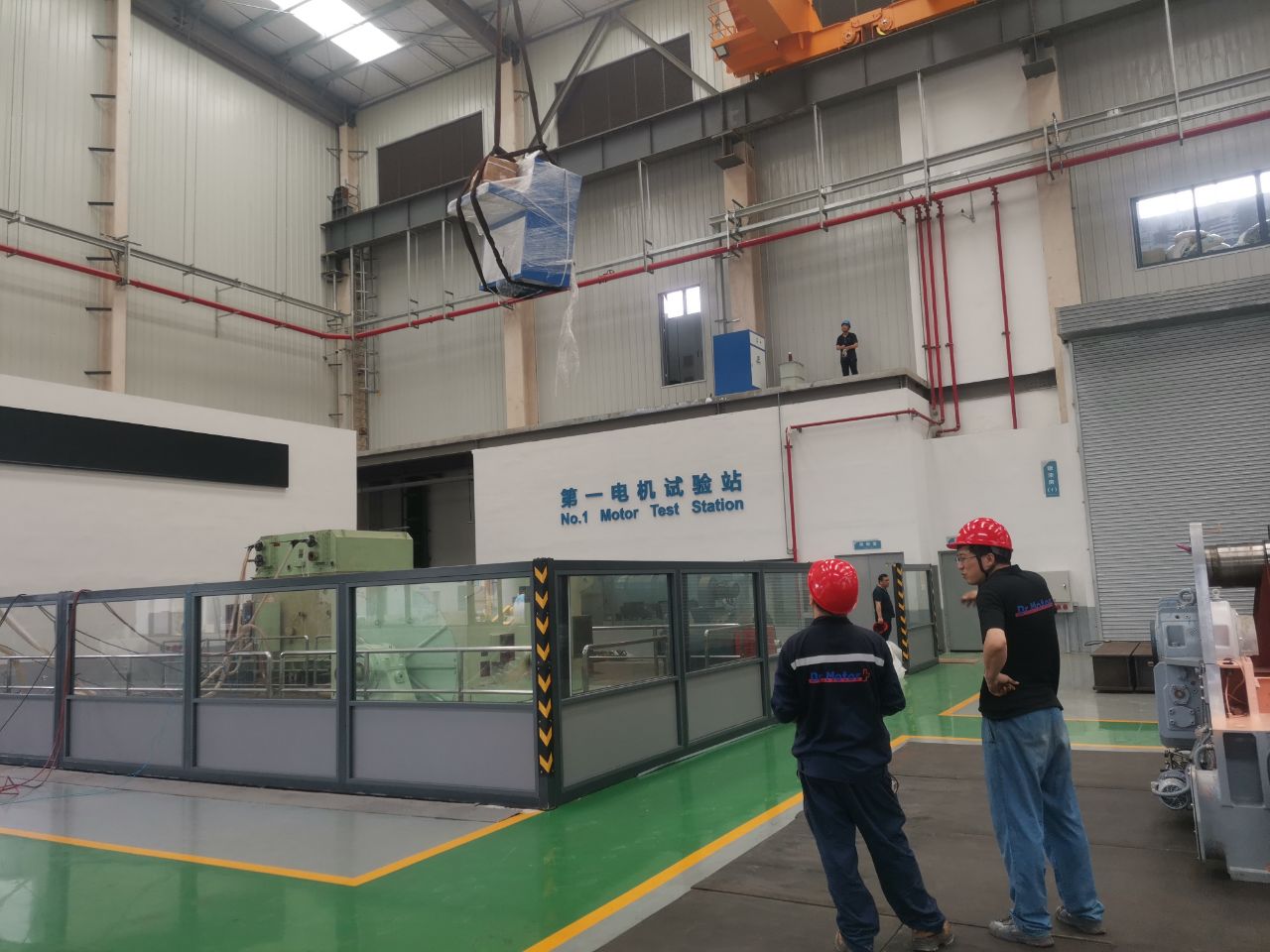
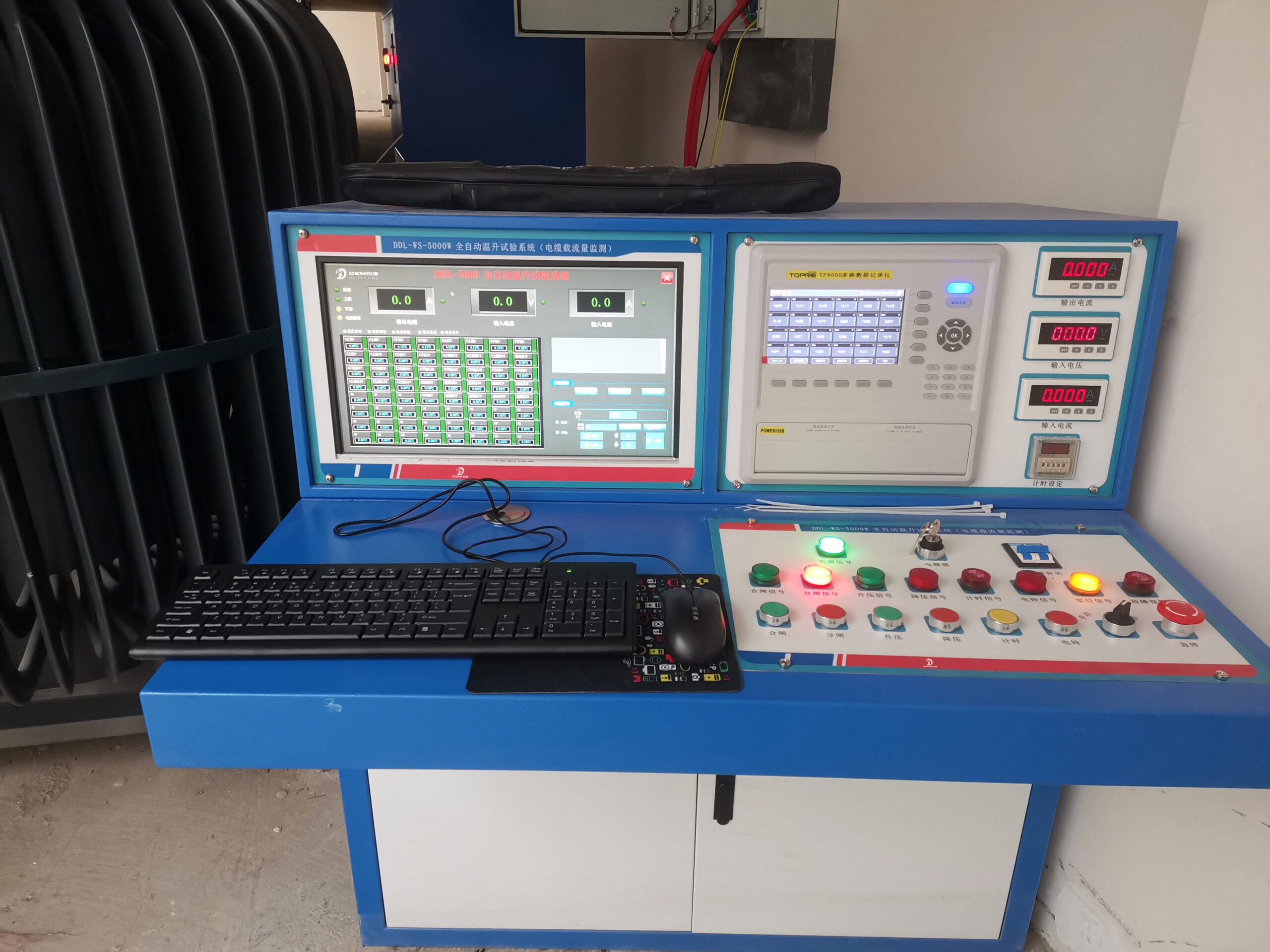
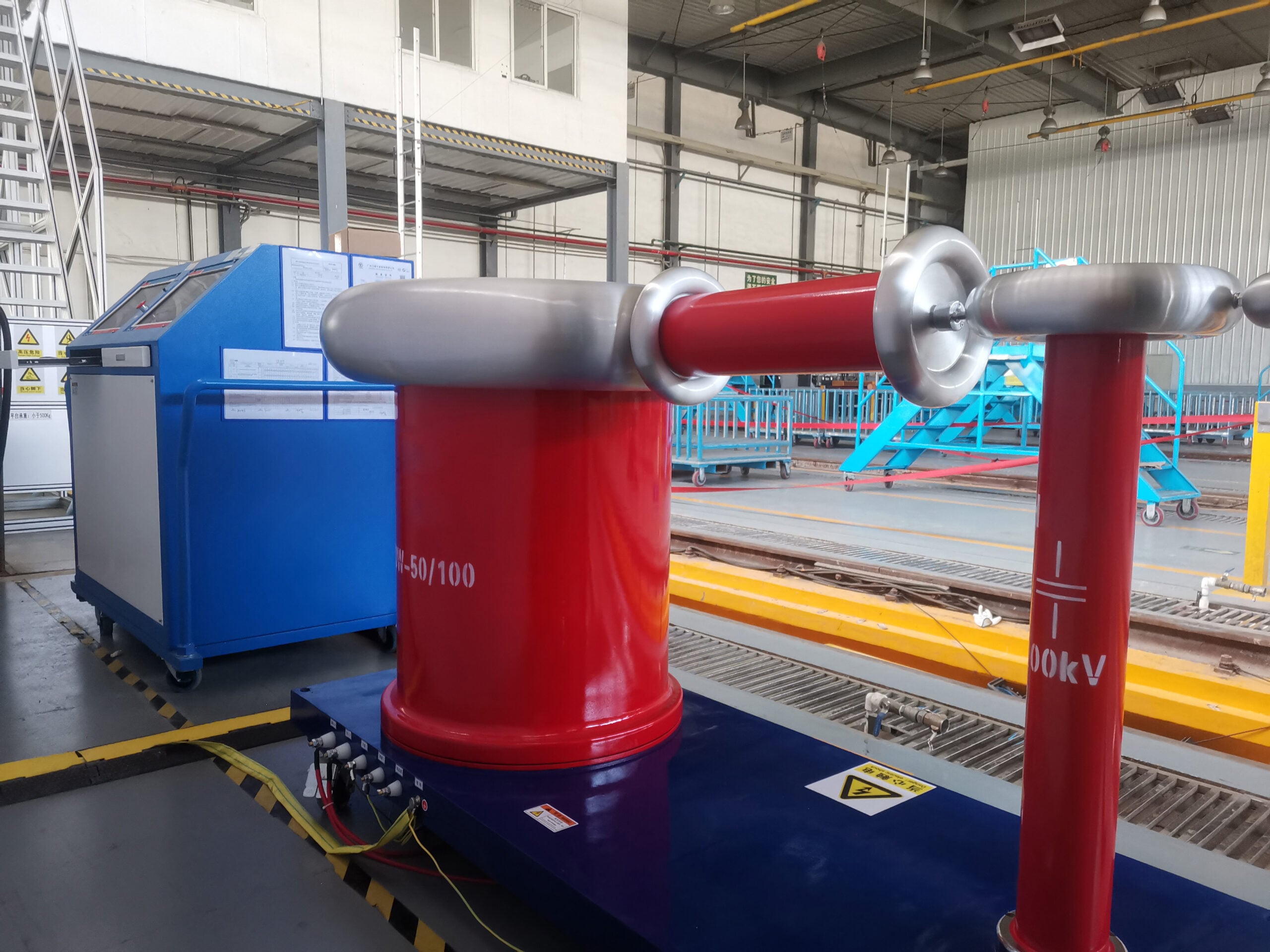
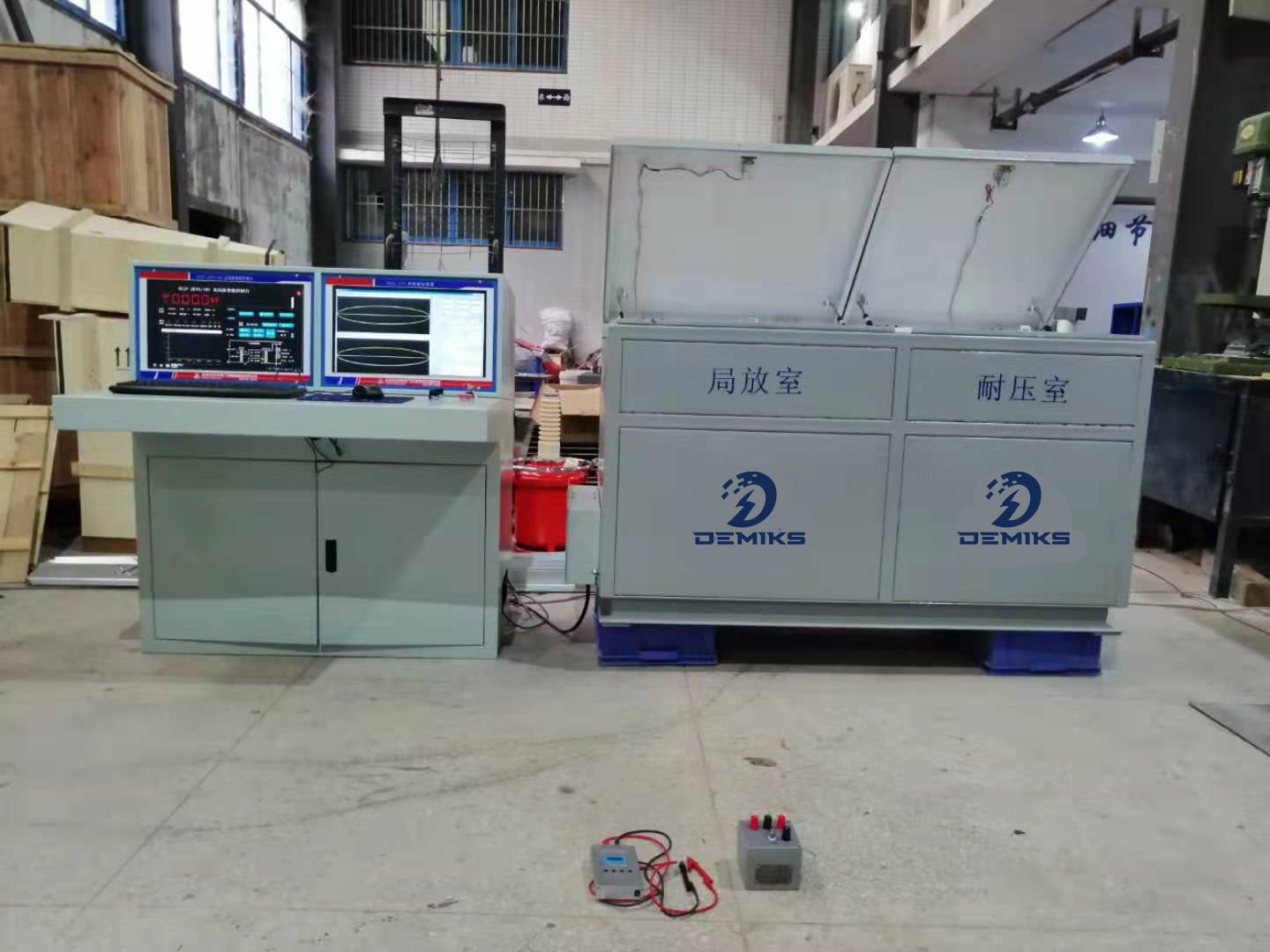
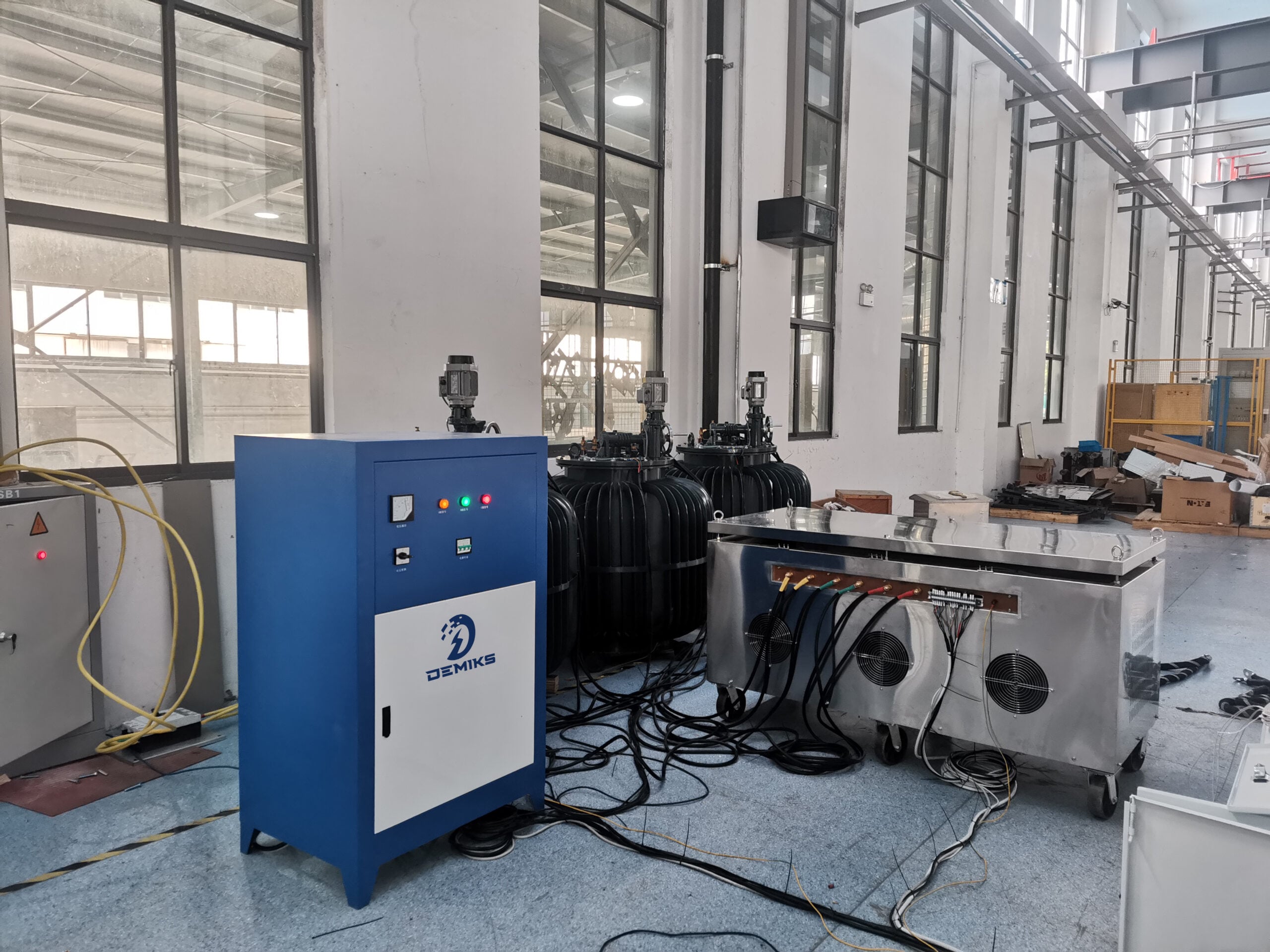
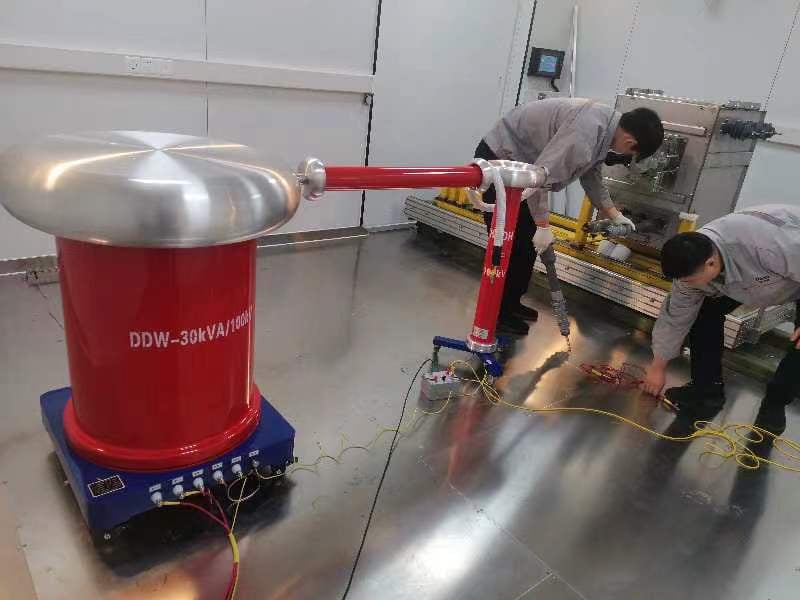
Correct testing, commissioning, operations, and maintenance of electrical equipment are pivotal for system reliability, efficiency, and safety. Ensuring a well-defined approach to electrical systems is necessary because of the present equipment complexities. Downtime, risk management, and equipment longevity are some concerns that need attention. This article outlines the best practices and standards that govern these processes, thus serving as a manual for professionals who supervise electrical systems. Readers will learn about critical pre-commissioning checks, performance validation, operational steps, and maintenance plans focused on cost reduction while optimizing functionality. This document serves engineers, technicians, or project managers with the guidance to face the phenomena of electrical equipment management.
What is the Importance of Testing and Commissioning Electrical Equipment?
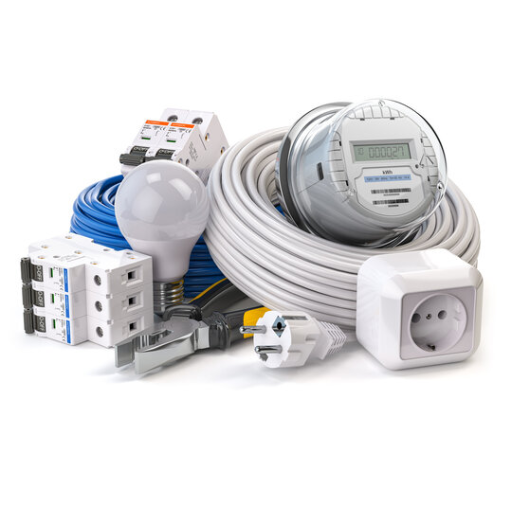
Electrical equipment like circuitry and motors must go through testing and commissioning to safeguard functional safety, trustworthiness, and efficiency. These activities greatly reduce the risk of equipment failure. Proper testing confirms that the equipment operates within design limitations, and verification confirms all elements have been correctly installed in the applicable environment. Proper execution of these processes not only protects personnel and assets but increases equipment performance while extending its lifespan.
Why is testing crucial for electrical equipment?
Evaluating electrical equipment maximizes safety, dependability, and adherence to testing standards. Testing helps ensure efficient performance with no damage, flaws, or breaches in safety that could lead to electrical fires, shorts, or system failures. Additionally, thorough testing helps confirm NEC or IEC compliance and consistent best practice throughout all operations. There is also exposure to enhanced cost efficiency with reduced maintenance due to the analysis and intervention in the initial phases of hardware deterioration.
How does commissioning enhance operational efficiency?
Operational efficiency is enhanced with commissioning because it ensures that all systems and components of a facility are thoroughly designed, installed, tested, and maintained as per the strict operational requirements. An effective commissioning procedure helps reduce system and process downtime by preemptively attending to accurate failure forecasting. This verification process is essential for the smooth merging of systems as well as for adherence to energy efficiency regulations which minimize unnecessary energy expenditures and costs. Furthermore, the information collected during commissioning provides opportunities to streamline and optimize predictive maintenance routines, thereby reducing unplanned maintenance activities. Overall, the incorporation of advanced and real-time technologies for data gathering during the commissioning processes improves the precision of systems enabling mid-course corrections to be made throughout the life of the systems. Decisional control is thus ensured at all levels for uninterrupted operational efficiency.
Common Testing Methods for Electrical Equipment
|
Testing Method |
Key Points/Parameters |
|---|---|
|
Insulation Resistance Test |
Determines insulation quality, prevents leakage |
|
Measures maximum voltage insulation can withstand |
|
|
Continuity Test |
Verifies complete circuit connections |
|
High-Pot (Hi-Pot) Test |
Ensures no insulation breakdown under high voltage |
|
Circuit Breaker Testing |
Tests operational reliability and trip settings |
|
Checks winding ratios for correct transformer operation |
|
|
Detects insulation defects and discharge activity |
|
|
Infrared Thermography |
Identifies hot spots and thermal anomalies |
|
Current Injection Testing |
Verifies protection relays and CT/VT accuracy |
|
Contact Resistance Test |
Measures resistance across connections and breakers |
|
Power Quality Analysis |
Assesses voltage, frequency, and harmonic distortions |
|
Oil Dielectric Test |
Evaluates dielectric strength of transformer oil |
|
Ground Resistance Test |
Tests effectiveness of earthing systems |
|
Functional Test |
Confirms correct operation of all system functions |
|
Load Test |
Simulates operational load conditions and performance |
What are the Key Steps in the Maintenance of Electrical Equipment?

- Inspection
Overheating and electrical faults stemming from lowered efficiency can be caused by unremoved dust, debris, or contaminants on the equipment. Therefore, equipment cleaning is crucial for efficeint operations.
- Cleaning
Regular visual inspections are performed to assess the system for signs of damage, wear, overheating, or corrosion related to enclosures, connections, and protective cables.
- Testing
Use grounded circuits and dielectric materials to test system parameters and devise scheduled functional tests for a system’s reliability and safety.
- Calibration
Check calibration of all instruments, protection devices, and control systems used to monitor operations not only for accuracy but compliance with set standards.
- Lubrication
Use the proper lubricants for different mechanical joints or moving parts to decrease wear and friction.
- Tightening Connections
Prevent overheating or unscheduled stoppages by closing loose electrical connections.
- Replacement of Worn Components
To prevent dangers or unexpected failures, change damaged parts like breakers, wiring, or insulation.
- Documentation
Driving these actions assists in tracking compliance with the necessary standards, regulations, and documentation concerning inspections and testing. Preserving thorough records of all inspections contributes towards keeping an account of equipment history therewith ensuring meeting set standards and regulations.
Implementing these practices enables safety, minimal interruption of services, efficient operation and maintenance of equipment uptime.
What does a maintenance manual for electrical equipment include?
An electrical maintenance manual contains information that assists the user in operating the equipment efficiently and increases its durability. Equipment consumption features an introductory summary, its descriptive parameters, instructions, and even checklists. It encompasses the required routine maintenance logs on a higher level which includes cleaning, servicing, and inspecting of parts for distinct types of equipment. As well, it explains how to contain safety risks while using certain tools and spare parts, and offers guidance on severe problems that can arise. Major changes like manufacturer notices necessitating changes in practices remain flexible to best fit maintenance procedures in line with current industry standards.
How often should electrical equipment be tested and maintained?
The circumstances surrounding an installation, such as the environmental conditions or applicable regulatory standards, will impact the frequency of testing and maintaining equipment. For most industrial and commercial settings, routine inspections are recommended to be conducted monthly or quarterly while comprehensive maintenance testing may be executed once a year. Moisture, extreme temperatures, or exposure to corrosive substances could require extensive important preventative checks. Compliance with NFPA 70E and OSHA guidelines also mandates upholding basic worker safety standards, which adds reliability to these frameworks. Advanced monitoring systems can determine when equipment is likely to fail which can extend equipment lifespan and save companies vital resources by implementing predictive maintenance.
How Can I Verify the Operation and Maintenance of Electrical Systems?
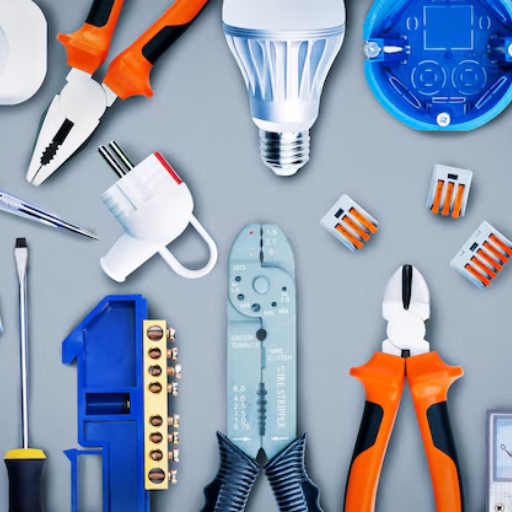
To validate operation and maintenance requirements of electrical systems, take the following actions:
- Use an IR thermography camera to visually scan for loose fittings and worn components to detect overheating issues.
- Cross-check documented maintenance work with the manufacturer’s instructions and industry standards such as NFPA 70B to ensure proper system maintenance is being upheld.
- Monitor System Functionality: Carry out periodic tests like insulation resistance or circuit breaker performance assessments to ensure all components function within their designated operational limits and thresholds.
- Validate Standards Compliance: Assess the systems for compliance and up-to-date policies, such as OSHA and other relevant safety standards.
- Seek Appropriate Personnel: Collaborate with licensed electrical contractors or trained maintenance staff to guarantee that reviews are complete and all required corrective measures are implemented properly.
These are the fundamental steps every organization needs to follow to sustain safe and dependable electrical systems alongside operational efficiency, compliance, and regulatory obligations.
What tests are necessary to ensure proper operation?
Regular operations of systems and equipment require the execution of certain critical tests:
- Insulation Resistance Testing: This test determines the integrity of angular and radial insulations for breaks and internal shorts that can cause loss of energy.
- Continuity Checking: This assesses if every connection in a circuit is complete so that current flowing through the system does not meet obstacles in its way.
- Circuit Breaker Testing: Protecting from possible overloads or faults requires strict adherence to proper circuit breaker operations. Tests must include trip timing analysis and measuring contact resistances.
- Load Testing: This test checks an electrical system’s performance capabilities for a given technical function, ensuring reliability under operational conditions without overheating or failing.
- High-Potential (HiPot) Testing: This test applies above nominal stress voltages to an electrical system to find weak points in insulation materials.
All tests outlined above assist in identifying possible problems, maintaining safety, and compliance with industry standards. Scheduled testing with documented results helps enforce proactive maintenance and prolong the system’s life.
How do commissioning services contribute to verification?
Commissioning services ensure that all components, equipment, and processes in a system verification are functioning accurately within work requirements because systems verification is performed in a stepwise fashion. In the commissioning stage, system tests of a particular level are conducted to check the functionality, safety, and reliability of the system. These services include functional performance tests, integration validation, end-to-end process examination, and many more, by resolving discrepancies that, otherwise, would compromise the integrity of operations.
Moreover, these services also help in documenting the outcomes of the tests, the outcome of tests and issue certificates of compliance so they can be aligned to the codes of the industry and rules set by the regulators. Furthermore, _at these modern times_ with the use of the latest tools for monitoring the data collected, advanced techniques of analysis, and methodologies, not only will the commissioning confirm the systems have been installed and are operational, but also provide recommendations for improvement on efficiency and for overall costs throughout the lifecycle. The systems can then be relied upon to function seamlessly after this rigorous data collection approach, which reduces risks, improves efficiency, and reduces costs.
What are the Common Challenges in Testing and Commissioning Electrical Equipment?
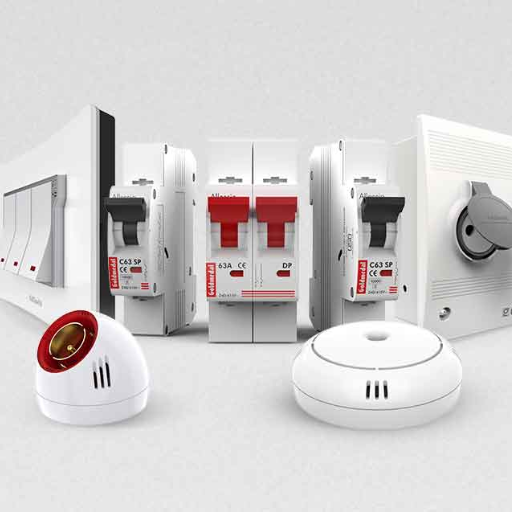
- Incomplete or Outdated Documentation
Obsolete, incorrect, or insufficient system logs can lead to errors during the commissioning process due to unchanging information.
- Equipment Malfunctions
Test failures due to a lack of proper calibration devices require spending on devices, time, and troubleshooting.
- Coordination Issues
Project collaborators having poor communication and conflict can lead to scheduling disruptions that affect testing procedures.
- Environmental and Safety Hazards
Complications arising from unsafe practices or difficult locations can put personnel at risk during testing protocols.
- Resource Constraints
Testing and commissioning supervisory functions of the equipment and systems tend to be time bound and resource constrained. They also have greater difficulty sustaining service quality and safety in continuous commissioning under availability of work, equipment, and skilled personnel.
If all project stakeholders orchestrate proactive resolution of the above issues, enhanced precision in testing procedures is guaranteed, as well as remarkable test and commissioning outputs.
What issues can arise during the commissioning process?
Without proactive measures, the commissioning procedure can encounter numerous hurdles that affect efficiency and precision. Insufficient documentation prior to commissioning is one prevailing issue. Missing or incomplete documentation—such as equipment requirements or operational workflows—can result in expectation misalignment and stymie verification processes. Weak dialogue or collaboration among multi-disciplinary stakeholders such as engineers, operators, and contractors can lead to serious shortfalls during training handovers or operational sessions.
Another major problem has to do with volatile parameters in system integration, particularly for large-scale undertakings that incorporate numerous subsystems. Hardware and software integration problems can occur when these subsystems are not adequately tested for their interoperability under actual working conditions. Environmental stressors also pose problems. For example, variable temperatures, humidity, or load conditions could expose system weaknesses not addressed during prototype stages.
At long last, inadequate project planning intensifies pre-existing gaps in schedule adherence, resource scarcity, and workflow synchronicity, which can culminate in delays or additional costs. These issues underscore the need for detailed and thorough project planning, rigorous testing, and continuous maintenance during the commissioning project life cycle.
How can I overcome common testing challenges?
Organizations should manage common testing problems with a framework that covers the whole scope of the project. First, using strong test management frameworks guarantees all objectives, processes, and tools of testing are in line with the goals of the project. Compliance with methods such as ISTQB or ISO/IEC fosters uniformity for documentation and test cases.
Second, enhancing the efficiency and accuracy of automation tools for repetitive or high-volume tasks greatly improves organizational productivity. During the iterative development stage, automated systems cut down on manual mistakes and offer faster feedback. Even though automation tools are useful, the application, environment, and team knowledge must guide the selection of the tool.
Third, focus on the consistency of the test and replicating production conditions to improve the accuracy of the test environments. Doing so helps in the precise evaluation of problems arising caused by factors like network lag, hardware differences, or external API calls. With containerization tools such as Docker, a uniform and easy to deploy environment standardization is possible.
How Do I Choose the Right Professional for Electrical Maintenance and Commissioning?
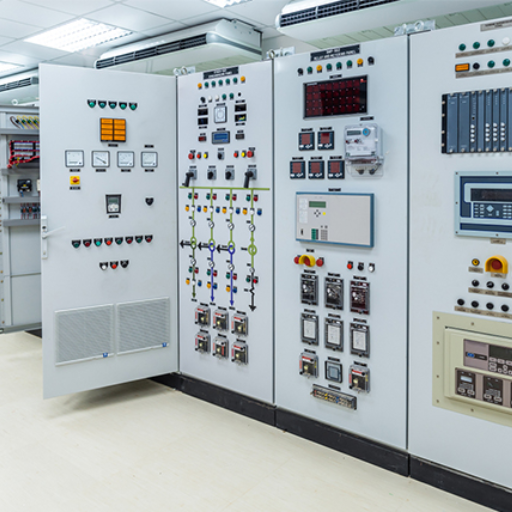
Choosing the most suitable expert for electrical maintenance and commissioning entails an examination to guarantee safety, efficiency, and reliability. Start with confirming the prerequisites, such as electrical licenses and certifications, issued by the state or OSHA, or being OSHA-trained. Equally critical is experience, so ensure there has been exposure to a proven record in projects in those industries.
Confirm reputation by requesting references and reviews from the past clients. Make sure that relevant codes and standards dealing with your location or industry are understood comprehensively. Also check if they can execute adequate tests and report for all phases of the commissioning process as required.
Cost transparency and project milestones should be as outlined and explained. These combined with effective communication makes a professional even with all the required technical proficiency contribute towards successfully and safely enhancing the electrical systems.
What qualifications should I look for in a maintenance professional?
When assessing potential maintenance professionals, focus looking at credentials and formal education for relevant industry certifications. For instance, licensed electricians must hold either a Journeyman or Master Electrician license, depending on the system’s complexity. Also, holding credentials from the Electrical Training Alliance or NICET suggest that the professionals are industry standard compliant.
Hands-on practice is another basic requirement. Look for someone who has successfully managed and maintained similar systems to yours and can demonstrate their troubleshooting and resolution capabilities. Knowledge concerning preventive maintenance and the use of sophisticated diagnostic tools and software is some indicator of their expertise. Also, determine their understanding about local and national codes like the NEC (National Electrical Code) for the United States in regard to safety and operations compliance.
How can I assess the quality of commissioning services?
Evaluating the quality of commissioning services requires a systematic appraisal of their workflows and processes, documentation, and outcomes. Check first if the commissioning provider’s methodology follows at least ASHRAE or LEED commissioning methodologies. Confirm also if there are detailed commissioning plans that include schedules, scope of work, and all included work packages and deliverables.
Evaluate how the provider conducts functional tests and evaluate if the testing is comprehensive enough, because such tests are vital in proving the functionality of systems under normal operating conditions. Ask for project documentation such as checklists, thorough test documents, and data against objectives and standards of performance. Providers that excel are those that have little or no restrictions in provision of such information.
Another key sign of quality centers around the ability of the provider to enable systematic communication pathways between all groups like the design teams, contractors, and operators of the building. Assess if they prepare training and operational documents to secure the operational life of a system long after its installation. Together with that, ensure that the provider performs follow-up verifications after occupancy to resolve any unexpected issues.
What are the Latest Trends in Testing and Commissioning?
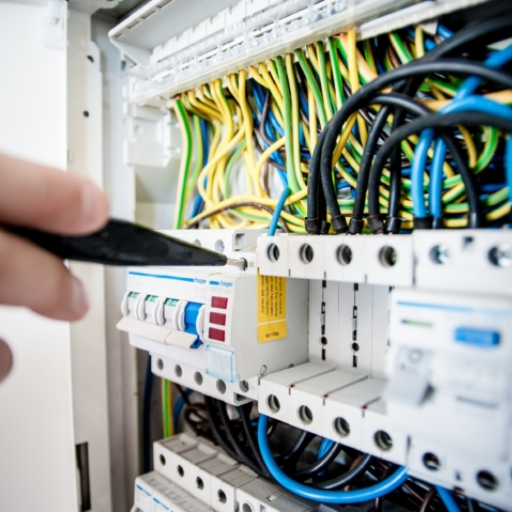
As new technologies and sustainable practices are adopted, the area of testing and commissioning is changing. One major trend is the use of Building Information Modeling (BIM) which helps to improve process, collaboration, and accuracy concurrently in a project’s lifecycle. Furthermore, there is focus on energy efficiency and sustainability in construction with commissioning tasks focused on system performance to reduce energy consumption and obtain environmental certificates like LEED.
Data-driven tactics like real-time monitoring and system performance analytics have emerged and become critical as they improve functionality. Implementation of automated commissioning tools helps identify system inefficiencies more accurately and quickly which in turn reduces time and financial resources. There is growing interest in remote commissioning which is made possible through IoT and cloud-based systems which allow teams to do more inspection and troubleshooting off-site. These practices redefine industrial standards ensuring operational systems are able to meet future demands.
Innovative Technologies in Electrical Testing
The performance of modern electrical systems can be assessed using more complex diagnostic tools that incorporate AI and ML, automating the evaluation process. AI-driven predictive maintenance tools help mitigate maintenance costs by anticipating downtime well in advance, analyzing real-time data to forecast problems. Moreover, advanced techniques for Partial Discharge (PD) testing are gaining acceptance as the standard for high voltage equipment insulation system evaluations since they are defect sensitive.
The addition of Frequency Response Analysis (FRA) components to transformer testing is also very useful as it improves the reliability of detecting mechanical and electrical faults. With the advent of digital multi-function testing devices, frameworks can now measure resistance, capacitance, voltage, and several other parameters with one portable unit which greatly enhances productivity at field work.
Impact of Automation on Commissioning Services
Automation has reshaped commissioning services technologically due to a better functioning process for testing, reviewing, and doing necessary actions in a system. Nowadays, machine learning and artificial intelligence (AI) technologies are developing sophisticated systems capable of performing fault and deviation diagnostics on a microscopic level. With less manual work needed in testing, operational checks can now be conducted through initiative processes systems. This enables operational checks to be completed in a fraction of the time required by traditional methods.
Apart from that, the use of predictive analytics models based on historical and real-time data is helpful for predicting possible component failures in a given system. Accurate forecasting will help improve maintenance plans needed, which reduces workplace downtime and improves the overall management for an asset’s life cycle. Automated condition monitoring systems are linked to cloud systems that allow better data collection and remote access. Thus, engineers can analyze performance metrics without needing to be physically present on-site.
Reference Sources
-
Electrical power equipment maintenance and testing
This book provides comprehensive guidelines for maintenance, operation, and testing of electrical equipment, including manufacturer-specific procedures and routines. -
Power system commissioning and maintenance practice
This resource focuses on commissioning new equipment, maintenance practices, and fault management in the British electricity supply industry. -
Multifunction digital relay commissioning and maintenance testing
Discusses the testing and commissioning of multifunction digital relays, highlighting changes in methods and testing extent due to technological advancements.
Frequently Asked Questions (FAQs)
Q: What is the importance of testing commissioning in the operation and maintenance of electrical equipment?
A: Testing commissioning is crucial as it ensures that electrical equipment operates efficiently and safely. It involves verifying that all components are functioning correctly before they are put into service, which helps in identifying potential issues early on.
Q: Where can I find comprehensive information about the testing commissioning process?
A: You can find comprehensive information in specialized books on electrical engineering and power systems. Many resources also include case studies and best practices related to testing commissioning.
Q: How do test results impact the maintenance of electrical equipment?
A: Test results provide valuable insights into the performance of electrical equipment. They help in identifying any immediate maintenance needs and can guide long-term maintenance strategies to enhance reliability and efficiency.
Q: What role does RAO play in the testing commissioning of electrical equipment?
A: RAO, or Reliability Assurance Optimization, plays a significant role in testing commissioning by ensuring that the equipment meets reliability standards and performance metrics, which are essential for effective operation and maintenance.
Q: Can you recommend a book that reviews best practices for testing commissioning?
A: Yes, there are several excellent books that review best practices for testing commissioning in electrical equipment. Look for titles that cover power systems and include detailed methodologies for testing and commissioning procedures.
Q: What field tests are typically conducted during the commissioning of electrical equipment?
A: Typical field tests during commissioning include insulation resistance tests, continuity tests, and functional tests of the equipment to ensure it meets the specified operational requirements.
Q: How does the testing commissioning process differ for transmission equipment versus other electrical systems?
A: The testing commissioning process for transmission equipment is often more complex due to the high voltages and critical nature of these systems. It requires rigorous testing protocols and adherence to strict safety standards compared to other electrical systems.
Q: What are the common challenges faced during the testing commissioning of electrical equipment?
A: Common challenges include equipment failure during testing, lack of documentation, insufficient training of personnel, and coordinating multiple stakeholders. Proper planning and adherence to standards can help mitigate these issues.
Q: How often should testing commissioning be performed on existing electrical equipment?
A: Testing commissioning should be performed regularly, typically every few years or after major maintenance or upgrades, to ensure ongoing compliance with safety and operational standards.