Transformers are essential devices within electrical power systems for the transfer of energy and maintenance of voltage levels throughout the networks. However, similar to any intricate machine, transformers face considerable faults and operational difficulties. Performance impediments stemming from overheating, mechanical noise, airborne contaminants, oil leakage and impaired insulation can lead to costly unproductive downtime. In this post, I will review the most common transformer performance impediments encountered by utility and industrial operators, detailing preventative, mitigative and corrective strategies. Exploring these issues will assist in enhancing the reliability and safety of your transformer systems while ensuring continued operational readiness. Read on to help yourself with the information required to enhance operational efficiency while safeguarding critical equipment.
What Are the Most Common Causes of Transformer Failure?

- Insulation Degradation – Insulation within transformers succumbs to heat, humidity, and electrical strain, leading to its deterioration. If left unchecked, this may result in short circuits and failure downstream.
- Overloading – A transformer’s design capacity is exceeded, this leads to overheating, accelerated aging due to internal fatigue, and an overall reduction in operating lifespan.
- Moisture Contamination –Water ingress can result from leaking seals or improperly dried parts. Water greatly reduces the dielectric strength of the insulation and can lead to electrical failure.
- Oil Contamination – The function of oil in a transformer is to act as both an insulator and a coolant. Some contaminants such as dirt, oxidation byproducts and gasses can inhibit transformation oil’s ability of insulating and cooling, leading to critical overheating.
- Electrical Surges – Striking lightning and switching surges can over stress transformer components, causing damage to windings or insulation.
Obtain better results by implementing methods like regular testing, well-managed loads, low moisture settings, and other preventative actions to address any issues at hand.
Understanding Overload and Its Impact on Transformers
Excessive thermal strain occurs when a transformer is operated beyond its defined capacity, leading to an inflow of thermal pressure and possible degradation to its internal parts. Sustained exposure to these conditions causes an overload of excessive heat which occurs at an accelerated rate with the aging process of the insulation materials. This in turn reduces the dielectric strength of electrical components, thus increasing the chances of failure.
Hotspot temperature increases as well as abnormal changes in operating voltage and current are signs of overload. The aforementioned conditions can be alleviated and detected with advanced monitoring systems integrated real-time analytics and temperature sensors. Persistent overloading can reduce the operational life of a transformer by roughly 30-40% which strongly suggests that making sure loads are capped within limits is very crucial.
To protect a transformer’s lifespan, options like demand management, load forecasting, and deployment of OLTC systems can be utilized. For circumstances where periodic overloading is necessary, oil pumps or radiator fans aid in dissipating excess transformer heat, ensuring reliability during operation.
How Insulation Degradation Leads to Transformer Problems
The degradation of transformer insulation represents a significant concern regarding its performance and dependability. Prolonged exposure to thermal stress, electric stress, environmental contaminants like moisture, and even oxygen can weaken the insulating materials. Such deterioration leads to diminished dielectric strength making the insulation more vulnerable to partial discharges, which if not mitigated, may evolve into catastrophic faults. Furanic compounds, which are detectable in the transformer oil, is one of the common signs of insulation degradation. These compounds result from the breakdown of cellulose-based paper insulation and furans provide valuable diagnostic insights concerning the aging condition of the transformer.
Moreover, the presence of degraded insulation increases the operating temperature, as it fails to prevent the formation of localized hotspots. This leads to accelerated aging, thus creating a feedback loop of heightened degradation and heat accumulation. Weakened insulation makes it difficult for the transformer to endure transient voltage spikes, thereby causing potential dielectric failure. Adopting proactive monitoring measures, such as DGA (dissolved gas analysis) or thermal imaging, aids early detection of insulation problems, supporting effective maintenance actions to be taken towards risk, and reliability alongside operational assurance.
How Does a Cooling System Affect Transformer Reliability?
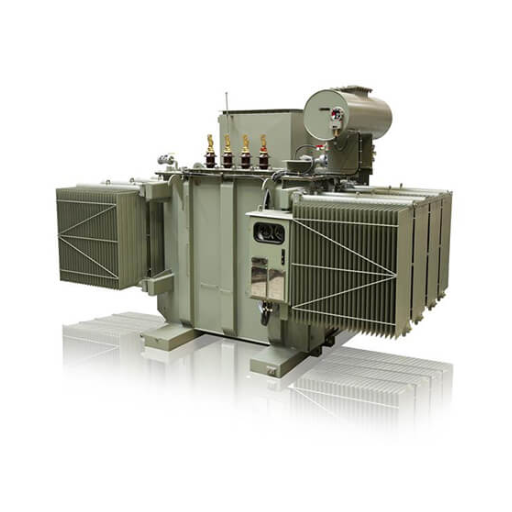
The operating temperatures within a transformer must remain within optimal limits for it to function continuously and reliably. A cooling system has the most important function of regulating heat removal. Excessive operating temperatures can overheat insulation materials, causing the insulation to age faster while simultaneously increasing the chances of a malfunction. Every transformer is equipped with one of the following oil circulation cooling systems: forced air circulation, oil circulating water cooling, or water cooling, all of which safely dissipate heat. Proper heat dissipation improves performance by reducing thermal overload as well as the possibility of unscheduled outages. Unscheduled outages require the system to be inspected, which in turn, necessitates a routine inspection and preventive maintenance of the system cooling components to maintain system efficiency and reliability.
The Role of Transformer Oil in Cooling Systems
Transformer oil serves as a coolant in electrical power transformers as it insulates different parts and also facilitates heat removal, which makes oil circulation a coolant and an insulator. This type of mineral oil is very useful with thermal and electric insulation for a transformer with oils because during the electrical current, the transformer generates heat because of resistance and core losses. The heat is absorbed by the transformer oil and later conveyed to the radiators or peripherals where effective cooling occurs and provides heat dissipation.
The modern designs of transformer oil offer high oxidation stability which minimizes long-term sludge buildup and ensures operational reliability. Upgrades in handling biodegradable and synthetic transformer oils also maintain efficiency while offsetting environmental concerns. Regular testing of dielectric strength, moisture content, and dissolved gas levels ensures maintenance of thermal degradation functions and increases system lifespan, protecting the oil’s functional properties.
Preventing Overheating Through Effective Cooling Solutions
In state-of-the-art cooling systems, passive and active ONAF (Oil Natural Air Forced), OFAF (Oil Forced Air Forced) and OFAF (Oil Forced Air Forced), are working simultaneously so that differing load conditions do not restrict heat dissipation. Effective DOFC (Directed Oil Flow Cooling) transformers are most effective in high power transformers by ensuring oil is circulated through key areas so that oil can both remove the heat passively as well as transfer it to areas of lower temperature more effectively.
New technologies, like modeling computational fluid dynamics (CFD), are being used to assess and enhance the design of cooling systems. With these models, engineers can predict the heating and the fluid within the transformer which allows for the exact structuring and implementation of the cooling structures. Also, the application of nanofluids – fluids containing nanoparticles – improve the thermal conductivity and efficiency of fluids when compared to traditional transformer oils. When coupled with the routine maintenance protocols, such as refrigerant cleaning and pump checks, reliable thermal management becomes possible. The probability of overheating can be greatly minimized while elongating operational lifetime.
What Are the Key Maintenance Practices for Transformers?
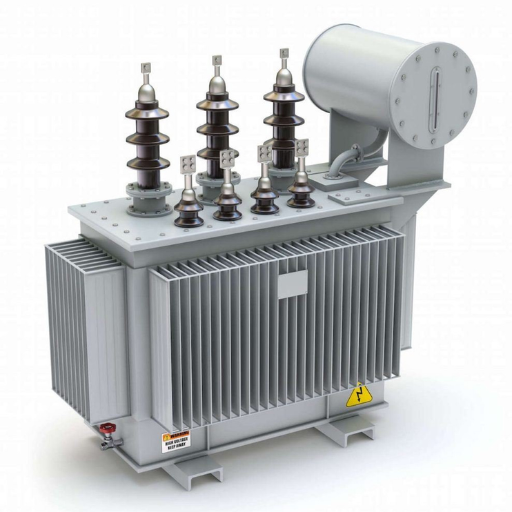
- Regular Inspection – Regularly scheduled inspections enable the observation of overheating radiators, worn bearings, improperly functioning fans, as well as any oil seepage and corrosion, capturing essential visual evidence of rapidly emerging issues. Early intervention makes a significant difference.
- Thermographic Survey – An examination using infrared cameras can capture and measure heat radiating from the device, spotting any abnormal temperatures that may indicate cooling or overheating.
- Data Analysis – Use advanced machine learning algorithms to polish data monitoring trends on parameters such as O2 and CO2 levels and draw inference using an AI, minimizing manual error.
- Fan and Radiator Upkeep – Ensure all external components, such as the fans and radiators, are free of dust and dirt to remove obstructions to radiation and convection heat flow.
- Link Inferability – Establish through software that all radiant heat measurement devices installed on the external surfaces are inferrable between each other, verifying the measurement accuracy of the entire measuring system.
Importance of Regular Inspections for Transformer Longevity
All systems, either management or technicians, are also highly trained to verify that functions are incorporated and that repairs are overdue. Timely system exposure routine inspection diagnostics beams some benefits for AI—heat spot generation, Thermal active cyan shafts. DGA monoplane energy gases sughiesgage.
Current technologies track overheating components without requiring intrusive inspection using thermal imaging. Routine inspections greatly mitigate the risk of catastrophic failures; transformers tend to have about 30% less unplanned downtime during these inspections. Regular and strategically timed inspections greatly improve not just the life expectancy of the transformer, but also make the electrical grid more robust and resilient. This method reduces an organization’s financial losses, avoids service interruptions and supports sustainable practices for energy transmission.
Preventive Measures to Mitigate Transformer Problems
- Regular Oil Analysis
Routine oil testing is crucial in measuring moisture, gas, and particle levels. Moisture identification and degradation thermal fault detection are key areas in oil quality refinement through techniques like Dissolved Gas Analysis. Maintaining optimal transformer oil quality directly impacts the cooling efficiency and dielectric strength of the transformer.
- Thermal Monitoring and Management
Overheating is one of the main leading causes of transformer failures. Implementation of real-time thermal monitoring systems enables detection of variable and alert operators to issues instantly. With proper ventilation, installation of efficient cooling systems like fans or radiators significantly minimize the risk of overheating.
- Periodic Insulation Testing
Integrating transformers into the framework of smart grids increases the complexity of their operational processes and requires modern monitoring systems. Automated monitoring and diagnostic systems allow for real-time observation of parameters such as load current, partial discharges, and harmonic distortion. This equipment provides real-time information, allowing for critical failure predictions long ahead of time.
- Implementation of Online Monitoring Systems
Preventive measures help ensure the windings retain necessary functionality and structural strength. Insulation resistance and polarization index tests can identify aging or weakened materials. Technological advancements have allowed for proactive measures, making it easier to maintain the operational safety of transformers.
Incorporating intelligent self-check equipment into the maintenance schedule enables operators to boost efficiency and avoid equipment malfunctions. Adopting the aforementioned measures can significantly reduce idle time, extend the functional lifetime of devices, and decrease electrical infrastructure risks.
How Do Different Types of Transformers Present Unique Challenges?

Every category of transformers comes with peculiar difficulties owing to their functions and environments of operation. Take as an example the power transformers in high-voltage transmission systems; these transformers undergo continuous heavy thermal stress and insulation degradation. Even in these types of transformers, the distribution ones face variable load conditions which frequently result in overheating and voltage instabilities. Temperature and ventilation control for dry-type transformers is crucial to prevent overheating which differs from oil-filled transformers that require constant upkeep to avert leak and fire risks. Every transformer type has specific maintenance guidelines and monitoring systems to overcome these challenges while operating safely and efficiently.
Understanding the Specific Issues of Power Transformers
Maintaining optimal temperature levels and management of power transformers is crucial to their operational reliability. Excessive heat can lower efficiency, shorten equipment lifespan, and degrade insulation materials. Modern monitors such as fiber optic temperature sensors which track winding hotspot temperatures in real time have advanced thermal management systems. These are used to track condition and forecast failures for proactive maintenance. In addition, newer transformer models tend to add cooling features directed oil flow for oil-filled transformers as well as ventilated dry-types to ensure proper dissipation during high load operations and preserve integrity.
Overvoltage and harmonic distortion are common in certain environments, making power transformers especially vulnerable to electrical stress. As time progresses, electrical overstress may weaken the insulation system, resulting in partial discharge phenomena and subsequent failing of the insulation. Early indicators of insulation deterioration are monitored using advanced diagnostic techniques, such as DGA and partial discharge surveillance systems. These systems enhance reliability and extend service life by allowing utility operators to take preventive measures prior to emergencies. Also, mitigative steps are being taken to reduce the consequences of prolonged electrical stress by using modern insulation materials power transformers with higher dielectric and thermal endurance, increasing transformer durability.
Structural Integrity of Different Transformer Cores
The physical characteristics of transformer cores have a significant impact on the effectiveness and reliability of electrical transformers. A core’s C grains are always made from grain-oriented electrical steel which is made to reduce energy losses from hysteresis and eddy currents. In addition, the physical layout of the core, such as the thickness of lamination, impacts mechanical strength and electromagnetic performance. Recent innovations have introduced high-permeability materials into core design, allowing greater precision in the engineering of the vibration and noise reduction that leads to slow structural degradation over time.
The active thermal stresses created during operations, mechanical stresses because of load changes, external environmental factors such as humidity, or area contamination all impact the condition of the structure. The core supporting components, such as core clamping systems and thermal insulation spacers, need to maintain the balance between supporting structural components and ensuring that magnetic flux is unaffected. Also, core configuration is being optimized and guaranteed to withstand diverse operating conditions with more precision through advanced stress distribution simulation done with computer-aided design (CAD) and finite element analysis (FEA). Such precision increases the reliability and reduces the required maintenance and operational downtime in high-stress environments.
What is the Lifespan of a Transformer and How Can It Be Extended?
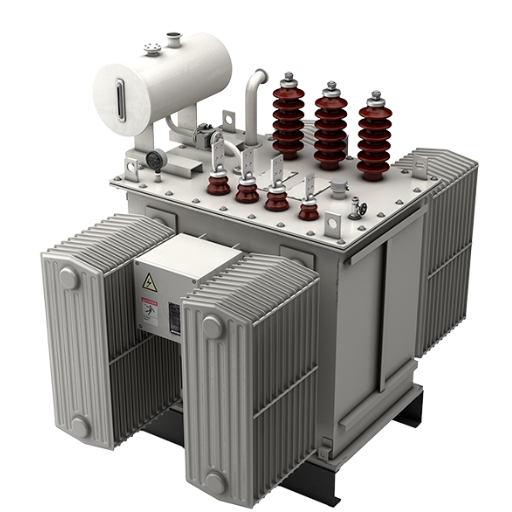
Transformers generally are categorized as units with lifespan ranging from twenty to thirty years, although some do exceed this timeframe. Remaining below maximum thermal loading indicators or carrying out timely system inspections also ensures effective overhead measured at wear and tear. The proper unit selection combined with regular maintenance greatly increases efficiency, while agile cooling proportions act to preemptively respond to temperature rising prompts. Moreover, the depreciation of unit components can be slowed down through timely oil cleaning and testing. To maximize usable service life, initiating a preventative maintenance timetable combined with state-of-the-art diagnostic devices is recommended for early failure sign detection.
Factors Affecting the Lifespan of Electrical Transformers
Some external and operational factors have a critical effect on the lifespan of electrical transforming machines, and these factors include the environment temperature. Excess heat can greatly accelerate the aging of transformer parts thus decreasing transformer efficiency over time. Electrical effectiveness is also a function of humidity and moisture. If the insulation is moist, its dielectric strength will reduce augmenting the chances of dielectric failures.
Thermal and mechanical stresses that occur due to repetitive overloads can tighten their grip on insulation causing winding deformation. Moreover, strain caused by interactions of two or more electric systems, also called power quality issues, harmonics, and voltage spikes, can superimpose empty space and additional heating, which greatly reduces the transformer’s operational integrity. There must be sufficient airflow and durable cooling parts to reduce overheating, especially for high-capacity systems or those that need to run continuously.
Strategies to Extend the Lifespan of Transformers
- Regular Maintenance and Monitoring
An effective maintenance schedule will help to uncover potential problems long before they become critical. Performing regular checks like oil level checks, measurement of insulating oil’s dielectric strength, and DGA on transformers with oil-based insulation can show signs of deterioration far in advance. Reliability is also improved by monitoring the condition of the transformer with advanced methods like temperature, moisture, and partial discharge online sensors.
- Optimized Load Management
Managing overload conditions is pivotal as it cuts down on the stress placed on the transformer’s components. Automated load forecasting and control systems help redistribute power demand, thereby decreasing the possibility of excessive thermal strain. Smart grid technologies such as demand-side management and distributed energy resources (DERs) also improve load stability which keeps the transformer well within its optimum performance capabilities.
- Improved Cooling Systems
Cooling systems, like forced-air or forced-oil transformers, can noticeably enhance the heat dissipation and thermal degradation of insulation materials. Also, increasing the temperature of the transformer improves aging and therefore failure. Higher quality transformers are more efficient when made with ester-based fluids, providing advanced thermal stability and disinfectant properties.
Operators can improve system reliability, performance of the transformator, and finally, the total cost of ownership over the continuous lifecycle of the equipment when all of these methods are applied.
What Are the Signs of Potential Transformer Failure?

1. Abnormal Sound: Problems with electrical and mechanical systems could be indicated by a humming of buzzing sound different from the systems operational sound.
2. Overheating: Excessive overheating may occur due to a breakdown in insulation, overworking the transformer, or from insufficient cooling.
3. Oil Discoloration: An oil discoloration indicative of darkened or sludged insulating oil may signify oxidation, moisture ingress, and even contamination.
4. Irregular Voltage: Winding faults or damage to the core may cause fluctuations in output voltage.
5. Physical Deformations: Issues with the casing of the transformer that need prompt responses are bulges, cracks, and other damages which are internally indicative.
Using predictive maintenance strategies and correcting these signs can circumvent unexpected out-of-service situations and costly repairs.
Key Elements of Transformer Maintenance
|
Key Elements of Transformer Maintenance |
Description |
|---|---|
|
Oil Quality Analysis |
Assess insulating oil for purity, moisture, and breakdown strength. |
|
Thermal Imaging |
Detect hot spots or abnormal heating issues. |
|
Winding Resistance Measurement |
Identify irregularities in winding conditions. |
|
Insulation Resistance Testing |
Evaluate the dielectric strength of insulation materials. |
|
Load Tap Changer Assessment |
Inspect and maintain tap changers for reliable operation. |
|
Bushing Inspections |
Check bushings for cracks, corona, or contamination. |
|
Partial Discharge Monitoring |
Detect early signs of insulation degradation. |
|
Noise Level Analysis |
Identify internal faults through abnormal sound patterns. |
|
Cooling System Check |
Ensure proper functioning of radiators and cooling fans. |
|
Visual Inspections |
Look for leaks, corrosion, or physical damage. |
|
Core Grounding Test |
Verify secure electrical grounding of the transformer core. |
|
Arcing and Flashover Prevention |
Inspect for and address risks of electrical arcing. |
|
Load Analysis |
Assess current load against design parameters for anomalies. |
|
Thermal and Voltage Monitoring |
Monitor operational parameters for stable transformer performance. |
|
Record Keeping and Audits |
Maintain documentation for trends and historical performance. |
How Mechanical Stress Affects Transformer Performance
Harmful mechanical stress is one of the factors that directly affects the efficiency and longevity of transformers. Electromagnetic forces give rise to high fault currents which induce a transformer to undergo and sustain rotary mechanical winding stresses, and slowly this cycle may lead to the insulation materials permanently weakening and result in partial discharges, short circuits, or complete breakdowns. In addition, mechanical vibrations resulting from magnetostriction in the cores are very likely to worsen core structural stress which could ultimately damage core or supportive parts.
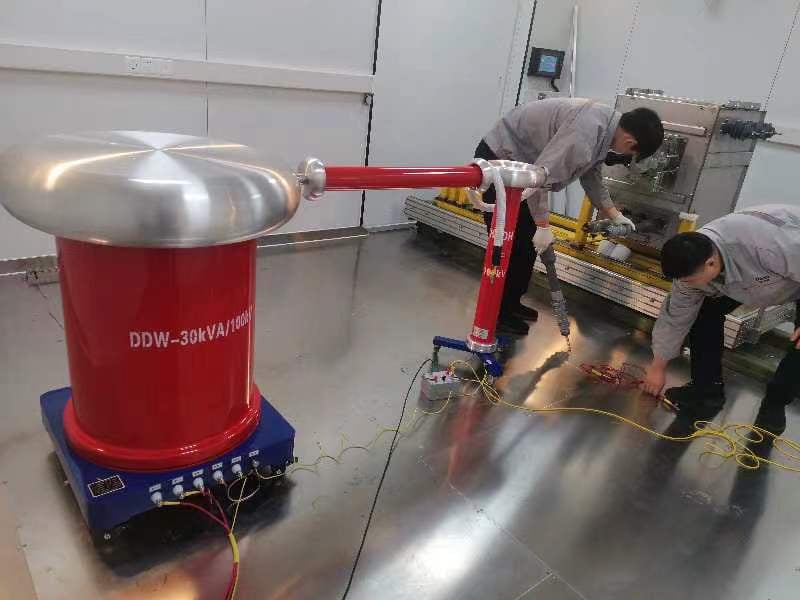
Case studies from various industries show how mechanical strain increases the chances of failure at high-load or fault conditions. For instance, studies show that transformers which undergo repeated short-circuit tests without sufficient mechanical support age faster and are less dependable. These transformers require proactive measures, such as reinforced bracing, advanced insulation techniques, and stress-relief designs, that lower the chances of these risks. In addition, regular diagnostics tests, such as Frequency Response Analysis (FRA) and mechanical impact testing, evaluation and monitoring of internal structural components, which maintains ideal functioning conditions in transformers throughout diverse operational scenarios, help ensure proper evaluation of the internal parts.
Reference Sources
-
Analysis of Leakage Current Calculation Through Thermal Failure Voltage on 150/20 kV Transformers in GIS Simpang, Surabaya (2024): Leakage currents showed minimal increase, and cable temperatures remained within operational standards, ensuring continued suitability for operation.
-
Energize Distribution Transformer 1 at Electrical Engineering Workshop State Polytechnic of Samarinda (2024): Successfully energized a 25 kVA transformer, highlighting the importance of insulation resistance and transformer oil testing for operational safety.
-
Methodology for Operational Analysis of Power Transformers with Data Science (2021): Demonstrated the method’s effectiveness in identifying critical operating conditions, enhancing preventive maintenance strategies.
Frequently Asked Questions (FAQs)
Q: What are the top 10 common transformer problems?
A: The top 10 common transformer problems include overheating and insulation failure, oil leakage from the transformer tank, poor electrical connections, contamination of insulating oil, structural integrity of the transformer, inadequate ventilation and cooling systems, overloading situations, electrical device malfunctions, improper maintenance practices, and failure of transformer components.
Q: How can I prevent overheating in a distribution transformer?
A: To prevent overheating in a distribution transformer, ensure adequate ventilation and cooling systems are in place, monitor the load regularly, and prevent overloading by managing the electrical load effectively. Also, consider using desiccants or breathers to maintain the quality of insulating oil.
Q: What are the signs that my transformer is at risk of failure?
A: Signs that your transformer may be at risk of failure include increased heat generation, unusual sounds, frequent tripping of protective devices, oil leaks, and visible signs of wear or damage on the transformer tank. Regular monitoring can help identify these issues early.
Q: What is the importance of regular monitoring for transformers?
A: Regular monitoring is crucial for ensuring the reliability and efficiency of transformers. It helps in identifying potential problems early, assessing the condition of transformer winding and insulating oil, and ensuring the structural integrity of the transformer, thereby extending its lifespan.
Q: How can I ensure proper load management for my transformer?
A: To ensure proper load management for your transformer, you should calculate the expected load accurately, monitor the load regularly, and implement load shedding strategies during peak demand. This helps prevent overloading and extends the life of the transformer.
Q: What are the benefits of investing in transformer upgrades?
A: Investing in transformer upgrades can lead to improved reliability of transformers, enhanced efficiency, reduced operational costs, and better performance under varying load conditions. Upgrades can also address common problems such as overheating and insufficient cooling.
Q: How does contamination of insulating oil affect transformer performance?
A: Contamination of insulating oil can lead to reduced dielectric strength, increased risk of overheating, and accelerated insulation degradation. This can ultimately compromise the reliability of transformers and increase the likelihood of transformer to fail under load.
Q: What are the common causes of insulation failure in transformers?
A: Common causes of insulation failure in transformers include overheating and insulation breakdown due to excessive thermal stress, contamination of insulating materials, and inadequate maintenance practices. Regular inspections can help identify these issues before they lead to failure.
Q: How can I improve the structural integrity of the transformer?
A: To improve the structural integrity of the transformer, conduct regular maintenance checks, ensure proper installation, and address any signs of wear or damage promptly. Additionally, maintaining adequate ventilation and cooling systems can help mitigate stress on the transformer structure.
Q: What role do cooling systems play in transformer performance?
A: Cooling systems play a vital role in maintaining the operational temperature of transformers, preventing overheating, and ensuring the longevity of the transformer components. Adequate cooling helps in maintaining the reliability and efficiency of the transformer under varying load conditions.