Power distribution cabinets are pivotal components in modern electrical systems, ensuring the seamless flow of electricity to various circuits, devices, and machinery. Despite their critical importance, these cabinets often remain an overlooked element of infrastructure in both industrial and commercial settings. This comprehensive guide aims to demystify the inner workings of power distribution cabinets, shedding light on their design, functionality, and role in maintaining operational efficiency and safety. From exploring their key components to understanding industry standards and best practices, this article equips readers with the knowledge required to optimize performance and minimize potential risks. Whether you’re an engineer, technician, or facility manager, unraveling the secrets of power distribution cabinets is essential for mastering electrical system management.
What Is a Power Distribution Cabinet?
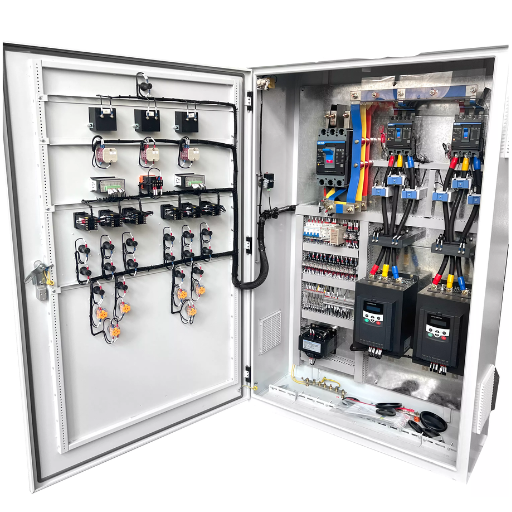
A power distribution cabinet is an essential component in electrical systems, designed to safely distribute electrical power from a source to various circuits or equipment. It houses critical components such as circuit breakers, fuses, and busbars to ensure efficient operation and protection against electrical faults. The cabinet organizes and controls the flow of electricity, allowing for reliable power delivery while minimizing potential hazards like overloads or short circuits.
Understanding the Basics of Power Distribution
Key Components of Power Distribution Systems
Power distribution systems are integral to delivering electricity from the generation source to end-use equipment in a safe, efficient, and reliable manner. A typical power distribution system includes transformers, switchgear, circuit breakers, and distribution panels. Transformers step down the voltage from high transmission levels to lower levels suitable for distribution. Switchgear and circuit breakers are critical for protecting the system by isolating faults and preventing equipment damage. Distribution panels then channel electricity to various circuits, each tailored to specific operational needs.
Core Functions of Power Distribution
The primary purpose of power distribution systems is to ensure the balanced allocation of electrical power while minimizing energy losses. This involves voltage regulation, load balancing, and fault detection. Voltage regulation prevents voltage fluctuations that may harm sensitive equipment, while load balancing ensures equal power distribution across all circuits, reducing wear and energy waste. Advanced systems often utilize smart technologies for real-time monitoring and automation, further optimizing system performance and safety.
Key Components of a Distribution Cabinet
- Circuit Breakers
Circuit breakers are critical for protecting electrical circuits from overloads or short circuits. They disconnect power automatically when faults are detected, thereby preventing damage to equipment and ensuring safety.
- Busbars
Busbars are metallic strips or bars used to carry large currents within the distribution cabinet. They provide a compact way to distribute power efficiently across multiple circuits while minimizing resistance and heat generation.
- Switches and Disconnectors
Switches allow for the manual control of power flow, while disconnectors are used to isolate sections of the system for maintenance or fault resolution. This ensures safety during system modifications or repairs.
- Fuses
Fuses are protective devices designed to cut off electrical flow if the current exceeds safe levels. They safeguard electrical equipment from potential damage caused by excessive current.
- Relays
Relays are used for automated control functions within the cabinet, such as triggering alarms or managing power distribution changes based on system conditions.
- Monitoring Equipment
Advanced distribution cabinets often include digital monitoring tools, such as voltage meters and smart sensors, to track system performance in real time. This enables proactive maintenance and optimization.
By integrating these components effectively, a distribution cabinet ensures the safe, reliable, and efficient delivery of electrical power to connected systems.
The Role of Electrical Systems in Cabinets
Electrical systems within distribution cabinets are critical for managing and protecting power delivery. The primary roles of these systems include:
- Power Distribution
Ensures that electrical power is evenly and efficiently distributed to various connected equipment and systems.
- Overcurrent Protection
Includes circuit breakers and fuses that prevent damage to equipment by interrupting the flow of electricity during faults or overloads.
- Voltage Regulation
Maintains stable voltage levels to ensure the proper operation of connected devices and prevent fluctuations.
- System Monitoring and Diagnostics
Utilizes sensors, meters, and digital interfaces to provide real-time data on performance, enabling faster fault detection and preventative maintenance.
- Grounding and Earthing Systems
Protects the system and personnel by providing a safe path for fault currents and mitigating electrical shock risks.
- Surge Protection
Guards connected equipment against voltage spikes caused by lightning or power surges.
- Isolation Mechanisms
Features isolators and disconnect switches to safely separate parts of the system for maintenance or emergencies.
- Load Management
Balances power demand across circuits to prevent overloading and optimize the overall system efficiency.
These functions collectively enhance the reliability and safety of electrical distribution networks, ensuring operational stability across diverse applications.
How to Choose the Right Power Distribution Cabinet?
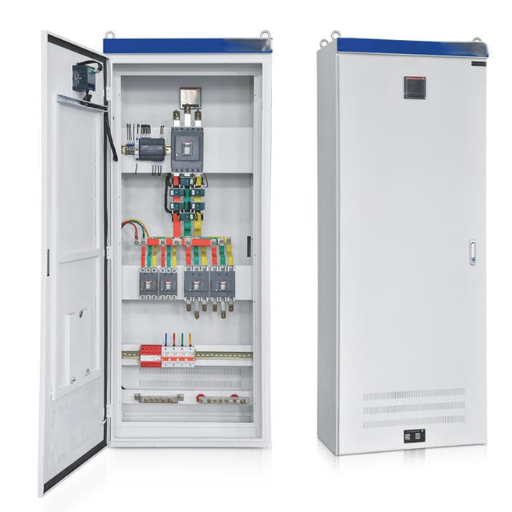
Key Factors in Selecting the Right Power Distribution Cabinet
- Load Capacity Requirements
Assess the total power demand of your system to ensure the cabinet can handle the maximum load without risk of overloading.
- System Voltage and Current Ratings
Verify compatibility with the operational voltage and current levels of your application to ensure optimal performance and safety.
- Environmental Conditions
Consider the installation environment, such as temperature, humidity, and exposure to dust or chemicals, and opt for cabinets with appropriate protection ratings (e.g., IP or NEMA ratings).
- Scalability and Future Expansion Needs
Choose a cabinet design that supports future upgrades, including additional circuits or modules, to accommodate growing power requirements.
- Compliance with Regulations
Ensure the cabinet meets relevant industry standards and certifications, such as IEC or UL, for safety and performance.
- Heat Management
Look for cabinets with adequate ventilation or integrated cooling systems to manage heat dissipation effectively.
- Physical Dimensions and Space Constraints
Evaluate the available space for installation and select a cabinet with compatible dimensions while leaving room for convenient wiring and maintenance.
By evaluating these factors systematically, you can ensure that the selected power distribution cabinet aligns with your technical requirements and operational goals.
Factors to Consider in Cabinet Selection
When selecting a power distribution cabinet, it is critical to assess the following factors comprehensively:
- Load Capacity and Electrical Ratings
Ensure the cabinet is designed to handle the anticipated electrical load, including voltage, current, and power requirements, with an appropriate safety margin.
- Physical Dimensions and Space Constraints
Confirm the compatibility of the cabinet’s dimensions with the allocated installation area, allowing space for wiring, ventilation, and any future expansions.
- Thermal Management
Evaluate heat dissipation capabilities, such as natural ventilation, forced cooling systems, or heat exchangers, to maintain optimal operating temperatures for internal components.
- Ingress Protection (IP) and Environmental Conditions
Assess the environmental rating of the cabinet (e.g., IP or NEMA standards) to ensure protection against dust, water, and other external contaminants in the operating environment.
- Material and Durability
Select materials, such as steel or aluminum, that provide sufficient durability, corrosion resistance, and structural stability for the specific application.
- Compliance with Standards and Certifications
Verify that the cabinet complies with relevant industry standards, such as IEC, UL, or NEC, to ensure safety and regulatory adherence.
- Accessibility and Maintenance
Consider the design of the cabinet with respect to ease of access for wiring, troubleshooting, and regular maintenance tasks.
- Security Features
Evaluate locking mechanisms and access control systems to safeguard internal components from unauthorized access or tampering.
- Future Scalability
Ensure the cabinet allows for future modifications or expansions, supporting evolving operational needs without requiring a complete replacement.
- Budget and Cost-Effectiveness
Balance performance and features with budget limitations, ensuring optimal functionality within financial constraints.
Comparing Different Power Distribution Unit Types
|
PDU Type |
Description |
Key Features |
Ideal Use Case |
Price Range |
|---|---|---|---|---|
|
Basic PDU |
Simple power distribution unit |
No monitoring, rugged design |
Low-power devices, simple setups |
Low ($) |
|
Metered PDU |
Monitors power usage |
Displays real-time metrics |
Capacity tracking |
Medium ($$) |
|
Switched PDU |
Remote power control |
Turn outlets on/off remotely |
Remote management needs |
Medium-High ($$$) |
|
Monitored PDU |
Tracks power usage remotely |
Network connectivity for reporting |
Data centers, IT monitoring |
High ($$$) |
|
Managed PDU |
Advanced remote monitoring/control |
Combines switched and monitored features |
Critical IT infrastructures |
High ($$$$) |
|
Automatic Transfer Switch (ATS) PDU |
Dual power source switching |
Ensures redundancy and uptime |
Mission-critical systems |
Very High ($$$$$) |
|
Rack-Mount PDU |
Mounts directly to racks |
Space-efficient, versatile designs |
Server racks, IT gear |
Varies |
Exploring UL Certifications and Standards
Underwriters Laboratories (UL) certifications and standards are crucial benchmarks for ensuring the safety, reliability, and compliance of electrical equipment. These standards evaluate products based on rigorous testing protocols to meet safety guidelines for electrical performance and material quality. Specifically, UL 508A is a widely recognized certification pertaining to industrial control panels, confirming that panels adhere to safety standards for design, wiring, and component selection.
Key certifications include UL 60950-1 for IT equipment and UL 1642 for lithium batteries, applicable in diverse industries. Compliance with these certifications ensures equipment meets standardized requirements for functionality and protection against risks such as fire, electrical shock, or operational failures. Products bearing a UL mark signify third-party validation, fostering trust among manufacturers and end-users. Adopting UL-certified components not only ensures system reliability but can also aid in meeting regional or international regulatory mandates efficiently.
What Are the Best Practices for Installation?
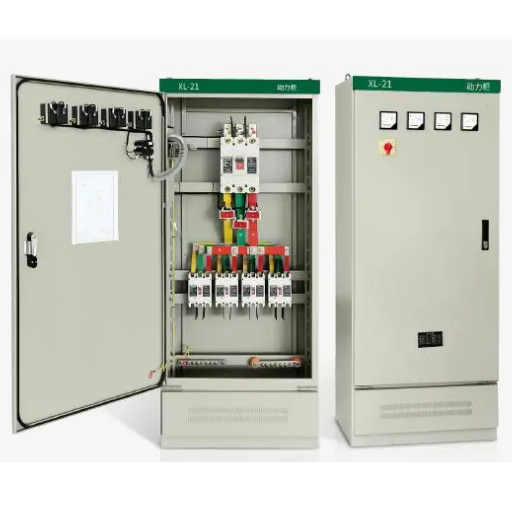
Best Practices for Installation
- Thorough Site Assessment – Conduct a comprehensive evaluation of the installation site to identify potential hazards, environmental conditions, and any structural limitations that could impact the system’s performance or safety.
- Compliance with Standards – Ensure all installations adhere to relevant industry standards, local building codes, and regulatory requirements to guarantee safety and operational consistency.
- Use of Certified Components – Utilize components that are UL-certified or hold equivalent certifications to verify compliance with quality and safety benchmarks.
- Proper Training – Equip installers with detailed technical training to ensure they are qualified to handle the specific requirements of the system and to mitigate errors during the process.
- Documentation and Testing – Maintain accurate installation records and perform rigorous testing of the system post-installation to confirm functionality and compliance with specified guidelines.
Preparing for Installation: A Step-by-Step Guide
- Assessment of Site Conditions – Conduct a thorough evaluation of the installation site, including structural conditions, environmental factors, and accessibility, to identify potential challenges and ensure suitability for the system.
- System Design Verification – Review and confirm the system’s design specifications to ensure that they meet the project’s requirements and are compatible with the site conditions.
- Inventory and Logistics Planning – Verify that all necessary components, tools, and equipment are available and in good condition. Plan logistics to ensure timely delivery of materials and resources to the installation location.
- Compliance with Regulations – Review all relevant codes and standards to ensure that the installation process adheres to local, national, or industry regulations.
- Stakeholder Communication – Coordinate with all involved parties, including project managers, engineers, and clients, to establish a clear timeline and expectations for the installation process.
- Risk Assessment and Safety Measures – Identify potential safety hazards and implement measures to mitigate risks. Ensure that proper personal protective equipment (PPE) is available and that safety protocols are clearly communicated.
- Pre-Installation Testing – Perform preliminary tests on equipment and components to verify functionality and detect any defects or malfunctions prior to installation.
- Team Preparation – Facilitate pre-installation meetings to outline roles, responsibilities, and expectations for all team members involved in the process.
- Final Plan Review – Conduct a detailed final review of the installation plan, verifying that all preparations are complete and that there are no overlooked details before initiating the process.
Common Installation Pitfalls and How to Avoid Them
- Insufficient Pre-Installation Planning
One of the most common pitfalls is inadequate planning before the installation process begins. To avoid this, I ensure that a comprehensive checklist is completed, including site readiness, necessary tools, and all required resources. For instance, verifying that power sources, network connections, and environmental conditions meet technical specifications can prevent unexpected delays.
- Failure to Test Equipment Pre-Installation
Skipping pre-installation testing often leads to malfunctions during or after the installation. I mitigate this by rigorously testing all components beforehand in controlled conditions. Key parameters such as voltage levels, calibration thresholds, and compatibility must align with the manufacturer’s specifications to ensure successful performance.
- Lack of Communication Among Team Members
Poor coordination among team members frequently results in avoidable errors. I address this by conducting team briefings to align everyone on their roles and responsibilities. Additionally, maintaining open communication channels throughout the installation ensures rapid issue resolution and process optimization.
By proactively addressing these common issues and adhering to detailed technical requirements, I maintain higher efficiency and reliability during the installation process.
Ensuring Safe Electrical Connections
To ensure safe electrical connections, I prioritize adherence to industry standards such as NEC (National Electrical Code) guidelines. I conduct thorough inspections of wiring, verify proper grounding, and utilize appropriate protective equipment like circuit breakers and fuses. Additionally, I double-check all connections for secure fastening and avoid overloading circuits. Regular maintenance schedules and real-time monitoring systems are implemented to prevent faults and minimize risks, ensuring long-term safety and operational efficiency.
How Do Power Distribution Cabinets Enhance Reliability?

Power distribution cabinets enhance reliability by providing a centralized and organized system for managing electrical distribution. They safeguard against power outages through integrated circuit protection devices such as breakers and fuses, ensuring the system can handle overloads or short circuits effectively. Advanced monitoring features in modern cabinets help identify potential faults early, allowing for timely interventions. Additionally, these cabinets improve operational efficiency by reducing wiring complexity and ensuring consistent, stable power delivery to connected equipment. By maintaining proper environmental conditions, such as temperature regulation, they also extend the lifespan of electrical components, further contributing to system reliability.
The Importance of Reliable Power Distribution
Reliable power distribution is a critical foundation for ensuring the continuous operation of systems in both residential and industrial settings. It safeguards against power interruptions, surges, and equipment failures, all of which can lead to significant operational downtime and financial loss. Effective power distribution systems are designed to deliver consistent voltage levels, minimizing risks associated with overheating, short circuits, or inefficiencies in connected devices. Additionally, modern systems integrate advanced technologies, such as automated circuit protection and energy monitoring, to enhance performance and proactively address potential vulnerabilities. Ensuring reliable power distribution not only improves the safety and efficiency of electrical systems but also supports the growing demand for sustainable energy solutions.
Innovative Solutions for Reliable Power Supply
I understand the importance of reliable power supply systems and the advancements required for optimal performance. From reviewing available information, innovative solutions emphasize the integration of smart grid technology, which enhances power distribution efficiency by utilizing real-time data and predictive analytics. Additionally, energy storage systems, such as lithium-ion and flow batteries, provide resilience by storing excess power for use during peak demand or outages. Renewable energy sources, such as solar and wind, are increasingly paired with these storage systems to create sustainable and stable power solutions. These technological advancements are crucial for meeting modern energy demands while addressing safety, efficiency, and environmental concerns.
Monitoring and Maintenance for Reliability
To ensure reliability in energy systems, I focus on implementing advanced monitoring tools and predictive maintenance strategies. Real-time monitoring allows for the detection of performance anomalies, while predictive analytics helps anticipate potential failures before they occur. Regular inspections of components, firmware updates, and adherence to manufacturer guidelines are integral to maintaining efficiency and prolonging system life. By combining these practices, I ensure consistency, sustainability, and resilience in energy solutions.
What Are the Applications of Power Distribution Cabinets?

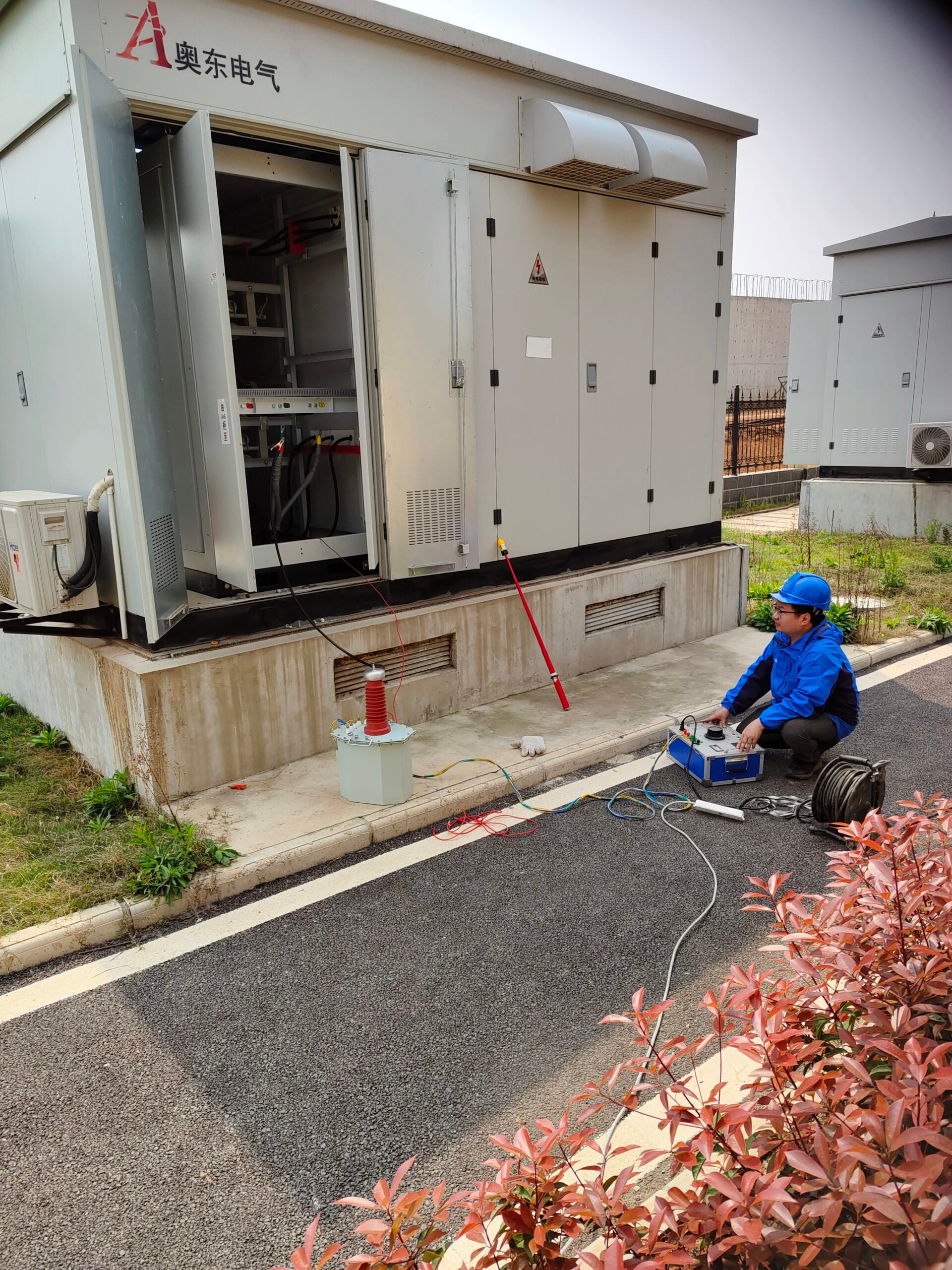
Power distribution cabinets are essential for the safe and efficient allocation of electrical energy within various systems. They are widely used in industrial plants, commercial buildings, data centers, and residential complexes to centralize and manage power distribution. These cabinets protect critical electrical components, prevent overloads, and ensure the stable operation of connected devices. Additionally, they support advanced energy management systems, enabling monitoring, control, and optimization of power consumption. Their applications also extend to renewable energy setups, such as solar or wind power systems, where they help integrate and distribute energy reliably across the grid.
Using Power Distribution Cabinets in Data Centers
Power distribution cabinets play a vital role in ensuring the reliability and efficiency of data center operations. These cabinets provide a centralized hub for managing electrical power flow across servers, storage systems, and networking equipment. By enabling precise control and monitoring of power loads, they help prevent outages and minimize downtime, which is critical in environments requiring high availability.
Modern power distribution cabinets are designed to support scalability in data centers, offering modular configurations to adapt to growing power demands. Additionally, they often integrate smart monitoring technologies that provide real-time data on power usage, temperature, and system health. This allows for proactive maintenance and improves energy efficiency by identifying areas of potential waste or overuse. Furthermore, in facilities leveraging renewable energy sources, these cabinets serve as an essential interface, ensuring seamless and stable energy distribution. Their robust design and advanced features make them indispensable for maintaining operational continuity and optimizing performance in data centers.
Outdoor Power Distribution Solutions
When addressing outdoor power distribution requirements, several key considerations ensure reliable and efficient performance. Below are concise answers and relevant technical parameters to guide decision-making:
- What factors should be considered for outdoor power distribution?
Outdoor power distribution solutions must account for environmental conditions such as temperature extremes, humidity, precipitation, and dust. Enclosures must meet IP65 or higher for adequate ingress protection, ensuring resistance to water and dust. Additionally, materials like powder-coated steel or stainless steel are recommended for corrosion resistance.
2. What are the ideal technical specifications for outdoor distribution cabinets?
-
- Voltage Rating: Should accommodate system voltage levels—commonly 480V for industrial applications.
- Current Capacity: Typically ranges from 100A to 2500A, depending on load demands.
- Temperature Range: -40°F to 120°F (-40°C to 49°C) to handle outdoor environmental fluctuations.
- Cooling Mechanisms: Options such as natural ventilation, forced ventilation, or integrated cooling systems based on thermal analysis.
- How can power distribution systems maintain operational reliability outdoors?
Incorporating monitoring systems with real-time data collection ensures fault detection and load management. Communication protocols such as Modbus or Ethernet enable remote system monitoring, enhancing efficiency. Using surge protection devices (SPDs) is critical for safeguarding against voltage spikes from lightning or grid disturbances.
By adhering to these recommendations and parameters, outdoor power distribution systems can achieve operational resilience, safety, and long-term efficiency in various environmental conditions.
Custom Power Distribution for Specialized Applications
When designing custom power distribution systems for specialized applications, I focus on tailoring the solution to meet unique operational requirements. This involves evaluating load demands, environmental conditions, and compliance with industry standards. For instance, selecting appropriate conductors and transformers plays a crucial role in ensuring efficient power delivery while minimizing energy losses. Additionally, integrating advanced monitoring technologies, such as IoT-enabled sensors, helps to optimize system performance and provide real-time data for predictive maintenance.
To safeguard reliability, I emphasize the importance of protection mechanisms, such as circuit breakers and surge protection devices, which are critical for mitigating risks caused by overloads or transient surges. Leveraging modular designs also allows flexibility for future scalability, ensuring the system can adapt to evolving power needs. By incorporating these elements, I deliver robust, safe, and efficient power distribution solutions tailored to specialized applications.
Reference Sources
-
The Ultimate Guide to Power Distribution Boxes – A detailed resource on enhancing electrical systems with durable and reliable solutions.
-
Powering Tomorrow: Medium and High Voltage Electrical Distribution Cabinets – Focuses on the reliability and safety of power distribution across networks.
-
Distribution Systems Planning Learning Modules – Offers foundational knowledge on electric distribution systems and planning.
-
Electrical Power Distribution Training – Training courses covering the operation and protection of distribution systems.
-
A Comprehensive Guide to Power Distribution Systems – Explores the intricacies of electrical engineering with a focus on power distribution systems.
Frequently Asked Questions (FAQs)
Q: What is a power distribution cabinet and how does it function?
A: A power distribution cabinet, also known as a panelboard, is used to distribute electrical power to multiple branch circuits within a facility. It functions by receiving power through an input and distributing it to various devices or areas through circuit breakers or fuses.
Q: How do power distribution boxes differ from panelboards?
A: Power distribution boxes are typically smaller and more portable than panelboards. They are designed for convenience and temporary power distribution, whereas panelboards are more permanent installations with high-density configurations suitable for complex systems.
Q: What are the benefits of using Liebert® power distribution units (PDUs)?
A: Liebert® PDUs offer innovative power distribution with features like remote monitoring, lcd displays, and configurable mounting options. They are known for their reliability and ability to handle heavy duty power loads efficiently.
Q: What is the significance of 60a and 50a ratings in power distribution cabinets?
A: The 60a and 50a ratings indicate the amperage capacity of the panel or circuit. These ratings are crucial for ensuring that the power distribution cabinet can handle the electrical load without overheating or causing damage to the system.
Q: How does power monitoring enhance the functionality of a power distribution cabinet?
A: Power monitoring allows for real-time tracking of energy usage and efficiency at the branch circuit level. This helps in optimizing energy consumption, identifying potential issues early, and ensuring reliable power delivery.
Q: What role does cable management play in power distribution cabinets?
A: Effective cable management ensures that cables are organized, reducing clutter and enhancing safety. It aids in easy access for maintenance and updates, minimizing downtime and improving the overall efficiency of the power distribution system.
Q: What are the advantages of using three-phase power distribution over single-phase?
A: Three-phase power distribution provides a more efficient and balanced power supply, ideal for high-density environments. It reduces the amount of conductor material needed and is more economical for large power loads compared to single-phase distribution.
Q: Can power distribution cabinets be updated to accommodate new technology or increased capacity?
A: Yes, many power distribution cabinets are designed to be configurable, allowing for updates and modifications to meet changing power demands or incorporate new technology, such as intelligent PDUs or advanced power monitoring systems.
Q: What are the features of a high-density power distribution cabinet?
A: High-density power distribution cabinets are designed to handle a large number of circuits within a compact space. They often include features like front access, locking receptacles, and modular design to accommodate various power distribution needs efficiently.
Q: How do mobile power distribution units differ from fixed installations?
A: Mobile power distribution units are designed to be easily transported and set up in different locations, offering flexibility and convenience for temporary or changing power needs. Fixed installations, like panelboards, are permanent solutions for distributing power within a specific area.