The global energy landscape is undergoing a monumental transformation as urbanization, population growth, and the increasing demand for clean energy challenge existing infrastructure. One innovative solution stepping into the spotlight is the underground substation—a remarkable advancement in energy distribution that blends cutting-edge technology with urban planning. Designed to address space constraints, environmental concerns, and the need for resilient energy systems, underground substations are poised to redefine how we manage power within densely populated areas. This article will explore the critical role these futuristic facilities play in shaping sustainable cities, their technological underpinnings, and the benefits they offer over traditional substations. Prepare to uncover how this innovation is paving the way for a smarter, cleaner, and more efficient energy future.
What Is an Underground Substation?
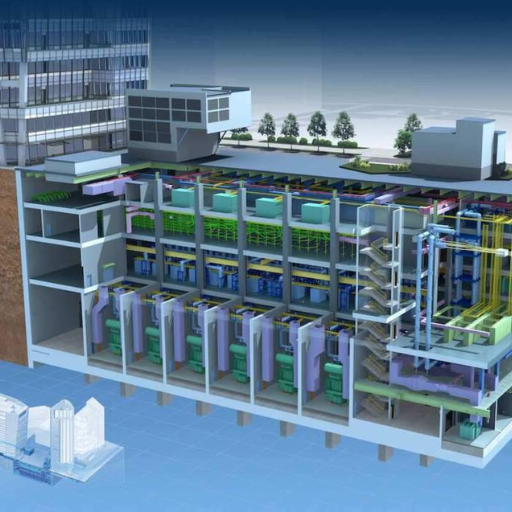
An underground substation is a facility located below ground that is designed to distribute and manage electrical power. It performs the same functions as a traditional above-ground substation, such as stepping voltage up or down and ensuring reliable power delivery, but it is engineered to be compact and situated beneath the surface. This design minimizes the use of surface land, improves safety, reduces visual and noise pollution, and integrates seamlessly into urban environments where space is limited. Underground substations are integral to modern energy infrastructure, particularly in densely populated and space-constrained cities.
Understanding the Concept of Substation Underground
Key Features and Advantages of Underground Substations
Underground substations are strategically designed to address the challenges of space constraints and urbanization by situating critical power infrastructure below the surface. These systems utilize advanced insulation technologies, compact equipment arrangements, and modern automation to maintain efficiency and reliability while conserving above-ground land.
The primary advantages of underground substations include enhanced safety, as the risk of exposure to high-voltage equipment is reduced, and improved aesthetics, since visual obstructions and noise typically associated with traditional substations are mitigated. Additionally, underground designs offer greater resilience against environmental factors, such as extreme weather conditions, and help optimize land usage in urban settings where demand for real estate is high.
From an operational perspective, these substations involve complex engineering, including robust cooling systems to manage heat generated by high-voltage equipment and specialized ventilation to ensure air circulation. Maintenance and access are carefully planned through designated underground entryways and monitoring systems, ensuring the reliability and long-term functionality of the infrastructure.
How Does an Underground Electrical Substation Work?
Underground electrical substations operate by transforming and regulating electrical power to ensure efficient distribution to end users while minimizing spatial disruptions in urban areas. These facilities handle high-voltage electricity, typically ranging from 110 kV to 400 kV, and step it down to lower voltage levels, such as 6 kV or 20 kV, suitable for residential, commercial, or industrial use.
The system functions through several key components:
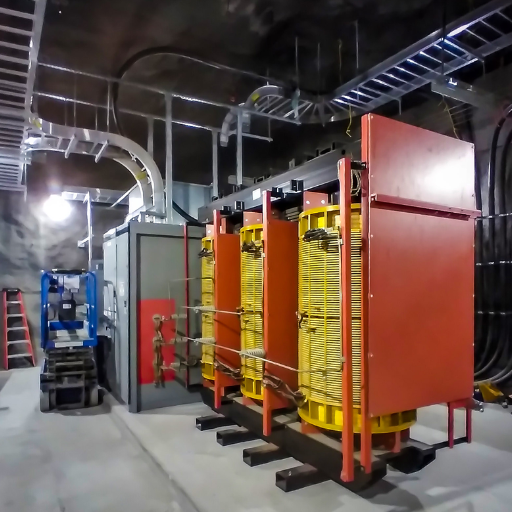
- Transformers – Used to step down high-voltage power to distribution levels. They are often equipped with oil-immersed or dry-type designs to manage heat dissipation.
- Switchgear – Installed to control, protect, and isolate electrical circuits. Modern gas-insulated switchgear (GIS) is commonly used in underground setups due to its compact design and reliability.
- Busbars – Conductors that distribute power within the substation effectively, designed to handle large current flows with minimal electrical losses.
- Cooling Systems – High-capacity air or liquid cooling systems are implemented to manage thermal loads generated by electrical equipment.
- Protection Systems – Advanced relay and circuit breaker systems safeguard against faults such as short circuits or overloads.
- Control Systems – Digital monitoring systems ensure operational oversight, employing Supervisory Control and Data Acquisition (SCADA) for real-time data analysis.
- Ventilation and Safety – Efficient ventilation systems maintain air quality and temperature, while fire suppression systems ensure safety in case of emergencies.
These subsystems operate collectively to provide a reliable, secure, and unobtrusive solution for power distribution in densely populated regions. Proper coordination between equipment, load management, and environmental controls is critical to sustaining operational integrity.
Benefits of Underground Substations vs. Above-Ground
Underground substations provide benefits such as space optimization, reduced visual impact, enhanced safety, environmental protection, and better resilience against extreme weather conditions compared to above-ground substations.
|
Key Parameter |
Underground |
Above-Ground |
|---|---|---|
|
Space Use |
Optimized |
Requires more surface area |
|
Visual Impact |
Minimal |
Highly visible |
|
Safety |
Enhanced |
Moderate |
|
Weather Resilience |
High |
Vulnerable |
|
Environmental |
Protected ecosystem |
Potential disruption |
|
Maintenance |
Complex |
Easier |
|
Cost |
Higher initial investment |
Lower cost |
|
Lifespan |
Long-term durability |
Shorter lifespan |
Why are Underground Electric Substations Gaining Popularity?
Underground electric substations are gaining popularity due to their ability to optimize space usage in urban areas where land is scarce. They offer enhanced safety by reducing exposure to external hazards and are designed to be resilient to adverse weather conditions, ensuring uninterrupted operation. Additionally, underground substations minimize environmental disruption by preserving above-ground ecosystems and reducing visual impact, aligning with urban planning goals. While the initial cost and maintenance complexity are higher, their long-term durability and efficient land utilization make them a compelling option for modern infrastructure development.
The Role of Utility Companies in Substation Projects
- Infrastructure Design and Development: Every utility company has to strategize and develop the substations within the legal and technical boundaries while ensuring future electricity demand capacity planning.
- Energy Distribution and Load Management: The consumption and distribution of electricity at substations are controlled, and grid frequency stability is ensured through load balancing.
- Compliance with Regulations: Utility providers make certain that the substation design meets the standards of the national and local regulations on electricity, environment, health and safety.
- Implementation of Advanced Technologies: To enhance efficiency and reliability, utility companies often integrate innovations such as automation, real-time monitoring systems, and smart grid technologies in substation operations.
- Maintenance and Upgrades: Regular inspection, maintenance, and upgrading of substation equipment are critical roles performed by utility companies to ensure uninterrupted performance and adapt to advancements in technology or demand fluctuations.
- Coordination with Stakeholders: Utility companies liaise with government bodies, private contractors, and local communities to facilitate smooth execution of substation projects while addressing public concerns.
- Environmental Impact Mitigation: They adopt measures to minimize the ecological footprint of substation projects, such as employing sustainable construction practices and implementing noise reduction or pollution control systems.
- Crisis Management and Emergency Response: Utility companies develop and execute protocols for managing emergencies, such as natural disasters or equipment failures, to restore power quickly and reduce downtime.
- Cost Management and Budgeting: Efficient resource allocation and cost management for substation projects fall under the purview of utility companies, ensuring financial sustainability without compromising quality or reliability.
- System Reliability and Security: Ensuring substations remain secure from cyber and physical threats is an essential role, requiring robust security strategies and constant vigilance.
Impact on Green Space and Urban Planning
From my perspective, the development and placement of substations significantly influence urban planning and the allocation of green spaces. Substations often require careful site selection to minimize disruption to natural landscapes and existing recreational areas. Integrating substations into urban settings demands strategic planning to balance infrastructure needs with environmental preservation. Incorporating sustainable design elements, such as vertical or compact substation layouts, can help optimize land use and reduce the ecological footprint, aligning with modern urban planning priorities.
Case Study: Eversource and Substation Projects
Eversource has implemented innovative practices and technical strategies to address the challenges associated with integrating substations into urbanized and sensitive areas. For instance, we have seen efforts to adopt gas-insulated substations (GIS), which significantly reduce spatial requirements compared to conventional air-insulated substations. By utilizing GIS technology, land use is minimized, making these solutions ideal for urban environments where space is limited.
Key technical parameters for these projects include increased voltage ratings to support dense load demands (e.g., 115kV or 345kV systems), advanced cooling mechanisms to prevent overheating in compact installations, and automated monitoring systems leveraging IoT to ensure operational reliability and safety. Furthermore, Eversource employs environmental impact assessments to ensure compliance with regulatory frameworks and sustainability goals, demonstrating a commitment to both innovation and environmental stewardship.
These efforts underscore the importance of balancing technological advancement with a focus on minimizing ecological disruption and optimizing urban infrastructure.
How Is a Substation Built Underground?
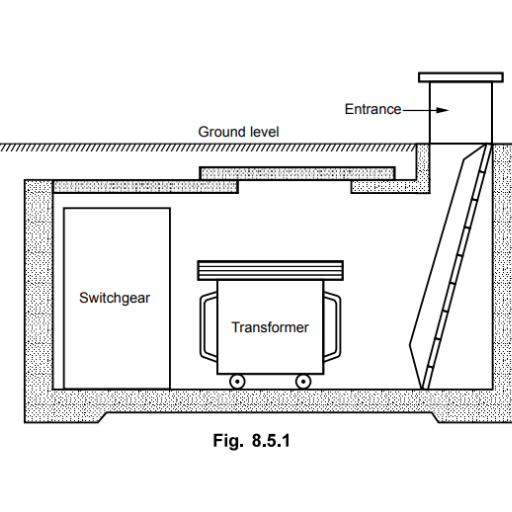
Building an underground substation requires meticulous planning and advanced engineering to ensure functionality, safety, and minimal environmental impact. The process begins with a detailed site assessment to evaluate geological conditions, urban infrastructure constraints, and regulatory requirements. Engineers then design the substation layout, incorporating measures to mitigate heat dissipation, provide adequate ventilation, and ensure accessibility for maintenance. Excavation is carried out with precision to minimize disruption, followed by the construction of reinforced concrete structures to house electrical equipment. Specialized insulation, grounding systems, and fire protection measures are integrated to enhance safety. The final steps involve installing the transformers, switchgear, and control systems, alongside thorough testing to ensure operational reliability.
Key Elements of Substation Design
- Site Selection: Identification of an optimal location considering proximity to load centers, geotechnical conditions, environmental impact, and regulatory compliance.
- Layout Design: Development of an efficient arrangement of equipment and structures to ensure safety, reliability, and ease of operation, including provisions for future expansion.
- Electrical Configuration: Design of the busbar system, voltage levels, and switchgear arrangement to meet load requirements and facilitate fault isolation.
- Equipment Specification: Selection of transformers, circuit breakers, isolators, lightning arresters, and other equipment based on technical requirements and operational standards.
- Safety Systems: Integration of grounding and earthing systems, fire protection mechanisms, and lightning protection to ensure personnel and equipment safety.
- Control and Protection Systems: Implementation of relay protection schemes, control panels, Supervisory Control and Data Acquisition (SCADA) systems, and communication networks for efficient monitoring and control.
- Power Quality Management: Installation of capacitor banks, reactors, or harmonic filters to maintain voltage stability and manage reactive power.
- Environmental Considerations: Adoption of measures to mitigate environmental impact, such as noise reduction, oil containment systems, and compliance with emission standards.
- Regulatory Adherence: Ensuring compliance with national and international electrical, safety, and environmental standards and codes.
- Testing and Commissioning: Comprehensive evaluation of all systems and components to verify compliance with design specifications and operational readiness.
Challenges in Constructing Underground Substations
Constructing underground substations presents a range of technical and logistical challenges. First, the complexity of excavation and civil works in densely populated areas must be addressed, particularly when dealing with subsurface utilities, geological variances, or space constraints. Second, effective ventilation and thermal management systems are critical due to the confined space, as adequate dissipation of heat from transformers and other equipment is crucial to ensure operational safety and efficiency. Additionally, the installation and maintenance of high-voltage cables require specialized expertise and advanced equipment, as accessibility is often limited compared to above-ground facilities. Finally, compliance with stringent environmental regulations and standards for noise, emissions, and water management demands meticulous planning and execution. Addressing these challenges necessitates precise engineering, innovative design solutions, and robust project management to ensure successful implementation.
Innovations in Substation Underground Technology
Advancements in substation underground technology have centered on improving reliability, efficiency, and sustainability. From the integration of gas-insulated switchgear (GIS) to advancements in cable technology, these innovations allow for compact, high-performance systems that minimize spatial requirements while ensuring operational safety. Additionally, cutting-edge monitoring systems utilizing real-time sensors and IoT have enhanced predictive maintenance capabilities, reducing downtime and operational risks. Furthermore, sustainable solutions, such as environmentally friendly insulating gases and energy-efficient components, are being increasingly adopted to align with strict environmental standards. These developments underscore a commitment to modernizing infrastructure without compromising performance or ecological responsibility.
What Are the Environmental Impacts of Underground Substations?
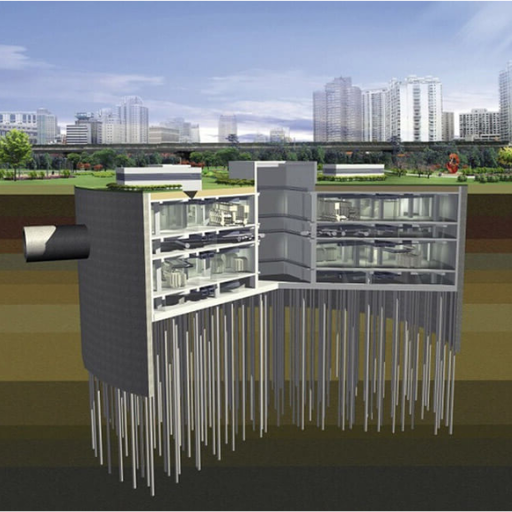
Underground substations offer several environmental benefits compared to traditional above-ground designs. By being located below the surface, they minimize visual pollution and preserve natural landscapes in urban and rural areas. These substations also reduce noise pollution, as the ground acts as a natural sound barrier, mitigating operational noise for surrounding communities. Additionally, underground installations require less land above ground, promoting better land use and allowing for green spaces or other developments on the surface. However, potential environmental concerns include the challenges of managing soil displacement during construction and ensuring the proper handling of insulation materials to prevent contamination. Overall, underground substations align with sustainable development goals by balancing functionality with environmental stewardship.
Assessing the Environmental Benefits of Substation Underground
The primary advantages include reduced visual pollution, as placing the substation underground eliminates large, obtrusive structures on the surface, preserving the aesthetic value of the surrounding environment. Additionally, this approach minimizes noise pollution since underground installations inherently act as sound insulators. From a land-use perspective, underground substations contribute significantly to urban land optimization, enabling valuable surface space to be repurposed for green zones, infrastructure, or recreational areas. These factors collectively align with modern sustainable urban planning principles, reinforcing the environmental viability of this approach.
Minimizing Disruption with Underground Electric Substations
Underground electric substations are engineered to minimize disruption by incorporating advanced design and construction techniques that reduce their environmental and social footprint. One key advantage is their ability to mitigate noise pollution, as the earth naturally acts as a sound barrier, ensuring minimal acoustic interference to surrounding urban areas. Additionally, the relocation of electrical systems below ground reduces the visual clutter often associated with traditional above-ground substations, improving the overall aesthetic of urban landscapes. From a safety standpoint, these installations offer robust protection against external environmental factors and potential physical interventions, enhancing system reliability. Furthermore, by freeing up surface land, underground substations enable more efficient utilization of urban space, which can be repurposed for green spaces, public infrastructure, or residential development. These benefits collectively highlight how underground substations contribute to the seamless integration of essential infrastructure within modern cities, addressing challenges of urban congestion and advancing sustainable development.
How Do Substations Fit into Urban Electrification Plans?
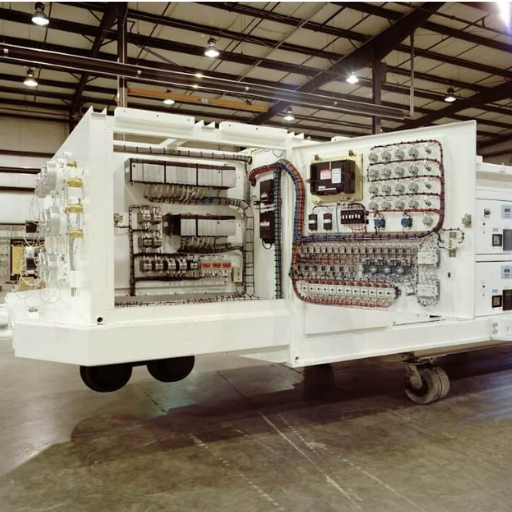
Substations play a pivotal role in urban electrification plans by serving as critical nodes in the transmission and distribution network. They facilitate the efficient transformation of high-voltage electricity from power plants into lower-voltage levels suitable for residential, commercial, and industrial use. Strategically located substations ensure reliable power delivery to densely populated urban areas, helping to meet growing energy demands. Additionally, modern substations are designed to integrate renewable energy sources, enhance grid stability, and support smart grid technologies, making them indispensable in achieving sustainable urban energy solutions.
The Future of Urban Electrification and Substations
From my research, the future of urban electrification and substations lies in integrating advanced technologies to optimize efficiency and sustainability. The adoption of smart grid systems will enable real-time energy management, reducing transmission losses and improving reliability. Substations will increasingly incorporate renewable energy sources like solar and wind, facilitating the transition to low-carbon energy solutions. Additionally, innovations in energy storage and digital monitoring systems will enhance grid resilience, supporting fluctuating energy demands in densely populated cities. It’s clear that modern substations will be at the forefront of driving sustainable urban growth as energy requirements evolve.
Integration with Existing Substations and Infrastructure
The integration of modern technology into existing substations and infrastructure requires a strategic approach to ensure seamless interoperability and optimize performance. Retrofitting traditional substations with advanced digital control systems, such as intelligent electronic devices (IEDs), enhances their ability to monitor, analyze, and respond to grid conditions in real-time. Furthermore, incorporating scalable designs and modular upgrades allows for better accommodation of renewable energy resources without requiring complete system overhauls.
To ensure successful integration, utilities must prioritize compatibility with legacy systems through standardized communication protocols like IEC 61850, which facilitates efficient data exchange across diverse devices and networks. These upgrades also demand robust cybersecurity strategies to protect critical infrastructure from increasing threats. Additionally, collaborative planning between stakeholders, including grid operators, technology providers, and policymakers, is essential for streamlining implementation, minimizing downtime, and ensuring compliance with regulatory frameworks. Ultimately, blending existing infrastructure with state-of-the-art solutions provides a cost-effective pathway to modernize the grid while enabling greater flexibility and sustainability.
The Importance of High-Voltage Transmission Lines
High-voltage transmission lines serve as the backbone of modern electrical grids, transporting large quantities of electricity over long distances with minimal energy losses. The importance of these lines lies in their ability to efficiently connect power generation facilities, often located in remote areas, to urban and industrial centers where energy demand is concentrated.
From a technical perspective, high-voltage lines reduce resistive losses by operating at elevated voltages, typically ranging from 110 kV to 765 kV, depending on regional requirements and grid capacity. For example, operating at 500 kV can decrease line losses significantly compared to lower voltage levels, ensuring that more electrical energy reaches end-users. Furthermore, the use of alternating current (AC) systems or high-voltage direct current (HVDC) systems is determined by factors such as distance and load capacity. HVDC systems, for instance, are preferred for transmission over distances greater than 600 kilometers or for underwater cables due to their superior efficiency and reduced line reactance.
Beyond efficiency, high-voltage transmission lines enhance grid reliability by enabling interconnection between regions, which facilitates load balancing and improves energy security. They also play a critical role in integrating renewable energy sources such as wind and solar power, which are often located far from areas of high consumption. By upgrading and expanding high-voltage infrastructure, utilities can support the transition to a cleaner, more sustainable energy future while ensuring the stable delivery of affordable electricity.
Reference Sources
-
A new underground substation: 9 things you need to know – This article discusses the planning and goals of underground substations as part of energy programs.
-
How Substations Power Your Renewable Future – Explores the role of substations in renewable energy generation and distribution.
-
The Advantages of Undergrounding Utilities – Highlights the economic and practical benefits of underground infrastructure.
Frequently Asked Questions (FAQs)
Q: What is an underground substation?
A: An underground substation is a type of electrical substation that is constructed below ground level. It is designed to manage high voltage electricity and distribute it efficiently, while minimizing the impact on the surrounding environment and landscape.
Q: Why is there a growing interest in underground substations?
A: The demand for electricity is increasing, particularly in urban areas where space is limited. Underground substations help maximize land use by allowing infrastructure to be placed beneath existing structures, such as a parking garage or mixed-use buildings, while reducing noise and visual impact.
Q: What makes the underground substation in Kendall Square significant?
A: The substation in Kendall Square is significant because it is the first underground substation in the United States. It represents a pioneering effort in integrating infrastructure underground, meeting the energy needs of a densely populated area while preserving the urban landscape.
Q: How does the City of Cambridge benefit from the new substation?
A: The new substation supports the Greater Cambridge Energy Program by enhancing the reliability of electricity supply in the area. It also aids in meeting the growing demand for electricity due to increased residential and commercial developments, particularly in areas like East Cambridge and Kendall Square.
Q: What role does the Cambridge Redevelopment Authority play in this project?
A: The Cambridge Redevelopment Authority is involved in planning and overseeing the development of the substation project in Cambridge. Their role includes ensuring the project aligns with urban development goals and serves the community effectively.
Q: What are the challenges of constructing an underground substation?
A: Challenges include the complexity of interconnecting to existing substations and utilities, managing high voltage equipment underground, and addressing engineering and environmental concerns. Collaboration with public utilities and the siting board is crucial to overcome these challenges.
Q: How does the underground substation impact local development?
A: By placing infrastructure underground, the substation allows for more efficient use of above-ground space. This supports large mixed-use developments and new residential projects, contributing to vibrant urban growth without compromising on aesthetics or functionality.
Q: Are there any environmental benefits to underground substations?
A: Yes, underground substations can reduce noise pollution and visual clutter, preserving the aesthetic value of urban areas. They also minimize the ecological footprint by integrating seamlessly with existing environments and infrastructure.
Q: How does the new substation in Somerville differ from traditional substations?
A: Unlike traditional above-ground substations, the new substation in Somerville is designed to be integrated below the surface, enabling more efficient land use and reducing the impact on the surrounding community.