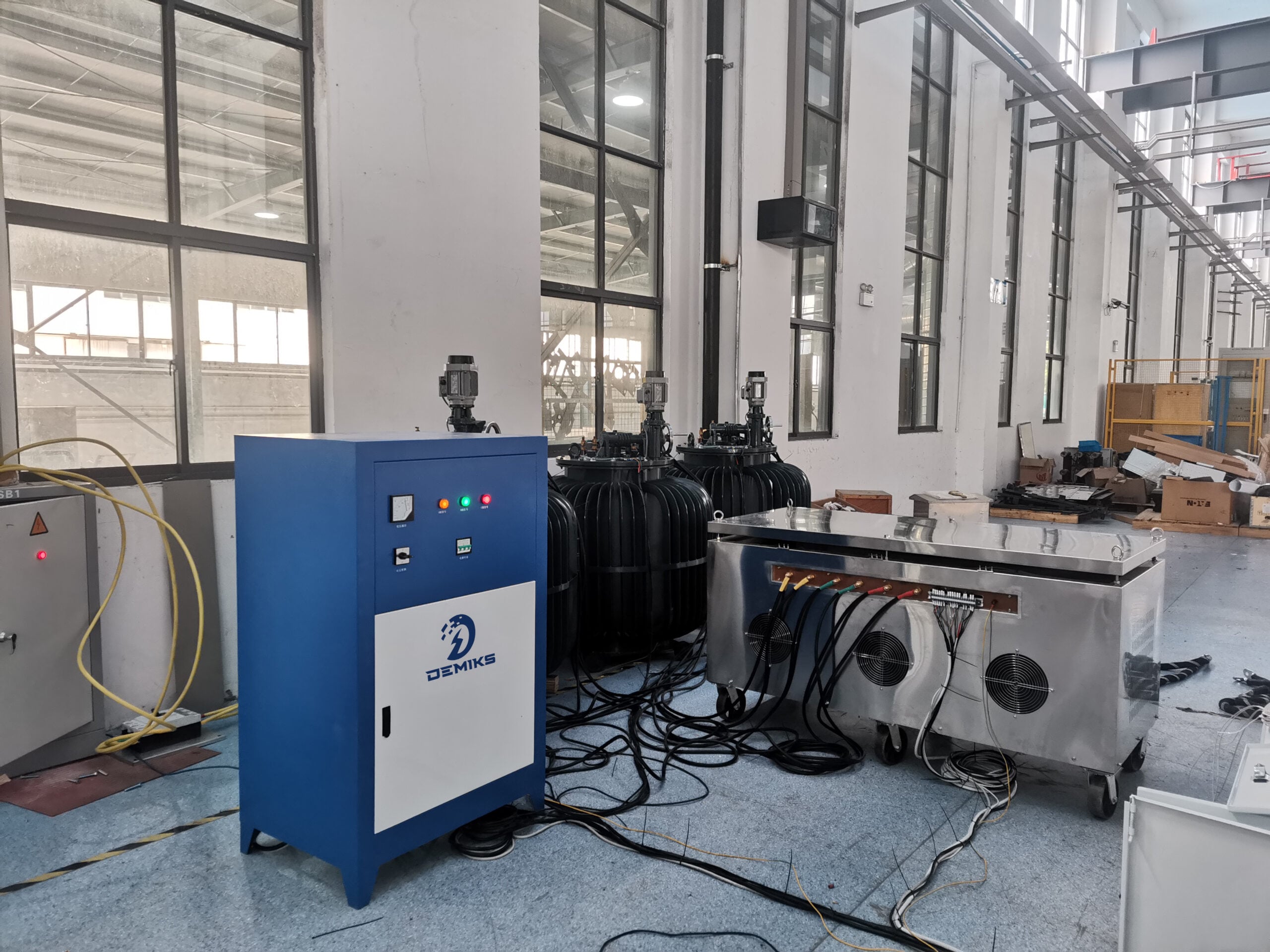
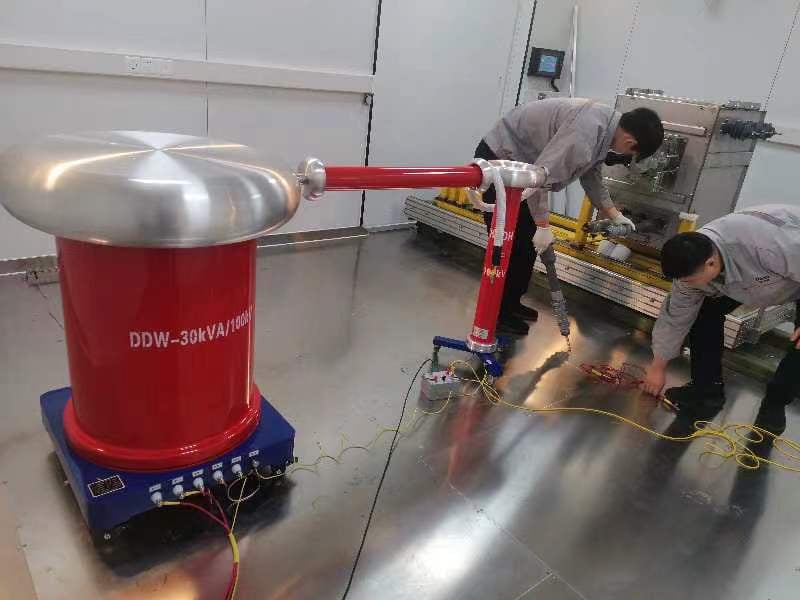
The modern electrical systems with sensitive equipment need to operate with great care, and calibration systems serve pivotal roles. These systems need to be carefully designed to meet modern industry standards and provide proper voltage and current readings to take full advantage of power consumption management. This article explores important functions of calibration systems over time; additional focus will also be placed on accuracy evaluation and system performance. In any case, an understanding of the calibrations in transformers is necessary to meet industry requirements, regardless of whether you are an engineer or an industry professional.
What is the Importance of Transformer Calibration?

Transformer calibration checks are vital for ensuring proper measurements and analyzing electrical systems. Transforming systems need modern industry standards to be met, which cannot be ensured without proper calibration. As with other systems, an in-depth examination can provide a direct correlation between performance deviations and downtime, thus increasing the lifespan of the system. Proper voltage, current, and power readings must also be achieved to eliminate risks of inefficiency and safety risks. At the end of the day, modern power forms require precision and accuracy, and that can be efficiently achieved with proactive system checks.
How Does Calibration Affect Accuracy in Transformers?
Calibration directly affects the precision of measurement and the performance of the transformer. Accurately calibrated devices overcome factors such as temperature, electrical noise, and drift over time. For instance, current transformers (CTs) and potential transformers (PTs) are calibrated to scale at both current and voltage levels to be measurable. In the absence of regular calibration, measurement deviations can occur resulting in errors in power measurements and possible discrepancies in billing or monitoring of the system.
The most recent advanced techniques for calibration include automated systems based on algorithms that streamline real-time tasks and processes using digital signal processing. With these newer automated systems, the human error factor during the calibration process is reduced drastically, allowing for lower limits and greater step resolution measurements. Also, standards for traceable calibration have proven compliant with regulatory benchmarks and industry protocols like IEC 61869, enabling implementation of these more advanced standards more widely. With these accuracy-transformer discrepancies are resolved and calibration has emerged as an irreplaceable procedure in sustaining operational proficiency.
What are the Consequences of Poor Calibration?
Weak calibrations severely compromise crucial systems in a multitude of ways. Accurate measurement and evaluation of complex systems is extremely important for interpreting data and making decisions, and weak calibrations can result in severe errors in all these processes. Inaccurate electrical transformers due to weak calibrations can fail to capture the accurate load readings which causes inefficiency in power distribution and escalates energy wastage. Apart from performance issues, weak calibrations can also breach regulatory standards and legal norms such as ISO/IEC 17025, which can lead to loss of legal compliance or loss of accreditation.
From a financial viewpoint, weak calibrations can cause an organization to shut down operations temporarily till equipment failure is resolved or newly required maintenance is performed. This concern is multiplied in industries of high precision, because even the smallest amount of inaccuracy can lead to immeasurable long-term costs. Weak calibration also poses great risks to safety, as controllers, or protective relays can fail to protect personnel and infrastructure from hazardous situations. Hence, wrong weak or irregular weak calibrations cannot simply be regarded as best practices, but a failure to sustain operational integrity as well as safe practices.
What are Current Transformers and Their Applications?

Current transformers (CTs) are used to measure and protect systems with alternating current (AC) using the ammeter’s measurement tools. They work within a protective system activating relays during AC faults. CTs also reduce high current levels, making it easier to meter AC systems alongside ammeters.
Current transformers are crucial in high-voltage systems, providing reliable system hurdle and operator safety by isolating measurement equipment from exceptionally dangerous currents. CTs are imperative in protective CT systems where they allow circuit breakers to respond to overcurrent conditions.
How Do Current Transformers Work?
Current Transforms (CTs) are critical parts in electrical systems and are specifically designed to measure alternating current (AC) and activate protective relays. They work with the principle of electromagnetic induction in which the primary winding is made up of a current carrying load and, the secondary winding generates a fraction of current that is proportional to the primary’s. This smaller current is transported to protection and measuring devices to log data or run automated actions.
CTs are built to be very accurate because reliability and safety are of the utmost importance in high-voltage environments. The traditional CT magnetic cores that are made up of a permalloy or silicon steel suffer from energy losses, and do not have an improved accuracy electronic CTs do now. In addition, permalloy cores have been integrated with real-time analytics due to advancements in digital signal processing and smart sensors, giving them more capabilities for diagnosis, predictive maintenance, and other automated functions. Designing accurate models of CT features such as linearity, response time, and thermal stability become more important as they are used in modern complex power grids.
What Applications Require Current Transformers?
Current transformers (CTs) are essential in the protection and monitoring of different electrical systems and applications. In power system protection, CTs are used to provide scaled down current signals to the protective relays which enables accurate detection and isolation of faults to preserve the stability of the grid. CTs are widely implemented in revenue metering for measuring electrical energy utilized in residential, commercial, and industrial places. Their precision augments accuracy in billing and reduces disputes.
CTs enable real-time monitoring of electrical currents flowing in machines such as motors, generators, and transformers, which improves operational safety and efficiency in an enterprise. They are applied in large-scale renewable energy plants like wind and solar farms to provide dependable measurement of the current to guarantee optimal energy conversion and system reliability. More sophisticated applications involve the integration of CTs into smart grids and digital substations, which utilize IEDs to interface with analytics software for real-time processing and provide insights on the dynamic operation of the grid, enabling fault prediction and energy consumption optimization.
In addition, CTs are used in laboratories and workshops to study the flow of electricity through the circuits in existing devices so that engineers and scientists can work on enhancing the designs and their efficiency. These uses highlight the wide-ranging applications and the significance of current transformers in the present day electric systems where the need for accuracy, dependability, and flexibility is critical.
Comparison of Common Types of Current Transformers
|
Type of Current Transformer |
Key Features |
Applications |
Accuracy Class |
Rated Burden |
Frequency Range |
|---|---|---|---|---|---|
|
Wound Current Transformer |
Primary winding part of transformer |
Industrial control circuits |
|
Low to medium |
50-60 Hz |
|
Bar-Type Current Transformer |
Primary winding is a straight busbar |
High current measurement |
|
Medium |
50-60 Hz |
|
Toroidal Current Transformer |
No physical primary winding |
Earth fault protection |
|
Low to medium |
50-400 Hz |
|
Multi-Ratio Current Transformer |
Adjustable primary-to-secondary ratio |
Versatile industrial use |
|
Medium to high |
50-60 Hz |
|
Split-Core Current Transformer |
Openable core for installation |
Retrofitting existing systems |
1 to 3 |
Low to medium |
50-60 Hz |
What is the Process of Calibrating Instrument Transformers?

Calibration of instrument transformer involves a methodical procedure that specifies their accuracy and reliability. Steps include the following:
- Preparation: Check that the transformer is clean, intact, and seated correctly. Confirm that the test equipment is calibrated and meets the strict requirements of the industry.
- Reference Transformer Selection: For a unit under test, select a reference transformer known to possess high precision and reliability.
- Measurement: The instrument transformers are connected to the measurement system sufficiently. Standard input values ( voltage or current ) are injected, measuring the response of both the reference and the test transformers.
- Comparison: Evaluate the instrument transformer’s output against the reference transformer’s output to determine the ratio error and phase shift.
- Adjustment (if necessary): Where applicable, identified deviations have to be adjusted, or the transformer flagged for required maintenance actions.
Following these steps undergo compliance with specified materials as IEC or ANSI possess precise and safe measurement systems.
What Equipment is Needed for Calibration?
The completion of calibration of instrument transformers accuracy maintained within industry defined limits ensures compliance with regulatory practices and other authoritative bodies such as ANSI and IEC. For this purpose, the following is essential:
1. Reference Transformer: Used as comparison benchmarks these are precise standard transformers that markedly have minimized documentation errors, and well-defined specifications.
2. Measuring Instruments
When evaluating the efficiency of a transformer, input and output parameters must be measured using high-precision voltmeters, ammeters, and wattmeters.
3. Test Burdens
Adjustable test burdens are required to emulate actual operating conditions. These are vital when determining the transformer’s multi-load performance characteristics.
4. Power Source
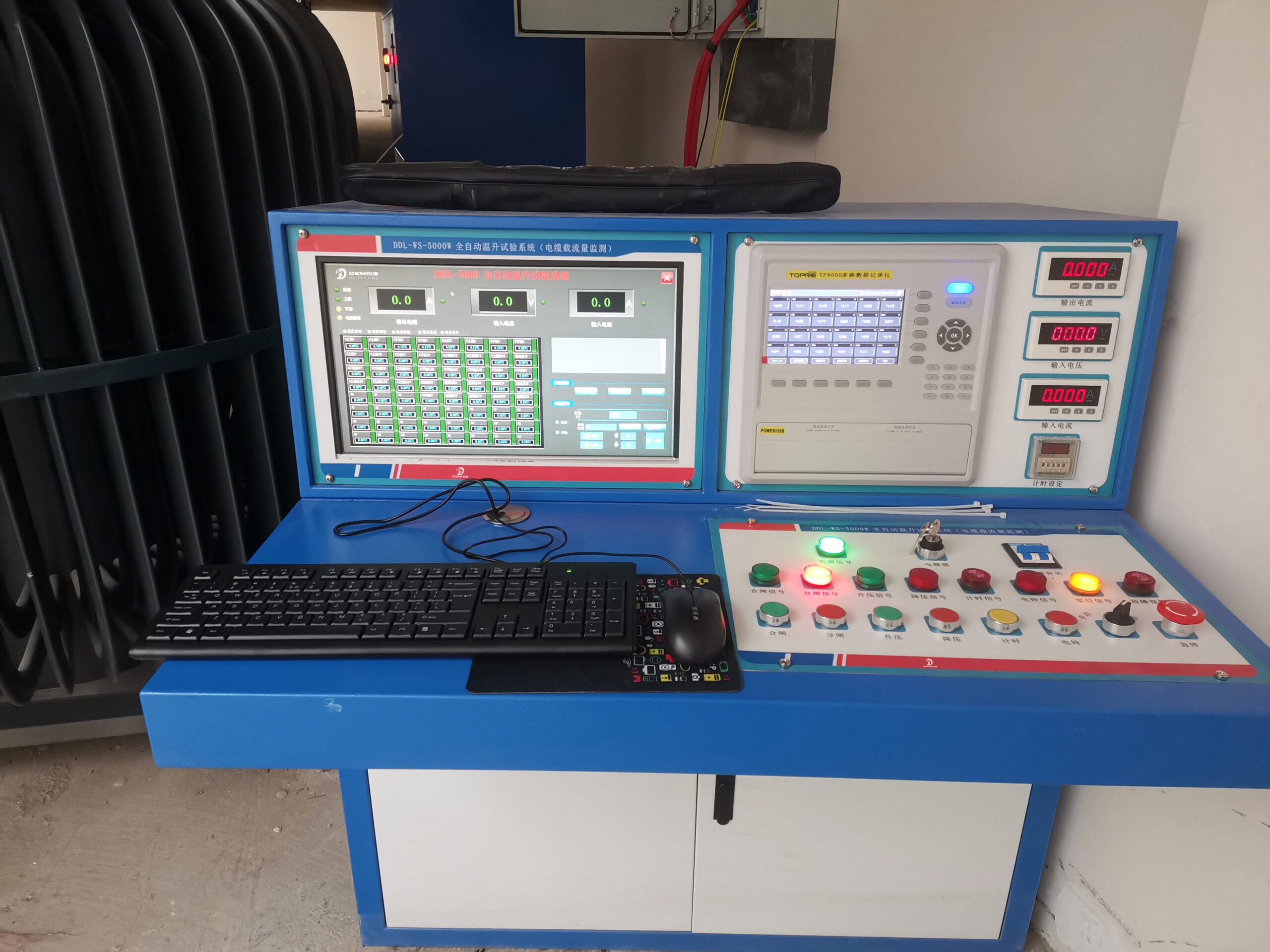
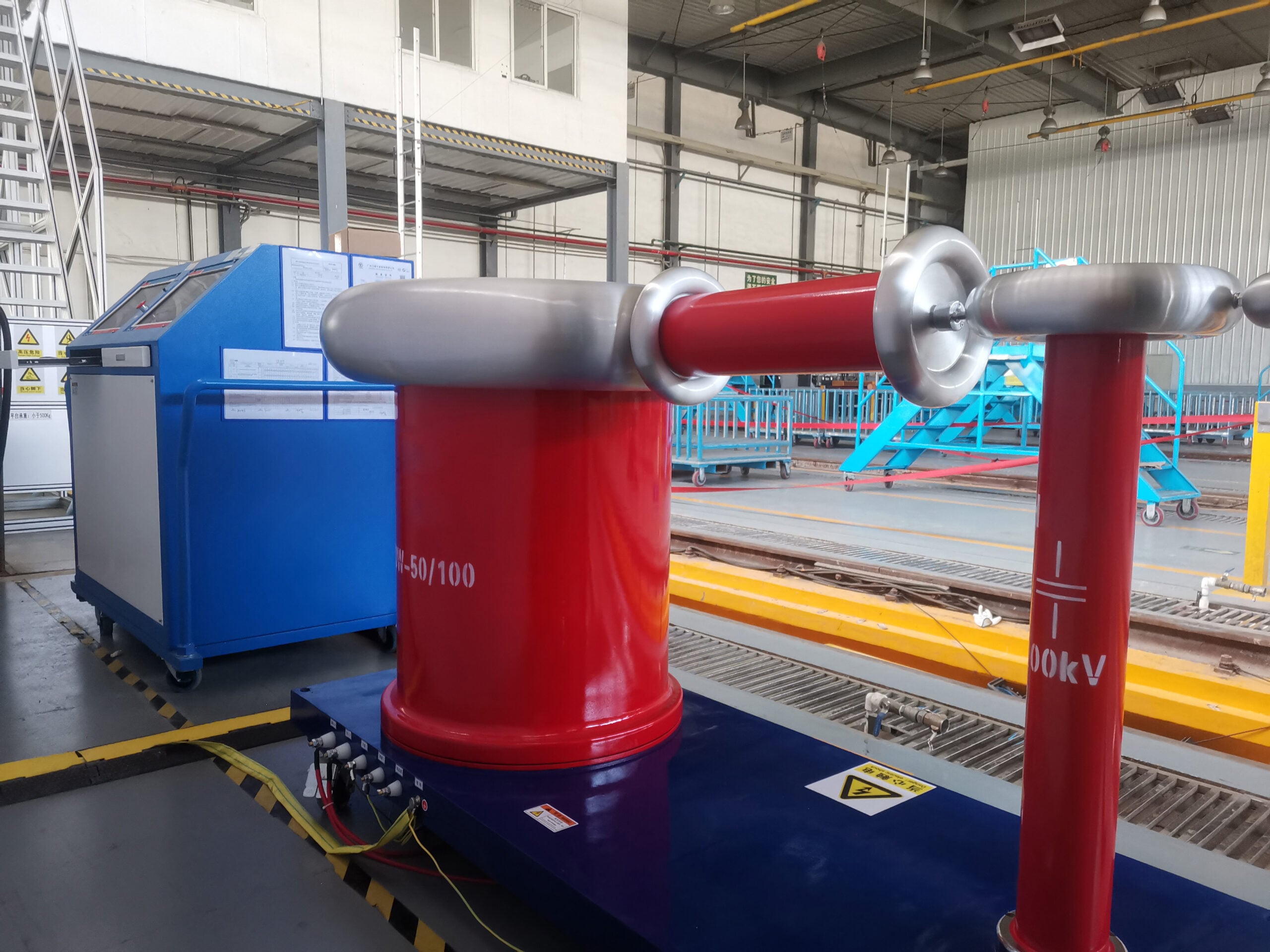
For the calibration tests, an adjustable power supply unit with stable and reliable outputs of voltage and current is needed.
5. Phase Angle Meter
Like other calibrating devices, a phase angle meter has to be accurate, as it measures the phase lag between primary and secondary windings, assuring adherence to the specified limits.
6. Data Acquisition Systems
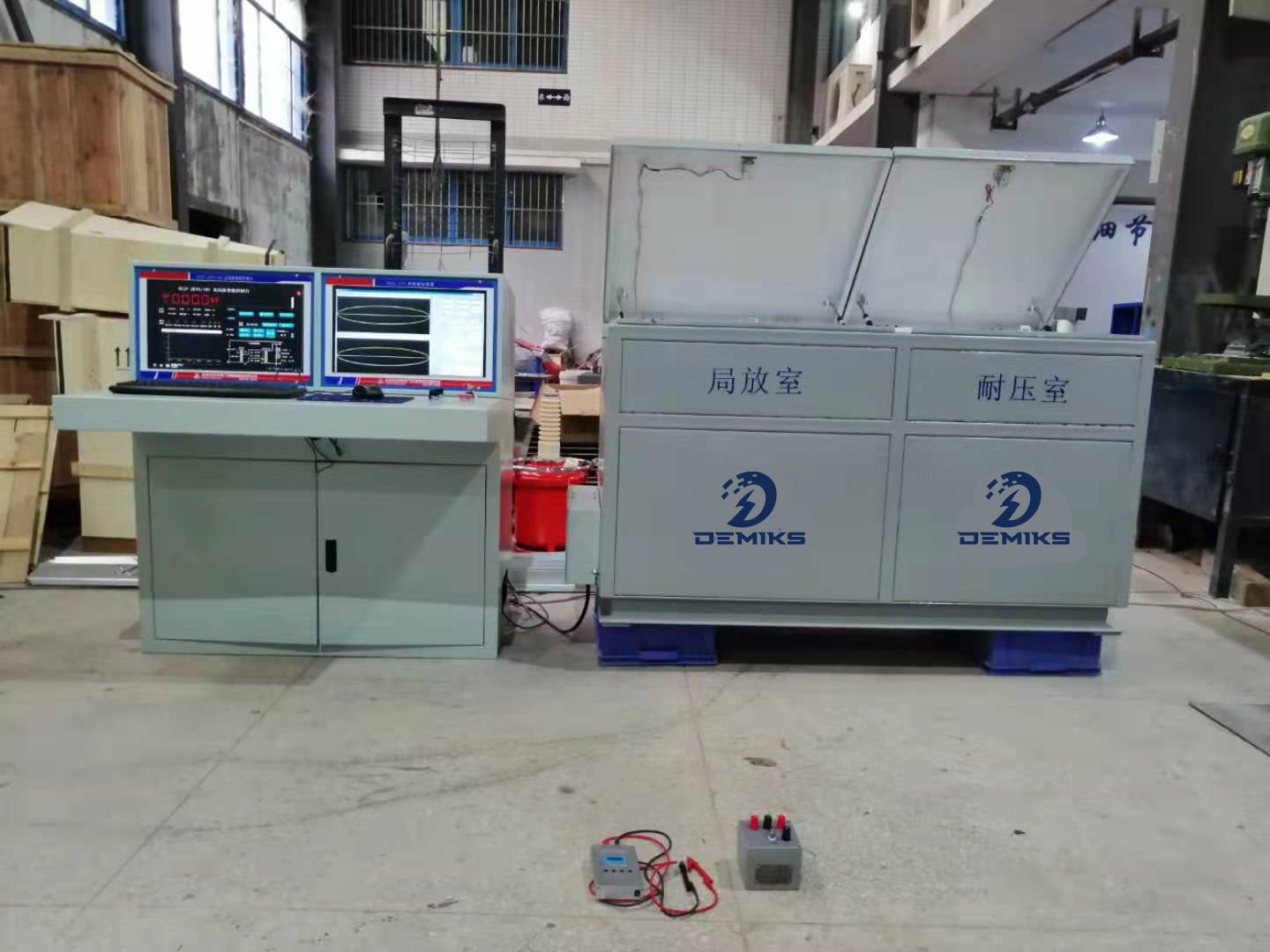
With the advancement of technology, modern setups for calibration often incorporate sophisticated data loggers or automated systems that capture output parameters in real time, thereby minimizing testing errors.
With the described equipment, exact accuracy in the calibration processes is achievable which is critical for meeting precision performance requirements and safety standards.
What are Common Calibration Procedures?
Calibration of instrument transformers is performed to check accuracy against standards such as IEC 61869 and IEEE C57.13. Main steps include:
- Ratio Testing: Calibrated test equipment measures the output and verifies voltage or current against input. Output is proportional within the defined accuracy class.
- Phase Displacement Check: Confirm the angular diferenças between cascaded primary and secondary signals. Exact phase displacement is useful in power quality applications, energy metering, fault detection, and other systems.
- Burden Testing: Standard burdens are applied to test output performance under varying load conditions. This ensures nominal output has minimal deviation during operational stresses.
- Excitation Characteristics: For CTs, excitation tests reveal saturation points as well as core behavior under high magnetizing currents. Assessing operating limits during fault conditions ensures reliable performance.
- Polarization Verification: Confirming primary and secondary winding relationships is vital to avoid errors in protective systems. Mistaken polarity causes relay misoperation, resulting in disabling primary systems.
Through the described calibration methods, instrument transformers are confirmed to operate accurately within defined modern electrical system standards as well as under temperature and humidity extremes, confirming their reliability.
How to Ensure Accurate Output During Calibration?
Accurate output capture during calibration requires standardized measurements, time-tested methodologies, and sequence adherence. To start, different classes of calibration standards must be traced to national or international benchmarks, and fulfillment of ISO/IEC 17025 is vital. Inspect that the testing environment is controlled. Temperature, humidity, and electromagnetic interference, while externally controlled, can introduce errors. Only instruments with low uncertainty levels should be used, and all zero/span adjustments must be made prior to commencing the calibration process.
In addition, documentation and anomaly detection for all recorded data is critical. Routine checks on equipment outused for calibration are a must in order to avoid aging-related degradation. Calibration intervals must reflect the frequency of use and environmental stressors, adhering to best practice guidance as well as manufacturer recommendations. These methodologies guarantee that the output from an industrial laboratory setting undergoes multi-faceted, rigorous evaluation alongside bespoke precision requirements, bolstering output consistency and reliability.
How to Measure Calibration Accuracy and Error?

To measure the accuracy and errors of calibration, you need to begin with measuring your device against a known benchmark. The reference standard should be more precise and traceable to international standards. Write down the differences between the measurements taken from the device and the benchmark readings.
To find the calibration error, subtract the reference value from the measured value. Accuracy is also determined by the distance of the measured values from the reference value throughout the entire range of operation of the device. It is best practice to testing calibrate in controlled environments, multiple rounds of testing need to be conducted to eliminate inconsistencies. Results should be documented to aid in further evaluation and for the purposes of continual refinement and monitoring of the processes.
How to Assess the Accuracy of Measurement Instruments?
Evaluating the precision of measurement tools follows methodical steps designed to check accuracy and consistency. First, establish a calibration system that uses reference standards from national or international metrology institutes. Ensure that selected measurement tools align with the application’s requirements in terms of resolution and sensitivity.
In addition, temperature, humidity, and vibration should be controlled as they can impact instrument readings. Use environmental monitoring instruments to document these factors during measurement for compliance with recommended operating conditions.
Use the same sample for repeat measurements to assess instrumentation repeatability. Compute dispersion parameters like standard deviation and mean for a measure of consistency. Cross-validation where possible by comparing several measurement results obtained from different instruments or techniques. Uncertainty assessment should be done by considering all relevant factors such as calibration error, environmental factors, and operator influence.
Well-kept records of calibration dates, procedures, and test results enhances traceability, supports performance history analysis, and sharpens reliable results over time. Adopting these thorough approaches reinforces confidence in measurement validity and data integrity within the scientific, industrial, and technical spheres.
What Factors Influence Calibration Accuracy?
A few interconnected elements affect the calibration accuracy along with each balance equity measurement of precision and accuracy. External conditions like temperature, humidity, atmospheric pressure, and temperature may strongly influence the calibration results. Take, for example, expansion or contraction due to fluctuation in value. Changes in temperature may alter material sizing thus changing equipment dimensions, and sensor sensitivity. In the same way, humidity changes may affect electronic components or instabilities in highly sensitive systems.
Another factor includes the reference standard and instruments quality which is rather more critical. High defined reference standards guarantee trace ability and recognized internationally measurement units thus making the calibration process a lot easier with a mile of less uncertainty. Moreover, instrument resolution and stability are of great importance too. Poor long-term stability and lack of resolution are bound to result in inconsistent and unreliable results.
Standardized procedures for technicians always ensure uniform outcomes, thorough and disciplined operator response, as well as proper systematic approach to every protocol and right calibration cuts down human variability. Consistency and reliability during calibration activities are achieved due to robust training and ongoing competency evaluations which guarantees dependable results through regular checkups.
Inspection and regular maintenance help tackle issues before they arise which helps retain accuracy and avoid technology degradation over time. Unobstructed abrasion, wear, contamination as well as negligence simply slow unfocused attention leads to enormous errors while instantaneously being ignored. These steps make sure measurement reliability and dependability are fully ensured and calibration accuracy is optimized.
What Role Does Temperature Play in Transformer Calibration?
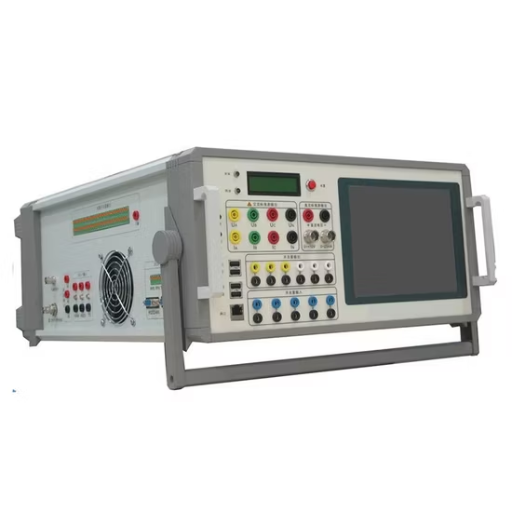
Temperature affects transformers since the materials used in its construction have electrical and magnetic characteristics that change with the heat. The temperature changes resistance, efficiency and other important components which may measure incorrectly. Great accuracy entails maintaining set conditions to rule out thermal distortions during testing. Also, calibration should compensate temperature coefficients which define the degree properties of a transformer changes with temperature ensuring reliability with precision in all environments.
How Does Temperature Affect Calibration Results?
For the measurement systems to stay reliable, the components and materials used should not be thermally sensitive. Electrical circuits for example, face skewed values with increasing temperatures. Accuracy in mechanical measurements may be challenged with expansion or contraction of components attributed to shifts in temperature, altering the critical preset position for precision. Many compensation methods have been devised in measurement like addition of special sensors with low-temperature coefficients or stabilization systems with feedback. Research shows that strict adherence to preset optimal ranges minimizes deviations, enhances reliability and repeatability of information in calibrated systems.
What are Temperature Correction Factors?
Temperature correction factors (TCFs) are important for accuracy when working with thermally sensitive materials, sensors, or instruments. They are numerical values used to correct measurements influenced by temperature changes. Changes in temperature may affect certain physical parameters such as expansion, resistance, or density leading to inaccuracies in measurement. Such errors may be compensated for with TCFs, making the results more accurate and reliable regardless of the environment.
Common Temperature Correction Factors:
- Thermal Expansion Coefficient (Linear and Volumetric)
-
- Description: Takes into consideration expansion or contraction of materials due to temperature changes.
- Data Example: In the case of steel, the linear expansion coefficient is about 11.7 × 10⁻⁶/°C.
- Application: Engineering structures, pipelines, and precision instruments use this expansion for accuracy compensations in dimensional adjustments.
- Temperature Coefficient of Resistance (TCR)
- Description: Specifies how the electrical resistance of a given material changes with a change of temperature by one degree.
- Data Example: Copper’s TCR is approximately 0.00393/°C.
- Application: In electrical systems and circuits where resistance-based measurements are taken, CAD models and simulations are measured and tested with applied precision in order to provide needed accurate measurements.
- Density Correction Factor
- Description: Applies to fluid and gas materials for correcting the measured mass or volume on account of the changes in temperature induced density.
- Data Example: For water, its density reduces from 1 g/cm³ at 4°C to 0.997 g/cm³ at 25°C.
- Application: Used mostly in fluid dynamics and in measuring volumetric flow.
- Refractive Index Temperature Coefficient
- Description: Compensate the change of temperature due to pre-existing change in refractive index of material such as glasses or liquid substances.
- Data Example: The refractive index of water decreases approximately 0.00045/°C.
- Application: Used in optical systems, fiber optics and spectroscopy.
Integration of these factors within industrial automation processes enhances precision and eliminates the risk of inaccuracies due to temperature-induced alterations.
Can Calibration of Pre-Trained Transformers Improve Performance?
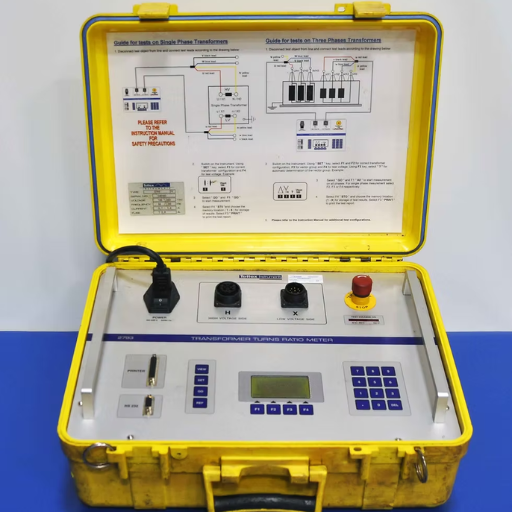
Certainly, calibration of pre-trained transformers improves trust in predictions made by these models. Calibration improves the model’s confidence from the prediction made as it fine tunes the likelihood of correctness. This is exceptionally essential in high-stakes applications like healthcare and finance, where overconfidence or underconfidence can have dire consequences. Temperature scaling and data domain fine-tuning are common calibration techniques that ensure high-level accuracy as well as trust towards the model.
What is the Calibration of Pre-Trained Transformers?
Calibration refers to the situation where there is alignment between model’s predicted probabilities and the actual likelihood of occurrence of those events. Best calibration guarantees that model confidence scores like classifying a piece of audio having an 80% probability encapsulated voice would possess 80% chance of possessing a voiced segment are correct and backed by the required logic. There are a large number of decision making models built by well known researchers with bounded rationality that suffer from under or overconfidence bias like autonomous to drive cars without human-in-the-loop supervision or lawyers predicting outcome of judicial decisions for court case management systems making rational decision which makes this problem important.
Recent research indicates that while pre-trained transformers show excellent performance on a variety of tasks, they face inherent calibration challenges, especially when operating in domains or on tasks outside of their training framework. Temperature scaling, Bayesian neural networks, and Monte Carlo dropout are some of the methods that have shown improvement in calibration. Moreover, model trust calibration has been improved with tuning and domain-specific data curated for a given task by a model’s confidence scoring system, making it more aligned to reality, increasing its robustness and dependability. Automation for the calibration measurement metrics innovations, like the Expected Calibration Error (ECE), gives researchers the ability to estimate these models more accurately and thus improve their functionality.
What are the Benefits of Calibrating Pre-Trained Models?
Adjustments made to the separation of pre-trained models offer notable enhancements to the models trust level and further boost its reliance and performance across a multitude of tasks. Provided below are some of the most prominent benefits.
- Improved Prediction Accuracy
Through adding additional relevant datasets, trust is improved via reducing overconfidence and underconfidence in predictions made around confidence scores. These calibrated frameworks show to enhance trust within the models, yielding improved decision making, especially in vital areas such as autonomous systems and healthcare.
- Enhanced Robustness to Data Distribution Shifts
Models exposed to different training scenarios which involve varied yet slightly different distributions tend to perform better in real life situations, proving the flexible nature of calibrated frameworks and their ability to adapt more rapidly.
- Better Interpretability of Confidence Scores
Through aligning predicted probabilities with actual likelihoods in the real world, calibrated models promote clearer and more interpretable confidence scores. As an example, a confidence score of 80% must indicate that accuracy in predictions is equal to 80% which helps in building trust amongst users and stakeholders regarding model predictions.
- Improved Decision-Making Under Uncertainty
This is critical in applications involving risk that require precise forecasting of uncertainty, such as fraud counteraction, medical diagnosis, or forecasting meteorological data, where too much confidence in erroneous levels of confidence can lead to hazardous wrong estimates.
- Facilitation of Downstream Tasks
Calibrated models enables more complex systems used in ensemble models or in systems aided by Bayesian inference to depend on accurately estimated probabilities, making them more suitable for integration into pipelines with subsequent tasks.
With these, organizations can trust that their pre-trained models will operate efficiently, exposing their full potential in stress-free environments while ensuring ethical risks are mitigated across various settings.
Reference Sources
-
Calibration of Pre-trained Transformers (2020): Pre-trained models are well-calibrated in-domain and outperform non-pre-trained models in out-of-domain settings. Techniques like temperature scaling and label smoothing effectively reduce calibration errors.
-
Calibration of Transformer-Based Models for Identifying Stress and Depression in Social Media (2023): Injecting linguistic features (e.g., sentiment lexicons) into transformers improves performance. Label smoothing enhances both model performance and calibration.
-
Attention Calibration for Transformer in Neural Machine Translation (2021): Calibrated attention weights improve translation performance. Lower layers collect diverse information, while higher layers focus on specific inputs.
Frequently Asked Questions (FAQs)
Q: What is the purpose of calibration transformers in ensuring accuracy and calibration?
A: Calibration transformers are used to provide precise voltage and current measurements, which are essential for ensuring accuracy and calibration in various electrical systems. They help in minimizing total error and ensuring reliable performance.
Q: How do calibration transformers affect the accuracy of measurement systems?
A: Calibration transformers enhance the accuracy of measurement systems by providing a stable reference for voltage and current. This improves the direct measurement of electrical parameters and reduces uncertainties in the measurements.
Q: What are the common applications of calibration transformers in the field of computer science?
A: In computer science, calibration transformers can be used in experimental setups for testing and validating systems, especially when dealing with natural language processing models like BERT and RoBERTa, where accurate data processing is crucial.
Q: What role does impedance play in the operation of calibration transformers?
A: Impedance is a critical factor in the operation of calibration transformers as it affects the transformation ratio and accuracy. Proper impedance matching ensures that the transformers deliver accurate measurements with minimal signal distortion.
Q: How can calibration transformers help in the estimation of posterior probabilities in machine learning?
A: Calibration transformers can be used to improve the estimation of posterior probabilities in machine learning tasks by providing accurate voltage references during experimental setups, which helps in training models more effectively, especially in tasks like natural language inference.
Q: What is the significance of user data privacy when utilizing calibration transformers in systems?
A: User data privacy is significant when utilizing calibration transformers, especially in systems that handle sensitive information. Ensuring that calibration processes do not compromise user data is essential for maintaining trust and compliance with regulations.
Q: Can calibration transformers be used for out-of-distribution data testing?
A: Yes, calibration transformers can be employed for out-of-distribution data testing by providing accurate reference measurements that help assess the performance of models on data that differs from the training set.
Q: How do calibration transformers contribute to the empirical evaluation of systems?
A: Calibration transformers contribute to the empirical evaluation of systems by providing a reliable means of measuring electrical characteristics, which can be crucial for assessing the performance of algorithms in tasks like classification and commonsense reasoning.
Q: What is the impact of label smoothing on the calibration of transformers?
A: Label smoothing can impact the calibration of transformers by helping to reduce overfitting and improve the generalization of models, leading to better accuracy and calibration in predictions during training processes.
Q: How does the deliberate calibration of transformers affect experimental outcomes?
A: Deliberate calibration of transformers ensures that experimental outcomes are reliable and valid, as accurate measurements directly influence the quality of results in various applications, including evaluation of natural language processing systems.