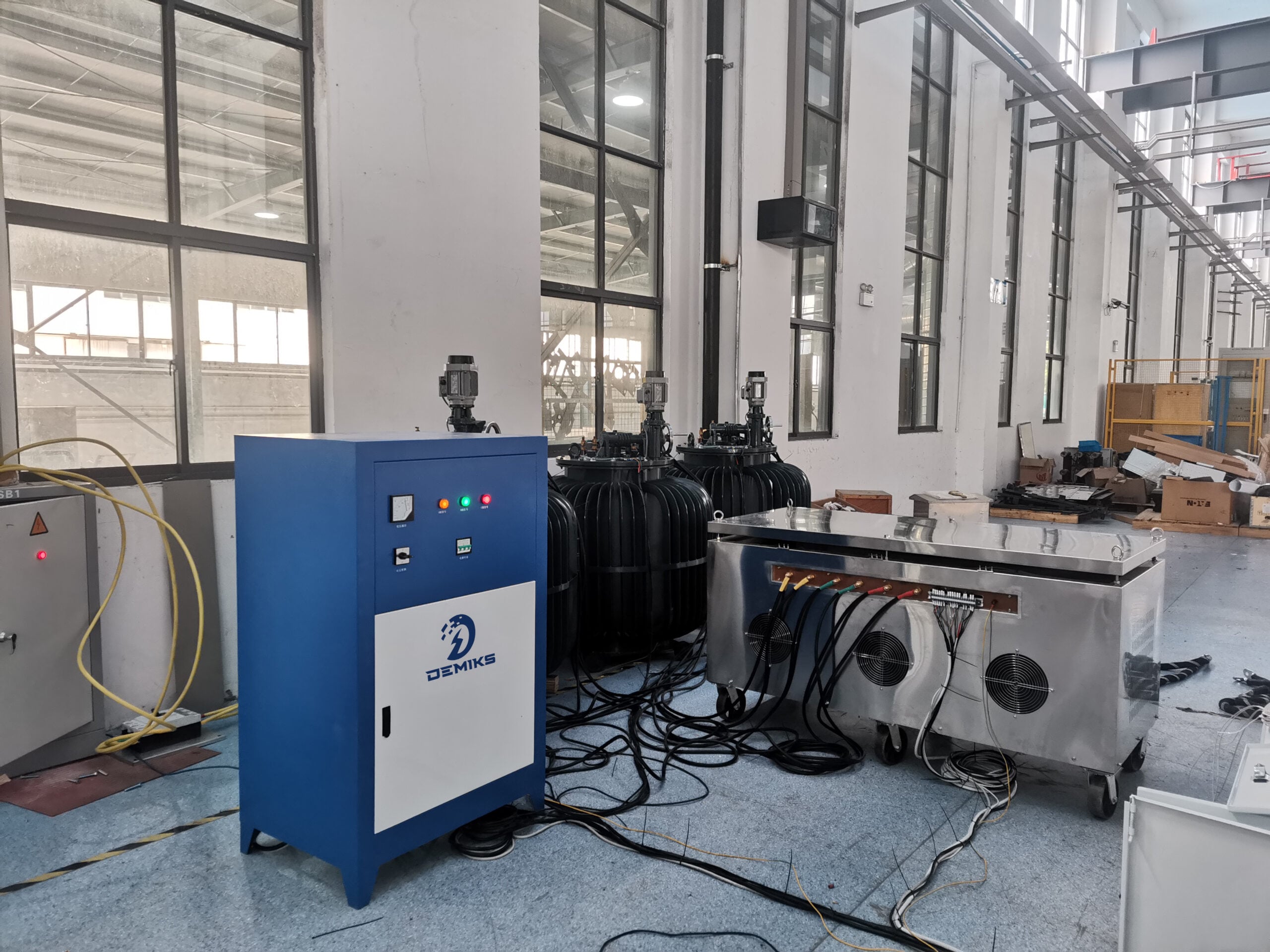
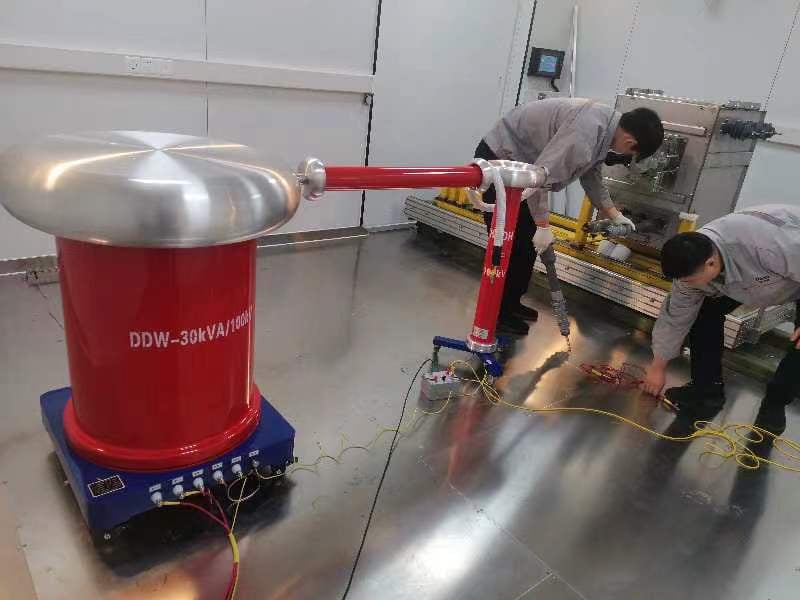
From smartphones to electric vehicles, as well as industrial and renewable energy systems, batteries serve as the modern technologies’ essential backbone along with the machinery and devices used in energy systems. Meeting the expectations regarding their dependability, effectiveness, and their life span calls for advanced tools as well as sophisticated equipment. This guide will describe battery test equipment, focusing on its importance in measuring performance, diagnosing issues, and adhering to safety benchmarks. It does not matter whether you are a researcher, an engineer, or a technician embroiled in the development and maintenance of the battery; this guide has the necessary information to assist you in picking and properly utilizing the right tools. Get ready to penetrate the workings, scope, and recent developments of battery testing technology that will aid you in making informed work and judgment calls in this swiftly changing sphere.
What is a Battery Tester and How Does it Work?

A battery tester refers to a gadget used to check performance metrics like the charge status and the overall health of a battery. It does this by putting a controlled load on the battery and measuring the voltage, current, and resistance. The more advanced models are capable of testing the temperature and cranking ability of the batteries, thus providing accurate diagnostics for different types of batteries. Timely maintenance or replacement is ensured through the identification of faults like reduced capacity or internal problems. These tools assist in providing clarity across the electrical industries and their functions.
Understanding Battery Testers
In meeting the requirements of various industries, testers are categorized based on their function and application. For example, automotive batteries can be assessed using basic handheld testers which only check the voltage. These handheld voltage testers are not useful in other fields, unlike advanced diagnostic testers that are used in industrial or research settings. These advanced devices are capable of measuring internal resistance, capacity, and temperature. In order to enhance the accuracy of analyzing, some testers simulate load conditions to study battery performance more closely to real-world scenarios.
Now with modern technology, analyzers come with digital screens and self-reporting features which provide accuracy and save time in diagnostics. These analyzers with impedance-based testers are very effective with lithium-ion batteries since they can pick out subtle changes in internal resistance, which suggest cell decline or deterioration and may indicate failure in the near future. Also, for lead-acid batteries, load testers are perfect because they simulate the high current draw during real use. To evaluate the battery comprehensively, it is critical to choose the right device to enhance the operational lifespan and reduce downtime.
How to Use a Battery Tester for Accurate Results
- Ensure Proper Safety Precautions
Before starting any tests with a battery tester, it is required to put on a safety suit alongside insulated gloves and safety goggles to avoid injuries from electrical shocks or leaks. Also ensure the environment where the tests will be performed is neither humid nor contains heat as well as fire sources.
- Identify the Battery Type
- Prepare the Tester
Switch on the battery tester and set it to the required type and capacity of the battery. Many modern testers come with default settings for commonly used batteries which add to user convenience.
- Connect the Tester to the Battery
Connect the red lead to the positive section and black lead to the negative terminal of the battery. Check that the leads are properly affixed to the terminals and there is no buildup of corrosion or dirt interfering with contact. Incorrect connections will result in inaccurate readings.
- Initiate the Test Procedure
Pay attention to the instructions for your specific tester. For example, one of your multi-step tests can be measuring the voltage, internal resistance, and the state of charge of the battery. Give time for your tester to finish each step so that they can gather as much information as possible.
- Interpret the Results
After testing is done, look over the data that the tester has provided. Check the data against the manufacturers defined limits for the tested parameters which as voltage and capacity. The battery may need to be replaced or serviced if the data retrieved significantly differs from what is expected.
Following these clearly defined steps will deepen the trust a user has about the outcome of their processes. This will help ensure precision in testing and reliable data is obtained all through the life of the batteries, thus improving the durability.
Types of Battery Testers: Which One is Right for You?
|
Type of Battery Tester |
Key Features |
Suitable For |
Key Parameters to Consider |
|---|---|---|---|
|
Multimeter |
Measures voltage and current |
General-purpose testing |
Voltage range, current range |
|
Load Tester |
Applies a load to assess performance |
Automotive and deep-cycle batteries |
Load capacity, power requirements |
|
Conductance Tester |
Non-invasive, measures conductance |
Maintenance-free batteries |
Conductance range, temperature tolerance |
|
Impedance Tester |
Measures internal battery impedance |
Commercial and industrial use |
Impedance range, accuracy level |
|
Hydrometer |
Measures specific gravity of electrolyte |
Lead-acid batteries |
Accuracy, ease of use |
|
Advanced Battery Analyzer |
Provides detailed diagnostic data |
Research and specialized testing |
Data logging, analysis capability |
|
Portable Battery Tester |
Compact and handheld |
Field and mobile testing |
Portability, battery compatibility |
|
Smart Battery Tester |
Bluetooth and app integration |
User-friendly diagnostics |
Connectivity options, app features |
|
Battery Monitoring System |
Continuous monitoring over time |
Large-scale battery setups |
Monitoring scope, data storage capacity |
Why Conduct a Battery Test?

Testing a battery’s capacity and analyzing its overall health regularly ensures batteries work efficiently with their designated applications. This not only enhances their safety but also reduces system downtime and ensures batteries work efficiently with their designated applications. Timely maintenance ensures a greater lifespan while providing enhanced reliability, improved performance, and better cost-effectiveness.
Importance of Regular Battery Testing
As in other fields, automation, novel algorithms, and more powerful batteries has made it possible to test even their own systems and conduct diagnostics evaluation of their operation. Today’s modern battery testing solutions make use to ADAT or Advanced monitoring systems which include voltage, current, internal resistance and temperature monitoring and control of all data acquisition parameters. With data acquisition software, these systems are capable of providing qualitative and quantitative assessments of a battery’s various functional operations to its performance and functionality. Moreover, innovations such as event-driven systems or real-time reporting ,order-based monitoring, and forecasting make it feasible to determine failure events prior to the execution of procedures, allowing exploration of unconventional approaches. In industries that depend heavily on the performance of high-capacity energy storage systems, like the ones from renewable energy and telecommunication systems, electric vehicles, and the like, which demand high dependability and functionality, these options are mandatory.
Testing Helps Identify Potential Issues
Evaluation through testing is essential in pinpointing possible challenges of an energy storage system and assessing how well its components function in terms of accuracy, enduring nature, and effectiveness using the specific operating conditions. Engineers uncover design and material weaknesses using advanced techniques such as stress testing, thermal analysis, and cycle longevity assessments. These measures are vital in mitigating risks tailored to vulnerabilities, as ensuring industry compliance is essential for product issuance. In addition, testing serves to refine energy expenditure, system scalability, as well as applying modern approaches streamlines unveiling components predicated on system architecture. This approach makes testing a primary focus in designing modern energy storage solutions.
How Testing Ensures Battery Safety and Performance
Systematic testing strategies reinforce the core of developed batteries as they heighten performance, safety, and reliability under various use scenarios. Thorough testing includes a variety of multifaceted stages such as full system tests, material evaluation, as well as assessing and quantifying parameter metrics like thermal stability, energy density, and cycle life. An example is the thermal runaway analysis where batteries are subjected to excessive heat to determine if they can withstand excess temperatures without succumbing to structural damage. Alongside these tests, charge and discharge cycle tests provide essential data regarding the retention of capacity and degradation, which primarily impacts battery longevity.
In parallel with modern technological advancements, researchers and engineers now utilize accelerated life-cycle testing and life prediction modeling to estimate a system’s long-term performance and prognosticate any possible failure modes. Also, employing basic safety verification procedures like IEC and UL certifications guarantees compliance with international safety regulations, thus minimizing risks due to overcharging, shorts, and physical impact. All the above factors aid in developing energy storage systems that are safe, reliable, and adaptable to modern technology demands such as electric vehicles and renewable energy sources.
How to Choose the Right Battery Test Equipment?

When acquiring battery testing equipment, pay attention to the following crucial elements:
- Testing Criteria – For each specific test, like, for example, battery efficiency, usability, lifespan cycles, or safety, ensure you capture relevant metrics. Acquire testing equipment that has the capability and functionality for the identified metrics.
- Measurement of Results – Absolute repeatable results require meeting the stipulated accuracy levels, depending on the intended tests. Accuracy and precision must not be compromised.
- Eligibility – Equipment must be able to accurately measure the size and type of battery being tested, whether lithium-ion, lead-acid or other chemistries.
- Compliance to safety standards – Equipment must comply with set safety regulations such as IEC, UL or ISO for relevant certifications.
- Flexibility – Such equipment can be tested on different configurations that would involve increased volume or advanced testing parameters.
Robust industry benchmarks should always be prioritized to guarantee reliability of results and the value of investment for the intended purposes.
Guide to Battery Testing Solutions
1. Defined Strategic Planning – To inform all aspects of testing batteries, employ EIS (electrochemical impedance spectroscopy) and other charge/discharge cycling methodologies along with capacity analysis since they provide detailed session batteries and their degradation over time alongside life cycle estimates.
2. Thermal Management – Incorporate the integration of testing frameworks with automated structural control frameworks. The precision of temperature control is crucial in robust data generation as thermoregulation is vital for performance metrics and battery health.
3. Data Acquisition and Analysis – Monitor voltage, current, and internal resistance with high-accuracy data acquisition systems. Enhanced evaluation efficiency together with advanced analytic software improves the ability to pinpoint failure or deficiency among the many diagnosed.
4. Compliance with International Standards – Meet the requirements set by the international standards such as: IEC 62660 series for automotive batteries and UN 38.3 for transport safety. Aligning with these standards guarantees compliance with regulatory requirements thus boosting credibility while easing market access in other regions.
Designed with the latest equipment and focusing on the outlined considerations, organizations can refine the processes needed in battery development to adapt to the shifting landscape of energy.
Investing in the Right Battery Testing Equipment
Acquiring sophisticated battery testing devices is crucial for obtaining accurate and holistic data for energy storage systems. The newest technologies in battery testing incorporate high-precision cyclers along with advanced impedance spectroscopy systems that have thermal testing capabilities. These tools assess as well as replicate real-life operating conditions such as temperature changes, charging and discharging cycles, and electrical load fluctuations.
Modern cyclers grant complete control over temperature, current, and voltage, thus allowing engineers to assess the battery under stringent criteria. Early detection of failure modes can significantly enhance the product’s lifecycle. Automated data logging and analysis devices can also provide streamlined efficiency as well as reveal insights about performance metrics like internal resistance, capacity fade, and state of health over time. These functionalities become extremely important when creating batteries for varying use cases from electric vehicles to utility-scale grid storage systems.
Understanding Load Tests for Batteries
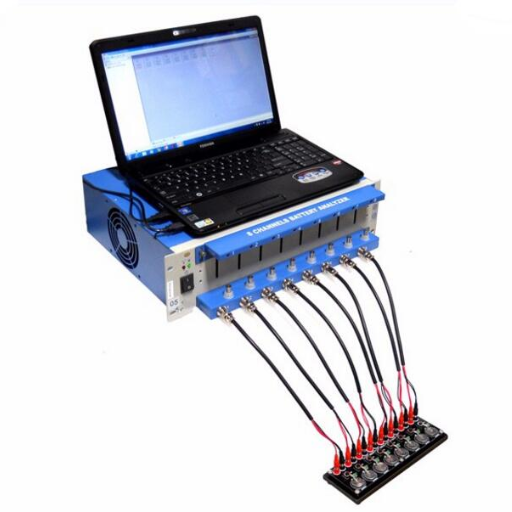
A battery’s capability to deliver power is evaluated using a load test. This test applies a controlled strain to the battery while observing the current, voltage, and temperature. The testing framework seeks to replicate realistic usage scenarios and assess battery performance under pressure. Important criteria measured during the load testing are thermal parameters, voltage, and discharge capacity. With these characteristics, engineers can establish whether a battery has reliability issues that could make it non useful in practical applications, or is in fact meets design expectations.
What is a Load Test and Why is it Important?
Load testing is essential for evaluating a system or component’s effectiveness while it is functioning. Controlled loads or stresses such as increased electrical loads in batteries or heavy user traffic in software systems can uncover design compliance, vulnerabilities, and evaluate the structure’s enduring performance. Using the example of batteries again, load testing checks if a power source can maintain its voltage and endure variable energy demand. In software, systems, load testing helps evaluate performance and resource optimization, mitigating service disruptions. Reliable and safe systems require data-informed insights to certify that innovations and improvements are claimed, making load testing critical.
How to Perform a Load Test Accurately
1. Define Testing Objectives: Outline specific objectives for system interaction measures like throughput, response time, or transaction rates. Understanding system limitations and requirements depends on clearly defined goals.
2. Define Users and Workloads: Define user types along with typical interactions to create realistic as well as peak operation simulations. Analyze user behavior and set workloads spanning both normal and peak traffic usage.
3. Select Appropriate Tools: Employ advanced load testing instruments like Apache JMeter, Gatling, or LoadRunner to formulate and implement the tests. Make sure the selected tool accommodates the protocols and architecture of the system under test.
4. Steps To Analyze Issues Test Setup: Set up a special environment which resembles the actual production. This include:s setting up the servers, networking, databases, and other relevant tertiary services to retain the accuracy.
5. Decrease Monitoring Performance: Start with a baseline load and slowly increase the number of simulated users to strain the system. This is one of the most challenging steps because this is when most resource deficiencies are found.
6. Inspection of Metric Systems Through Performance: Monitor essential performance indicators such as CPU load, memory, error code, and incoming and outgoing network traffic. Analysis of the raw data must be done in real time to address any possible problems.
If organizations abide by the above-mentioned guidelines, they will easily expose hidden loopholes in the system, boost the system’s performance, and permit natural scaling for possible future expansion coupled with demand.
Testing Different Types of Batteries

Evaluating performance, safety, and endurance all require aligning testing protocols with specific standards for different types of batteries. Heightened Importance is placed on the following criteria:
- Capacity Testing – Evaluate the batttery’s TesToried and wippuced energy storage potential by determining rated capacity in both amp hours and watt hours under discharge conditions.
- Cycle Life Assessment – Determine watt per hour charge capacity alongside charging and discharging protocols to test cycles and endurance for significant capacity loss.
- Load Testing – Test performance under application specific altitudinal loads to ensure stable output voltage and current levels are maintained.
- Temperature Testing – Evaluate lower temperature extremes and correlate heating thresholds to ensure reliable functionality under performance and hot and cold chamber conditions.
- Safety Testing – Evaluate protection safeguards against overcharging, short circuiting, and thermal runaway to validate cross compliance for UL and IEC standards.
Precision and comparability of results heavily rely on following defined benchmarks like ISO 12405 and IEC 62133. Evaluations conducted alongside these benchmarks fortify long-term credibility for battery type and application suitability.
Considerations for Testing Lead-Acid Batteries
A thorough comprehension of the battery’s operational parameters, working structure, and design is crucial for understanding its testing procedures. The applications and uses of the batteries also set the operational values. The testing parameters are categorized on the following:
- State of Charge (SOC) Assessment – For lead acid batteries, voltage and specific gravity provide scalar information for SOC. In testing, SOC is best kept track in real time to minimize potential deviations which are known to affect battery life.
- Cycle Life Testing – Lead-acid batteries have a unique characteristic of charging and discharging multiple times. Each cycle has to be tested individually and should include actual conditions like DoD and temperature to monitor aging and degradation behavior.
- Capacity Testing – The measurement of internal capacity of lead-acid batteries involves discharging them at a specific C-rate until a preset voltage threshold for discharge. Adhering to IEC 60896 or IEEE 485 metrics is critical.
- Thermal Performance – Performance as well as the cycle life of the lead-acid battery tends to be sensitive to temperature hence should be tested under constraints. Low and high extremes should assess the risk of thermal runaway during the operation cycle.
Following strict testing guidelines, such as EN 50342 or UL 1989, enables engineers to evaluate the functioning and safety of lead-acid batteries across various applications. These assessments reveal the particular advantages and disadvantages posed by this aging, yet ever advancing technology.
Battery Health Testing for Lithium-Ion Batteries
The evaluation of lithium-ion battery health incorporates the use of precise diagnostic instruments alongside benchmarks in testing methodologies to measure performance indicators like capacity retention, passive internal resistance, and state of charge (SOC). Following strict industry guidelines and developing frameworks is essential to identify and understand the degradation changes that arise from repeated charge and discharge cycles, temperature cycling, and high current loads.
Recovery assessment using electrochemical impedance spectroscopy (EIS) techniques (associated with aging and internal resistance) must also apply to the proper assessment. Also, a widespread form of analysis is the cycle life testing method in which the capacity fade is analyzed by repeatedly charging and discharging the batteries to mimic real world usage. Furthermore, thermal imaging is applied to analyze the generation and distribution of heat to determine the presence of any anomalous thermal insulation structures that could compromise the safety of the system.
Examining IEC 62660 and UL 1642, compliance with safety and performance standards are covered in depth. Compliance with safety and performance standards is covered in depth. Also, compliance tested batteries are continuously monitored with cell parameters by modern systems such as lithium-ion systems battery management systems (BMS). Real-time diagnostics can predict maintenance windows and optimize lifespan, thus prolonging battery age. The comprehensive nature of the testing illustrates the importance of lithium-ion batteries in various applications that need consumer reliability, safety, and efficiency, from electronics to vehicles.
Interpreting Battery Test Results

Particularly for batteries, drawing conclusions entails concentrating on critical metrics such as performance, safety, and useful life tracking. Several values stand out such as the capacity (ampere-hours), state of health (SOH), and internal resistance, to name a few. The capacity is a measure of the amount of energy that can be stored and sometimes reflects a battery’s stored energy. SOH is another metric that tracks critical value, providing a percentage that indicates operational efficiency compared to the original capability. Internal resistance could signal aging—common deficits within a system—if its value is high, and thus, can lower overall efficiency and increase heat generation. From the previously mentioned values, trends for values being above or below accepted thresholds can be evaluated toward range of acceptable parameters for battery performance and identify trends.
What Do Battery Test Results Mean?
The results of battery tests yield vital information regarding the use and aging of the battery. Technicians are able to interpret a battery’s health by evaluating capacity, voltage, and internal resistance. For example, capacity reflects the maximum amount of charge a battery can hold and, oftentimes, increases with use and age. Voltage readings can expose problems related to both over and undercharging, as both scenarios lead to battery destruction. Over time, increased internal resistance suggests aged or degenerated cells within the battery, leading to decreased functioning and increased susceptibility to overheating. The precision in battery diagnostics has increased due to the systematic application of recent technological innovations in data analysis techniques, which shifts the focus from reactive to proactive maintenance and replacement plans throughout the battery life cycle.
How to Use Test Results to Extend Battery Life
Proactively preventing Cell wear requires accurate interpretation of diagnostics and the application of meticulously tailored, data-informed mitigation strategies. One major strategy is observing the State of Charge (SOC) and ensuring it is sustained between 20 to 80% to avoid overcharging/ deep discharging which quickly accelerates wear on cells. In addition, thermal management also plays a critical role: users can mitigate excessively high operational temperatures which for most batteries lie between 20℃ to 30℃, by acting on the temperature diagnostic data streams.
Further still, trends in internal resistance can inform usage and charging behaviors that can lower strain on the battery. An example is the reduction of fast charging which slow down the chemical processes that are likely to damage the battery’s components over a long period. The user’s ability to act is further enhanced with the predictive diagnostics powered by sophisticated algorithms and machine learning that identify potential heightened risks for capacity fade. Appropriate actions can therefore be taken pre-emptively before significant performance loss occurs. Strategic maintenance informed by diagnostics significantly optimizes operational dependability and reliability while greatly enhancing battery life.
Reference Sources
-
Battery modelling and simulation using a programmable testing equipment
This study discusses flexible equipment for testing battery cells, utilizing NI LabVIEW 2016. It employs a state machine structure and supports multiple testing modes. -
Development of on-line battery testing technology
This paper introduces battery capacity evaluation equipment for VRLA batteries, focusing on internal resistance and capacity evaluation. -
A Study on the Battery Parameter Testing Equipment
This research presents a new type of battery parameter testing equipment capable of testing both clamped and single batteries, with a focus on its structural design.
Frequently Asked Questions (FAQs)
Q: What is the purpose of battery test equipment?
A: Battery test equipment is designed to provide accurate readings of battery health, including voltage levels, capacity, and internal resistance, ensuring reliable batteries for various applications.
Q: How does voltage affect battery performance?
A: Voltage is a critical factor in battery performance; a drop in voltage can indicate battery degradation or failures, while maintaining the proper voltage ensures optimal operation of car batteries and other battery chemistries.
Q: What should I look for in a comprehensive guide to battery testing?
A: A comprehensive guide should cover calibration techniques, types of battery chemistries, load testing methods, and insights into battery health to help users understand how to conduct accurate battery testing.
Q: How often should I conduct regular testing on my car batteries?
A: Regular testing is recommended at least every six months to ensure your car batteries are in good condition and to identify any potential issues before they lead to unexpected failures.
Q: What is meant by applying a controlled load to the battery during testing?
A: Applying a controlled load to the battery during testing simulates real-world conditions, allowing testers to evaluate how the battery performs under typical usage scenarios and assess its reliability.
Q: Are battery chargers included with battery test equipment?
A: While battery chargers are not always included, many high-quality battery test equipment options come with additional features like integrated chargers to facilitate thorough testing and maintenance of batteries.
Q: What are the common battery chemistries that can be tested with this equipment?
A: Common battery chemistries include lead-acid, lithium batteries, nickel-cadmium, and nickel-metal hydride, each requiring specific testing methods to ensure accurate readings and optimal performance.
Q: How can I maintain the reliability of my batteries over time?
A: Maintaining the reliability of batteries involves regular testing, proper calibration of test equipment, using quality chargers, and timely battery replacement when necessary to prevent performance decline.
Q: What insights into battery health can I gain from using battery test equipment?
A: Battery test equipment provides insights into voltage levels, capacity, and internal resistance, helping users identify battery usage trends and anticipate potential issues with their batteries.
Q: Why is accurate battery testing important for lithium batteries?
A: Accurate battery testing is crucial for lithium batteries due to their sensitivity to voltage fluctuations and the need for precise calibration to prevent overcharging and ensure longevity and safety.