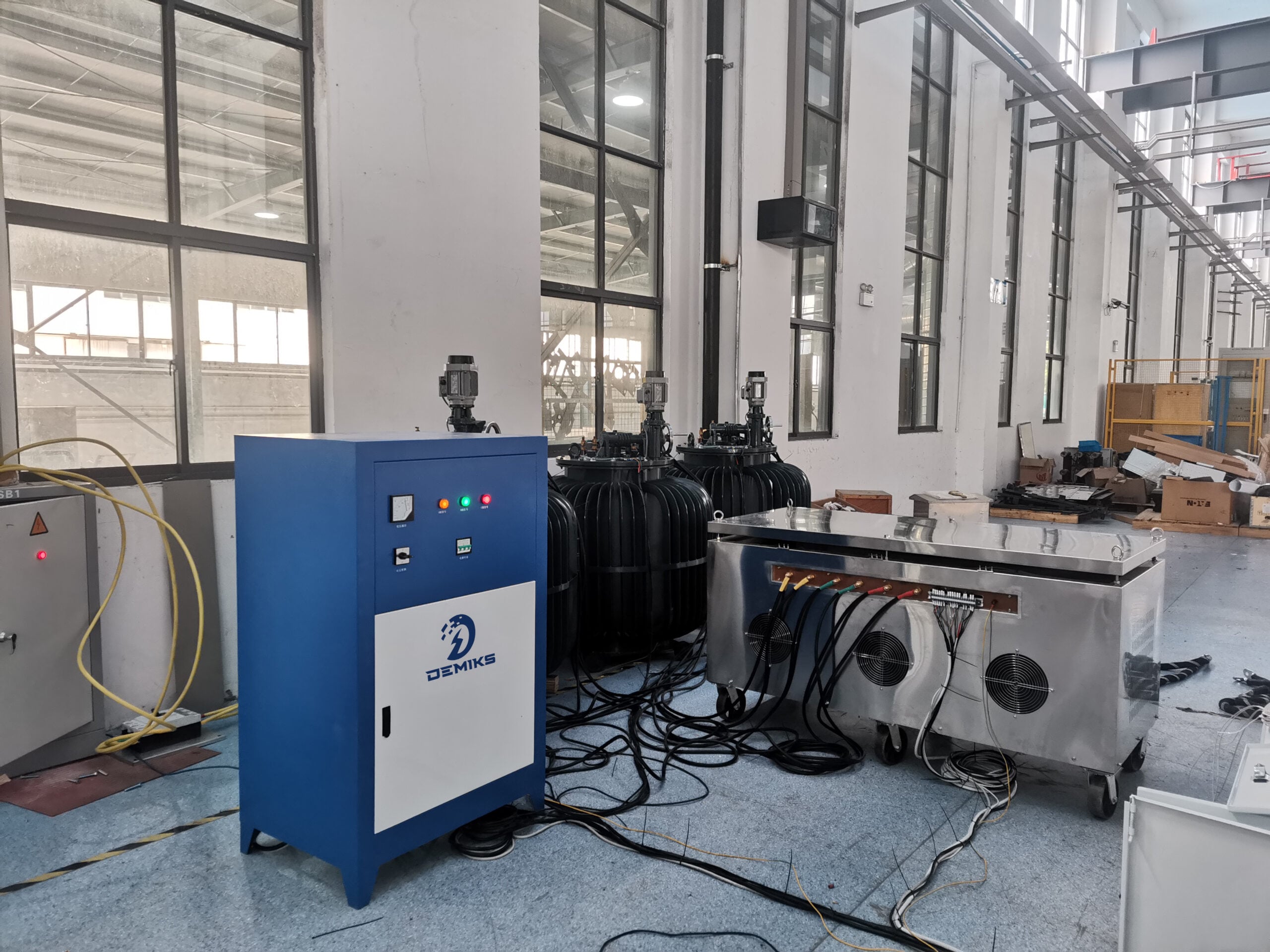
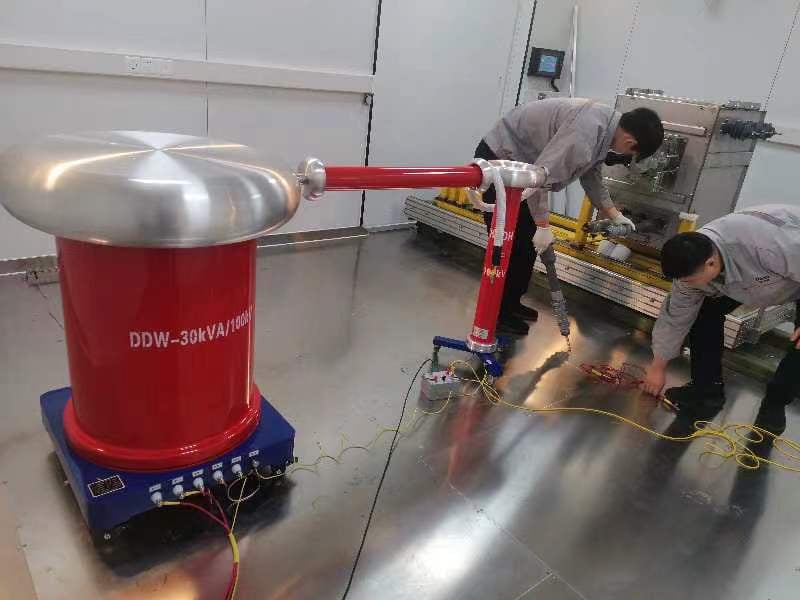
Isolation transformers are essential for modern electrical and electronic systems for added safety and peak performance. They serve a variety of different functions, including power transmission to industrial machinery, medical equipment, and even for home use. These transformers also serve to protect vital components from electrical noise, eliminate ground loops, and maintain regulatory standards. In this article, we’ll explore the main uses and advantages of isolation transformers while explaining the significance these devices hold in various branches of engineering and practical work. Readers will learn about the role of these transformers in enhancing reliability, efficiency, and safety within numerous sectors.
What is an Isolation Transformer?
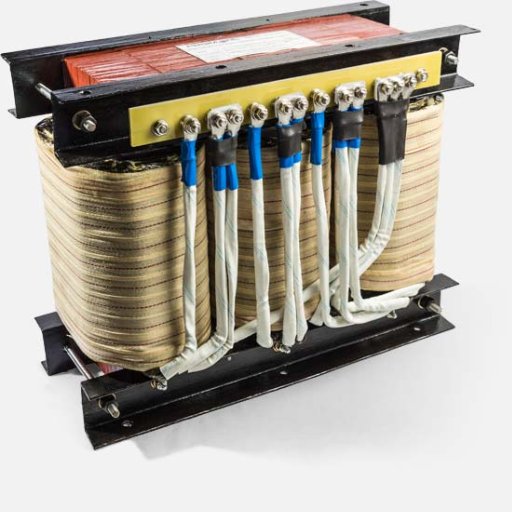
An isolation transformer transfers electrical energy from a source to a connected load while keeps the load completely electrically separate from the power source, thereby avoiding any common ground issues. This separation, while still allowing power transfer, is achieved by galvanic isolation, where there is no mostly conductive path between the input and output windings. Isolation transformers are used to enhance safety by preventing electric shock and also protect sensitive medical equipment from lower grade power line disturbances such as sharp noise or sudden spikes of voltage. They are used in medicine, industry, and audio-visual sectors for safety and reliability.
How Does an Isolation Transformer Work?
As any other transformer, an isolation transformer works on the principle of electromagnetic induction. It has two sets of windings which are primary and secondary, coupled with a magnetic core. When the primary winding is connected to an AC source, it develops a magnetic field in the core which is time varying, and this varies with time. Because of mutual inductance, this alternating field induces alternate current in secondary winding. The salient feature of isolation transformer is no electrical connection on the two windings. This elminates transfer of noise, spikes, and surges present on the input side; they will not be transmitted so power can be delivered cleanly.
Today’s isolation transformers are built with newer materials and modern designs to achieve greater reduction in losses, enhance efficiency, and minimize leakage inductance. Certain types are provided with electrostatic shields separating the windings, which prevent capacitive coupling as well as high-frequency noise. These transformers, like all others, are rated by voltage, current, and power. Some designs are meant for particular environments or regulatory standards, such as medical-grade isolation in healthcare facilities. Isolation transformers are critical in precise and safe operations due to their dependability in the complete separation and extensive filtering of electricity.
What Are the Key Components of an Isolation Transformer?
Every isolation transformer consists of several essential components, each fulfilling a distinct task. Below is the detailed decomposition of these components:
- Primary Winding
The primary winding receives electrical power from the input source. It is made of an alloy of copper or aluminum which enables finance efficiency when transferring power.
- Secondary Winding
The secondary winding independently receives information and instructions for the required electrical output hence delivers the transformed electrical energy to the load. Its independence ensures safety because the primary winding and the secondary do not need each other to operate . Additionally, the derived output voltage for the equipment depends on the ratio of primary and secondary of which their relationship determines the systems.
- Core
The transformer core is made of silicon steel or soft ferrite. Their specific construction help to maximize energy conserving, deter wasteful expenditure of energy coupled with sound levels.
- Insulation Materials
Insulation is a protective factor that holds the parts steady with regards to supplanting and encounter electrical coupling or lacks of shorts. Insulation separates the winding and high cars and devices of power like polyester and epoxy resin aid in firm quality checks with the leading security logos.
- Electrostatic Shield (Optional)
Many isolation transformers feature an electrostatic shield located between the primary (input) and secondary (output) windings. This shield reduces capacitive coupling and noise, making it beneficial for sensitive devices.
- Enclosure
The enclosure offers physical protection for the isolation transformer internals while enabling safe operation. The enclosure can be reinforced to aid in compliance for industrial and medical applications meeting IP/NEMA regulatory and environmental requirements.
- Temperature Management Systems
To maintain safe operating temperatures for the isolation transformers, these devices may contain ventilation slots, heat sinks, or even cooling fans. Commanding the thermal envelope offers dependable performance over the long haul.
- Mounting Brackets and Terminals
Secure installation is provided by mounting brackets, and the complete labeling of terminals or connectors makes the configuration step easy.
All parts work together to achieve the described functional benchmarks and requirements. The integration quality impacts the performance, safety, and lifespan of an isolation transformer greatly.
Types of Isolation Transformers

Isolation transformers can be classified according to their design, use, and specialized features:
- Single-Phase Isolation Transformers
These transformers are suitable for single phase power systems. These are primarily used in residential and light commercial settings. These provide good isolation and voltage adjustment for miniature devices.
- Three-Phase Isolation Transformers
These transformers are designed for three phase power systems and are applied in industrial or big commercial centers. They are necessary for high power devices and strategically isolate sensitive systems while providing consistent power to critical systems.
- Medical Grade Isolation Transformers
These medical isolation transformers have rigorous requirements to minimize leakage currents to safe levels in the medical field. They provide substantial electrical isolation to ensure patient and medical equipment safety.
- Control Transformers
These transformers are mostly used in control circuits and customized to withstand brief surges in inrush currents. They are commonly found in industrial control panels and machinery.
By choosing the correct class depending on the intended purpose, isolation transformers provide the maximum reliability and safety, efficiency, and effectiveness of the systems in various states of operation.
What Are the Different Types of Isolation Transformers?
|
Type |
Key Features |
Applications |
Voltage Range |
Additional Notes |
|---|---|---|---|---|
|
Step-Up Isolation Transformer |
Converts lower to higher voltage |
Industrial equipment |
Up to 33 kV |
Enhances voltage for machinery |
|
Step-Down Isolation Transformer |
Converts higher to lower voltage |
Consumer electronics |
Varies |
Suitable for safe device usage |
|
Single-Phase Isolation Transformer |
Single-phase input and output |
Residential and small appliances |
120V to 240V |
Ideal for light-duty equipment |
|
Three-Phase Isolation Transformer |
Three-phase power applications |
Large-scale industries |
Varies |
Handles heavy electrical loads |
|
Medical-Grade Transformer |
Designed for medical environments |
Diagnostic equipment |
600–1000V |
Focuses on patient safety |
|
Auto Isolation Transformer |
No secondary winding isolation |
Limited industrial applications |
Varies |
Not fully isolated, cost-efficient |
|
High-Frequency Transformer |
Operates at high switching frequencies |
Telecommunication circuits |
Varies |
Compact design, high efficiency |
|
Control Transformer |
Stabilizes voltage for devices |
Control panels |
Up to 500V |
Ensures reliable operation |
|
Nano-Crystalline Core Transformer |
High energy efficiency |
Modern electronics |
Varies |
Reduces core losses significantly |
How Do Dry Isolation Transformers Differ from Other Types?
The operation, construction, and advantages of dry isolation transformers differentiate them from all other types of transformers. Unlike oil-filled transformers, dry isolation transformers do not use liquid coolant but instead use cooling air. This method of cooling is not only less risky than other methods, but is more environmentally friendly and easier to maintain. These transformers are usually encased in varnished insulation which has epoxy resin. This insulation protects them from chemicals and moisture, making them strong against harsh environmental conditions.
Performance-wise, dry isolation transformers are better than others in voltage regulation and noise suppression. They are designed to have low EMI (Electromagnetic interference) as well as acoustic noise. This makes them perfect for sensitive areas like hospitals, IT facilities and industrial automation. Furthermore, they can endure high temperatures whilst maintaining efficiency making them preferable for indoor installations in harsh environments.
Innovations in design and materials have led to modern dry isolation transformers having improved energy efficiency. For example, the core loss nano-crystalline technology enhances efficiency in conjunction with further operational cost savings. Compared to other traditional dry transformers, these newer modern versions dry isolation transformers are quite compact which makes the transformers easier to integrate into smaller spaces. The adaptability and safety alongside the reliability dry isolation transformers offer makes them invaluable across multi-industries.
What is a Galvanic Isolation Transformer?
A galvanic isolation transformer falls in the category of electrical transformers used for decoupling two circuits without having a physical electrical link between them. The decoupling is done by electrically energizing the primary and secondary winding using electromagnetic induction instead of through a conducting medium. The main function of the galvanic isolation transformer is to protect equipment and enhance safety by cutting access risk at low and high voltages, noise, and ground loops between closed circuits. Such transformers are widely used in industrial, medical, and ultra-sensitive electronics equipment, where data and operations safety are critical. Meeting the rigorous requirements of various regulations in most cases entails the use of modern insulation and dry isolation transformer construction materials while ensuring stable performance in different environmental conditions.
Voltage Considerations in Isolation Transformers

Proper voltage ratings on isolation transformers are important to guarantee safety and effective functioning within operation limits. The set of primary and secondary windings have to be matched with equipment utilization and must be associated with proper voltage levels. Excess voltage may lead to insulation failure and a reduction in transformer’s lifetime, while insufficient voltage may lead to malfunction of the connected equipment. Thus, a check needs to be performed on systems that the transformer’s voltage ratings need to be aligned with the system’s demands. Use of other transformers compliance with relevant safety standards like documents ANSI/IEEE or IEC should also be obeyed because of safety and reliability reasons.
How is Input Voltage Managed in Isolation Transformers?
Voltage management on input side for such isolation transformers is dealt with defined electrical supply limits through system design and engineering along with system dependability. This type of transformers have primary windings designed to operate with a certain voltage range which allows stable performance within some range of minor changes. In some cases the transformer design allows for the use of additional devices aimed at effective regulation of the system, for example, automatic voltage regulators (AVRs), or even changers which are aimed at correction of the transformer’s output due to change in input levels.
Isolation transformers nowadays may have monitoring systems that include sensors for detecting abnormalities in voltage. These sensors can be monitored by control systems which would allow real time corrections to be done to the control loops with regards to the required set point. Isolation transformers are built with high-grade technologies, which allows them to minimize the potential dangers linked to voltage instability and protect the linked equipment. This ensures efficiency in operations across different functions.
What is the Output Voltage of an Isolation Transformer?
Isolation transformers are mainly used for isolation rather than step-up or step-down purposes. Thus, the output voltage is typically equal to the provided input voltage. Take for instance a 1:1 isolation transformer which would output 120V if provided with 120V input. Transformers can, however, be designed adjacent for their purpose of stepping up or down voltages on demand. Voltage output will be affected based on transformer’s design, connected load, and efficiency. For sensitive electronic devices and industrial equipment needing stringent standards, responsiveness high grade isolation transformers need to be finely engineered to eliminate variability.
How Does Voltage Affect Electrical Noise?
Voltage is capable of having an impact on the noise generated in a circuit, as well as its propagation. Higher voltage levels tend to increase the potential for electromagnetic interference (EMI), as stronger electric fields are generated. These fields can couple with nearby conductors or components, contaminating the system with additional noise signals. Furthermore, voltage levels that are not stable, show fluctuations, or are unsteady invite additional noise by creating erratic currents that interfere with proper circuitry operations.
The voltage source itself also has its own effects. Power supplies with high ripple voltage and poorly filtered power supplies can be major contributors to system noise. On the other hand, electric circuits working at lower voltage levels are mostly quiet, because there is less energy available to interfere at lower voltages.
Voltage induced noise can be managed by proper design techniques such as effective shielding and grounding, and the use of capacitors and inductors. These methods are very important for circuits such as audiology and telecommunication equipment, and other circuits that require higher precision, including medical devices.
Electrical Noise and Isolation Transformers

Isolation transformers help reduce electrical noise in sensitive electronic systems. They reduce noise by physically separating the primary and secondary windings. This prevents direct electrical connection and helps break ground loops, which is a common source of noise. Moreover, the windings’ magnetic coupling lets the transformer transmit energy while blocking high-frequency electromagnetic and radio frequency noise.
As in the case of medical imaging devices and precision measurement devices, these transformers are used in areas where signal clarity is critical. Isolation transformers enhance system performance and reliability by ensuring steady power delivery, minimizing noise propagation, and suppressing interference. For tailored noise suppression, such transformers must be chosen based on application voltage and frequency needs.
What Causes Electrical Noise in Power Systems?
Electrical noise within the boundaries and context of a power system is caused due to a rudimentary set of internal and external causes which disrupt the normal operation of electric signals. Some examples of internal causes might be the electrical switches components such as rectifiers, inverters and variable frequency drives (VFDs) which produce noise because of elevation in voltage and current levels. With these internal switches, there also comes external EMI oscillations which are caused due to the high speed transitions and can travel through the power lines. In contrast to internal causes, external sources include lightning blows, RF emitters, ESD emitters which can come from machines and even human interaction. Moreover, bad grounding and lack of modern techniques to power systems can increase the undesired noise signal by creating loops and reflections in the system which will interfere with the desired signal. As defined earlier, electrical shields are a consequence of the underlying background noise that these inadequacies introduce. Understanding these household forms of noise mitigation strategies involving shielding, filtering and even power conditioning will maintain the desired performance in a system as well as its reliability.
How Can Isolation Transformers Reduce Electrical Noise?
An isolation transformer’s primary use is in the prevention of electrical noise by decoupling sensitive equipment from the source of the noise. They work on the principle of It transforms AC power through electromagnetic induction while blocking direct electrical connection between the input and output circuits. Isolation transformers prevents common-mode noise which is usually due to grounding differences and other external interferences by removing the load from the primary power supply.
Today’s isolation transformers are designed with additional features like high-voltage dielectric insulation and electrostatic shields to block high-frequency noise. They also eliminate unwanted current loops that ground inter-connected equipment through a shared reference ground. Because of this, they are vital in areas demanding precision and minimal interference such as in medical devices, laboratory instruments, and high-end audio gear. The effectiveness of isolation transformers depend on design parameters such as voltage ratings, shielding efficiency, core material, and others that determine performance against electrical noise.
What Are the Effects of Electrical Noise on Equipment?
Electrical Noise – it’s the ‘random interference’ to the voltage or current signal’s level in time-dependent signals. This random shift and jump is what people define as electrical noise. Voltages or currents possessing random character noise can severely distort precise sensors and circuits. Random electrical noise can severely deteriorate refinement imaging in medical devices. In industry automation, random electrical noise can give too much information, creating overloads in sensors and controllers which can interrupt the process.
Moreover, uncontrolled noise spikes can distort frame data and induce network failure or cause continuous errors and unresponsive states in telecommunication equipment, computing system networks, and systems which rely heavily on power grid transitions for a longer duration. Electrical noise can even compromise the accuracy of sensed values and direct gadgets to react which causes components with dynamic circuits to overdrive or wear off at a quicker pace and therefore shorten the cycle of their daily task limit. Because of this, sustaining break-free units while preserving accuracy and completeness, shielding from excessive currents remains a tough challenge. High-grade transformers, isolation circuits, and excelling-grade units built to withstand high pressure, high voltage circuitry signals can bypass challenges while focusing on the diversity within signal and hardware dependability ratio versus calibration while ensuring shielding with the outside world.
Benefits of Isolation Transformers
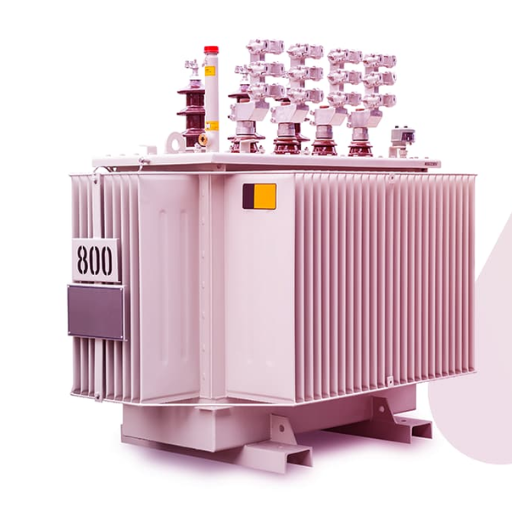
Isolation transformers enhance the protection and optimization of electrical systems with the following key advantages:
- Enhanced Safety through Galvanic Isolation
Isolation transformers use galvanic isolation to separate the primary and secondary windings. This eliminates direct electrical connection and reduces the risk of equipment damage as well as electric shock from ground loops or short circuits. Studies have demonstrated that systems utilizing galvanic isolation experience fewer operational faults.
- Suppression of Electrical Noise
Isolation transformers protect sensitive connected devices from unwanted electrical noise, isolating them on the primary side, thus having filters for any unwanted transient disturbances. As far as medical devices or precision measurement tools are concerned, an interference-free environment is paramount because of their sensitivity, thus these devices need utmost precision. Depending on the transformer’s construction, a remarkable degree of noise attenuation up to 70-80 dB is often achievable.
- Voltage Regulation and Stability
Isolation transformers help mitigate supply fluctuation which aids in stabilizing voltage. Stable supply also means consistent output voltage. Without these, equipment could malfunction because input power is unstable. Well-designed systems can achieve stable output voltage with ±1% range.
- Improved Equipment Lifespan
Overvoltage spikes, surges, and harmonics can greatly affect equipment performance. Through the use of isolation transformers, data indicates that lifespans of critical equipment can be lengthened by 30%. Isolation transformers appear to be a valuable addition from a cost perspective in critical operational environments.
- Prevention of Ground Loops
Connected systems can experience differences in potential which results in ground loops. In worst-case scenarios, signal distortion and severe damage can occur. Elimination of potential differences between grounding systems using isolation transformers helps ensure pristine functionality. Such a feature helps maintain a desired level of distortion.
- Compliance with Industry Standards
These isolation transformers have been rigorously designed to meet safety and performance benchmarks such as IEC 60601 for medical appliances and IEEE parts for industrial devices. Enhanced reliability and compliance with safety standards bolster trust for regulatory approval processes.
- Customizability for Specific Applications
These types of isolation transformers hold an upper hand because of their adjustable characteristics like power rating, size, and even insulation strength. Their application range across various industries is therefore broader and versatile. With a unique ability to customize, isolation transformers become an asset when troubleshooting specific operational issues.
- Energy Efficiency
Advanced designs of modern isolation transformers with minimal energy wastage result from high-effi ency cores and low-loss materials. Use of such materials lead to better operational cost, especially when efficiency ratings are over 95%.
Emphasizing occupational safety, isolation transformers help safeguard equipment, ensure stable functioning, protect system health, and meet regulations. Their adaptability and dependability serve as cornerstones within numerous vital sectors.
How Do Isolation Transformers Improve Power Quality?
Power quality is impeded within a power system by electrical harmonics, and transient disturbances, all of which isolation transformers remove. By physically placing the primary and secondary windings apart from one another, these transformers also block unwanted high-frequency disturbances from traveling through the circuit. For sensitive electronic devices, such as control systems for industrial automation and medical devices, this is useful as these devices need stable and clean power supplies. Moreover, isolation transformers are known for excellent common-mode noise rejection, ensuring voltage variation does not disrupt critical operations. Some advanced models add noise and power reliability filters, like electromagnetic shields, further improving those features. These devices make isolation transformers very crucial in environments where power quality directly impacts productivity, safety, efficiency, and operational precision.
Why Are Isolation Transformers Crucial for Medical Equipment?
Heath devices usually works under critical conditions where uninterrupted and the correct amount of energy is required to ensure proper functioning of the tools and safety of the patient. Isolation transformers safeguard sensitive medical equipment from power line electrical noise and voltage fluctuations. These transformers are very important for imaging systems and life-support devices that need precise calibration and uninterrupted operation.
Isolation transformers also protect against electrical shock, enhancing safety. They do this by isolating powered devices from the source, which reduces leakage currents that may travel through the patient or user. Medical application isolation transformers require strict compliance, like IEC 60601, so they meet industrial standards and work optimally.
Isolation transformers help ensure a clean and constant power supply and enhance safety, proving protection for patients and doctors during operation.
Ground Loops and Isolation Transformers

A ground loop arises from having multiple grounding connections in a circuit which creates differences in voltages resulting in unwanted noise. Isolation transformers solve such problems by physically decoupling the devices while still allowing transfer of power or signals. They eliminate voltage discrepancies by preventing the formation of closed-loop circuits through the separation of inputs and outputs. Therefore, isolation transformers are critical in preserving signal and operational integrity in sensitive environments such as medical and industrial facilities.
What is a Ground Loop and How Does It Occur?
Isolation transformers solve this problem by separating the actual electrical linkage between devices while still allowing the power or signal to flow between them. They also provide an unclosed loop which breaks the closed-loop circuit system and mitigates voltage discrepancies resulting in noise. As such, they are a valuable tool for signal clarity and operational stability in sensitive medical or industrial environments.
In audio, video, and data communication systems, ground loops are most problematic as they impair the quality of the signal being transmitted and impede performance. In audio equipment, for instance, ground loops frequently take the form of a low-frequency hum that masks clarity and sound transmission. A combination of factors such as bad grounding methods, extensive cabling between devices, and disparate electrical wiring within a building can introduce these loops. To eliminate detrimental electrical pathways without compromising system integrity, engineers typically employ isolation transformers, balanced connections, or ground loop isolators. Isolation transformers eliminate destructive electrical paths while preserving system integrity. Sensitive electronic systems require careful design and precise grounding techniques to avoid ground loop problems.
What Are the Effects of Ground Loops on Electrical Systems?
Sensitive equipment, such as precision instruments, can be significantly impacted by ground loops. The most common issue caused by ground loops is noise or hum, especially in communications systems, significantly impacting signal quality and amplification. Other systems that transmit data may face additional noise and interference through ground loops, which can result in errors or loss of crucial information in digital systems. Moreover, ground loops tend to become detrimental to the dependability of a system by introducing voltage differences within interconnected devices that can cause excessive current flow leading to damage of the components. In power distribution systems, ground loops can lead to undue heating, inefficiencies, and operational failures. Effective engineering designs to protect systems and reliably maintain performance stabilizes systems against these effects.
Reference Sources
-
A zero-voltage and zero-current switching full bridge DC-DC converter with transformer isolation
This paper discusses a DC-DC converter with transformer isolation, focusing on reducing the size of the isolation transformer and improving efficiency. -
High-frequency transformer isolated bidirectional DC–DC converter modules with high efficiency over wide load range for 20 kVA solid-state transformer
It explores high-frequency transformer isolation in bidirectional DC-DC converters, emphasizing efficiency and the use of planar transformers. -
Optimized design of medium frequency transformers with high isolation requirements
This paper presents a step-by-step design process for medium-frequency transformers that meet high isolation standards. -
Synthesis and analysis of transformer-isolated converters
It analyzes the design and synthesis of transformer-isolated converters, focusing on their state equations and configurations.
Frequently Asked Questions (FAQs)
Q: What is an isolation transformer?
A: An isolation transformer is a transformer that provides electrical isolation between two circuits, typically used to prevent power surges and noise disruption from affecting sensitive equipment.
Q: What are the main applications of isolation transformers?
A: Isolation transformers are used in various applications, including medical equipment, audio/video devices, and industrial machinery, where electrical isolation between circuits is crucial for safety and performance.
Q: How do isolation transformers help with noise disruption?
A: Isolation transformers can help reduce noise disruption by decoupling sensitive equipment from electrical noise caused by other devices, ensuring cleaner power delivery and better performance.
Q: What is the function of an isolation transformer?
A: The primary function of an isolation transformer is to provide electrical separation between the primary and secondary coils, which can help protect equipment and improve voltage stability.
Q: Can isolation transformers provide automatic voltage regulation?
A: While isolation transformers primarily focus on electrical isolation, some models, known as ultra isolation transformers, can also provide automatic voltage regulation to maintain constant voltage levels.
Q: What causes and effects of electrical issues can isolation transformers mitigate?
A: Isolation transformers can mitigate various causes and effects of electrical issues, such as power surges, grounding problems, and interference, thereby enhancing the safety and reliability of electrical systems.
Q: Are there different types of isolation transformers available?
A: Yes, isolation transformers are available in several types, including standard isolation transformers, drive isolation transformers, and ultra isolation transformers, each designed for specific applications and benefits.
Q: How does an isolation transformer ensure safety in medical equipment?
A: Isolation transformers ensure safety in medical equipment by providing electrical separation from the earth, reducing the risk of electrical shock and ensuring safe operation in sensitive environments.
Q: What is the difference between a power transformer and an isolation transformer?
A: A power transformer is designed to transfer electrical energy between circuits at varying voltage levels, while an isolation transformer focuses on providing electrical isolation and protection without necessarily changing voltage levels.