Power transformers are indispensable components in electrical energy transfer and distribution systems, playing a critical role in ensuring the efficient and reliable delivery of electricity across vast distances. Their ability to adjust voltage levels to match the requirements of generation, transmission, and end usage is what makes them a backbone of modern power infrastructure. This article aims to provide a comprehensive exploration of power transformers, breaking down their various types, such as step-up and step-down transformers, and detailing the core working principles that govern their operation. Whether you are an industry professional, an electrical engineer, or simply an enthusiast looking to deepen your understanding, this guide will offer valuable insights into how power transformers function and why they are vital to the seamless operation of global power networks. Prepare to gain a detailed and authoritative perspective on one of the most essential devices in the energy sector.
How Do Power Transformers Work in Modern Power Systems?

Power transformers operate by transferring electrical energy between circuits through electromagnetic induction. They consist of primary and secondary windings wrapped around a core. When an alternating current flows through the primary winding, it creates a magnetic field in the core, which induces a voltage in the secondary winding. This allows transformers to either increase (step-up) or decrease (step-down) voltage levels as needed. They are critical in modern power systems, ensuring efficient energy transmission over long distances by reducing energy losses and adjusting voltage to suitable levels for different stages of distribution and end use.
What Is the Role of a Step-Up Transformer?
A step-up transformer plays a crucial role in power transmission by increasing the voltage level of electrical energy while decreasing the current. This is necessary for efficient long-distance transmission, as higher voltage minimizes energy losses due to resistance in power lines. Step-up transformers are primarily used at power generation stations to convert the generator’s output voltage to a higher value, enabling more economical transmission to substations or distribution networks. By stepping up the voltage, they ensure that electrical energy can be transported over vast distances with reduced energy dissipation, maintaining overall system efficiency. Their design is optimized to handle high power levels safely and reliably, adhering to rigorous industry standards.
How Does Transformer Design Affect Performance?
Transformer design significantly influences performance by determining efficiency, reliability, and maintenance requirements. Key parameters such as the quality of core material, winding configuration, insulation, and cooling systems play a critical role. For instance, using high-grade silicon steel for the core minimizes hysteresis and eddy current losses, directly improving efficiency. Winding designs, including layer and disk windings, affect the transformer’s ability to handle load currents and distribute heat. Advanced insulation materials ensure durability and reduce the risk of dielectric failure during operation, while effective cooling mechanisms, such as oil or forced-air cooling, prevent overheating under high load conditions. Standard technical parameters include core loss (typically 0.2-0.5% of rated power), copper loss (usually less than 1%), and efficiency exceeding 98% under full load. These design optimizations ensure that transformers meet stringent operational and performance criteria.
What Are the Key Components of a Power Transformer?
Power transformers are composed of several critical components, each playing a specific role in ensuring optimal performance, reliability, and efficiency:
- Core
The transformer core provides a low-reluctance path for magnetic flux. It is typically constructed from high-grade silicon steel laminations to reduce core loss. Standard technical parameters include core losses of 0.2-0.5% of the rated power, with a flux density of around 1.5 to 1.8 Tesla for efficient operation.
- Windings
Windings are made from high-conductivity copper or aluminum and conduct electrical energy. They are designed to handle current and voltage levels specific to the transformer’s rating while minimizing resistive losses. Copper loss generally accounts for less than 1% of rated power, contributing to overall efficiency, which often exceeds 98%.
- Insulation System
Insulation materials, such as paper or epoxy, separate the windings and the core, preventing electrical breakdown. High-quality dielectric insulation ensures the breakdown voltage aligns with the transformer’s operating conditions, typically in the range of several tens or hundreds of kV for high-voltage transformers.
- Taps and Tap Changer
Tap changers adjust the transformer’s output voltage to compensate for load variations. Off-load and on-load tap changers maintain voltage stability, with operational ranges often ±5% to ±10% of the nominal voltage in increments.
- Conservator Tank and Oil System
The conservator tank contains insulating oil that facilitates cooling and acts as a dielectric medium. The oil typically has a flashpoint above 140°C to ensure safe operation during temperature fluctuations.
- Cooling System
Cooling systems, such as ONAN (Oil Natural Air Natural) or OFAF (Oil Forced Air Forced), are integrated to dissipate heat during operation. The design ensures that winding temperatures remain below permissible limits, typically around 90-100°C for most applications.
- Bushings
Bushings serve as insulated interfaces for electrical connections between windings and external circuits. Bushing dielectric withstand values are rated according to operational voltage, ensuring minimal risk of electrical breakdown.
- Protection Systems
Protective components like Buchholz relays, pressure relief devices, and temperature sensors safeguard the transformer against faults and overheating. These systems enable early fault detection and prevent potential damage.
Each component is meticulously designed to meet stringent technical and operational standards, ensuring the transformer’s long-term durability, efficiency, and safe performance.
Why Are Power Transformers Crucial for Power Grid Reliability?

Power transformers are essential for maintaining power grid reliability because they enable the efficient transmission and distribution of electricity over long distances. By stepping up the voltage for transmission and stepping it down for end-user consumption, transformers minimize energy losses and ensure consistent power delivery. They also help balance load demands across the grid, preventing overloads and ensuring system stability. Furthermore, transformers contribute to grid resilience by incorporating protective mechanisms to withstand faults and disruptions, thereby preserving the integrity of the power supply infrastructure.
How Do Electrical Transformers Ensure Voltage Stability?
Transformers ensure voltage stability through precise regulation and transformation of electrical energy across different circuit levels. They achieve this by utilizing electromagnetic induction, where the voltage is adjusted based on the ratio of windings between the primary and secondary coils. Key technical parameters involved in this process include:
- Primary Voltage (V1): Input voltage applied to the primary winding.
- Secondary Voltage (V2): Output voltage delivered to the secondary winding, determined by the turns ratio (Turns Ratio = N1/N2, where N1 and N2 are the number of windings in the primary and secondary coils, respectively).
- Load Regulation: The ability of the transformer to maintain a stable secondary voltage under varying load conditions, expressed as a percentage deviation.
- Efficiency (η): Typically within the range of 95-99%, representing the ratio of useful power output to total power input.
By maintaining precise control over these parameters, transformers effectively minimize voltage fluctuations and ensure a consistent supply that meets the requirements of downstream equipment and systems.
What Is the Impact of Transformer Losses on Power Systems?
Transformer losses have a significant impact on the efficiency and reliability of power systems. These losses are categorized into two main types: core (or iron) losses and copper (or winding) losses. Core losses, which consist of hysteresis and eddy current losses, occur in the transformer’s magnetic core and are directly related to the voltage and frequency of operation. Copper losses, on the other hand, are caused by resistive heating in the windings and are proportional to the square of the load current.
The effects of these losses include reduced overall system efficiency, as energy is dissipated in the form of heat, leading to increased operational costs for utilities. Additionally, excessive heat generation can stress insulation and other components, potentially reducing transformer lifespan and reliability. To mitigate these impacts, modern transformers are designed using advanced materials, such as amorphous core steels and low-resistance conductors, and optimized cooling systems to enhance efficiency and minimize losses. By addressing transformer losses effectively, power systems maintain higher efficiency, reliability, and cost-effectiveness over their operational lifetimes.
How Does Automation Enhance Transformer Efficiency?
Automation significantly enhances transformer efficiency by enabling precise monitoring, control, and optimization of transformer operations. Automated systems utilize intelligent sensors and algorithms to track critical parameters such as load levels, operating temperatures, oil quality, and insulation conditions. These systems can proactively identify inefficiencies, such as excessive core or copper losses, and suggest corrective measures in real-time.
Key technical parameters monitored through automation include:
- Load monitoring (Current and Voltage): Ensures the transformer operates within its designed capabilities, preventing overloading and reducing unnecessary loss.
- Temperature management (Hot-spot temperature, Ambient temperature): Optimizes cooling operations to maintain thermal stability and prevent overheating, which can degrade efficiency.
- Oil condition analysis (Dielectric strength, Moisture levels): Assesses insulation oil health, ensuring effective cooling and dielectric performance.
- Power factor and harmonic distortion (Reactive power, THD levels): Improves power quality and reduces losses due to harmonics, enhancing energy efficiency.
By integrating automation, transformers achieve higher operational efficiency, prolonged service life, and minimized energy waste, all while providing detailed diagnostics and predictive maintenance insights to further reduce downtime and operational costs.
How Are Electrical Transformers Designed to Optimize Power Transmission?

Electrical transformers are designed to optimize power transmission through several critical engineering approaches. First, they employ high-grade core materials, such as silicon steel, to minimize core losses and increase efficiency. Second, advanced winding techniques and the use of low-resistance conductors, like copper or aluminum, reduce I²R losses during operation. Furthermore, transformers are designed with insulation systems that withstand high voltages, preventing energy dissipation and ensuring reliability. Magnetic flux leakage is minimized through precise core shaping and lamination. Additionally, tap changers are incorporated to regulate voltage levels dynamically, maintaining consistency under varying load conditions. These design features collectively enhance power transmission efficiency, reduce energy losses, and ensure stable operation.
What Materials Are Used in Transformer Core Construction?
The core of a transformer is primarily constructed using high-grade silicon steel. This material is chosen because it significantly reduces hysteresis and eddy current losses due to its excellent magnetic properties and high electrical resistivity. Typically, the silicon steel is processed into thin laminations, which are then stacked to further mitigate eddy current formation. Additionally, modern designs often incorporate grain-oriented silicon steel (GOES) to enhance efficiency by aligning the material’s grain structure with the magnetic flux direction. For specialized applications, other alloys or amorphous metals may also be utilized to achieve even greater energy efficiency and performance.
How Do Insulation Techniques Affect Transformer Reliability?
Insulation techniques play a critical role in determining the reliability and lifespan of transformers. High-quality insulation materials, such as kraft paper, pressboard, and thermally upgraded materials, are essential for preventing dielectric breakdown and ensuring the safe separation of electrical windings. Proper insulation minimizes the risk of short circuits, reduces overheating, and mitigates the effects of high electrical stresses. Advanced techniques, such as vacuum pressure impregnation (VPI) or the use of epoxy resin, enhance dielectric strength and thermal stability, particularly in high-voltage and industrial applications. Furthermore, maintaining insulation condition through regular monitoring and maintenance, including testing for moisture content and partial discharges, is vital to avoid performance degradation and potential transformer failure. By optimizing insulation systems, transformers achieve improved energy efficiency, operational safety, and long-term reliability.
What Innovations Exist in Transformer Design?
Recent innovations in transformer design focus on improving efficiency, sustainability, and operational reliability. One key advancement is the integration of amorphous core materials. Compared to traditional silicon steel, amorphous metal cores reduce no-load losses by up to 70%, enhancing overall energy efficiency. This development is particularly critical for distribution transformers where idle operation is frequent.
Another significant innovation is the adoption of smart transformers. These devices utilize advanced monitoring systems with IoT-enabled sensors to track operational parameters such as temperature, voltage, and load levels in real time. For instance, thermal sensors embedded within the insulation materials provide precise data to mitigate overheating risks. These smart systems facilitate predictive maintenance, extending transformer life and reducing downtime.
Additionally, environmentally friendly designs have emerged, including the use of biodegradable ester-based insulating fluids in place of conventional mineral oils. Ester fluids not only offer superior fire resistance due to higher flash points (typically above 300°C) but also degrade naturally, minimizing environmental impact in case of leaks.
Finally, high-efficiency transformer designs now incorporate advanced cooling systems, such as directed oil flow or forced air systems, for enhanced thermal management. These approaches allow transformers to operate under higher load capacities while maintaining optimal temperature ranges, typically between -25°C to 105°C, depending on the insulation class.
These innovations collectively address modern energy demands, regulatory requirements, and environmental concerns, marking significant strides in transformer technology.
What Challenges Do Transformers Face in Power Grid Integration?

Transformers encounter several challenges during power grid integration, primarily due to evolving grid demands and technological complexities. One key issue is managing load variability, as fluctuations in demand and the rise of renewable energy sources can cause irregular power flows and stress transformer components. Another challenge is ensuring reliability and resilience against increasing grid disturbances, such as voltage sags, harmonics, and transient stability issues. Additionally, the integration of smart grid technologies requires transformers to support advanced monitoring systems and data communication, often necessitating costly upgrades. Environmental and regulatory constraints, such as the push for low-loss and eco-friendly materials, further complicate design and operation requirements. These factors collectively highlight the need for innovations and robust solutions to support modern power grids effectively.
How Do Transformer Losses Occur?
Transformer losses occur primarily due to two main categories: core (iron) losses and winding (copper) losses. Core losses, which include hysteresis and eddy current losses, stem from the alternating magnetic field in the transformer core. Hysteresis losses are caused by the repeated magnetization and demagnetization of the core material, while eddy current losses arise from circulating currents induced within the core due to changing magnetic flux. Winding losses occur because of the resistance in the transformer’s windings and are proportional to the square of the load current. Additionally, stray losses can result from leakage flux inducing currents in nearby structural components, and dielectric losses occur within insulating materials under high voltage stress. Collectively, these losses impact the transformer’s efficiency and require innovative designs to minimize their effects.
What are the Solutions for Reducing Eddy Current Loss?
To effectively reduce eddy current losses in transformers, I would focus on several key strategies. First, the use of laminated cores is crucial, as the laminations are insulated from one another to limit the paths available for eddy currents, significantly reducing losses. Additionally, selecting materials with higher electrical resistivity, such as silicon steel, minimizes the magnitude of eddy currents. Finally, optimizing the core design, including reducing its thickness and carefully orienting the grain structure of the material, can further enhance efficiency by limiting eddy current formation. These approaches collectively ensure improved transformer performance and energy efficiency.
How Can Industry Standards Improve Power Transformers?
Industry standards play a crucial role in enhancing the performance, efficiency, and reliability of power transformers. Standards such as those established by organizations like the International Electrotechnical Commission (IEC) or the Institute of Electrical and Electronics Engineers (IEEE) provide guidelines for transformer design, testing, and operation. For instance, they specify the minimum performance requirements for thermal performance, load efficiency, and insulation, ensuring transformers operate optimally under various conditions. By enforcing compliance with these standards, manufacturers can reduce energy losses, improve safety, and increase the lifespan of transformers. Furthermore, uniform standards facilitate global interoperability, allowing transformers to be seamlessly integrated into power grids across different regions. This harmonization not only reduces production costs but also supports advancements in smart grid technology by providing a consistent framework for integration.
What Are the Different Types of Power Transformers and Their Uses?
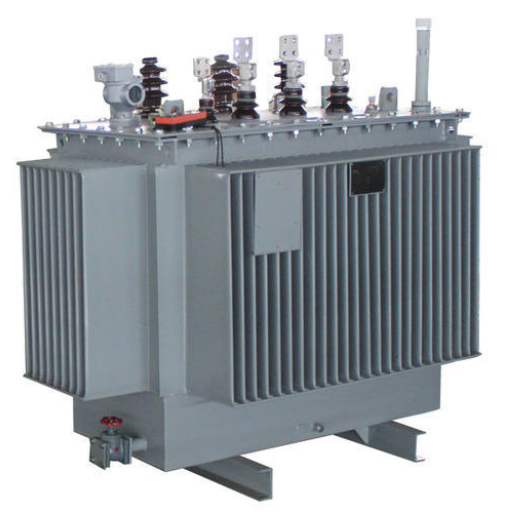
Power transformers can be categorized into step-up, step-down, distribution, isolation, instrument, and autotransformers, each serving specific roles depending on voltage requirements and operational needs.
|
Type |
Purpose |
Voltage |
Application |
Key Feature |
|---|---|---|---|---|
|
Step-up |
Increase |
Low to High |
Power generation |
Efficiency |
|
Step-down |
Decrease |
High to Low |
Transmission |
Adaptability |
|
Distribution |
Supply end |
Moderate |
Residential/Small |
Reliability |
|
Isolation |
Prevent flow |
Same in/out |
Safety systems |
Insulation |
|
Instrument |
Measure |
Low/Scaled |
Control systems |
Accuracy |
|
Autotransformer |
Vary levels |
Variable |
Industrial usage |
Compactness |
When Is a Step-Down Transformer Used?
A step-down transformer is used whenever there is a need to reduce the voltage from a higher level to a lower level for safe and efficient power distribution. For instance, it plays a crucial role in the transmission of electricity from power plants to end-users, as it reduces the high transmission voltage to levels suitable for residential or commercial use. Additionally, step-down transformers are employed in various electrical devices to ensure they operate within their designed voltage range, minimizing the risk of damage and improving overall energy efficiency.
How Do Three-phase Transformers Differ from Single-phase Versions?
Three-phase transformers differ from single-phase versions in terms of power capacity, construction, efficiency, applications, and wiring complexity.
|
Key Point |
Single-phase |
Three-phase |
|---|---|---|
|
Power |
Lower capacity |
Higher capacity |
|
Construction |
Simpler design |
Complex design |
|
Efficiency |
Lower efficiency |
Higher efficiency |
|
Applications |
Residences, devices |
Industries, grids |
|
Wiring |
Less complex |
More intricate |
What Role Do Distribution Transformers Play in Power Systems?
Distribution transformers are critical components in electrical power systems due to their ability to ensure efficient energy transfer and reliable system operation. Their roles include:
- Voltage Regulation: Distribution transformers step down high transmission voltages to lower levels suitable for end-user applications, ensuring safe and usable power.
- Energy Efficiency: Through minimal energy losses during voltage transformation, these transformers enhance the overall efficiency of power distribution networks.
- Load Balancing: They help distribute electrical loads evenly across supply lines, preventing overloading and maintaining system stability.
- System Protection: By isolating transmission systems from distribution-level issues or faults, distribution transformers safeguard upstream components from potential damage.
- Adaptability for Diverse Applications: They are available in various configurations to serve urban, rural, industrial, and commercial needs, ensuring power reaches a range of consumer types effectively.
Reference Sources
- IQS Directory: Types, Uses, Features, and Benefits of Power Transformers
- BYJU’S: Transformers – Working Principle and Basics
- Electrical4U: Power Transformers – Definition, Types, and Applications
- Electronics Tutorials: Transformer Basics and Principles
- RGPV: Transformer Basics PDF
Frequently Asked Questions (FAQs)
Q: What are power transformers and how do they function?
A: Power transformers are electrical devices used to transfer electric power between circuits through electromagnetic induction. They function by converting voltages from one level to another, facilitating efficient power transmission across electrical systems.
Q: How are transformers built to ensure high efficiency and reliability?
A: Transformers are built using high-quality materials and precise engineering techniques to minimize energy loss. They incorporate advanced transformer technologies such as high-grade transformer windings and transformer oil for cooling and insulation, ensuring quality and reliability.
Q: What are the different types of transformers used in electricity distribution?
A: Transformer types used in electricity distribution include isolation transformers, instrument transformers, and large transformers. Each type serves specific functions, such as isolating circuits, measuring electrical parameters, and handling large power loads.
Q: How do AC transformers differ from DC transformers?
A: AC transformers are designed to work with alternating current (AC power), changing voltage levels to facilitate electricity distribution. DC transformers, although less common, are used in specific applications involving direct current (DC), but they require additional components to function effectively.
Q: What role does transformer oil play in the operation of large power transformers?
A: Transformer oil serves as both an insulator and a coolant in large power transformers. It helps maintain the transformer’s temperature and prevents electrical discharges, thus extending the transformer’s lifespan and ensuring efficient power transfer.
Q: How do power transformers contribute to the efficiency of an electrical network?
A: Power transformers include features such as adjustable power ratings and transformer cooling systems, which help optimize electricity distribution and reduce energy losses. This contributes to the overall efficiency and stability of the electrical network.
Q: What is an ideal transformer, and is it achievable in practice?
A: An ideal transformer is a theoretical concept where a transformer operates with 100% efficiency, meaning no energy losses. While it is not achievable in practice due to inherent resistances and losses, modern transformers offer high efficiency close to this ideal.
Q: Why are instrument transformers important in electrical systems?
A: Instrument transformers are crucial for measuring and monitoring electrical parameters in electrical systems. They provide safe isolation from high-voltage circuits and ensure accurate readings for system control and protection.
Q: What considerations are made when designing new transformers for advanced applications?
A: When designing new transformers for advanced applications, considerations include power ratings, space constraints, cooling requirements, and the specific needs of the electrical network. These factors ensure that the transformers fulfill their intended purpose effectively.