When it comes to selecting the right transformer for your application, understanding the nuances between different types is critical to making an informed decision. Among the most commonly compared options are dry type transformers and cast resin transformers—both of which bring unique characteristics and advantages to the table. This article explores the key differences between these two transformer types, offering insights into their construction, performance, and ideal use cases. Whether you’re an industry professional or simply looking to deepen your technical knowledge, this guide will equip you with the clarity needed to choose the transformer that best aligns with your operational requirements.
What Is a Dry Type Transformer?
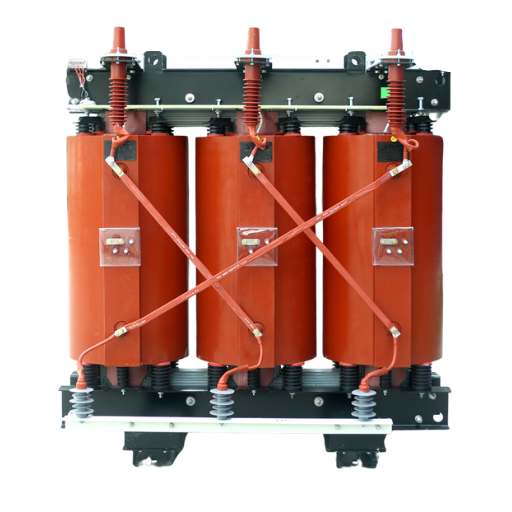
A Dry Type Transformer is a type of transformer that uses air instead of a liquid for cooling and insulating. Unlike oil-filled transformers, it does not contain flammable liquids which makes it environmentally friendly and safer. Because of the reduced fire risk as well as maintenance needs, it is widely used indoors, in commercial buildings and other places with strict safety regulations. Dry type transformers are built for high reliability and are best suited for with enough ventilated space but constrained area.
How Does a Dry Type Transformer Work?
A dry type transformer operates using electromagnetic induction without the use of liquid insulation. Its core and windings are encapsulated in epoxy resin or coated with varnish to provide insulation and protect against dust, moisture, and environmental contaminants. The primary winding receives electrical energy from the power source, creating a magnetic field in the transformer’s laminated iron core. This magnetic field induces a voltage in the secondary winding, transferring energy to the connected load while adjusting the voltage level as required. Heat generated during this process is dissipated naturally through air circulation, or by forced ventilation in high-capacity models, ensuring efficient performance and durability even under continuous operation.
What Are the Benefits of Using a Dry Type Transformer?
Dry type transformers offer several advantages due to their design and performance characteristics. First, they are highly reliable and safe, as they do not use flammable liquids for cooling, reducing the risk of fire and environmental hazards. This makes them ideal for installation in indoor or environmentally sensitive areas. They provide excellent overload capacity and efficient heat dissipation through air cooling, which eliminates the need for maintenance-prone oil management.
From a technical perspective, dry type transformers exhibit low losses with typical efficiency levels ranging from 95% to 99%, depending on loading conditions. They feature lower noise levels due to advanced core and coil design. Additionally, these transformers are built to withstand high short-circuit stresses, with insulation systems often rated for Class F (155°C) or Class H (180°C) to ensure durability and thermal stability under heavy loads.
Their compact size and lack of oil containment systems minimize installation and maintenance costs, while their environmentally friendly design aligns with modern safety and sustainability goals.
Applications of Dry-Type Transformers in Various Industries
- Commercial Buildings
Dry-type transformers are used extensively in commercial buildings, including office complexes, shopping malls, and hospitals, to ensure safe and efficient power distribution to various electrical systems.
- Industrial Facilities
These transformers are integral in manufacturing plants, refineries, and other industrial environments where they supply power to machinery and equipment while withstanding harsh operating conditions.
- Data Centers
Dry-type transformers are crucial in data centers, where reliability and fire safety are paramount. Their design ensures stable voltage distribution for sensitive IT hardware.
- Renewable Energy Systems
Widely deployed in wind and solar power installations, dry-type transformers are used for stepping up or stepping down voltage, making them critical for integrating renewable energy into the grid.
- Transportation Infrastructure
Dry-type transformers play a significant role in transportation systems, such as railways, airports, and subway networks, by providing power for signaling, lighting, and other essential operations.
Exploring Cast Resin Transformers

Cast resin transformers are a type of dry-type transformer known for their reliability, safety, and low maintenance requirements. They use epoxy resin to insulate the windings, providing excellent resistance to moisture, dust, and pollutants. This design makes them ideal for indoor installations and environments with high humidity or contamination. Additionally, cast resin transformers are highly efficient, environmentally friendly, and suitable for applications that demand minimal fire risk, such as commercial buildings, hospitals, and industrial facilities. Their durability and adaptability contribute significantly to modern power distribution systems.
How Are Cast Resin Transformers Made?
Cast resin transformers are manufactured through a detailed and precise process to ensure optimal performance and reliability. The process begins with the preparation of the core, generally made from high-quality silicon steel laminations to reduce core losses. Winding coils, typically composed of copper or aluminum, are then carefully insulated and arranged. Epoxy resin is applied to the windings through vacuum pressure impregnation (VPI) to achieve uniform insulation and eliminate air pockets, thereby enhancing dielectric strength and thermal conductivity.
Once impregnated, the resin is cured under controlled temperature conditions to solidify the insulation and create a rigid, robust structure. Throughout this process, critical technical parameters are monitored to ensure compliance with design specifications, such as:
- Thermal class of insulation: Typically F or H class, rated to withstand temperatures up to 155°C or 180°C, respectively.
- Voltage ratings: Commonly 11 kV, 33 kV, or higher depending on application requirements.
- Thermal conductivity: Optimized for efficient heat dissipation during operation.
- Partial discharge levels: Maintained below standardized limits, often less than 10 pC, to ensure dielectric strength.
Finally, the completed transformer undergoes rigorous testing for mechanical integrity, electrical performance, and compliance with international standards such as IEC 60076-11 or ANSI/IEEE guidelines. This meticulous manufacturing process ensures that cast resin transformers meet industry demands for reliability, efficiency, and safety.
Advantages of Cast Resin Dry Type Transformers
- Enhanced Safety: Cast resin dry type transformers are flame-retardant and self-extinguishing, reducing the risk of fire hazards and making them suitable for installation in critical areas such as hospitals, high-rise buildings, and industrial plants.
- Minimal Maintenance Requirements: Unlike oil-immersed transformers, cast resin transformers do not require periodic oil testing, maintenance, or replacement, leading to reduced operational costs over their lifespan.
- Environmental Friendliness: These transformers do not contain any insulating oil, eliminating the risk of leakage or environmental contamination, and are a more sustainable option.
- High Moisture Resistance: With encapsulated windings, cast resin dry type transformers exhibit excellent resistance to moisture, making them suitable for humid or coastal environments without requiring additional enclosures.
- Superior Mechanical Strength: The robust resin-encapsulated construction enhances mechanical stability, allowing these transformers to withstand high short-circuit stress and vibration.
Common Uses for Cast Resin Transformers
From my research and understanding, cast resin transformers are widely utilized across diverse industries due to their durability and adaptability. They are extensively applied in commercial and industrial buildings where safety and reliability are priorities, such as in hospitals, shopping malls, and data centers. These transformers also play a crucial role in renewable energy systems, including wind and solar farms, by ensuring efficient energy conversion. Additionally, they are suitable for critical infrastructure like airports, metro systems, and marine platforms, given their resistance to moisture and robust mechanical design. Their versatility makes them an essential component in environments demanding both high performance and low maintenance.
Comparing Dry Type and Cast Resin Transformers
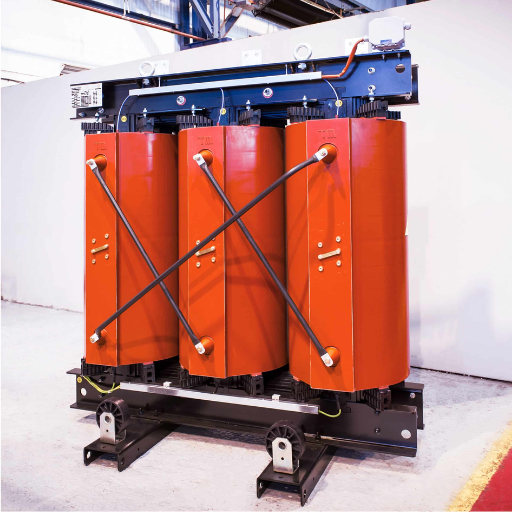
Dry Type Transformers
Dry type transformers utilize air for cooling instead of liquid insulation. They are designed with epoxy resin insulation systems, offering excellent dielectric strength and thermal performance. These transformers are highly durable, environmentally safe, and require minimal maintenance since they do not employ oil or other liquid coolants. They are ideal for indoor installations and environments where fire safety is a critical concern due to their resistance to fire hazards.
Cast Resin Transformers
Cast resin transformers, a subset of dry type transformers, are manufactured with windings encapsulated in epoxy resin. This construction provides superior protection against environmental factors such as moisture, dust, and corrosive substances, making them suitable for challenging or outdoor environments. Cast resin transformers also offer exceptional mechanical strength, reduced noise levels, and enhanced resistance to short circuits.
Key Differences
While both transformer types fall under the category of dry type transformers, cast resin transformers boast greater environmental versatility due to their rugged encapsulated design. Dry type transformers, in contrast, excel in indoor applications with a focus on fire safety and cost-effectiveness. Selecting the appropriate transformer depends on the specific operational and environmental requirements of the application.
Key Differences Between Dry Type and Cast Resin Transformers
Dry type transformers and cast resin transformers differ in terms of design, applications, fire resistance, maintenance, cost, and environmental suitability.
|
Parameter |
Dry Type |
Cast Resin |
|---|---|---|
|
Design |
Ventilated |
Encapsulated |
|
Application |
Indoor |
Indoor/Outdoor |
|
Fire Resistance |
High |
Very High |
|
Maintenance |
Low |
Very Low |
|
Initial Cost |
Lower |
Higher |
|
Environment Suitability |
Limited |
Versatile |
Performance in Harsh Environments
When evaluating transformer performance in harsh environments, several factors should be considered to ensure safe and efficient operation. Dry type transformers, known for their solid insulation systems, perform well in environments with heavy moisture or dust due to their lack of liquid insulation, which eliminates leaks and contamination risks. However, their cooling efficiency may be limited, making them less suitable for high-temperature or heavily loaded conditions over extended periods.
On the other hand, cast resin transformers are designed with exceptional resistance to high humidity and corrosive atmospheres, making them ideal for coastal or industrial environments. Their resin-encased windings prevent moisture ingress, ensuring reliable performance under fluctuating environmental conditions. Nevertheless, sufficient ventilation is still required to prevent overheating.
For environments requiring stable and heavy-duty performance, oil-immersed transformers demonstrate superior thermal efficiency and longevity due to the cooling properties of the insulating oil. They are well-suited for demanding applications, but their reliance on liquid insulation necessitates rigorous maintenance to monitor leaks and the condition of the oil, especially in environmentally sensitive areas.
Careful consideration of environmental conditions such as humidity, temperature extremes, dust, and corrosive agents is crucial in determining the most effective transformer type to deploy. Selecting the appropriate transformer involves balancing performance requirements, maintenance resources, and the specific environmental challenges at the installation site.
Cost Comparison: Dry Type Vs Cast Resin Transformers
Dry type transformers are generally more cost-effective in terms of initial purchase, while cast resin transformers may have higher upfront costs but offer long-term savings through lower maintenance needs and enhanced durability.
|
Parameter |
Dry Type |
Cast Resin |
|---|---|---|
|
Initial Cost |
Lower |
Higher |
|
Maintenance |
Higher |
Lower |
|
Durability |
Moderate |
High |
|
Environmental |
Indoor |
Indoor/Outdoor |
|
Fire Safety |
Moderate |
High |
|
Lifespan |
Moderate |
Long |
|
Efficiency |
High |
High |
The Role of Insulation in Transformers

Insulation plays a critical role in ensuring the efficient and safe operation of transformers. It serves as a barrier to prevent electrical short circuits between the winding layers and other conductive components, mitigating the risk of equipment failure. High-quality insulation materials are essential to manage the thermal and electrical stresses that occur during transformer operation. For dry type transformers, insulation is typically built with materials like Nomex or epoxy resin that provide both thermal resistance and dielectric strength. Cast resin transformers utilize encapsulated insulation systems that enhance their resistance to moisture, environmental contaminants, and fire hazards. Proper insulation extends transformer lifespan, maintains operational reliability, and conforms to safety standards, making it a foundational component of transformer design.
Importance of Insulation in Transformers
- Thermal Management: Insulation materials help in effectively managing the heat generated during transformer operation, preventing overheating and ensuring stable performance under varying load conditions.
- Electrical Isolation: Proper insulation provides reliable electrical isolation between different components, such as windings, reducing the risk of short circuits and maintaining safety.
- Moisture Resistance: High-quality insulation resists moisture and other environmental contaminants, thereby minimizing the chances of insulation breakdown and ensuring reliable functioning in diverse conditions.
- Enhanced Longevity: Insulation systems reduce wear and degradation caused by thermal, electrical, and mechanical stresses, significantly prolonging the transformer’s service life.
- Fire Safety: Insulating materials with high dielectric strength and flame-retardant properties reduce the likelihood of fire hazards, adding an essential layer of safety in both industrial and residential applications.
Types of Insulation Used in Dry Type and Cast Resin Transformers
There are several types of insulation used in dry type and cast resin transformers, each selected based on performance and application requirements. Commonly, we use epoxy resin as a primary insulation material in cast resin transformers due to its excellent thermal stability, electrical strength, and resistance to moisture. For dry type transformers, materials like Nomex® (a type of aramid paper) or polyester films are typical, offering superior heat resistance and mechanical durability. Additionally, fiberglass-reinforced insulating materials are employed to provide robust structural support while maintaining electrical reliability in high-temperature environments. These materials ensure operational safety and efficiency under varying load and environmental conditions.
How Insulation Affects Transformer Performance
The insulation system within transformers plays a critical role in determining their overall performance, reliability, and lifespan. Insulation primarily ensures electrical separation between energized components while resisting thermal and mechanical stresses induced during operation. Key technical parameters affected by insulation include:
- Dielectric Strength: The ability of the insulation to withstand high voltages without breaking down (typically measured in kV/mm). Higher dielectric strength minimizes the risk of faults caused by voltage spikes.
- Thermal Class: Defines the maximum operating temperature range of the insulation material. Common classifications include Class A (105°C), Class F (155°C), and Class H (180°C). Using materials with insufficient thermal class can lead to early deterioration and failure.
- Moisture Absorption: Excess moisture reduces the dielectric strength and accelerates aging. The insulation system must have low moisture absorption or integrate systems to maintain low water content.
- Mechanical Strength: The insulation must endure mechanical forces during load fluctuations and short-circuit conditions, measured through properties like tensile and compressive strength.
- Partial Discharge (PD) Resistance: Effective insulation minimizes localized electric discharges within the dielectric material, which can gradually degrade the system and cause eventual failure.
By careful selection of insulation materials and adherence to these parameters, transformers can achieve enhanced thermal efficiency, reduced energy losses, and longer operational lifespans, even under demanding load and environmental conditions. Proper maintenance and monitoring further ensure the insulation’s effectiveness over time.
Choosing the Right Transformer Type for Your Needs
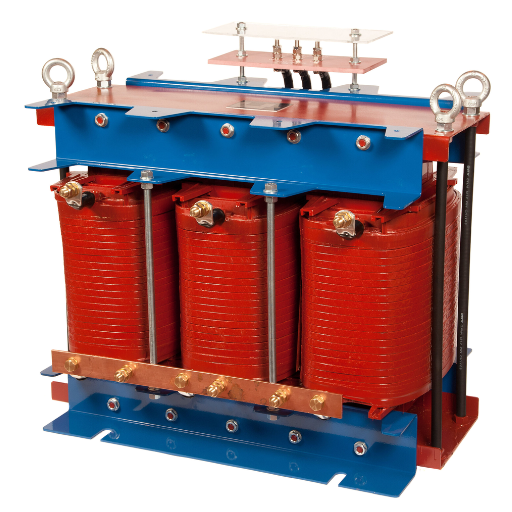
Key Considerations for Selecting the Ideal Transformer
When selecting the right transformer type, several critical factors must be evaluated to ensure alignment with operational requirements. These include:
- Load Requirements
Assess the nature and magnitude of the load, including whether it is resistive, inductive, or capacitive. This determines the transformer’s size, design, and power rating to reliably handle the expected energy demands.
- Voltage Specifications
Identify the input and output voltage levels to ensure the transformer meets the necessary step-up or step-down requirements. Precision in voltage matching is essential to prevent inefficiencies or damage to connected equipment.
- Environmental Conditions
Consider operating environments such as temperature extremes, humidity, or exposure to contaminants. Use transformers with adequate insulation class and enclosure ratings to withstand these external factors.
- Efficiency and Losses
Evaluate materials, winding designs, and efficiency ratings to minimize core and copper losses. Energy-efficient transformers can significantly reduce operational costs over time.
- Compliance and Standards
Ensure the transformer complies with national and international standards, such as ANSI, IEEE, or IEC, to meet safety and performance benchmarks.
- Special Application Needs
For applications like renewable energy integration, specialized transformer types, such as dry-type, oil-immersed, or pad-mounted transformers, may be required based on installation constraints and performance expectations.
By systematically addressing these considerations, the appropriate transformer type can be selected to achieve optimal functionality, reliability, and cost-effectiveness for specific use cases.
Factors to Consider When Selecting a Transformer
When selecting a transformer, I focus on several critical factors to ensure its suitability for the application. First, I evaluate the load requirements, including load type (resistive, inductive, or capacitive), load capacity in kVA or MVA, and the expected load variation over time. These parameters ensure the transformer can handle operational demands effectively.
Second, voltage considerations are paramount. I examine the primary and secondary voltage levels, taking into account any step-up or step-down requirements. This includes ensuring compatibility with grid standards and local regulations.
Third, I assess efficiency and losses under different operational conditions. This includes evaluating copper losses (load losses) and core losses (no-load losses), as well as the transformer’s energy efficiency rating, which is often a critical metric for long-term cost-effectiveness.
Other considerations include the type of installation environment, which determines whether I select dry-type transformers (suitable for indoor or low-maintenance environments) or oil-immersed transformers (commonly used for outdoor or higher power applications). Additionally, temperature rise limits, insulation class, and cooling methods (such as ONAN or ONAF) are assessed to ensure safe and efficient operation.
Lastly, I also factor in impedance voltage levels, short-circuit withstand capability, and harmonic distortion handling for applications involving non-linear loads. By carefully addressing these parameters, the transformer selected will meet operational demands while optimizing performance and reliability.
Understanding Environmental Conditions and Their Impact
Environmental conditions play a critical role in the performance, lifespan, and operational reliability of electrical equipment such as transformers. Factors like ambient temperature, humidity, altitude, and pollution levels can significantly influence thermal performance and insulation integrity. High ambient temperatures, for instance, can accelerate insulation aging and reduce load capacity, while excessive humidity may lead to moisture ingress, which degrades dielectric strength and promotes corrosion. At higher altitudes, reduced air density diminishes cooling efficiency, necessitating design modifications for proper heat dissipation.
Pollution levels, such as those found in industrial or coastal areas, can lead to surface contamination and tracking on insulators, increasing the risk of flashovers. Proper mitigation strategies, including the use of protective coatings, better sealing systems, and regular maintenance schedules, are essential to ensure performance under such harsh conditions. By thoroughly evaluating these environmental parameters during design and installation, the operational lifespan and reliability of equipment can be significantly enhanced, reducing the likelihood of failures or costly downtime.
Comparing Dry Type and Oil Immersed Transformers
Dry type and oil immersed transformers differ primarily in cooling methods, installation needs, maintenance requirements, environmental impact, and operational safety.
|
Parameter |
Dry Type |
Oil Immersed |
|---|---|---|
|
Cooling |
Air-based |
Oil-based |
|
Installation |
Indoors |
Indoors/Outdoors |
|
Maintenance |
Low |
Moderate |
|
Efficiency |
Slightly lower |
Higher |
|
Safety |
High |
Moderate |
|
Lifespan |
Shorter |
Longer |
|
Cost |
Higher upfront |
Lower upfront |
|
Environmental |
Eco-friendly |
Risk of spills |
Reference Sources
- Mak Power Transformer: Cast Resin vs. VPI
- Daelim Transformer: VPI Transformer vs Cast Resin
- Peerless Electronics: Different Types of Transformers
Frequently Asked Questions (FAQs)
Q: What are the main differences between a dry type transformer and a cast resin transformer?
A: A dry type transformer refers to transformers that do not use any liquid for cooling, including both cast resin and vacuum pressure impregnated (VPI) transformers. The cast resin transformer is a specific type of dry transformer where the windings are encapsulated in epoxy resin, providing excellent insulation and protection against moisture and dust. In contrast, VPI transformers use vacuum pressure to impregnate the windings with resin, offering good insulation and mechanical strength.
Q: How does a cast resin transformer work compared to a VPI transformer?
A: Cast resin transformers use epoxy resin to encapsulate the windings, providing robust protection against environmental factors such as humidity. VPI transformers, on the other hand, use a vacuum pressure impregnation process where resin is injected under vacuum pressure into the windings. This method provides good insulation but allows more exposure compared to the complete encapsulation of cast resin types.
Q: What are the benefits of using a cast resin dry-type transformer?
A: Cast resin dry-type transformers offer excellent insulation, protection against dust and humidity, and lower fire risks since they do not use flammable liquids. They are widely used in environments where safety and minimal maintenance are priorities, such as hospitals and high-rise buildings.
Q: How does heat dissipation differ between cast resin and VPI transformers?
A: Cast resin transformers dissipate heat through the solid resin encapsulation, which can limit heat dissipation compared to VPI transformers. The latter allows more airflow around the windings due to the resin impregnation process, potentially providing better cooling and higher capacities in some applications.
Q: Why choose a VPI transformer over a cast resin transformer?
A: A VPI transformer might be chosen over a cast resin transformer for applications requiring better heat dissipation and mechanical strength. The vacuum pressure impregnation process allows the transformer to handle higher thermal and mechanical loads, making them suitable for industrial environments.
Q: What factors should be considered in transformer selection between cast resin and VPI?
A: When choosing between cast resin and VPI transformers, consider factors such as environmental conditions, required mechanical strength, heat dissipation needs, and budget. Cast resin types excel in environments with high humidity and dust, while VPI transformers are better for areas with higher mechanical and thermal demands.
Q: Are cast resin transformers UL listed?
A: Yes, many cast resin transformers are UL listed, ensuring they meet safety and performance standards. This listing is important for compliance with local regulations and safety requirements.
Q: How do cast resin and VPI transformers compare to liquid-filled transformers?
A: Unlike liquid-filled transformers, cast resin and VPI transformers use solid or impregnated insulation, eliminating the risk of oil leaks and reducing fire hazards. However, liquid-filled transformers often have better cooling capabilities and are used for higher capacity applications.
Q: What are the common applications for dry type transformers?
A: Dry type transformers, including cast resin and VPI transformers, are widely used in commercial, industrial, and residential applications. They are often found in places where safety, low maintenance, and minimal environmental impact are prioritized, such as schools, hospitals, and office buildings.
Q: How does the mechanical strength of VPI transformers compare to cast resin transformers?
A: VPI transformers typically offer higher mechanical strength due to the vacuum pressure impregnation process, which enhances the structural integrity of the windings. This makes them suitable for applications with higher mechanical stresses compared to cast resin transformers.