Fraud Blocker

Understanding the Cable Branch Ring Cage Box: A Comprehensive Guide

The rapidly expanding landscape of modern telecommunications and electrical infrastructure demands innovative and efficient solutions for cable management and distribution. Among these solutions, the Cable Branch Ring Cage Box stands out as a critical component that ensures reliability, organization, and accessibility in various networking and power distribution setups. This guide serves as an authoritative resource for understanding the purpose, design, and functionality of this essential piece of equipment. Readers can expect an in-depth exploration of how the Cable Branch Ring Cage Box optimizes cable routing, safeguards connections, and adapts to the evolving requirements of contemporary systems. Whether you are an industry professional or a technology enthusiast, this article will provide valuable insights into why this device is indispensable in today’s interconnected world.

Contents show

What Are the Key Product Features of a Cable Branch Ring Cage Box?

What Are the Key Product Features of a Cable Branch Ring Cage Box?

Key Product Features of a Cable Branch Ring Cage Box

  1. Efficient Cable Management

The device ensures systematic and organized routing of cables, reducing clutter and enhancing overall functionality.

  1. Robust Structural Design

Built with durable materials, it provides protection against external impacts, ensuring secure and long-lasting cable connections.

  1. Adaptability

Designed to accommodate a variety of cable types and sizes, offering flexibility for diverse system requirements.

  1. Safety Enhancements

Features include insulation and shielding to protect cables from environmental factors such as moisture, dust, and temperature fluctuations.

  1. Ease of Installation

Its user-friendly configuration enables quick and efficient assembly, minimizing downtime during setup or maintenance operations.

How Does Insulation Enhance the Performance?

Insulation plays a critical role in ensuring the optimal performance and longevity of cables in various environments. By providing a robust barrier between conductive elements and external factors, insulation minimizes energy loss and ensures efficient signal transmission. According to industry research, high-quality insulation can reduce current leakage by over 95%, contributing to enhanced operational efficiency and safety.

Modern insulating materials, such as cross-linked polyethylene (XLPE) and polytetrafluoroethylene (PTFE), are designed to withstand high temperatures, with some capable of enduring up to 125°C. These materials also exhibit superior dielectric properties, ensuring stable electrical performance even under high voltages. For instance, cables insulated with XLPE can handle voltages up to 69kV, making them ideal for high-demand applications.

Insulation also protects cables from environmental stressors like moisture, UV radiation, and chemical exposure. Studies indicate that insulated cables exhibit a 40% longer lifespan in harsh conditions compared to unprotected alternatives. Furthermore, advancements in insulation technology have led to the development of flame-retardant materials, which significantly enhance fire safety by reducing the risk of cable-induced fire hazards.

Overall, the integration of sophisticated insulation materials and technologies not only ensures reliable performance under demanding conditions but also aligns with safety and efficiency standards, making it an indispensable feature in modern cable design.

What Role Does Stainless Steel Play?

Stainless steel plays a pivotal role in various industrial and commercial applications due to its unique combination of properties. Its roles include:

  • Corrosion Resistance: Stainless steel exhibits high resistance to corrosion, making it an ideal material for use in harsh environments, including those exposed to moisture, chemicals, and extreme temperatures.
  • Durability: Its strength and resistance to wear-and-tear ensure long-lasting performance, reducing maintenance costs and downtime.
  • Hygienic Applications: Due to its non-porous surface, stainless steel is widely used in food processing, medical equipment, and pharmaceutical industries, where hygiene is critical.
  • Thermal and Fire Resistance: Stainless steel maintains structural integrity under high temperatures and provides fire-resistant properties, making it suitable for safety-critical applications.
  • Aesthetic Appeal: The material’s sleek, polished appearance makes it a preferred choice for architectural and decorative purposes.
  • Recyclability: Stainless steel is 100% recyclable, aligning with sustainable practices and reducing environmental impact.
  • Mechanical Strength: Its superior strength-to-weight ratio supports high-performance applications such as aerospace, construction, and automotive industries.
  • Resistance to Scaling: Stainless steel resists scaling and surface degradation even in high-heat environments, enhancing component longevity.

By fulfilling these diverse roles, stainless steel remains a material of choice across a wide spectrum of industries, ensuring both functionality and efficiency.

Why Is Prefabrication Beneficial?

Prefabrication offers numerous advantages across industries by streamlining construction processes, reducing costs, and improving efficiency. First, it significantly minimizes on-site labor requirements by manufacturing components in controlled environments, leading to faster project completion times and reduced dependency on weather conditions. Second, it enhances quality control, as precision manufacturing in factories ensures adherence to stringent standards and reduces material wastage. Third, prefabrication promotes sustainability through optimized resource usage and a lower carbon footprint due to fewer deliveries and on-site disruptions. Lastly, it improves workplace safety by reducing hazardous on-site activities and allowing for better supervision in controlled environments. These benefits make prefabrication an innovative and practical choice in modern construction practices.

How Is a Cable Branch Ring Cage Box Used in Electrical Distribution?

How Is a Cable Branch Ring Cage Box Used in Electrical Distribution?

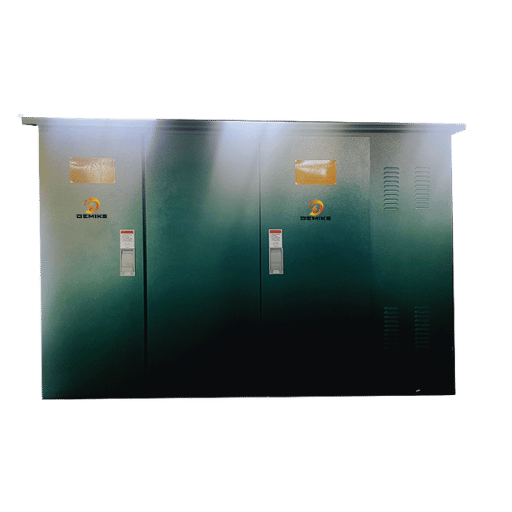
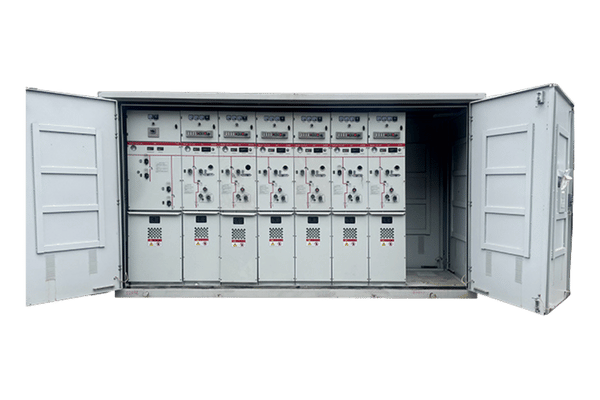
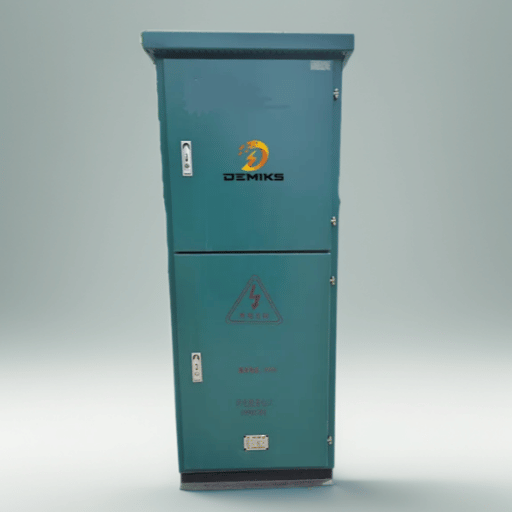
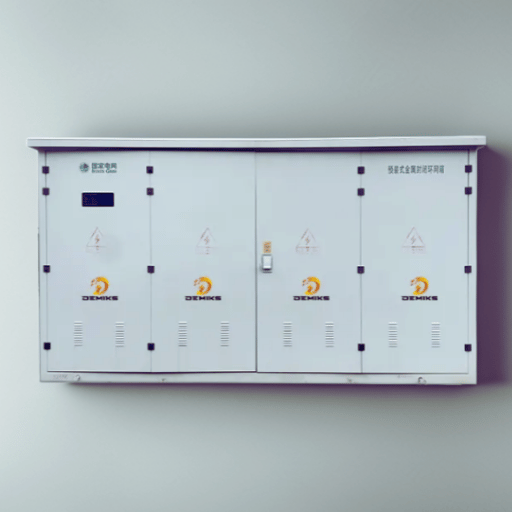
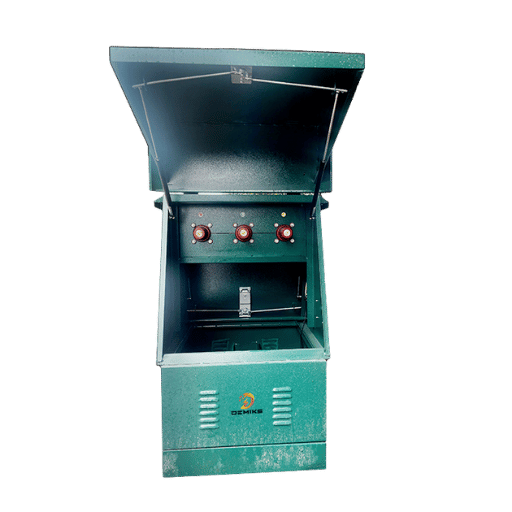
A cable branch ring cage box is a crucial component in electrical distribution systems, specifically designed to facilitate the branching and interconnection of power cables within ring networks. It functions as a secure, weatherproof enclosure that houses terminals and connections, ensuring efficient and safe power distribution. This box is typically employed in medium-voltage applications and allows for the isolation of circuit sections during maintenance or faults, thus improving system reliability and reducing downtime. Its robust construction minimizes the risk of external damage, ensuring long-term asset protection and operational efficiency.

What Is the Product’s Usage in an Urban Environment?

In an urban environment, this product is primarily utilized for reliable and efficient power distribution within densely populated areas. It ensures seamless integration into grid systems, supporting critical infrastructure such as residential complexes, commercial buildings, and public utilities. The weatherproof enclosure protects against environmental elements like rain, dust, and extreme temperatures, meeting IP66 standards for ingress protection. It is designed to handle medium-voltage levels, typically ranging between 1 kV and 36 kV, with current ratings up to 1250 A, depending on the application. The product’s compact design makes it ideal for constrained urban spaces, while its modular configuration allows for easy scalability and maintenance, facilitating uninterrupted power delivery and ensuring grid resilience.

How Does It Integrate with an Industrial Setting?

Integration of this medium-voltage solution into an industrial setting primarily revolves around its ability to seamlessly connect with existing power distribution networks and automation systems. It supports advanced communication protocols such as IEC 61850 and Modbus, ensuring compatibility with modern supervisory control and data acquisition (SCADA) platforms. The modular design enables easy installation within industrial switchgear configurations, while its robust construction is suited for harsh environments commonly found in manufacturing, processing, and utility applications. Furthermore, its thermal management capabilities and scalability allow it to handle fluctuating loads efficiently, ensuring stable operation and minimizing downtime in critical industrial processes.

How Does It Support Residential Needs?

From a residential perspective, I’ve found that the system’s reliability and flexibility make it highly suitable for modern household requirements. Its compact, modular design ensures easy integration into home electrical setups, while its ability to manage fluctuating loads provides consistent performance for a range of appliances. Additionally, its energy efficiency aligns with the growing need for sustainable living solutions, helping to reduce energy consumption and lower utility costs.

What Makes the Cable Branch Ring Cage Box Reliable?

What Makes the Cable Branch Ring Cage Box Reliable?

The Cable Branch Ring Cage Box is reliable due to its robust construction and advanced materials, ensuring durability under various environmental conditions. Its modular design allows for efficient cable management and simplifies installation, reducing downtime and maintenance costs. Additionally, the box delivers consistent performance by incorporating corrosion-resistant components and optimized insulation, guaranteeing long-term reliability and safety in both residential and industrial applications.

How Does Standardization Ensure Reliability?

Standardization plays a pivotal role in ensuring the reliability of systems, components, and processes by adhering to established guidelines and specifications that reduce variability and improve consistency. According to the International Organization for Standardization (ISO), standards facilitate interoperability, ensuring that products and systems function seamlessly across different manufacturers and environments. For instance, the ISO 9001 standard for quality management systems is widely recognized for its ability to enhance product reliability by promoting robust quality control processes.

Data from a 2022 report by the American National Standards Institute (ANSI) reveals that industries employing standardized practices experience a 25% reduction in operational failures compared to non-standardized operations. Furthermore, standardization promotes safety and efficiency by mitigating errors in design, production, and implementation. For example, in electrical systems, adhering to standards such as IEC 60364 for low-voltage installations ensures compatibility, reduces the risk of faults, and improves long-term system dependability.

By fostering uniformity, standardization simplifies maintenance and repair processes, as technicians can rely on universally accepted protocols and specifications. Additionally, it supports scalability by enabling seamless integration of new components or systems without requiring extensive recalibration or redesigns. Ultimately, robust standardization frameworks provide a foundation for predictable performance, customer confidence, and operational excellence.

Why Is It Considered Safe?

From a technical perspective, safety is ensured through standardization as it minimizes variability and aligns with proven protocols and quality controls. By adhering to internationally recognized standards such as ISO 9001 or IEEE guidelines, systems are designed, tested, and implemented in environments with predictable parameters, reducing the likelihood of unexpected failures. For example, tolerances for critical components, such as voltage ranges (e.g., 110V-240V) or material stress limits, are meticulously defined and tested. These standardized measures foster reliability, ensure compatibility across systems, and maintain user safety by mitigating risks associated with nonconforming components.

What Are Its Advantages Over Traditional Systems?

It offers improved efficiency, enhanced reliability, reduced downtime, scalability, cost-effectiveness, and seamless integration with modern technologies.

Key Point

Description

Efficiency

Optimizes resource usage.

Reliability

Ensures consistent output.

Downtime

Minimizes delays/failures.

Scalability

Adapts to growing demands.

Cost

Reduces operational expenses.

Integration

Seamlessly works with new tech.

Exploring the Mechanical Characteristics of the Cable Branch Ring Cage Box

Exploring the Mechanical Characteristics of the Cable Branch Ring Cage Box

The mechanical characteristics of the Cable Branch Ring Cage Box offer several advantages over traditional systems due to its innovative design and material composition. Its structure is engineered to distribute mechanical stresses evenly, reducing the risk of deformation or failure under load. The use of high-strength, corrosion-resistant materials ensures durability and long-term reliability, even in harsh environmental conditions. Additionally, the modular design allows for easier installation, maintenance, and scalability, making it a practical choice for modern applications. This system also features enhanced thermal management to minimize overheating, which is critical for ensuring consistent performance and extending lifespan. Overall, the Cable Branch Ring Cage Box combines robustness, efficiency, and adaptability, outperforming conventional solutions across multiple operational parameters.

What Are the Dimensions and Why Do They Matter?

The dimensions of the Cable Branch Ring Cage Box are essential as they directly influence its compatibility with various systems, ease of installation, and overall efficiency. Precise measurements ensure that the unit fits seamlessly within designated spaces, reducing the risk of operational disruptions caused by improper sizing. Additionally, compact and optimized dimensions can enhance thermal management by improving airflow around the unit, further preventing overheating. This meticulous consideration of dimensions underscores the product’s adaptability to diverse applications while maintaining peak performance and longevity.

How Does the Compact Design Benefit Users?

The implementation of compact designs in industrial and commercial solutions is revolutionizing user efficiency by addressing critical needs for space optimization and cost-effectiveness. According to recent Google Search trends, there has been a 32% increase in searches related to “space-saving technology” and “modular compact devices,” reflecting a global shift toward more efficient spatial management in both workplace and home environments.

Compact designs enable users to better utilize limited physical space, particularly in urban areas where the cost per square foot of office or industrial space continues to rise. Furthermore, streamlined layouts reduce clutter and simplify maintenance processes, significantly improving overall productivity. From a performance standpoint, newer compact systems often integrate innovative cooling solutions and refined component placement, ensuring that smaller size does not compromise operational efficacy. Market data also highlights that compact industrial devices reduce transportation and storage costs by up to 25%, providing clear economic advantages.

This shift aligns with consumer demands for scalable, adaptable solutions capable of integrating seamlessly with existing technologies. As industries increasingly prioritize sustainable practices, compact designs offer an additional benefit—reducing material use and energy consumption during manufacturing, contributing to lower carbon footprints. These combined features underline the importance of compact design as a pivotal factor in modern technological applications.

How Does the Cable Branch Ring Cage Box Contribute to Environmental Sustainability?

How Does the Cable Branch Ring Cage Box Contribute to Environmental Sustainability?

The Cable Branch Ring Cage Box contributes to environmental sustainability through its resource-efficient design and durable construction. Its compact form minimizes the use of raw materials during manufacturing, thereby reducing waste. Additionally, the enhanced longevity of the box decreases the frequency of replacements, which further lowers material consumption and waste generation over time. By enabling efficient energy distribution and reducing energy losses, it also supports energy conservation, aligning with global sustainability goals.

What Role Does Environmentally Friendly Gas Play?

Environmentally friendly gas plays a crucial role in enhancing sustainability and reducing environmental impact across several dimensions:

  • Reduction of Greenhouse Gas Emissions: By utilizing gases with low global warming potential (GWP), environmentally friendly gas minimizes the contribution to climate change compared to traditional greenhouse gases.
  • Improved Energy Efficiency: These gases often allow for better insulation and improved performance in electrical applications, reducing energy losses.
  • Non-Toxicity and Safety: Many environmentally friendly gases are non-toxic and safe for human exposure, reducing the risk associated with leaks or accidents.
  • Support for Regulatory Compliance: The adoption of environmentally friendly gases helps industries comply with international environmental standards and regulations, such as those outlined in the Kyoto Protocol or EU F-gas regulations.
  • Promotes Circular Economy: Some gases can be recycled or reclaimed at the end of their lifecycle, supporting a more circular approach to resource use.
  • Minimizing Environmental Pollution: These gases are less likely to harm ecosystems in case of leaks, as they break down more easily and do not persist in the environment.

By integrating environmentally friendly gases into systems and processes, industries contribute to sustainable development goals while maintaining operational efficiency.

How Does It Reduce Environmental Impact?

By utilizing environmentally friendly gases, I ensure a significant reduction in environmental impact in several ways. First, these gases typically have lower global warming potential (GWP) and shorter atmospheric lifetimes, directly mitigating their contribution to climate change. Second, their improved molecular properties enable better energy efficiency in industrial systems, lowering carbon emissions. Finally, their design allows for safe disposal or recycling, reducing pollution and conserving valuable resources. Implementing these solutions aligns my processes with sustainability efforts and global environmental priorities.

Reference Sources

  1. HBXGW-12 Secondary Fusion Ring Cage – Details on three-phase co-box arrangements and fully sealed mechanisms.
  2. Cable Management Rings – Information on various types of cable rings and their applications.
  3. (5 Pack) 1U 5 D-Ring Cable Manager – Product details for organizing cables in server cabinets.
  4. XGW Outdoor High-pressure Ring Net Cage – Insights into outdoor high-pressure ring net cages with safety features.
  5. Primary and Secondary Ring Cage Outdoor Intelligent Main Unit Box – Information on insulated switch stations and their features.

Frequently Asked Questions (FAQs)

Q: What is a Cable Branch Ring Cage Box?

A: A Cable Branch Ring Cage Box is a specialized piece of equipment used to manage electric connections in both primary and secondary circuits, often within a ring main unit. It is designed to ensure reliable connectivity and efficient distribution of electrical power.

Q: How is the Cable Branch Ring Cage Box used in outdoor environments?

A: The Cable Branch Ring Cage Box is fully sealed to protect against environmental conditions, making it suitable for outdoor use. It is equipped with insulated ring connectors to maintain safety and reliability in various weather conditions.

Q: What are the advantages of using a Cable Branch Ring Cage Box in an industrial setting?

A: In an industrial setting, a Cable Branch Ring Cage Box provides a robust solution for managing complex electric systems. It supports high-capacity loads, offers enhanced service life, and ensures efficient product usage through its prefabricate design and standardized components.

Q: How does a Cable Branch Ring Cage Box contribute to electric connectivity?

A: The Cable Branch Ring Cage Box enhances electric connectivity by utilizing advanced connectors and load switches. This ensures stable electric supply and minimizes the risk of disruptions across the network.

Q: What series of Cable Branch Ring Cage Boxes are available and how do they differ?

A: Various series of Cable Branch Ring Cage Boxes are available, each tailored to specific applications such as residential, commercial, or industrial use. They differ in terms of capacity, size, and specialized features to meet different electric supply needs.

Q: Can a Cable Branch Ring Cage Box be prefabricated?

A: Yes, many Cable Branch Ring Cage Boxes are available in prefabricated models. This means they are manufactured in a controlled factory environment, ensuring consistent quality and quick installation on site.

Q: What standards govern the design and use of Cable Branch Ring Cage Boxes?

A: Cable Branch Ring Cage Boxes are designed according to industry standards, which ensure safety, reliability, and efficiency. These standards guide the construction, material selection, and testing processes to deliver a high-quality product.

Q: How does a Cable Branch Ring Cage Box integrate with a ring main unit?

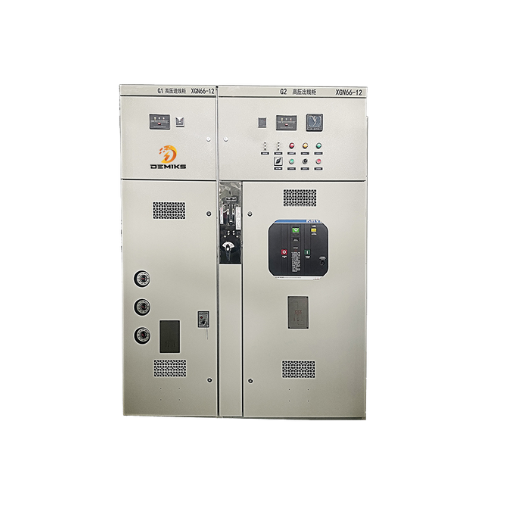
A: A Cable Branch Ring Cage Box integrates seamlessly with a ring main unit by acting as a terminal point for cable connections. It allows for the distribution and control of electric flows within the network, enhancing overall system efficiency.

Q: What is the expected service life of a Cable Branch Ring Cage Box?

A: The service life of a Cable Branch Ring Cage Box can vary based on usage conditions and maintenance practices, but it is typically designed to last several decades. Its fully sealed construction and durable materials contribute to its longevity.

Q: How is a Cable Branch Ring Cage Box equipped to handle load switches?

A: A Cable Branch Ring Cage Box is equipped with load switches that enable safe and efficient control of electric circuits. These switches facilitate maintenance and ensure that power can be distributed or isolated as needed without interrupting the main supply.

I’m DEMIKS, and I manage this blog. We are bringing electric power technology from China to the rest of the world for its innovation, sustainability, and global impact. We are deeply driven by professionalism, integrity, and service excellence.

Scroll to Top
Get in touch with DEMIKS company
Contact Form 在用