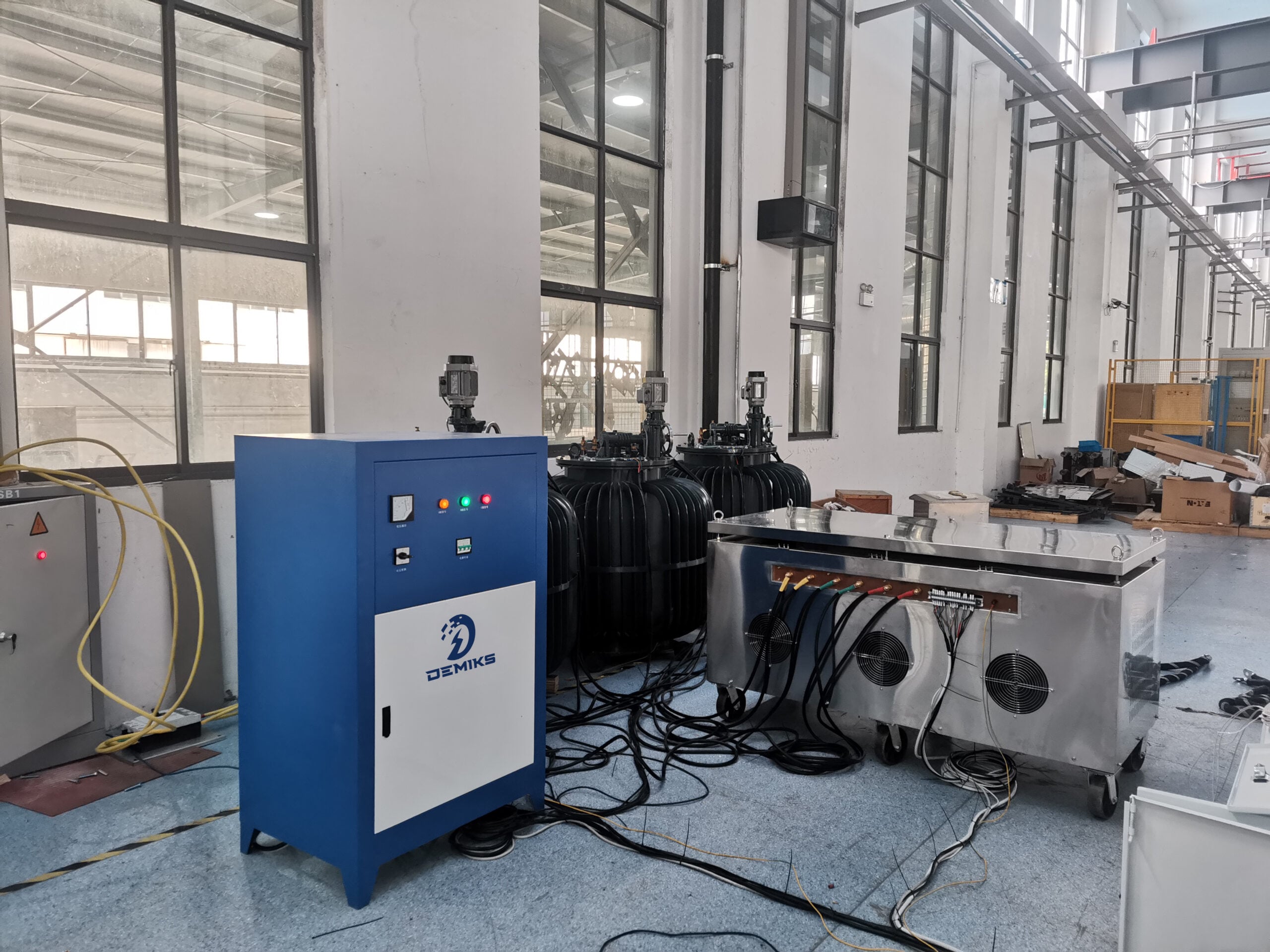
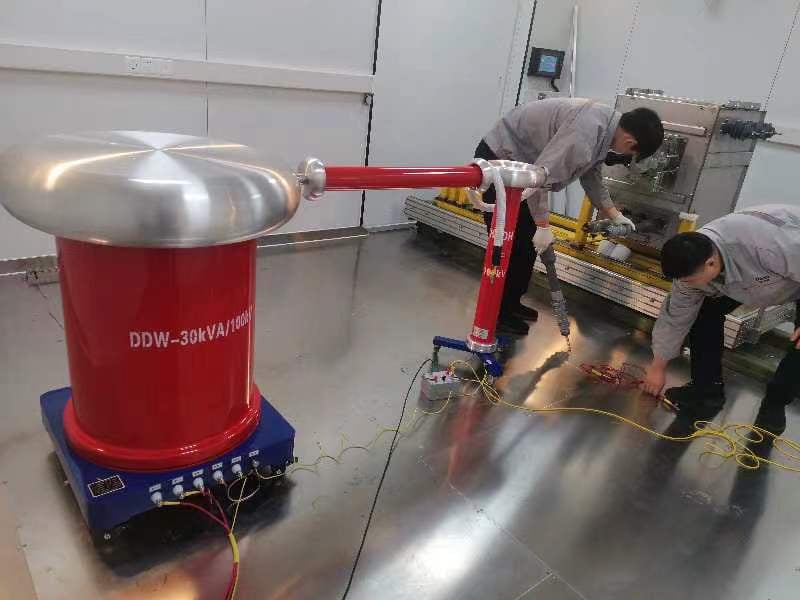
Transformer oil plays a critical role in ensuring the efficient operation and longevity of power transformers. However, one of the most significant challenges faced in maintaining transformer performance is the presence of moisture in the insulating oil. Even small amounts of moisture can lead to serious issues, such as insulation breakdown, decreased dielectric strength, and accelerated aging of the equipment. This is where a transformer oil moisture tester becomes an invaluable tool.
This article explores the essential role of transformer oil moisture testers in monitoring and maintaining the health of transformers. From understanding how these devices operate to their importance in predictive maintenance strategies, we will deep-dive into the key aspects that make them indispensable in modern electrical systems. Whether you are a maintenance professional, engineer, or simply interested in the science behind power systems, this guide will provide a comprehensive overview to elevate your understanding of this critical topic.
How Does a Moisture Tester Work in Transformer Oil?

Moisture testers in transformer oil operate by measuring the water content present in the oil, which is critical for assessing the insulation quality and overall health of the transformer. These devices typically use technologies such as capacitive sensors or coulometric Karl Fischer titration. Capacitive sensors determine moisture content by analyzing the change in capacitance when the oil interacts with the sensor. Alternatively, Karl Fischer titration provides a highly precise measurement by detecting water through a chemical reaction. Both methods ensure accurate readings, enabling timely identification of moisture-related issues that could compromise the transformer’s performance or lifespan.
What Is the Principle of Moisture Measurement in Transformer Oil?
The principle of moisture measurement in transformer oil relies on detecting the amount of water present, as excessive moisture can degrade insulation and reduce transformer efficiency. Two primary methods are widely used for precise measurement:
- Capacitive Sensors – These sensors measure moisture by detecting changes in capacitance caused by the interaction between the oil and the sensor. Capacitance varies with the amount of water dissolved in the oil, providing real-time data on moisture levels.
- Karl Fischer Titration – A chemical analysis method, it identifies the exact water content in oil by utilizing a reaction between iodine and water. This laboratory-based approach is highly accurate and is often used for calibration or validation of other methods.
Both techniques are critical for maintaining transformer reliability, ensuring early detection of moisture to prevent insulation breakdown and optimize performance.
How Does a Moisture Meter Detect Moisture Content?
A moisture meter detects moisture content by measuring physical properties of the material being tested, such as electrical resistance or capacitance, which vary with the presence of water. These devices typically operate using one of the following principles:
1. Electrical Resistance Measurement – Moisture meters can pass a small electrical current between two probes inserted into the material. Since water conducts electricity, higher moisture content results in lower electrical resistance.
-
- Typical Range: 5%–30% moisture content (depending on material type).
- Accuracy: ±1%–2% for most calibrated units.
- Capacitance Measurement – Non-invasive sensors measure changes in the dielectric constant of the material. The higher the moisture content, the greater the dielectric constant deviation from the dry material baseline.
- Frequency: Operates at radio frequencies, typically in the range of 50–200 MHz.
- Depth Penetration: Can test up to several inches below the surface without causing damage.
These methods are highly effective for various applications, including monitoring moisture in wood, soil, and insulating oils. Calibration and temperature compensation are critical to ensure accurate and consistent results, as environmental factors can impact readings.
What Are the Key Components of a Moisture Tester?
Key Components of a Moisture Tester
A moisture tester typically consists of the following key components:
1. Sensor or Probe
-
- Type: Capacitive, resistive, or microwave-based.
- Function: Detects moisture levels by measuring electrical properties such as capacitance or resistance influenced by the presence of water.
- Specification: Should operate within a precision range of ±0.1% moisture content for accurate results.
- Display Unit
- Type: Digital or analog.
- Specifications: Digital displays should have a resolution of at least 0.1% to ensure detailed readings. Analog displays are less common but remain useful in some applications.
- Calibration Mechanism
- Purpose: Ensures accuracy by allowing adjustment for varying sample types and environmental conditions.
- Technical Note: Requires factory calibration or manual calibration using standard reference samples.
- Temperature Sensor
- Function: Measures environmental or material temperature to apply compensation for more precise moisture readings.
- Parameter: Operates generally between -10°C to 50°C (14°F to 122°F).
- Data Output and Connectivity
- Types: USB, Bluetooth, or wireless options for transferring data to external systems or devices.
- Specification: Should support compatibility with industry-standard software for data logging and analysis.
- Power Supply
- Type: Battery-powered (commonly rechargeable) or mains-connected.
- Specification: Batteries should provide a runtime of at least 8–10 hours under standard operating conditions.
By combining these components and adhering to their technical specifications, a moisture tester ensures reliable, consistent, and precise measurements across a range of applications.
Why Is Moisture in Transformer Oil a Concern?
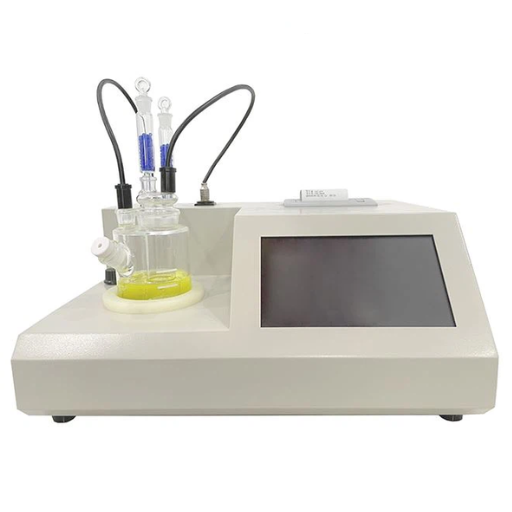
Moisture in transformer oil is a critical concern because it significantly impacts the insulation properties and overall efficiency of the transformer. Transformer oil serves as both an insulator and a coolant; the presence of moisture reduces its dielectric strength, increasing the risk of electrical discharges and faults. Furthermore, moisture accelerates the degradation of solid insulation, such as cellulose, leading to a shorter operational lifespan of the transformer. Excess moisture can also promote the formation of hydrogen and other gases, which can indicate the onset of thermal or electrical faults. Ensuring low moisture levels is essential to maintain transformer reliability and operational safety.
How Does Moisture Affect Insulation and Lubrication?
Moisture significantly impacts both insulation and lubrication performance, often leading to compromised system integrity. For insulation, excessive moisture decreases dielectric strength, measured in kV/mm, which may drop significantly below the standard requirements (e.g., 10-15 kV/mm for oil-impregnated paper). This effect increases the risk of partial discharges and flashovers in high-voltage equipment. Additionally, high moisture levels accelerate insulation aging, typically observed through an increased acid number (AN) above 0.2 mg KOH/g, which indicates degradation of the oil and solid insulation quality.
For lubrication systems, moisture contaminates the lubricant, reducing its viscosity and load-bearing capacity. This contamination leads to increased friction and wear, potentially causing premature failure of rotating machinery. Water content above the critical threshold, generally 1,000 ppm for hydraulic and turbine oils, often results in emulsification, loss of lubricity, and formation of corrosive byproducts. Maintaining moisture levels below these thresholds is critical to ensure system reliability and prolong service life.
What Are the Consequences of High Moisture Levels in Oil?
High moisture levels in oil can significantly degrade the performance, reliability, and longevity of industrial equipment. Excess water in oil often leads to a variety of mechanical and chemical issues, including:
- Decreased Lubrication Efficiency
Water reduces the film strength of oil, leading to a lower lubricating capacity. This increases friction between moving parts, causing accelerated wear and heightened energy consumption.
- Corrosion and Rust Formation
The presence of water promotes oxidation and the formation of acids, which corrode metallic components. Corrosion rates can increase drastically when water levels exceed 500 ppm in high-performance systems.
- Cavitation in Hydraulic Systems
Excess moisture can vaporize under high pressure, creating gas pockets that result in cavitation—causing damage to components such as pumps, valves, and seals.
- Oil Degradation and Additive Depletion
High moisture levels accelerate hydrolysis and oxidation processes, breaking down oil constituents and depleting critical additives. This leads to a reduction in oil’s effective lifespan and a need for more frequent oil replacement.
- Formation of Sludge and Deposits
Water reacts with oil and contaminants to form emulsions, sludge, and deposits, which obstruct flow pathways and reduce overall system efficiency.
- Reduced Dielectric Strength (in Transformer Oil)
For electrical applications, water significantly lowers the dielectric strength of insulating oils. For example, a water content above 50 ppm can compromise the insulating properties, increasing the risk of electrical discharge and equipment failure.
Recommended Water Content Thresholds
To mitigate these issues, maintaining oil moisture levels below the following thresholds is advised:
– Hydraulic oils: ≤ 500 ppm
– Turbine and transformer oils: ≤ 100 ppm
– Lubricating oils (general machinery): ≤ 200 ppm
By proactively monitoring and addressing excessive moisture through filtration systems, desiccants, and regular oil condition analysis, operators can ensure the efficient and stable operation of industrial equipment.
What Are the Methods for Moisture Measurement in Transformer Oil?
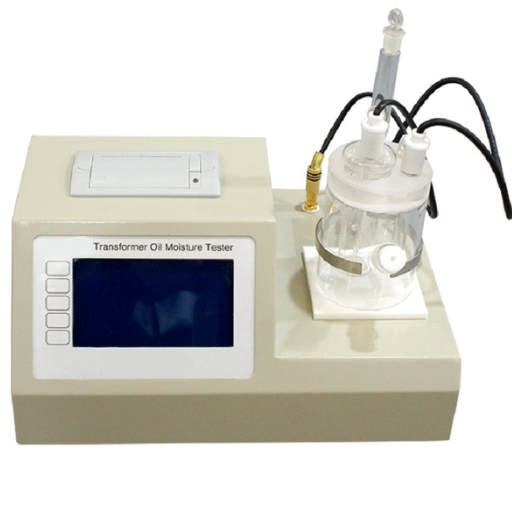
There are several methods used to measure moisture content in transformer oil accurately:
- Karl Fischer Titration: This is a highly precise laboratory method that quantifies the exact water content in oil. It involves a chemical titration process using a reagent sensitive to water.
- Moisture Sensors: Inline moisture sensors are commonly used for real-time monitoring of water content. These sensors measure the relative saturation percentage or ppm levels directly in the oil.
- Dielectric Strength Testing: Although not a direct measurement of moisture, this test evaluates the oil’s insulating properties, which degrade as moisture levels increase.
- Infrared Spectroscopy: This method identifies water content based on the absorption of infrared light by water molecules in the oil. It allows for quick and accurate analysis.
By selecting the appropriate method based on equipment needs and operational requirements, operators can effectively monitor and manage moisture levels to maintain transformer efficiency and reliability.
How Is Moisture Measurement Conducted Using Transmitter Technology?
Transmitter technology measures moisture by employing advanced sensors that detect the water content within insulating oil or gas in real time. The process typically relies on capacitive or dew point-based sensors, which provide precise and continuous data. Capacitive sensors measure changes in dielectric constant caused by moisture, while dew point sensors determine the temperature at which condensation forms, correlating this value to the moisture content.
Key technical parameters involved include:
- Measurement Range: 0–1000 ppm or %-volume, depending on the application.
- Accuracy: ±2% relative humidity or ±3 ppm for high reliability.
- Response Time: Typically <15 seconds for rapid detection.
- Operating Temperature: -40°F to 185°F (-40°C to 85°C), ensuring versatility across environments.
- Pressure Tolerance: Up to 300 psi, enabling use in pressurized systems.
By integrating these transmitters into monitoring systems, operators can optimize moisture control, minimize equipment stress, and enhance the lifespan of electrical transformers and industrial systems.
What Role Does PTM Play in Moisture Detection?
The role of Polymer Thin Film Moisture Transmitters (PTM) in moisture detection is pivotal in maintaining system efficiency and preventing operational failures across multiple industrial applications. PTMs are designed to measure relative humidity and moisture levels with high accuracy by leveraging a polymer film sensor that responds to changes in environmental humidity. These changes alter the capacitance or resistance of the polymer, enabling precise detection even under variable conditions.
Key Technical Parameters:
- Accuracy: ±1.5% Relative Humidity (RH), ensuring precise measurements critical for sensitive systems.
- Measurement Range: 0% to 100% RH, allowing full-spectrum detection of atmospheric moisture.
- Response Time: <10 seconds (for 63% of the step change in humidity levels), facilitating rapid system feedback.
- Operating Conditions: -40°F to 185°F (-40°C to 85°C), suitable for harsh environments and diverse applications.
- Repeatability: ≤ 0.1% RH, ensuring consistent performance over repeated cycles.
These transmitters are extensively utilized in industries such as energy, pharmaceuticals, and food storage, where moisture control directly impacts quality and safety. PTMs not only provide real-time monitoring but also integrate seamlessly with automated control systems for proactive moisture management, reducing corrosion risks, preventing dielectric breakdown in transformers, and optimizing the performance of humidity-sensitive processes.
How Is Water Activity Measured in Transformer Oil?
Water activity in transformer oil is measured using capacitive or resistive sensors that monitor the relative equilibrium between the oil and the water vapor it contains. These sensors are inserted into the oil and provide accurate data on moisture levels by calculating the partial pressure of water vapor relative to oil saturation. The process is non-invasive, ensures real-time results, and helps in assessing the insulation condition and preventing potential equipment failures.
What Are the Benefits of Using a Moisture in Oil Transmitter?

Moisture in oil transmitters offer several key advantages, particularly in industrial and electrical applications. They enable real-time monitoring of moisture levels, which helps in maintaining the efficiency and reliability of machinery and transformers. Early detection of high moisture content prevents insulation breakdown, mitigating the risk of equipment failure and costly downtime. Additionally, these transmitters are highly precise, providing accurate data to inform maintenance decisions and extend the operational lifespan of assets. Their non-invasive design ensures seamless integration into existing systems without disrupting operations, making them an invaluable tool for proactive asset management.
How Does Online Monitoring of Moisture Enhance Transformer Maintenance?
Online monitoring of moisture significantly enhances transformer maintenance by allowing continuous, real-time measurement of water content within the insulation system. This proactive approach helps me detect early signs of increased moisture levels, which can degrade the transformer’s dielectric properties and accelerate aging. By utilizing this data, I can make informed decisions, such as scheduling timely maintenance or implementing moisture mitigation strategies, to prevent critical failures. Furthermore, the ability to monitor these levels remotely reduces the need for manual oil sampling, improving operational efficiency and system reliability.
What Makes Express Tester an Efficient Option?
The Express Tester is designed to provide accurate and rapid analysis of critical transformer oil parameters, streamlining the maintenance process. Its user-friendly interface allows operators to quickly interpret results, minimizing downtime and ensuring precise diagnostics. By employing advanced sensors and algorithms, it delivers real-time data on oil quality and moisture content, eliminating the need for frequent manual testing. Its compact, portable design equips technicians to conduct effective on-site assessments, saving both time and resources. Furthermore, the device incorporates robust data storage and integration capabilities, enabling seamless connectivity with asset management systems for detailed monitoring and predictive maintenance strategies.
How to Ensure Accurate Moisture Analysis in Transformer Oil?
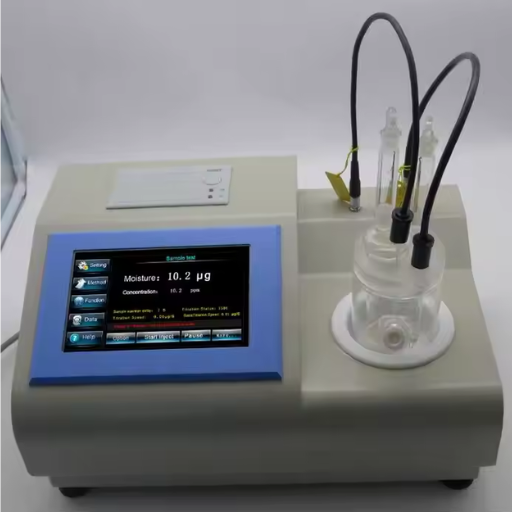
To ensure accurate moisture analysis in transformer oil, it is critical to adhere to best practices throughout the testing process. Begin by using calibrated and reliable measurement instruments, such as a portable moisture analyzer, specifically designed for transformer oil applications. Always collect oil samples following industry-standard procedures to avoid contamination or exposure to external moisture. Maintain a consistent sampling environment, as fluctuations in temperature or humidity can skew results. Regularly verify instrument performance through standard calibration checks and validations. Lastly, integrate data acquisition with your asset management systems to ensure real-time monitoring and trend analysis, enabling proactive maintenance decisions.
What Are the Best Practices for Moisture Measurement?
To ensure reliable and accurate moisture measurement, adhere to the following best practices:
1. Selection of Appropriate Measurement Technology: Choose a moisture measurement technique suitable for your application, whether it is gravimetric analysis, capacitance sensors, infrared absorption, or Karl Fischer titration. Ensure compatibility with the material type and the required precision level.
- Calibration Procedures: Regularly calibrate moisture measurement instruments using certified reference materials to ensure accuracy. Calibration intervals may vary based on instrument type but should generally follow manufacturer recommendations.
- Controlled Environmental Conditions:
- Temperature Range: Maintain samples and instruments between 20-25°C (68-77°F) to minimize variability caused by thermal interference.
- Humidity Levels: Operate in environments with consistent relative humidity, ideally between 30-50%, to avoid external moisture gradients affecting measurements.
- Proper Sample Handling:
- Use sealed containers to prevent moisture exchange when handling hygroscopic substances.
- Minimize sample exposure time during preparation and testing to reduce environmental contamination.
- Data Validation and Quality Assurance:
- Regularly validate measurement results against known standards.
- Perform repeatability tests with multiple samples to verify consistency across measurements.
- Integration and Automation:
- Incorporate measurement devices with data logging and remote monitoring systems to track real-time trends.
- Use software tools to aggregate and analyze data for long-term performance insights.
By following these detailed protocols and maintaining precise operational parameters, moisture measurement accuracy can be optimized, ensuring data reliability and consistency.
How to Interpret PPM Levels in Moisture Analysis?
To interpret PPM (parts per million) levels in moisture analysis, I consider it as a quantitative measurement indicating the concentration of water within a substance, whether it’s a gas, liquid, or solid. Lower PPM values typically signify drier conditions, which is critical in applications like industrial processes, manufacturing, or environmental monitoring.
For instance, in gas systems, a PPM reading helps ensure that moisture stays below specific thresholds to prevent corrosion or inefficiencies. Similarly, in solids, it ensures product quality by maintaining the right moisture content. I always cross-reference PPM levels with the defined standards for the material or system being analyzed, as variances can impact functionality and safety. By employing reliable calibration practices and advanced analysis tools, accurate interpretation becomes achievable.
What Calibration Methods Ensure Reliable Results?
Reliable calibration methods hinge on precision, traceability, and adherence to established standards. To achieve this, using traceable calibration standards, such as those provided by NIST (National Institute of Standards and Technology), is essential to ensure accuracy throughout the process. Regularly employing single-point or multi-point calibration methods, based on the instrument’s requirements and measurement range, enhances reliability. Automated calibration systems are also widely recommended, as they reduce human error and provide consistent results.
Furthermore, environmental factors such as temperature, humidity, and vibration must be controlled during calibration, as these can influence measurement accuracy. Routine verification of equipment against reference standards, as well as compliance with ISO/IEC 17025 guidelines or equivalent, ensures that calibration practices meet industry benchmarks. Documenting calibration procedures and results facilitates traceability and allows seamless audits to verify compliance and performance standards over time.
Reference Sources
- Moisture Analysis on Power Transformers – Omicron Energy
- Transformer Insulation Moisture Monitoring – Dynamic Ratings
- Q & A on Moisture in Transformer Oil – Vaisala
- Transformer Oil Testing – Wikipedia
- Transformer Oil Testing Lab – Sigma Test & Research Centre
Frequently Asked Questions (FAQs)
Q: What is the purpose of a transformer oil moisture tester?
A: A transformer oil moisture tester is designed to determine the moisture content in insulation oil. This is essential for maintaining the reliability and lifetime of transformers by ensuring reduced breakdown strength is avoided.
Q: How does a moisture in oil measurement work?
A: Moisture in oil measurement involves using an oil condition sensor to detect the presence of water in the oil. The process ensures that the oil is functioning effectively as an insulator, which is crucial for the transformer’s performance.
Q: Why is it important to measure moisture content in transformer oil?
A: Measuring the moisture content is critical because high moisture levels can lead to reduced breakdown strength and potentially hazardous conditions. It helps in assessing the oil’s long-term stability and overall condition.
Q: What role does the sensor play in moisture detection?
A: The sensor, such as an oil condition sensor, is vital for accurate moisture detection. It provides real-time data on the moisture levels within the transformer oil, allowing for timely interventions when necessary.
Q: What are some methods to determine the moisture in transformer oil?
A: Common methods include dielectric response analysis using dirana, polarization and depolarization current (pdc) methods, and frequency domain spectroscopy (fds). These techniques offer insights into the oil’s dielectric properties and moisture levels.
Q: How does oil-paper insulation affect moisture measurement?
A: Oil-paper insulation can absorb moisture, impacting the accuracy of moisture in oil measurement. It is crucial to consider the moisture in the solid part of the insulation to ensure comprehensive testing.
Q: What is the significance of the atmosphere during installation?
A: The atmosphere during installation can affect the ingress of moisture into the transformer. Ensuring a dry atmosphere is critical to prevent moisture from compromising the transformer’s insulation oil.
Q: How do humidity and temperature influence oil measurement?
A: Humidity and temperature are important factors that can affect the accuracy of oil measurements. They influence the dielectric properties and can lead to errors if not properly controlled.
Q: Can transformer oil moisture testing be applied to other equipment?
A: Yes, moisture testing can also be relevant for other equipment such as bushings, cables, and generators, where insulation oil is used to ensure performance and safety.
Q: What brands are known for reliable moisture testing equipment?
A: Brands like Megger and Globecore are well known for producing reliable and accurate test sets for moisture in oil measurement, ensuring the long-term stability and safety of transformers.