Whenever workplace safety is involved, especially in high-risk environments, it all starts with the proper protective gear, including high-voltage gloves. These essential implements are designed to protect workers from electrical hazards that can sometimes cause the unfortunate demise of the worker if not correctly maintained, or even if not maintained according to the standards. Either way, practically speaking, selecting the wrong testing equipment can mean a decrease in safety or an increase in operational inefficiency. This article discusses the must-have features in quality testing equipment, enabling you to make informed decisions that safeguard your workers, maintain compliance, and enhance operational efficiency through greater testing capabilities and durability, as well as innovative design and aesthetics.
Understanding High Voltage Glove Testing Equipment

What Are Insulating Gloves and Sleeves?
Insulating gloves and sleeves are essential PPE items worn in high-voltage environments, preventing electrical shock and ensuring safety. These items are made of special rubber to prevent current from penetrating the material. Insulating gloves cover the hands and extend down the wrists, while the sleeves cover the arms for added protection against electrical hazards.
Maintaining effectiveness requires that these gloves and sleeves adhere to strict standards set by ASTM and IEC, such as ASTM D120 and IEC 60903, which outline the requirements for their performance, durability, and insulation properties. Voltage protection is afforded to insulating gloves and sleeves by different classes, ranging from Class 0 (maximum use voltage of 1,000 volts AC) to Class 4 (maximum use voltage of 36,000 volts AC). Regular testing is conducted to verify their integrity, which typically includes a visual inspection for surface damage and a dielectric test to confirm insulation capacity.
Electricians, utility workers, and professionals who are exposed to live circuits must use insulating gloves and sleeves. When combined with appropriate use, maintenance, and testing of the PPE, the result is performance of the PPE and safety of the workforce in these high-risk situations.
Electrical Safety Compliance Importance
Electrical safety is a crucial aspect of workplace safety and efficiency, as most industries rely on power systems and operate live electrical appliances. Being compliant with established safety standards, such as OSHA stipulations or NFPA 70E in the United States, would protect employees from the hazards of electrocution, arc flashes, and thermal burns while simultaneously placing businesses in compliance from a legal standpoint. According to industry reports, each year, there are thousands of workplace injuries and fatalities associated with electrical accidents, pressing the need for stringent adherence to safety regulations.
Beyond personal safety, electrical safety compliance promotes long-term operational reliability. Regularly conducting risk assessments, implementing preventive measures, and maintaining proper documentation of safety practices can significantly reduce equipment downtime and prevent costly repairs. Training workers, providing and insisting on the use of certified PPE, and carrying out routine system inspections go a long way in developing a safety culture and promoting the culture of excellence. At the same time, this would set the foundation for productivity and compliance with global best practice standards.
High Voltage Testing Procedures- An Overview
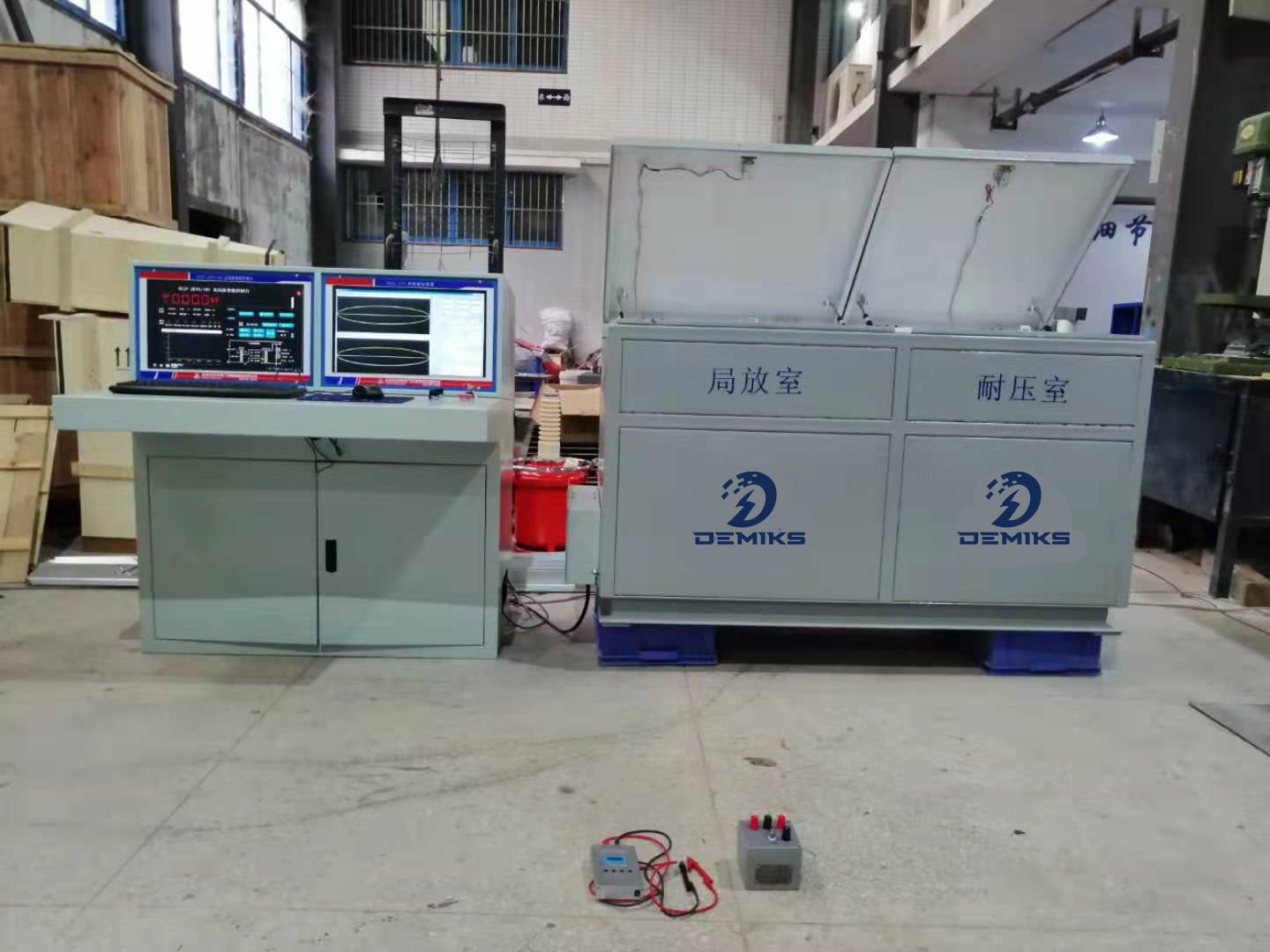
High voltage testing procedures are essential from a safety, reliability, and efficiency perspective, and they are applied to electrical systems and components. They verify the integrity of insulation, inspect for potential failure, and ensure the component complies with international safety standards. Some key test items include dielectric testing, insulation resistance testing, and partial discharge testing.
It measures the ability of an insulating material to withstand elevated voltage conditions without breaking down. The equipment is often subjected to voltages that are much higher in magnitude than the actual working levels to detect weak points in the insulation.
Insulation Resistance Testing involves measuring the resistance between standard conductive parts of an electric system and the grounding system to ensure that the insulation remains intact. Testing for degradation concerning aging, pollution, and moisture ingress is thus possible.
The Partial Discharge Testing identification detects slight imperfections in insulation by identifying exact discharge activity occurring within high-voltage equipment. These defects will accelerate equipment failures due to their presence, and hence, the test is of paramount importance for ensuring long-term reliability.
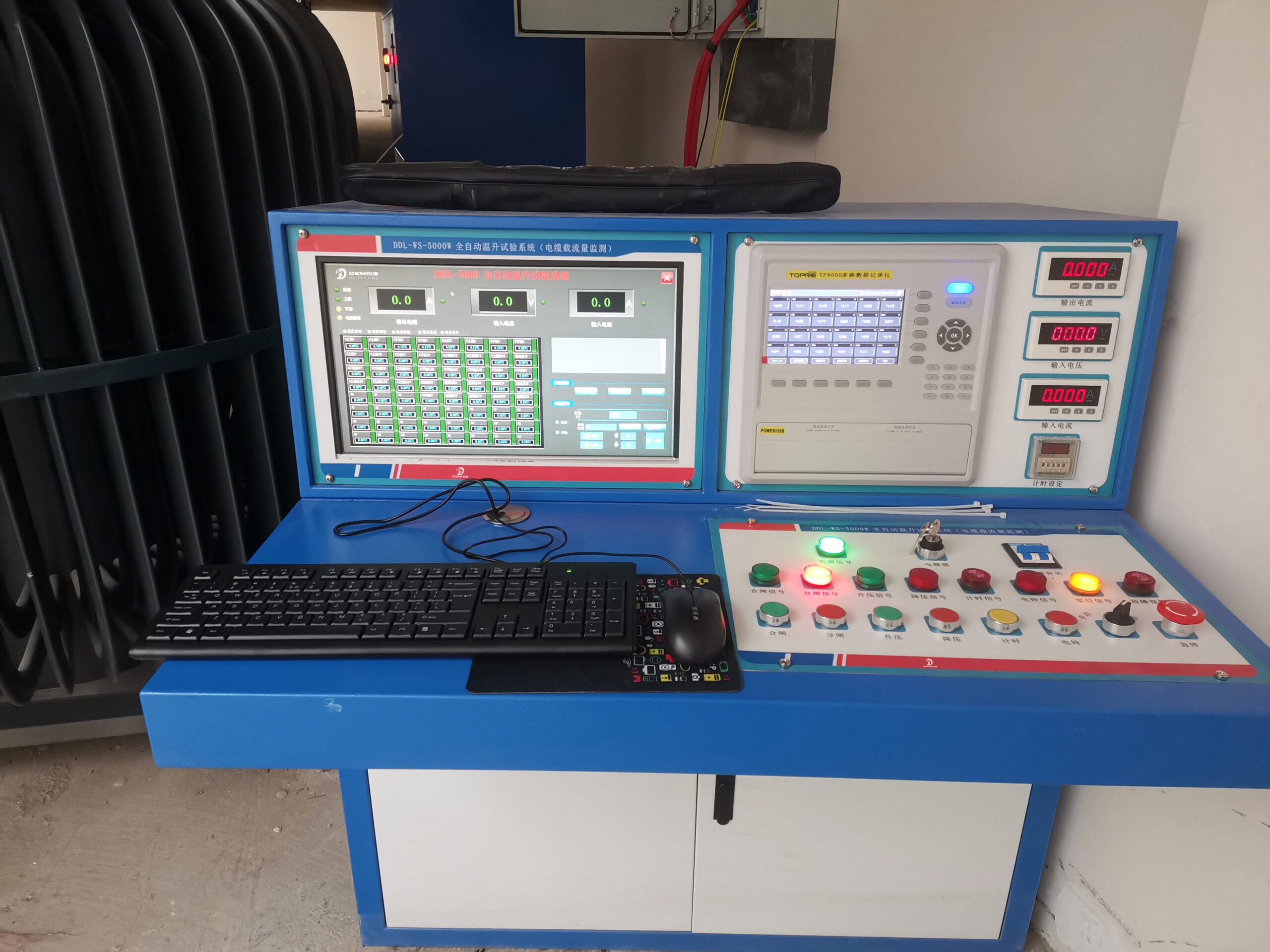
High-voltage testing requires sophisticated instruments accompanied by detailed system monitoring. In this modern era, great emphasis is placed on computerized testing platforms and digitalized recording systems to produce reliable and repeatable results. Safety measures should be implemented during testing to ensure that personnel working in hazardous zones are protected from harm. Using such methodologies, an entity can thus confidently endeavor to reduce downtime risks and increase system reliability.
Key Features of Effective Glove Testing Equipment

Distinctive Characteristics of a Glove Tester
An effective insulating glove tester can achieve high levels of correctness, efficacy, and safety in checking the integrity of the protective gloves used in electrical activities. Presented below are the essential specifications and features to check for:
Voltage Testing Range: An insulating glove tester should provide a broad measurement range, often extending up to 40 kV or more, to accommodate diverse testing needs. Such flexibility means a thorough testing of the gloves designed for various voltage ratings.
Leakage Current Sensing: Modern types enable the exact measurement of leakage current, thereby detecting even the most minor insulation failures. This feature guarantees the safety and reliability of electrical gloves.
Pass/Fail Indicators: Passing or failing indicators should be visible and immediate, either through digital readouts, audible alarms, or color-coded lights, so that work can proceed with haste and minimize the likelihood of operator-induced errors during the test.
Programmable Test Settings: Changing the parameters for test results is a typical new feature in testers, allowing adjustments to test voltage, time, and environment. The ability to adapt is even more critical if the test method is unique to the company or if it must meet a particular regulatory compliance standard.
Built-In Safety Features: An insulating glove tester should have a safety system that promotes automatic shutdown in the event of an overload, correct grounding, and insulated housing to ensure the safety of the person using it.
Data Recording and Reporting: An integrated and digital system for recording and data storage is increasingly valued. It makes life easier for reporting evidence for compliance and analyzing trend data to identify how to pinpoint recurring problems.
Portability and Durability: They feature lightweight yet strong designs that can withstand severe field conditions. Ease of carrying is a significant concern. Moreover, water-resistant and dust-proof casings enhance durability.
Standards Compliance: Quality glove testers are expected to perform in line with or exceed stringent international standards, such as IEC 60903 and ASTM F496, putting additional emphasis on their reliability and suitability for worldwide use.
Based on the above considerations, the organization can choose the appropriate glove testing equipment that maximizes safety and operational efficiency.
Inflation Testing: Why It Matters
Inflation testing is a vital process that ensures the integrity and reliability of insulating gloves designed for use in electrical environments. Air pressure is applied inside the glove, which is then checked for leaks, strengths, or deformation. All of these serve to locate compromised areas that could put the user’s safety at risk. This method assumes great importance, as even a minor puncture or tear in the glove can cause electrical failure under high-voltage conditions, thereby putting workers at risk.
With modern technology, various sophisticated methods are employed for pressure tests, aiming to enhance accuracy and speed. These divisions enable the constant measurement of experimental points, with the potential for human factors to influence the outcome, or, conversely, ensuring adherence to the established safety norm. Research in the safety of the workplace confirms how general inflation tests help maintain a reduced rate of accidents in the workplace due to electrical hazards, thus suggesting its prime role in sustaining a safe workplace. A proper inflation test regimen, combined with maintenance activities, will help assure worker safety and also extend the life of the PPE equipment.
Durability and Reliability of Rubber Gloves
The durability and reliability of rubber gloves are crucial to their use in ensuring safety and efficiency in hazardous job conditions. Top-notch rubber gloves are designed to withstand long repeated exposure to varying external pressures, including chemicals, abrasive materials, and heat. Studies show that performance gloves made from the best elastomers offer the best stretch, tensile strength, and puncture resistance, allowing them to work longer in harsher applications.
Paramount among the primary electrical safety measures is the wearing of bioprotective rubber gloves to withstand high voltages while working without losing structural integrity. Data from industrial assessments suggest that regular testing and suitable storage may enhance the lifespan of rubber gloves by up to 40%. Modern manufacturing methods, reinforced layering, and precise polymer formulations have simultaneously ensured resistance to wear. Hence, the selection of appropriate glove specifications for the intended industry application is a competitive factor in terms of service life and functional reliability, which in turn reduces risk and provides dependable protection to the worker.
Types of Rubber Glove Test Systems

Static Testing Vs. Dynamic Testing-Antithetic Approach
The static tests are performed in a controlled environment, with the objects remaining stationary, to test certain essential qualities of rubber gloves. Some tests may apply increasing pressure; others expose the gloves to a chemical to observe the effects of stress on the gloves without any movement affecting the material. For instance, tensile tests may stretch the glove material at a predetermined rate to measure material elongation versus time until it finally breaks.
Dynamic testing, in contrast, simulates genuine situations wherein the gloves are repeatedly moved with friction and stress exerted upon them in varying quantities. This procedure is often crucial when durability must be ensured under real-use conditions, such as gripping or twisting under exposure to fluctuating levels of chemicals and temperatures. Here, dynamic tests typically involve automated machines that perform repetitive tasks to assess how well something withstands the test of time or maintains its performance.
Together, both static and dynamic testing thus form an encompassing framework that ensures that rubber gloves are fit for safety and operational requirements. The manufacturers are hence able to address the resulting weaknesses, tailor the material formulation to ensure safety under harsher conditions, and reasonably claim that their products are suitable for use in aggressive industrial settings, medical situations, and laboratory environments. For instance, the results from both directions demonstrate the actual long-term performance of both approaches under double-stressed conditions, thereby drastically enhancing the applicability of the results and enabling better forecasting of glove life and resilience based on their performance.
Advanced Electrical Glove Testers in the Market
The market for advanced electrical glove testers is evolving, driven by technological advancements and increasingly stringent safety standards. Modern glove testers feature advanced capabilities, with numerous new additions recently, including a digital interface, automated test cycles, and precise voltage calibration systems. So, they are capable of detecting the smallest of imperfections that could render electrical gloves inadequate for dielectric insulation requirements. Some testers offer software features that enable performers to track tests in real-time and compile reports for industries that require very stringent compliance.
For example, some of the highest-end testers now come with wireless connectivity, allowing seamless data transfers onto some centralized system for analysis. This feature proves helpful for companies with vast inventories of PPE, as they can monitor trends and carry out maintenance before any unforeseen event arises. Additionally, the popularity of portable units has been on the rise, as they prevent downtime during on-site testing while maintaining accuracy and reliability. With these latest developments, worker safety is improved, and operational efficiency is better optimized, making these testers indispensable tools in any industrial setting.
Choosing the Right Test System for Your Needs
Some key considerations involve selecting the right system to ensure it aligns with the operational needs of a particular organization and complies with industry-specific standards. Start with questions about the type of equipment or devices that need testing, as their answers will determine the compatibility and functionality of any system that may be considered. Some tools are simply designed for electrical testing and cannot be used for mechanical or environmental evaluation.
Another criterion is the type of automation needed. Fully automatic systems can streamline and speed up the test process, minimizing opportunities for human error, but may carry a high initial cost. Conversely, manual or semi-automatic systems give you more control over the procedure and tend to be less expensive.
Accuracy and reliability, the heart of any test system, must always be kept in mind. Opt for systems equipped with advanced sensors and software designed to deliver precise and repeatable results. Real-time monitoring and reporting features, on the other hand, create value from data by providing insights that a decision-maker can act on without delay.
Lastly, investigate scalability and future-proofing. A flexible test system that can keep pace with new technologies or expanded testing requirements, driven by your growth, is ideal. Strong customer support, combined with regular software updates, ensures future performance and usability. Consider these factors to settle on a test system that not only meets your current needs but also enhances your company’s future success.
Maintenance and Calibration of Testing Equipment

Testing Equipment Care: Best Practices
Maintenance, together with calibration, ensures the ultimate accuracy, reliability, and longevity of a piece of equipment. To begin, one must establish a maintenance schedule that includes cleaning, component examination, and software updates. During inspections, one must consider the observed damage to the equipment and any signs of wear, as failing to take action against these could lead to inaccurate results or the outright failure of the equipment.
Calibration is also critical maintenance. Testing equipment should always be calibrated within the intervals recommended or specified by the manufacturer to ensure precision in its measurements. Accredited calibrations ensure that the equipment conforms to accepted industry standards and remains accurate in these measurements. Additionally, each maintenance and calibration activity must be documented, thereby creating a history that can be presented during an audit or quality control review.
For other fluid flows, environmental conditions are of significant importance for equipment care. While working in the field or conducting any kind of testing, devices should be kept in a controlled temperature and humidity environment, as extreme environmental conditions can alter their performance. Secure storage facilities, such as padded boxes or protective covers, can shield against damage in case of transport or idle storage.
Using modern asset management software improves care practices. Such applications maintain schedules, calibration records, and usage records to prevent anyone from forgetting or overlooking these tasks. Thus, by adhering to all best practices, one can save their investment, thereby ensuring better test results with the least downtime.
Ensuring Accurate Testing Results
The beginning of a precise testing process is equipment calibration, allowing continued consistency of the instrument in alignment with the manufacturer’s specifications. The calibration should be performed on a scheduled basis to maintain its precision over time. It is equally important to teach team members the procedures for correct operation, thereby avoiding any unwarranted influence, whether intentional or accidental, on the testing processes. Furthermore, designing the testing environment to minimize any variable external influences, such as changes in temperature, humidity, or vibration, would enhance the reliability of the data obtained.
Advanced analytical tools significantly improve precision. These programs identify anomalous patterns in test data, enabling teams to detect anomalies early and take corrective action. Double-checking systems, such as cross-functional reviews, lends more credibility to testing reports. Traceability is encouraged by maintaining detailed documentation of every test cycle, which allows for the resolution of any issues that arise and further promotes efficiency. Combining all these methods ensures that businesses get dependable results while maximizing operational confidence.
Common Issues and Troubleshooting Tips
Some of the problems encountered in managing the testing cycle and ensuring accurate results are quite common. One of these problems is the lack of consistency in test results, which can primarily stem from unstandardized procedures or environmental variations. To solve this problem, teams should establish clear protocols and replicate all necessary conditions exactly in every testing cycle.
Another frequent problem is discrepancies in data. These may arise from erroneous data entry, faulty tools, or human error. Hence, a thorough calibration of tools and properly automated data entry can help minimize such chances. Another approach is to perform routine audits to guarantee data integrity and fix anomalies at an early stage.
Whenever a communication gap exists among teams involved in testing, there is always misalignment and delayed outcomes. To address this, collaborative platforms can be utilized, such as real-time insight sharing, along with clear documentation to ensure that everyone is on the same page throughout the testing process.
Given that things change and technologies continue to improve, keeping track of changes in tools and algorithms helps keep strategies up-to-date. Employing state-of-the-art tools and focusing on ongoing training gives long-term efficiency and cures recurring problems. By addressing these obstacles from the outset, teams can enhance their processes and deliver actionable, dependable results.
Conclusion and Recommendations

Final Thoughts on Glove Testing Equipment
In my opinion, glove testing equipment is a necessity for ensuring safety, regulatory compliance, and various industrial applications. One of the biggest takeaways is that investing in a reliable, modern testing instrument increases the likelihood of reducing human risks and protecting higher-quality gloves. A high-precision instrument tests the durability and functionality, providing material input for improving the glove design by evolving standards and requirements.
In such cases, having safety gloves tested before use is imperative. The client is aware that their gloves undergo qualification according to ASTM, IEC, EN, CBD, or other standards, and, sometimes, before use, they must be certified based on these tests.
In my opinion, I also believe that simplifying and streamlining the testing procedure enables teams to maintain consistency in their results without the need for a complicated process. Working with new technology equips you better, utilizing automated systems and data-centric analysis to improve not only speed but also accuracy. This allows for quick decision-making and fewer mistakes—everything vital in high-risk environments such as healthcare, manufacturing, or hazardous material handling.
The opportunity exists for workflows to be redefined, where top-testing equipment is married to continuous training and process improvement. This enables industry professionals to approach current challenges proactively and remain future-ready. Glove testing equipment is not only an operational tool, but serves as the very foundation of larger safety and compliance strategies.
Emerging Trends in High Voltage Glove Testing
From my perspective, a significant trend in testing high-voltage gloves has been the alignment with technology for higher efficiency and accuracy. Automation-testing-using-AI-and-IoT has boon for quicker turnaround time and fewer instances of human errors. For example, connected devices can track usage and performance of equipment to provide information for predictive maintenance purposes so that minimum downtime would occur. These are workflows made simple, and from a safety perspective, they provide consistent and reliable testing results.
The other trend I see gaining momentum is the growing awareness of sustainability and eco-friendly measures across the entire testing spectrum. Hence, a few companies are attempting to reduce waste and energy usage—whether by manufacturing reusable components or optimizing the time cycle. Finally, the inclusion of data analytics in glove testing changes the entire paradigm of quality assurance, giving us the power to utilize big data to identify patterns and probabilities of failures, thereby refining safety standards.
In itself, I believe the actual future of high voltage glove testing must lie in the holistic synergy of technological progress and sustainable solutions. That said, these alterations will redefine industry standards to ensure that industry professionals work with tools that are safer and smarter, thereby contributing to the global pursuit of sustainability.
Reference Sources
- High Voltage Lineman Gloves Guide | Shockproof Safety
- Rubber Glove Testing Lab’s Process
- Electrical PPE Inspection Checklist: Safety Compliance Guide
Frequently Asked Questions (FAQs)
What benefits do rubber gloves have in electrical work?
Rubber gloves provide excellent insulation from electric currents and are, therefore, essential for operators working with high-voltage systems. They are designed to resist dielectric breakdown, ensuring a certain level of safety when handling electrical components. Gloves that meet ASTM D120 standards assure the bare minimum protection from a hazard that could impair a worker’s well-being. Additionally, rubber insulating gloves are relatively lightweight and flexible, allowing for increased dexterity during use. That element of protection combined with utility is of vital importance for technicians who often work under less-than-ideal conditions. The rubber gloves should be inspected periodically.
How does one test gloves for electrical safety?
Glove testing is mainly conducted in a fully controlled environment within a test lab. This testing equipment would determine the dielectric strength of the gloves under various conditions to ensure they meet ASTM F496 standards. The tests usually apply voltage to the gloves and then remove it to determine whether the gloves can insulate. Another common technique is an inflation test, in which gloves are pressurized to detect any leaks. Technicians monitor the testing process with a control panel. If the gloves pass the permissible leakage current thresholds after the test, the gloves are considered safe for use.
Why are ASTM D1051 and F496 standards necessary in glove testing?
The ASTM D1051 and F496 standards ensure the safety and performance of electrical gloves and sleeves. The standards provide tests and requirements for rubber insulating gloves to ensure they can resist high voltages without failing. They are also useful in ensuring that operators are kept safe and that companies maintain OSHA workplace safety standards. The standards prescribe the dielectric testing required and the conditions under which such testing is done for inspection of the gloves. Adherence to these requirements ensures that the gloves will afford the protection needed against electrical hazards.
Could high-voltage glove testing equipment be used to conduct tests on rubber sleeves?
The high-voltage test setup may also be used for testing rubber sleeves that are used on lineman gloves or sleeves. These rubber sleeves can be tested in conjunction with gloves, ensuring the operator receives complete electrical protection. The test procedure is essentially the same as for gloves; the insulation is measured using equipment under various voltages. Using the same test systems for both gloves and sleeves simplifies the testing procedure and ensures consistency between results. Here, the technician can directly switch from testing gloves and sleeves to the other if certifications are required for all rubber protective equipment used.
What are the functions of the power supply in glove testing?
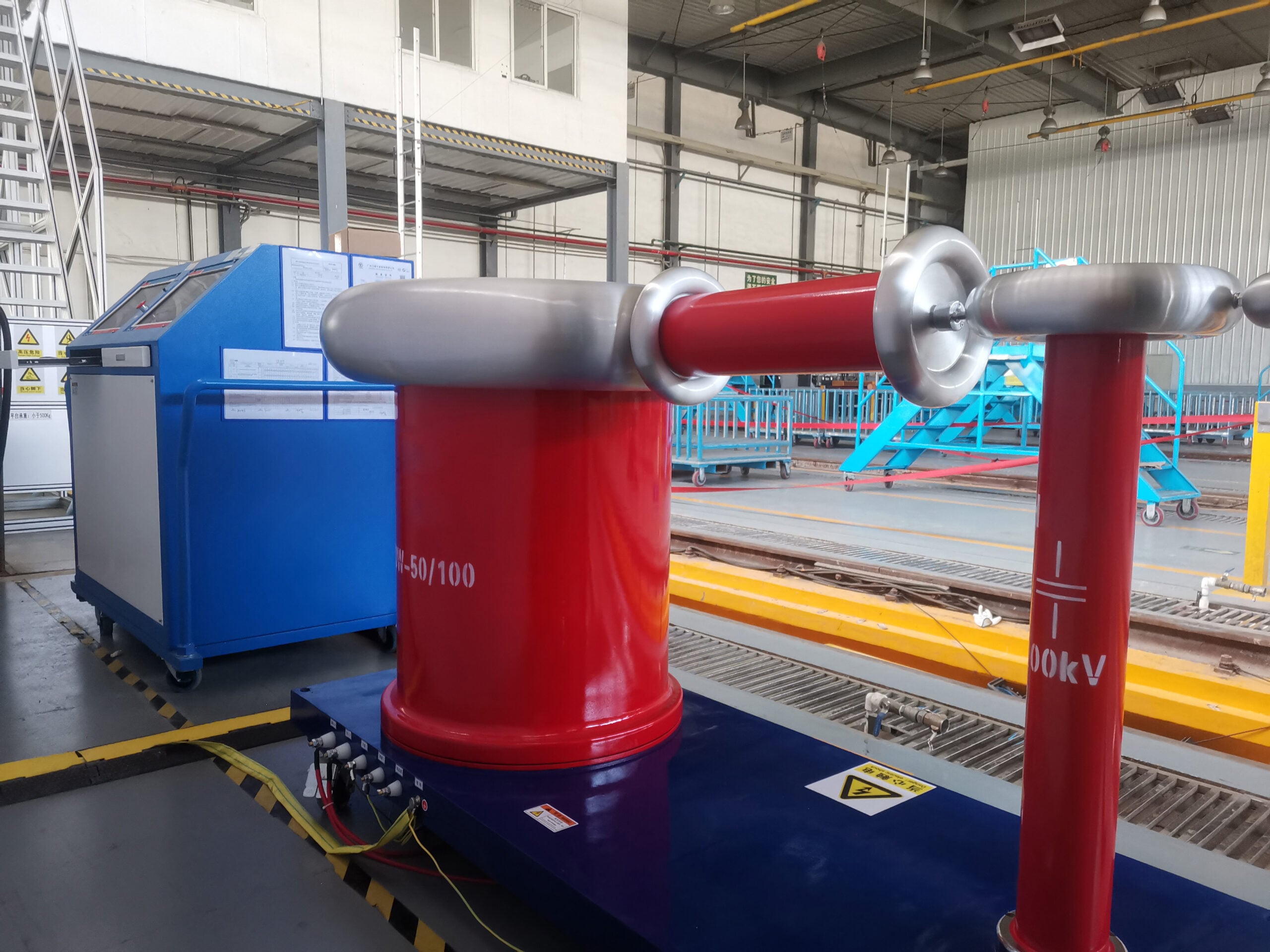
The power supply facilitates the application of test voltage for dielectric tests, making it a critical component for glove testing equipment. The power supply, if reliable, can raise the test voltage steadily and then reduce it; hence, the insulating power of gloves is measured accurately. High-quality and well-calibrated power supplies prevent failures during testing and ensure compliance with ASTM standards. Furthermore, the power supply should be able to provide both AC and DC voltage as specified by the test. Such versatility is essential so that all varieties of rubber insulating products can be tested.
How often should rubber insulating gloves be tested?
To maintain this safety and effectiveness, rubber insulating gloves shall be tested regularly, in this case, usually every 6 months, which is an industry norm. Such frequent testing is functional as evidence of any change in properties of the gloves due to whatever degradation or damage, rendering them inefficient for insulation. Suppose ozone activities and physical wear alter the capability of the gloves over time. In that case, operators should inspect the gloves briefly before each use and send them for testing as part of standard safety protocol. Finally, regular testing should be conducted to ensure the continued conformity of rubber goods to ASTM F496 and that they still offer competent protection against electrical hazards.