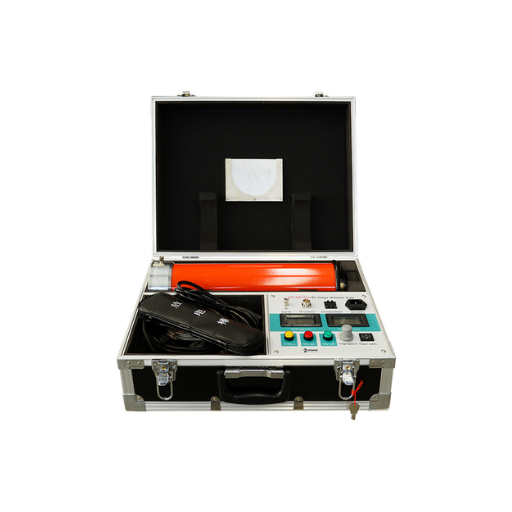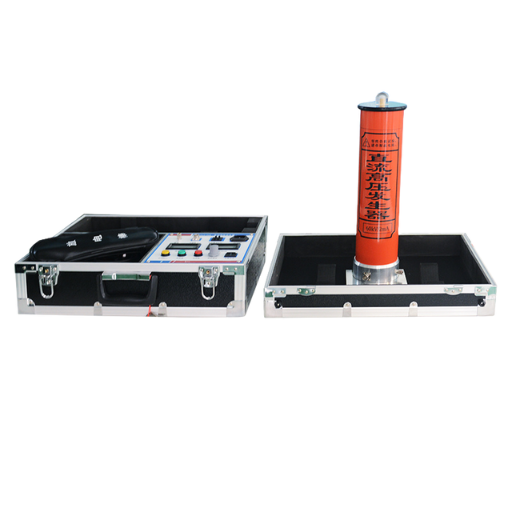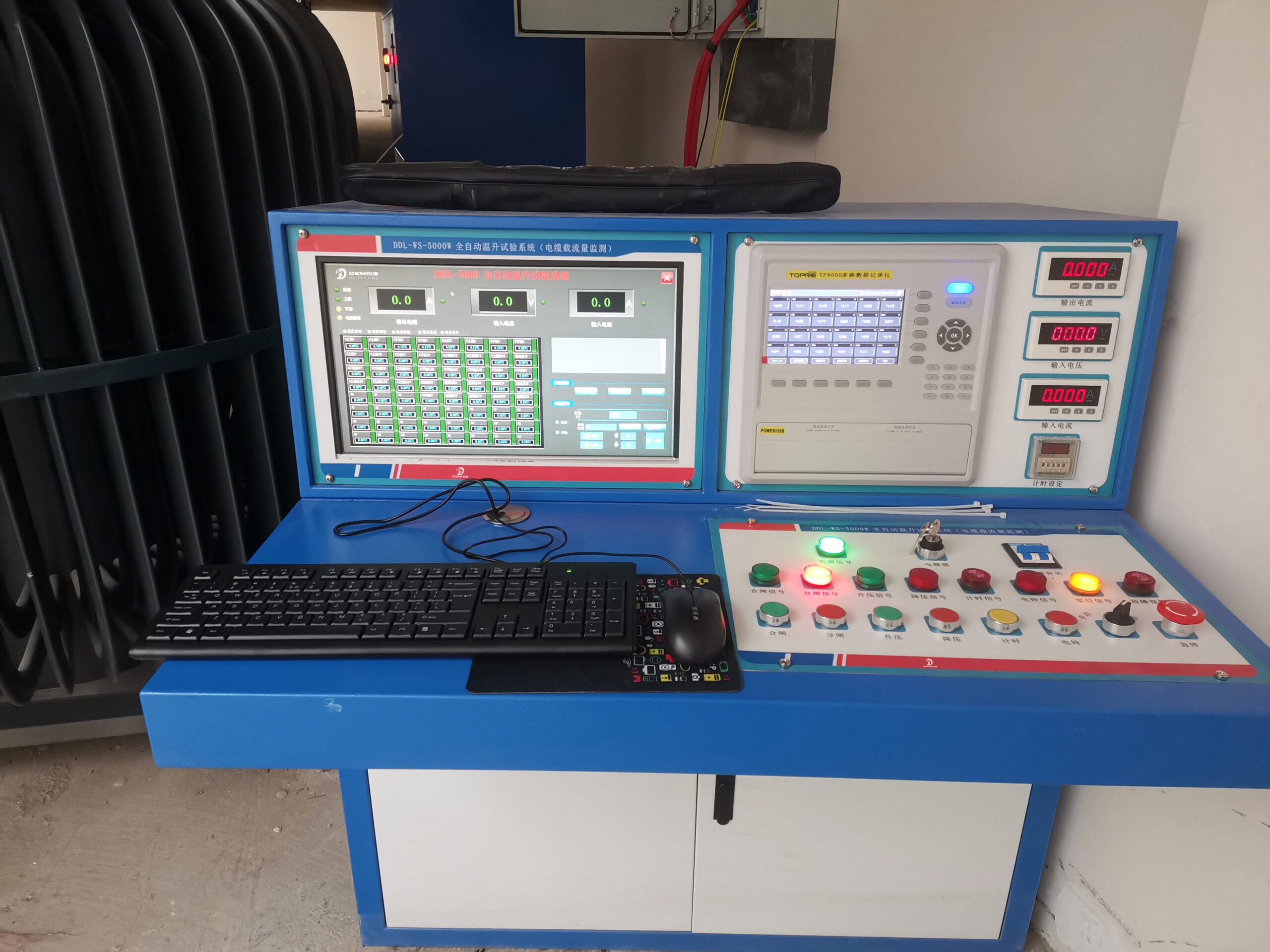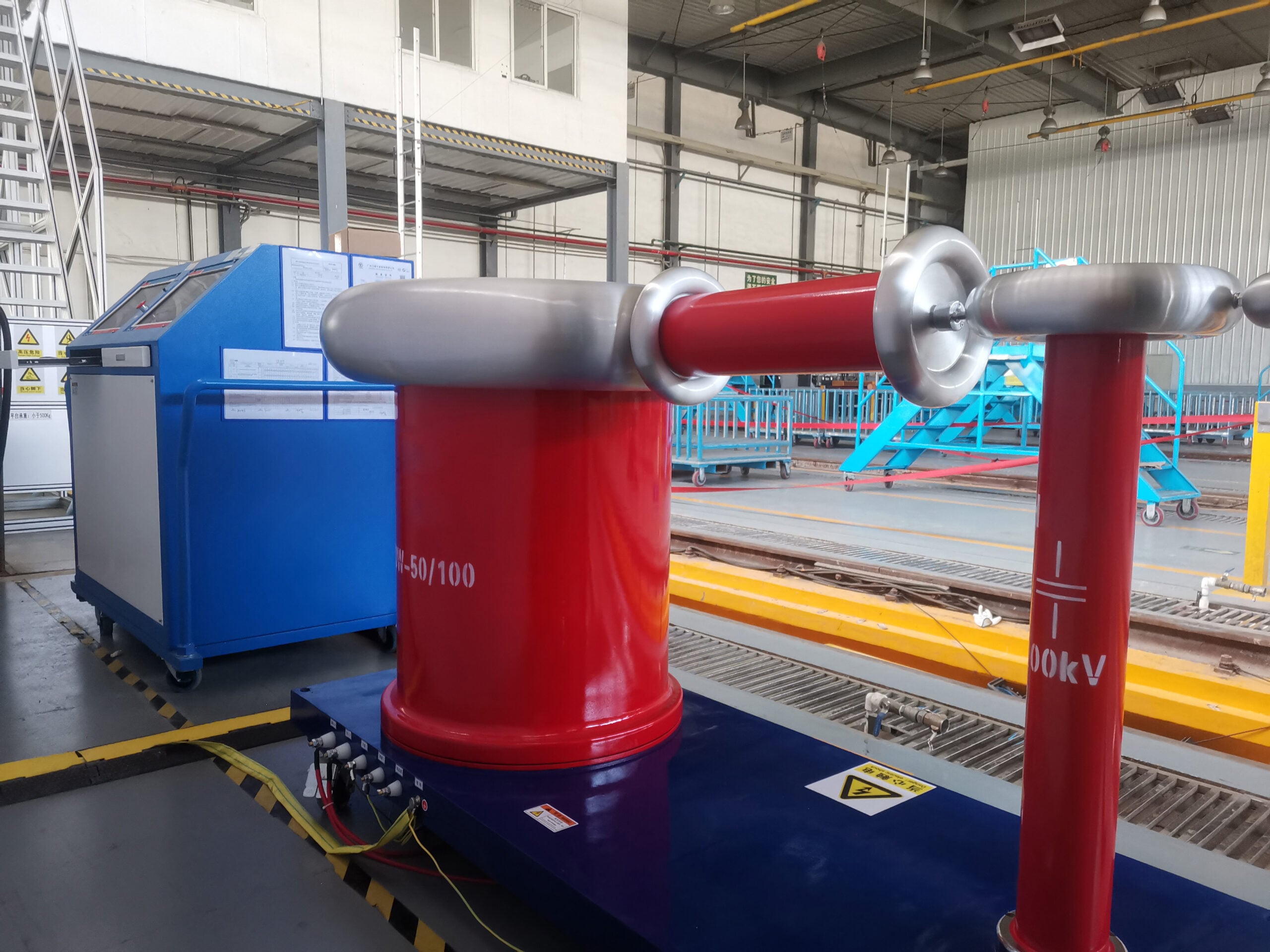
Safety, accuracy, and reliability are paramount when working with high-voltage electrical systems. If we’re talking routine maintenance, diagnosing, or testing for compliance purposes, a good DC High Voltage Tester can indeed go a long way. Selecting the ideal tester can be a bit intimidating, given the numerous options available on the market. Here is a walkthrough to guide you so that you can make an informed choice. We will discuss the essential elements to consider, ranging from voltage range to functionality, and from portability to safety features, thereby helping you find the best equipment for your specific applications. Stay tuned as we cover every detail, and you will surely be ready to acquire your own DC high voltage tester that meets your future professional requirements.
Understanding DC High Voltage Testing

What Is DC High Voltage?
The term “phenomena of very-high-voltage DC” refers to a direct-current electric potential at very high voltage levels compared to that in a typical scenario. This very high voltage in a test setup ensures the de-grossing and insulation performance issues, under heavy-duty conditions, of the components in machines used by the power generation, aeronautical, and electronics industries. High-voltage tests may range from several hundred volts to a few thousand volts, depending on the equipment being tested and the applicable standards.
A few key examples of DC high voltage use include testing cable insulation, checking the working condition of circuit breakers, and ensuring the safety of large-capacity batteries, which have become imperative for growing renewable energy systems and electric vehicle technology. Advancements in technology have, over time, made it possible to develop DC-HV testers that are smaller in size and largely automated, allowing technicians to obtain faster results with far better precision. To perform safe operations and comply with industrial safety standards, it is essential to understand the testing parameters, including voltage levels and insulation resistance.
Importance of High Voltage Testing in Electrical Systems
High-voltage testing becomes a consideration from the outset of designing, maintaining, and diagnosing electrical systems, thereby ensuring safety, reliability, and optimal system performance. As electrical grids and equipment operate at increasingly higher voltages in the present-day scenario, it has become all the more important to test them thoroughly. Therefore, the high-voltage test, being practical, can reveal weaknesses in insulation, leakage current, voltage instability, and the acquisition of conditions and circumstances under which equipment can fail, thereby posing a danger of death or downtime if not detected.
Industry-wise, at any given moment, it is conceivable to conduct high-voltage tests effectively, and thus, insulation resistance and withstand voltage tests will remain part of the investigative mechanism. The insulation resistance test assesses the effectiveness of the insulation. It gives a measurable parameter for evaluating long-term performance. The standard value for insulation resistance is typically one megohm per kilovolt applied; however, some applications may require more than this standard.
Emerging trends concern the use of automated high-voltage test equipment, which, among other benefits, increases testing accuracy and reduces human error in test execution. Real-time data collection and analysis are also features afforded by automated testing, including fail-safe mechanisms to ensure that tests are performed correctly. This reliability in the electrical systems and improvement in safety operations guarantee meet regulatory agency requirements.
Applications of DC High Voltage Testers
Many applications for DC High Voltage Testers span almost every industry, ensuring the reliability, safety, and performance of electrical systems. These are used, among other things, to test electrical insulators and cables to detect faults, partial discharges, or weaknesses in insulators that may jeopardize the system’s integrity. In the power generation and distribution industry, the equipment is used to test transformers, switchgear, and circuit breakers to ensure proper operation under stringent regulatory requirements.
In contrast to the settings of manufacturing and maintaining equipment, which involve high voltage, DC high voltage testers find significant use. They enable precision in testing breakdown voltages and leakage currents, and by doing so, manufacturers assure customers of product quality and reliability before deployment. They are also crucial in solar energy systems, where the tester checks the insulation resistances of photovoltaic modules and interconnecting wiring to prevent energy loss or hazardous failure.
In the aerospace and defense industries, these DC testers are also helpful. They are instrumental in testing avionics systems, satellite components, and other systems where even minimal electrical failures pose considerable risks. They also employ these testers in research and development settings to test experimental electrical components that stretch the limits of present-day technology.
Along with automated data analysis and easy-to-use interfaces, the adoption of advanced testing equipment has made DC high-voltage testers widely adaptable. With an increased emphasis on predictive maintenance and stringent safety standards, these devices are becoming more prominent in ensuring the efficiency and safety aspects of our critical infrastructure remain intact.
Types of DC High Voltage Testers

Digital vs. Analog DC High Voltage Testers
The digital and analog DC high voltage testers serve different needs, with their advantages varying according to the application. Digital DC high-voltage testers are equipped with the latest microprocessor and digital displays, providing precision and ease of data presentation. They may feature automatic calibration, memory storage for test results, and enhanced safety measures for detecting faults in real-time. Such instruments are most suitable in circumstances that require a high degree of accuracy and repeatability, such as advanced manufacturing and research establishments.
In other words, analog-type testers work by physically moving a meter to display voltage readings. In contrast with digital ones that carry many functions, all testers are usually valued for ruggedness, simplicity, and reliability in harsh conditions. Typically, these are used in the field or where power or advanced technical support is limited. They allow continuous viewing perforation, which is suitable for visualizing varying voltage levels.
Choices come down to how automated one wants to get, how much precision is required, or what environment the tests will be conducted in. Digital testers are preferred when speed and accuracy are needed, whereas analog testers remain the more straightforward, reliable, and cost-effective service checking alternative. Both tester types contribute primarily to the safety and application of electrical system services in the industry.
Overview of the PTS Series and DBT Series Testers
PTS Series testers are designed for professionals who require precise and efficient testing of electrical systems across various industries. With a modern digital interface, the testers provide smooth operation with accurate readings of voltage, current, resistance, and continuity. Designed with durability in mind, these PTS Series testers are ideal for harsh environments in industrial or commercial settings. The testers also enable user-friendly interfaces and can be combined with other diagnostic tools for added versatility.
Meanwhile, the DBT Series testers focus on fine-tuning and straightforward features. Widely known as testers for experienced folks, these analog ones remain known for their endurance and reliability. In the most affordable design, it relies on the DBT Series for great value, making it worthwhile by keeping reliability issues in check. High resistance tolerances coupled with fair calibration access would go a great way in assuring precision and repeatability in any routine inspection work.
Both PTS and DBT Series manufacturers uphold the industry’s electrical safety and performance standards while addressing the different operational requirements. These two tester ranges offer a comprehensive range of solutions, suitable for both maintaining and tuning electrical systems, from digital precision and accuracy to analog-based simplicity.
Choosing Between a DC Hipot Tester and a Voltage Detector
The decision ultimately depends on the requirements of each operation, environment, or specific task. Therefore, the understanding of the features, usages, and limitations of each instrument is essential in making a proper choice.
An insulation tester, in short, applies high voltage to electrical equipment and measures its dielectric strength. These testers are ideal for identifying breakdown points, leakage current, or weak insulation, which are in high demand in sectors where electrical safety and standards are paramount. They are widely used in maintenance activities, quality checks, and troubleshooting in high-voltage areas. Because the voltage levels are adjustable and readings are precise, these testers provide a higher level of accuracy and reliability in measuring insulation conditions and thereby assisting in preventive actions.
Conversely, a voltage detector is a more portable tool, primarily set up for quick and straightforward presence checks. These instruments are generally non-contact, allowing for safe identification of live wires without direct connection. Voltage detectors are vital for field installations or repairs, wherein safe electrical conditions must be verified. Their compactness and convenience put them in the spotlight for technicians and electricians who value efficient and easy circuit checking.
For routine diagnostic or preventive maintenance activities in complex systems, an experienced professional is most likely to demand thorough investigation and testing through the DC Hipot tester. On the other hand, when one needs to quickly verify the existence of a specific voltage or isolate a fault in an installation, speed, portability, and ease of operation make the simple voltage detector a class apart. For safe and efficient electrical testing, many professionals combine the efforts of both devices, allowing them to transition seamlessly from highly advanced diagnostics to real-time voltage identification.
Key Features to Look for in a DC High Voltage Tester

Safety Features in High Voltage Test Equipment
The high-voltage test equipment is designed to the highest safety standards, ensuring the protection of the user and the operational reliability of the equipment. The prime safety considerations are:
Overload Protection: This feature prevents damage to both the tester and the tested device by shutting down or limiting voltage whenever excess current or voltage is detected. It is imperative to keep the equipment safe from damage and other accidents.
Interlock Systems: Inbuilt safety interlocks ensure that the device cannot be operated unless preset safety conditions are met, such as elaborate covers being in place or proper grounding being applied. This ensures safe operation and prevents accidental exposure to high voltages.
Ground Fault Detection: This feature rapidly identifies ground faults, ceasing operation of the tester to protect both the user and equipment from potentially hazardous consequences. This feature is most useful in an environment where variable ground quality exists.
Warning Indicators and Alarms: These visual and audible alerts notify users of abnormal conditions such as overload, leakage current, or incorrect connection. The warnings activate to ensure immediate correction and secure one’s safety during testing.
Insulated Enclosures and Probes: High-grade insulated materials are applied to enclosures and connectors to prevent accidental contact with live conductors, ensuring additional safety for the user even during arduous testing.
Emergency Stop: Emergency power-off buttons enable the quick shutdown of power in emergencies, immediately mitigating hazards. Among the momentous features protecting operators is this emergency stop.
Automated Leakage Current Monitoring: This system continuously monitors leakage current values while operating, providing real-time leakage current feedback. Thus, this function point identifies potential insulation defects, if present, without requiring human intervention and ensures both functional and operational safety.
Due to the integration of these safety-oriented features, modern HV test equipment not only meets strict compliance requirements but also enables technicians to conduct thorough diagnoses efficiently and safely. When fully utilized and properly maintained, these indispensable tools can significantly enhance safety in numerous applications.
Accuracy and Measurement Range of Voltage Meters
The accuracy and measurement range of voltage meters are the key factors that govern their usage in various applications. State-of-the-art voltage meters, made with cutting-edge technology, provide readings with an accuracy ranging from ±0.01% to ±1%, which generally depends on the model and the specific voltage meter application. This ensures that the readings are reliable in any low-voltage or high-voltage environment, thereby minimizing potential errors in the diagnosis or testing process.
Voltage meters come in diverse types with a broad measurement range, suitable for all requirements, ranging from residential electrical troubleshooting to industrial power system analysis. A typical instrument can thus detect voltages ranging from a few millivolts to over 1,000 volts. The upper limit range is further extended by high-voltage testing equipment used for heavy applications, such as substations or power grids, which can reach almost 500 kilovolts.
According to their capacity, some voltage meters are equipped with an auto-ranging mode, allowing users to adjust between different ranges seamlessly. Digitally automated voltage meters are often equipped with high-resolution displays that amplify their usability while providing accurate readings and doing so instantaneously under challenging conditions. Developing still further, concomitant improvements in safety offer features such as overload protection, insulated probes, and more, thus making operation usable, efficient, and precise in a variety of critical applications.
Portability and Ease of Use
In contemporary times, all digital voltmeters have been designed with portability and convenience in mind, making these instruments a must-have for both professionals and hobbyists. Lightweight and compact, the meters can be easily taken to work sites and fit snugly in toolboxes or even in pockets. Technology-wise, the meters have all the necessary features to keep them fully operational in any environment, despite their smaller size. With such a meter might come a user-friendly design and anti-slip grips, allowing one to comfortably hold the meter, perhaps even for extended periods of use in demanding environments.
Moreover, with the digital voltmeters, the manufacturers have attempted to provide user-friendly interfaces that are easy to navigate and operate. Easy-to-understand controls, featuring auto-ranging capabilities, significantly reduce the need for manual settings, thereby creating greater convenience for both tech-savvy individuals and beginners alike. Then, of course, the backlight serves well in environments where proper lighting does not exist, while better battery economy increases runtime, thereby reducing activities that interrupt the very work at hand. All of these features together make it clear how modern voltage meters have become a marriage of convenience and state-of-the-art technology that the user can depend on to deliver performance efficiently and effortlessly in any application.
How to Use a DC High Voltage Tester Safely

Preparation Before Testing
Perfect preparation would provide safety and accuracy during testing with a DC high-voltage tester. First, examine the apparatus and accessories for outwardly apparent damage, such as worn insulation on wires, cracks in the probes, or loose connections in terminals. Damaged equipment compromises the accuracy of tests and poses a risk to one’s safety. Also, verify that the voltage range of the tester being used corresponds to the voltage of the system or the device under test; overstating the limits will damage the instrument or cause hazards.
Before connecting the tester, the researcher must verify that there is no moisture present and that the area is well ventilated to prevent electrical arcing or overheating. The researcher must wear personal protective equipment (PPE), such as insulated gloves, safety glasses, and flame-resistant clothing, in case of a severe electrical discharge. It is also good practice to double-check all ground connections to maintain a stable environment and minimize the risks of electrical shock. Following these steps will ensure the safety of the person performing the testing and guarantee reliable and precise testing results.
Proper Testing Procedures
Performing the exact testing procedures requires an electrical environment, with a systematic approach and organization. Equipment specifications, testing requirements, and operational limits are identified and documented before testing, ensuring precise alignment with safety regulations and performance requirements. Testing equipment should be calibrated and certified against standards to ensure accurate results. Where discrepancies occur, they should be applied to minimal differences.
Any visual inspection or checks for obvious defects or irregularities should be considered the very first step in the testing process. Diagnostic testing may follow these checks, such as insulation resistance, continuity testing, or performance tests, depending on the functions and requirements of the equipment being tested.
Periods of logging test data in a detailed report format include measurements and parameters of the environmental conditions, as well as any anomalies observed during the process. Finally, conclude by analyzing the captured data, verifying its conformance to standards, and identifying areas of concern or deviation that require further clarification. Modalities effectively incorporate safety and compliance, thereby ensuring the reliability of testing results.
Safety Measures After Tests
Post-testing safety is equally important to the process itself. Deactivate all equipment and ensure that all hazardous materials are either contained or disposed of in accordance with industry standards. Also, thoroughly inspect the entire test area for any potential hazards that could arise from equipment malfunctions or leaks, and document the findings for future review. Store all tools and test components properly in their allotted spaces to prevent accidents and ensure they are not lost.
Look for changes in equipment performance or structural integrity during the test, as these may indicate fundamental problems that require rectification. The observations should be discussed with other appropriate team members; this will highlight any potential remedial areas during later procedures. Ultimately, safety logs and documentation must be updated to record any incidents or near misses. This comprehensive approach secures the present environment and serves as a solid foundation for a uniform safety culture shortly.
Top Brands and Models of DC High Voltage Testers

Leading Manufacturers of the Market
Regarding the leading manufacturers in testing DC high voltages, I would like to mention a few that are known for their innovation and production of high-quality, highly reliable equipment. Megger, Hipotronics, and Haefely remain famous in this area, and through their comprehensive equipment lines, they address a broad spectrum of testing requirements. Megger, being the leading company in advanced diagnostic solutions, could hardly compromise on durable design for either field or laboratory work. Their testers are very easy to use and provide an accurate set of measurements, making them a preferred choice for professionals dealing with electrical systems.
Hipotronics, a part of Hubbell, has carved out a great name in the high-performance, high-voltage test generator market. These companies can provide testers that are fully compliant with international safety standards, guaranteeing reliable results and safeguarding the operator. Haefely, again part of the Hubbell High Voltage Test Group, boasts the most up-to-date solution, with a focus on precision and the strength of its design. These systems are well-suited for use in industrial and research applications, providing advanced features that enhance the ease of use and reliability of the testing process.
Besides, manufacturers like Tettex and ARTECHE further enrich the field with specialized market products tailored for narrow applications, such as insulation testing or partial discharge analysis. These brands uphold the highest engineering standards to offer tools that help in precise diagnosis and efficient maintenance of electrical systems. From compact devices for routine testing to sophisticated equipment for critical applications, these companies provide trusted and high-quality solutions that keep pace with market demands.
Comparing Features and Prices of Popular Models
When comparing the features and prices of popular testing equipment models, I often focus on their specific functionalities, ease of use, and overall value for money. For example, compact testers for routine jobs are priced on the more affordable side and are generally appealing to those with limited budgets or minor test requirements. These models are simpler in interface and provide core functionality, such as measuring insulation resistance at a basic level, which proves sufficient in a general electrical maintenance context. Advanced types, on the contrary, come at a steep price but provide an ultimatum to your precision and flexibility; an example of which is the partial discharge testers or multi-function testers, which are applied in mission-critical roles where the operational reliability depends largely on in-depth diagnostics and reports on data.
As far as pricing is concerned, entry-level Gurus from reputable makers generally cost between a few hundred dollars and about a grand, thus remaining priced accordingly to quality. On the other hand, the more premium TF models, equipped with the latest technology or newer additional features such as wireless connectivity or advanced analytics, fetch prices that soar to several thousand dollars. Yet, the investments will be justified because of what these systems save in operational time and efficiency for teams and large-scale industries. I tend to compare the specs side by side to determine if the tools meet my specific needs sufficiently to warrant the extra cost of the premium model. Thus, financing and return on equipment are balanced in deciding on models.
User Reviews and Recommendations
When it came to choosing the right model for me, my decision-making process was heavily based on user reviews and recommendations. Hearing firsthand from other users about their experiences helped me understand how the equipment performed in real life and whether it would suit my particular use case. For instance, users will often divulge information about ease of handling, and maybe about durability, or in some cases, where things stopped working differently than advertised, the kinds of disclosures you won’t ever find in the manufacturer’s spec sheet. At other times, reviews might acquaint me with the usual high points and drawbacks, thereby allowing me to consider the merits of a particular model along with the disadvantages that may come with it.
An observation I’ve had is that top-tier units tend to perform better in reviews for advanced features and reliability. Users indeed emphasize the long-term value, especially if the unit is to be used in a larger setup or an industry where efficiency is crucial and downtime can result in significant operational losses. On the other hand, frugal buyers would recommend mid-range models, as they are just as well-equipped for the job at a more affordable price. In the end, these were competing concerns that meant balancing the long-term value, in terms of additional features and reliability, that a premium model would bring against what was available to finance at the onset.
There are many reasons why one should spend time studying user reviews and seeking recommendations from peers who operate in their industry or use a comparable workflow. Red flags and concerns that are not typically visible in the product description can be brought to the forefront with the help of this approach. It also helps to ensure that the choice yields the best possible return on investment. Merging this with your assessment of needs will result in an informed purchase decision that you can be confident about.
Reference Sources
-
Choose the Right High Voltage Tester Based on the Purpose – Udeyraj
Discusses key considerations, such as voltage range and accuracy, when selecting a high-voltage tester. -
High Voltage PTS-37.5 DC Hipot Tester – JM Test
Provides details on DC hipot testers, including their features and applications. -
PTS Series Digital Manual – HV Inc
A comprehensive manual on the features and safe operation of high voltage test sets. -
How to Select a DC High Voltage Generator – Transformer Tester
Explains factors such as ripple factor and current measurement for selecting a DC high-voltage generator. -
How to Choose Between AC and DC Hipot Testing – Ikonix Asia
Compares AC and DC hipot testing, highlighting factors like accuracy and output power.
Frequently Asked Questions (FAQs)
What is a DC high voltage tester and what are its applications?
A DC high voltage tester is an instrument used for checking insulation resistance and dielectric strength in electrical equipment. It passes a high DC voltage through a device to test its ability to withstand electrical stress. Typical applications include testing cables, transformers, and other high-voltage electrical equipment. These testers may have warning alarms, either audible or visual, to alert users to potential issues. These are required to ensure that the electrical systems are reliable and possibly to prevent failure when the electric load is in operation.
How does a digital high-voltage tester operate?
A digital high-voltage tester operates by producing a predetermined DC voltage and applying it to the insulation of electrical devices. It measures the leakage current that flows through the insulation when voltage is applied, thus giving a digital display of the insulation resistance. A tester like this is usually ruggedly built to withstand rough usage in risky environments. A digital tester offers the option for data logging and analysis, making the fixture a highly effective tool in the hands of engineers and technicians. When using the digital tester, it is essential to take safety precautions to ensure error-free and safe operation.
What are the key features of a DC hipot tester?
A DC hipot tester is specifically designed for high-voltage insulation testing. Features of such instruments that test insulation generally include variable output voltage, high-accuracy measurement, and rugged construction for use in harsh working conditions. Many models typically offer options for automatic discharge and programmable test sequences, providing ease of operation. In addition, most models have an interface that includes a clear display, allowing for easy reading of results, a key consideration when it comes to testing. Moreover, built-in safety features, such as current limiting and shrouded housing, provide additional confidence in the reliable operation of the instrument.
What separates a high-voltage tester from a voltage detector?
A significant difference between a high-voltage tester and a voltage detector is their intended use and application. High-voltage testers, such as DC high-voltage testers, are used in insulation tests and for determining the dielectric strength of equipment. The voltage detector detects the presence of voltage without touching the electrical system. Voltage detectors are generally non-contact instruments, making them perfect for safety checks before working on any electrical circuits. Both of these instruments are essential for electrical maintenance, but serve different purposes in the testing and verification process.
How do you perform insulation resistance testing using a high-voltage tester?
During insulation resistance testing, the initial preparation involves verifying that all calibration procedures have been completed for the device and that safety precautions have been implemented. Connect the leads of the tester to the equipment to be tested, ensuring the contacts are firmly held together. Set the tester to the desired voltage value, typically within the standard range used for measuring an equipment’s voltage rating. Start the test and observe the display for the insulation resistance reading, which serves as a measure of the insulation quality. Following the test, disconnect the tester and hold the equipment only after the stored charges are released. Keeping a record of the test results will be crucial for future reference and compliance.
Compare the advantages of the DC hipot tester with those of the AC voltage tester?
Using the DC hipot tester can be advantageous in several ways when compared to its AC counterpart, especially for performing insulation tests. The DC testing process provides steady voltage levels and facilitates more explicit judgments concerning the status of the insulation. There may be weak points in the insulation that become apparent under DC testing, which can be canceled out in AC. Since many devices for high-voltage electricity operate in DC, a DC hipot tester is better suited for certain types of testing. A DC hipot tester also typically features special functions, such as adjustable voltage output and additional safety measures, thereby providing a versatile and reliable tool for electrical testing.


![Partial Discharge Test Equipment: Types, Selection & IEC 60270 Guide [2026]](https://demikspower.com/wp-content/uploads/2026/05/0-10.webp)

![What Instrument Is Used to Measure Temperature? [2026 Guide]](https://demikspower.com/wp-content/uploads/2026/05/0-8.webp)