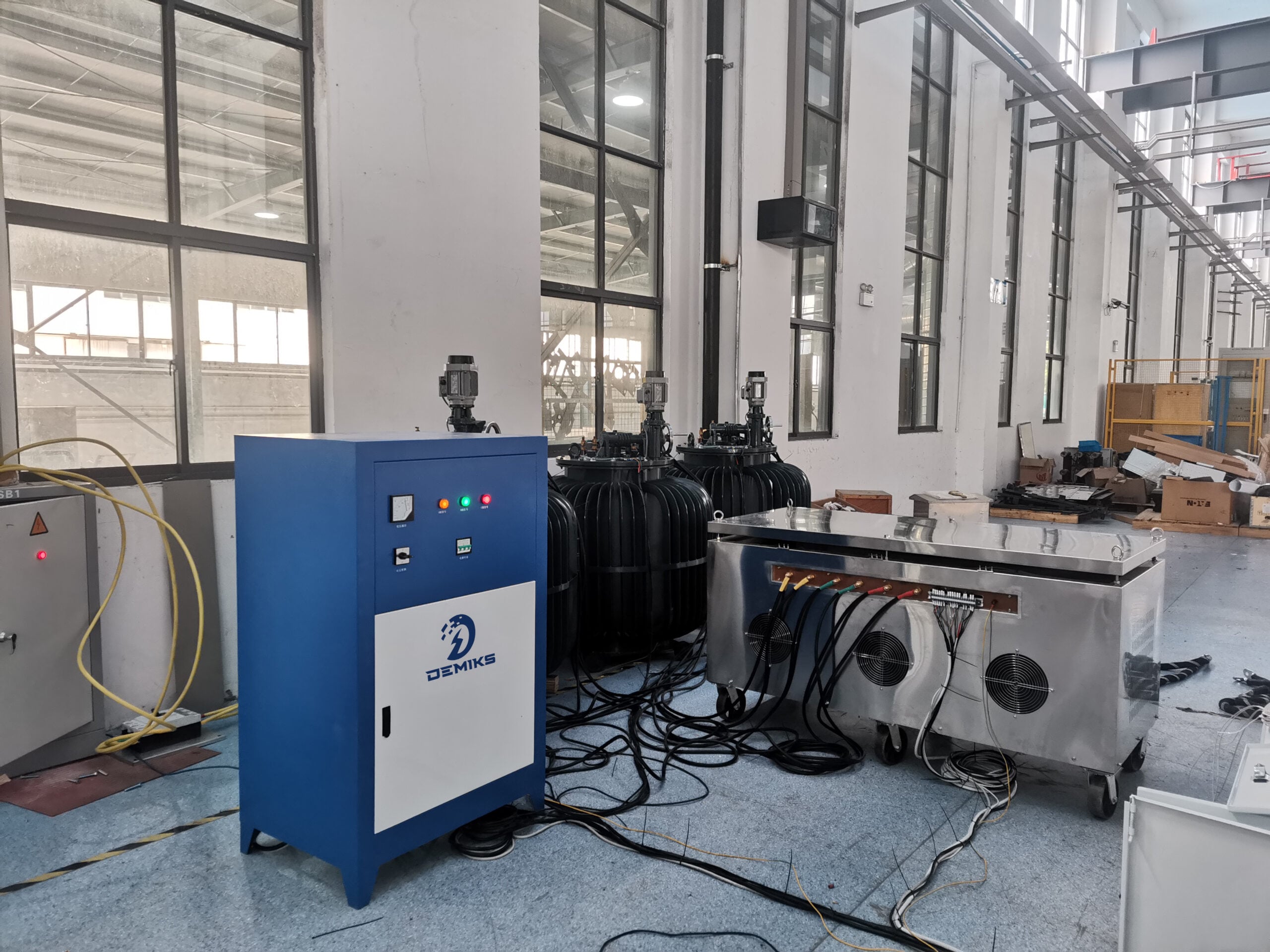
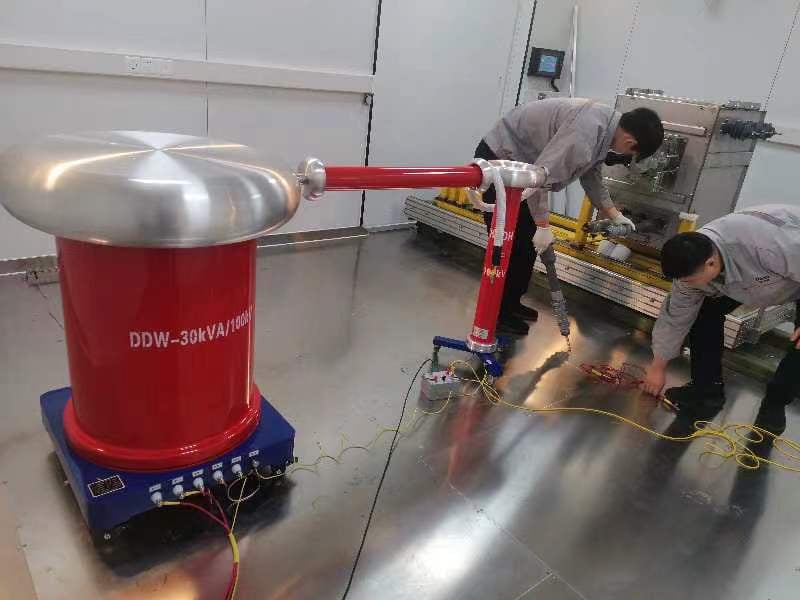
High-voltage testing is an essential practice to ensure the safety, reliability, and functionality of electrical systems. A 33kV high-voltage tester is required for fault detection, insulation verification, and ensuring compliance with safety standards during power distribution or plant maintenance. However, working with such a powerful piece of equipment is an art that requires skill and knowledge, operating by best practices. This book will guide you through the entire process of working effectively with a 33kV high-voltage tester. From understanding the key features of the tester and safe operation methods to common testing scenarios, we will provide you with the necessary knowledge and confidence to utilize the tester to its full potential. This article serves as a one-stop package for ensuring your testing is precise and safe—whether you are an experienced professional or just starting with high voltage testing. So, keep reading to learn practical tips, tricks, and industry best practices that will help you integrate high voltage testing smoothly into your workflow.
Understanding High Voltage and Its Measurements

What is High Voltage?
A high voltage is generally considered a high potential difference, varying from 1,000 volts for AC to 1,500 volts for DC, with such variations depending on the standards and requirements of each industry. High voltage is used in power transmission systems, industrial apparatuses, and testing situations to transmit considerable amounts of energy. From a hazardous point of view, high voltages can cause arcs in air, failure of insulation, and pose a danger to human life and property; thus, specialized equipment, safety procedures, and expertise are required for handling them.
Factors such as the amount of insulation needed and the produced ionization between conductors determine whether a voltage is considered “high” or not; thus, voltage classes tend to vary with the application and usage, and are commonly categorized as low voltage, medium voltage, and high voltage. Hence, one can see that high voltage is required to transmit power over long distances efficiently, as losses of energy increase with the decrease of such voltage levels. A sound understanding of the fundamental characteristics helps engineers or technicians design systems that are safer and more reliable for the specific use in question.
Importance of Voltage Measurement
Voltage measurement is crucial in electrical engineering and daily life, ensuring performance, safety, and efficiency. It, for instance, assists in determining voltage fluctuations, overvoltage, or fault conditions on the lines of a circuit, which may damage equipment or cause a system failure. Reliable voltage measurement results are essential in the distribution of power, renewable energy systems, and industrial automation.
In recent times, the trend in voltage measurement technologies has tended toward more integrated and digital solutions. In this respect, smart sensors and IoT-enabled devices can provide real-time monitoring, enabling users to easily detect deviations in voltage parameters. The other advantages are that such technologies improve energy efficiency by analyzing the collected data, and engineers can implement corrective actions.
Types of Voltage Detectors
Voltage detectors are indispensable instruments, used in different companies to ensure the safety and reliability of electrical systems. They come in several types, each designed for particular applications and operational requirements. Below are some of the significant types of voltage detectors:
Non-contact Detectors: Since these are easy to use and safer than contact-type detectors, non-contact voltage detectors are the most commonly used. These devices indicate the presence of voltage without direct contact with the electrical source. They are useful when you want to rapidly inspect and check live wires, outlets, and circuit breakers. Modern non-contact testers include variable sensitivity settings and LED indicators for better accuracy.
Contact Voltage Detectors: In contrast to non-contact voltage detectors, contact voltage detectors require a direct connection with a conductive surface to measure the voltage accurately. They are typically used when exact readings are necessary, such as in industrial settings or delicate work on electrical systems. These units usually come in probe format and may provide functionalities such as polarity testing and continuity checking.
Multifunction Voltage Detectors: Multifunction voltage detectors are designed to have features of both contact and non-contact types. They cater to the needs of professionals who require versatile kits capable of handling a range of tasks. Most of the time, multifunctional detectors include features such as voltage selection, resistance measurement, and even a flashlight for illuminating dark areas while working.
High Voltage Detectors: Made for industrial use, these types of voltage detectors can detect voltage levels in high-energy systems, as substations and transmission lines. They often feature extended insulation and other controls to provide for operator safety during use.
Digital Voltage Detectors: These types of detectors utilize modern advancements to measure line voltage with high accuracy and in real-time. Their LCD can provide extraordinary clarity to the user when observing the readouts. Advanced models may have a wireless capability to automatically send data to data-logging facilities for analysis and reporting, thereby enabling more intelligent energy management.
By understanding the types of voltage detectors and their applications, one may select instruments that help improve electrical system safety, diagnose problems, and fine-tune maintenance strategies.
High Voltage Tester 33kV: Features and Specifications
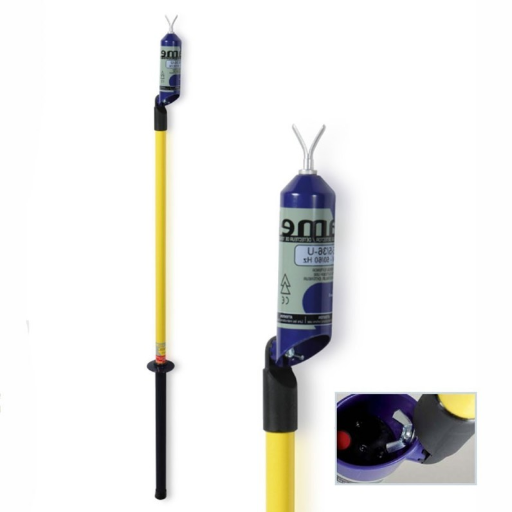
Feature Summary of 33kV Testers
High Voltage Detection – The 33 kV tester detects the presence of high voltage in systems operating at voltages of up to 33,000 volts, thereby protecting personnel and equipment during maintenance or inspections.
Durability and Build Quality – These testers are made of strong, insulated materials that can resist even harsh weather conditions to deliver reliable performance, much like in industrial or outdoor settings.
Audible and Visual Alarms – Loud alarms and bright LED indicators ensure that indicators of voltage presence are not missed, even in noisy environments or those with reduced visibility.
Extended Reach Compatibility – Most 33kV testers allow the use of an insulated extension rod for operations from a distance, keeping operators safe who work close to live high-voltage systems.
Lightweight and Portable Design-Being compact and light, these offer ease of handling, transportation, and use, thereby reducing fatigue during extended operations.
Self-Test-Inbuilt self-test features enable the tester to verify its functioning before use, ensuring it always performs properly and detects voltage with utmost accuracy.
Wide Operating Temperature Range-These operations require reliability within different temperature ranges, so they must be suitable for a variety of climates and industrial environments.
Complying With Safety Standards-33kV testers conform to international safety standards like IEC 61243-1, ensuring that these devices possess high-grade insulation and reliable operation under high voltage conditions.
The integration of these cutting-edge features in 33kV testers provides the most effective means to detect voltage presence while ensuring operator safety in the field, while also meeting high-level standards in functional requirements.
Comparison of 33kV Voltage with Other Voltage Ranges
When evaluating the 33kV voltage range, it is essential to learn how that compares with lower and higher voltages in terms of its application, safety, and efficiency. Lower voltage ranges typically are for localized power distribution; thus, smaller networks within urban and Semi-Urban areas are characterized by shorter transmission distances and power option requirements. Nevertheless, lower voltage levels may experience a considerable loss of energy during transmission over long distances and are therefore inefficient for wide-range power networks.
Conversely, voltage levels above 33 kV, such as 66 kV and 132 kV, are primarily used for the long-distance transmission of electricity and to meet high-capacity industrial requirements. The higher the voltage, the fewer the losses in power lines, and the efficiency of operation and energy delivery increases. With a higher voltage level, more load can be handled. Higher voltage ranges, however, require significant costs and are also complicated in terms of infrastructure. They involve bigger equipment with higher insulation standards. These may not be favorable for a load in the middle range.
This level of voltage strikes a balance between efficiency and ease of use. It is generally applied in mid- and small-scale industrial works, transmission across regions, and substation connections. It achieves a level of energy efficiency greater than 11kV, yet comes short of the grandeur in setup costs and infrastructural complexity that define ultra-high voltage levels. Given this, 33kV finds applicability across diverse industrial domains and utilities, wherein it becomes necessary to strike a balance between operational efficiency and costs, especially on occasions where mid-range power requirements moderately align with its capacity.
Safety Standards for High Voltage Testing
Depending on the specific applications of electric equipment, various types of tests will be performed during the design and manufacture of the equipment. High voltage tests, in particular, are desirable for confirming the safe operation of electric equipment under hostile voltage conditions.
Standards are therefore specified to ensure the safety of personnel, taking into account all relevant considerations, including the insulation of equipment, grounding procedures during testing, and working conditions to prevent unsafe practices.
For hazard minimization, personnel involved in testing must wear protective gear as specified in all relevant standards. OSHA requires insulation gloves and boots, and restrictions must be established to maintain safe distances from energized parts. Equipment has to be properly earth-grounded; otherwise, stray voltage may build up during the test. The test location must be barricaded and marked to prevent unauthorized access.
Globally recognized standards, such as ISO/IEC 17025 for testing and calibration laboratories, EN 50191 for electrical test stations, and ANSI/IEEE guidelines for high-voltage testing, dictate general protocols to be adopted when performing these tests. For example, insulated test cables must be provided, as well as an automatic discharging system to ensure that any residual charge is discharged after the test. Good practice includes the maintenance and calibration of measuring equipment to ensure the accuracy of measurements, as well as working safely.
With the implementation of the above standards and procedures, the industry can work more safely and in compliance with regulations, which ensure the integrity of electrical infrastructures.
How to Use a High Voltage Detector

Step-by-Step Guide for Using a 33kV Tester
The operational procedures concerning the 33kV tester can only be performed with safety measures in place and a thorough knowledge of the test being conducted. The following are the pertinent steps in the guide to safely and accurately operate a 33kV tester:
Preparation and Inspection: The tester must be checked and calibrated before use. Fouls in the insulation of the tester must be checked, as they may interfere with its performance. All accessories must also be checked and firmly attached, including connectors and leads.
Ensure PPE Checks: Ensure that high-voltage insulated gloves, safety boots, and eye protection are worn at all times. All safety consideration measures shall rank according to the voltage level under test.
Confirm Power Isolation: To prevent damage to the test equipment or circuit, ensure the surroundings are de-energized to avoid electrical accidents. Follow this with visual confirmation of the isolation, checking with a voltage-detection device to confirm there is no residual current.
Position the Tester: Position the 33kV tester with care in the vicinity to be tested, such that accidental contact with anything live is minimized. Use an insulated stick to maintain distance, or any other necessary tools.
Conducting the Voltage Test: Activate the tester according to the manufacturer’s instructions. Continue bringing the probe near the test point, monitoring the indicator or display. Handle with steady movements; sudden movements may affect reading accuracy.
Interpret the Results: Read and interpret the output provided by the tester, whether it is visual or audible, depending on the device’s design. A sufficiently high output voltage reading indicates that the circuit is live, while no output signifies that the equipment is already de-energized.
Discharge the Equipment: For safety, an undischarged electrical charge might remain in the tested equipment. This residual charge should be earthed before any work begins. Failure to do so might cause an accidental shock; therefore, it only guarantees a safe working environment.
Store the Tester Properly: Once all work has been completed, switch OFF the 33kV tester. Clean it if it’s dirty. Store the equipment in its case to keep it protected from moisture, dust, and any kind of damage, ensuring it will be ready for use next time.
Following this methodical approach, a professional can utilize a 33kV tester in high-voltage applications efficiently and safely to the accuracy and safety standards.
Best Practices for Safe Operation
When working with high-voltage equipment, including a 33kV tester, it is essential to adhere to best safety practices to ensure the integrity, safety, and optimal performance of the equipment. Following essential safety guidelines will secure the working environment:
Conduct a Pre-Use Inspection: Before using the tester, a thorough visual inspection must be carried out to check for damage, such as frayed wires, cracks, or any visible signs of wear and tear. Moreover, check all functions to ensure the equipment is working correctly and remains within its calibration date; otherwise, an operational error may occur.
Check Calibration Validity: High-voltage testing equipment must be calibrated at regular intervals to ensure the accuracy of its readings remains intact. Maintain the calibration certification and bring the equipment back for periodic recalibration with a recognized technician, ensuring it is aligned with the established industry standards.
Utilize Appropriate Personal Protective Equipment (PPE): Use insulated gloves, footwear, and other protection rated for high-voltage tasking. The proper use of PPE significantly reduces the likelihood of situations where testing may result in an electric shock.
Establish a Safe Testing Zone: Create an area that is clearly defined as a testing zone, ensuring no unauthorized persons are present. Proper warnings and barriers must be in place, serving as visual indicators to prevent others from entering potential danger.
Grounding Practice: Ensure that both the apparatus and the equipment under test are grounded adequately before initiating the test. If inadequate grounding exists, an electric arc may occur, resulting in unstable readings and a significant risk to both the operator and the equipment.
According to Manufacturer Instructions: Test the apparatus as prescribed in the manufacturer’s instruction manual, lest one intends to misuse or wrongly test the measuring device. The correct use and adherence will ensure that the apparatus functions according to its specifications.
Storage and Protection: Keep the 33kV testing device clean and store it properly in its case after use. Avoid severe environmental conditions that could hinder its adaptation to use, such as areas with high moisture content and direct sunlight.
Regular Training and Updates: Gain time by updating everyone on new safety procedures or the latest workings of the device as they develop, so that all operators handle the 33kV altester safely. Keeping the training materials periodically evaluated thus renders the user more competent and minimizes risks being introduced.
In combination, these measures will enable professionals to make the best safe application of 33kV testers, ensure conformance to industry regulations, and minimize hazards along their path. These practices provide a balanced combination of safety, operational functionality, and efficiency in a high-voltage environment.
Common Mistakes to Avoid
When working with 33kV testers, it is essential to recognize common pitfalls and avoid them, as they can compromise safety and accuracy. One standard error is neglecting to inspect the testing equipment before using it correctly. Damaged cables, loose connections, or worn-out components may yield erroneous readings and/or pose a safety risk. Being lax about performing periodic calibration of the tester will only render deviations of instrument readings from the specified tolerances unacceptable and thus unreliable.
Another serious error is failing to follow standard operating procedures or the latest safety instructions. Most incidents occur due to a lack of training or a misunderstanding of the device’s correct functioning. Operators should always be well-informed about the working mechanisms of the equipment and the standard industry protocols.
Lastly, the use of testers under environmental conditions such as high moisture or extreme temperatures should be avoided, as they tend to undermine the performance of the tester and pose a safety threat. Using a tester under non-approved conditions increases the likelihood of a fault occurring and also reduces the instrument’s efficiency over time. Acknowledging these mistakes and taking preventive actions against them is vital for all professionals engaged in testing high-voltage systems to uphold sound and accurate testing practices.
Related Products and Accessories
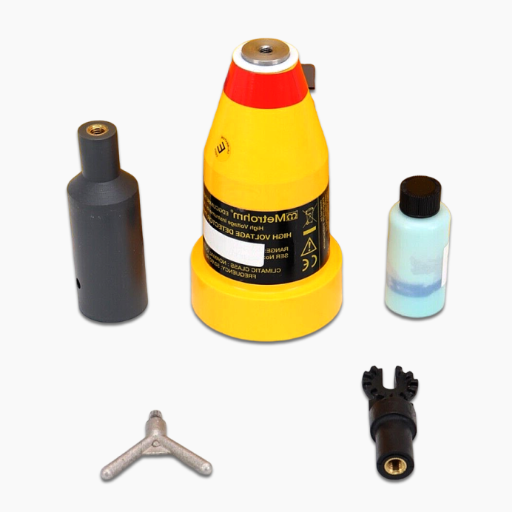
Other High Voltage Detectors
Voltage detectors come in various designs to provide users with the best versatility for their different applications. With the recent development of non-contact detectors, voltage presence can now be tested without physical contact, thereby enhancing the safety dimension for the operator. These devices often incorporate LED indicators, audible alarms, and ergonomic designs for ease of operation, making them suitable for fieldwork or use in various industries.
Some models with displays can be used in field applications, displaying readings as actual voltages during testing, thereby satisfying the need for measuring accuracy. Another type consists of compact, portable pen-style detectors, which come in handy for quick inspection jobs to determine voltage presence, even in restricted areas.
The specialized high voltage detectors are also used for detecting voltages in overhead power lines, underground cables, and other high-risk environments. These sophisticated instruments typically have extended range detection capabilities, are weatherproof, and operate in extreme conditions, thereby meeting safety and compliance parameters.
By merging good technology with usability, modern high-voltage detectors ensure that electricians and technicians operate with full safety and confidence.
Key Accessories for High Voltage Testing
High-voltage testing necessitates a careful and safe procedure, employing reliable accessories that ensure accuracy and adherence to industry standards. Below, some vital accessories are mentioned that help efficiently and safely conduct high voltage testing:
Insulating Gloves: Insulating gloves are essential from a safety perspective for technicians working with high-voltage equipment. These gloves protect one from receiving electrical shocks; hence, they are made of insulating materials and are categorized according to the voltage level. They need to be tested and maintained periodically to ensure they remain reliable.
Grounding Clamps and Cables: Grounding clamps and cables discharge residual currents and minimize the risk of an accidental electrical arc. A stable grounding path is provided, thus protecting equipment and people. Numerous models are available, many having a heavy-duty body and adjustable clamps to fit a variety of testing situations.
Portable Safety Barriers: Safety barriers help establish a secure testing zone, keeping unauthorized personnel at a safe distance from high-voltage equipment. These portable safety barriers are lightweight and easy to deploy, with bright colors or warning signs to maintain visibility.
Voltage Probes and Leads: High-quality voltage probes and leads perform accurate measurements during tests. These components feature rugged insulation and precise connectors to preserve signal integrity while withstanding the demands of high-voltage applications.
Portable Insulation Platforms: These insulation platforms assist technicians in safely operating in high-voltage situations, reducing the possibility of ground potential or stray current. These platforms are constructed from high-strength dielectric materials for enhanced stability and improved isolation.
Test Adapters and Couplers: Adapters and couplers extend the compatibility of test equipment for different applications. They smoothly couple the test device to the equipment under test for both accuracy and flexibility during complex setups.
Together, these accessories help facilitate high-voltage testing that is both safe and compliant, while offering increased reliability, precision, and efficiency throughout the entire procedure. Investing in high-quality tools and accessories tailored to your specific needs ensures safety and success for years to come.
Where to Buy High Voltage Test Equipment
A trusted supplier is essential when searching for high-voltage test equipment, ensuring that the instruments you receive are durable, precise, and compliant. Most manufacturers fulfill stringent industry standards, offering a wide range of products that include voltage testers, voltage probes, and insulation measurement instruments. Verify if they have an established record of quality and safety certifications, and if they are responsive if you require their assistance.
Top suppliers include product specifications to the last detail, offer a sound technical support system, and a warranty to protect your investment. Customized solutions will also be provided, depending on the testing needs, with consideration for the industry, which may include energy, automotive, or telecommunication, among others. Factors like prices, reviews, and after-service will contribute to making an informed choice, but the main decision will still be based on the one that assures reliability and efficacy.
Inspection and Maintenance of High Voltage Testers
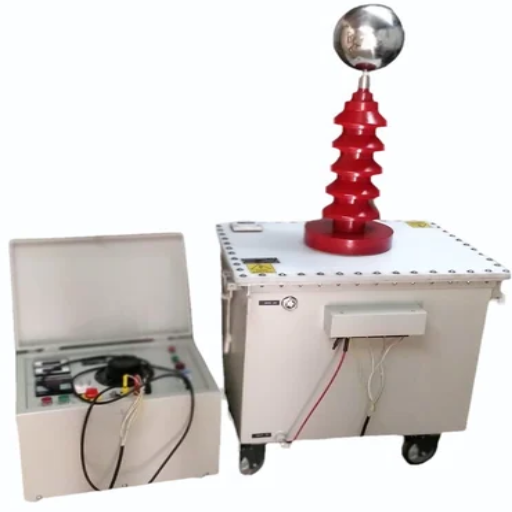
Regular Inspection Protocols
The regular inspection of high-voltage testers involves a thorough and systematic approach to ensure maximum efficacy and safety. First, the manufacturer’s instructions should be reviewed, as they typically provide the inspection intervals and areas of concern. These instructions highlight the common wear points, calibration requirements, and handling practices. By adhering to the manufacturer’s instructions, I resolve existing problems before they become significant issues, thereby ensuring the manufacturer’s reliability in critical applications.
Inspection protocols typically involve checking for significant damage and defects. The most common types of damage that I am vigilant about during inspection are frayed cables somewhere along their length, loose connectors, and physical damage to the housing or components. Then I run standard calibration tests on the equipment under inspection, check its results against benchmark values, and if I find any discrepancies, I have the equipment recalibrated immediately. I also verify the operation of the tester under various load conditions to ensure it functions as intended at all specified load ranges. A routine includes equipment cleaning, as dust and debris can cause trouble with performance.
Another necessary element of my inspection routine is precise record-keeping. By storing records of the inspections carried out, including findings, corrective measures, and the results of testing with equipment, I ensure a transparent historical record of the equipment’s condition and performance. This primarily facilitates planning for long-term maintenance, while also ensuring conformity to all relevant industrial regulations and safety standards. My primary goal is to maximize accuracy and safety, and these measures are taken seriously in every inspection cycle.
Maintenance Tips for Long Life
I believe in aiming for equipment optimization through preventive maintenance and ongoing upkeep throughout the equipment’s life. The simplest way to ensure the equipment’s performance is not impaired by dust, dirt, or buildup is to get into the habit of regularly cleaning it. I perform maintenance checks according to the service schedules recommended by manufacturers, to address concerns of wear and tear before they become serious. This type of maintenance reduces unexpected downtime and significantly increases the equipment’s life expectancy.
Lubrication and calibration are two significant areas I promote. If lubricant is applied correctly, friction will be reduced in various moving parts, which could lead to involuntary stresses or damage. In the same manner, calibration will enable the equipment to operate within the parameters for which it was designed, thereby ensuring accuracy and efficiency. Seemingly trivial, they can prevent major problems from occurring and keep equipment running smoothly for an extended period.
Finally, monitoring and training further increase an equipment’s life span. Using diagnostic tools, I identify problems at an early stage and maintain detailed records for reference and trend analysis. Additionally, I ensure that my team and I are educated on the correct operation of the equipment, as any incorrect usage may lead to premature wear. By applying these principles, I can enhance the reliability and durability of the equipment, enabling it to serve its purpose for many years.
When Should You Replace Your High-Voltage Tester?
When the high voltage tester ceases to exhibit accuracy or reliability, replacing the device is of utmost importance. I would start with close monitoring of the tester being performed during routine checks, where any irregularities, inconsistent readings, delays in response times, or unexpected behavior are noted. Where calibration cannot restore precision or calibrations are accepted too frequently, these are factors indicating that the tester may be approaching the end of its life. I also note whether it has any physical damage, such as worn cables, cracked casing, or visible wear on connectors, as these would create a risk and compromise its performance.
Another essential consideration is whether the tester currently meets the industry’s accepted standards and requirements. Technology changes rapidly, so older models may not have the features or safety enhancements that newer models offer. For example, new testing procedures are introduced into the industry from time to time. If my tester doesn’t support these new procedures or lacks diagnostic capabilities, upgrading will become necessary to keep pace with industry demands. Considering my testing requirements, if they have grown, the older tester may not be able to handle increased usage effectively, resulting in a delay that can reduce overall efficiency.
My decision to ultimately replace any tester would be a mixture of practicality, safety, and operational needs. Constantly evaluating the tester’s reliability and appropriateness will hopefully ensure that we have the right tools to conduct effective, accurate, and safe testing.
Reference Sources
-
33KV Cable High Voltage VLF Testing – YouTube
A video demonstration of 33kV cable high voltage testing, providing practical insights and techniques. -
VT33 Operator Manual – HV Inc.
A detailed manual describing the features, safe operation, and instructions for a high-voltage test set. -
High Voltage Phase Comparators – Hoyt HPCK Series Manual
Provides safety instructions and functional testing guidelines for systems up to 33kV.
Frequently Asked Questions (FAQs)
What is a high-voltage tester, and how does it function?
High-voltage testers are primarily used to detect the presence of high voltages in conductors, particularly working voltages such as 33kV, 66kV, or even 132kV. Usually referred to as non-contact voltage detection devices, these allow for voltage measurement without physically contacting high-voltage objects. They detect the radiated electric field around the conductor, thus providing quite a reliable method for voltage detection, whether used indoors or outdoors. Many models include features such as a bright red warning light and an audible buzzer to alert the operator of in-situ live conductors, thereby providing a safe atmosphere in which to conduct the measurements.
What are the advantages of using a voltage detector?
Voltage detectors ensure safety in handling high-voltage equipment. These gadgets detect the presence of high voltage without any contact and are therefore preferred in environments where interacting with high voltage might prove hazardous. An operator can avoid electrical accidents by identifying the presence of a live conductor through voltage detection before physically inspecting or maintaining it. Most modern voltage detectors are lightweight and portable, making it easy to carry one to job sites such as substations and overhead lines. The capability of voltage detection ensures safe and efficient execution of electrical maintenance work.
How do I choose a meter for testing high voltages?
Selecting a high-voltage testing meter depends on the specific application and voltage range in which you will be operating. For example, if you are mainly working with 33kV or 66kV systems, then you should look for a meter with that kind of rating. It features a rotary switch that selects the detection range, allowing the meter to measure voltage levels accurately. Additionally, you may want to consider meters that offer non-contact high voltage detection and self-test capabilities, allowing users to verify that the equipment is functioning correctly before use. Always refer to the manufacturer’s specifications and guidelines to ensure that you choose a meter that complies with safety standards such as IEC 61243-1.
Many producers of high-voltage testers are associated with safe, high-voltage-related products. An alternative list is Metrohm, in name and quality of voltage detection pecker, having detectors for all applications, including inside and outside use. Other producers create detection devices for middle-pressure and high-pressure applications, allowing users to enjoy their own durable and exceptionally reliable devices. When searching for high-voltage testers, it pays to consider various manufacturers and select the one whose products meet your needs and budget. Also, if possible, try to get different quotations for a fair comparison of price and features.
What safety features should I look for in a high-voltage tester?
Checking the safety characteristics of your high-voltage tester should be among your top considerations when purchasing one for your sitting room. Look for models with large red warning lights that alert the user whenever a specific threshold level is reached and a high voltage is encountered; many models also come with built-in buzzers that sound an alarm upon voltage detection for added safety. Another essential point to consider is that the suitable high-voltage tester should be of good construction and safety design, so that it can withstand rough working conditions. The critical features to look for also include a compact design for easy carrying and a non-contact detection capability, which mitigates risk while allowing for efficient measurement of high voltage in any environment.
How can I confirm that my high-voltage tester is working fine before using it?
Whenever provided, it is always prudent to conduct a self-test on your HV tester to confirm that everything is in working order before use. A self-test checks that all internal circuitry and sensors are functioning correctly. A visual inspection of the tester must be conducted to check for any wear or damage: frays in the cables, cracks in the case, and so forth. Ensuring that the battery is fully charged can never hurt, as operating with low battery power significantly affects the device’s performance. Keeping your HV tester in good working condition through regular maintenance and adhering to the manufacturer’s guidelines will significantly contribute to its reliability for testing high voltage safely and effectively.