Ensuring the safety and reliability of electrical equipment is a critical priority for manufacturers, technicians, and engineers alike. High Potential (Hi-Pot) testing serves as one of the most essential tools in verifying the insulation integrity of electrical components and systems. By applying high voltage to assess insulation performance, Hi-Pot testing helps identify potential weaknesses or flaws that could lead to electrical failures, fire hazards, or user injury.
This guide dives into the fundamentals of Hi-Pot testing, exploring its purpose, methodology, and importance in maintaining compliance with industry safety standards. Whether you are new to the concept or looking to enhance your existing knowledge, this article will provide a thorough understanding of how Hi-Pot testing works and why it is an indispensable practice for electrical safety. Prepare to gain valuable insights into the science behind insulation testing and its role in safeguarding both equipment and people.
What Is a Hipot Test and Why Is It Important?

A hipot test, short for high potential test, is a method used to verify the electrical insulation of a device or system. It applies a high voltage between a product’s electrical insulation and its conductive components to ensure there is no excessive current leakage, which could indicate insulation breakdown. This test is important because it helps identify potential flaws or weaknesses in insulation materials, reducing the risk of electrical shock, short circuits, or equipment failure. By confirming the product meets safety standards, a hipot test ensures both compliance with regulations and protection for end-users.
Definition and Purpose of Hipot Testing
Hipot testing, short for high potential testing, is a critical process in assessing the integrity of electrical insulation and identifying deficiencies that could lead to safety hazards. According to the latest insights gathered from authoritative sources, including information indexed on Google’s search engine, hipot testing serves two primary purposes. Firstly, it verifies that a product’s insulation can withstand higher-than-normal operating voltages without breakdown, ensuring safe operation under expected and even extreme conditions. Secondly, it helps manufacturers meet stringent compliance standards set by regulatory bodies, such as UL, IEC, and ISO, which are essential for market entry and global distribution.
Recent data suggests that advancements in hipot testing technology have enhanced its precision and efficiency. Modern hipot testers now incorporate automated features, reducing testing errors and enabling higher throughput for manufacturers. Additionally, the integration of real-time data tracking and logging allows for more detailed analysis of insulation performance, helping engineers make informed decisions about product design, safety margins, and quality control. This underscores the pivotal role of hipot testing in minimizing risks, maintaining product reliability, and adhering to industry safety benchmarks.
Key Differences Between Hipot Test and Other Electrical Tests
The key differences between hipot testing and other electrical tests lie in their purpose, testing voltage, application, and focus on insulation integrity.
|
Key Point |
Hipot Test |
Other Tests |
|---|---|---|
|
Purpose |
Insulation integrity |
Functionality or faults |
|
Voltage Level |
High voltage applied |
Low or standard voltage |
|
Focus |
Leakage current |
Circuit continuity, etc. |
|
Application |
Safety verification |
Performance measurement |
|
Output |
Electrical safety data |
Performance or fault data |
Applications of Hipot in Various Industries
Hipot testing is a critical procedure utilized across a wide range of industries to ensure electrical safety and reliability. Below is a comprehensive list of its applications:
- Consumer Electronics Industry: Testing household appliances, chargers, and electronic devices to verify compliance with safety regulations and prevent electrical failures.
- Automotive Industry: Evaluating insulation in electric vehicle wiring harnesses, battery packs, and electronic control systems to ensure safety under high voltages.
- Aerospace Industry: Ensuring the reliability of insulation in aircraft wiring, avionics systems, and satellite components where precision and safety are paramount.
- Medical Equipment Industry: Testing medical devices such as diagnostic imaging machines, surgical equipment, and patient monitoring systems to avoid electrical leakage risks.
- Renewable Energy Sector: Verifying the integrity of insulation in solar panels, wind turbine components, and energy storage systems to maintain operational safety and efficiency.
- Industrial Manufacturing: Assessing machinery, transformers, and heavy-duty equipment for insulation strength to withstand high voltage conditions during operation.
- Power Generation and Distribution: Ensuring the durability of insulation in power plants, switchgear, and transmission lines to prevent energy loss and maintain safety standards.
- Telecommunications: Testing cables, antennas, and other communication systems to protect equipment from electrical surges and ensure consistent performance.
- Railway and Transportation Systems: Verifying electrical insulation in locomotives, signaling systems, and rail infrastructure to avoid failures in high-demand operational environments.
This exhaustive application of hipot testing underscores its indispensable role in promoting safety and efficiency across various critical industries.
How Does a Hipot Tester Work?

Hypot test equipment assesses if an item’s insulation can endure high voltage breakdown by applying a high voltage between its conductive parts and insulation. It performs an analysis to check whether the current flowing through the conducting paths exceeds a certain edge value, which displays either the insulation is ruptured or the paths are not sufficiently separated. In every hypothetical tester, there are dials to set the voltage level, safety mechanisms, and accurate measuring instruments to ensure that all the requirements of each hypot testing are fulfilled, making the devices universal.
Components of a Hipot Tester
A hipot tester primarily consists of the following components:
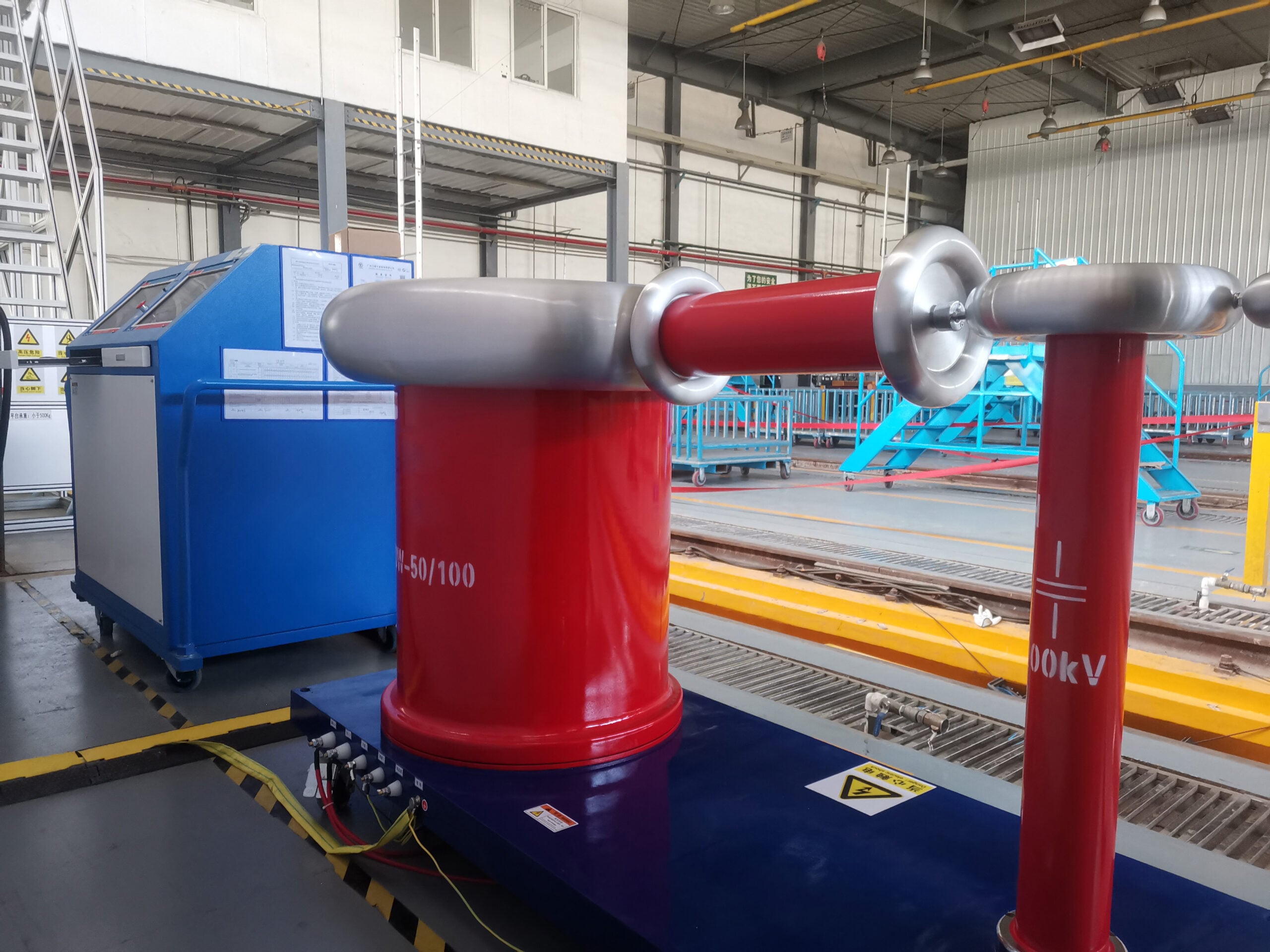
- High Voltage Power Supply – This generates the required voltage levels to stress the insulation of the tested device, ensuring accurate simulation of operating conditions.
- Current Measurement Circuit – This component precisely monitors the leakage current that flows through the insulation during testing, providing critical data to assess insulation integrity.
- Voltage Control System – Allows for adjustment of the output voltage, ensuring flexible testing for various devices and standards.
- Safety Features – Includes interlocks, emergency stop buttons, and overcurrent protection mechanisms to prevent operator injury and equipment damage during testing.
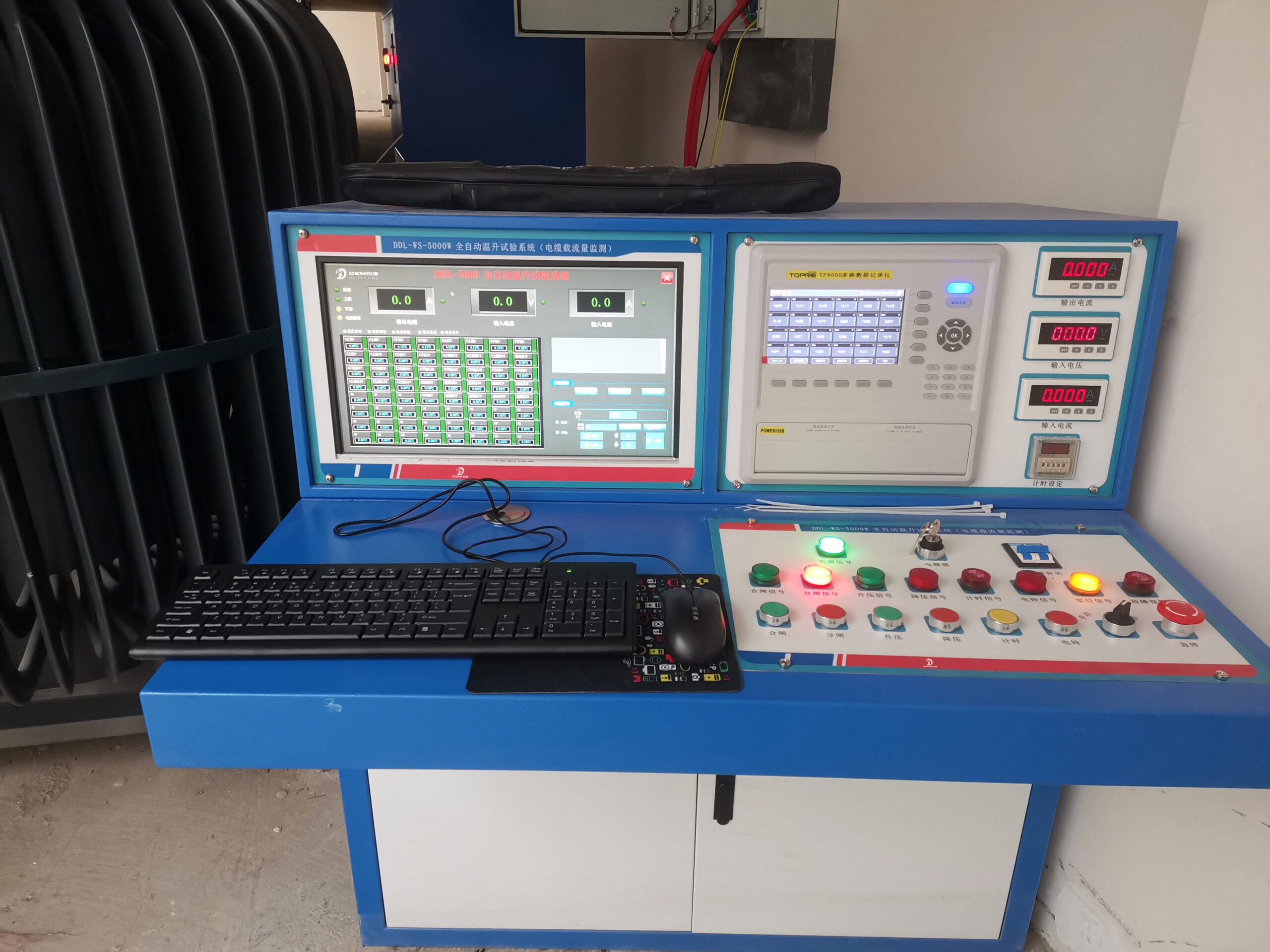
- Display and User Interface – Displays real-time test results such as voltage, leakage current, and pass/fail indicators, offering an intuitive interface for operators to manage testing parameters efficiently.
These components work in conjunction to provide reliable insulation testing and ensure compliance with safety and regulatory standards.
Understanding Test Voltage and Leakage Current
Test voltage refers to the controlled electrical potential applied to an insulation medium during testing to evaluate its dielectric strength and reliability. Typically, higher test voltages are used to simulate real-world conditions and uncover potential insulation breakdowns that might not appear under normal operating voltages. The choice of test voltage often depends on the equipment’s rated voltage and applicable regulatory standards, ensuring safety and consistency during testing.
Leakage current, on the other hand, is the small amount of electrical current that flows through an insulation material when the test voltage is applied. This current is influenced by factors such as insulation quality, environmental conditions (e.g., humidity), and the properties of the test material. Excessive leakage current often indicates compromised or aging insulation, posing safety risks. Monitoring and analyzing leakage current is critical for predictive maintenance, ensuring equipment longevity, and adhering to international standards like IEC 61010 and UL requirements. Effective insulation testing relies on accurately interpreting these parameters to maintain operational reliability and safety.
Types of Hipot Testers: Ac Vs Dc
AC and DC hipot testers include AC testers, DC testers, combination AC/DC testers, and programmable hipot testers for advanced applications.
|
Key Point |
AC Testers |
DC Testers |
Combination AC/DC |
Programmable |
|---|---|---|---|---|
|
Voltage Range |
Wide |
Wide |
Adjustable |
User-defined |
|
Leakage Current |
Alternating |
Constant |
Both modes |
Customizable |
|
Application |
AC systems |
DC insulation |
Versatile use |
Specialized |
|
Complexity |
Low |
Low |
Medium |
High |
|
Speed |
Fast |
Fast |
Moderate |
Configurable |
|
Test Standards |
IEC/UL |
IEC/UL |
IEC/UL |
IEC/UL |
|
Best Use Case |
Transformers |
Capacitors |
Multi-purpose |
Integration |
How to Perform a Hipot Test Safely?

To perform a hipot test safely, it is critical to follow proper procedures and adhere to established electrical safety standards:
- Prepare the Environment: Ensure the testing area is free of conductive objects and unauthorized personnel. Use insulated mats and barriers to minimize risks of accidental contact.
- Inspect the Equipment: Verify that all connectors, cables, and the hipot tester are in good working condition. Damaged or faulty equipment can introduce hazards during testing.
- Establish Proper Grounding: Ensure the equipment under test (EUT) is properly grounded according to the manufacturer’s specifications to safeguard against hazardous voltage buildup.
- Set the Correct Test Parameters: Configure the hipot tester with the appropriate voltage, current limits, and test duration suited to the specifications of the EUT and applicable standards.
- Warn and Notify Personnel: Display warnings and inform all personnel in the vicinity before starting the test to avoid accidental exposure to high voltage.
- Monitor During Testing: Observe the test process closely, and be ready to terminate the test immediately if abnormal conditions, such as arcing or excessive current, are detected.
- De-energize and Discharge Safely: Once the test is complete, ensure the EUT is properly discharged to eliminate any residual voltage before handling it.
By adhering to these safety guidelines, operators can mitigate risks effectively while ensuring accurate and reliable hipot test results.
Steps for Conducting a Hipot Test
- Inspection and Preparation
Before commencing the test, visually inspect the Equipment Under Test (EUT) and the test area. Ensure that all connections, wires, and components are intact and free of visible damage. Verify that the hipot tester is calibrated and functioning correctly.
- Establish Proper Connections
Connect the high-voltage output of the hipot tester to the EUT according to the manufacturer’s instructions. Ensure that the return or ground connection is securely attached to minimize leakage current or inaccurate readings.
- Set Test Parameters
Configure the hipot tester with the appropriate test voltage, current limits, and test duration, as specified by the EUT’s standards or manufacturer guidelines. It is critical that the set values comply with the requirements for the specific test type (AC, DC, or insulation resistance).
- Verify Safety Precautions
Ensure that all personnel are clear of the test area and that warning signs or barriers have been set up. Double-check all protective measures, such as grounding systems and emergency shutdown mechanisms.
- Initiate the Test
Start the high-voltage test by gradually applying the voltage as per the test procedure. Carefully observe the amperage readings and listen for audible indicators of failure, such as arcing or dielectric breakdown.
- Monitor Test Performance
Throughout the test, monitor key performance indicators, like leakage current, against predetermined limits. Be vigilant for any abnormalities or inconsistencies, and be prepared to deactivate the test in case of dangerous conditions.
- Conclude the Test
Safely reduce the voltage to zero at the end of the test cycle before turning off the hipot tester. Ensure that all residual voltage is fully discharged from the EUT before disconnecting any connections.
- Document Results
Record and document the test results, including any anomalies, for compliance and traceability. Ensure that all findings align with the relevant testing standards and guidelines.
By following these steps systematically, operators can perform hipot testing efficiently and maintain both operator safety and instrumentation integrity.
Safety Precautions and Electrical Safety Standards
When addressing safety precautions and electrical safety standards, I prioritize adhering to universally recognized regulations like OSHA, IEC 61010, and NFPA 70E. To ensure maximum safety, I always verify that all equipment is appropriately grounded and insulated before use, and I wear certified personal protective equipment (PPE) such as insulated gloves and safety goggles. These measures are essential for minimizing risks associated with high-voltage testing and electrical systems.
Furthermore, I strictly follow lockout/tagout (LOTO) procedures to prevent accidental energization during maintenance or testing. Proper training and awareness are key, and I ensure that all individuals involved in operations are adequately trained in electrical safety protocols. My approach aligns with the best practices recommended by top industry standards and ensures compliance with regulatory requirements to maintain a secure working environment.
Understanding Dielectric Withstand Test Results
The dielectric withstand test, also known as the high potential (hipot) test, evaluates the electrical insulation of equipment under high voltage conditions. A successful test indicates that the insulation can withstand voltages much higher than its normal operating level without breaking down. Results are typically assessed in terms of leakage current, which must remain below a specified threshold to confirm the integrity of the insulation.
When interpreting test results, an acceptable outcome signifies that the equipment does not exhibit insulation defects such as pinholes, cracks, or weak spots capable of causing significant current flow. A failure during the test generally points to insulation failure or contamination, which compromises safety and functionality. It is critical to ensure environmental factors, such as humidity or surface contamination, do not skew the results. Proper calibration of test equipment is equally essential for producing reliable and accurate outcomes.
By integrating insights from leading resources, such as properly analyzing leakage current values, adhering to voltage application specifications, and reviewing testing conditions, you ensure compliance with applicable standards like IEC, UL, or ISO while safeguarding both equipment and personnel from potential hazards.
What Are the Differences Between Ac Hipot and Dc Hipot Tests?

AC hipot and DC hipot tests are two critical methods used to evaluate the dielectric strength of electrical insulation and verify equipment safety. While both serve a similar purpose, there are notable distinctions in their principles, applications, and outcomes. AC hipot tests use alternating current, subjecting the insulation to continuous polarity reversals. This mimics real-world operational conditions, making it highly effective at detecting defects like voids or insulation weaknesses. Conversely, DC hipot tests utilize direct current, applying a steady voltage that allows for lower leakage currents and less overall stress on the insulation. This makes them suitable for identifying long-term breakdowns and scenarios with low capacitance.
Summary of Key Differences
|
Parameter |
AC Hipot |
DC Hipot |
|---|---|---|
|
Current Type |
Alternating |
Direct |
|
Leakage Current |
Higher |
Lower |
|
Frequency |
50/60 Hz |
Steady |
|
Stress on Insul. |
Higher |
Lower |
|
Test Duration |
Short |
Long |
|
Application |
Real-world |
Capacitance |
|
Detection Type |
Surface Def. |
Weak Points |
|
Suitability |
High Voltage |
Low Voltage |
Advantages and Disadvantages of Ac Hipot Testing
Advantages:
- No Need for Charge Discharge Cycles: AC hipot tests continuously alternate polarity, eliminating the need to discharge the device under test after the application of voltage.
- More Representative of Operational Conditions: Since most electrical systems operate on AC, this testing method better simulates field conditions.
- Constant Current Flow: AC allows for a steady flow of current through the insulation, helping to detect weak points consistently.
- Simpler Test Setup: The absence of residual charge simplifies the testing process and enhances operator safety.
Disadvantages:
- Higher Stress on Insulation: The alternation of voltage polarity can impose excessive stress on the insulation, particularly in certain materials prone to degradation under AC conditions.
- Larger Equipment Size: AC hipot testers generally require larger transformers and setups due to the continuous power supply needed to maintain the alternating voltage.
- Greater Power Requirements: Sustaining an AC voltage throughout the test typically demands more electrical power compared to DC testing methods.
- Potential for Thermal Effects: Extended AC testing can generate heat within the insulation, affecting test accuracy and potentially damaging sensitive components.
Benefits of Using DC Hipot in Testing
- Lower Power Consumption: DC hipot testing requires significantly less power than AC testing, as the current flow through insulation is minimal once the capacitance is charged.
- Smaller Equipment Size: Due to lower power demands, DC hipot equipment is generally more compact and portable, making it easier to handle and transport.
- Reduced Thermal Effects: DC testing minimizes the risk of heat generation within the insulation, preserving the integrity of the components under test.
- Ability to Identify Insulation Failures Accurately: DC hipot tests allow for precise detection of leakage currents, enabling detailed analysis of insulation quality and pinpointing potential faults.
- Cost Efficiency: Owing to its lower power requirements, DC testing is often more economical, both in terms of operational costs and equipment maintenance.
- Effective for High-Voltage Testing: DC hipot testing is particularly advantageous for high-voltage systems, as it avoids the continuous current flow that occurs with AC testing, reducing the overall stresses on the insulation.
Choosing Between Ac and Dc Hipot for Your Needs
When deciding between AC and DC hipot testing, I evaluate the specific requirements of the system being tested. If I’m working with high-voltage cables or equipment where insulation integrity must be verified over extended durations, I typically lean towards DC hipot testing due to its lower stress on the insulation and cost efficiency. However, for systems that replicate real-world operating conditions or require a comprehensive test of insulation under load, I choose AC hipot testing, as it simulates the stresses equipment will encounter during standard operations. My selection is always based on factors such as system voltage, type of insulation, and testing standards applicable to the equipment.
Why Is Insulation Resistance Important in Hipot Testing?

Insulation resistance is critical in hipot testing as it ensures the electrical insulation is robust enough to prevent current leakage and dielectric breakdown under high voltage conditions. A high insulation resistance value indicates the material’s ability to effectively isolate conductors, ensuring safety, operational reliability, and compliance with industry standards. Poor insulation resistance can lead to equipment failure, safety hazards, and reduced system efficiency, making its evaluation an integral part of hipot testing procedures.
Role of Insulation Resistance in Electrical Safety
- Prevention of Electrical Shock: High insulation resistance minimizes the risk of current leakage, reducing the chances of electrical shock to personnel and operators.
- Avoiding Equipment Damage: Adequate insulation resistance prevents current from flowing improperly, protecting sensitive components from short circuits and damage.
- Ensuring Operational Reliability: Maintaining appropriate insulation resistance levels ensures stable electrical operation by preventing interruptions caused by insulation failure.
- Mitigation of Fire Hazards: Improper insulation resistance can result in overheating and sparks, which may lead to fires. High resistance levels mitigate this risk.
- Compliance with Standards: Insulation resistance levels are critical for meeting electrical safety standards and regulations, ensuring systems adhere to legal and operational requirements.
- Prolonging Equipment Lifespan: By reducing wear on insulation materials and preventing electrical stress, high insulation resistance extends the lifecycle of equipment and systems.
- Detection of Potential Failures: Regular evaluation of insulation resistance helps identify early signs of degradation or issues, allowing for preventative maintenance and reduced downtime.
How to Measure Insulation Resistance Effectively
To measure insulation resistance effectively, I use an insulation resistance tester, commonly known as a megohmmeter. First, I ensure all power sources to the equipment are disconnected and the area is safe to work in. I connect the test leads from the megohmmeter, with one lead attached to the conductor and the other to the insulation or ground. I then select the appropriate test voltage level based on the equipment rating and activate the test. The megohmmeter measures the resistance in megohms, and I interpret the readings to assess insulation health. Consistently low resistance indicates potential issues, such as insulation degradation. After testing, I discharge any residual voltage and document the results for maintenance records and trend analysis. Regular testing, paired with adherence to safety standards, ensures reliable and accurate measurements.
Impact of Poor Insulation on Equipment Performance
Poor insulation in electrical systems significantly compromises equipment performance and safety. Insulation serves as a critical barrier that prevents electrical leakage, stabilizes voltage, and ensures efficient energy transfer. When insulation degrades, issues such as increased current leakage, overheating, and short circuits arise, leading to potential equipment failure. This can cause unplanned downtime, increased maintenance costs, and reduced operational efficiency.
From a technical perspective, reduced insulation resistance directly impacts the dielectric strength of the equipment, facilitating partial discharges or arc faults that accelerate wear and tear. Over time, thermal stress, environmental conditions, and contamination further exacerbate insulation damage, posing serious risks to operational reliability.
Mitigating these impacts involves regular insulation resistance testing, proper maintenance, and timely replacement of degraded components. By maintaining the dielectric integrity of insulation, energy losses can be minimized, safety risks reduced, and the longevity of electrical systems preserved.
Reference Sources
- Users Guide to Hipot Testing – A detailed guide on high potential electrical safety testing.
- Guide to Electrical Safety Testing – HIPOT.pl – A comprehensive PDF guide on electrical safety testing.
- Safety Guidelines for Hipot Testing – Guidelines for setting up a safe testing environment.
- UL Electrical Safety Standards – Information on UL standards for electrical safety.
- Electrical Safety Standards by Fluke – Insights into safety standards and tools for real-world applications.
Frequently Asked Questions (FAQs)
Q: What is a Hi-Pot Test?
A: A Hi-Pot Test, short for high potential test, is a type of electrical safety test used to ensure that insulation in a device or component can withstand high voltage without breaking down. It is a crucial part of ensuring product safety in electrical engineering.
Q: How does an AC Hipot Tester differ from a DC Hipot Tester?
A: An AC Hipot Tester applies alternating current to the item under test, while a DC Hipot Tester applies direct current. The choice between the two depends on the specific requirements and standards of the voltage test being conducted.
Q: What is the significance of applying a 5kV voltage during testing?
A: Applying a 5kV voltage during a Hi-Pot Test is common for testing high voltage insulation. It helps in identifying weak insulation points that may lead to a discharge or breakdown, ensuring that the product can safely handle the applied voltage in order.
Q: Why is a Ground Bond Tester used along with Hi-Pot Testing?
A: A Ground Bond Tester is used to verify the integrity of the grounding system. It ensures that the ground path can carry fault current safely, which is vital in conjunction with Hi-Pot Testing for comprehensive electrical safety evaluation.
Q: What role does a safety tester play in Hi-Pot Testing?
A: A safety tester is an essential component during Hi-Pot Testing to ensure that the test set is conducted safely. It may include features like a safety interlock and safety enclosure to protect the operator and the test environment from high voltage risks.
Q: How is leakage current measured during a Hi-Pot Test?
A: During a Hi-Pot Test, leakage current is measured to assess the insulation’s ability to prevent current flow through it. Testing instruments like an analyzer or a megger are used to measure this current, ensuring it remains within acceptable limits.
Q: Can a Hi-Pot Test be used for cable testing?
A: Yes, a Hi-Pot Test is commonly used for cable testing to evaluate the insulation’s strength and detect any potential weak spots that could lead to failure under high voltage conditions.
Q: What is VLF in the context of Hi-Pot Testing?
A: VLF, or Very Low Frequency, refers to a type of Hi-Pot Testing that uses low frequency AC voltage. It is particularly useful for testing large items like cables and transformers because it reduces the stress on the insulation compared to standard AC testing.
Q: What are some of the safety measures to be practiced with a Hi-pot Test Set?
A: With a Hi-Pot test Set, one must observe careful safety measures which include the use of a safety enclosure, proper grounding, and current setting limitations. The area should be clearly demarcated and only trained personnel should be allowed to operate the machine.
Q: How does Hi-Pot Testing contribute to product safety on a production line?
A: Irrespective of the manufacture of electrical appliances, Hi-Pot Testing will ensure that each unit functions with proper operational safety by checking that the level of insulation does not fail to endure high potentials. This is carried out to avert electrical dangers as well as to make sure the devices manufactured will work reliably.