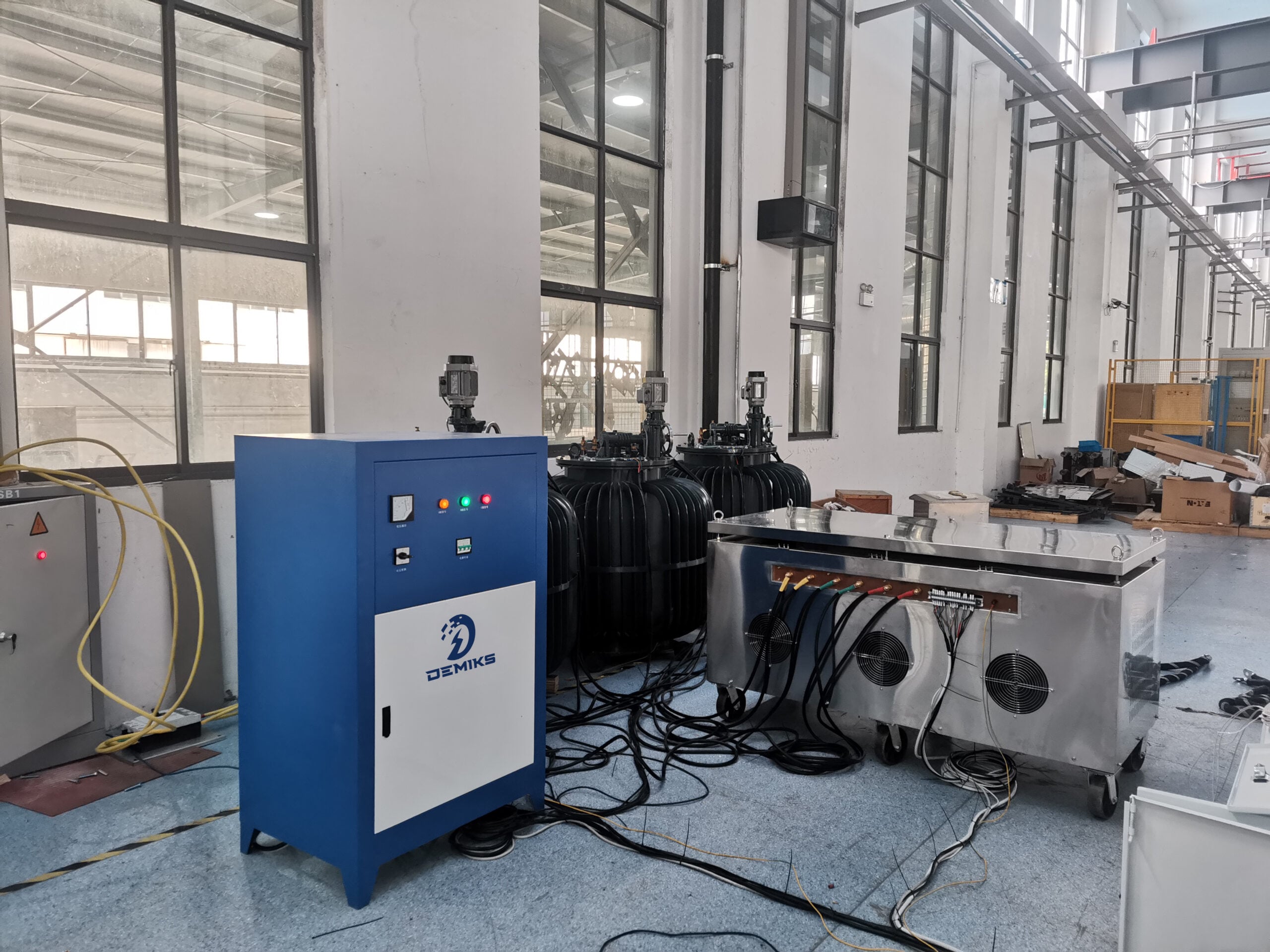
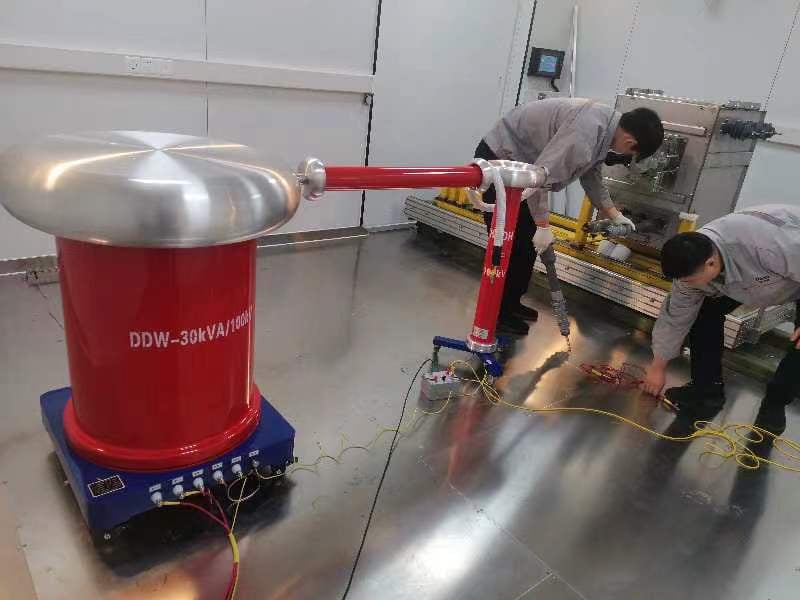
Testing at high voltages is important in many industries as it deals with electrical equipment and systems, ensuring their functionality and performance. In power generation systems, aerospace technologies, or industrial machinery, testing high-voltage components is necessary in order to prevent expensive damage. This guide is meant to serve authoritative purposes by providing detailed information about high-voltage tests and their application in practical scenarios. As we work our way from basic principles of voltage testing to tracing the newest technologies in testing, we hope to equip you with the needed theory and practice for mastering high-voltage tests. Come along, while we decode the intriguing layers of this topic and share fact-based tips to broaden your knowledge.
What is a High-Voltage Tester and How Does It Work?
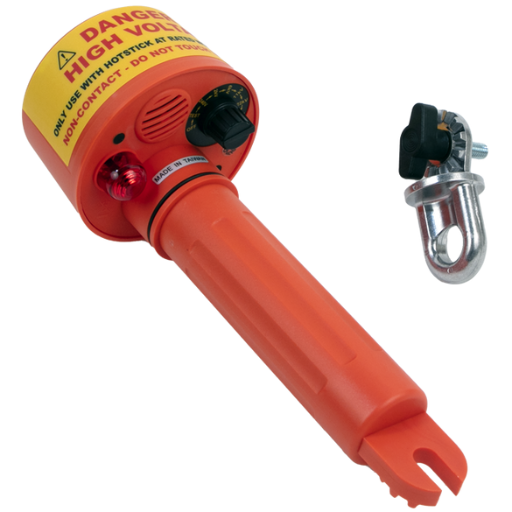
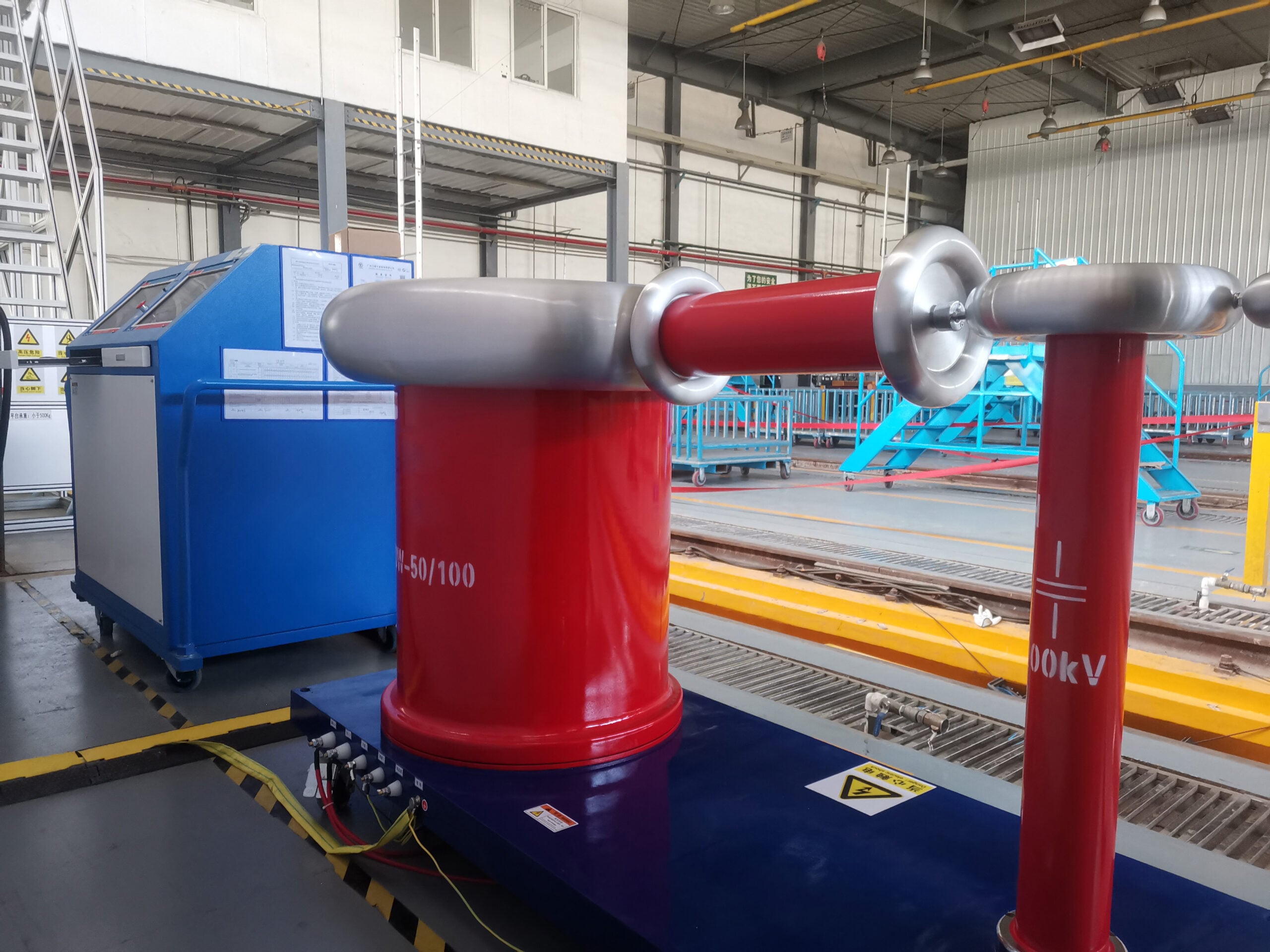
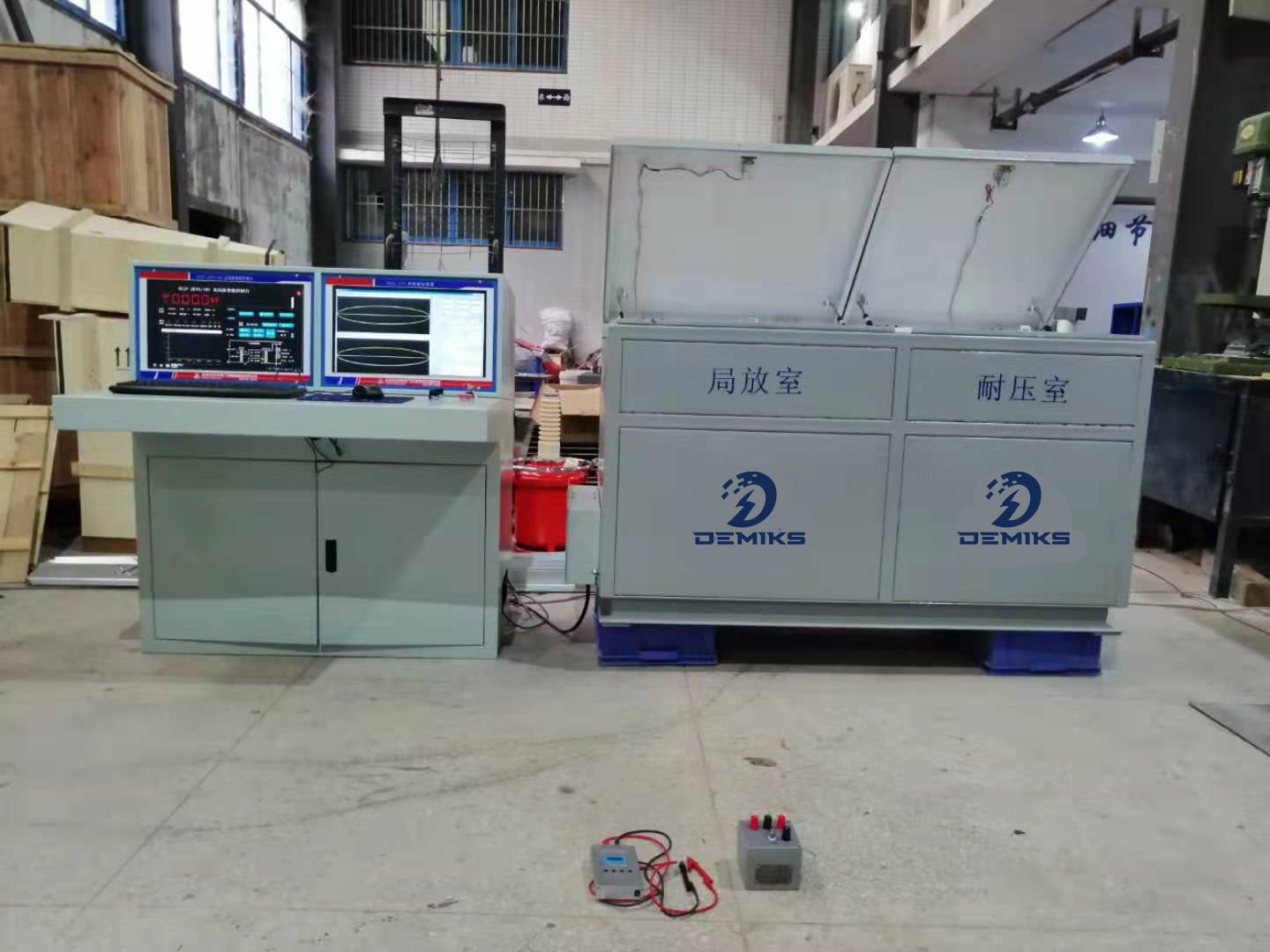
A high-voltage tester is an instrument that evaluates the electrical insulation and performance of devices, systems, or components under high-voltage conditions. Its main function is to maintain safety, dependability, and compliance with defined standards by identifying breakdowns or defects in insulation.
A tester uses a voltage higher than the device’s operational threshold to check for electrical failure. This process typically involves two methods: dielectric withstand testing, which checks insulation strength, and insulation resistance testing, which checks the quality of the insulation material. Results are watched for inconsistencies, critical defects, or weak structures. These tests are very important in manufacturing, aerospace, and energy because electrical systems must work reliably.
Understanding Voltage Testing and Its Importance
In the case of voltage testing, this is another essential procedure to check the systems and the parts of the electrical systems. It helps to confirm that the systems can bear efficient operational loads during real-world situations by checking for controlled electrical stress levels. One commonly used is high potential (hipot) testing, designed to evaluate the insulation and its ability to prevent current leakage. This is very important in high-voltage applications because of the great chances of arc faults or insulation failures.
The inclusion of automated test procedures and digital data logging enhances the accuracy and efficiency of modern apparatus. To illustrate, contemporary hipot testers are capable of microp leakage current detection, which helps in diagnosing insulation failure long before it becomes critical. Industry studies indicate that stringent hipot testing has improved equipment uptime reliability in power and renewable energy sectors. These advancements further demonstrate the importance of accurate hipot testing for system safety and performance reliability.
How Does a High-Voltage Tester Function?
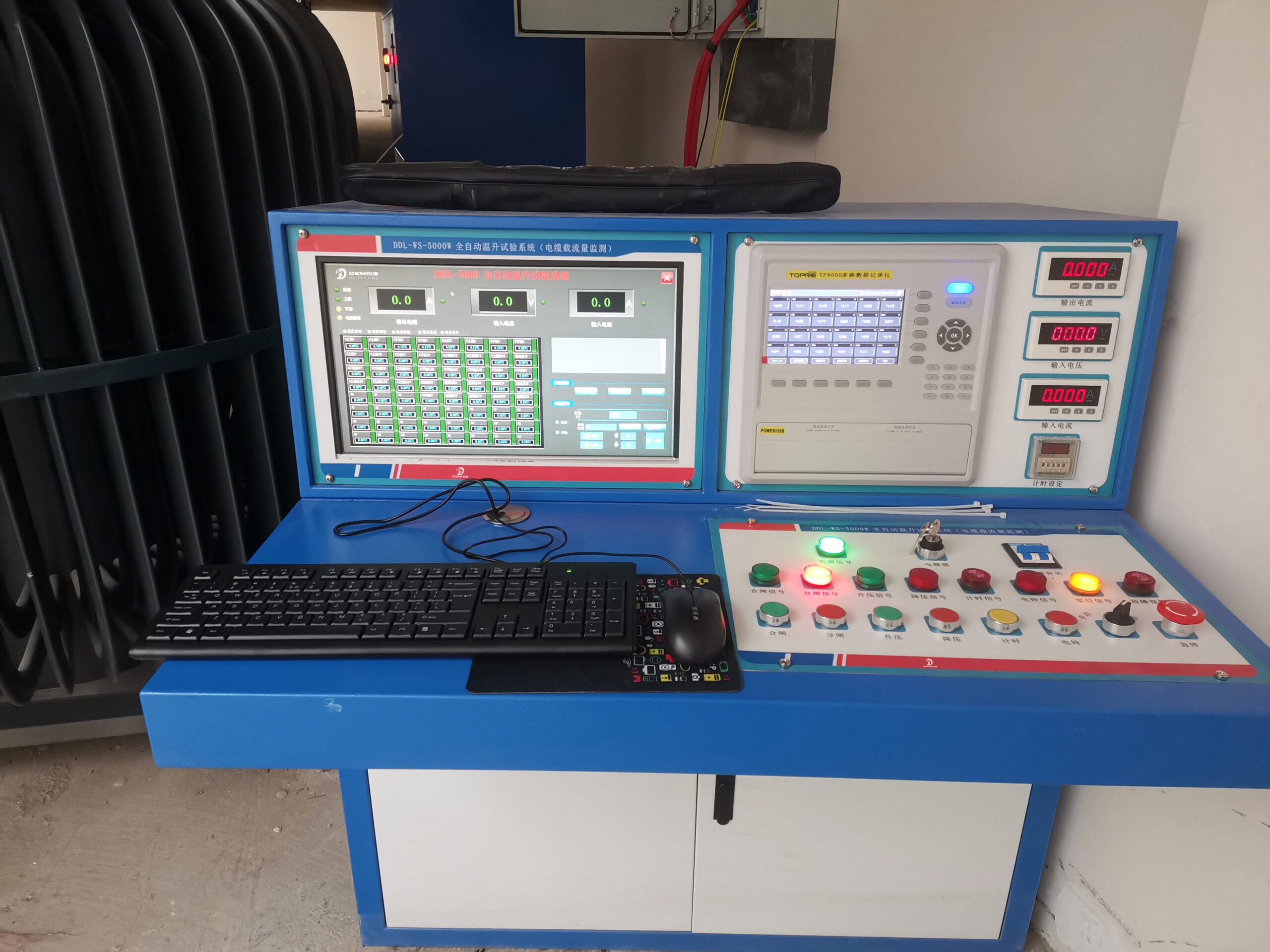
Using a high-voltage tester starts with delivering a controlled high voltage to a component to assess its insulation capacity. Like most devices, voltage testers are equipped with a source, metering system, and safety devices. This allows the Tester to either apply AC or DC voltage and determine the component’s critical parameters like leakage current and dielectric breakdown during the test. By measuring these values, the tester is able to pinpoint deficiencies in insulation and resistance.
Precision measuring devices like testers for high voltage incorporate advanced features like microprocessor-controlled systems and automated logging techniques for data accuracy. Because of included self-checks, real-time data monitoring, and interpretation are all automated, making the process streamlined. Adhering to international standards like IEEE or IEC 61010 testing also guarantees high-voltage testers perform reliably in manufacturing, research laboratories, power grid maintenance, and other versatile applications which require dependability. International standards and guidelines help enhance global trust assurance.
Key Features of High Voltage Testing Equipment
- Wide Voltage Range
Modern high-voltage testing equipment is industrialized to test from 1 kV to greater than 100 kV, thus serving many industries’ high-voltage testing needs while being flexible enough to serve in a range of diverse fields.
- Advanced Measurement Accuracy
High-voltage testers streamline the process by automating predefined test sequences and result storage. In doing so, testers reduce human error to the bare minimum. This automation and precision fortify safety assessments, enabling industries to perform with ease.
- Automated Testing Functionality
Testers perform with fundamental precision. Other features include advanced error margins as low as ±.05% thus ensuring safety as more important tasks can be performed from system diagnostics and not limited to safety checks.
- Real-Time Monitoring and Data Logging
Having powerful data collection systems, these devices are capable of monitoring parameters such as voltage, current, and insulation resistance in real time. Compliance checks are made easier with the ability to log and export data.
- Compliance with Industry Standards
Like other high-voltage testing devices, these machines undergo rigorous international safety and operational standard evaluations which include IEC 61010, ISO 17025, and IEEE standards. These certifications guarantee verifiable dependability in critical systems.
- Portability and Compact Design
Many devices are constructed to be lightweight and ergonomic, greatly increasing portability without sacrificing functionality which is critical for field work and laboratory settings.
The features of these high-voltage testing equipment are critical in preserving the integrity, safety, and efficiency of electrical systems across diverse industrial and scientific domains.
Why is Insulation Critical in High Voltage Testing?
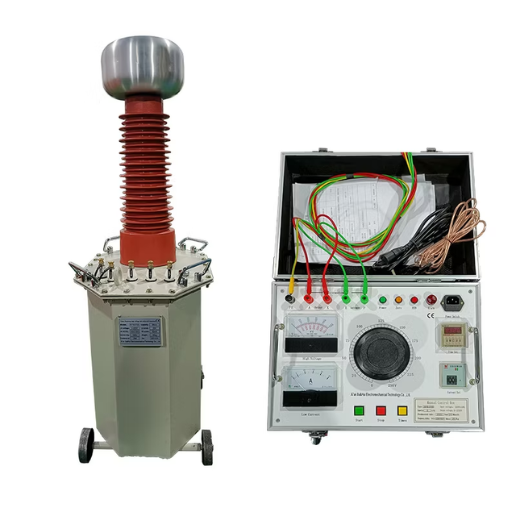
Testing high voltages requires precise insulation, which safeguards electrical systems from internal and external failures—electrical leakage, short circuits, or equipment damage. Proper insulation ensures robust operational efficiency by curtailing arc faults or other failures. High-voltage systems without proper insulation can be dangerously volatile, risking equipment damage and personnel safety, leading to costly unplanned downtimes and increased maintenance expenditures. This demonstrates that proper insulation is prerequisite for system reliability and safety across diverse industrial and scientific applications.
The Role of Insulation in Electrical Safety
As illustrated, dielectric strength is a critical metric that correlates to electric systems’ efficiency. It could be defined as a material’s capacity to withstand high voltage without breaking down. Some materials with high dielectric strength, like mica, glass, and certain polymers, find their usage in applications with elevated voltage levels.
As insulation materials typically maintain functionalities at temperatures that greatly fluctuate, thermal endurance becomes an equally major property. For example, silicone-based insulations are unmatched in contexts that require exposure to higher temperatures, while polyethylene insulations and XLPE (cross-linked polyethylene) are used on energy transmission cables because of their need for stable thermal rating.
In addition, in humid or wet environments, the durability and moisture resistance becomes a crucial factor for safety. Insulation that resists water helps to avoid short circuit and corrosion which causes failure to a large extent in electronic systems.
The latest enhancements in technique innovation have also resulted in incorporating nanocomposites that increase inline with mechanical strength, thermal conductivity and electrical breakdown resistance of traditional insulators. Employing such advanced materials, industries find it possible to ensure better electrical safety without compromising on the operational reliability of their electrical systems.
Types of Insulation Used in High-Voltage Equipment
Like many high voltage equipment parts, insulation for high voltage instruments as varied materials as appropriateness for the use case. Primary groupings are commonly classified as solid, liquid, gas and composite insulators, and are employed to control electrical stress as well as guarantee reliable operations.
- Solid Insulation
Apart from porcelain and glass, high-voltage solid insulation materials also include polymers like cross linked polyethylene( XLPE). A widely-used solid dielectric, cross-linked polyethylene provides its users with enhanced thermal stability and dielectric strength apart from it being favored for cables.
- Liquid Insulation
As for liquid insulators, mineral oils and synthetic esters are most frequented in transformers and other equipment needing cooling as well as dielectric functions since they offer both. Safety and biodegradability advancements in natural esters, meanwhile, offer fire resistant capabilities as well and are growing rapidly in need due to their greater environmental friendliness and overall safety.
- Gaseous Insulation
For electric insulation and arc avoidance, gas-insulated switchgear frequently utilizes gases such as SF6 and nitrogen. SF6 outmatches nitrogen in terms of preferred use because of its greater dielectric strength and ability to quench arcs. However, the high potential SF6 carries with global warming has been a driving factor in studying better alternatives without environmental harm.
- Composite Insulation
By using two or more materials, composite insulators provide stronger performance as withstanding components like fiberglass-reinforced polymers and nano filled epoxy resins which possess high mechanical durability and insulation withstanding harsh environments.
Different types of insulation serve high voltage applications and excel in specific functions. The insulation systems strive to enhance their effectiveness and sustainability along with the modern electrical structural requirements through the use of new innovative materials.
How to Ensure Insulation Reliability During Testing
- Perform Regular Dielectric Strength Testing
Dielectric strenght testing measures the maximum elctromotive voltage that the dielectric system insould the insulation system without failing. Insulation testing should be performed to guarantee the insulation passes the required neindusty validations and standards specific to its intended use.
- Evaluate Partial Discharge Levels
Partial discharge testing is perhaps the most critical due to its relevance in identifying voids and other imperfections that are likely to result in slow deterioration of an insulation material with time. Thanks to modern testing methods, it is easier for engineers to detect partial discharges and take action to avert damage to the entire system.
- Conduct Thermal Aging Analysis
Thermal stresses are often encountered by insulation materials over prolonged periods of use. In particular, materials exposed to heat for long periods of time are likely to experience alterations in behavior, which could improve understanding of material changes, consequential degradation trends, and possible erosion over time.
- Apply Comprehensive Moisture Resistance Testing
Water ingress is one of top reasons for insulation failure. High-voltage electrical insulation should undergo stringent moisture resistance testing, including water absorption and humidity tests, to guarantee optimal performance in harsh conditions.
- Monitor Chemical Compatibility
Devices and materials that surround the insulation may come into contact with oils, solvents, and other agents which could lead to chemical degradation of the insulation. Testing the chemical resistance of these materials ensures insulation remains stable under normal operating environments.
- Leverage Advanced Non-Destructive Testing (NDT) Techniques
Ultrasonic testing and infrared thermography are examples of non-destructive evaluation methods that make it possible to assess insulation integrity without damaging the material. These methods serve to evaluate hidden flaws and risks in a system.
Following these inspection protocols scrupulously allows the engineer to guarantee effectiveness and safety in high-voltage insulation systems. In addition to shifting industry benchmarks, integrating advanced predictive diagnostics and innovative materials tailored to mitigate failures enables greater control over prospective risks.
How to Choose the Right High-Voltage Tester?
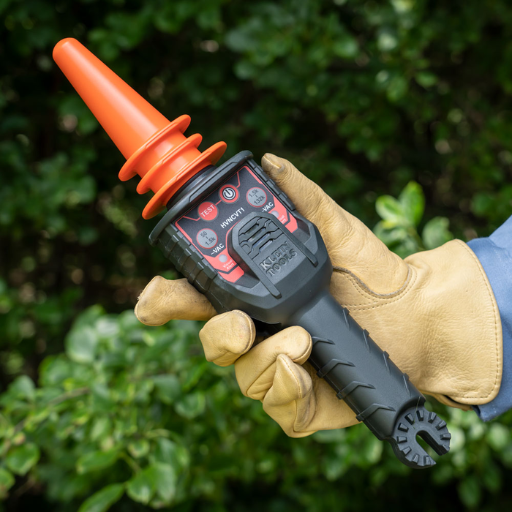
Choosing the high voltage tester best suited for your needs is influenced by the following criteria:
- Voltage Range Requirements – Determine the maximum voltage levels your application requires. Does your high-voltage tester match those requirements?
- Type of Testing – Insulation resistance test, breakdown test, or partial discharge test: know what you need and pick a high-voltage tester that matches those specifications.
- Accuracy and Sensitivity – Testing high voltages requires absolute precision. Make sure the high voltage tester has an acceptable error margin for your application.
- Safety Features – Look out for features such as fail safes, cut-off, and emergency stop which can safeguard an operator and equipment.
- Compliance with Standards – Check if the equipment is verified by applicable Institute Standards (IEC or ANSI) so you are sure the high-voltage tester performs in accordance with industry standards.
- Ease of Operation – The flow of the test procedure is determined by how the operator interacts with the test equipment. Pick pieces of equipment with well labeled buttons and intuitive instruction to make the workflow smoother.
Meticulously following this guide ensures the high voltage tester selected will be suitable for your application while adhering to industry best practices.
Comparing Different Voltage Levels and Testers
|
Voltage Level |
Tester Type |
Key Points |
Application |
Key Standards |
|---|---|---|---|---|
|
Low Voltage (≤1 kV) |
Multimeter |
Measures voltage and continuity |
Electrical repairs, device testing |
IEC 61010 |
|
Medium Voltage (1-35 kV) |
Insulation Tester |
Evaluates insulation resistance |
Industrial equipment assessment |
IEC 60204-1 |
|
High Voltage (35-230 kV) |
High Voltage Tester |
Ensures insulation withstand capacity |
Power grid, HV equipment testing |
IEEE 4, IEC 60060 |
|
Ultra-High Voltage (>230 kV) |
Partial Discharge Tester |
Detects electrical discharges |
Transmission line verification |
IEC 60270 |
This test compares voltage levels with the corresponding testers. Choosing the correct tester is dependent on application requirements and compliance with particular standards.
Recommendations for Reliable High-Voltage Testing Equipment
While selecting equipment for high voltage testing, great attention must be paid to the accuracy of the equipment, its flexibility, and if it meets international shipping standards. Meeting industry standards such as IEC 60060 and IEC 60270 high voltage test techniques and partial discharge measurements respectively is critical. Testers equipped with features such as scope-like monitoring, real-time tracking, and automatic data recording are more convenient and often more accurate than the traditional, stand-alone models.
The AC Hipot Tester is the most recognized in industry for insulation testing and voltage endurance assessment for applications under 230 kV. Above 230 kV ultra high voltage, more capable systems, like partial discharge testers with higher detection ranges capable of sensing finer details, assist in pinpointing defects in transmission lines and high voltage apparatus. Devices with internal surge protections which can defend sensitive systems from over voltage occurrences should also be incorporated.
Moreover, modular testing systems are suitable for both field and laboratory environments because of their scalability and flexibility. It is important to consider maintenance and calibration cycles, as these directly impact accuracy and reliability. Enhanced safety and precision during high voltage testing can be achieved when aligned with modern safety technologies by adopting sophisticated equipment matched to precise tasks.
How to Maintain and Calibrate High-Voltage Testing Equipment?

- Perform Regular Inspections
Visually inspect all components of the equipment, including cables, connectors, and insulating materials, for signs of wear, damage, or degradation. Address any issues immediately to prevent operational failures.
- Follow Manufacturer Guidelines
Follow the maintenance schedule as well as the calibration procedures set by the manufacturer of the equipment. This protects compliance with regulations and also optimizes performance.
- Keep Calibration Records
Keep all documentation records related to the calibration activities such as the dates, results, and changes done. Proper documentation assists in traceability and aids in troubleshooting if problems arise.
- Use Certified Calibration Facilities
Work with certified calibration centers or laboratories that use standards that are acceptable to make the proper calibration adjustments. These standards help in making proper calibrations.
- Test Under Controlled Conditions
Controlled temperature and humidity conditions should be used during calibration to eliminate any external influences on the results.
- Verify Performance Post-Calibration
Check that the equipment meets all relevant specifications of performance after the calibration work. If necessary, conduct a test run to confirm reliability during operations.
Following these protocols ensures precision while working with high voltage testing equipment which reduces the risks and makes the operation safe.
Importance of Regular Maintenance for Testers
Routine testing equipment maintenance is crucial for accuracy, reliability, and durability. An example is high-voltage testers. These machines are complex and have severe electrical and mechanical stresses during use. Wear on vital parts, calibration drift, or unpredicted failures may happen over time which can undermine the testing processes. Such wear and tear may compromise accuracy. Consistent maintenance provides, both accuracy and precision with equipment trust and reliability for processes. In fact, some studies report that maintenance improves accuracy with a 30% reduction in downtime. Potential issues are resolved during proactive checks.
Along with accuracy, having systematic maintenance tackles compliance with industry standards. Compliance aids in meeting regulatory frameworks that need calibration and control, like IEC 61010 or ISO 17025. Further to compliance, systematic maintenance helps prevent costly repairs or replacements while ensuring safety protocols wouldn’t be in danger because of wrong equipment. Safety reliably hinges on proper control that have routine checks, inspection, and cleaning. Regular maintenance helps safeguard precision testers from undermining their high-quality outcomes.
Best Practices for Ensuring Accurate Voltage Testing
Checking voltage levels is crucial for the optimal and safe functioning of electrical systems. To ensure reliability, professionals should follow these critical practices:
- Use Calibrated Equipment: Comply with standards like NIST (National Institute of Standards and Technology) for voltage testers’ calibration. Proper measurement is central to accuracy for identifying potential electrical faults. Calibration intervals need to be aligned with usage intensity for the equipment and manufacturer’s suggestions.
- Perform Pre-Use Inspections: Each voltage tester should undergo checks for physical damage before each test such as cracks on the cover, broken wires, or damaged probes. Any exposed electrical components from broken devices poses a safety hazard.
- Maintain Optimal Environmental Conditions: Anomalously high or low temperatures, elevation in humidity, and strong electromagnetic fields are some environmental factors that can lead to inaccurate voltage measurements. Electrical testing should always be performed under controlled conditions to reduce the impact of these external factors.
- Adopt Proper Testing Techniques: Confirm accuracy while attaching the leads to the test object. Avoid lifting and turning verifying the polarity to avoid fluctuations in readings. In intricate systems, connections should be double-ensured for steady evaluation.
- Utilize a Multimeter for Cross-Verification: Whenever possible, use a multimeter to check the results from a voltage tester. This practice helps to uncover hidden issues, providing firms with thorough testing that aids diagnoses.
- Follow Manufacturer Guidelines: Follow the instruction manual to the letter. Each model will have specific steps tailored for operation that differ from other models. Each tester has defined voltage and frequency ranges; utilizing those limits prevents harm and ensures the readings gathered are appropriate.
With these suggestions, reliability when troubleshooting problems is guaranteed while upholding the accuracy, safety, and performance standards in the electrical systems functions for the operation.
What Safety Features Should Be Considered for High-Voltage Testing?

When performing high-voltage testing, multiple safety features are required to safeguard personnel and equipment:
- Insulated Test Equipment: Use testing devices that are insulated at all points to avoid shocks. Utilize gear that is rated for the voltage being tested.
- Emergency Shut-Off Mechanisms: An accessible emergency stop button or switch provides instant power cut off in cases of malfunction, danger, or emergency.
- Barriers and Warning Signs: During testing, physical barriers and warning signs should restrict access to dangerous high-voltage regions.
- Personal Protective Equipment (PPE): Test personnel must wear proper PPE, including insulated gloves, face shields, and flame-resistant clothing, to protect against potential hazards.
- Grounding Systems: Proper grounding of the equipment under test is critical to prevent electrical arcing and ensure safety.
- Interlock Systems: Access doors or proper connections can trigger the automated systems which secures the equipment until all safety prerequisites are satisfied.
These features collectively work towards enhancing safety while managing and controlling the testing environment as well as mitigating risks.
Protective Equipment for Electrical Safety
Using high-voltage electrical systems or working in environments with electrical hazards requires Personal Protective Equipment (PPE). Insulated gloves and flame resistant clothing are some PPEs that help a person to work in such situations. In this write up we will discuss the electrical PPE in detail.
- Insulated Gloves: Insulated gloves are considered PPE as they protect against electrical shock while offering voltage protection, making them essential for professionals engaged with high volt systems. Regular testing is needed to ensure effectiveness since unnoticed faults can render them useless.
- Flame-Resistant (FR) Clothing: FR clothing encompasses jackets, pants, and coveralls that disable combustion, making burn injuries less severe.
- Arc Flash Helmets and Face Shields: Modern Palm visors and facepieces are made with impact resistance and die fog features, improving longevity and providing clear vision.
- Dielectric Overshoes: Protectives worn over conventional shoes, these are designed to safeguard against electric shock during work with live circuits or machinery.
- Voltage Detectors and Proximity Sensors: Live circuitry and unintentional contact with them pose risks thus, wearable and handheld detection gadgets as well as proxinimty sensors can be used to refrain from encountering active circuits.
All of these new developments in protective gear greatly diminishes the chances of sustaining an injury even in highly dangerous environments. Rules and regulations, like NFPA 70E, have thorough criteria on PPE selection pertaining to arc flash hazard assessment and the level of electrical work being done. To improve the reliability of all protective gear, monthly training sessions, consistent upkeep, and strict maintenance of certification guidelines are done.
Understanding Safety Standards in High Voltage Testing
A safety protocol for high-voltage testing begins with safety assessment. Evaluating proximity to live equipment, environmental elements, and even exposure to voltage must be considered as potential risks that need quantifying and mitigation strategizing.
Implementation of safety protocols during high voltage testing includes Personal Protective Equipments (PPE) which safeguards a worker. Special requirements such as insulated gloves for certain voltage ranges, arc rated clothing with energy threshold protection (measured in cal/cm²), and dielectric shoes are necessary to avert electric shocks. OSHA regulation and NFPA 70E standards highlight voltage based PPE selection on hazardous energy levels. Clear indication of danger zones and lockout/tagout (LOTO) procedures makes high voltage testing as safe as possible.
Innovations such as lightweight and breathable arc-rated textiles and improved dielectric materials make PPEs more ergonomically protective while maintaining comfort. Assessing safety risks and complying with set standards, while integrating them with suitable PPE, make high voltage testing environments far more secure.
Reference Sources
-
High-Voltage Reinforced Isolation: Definitions and Test Methodologies: This white paper by Texas Instruments focuses on high-voltage isolation parameters and their relevance to real-world applications. It highlights the ISO7842 digital isolator’s performance, which meets stringent reinforced isolation standards.
-
High-Voltage Test and Measuring Techniques: This book provides a comprehensive guide to high-voltage (HV) testing and measuring techniques, reflecting recent advancements in power generation and distribution. It includes new chapters on partial discharge measurements and dielectric property evaluations.
-
High Voltage Measurement Techniques: This book covers the theoretical and experimental basics of measuring high DC, AC, and surge voltages and currents. It emphasizes the importance of partial discharge acquisition and calibration of measurement systems.
Frequently Asked Questions (FAQs)
Q: What is a high voltage tester and how is it used in electrical systems?
A: A high-voltage tester is a device used to measure the voltage levels of electrical systems, particularly those operating at high voltage levels. It is essential for performing electrical testing to ensure the safety and functionality of high-voltage equipment, such as transformers and generators.
Q: How do I ensure that my high voltage tester is properly calibrated?
A: To ensure proper calibration of your high-voltage tester, it is recommended that you follow the manufacturer’s instructions and perform regular maintenance and calibration checks. This helps validate the precision and accuracy of the testing procedures.
Q: What safety precautions should be taken when using a high-voltage tester?
A: When using a high-voltage tester, always wear personal protective equipment, ensure that equipment is properly grounded, and follow industry standards for safety protocols. Additionally, be aware of the high-voltage levels that you are working with to avoid equipment damage and ensure personal safety.
Q: What factors should I consider when selecting a high-voltage tester?
A: When selecting a high-voltage tester, consider factors such as voltage range, the type of electrical systems you will be testing, and the specific features needed for your applications, such as the insulation resistance of electrical components or the ability to generate high voltages.
Q: What are common applications for high-voltage testers?
A: High-voltage testers are commonly used in various electrical testing applications, including validating the insulation resistance of electrical equipment, conducting resonant tests, and performing maintenance on high-voltage systems. They are essential for ensuring the safety and reliability of electrical systems.
Q: How can I maintain my high-voltage tester to ensure its longevity?
A: To maintain your high voltage tester, regularly inspect it for signs of wear or damage, perform calibration checks according to the manufacturer’s recommendations, and store it in environments with high humidity or extreme temperatures to prevent deterioration.
Q: What types of high-voltage testers are available on the market?
A: Different types of high-voltage testers are available, including portable testers, resonant test systems, and specialized equipment designed for specific electrical testing applications. Each type has unique features suited to various testing requirements.
Q: Why is it important to test the insulation resistance of electrical equipment?
A: Testing the insulation resistance of electrical equipment is crucial to prevent electrical faults, ensure the safety of electrical systems, and prolong the life of the equipment. It helps identify potential issues before they lead to equipment damage or safety hazards.
Q: What should I do if my high-voltage tester shows a fault during testing?
A: If your high-voltage tester indicates a fault during testing, immediately discontinue use and inspect the device for any issues. Follow troubleshooting guidelines provided by the manufacturer, and consider having the tester serviced or calibrated by a professional to ensure reliability.
Q: Can high-voltage testers be used in outdoor environments?
A: Yes, high-voltage testers can be used in outdoor environments, but they must be designed for such conditions. Factors such as weatherproofing, proper grounding, and adherence to safety precautions must be considered to ensure safe operation.