High-voltage dividers are essential for precision measurement to measure electrical systems operating at excessively high voltages accurately. These instruments traditionally serve the purpose of assuring safety, reliability, and industrial efficiency in the processes of science and research. Being a high-power engineer or researcher, one cannot help but understand high-voltage dividers’ design and applications to produce accurate results and uphold system integrity. We take you through high voltage dividers in detail, covering key components, working principles, and looking into new technologies used in implementation by various industries. Get ready to see the impact of high voltage dividers in measurement and technological breakthroughs!
Understanding Voltage Dividers
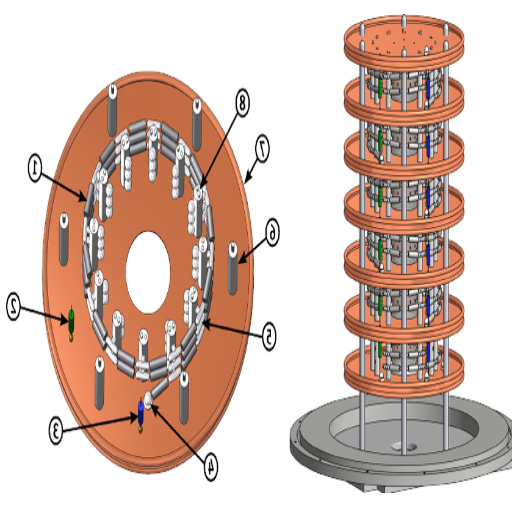
What is a Voltage Divider?
A voltage divider is an electrical setup that allows the input voltage to be distributed into proportionally smaller outputs relative to the circuit’s ratio of resistances or impedances. Basic voltage dividers consist of two or more resistive components connected in series, with the output voltage measured across one resistor or component. Widely acclaimed for its simplicity, this design greatly facilitates voltage scaling in various applications, including signal level adjustment, sensor interfacing, and power distribution.
With modern enhancements ingrained into the design of voltage dividers, incorporating high-quality precision resistors and materials that stand well even in extreme environments leads to high accuracy and stability. For instance, high voltage dividers find greater applicability in measurement, testing, and instrumentation equipment, wherein the safe and reliable operation of systems handling power at high voltages is assured. By adapting specific circuit arrangements to meet various requirements, voltage dividers assume a paramount significance in signal control and integration challenges across industries such as telecommunications, renewable energy, and automotive technologies.
Types of Voltage Dividers
Voltage dividers fall into two groups based on design and application needs: Resistive Voltage Dividers and Capacitive Voltage Dividers. Each type characteristically differs and caters to specific applications.
Resistive Voltage Dividers: A combination of series resistors forms a resistive voltage divider, the most commonly employed type. Applications where DC or low-frequency AC signals must be scaled down are best suited for these, given that they have become one of the simplest signals in the engineering toolbox and find application in measurement, signal interfacing, and level shifting. In electronic devices, for example, a resistive voltage divider can simply convert the output of a sensor to a level that a microcontroller may read. From the energy point of view, high-power applications dissipate heat and thus adversely affect energy efficiency in such cases.
Capacitive Voltage Dividers: Capacitive voltage dividers are most commonly used for high-frequency AC signals. These dividers utilize the capacitor reactance to distribute voltages proportionally between components. Whereas their resistive counterparts produce a voltage drop converting some electrical energy to heat, capacitive voltage dividers have practically no power dissipation, suitable for RF circuits and power distribution networks where efficiency is paramount. Applications such as signal coupling, filtering, or circuits requiring precise phase shifts commonly see the use of these dividers, highlighting their relevance in advanced communication and wireless networks.
By adopting these two main types, engineers will be able to target the correct voltage divider to design or implement according to their project goals for a fine-tuned outcome in various industries.
Applications of Voltage Dividers
Voltage Dividers have extensive applications in many industries, especially in cutting-edge areas of electronics, telephony, and automation. One of the most common applications is sensor circuits, in which voltage dividers scale the sensor’s output signal down to the input tolerance of the microcontroller or an Analog-to-Digital Converter (ADC). For example, a resistive voltage divider may convert a 12V signal from a sensor to a 5V signal acceptable for most ADCs, granting an accurate reading without damaging other sensitive components.
Battery and power considerations are another central area. Voltage dividers would allow the battery to be monitored to ensure that the device operates efficiently and that the battery life is prolonged. By sampling the low voltage, the system controller adjusts the device to prevent over-discharging or over-charging of the battery, an essential process in electric vehicles and portable electronics.
Precision voltage dividers play a vital role in impedance matching and signal processing in RF communication. They ensure the correct transfer of power through circuits without distortion of the signal, which is critical for the speed of data transmission in wireless communication systems. The evolution of voltage dividers for field operations in IoT systems has long remained viable, given the compact design needs of field systems.
Finally, voltage dividers are used in power distribution monitoring systems in the energy sector to measure and control voltage levels. For example, resistive dividers, in cooperation with high-precision sensors, allow a technician to measure voltage in large grids safely and with a minimum amount of energy loss. Thus, they assist in maintaining a true voice on efficiency and reliability in power infrastructures.
Design Principles of High Voltage Dividers

What Are the Key Elements of High-Voltage Dividers?
High-voltage dividers are complicated and must comprise various critical components that work together to ensure a precise voltage measurement and distribution in a high-voltage system. Let us see the chief components and the roles they perform:
Resistive Elements: Resistive elements are high-voltage dividers that divide voltage according to a fixed ratio. These resistors are constructed from special materials that show high thermal stability and low tolerance variation, thereby guaranteeing accuracy even with fluctuating loads or environmental conditions.
Capacitive Elements: Capacitors are used with resistors to improve the system’s frequency response and transient behavior. This is essential for high-frequency systems so that accurate voltage measurement can be preserved by preventing signal noise and dynamic voltage spikes.
Voltage Grading Systems: At very high voltages, voltage grading rings or foils are introduced into the system design to distribute electrical stress uniformly. This prevents a breakdown of dielectrics due to uneven concentration of charges.
Protective Insulation: Insulation materials of high dielectric strength protect the system against unintended discharges and environmental effects. Epoxy resin, porcelain, or silicone rubber are excellent insulation materials for such a system, protecting it throughout its life span from degradation due to environmental ailments and handling.
High-Precision Sensors: Integrated sensors monitor and convert electrical signals into readable information. These sensors are often digital and can interface with present-day monitoring systems to yield real-time data on the grid’s performance.
Connections and Terminals: Robust connection points and terminals must have low resistance and reliably transmit the divided voltages downwards to the systems. Advanced designs feature corrosion-resistant materials with good conductivity, improving the overall durability of the device.
When all these components fit perfectly together, the high-voltage divider assures unquestionable performance in power distribution networks, testing laboratories, or industrial applications. The precision applied to the assembly of these components is of utmost significance since even the slightest deviation leads to measurement inaccuracies, which could eventually impair the entire functioning of the system.
Resistive vs. Capacitive Dividers
Resistive and capacitive division come under two main types of designs used for voltage measurement, being selected appropriately for their requirements. Resistive dividers use precision resistors to scale the voltages in proportion; hence, their output is accurate and stable. This type of divider is best suited for situations with steady-state DC measurement because its performance is unaffected by changes in frequency. Usually, capacitive dividers are more linear and used in low to medium frequency applications, where thermal stability is crucial.
Capacitive dividers divide the voltage across series-connected capacitors. They are best suited for higher-frequency applications due to their ability to deal with transient waveforms with a minimal amount of lag. They are frequently seen during electrical power transmission testing and monitoring applications where accuracy at high voltages is required. However, they can show shortcomings when the capacitances change considerably or when the temperature fluctuates considerably.
Therefore, most modern applications install hybrid dividers—including resistive and capacitive elements—to ensure the simultaneous benefits of both solutions: high accuracy, good frequency response, and thermal stability. These hybrid systems are increasingly gaining importance in varied industrial and research applications where accuracy and reliability are crucial.
Precision in High Voltage Divider Design

Factors Affecting the Precision
Precision in high-voltage divider design is influenced by many critical factors, all deserving intricate attention to ensure proper operation. One important input factor is tolerance; minor errors in resistor or capacitor values can lead to widely varying results in the measurement. Thus, the closest tolerances possible must be kept during manufacture for consistency and reliability.
Temperature stability is yet another essential consideration. Temperature changes can cause changes in materials, thereby affecting resistance or capacitance. Employing components with low temperature coefficients and exhibiting good thermal management can help hamper this variability and improve consistency across varying environmental conditions.
Frequency response may dictate the precision of a voltage divider. In high-frequency applications, the impedance must be matched, and parasitic inductances and capacitances reduced to avoid distortion of the signal. Correctly choosing circuit topology and shielding will significantly improve the frequency response.
Dielectric absorption of the capacitive dividers also causes time-dependent variations in their response while measuring slow-changing or static signals. Selecting a high-quality dielectric with a minimal absorption characteristic reduces its effects.
In addition, noise interference from the outside world needs to be kept in check so that the sensitive system can pick up valid readings. Shielding, grounding, and noise reduction techniques ensure signal integrity, primarily when operating in a high-voltage and high-frequency domain.
All these factors delineate the various considerations that need to be painstakingly factored in during the design of a highly precise high-voltage divider system. Applying new materials and conspicuous engineering design is subject to intensive tests for better results.
Techniques for High Precision
A combination of advanced engineering methods and innovative design should be applied to achieve high precision for high-voltage divider systems. One potent approach is to consider a resistive material with a low temperature coefficient to minimize the effect of temperature changes on resistance. Precision resistors in close tolerances are essential so as not to hamper performance consistency in the face of operational conditions.
An enhanced geometry is then imposed upon the construction of the voltage divider to minimize the effects of parasitic capacitances and inductances on the signal accuracy, which are the causes of error. The higher the frequency, the more imperative this becomes, as even small deviations are large distortions. To improve reliability and precision further, moisture-resistant encapsulating materials and coating treatments can be used on components to protect them against environmental factors, be it humidity or dust.
Active compensation techniques, like feedback control loops, will hold the output readings for stabilization by adjusting the actual deviation automatically. This can be very useful for dynamic environments or systems where a sudden surge of varying input voltage happens. On the other hand, with automated systems, advanced calibration techniques keep the array accurate by compensating for deteriorations caused by the ageing of a system or drift through time.
It is also worth noting that, coupled with modern data acquisition systems, the real-time monitoring of key parameters will enable the fast location of abnormalities. This would synergize with prevention-oriented maintenance through predictive algorithms to give more support to the high-voltage divider for industry, which can guarantee precision in the long term. All the measures, combined, can respond to demanding conditions from high-precision applications across numerous industry and scientific fields.
Challenges Common to Precision Measurement
No matter what type of precision measurement is called for, it suffices to say that industries and scientific fields necessitate it. On the other hand, several challenges upset precision measurement, negatively affecting its accuracy and reliability. Various environmental factors, such as temperature fluctuations, humidity, or electromagnetic interferences, may invade records with noise, thus corrupting data quality. Material properties may also imply standards with later inconsistencies due to thermal expansion, mechanical stress, etc. Calibration errors also remain a big hurdle and come from improper procedures or the use of time-worn equipment, thus leading to deviations in measurement accuracy.
An additional problem is the increasing complexity of present-day systems, which demand tighter tolerances and higher resolutions. As measurement places push technological boundaries, the slightest signal processing mistakes, such as quantization error or signal drift, can compromise high-precision applications. However, these IoT-imbued sensors and implementations of real-time monitoring also stand at risk from cyber threats, posing an uphill task to system integrity maintenance. Tackling these issues would require advanced calibration techniques, environmental mitigation, enhanced signal processing training, and secure system architecture for precision measuring instruments.
Applications of High-Voltage Dividers in Industry

Use in Testing and Calibration
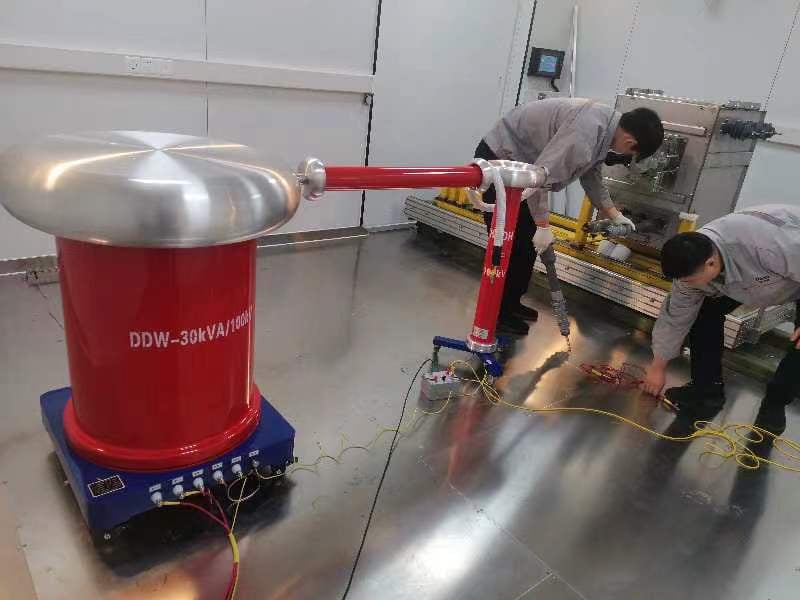
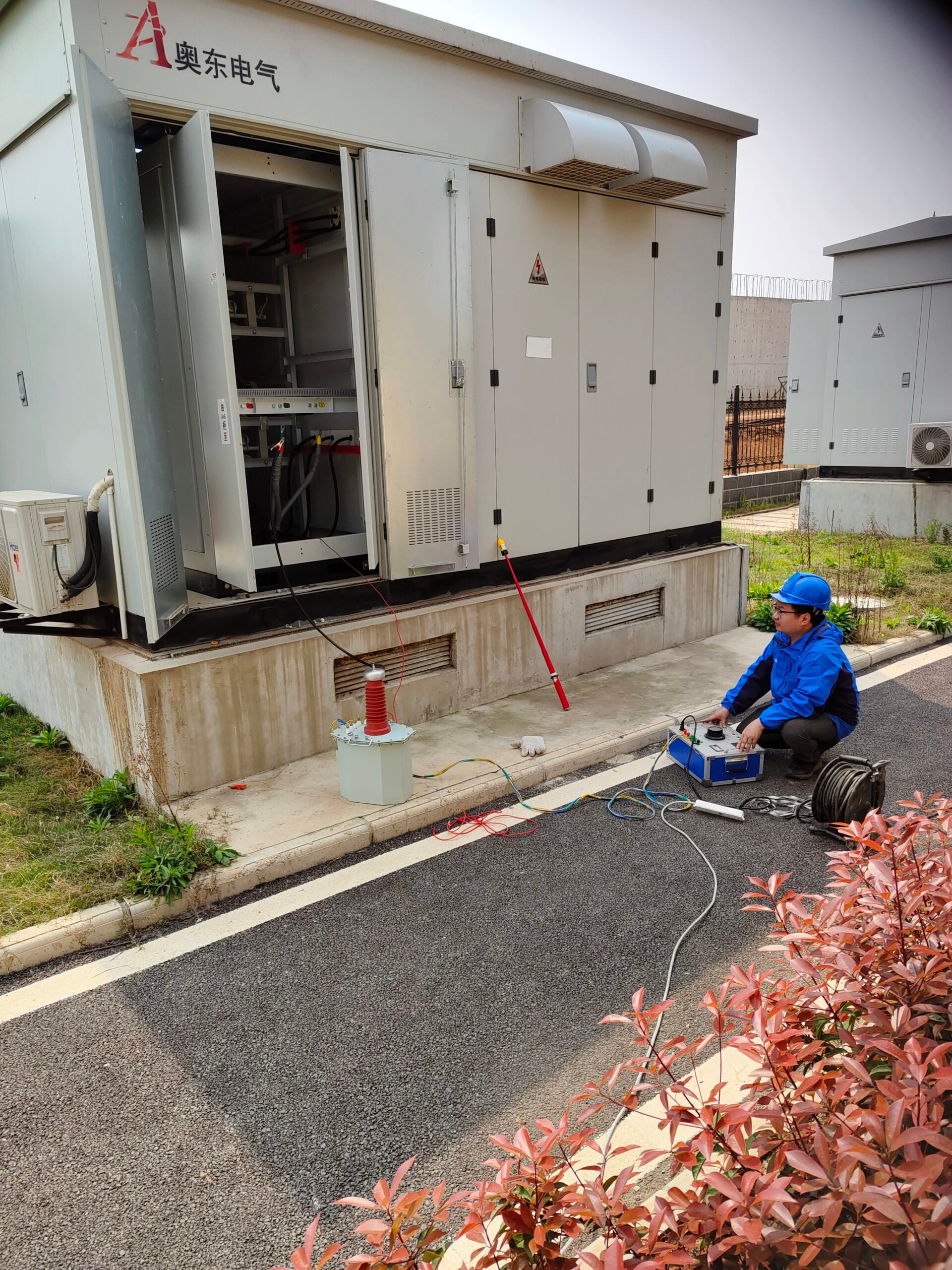
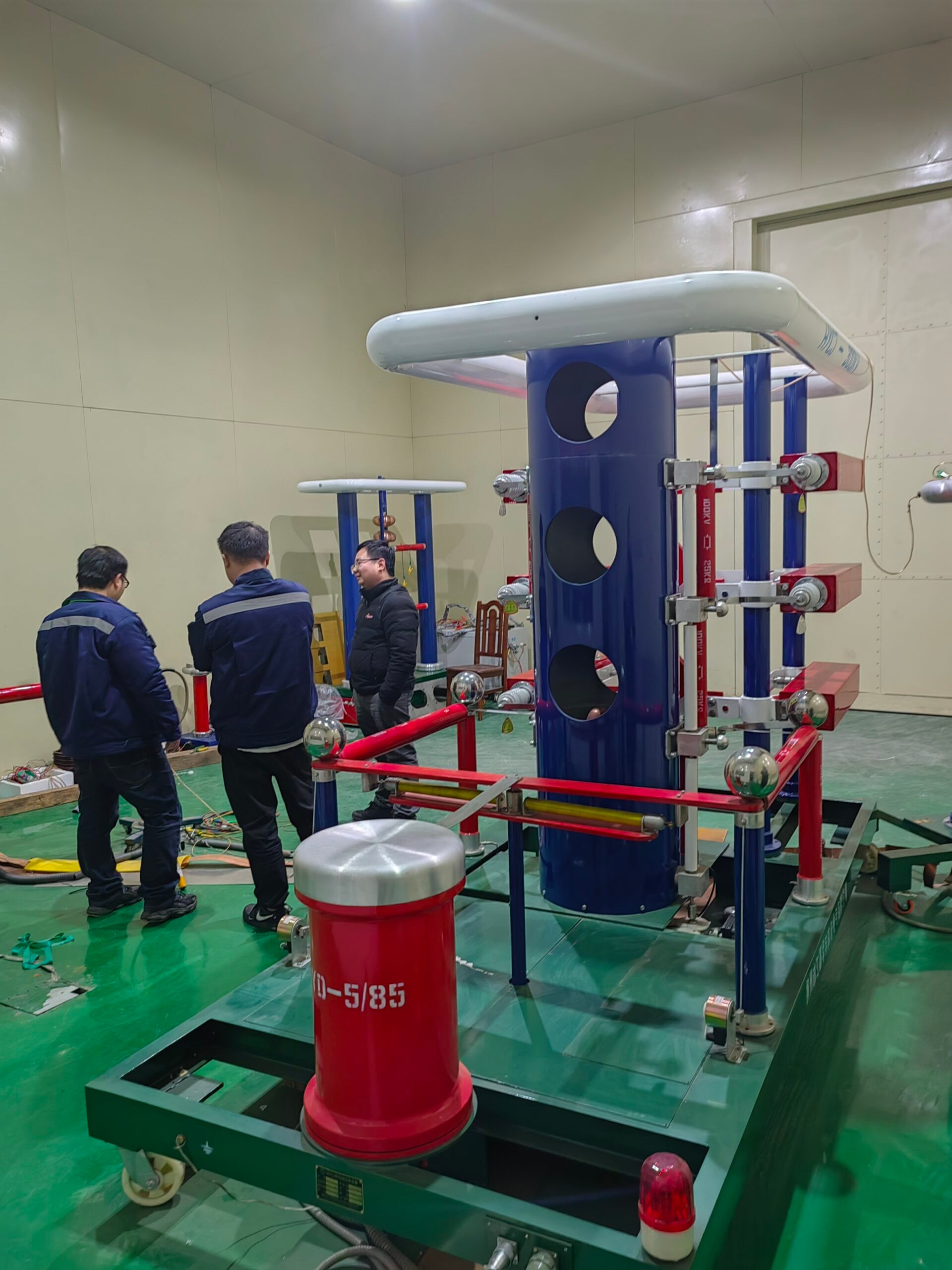
High-voltage dividers have become indispensable tools for accomplishing accurate testing and calibration processes in industrial laboratory environments. These instruments find their place, especially in the high-voltage arena, where one must check and calibrate transformers, circuit breakers, power supply systems, and so on, so that they live up to the standards of performance and safety. These dividers provide very accurate voltage division, enabling one to take measurements at manageable levels without degrading accuracy.
Modern designs of high-voltage dividers have considered using newer materials and techniques to increase reliability and efficiency under extreme conditions. One such technique is simultaneous resistive and capacitive divider action, so that the resulting instrument may have the best wideband frequency response characteristics and good performance at various voltage levels. Such ability is priceless for any industry that requires stringent tolerances- the aerospace industry, the telecommunications industry, and the energy production industry.
Besides providing valuable support to different testing and evaluation operations, high-voltage dividers are integrated into data acquisition systems to provide real-time data monitoring and digital interfaces for ease of operation. The presence of the dividers in applications is paramount in certifying that international testing standards are adhered to; thus, error values are limited, and system calibration itself can be optimized.
Role in Power Supply Systems
A high-voltage divider acts as an instrument, accurately measuring voltages and keeping stability in the power supply system. It divides high voltages into measurable proportions to monitor them safely and analyze them without hindering operational efficiency. These dividers find their best applications in systems dealing with high power, such as renewable energy systems, industrial power distribution systems, and electrical substations.
High-voltage dividers in renewable energy installations such as wind and solar farms monitor voltage levels for optimum energy conversion and grid compliance. Furthermore, industrial power systems contribute to fault analysis by precisely detecting voltage fluctuations or irregularities. Modern designs integrating advanced materials and digital interfaces improve reliability, accuracy, and ease of incorporation with automated systems. This technical evolution thus fosters energy efficiency and operational fortitude over the long term within increasingly complex power infrastructures.
Integration in Measurement Devices
Integrating new technologies into measurement devices has improved functionality, precision, and the scope of application. Advances in digitalization have allowed the incorporation of microprocessors, IoT compatibility, and automatic data analysis capabilities into multimeters, oscilloscopes, and power analyzers. Such devices collect and transmit data in real time, allowing for monitoring and controlling systems that are shared across other platforms. By taking detailed measurements, these devices can provide usable insights, collating data into forms that are easy to grasp, thereby assisting industrial, scientific, and commercial professionals with efficiency and decision-making.
Another important advancement involves the application of AI-powered algorithms in measurement equipment. An AI paradigm is found in predictive maintenance measures, which analyze past data to identify faults before they arise, thus reducing system downtime and extending equipment lifespan. In addition, enhanced interfaces and touchscreen features allow users to customize readings and automate repeated functions with the least amount of training. With wireless connectivity and cloud integration, these devices communicate within larger ecosystems, enabling secure, centralized data access for geographically dispersed teams and systems.
Combining advanced materials with improved hardware designs and robust software platforms puts modern measurement instruments in a class of their concerning accuracy and reliability. The creation and enhancements meet the anticipated need for innovative, fast, and adaptive solutions from manufacturing to renewable energy management. These standards set a very high bar for the development of next-gen tools. They could not be more coalescent with the growing complexity of application and regulatory requirements of the modern day.
Future Trends in High Voltage Divider Technology

Innovations in Material and Design
Regarding materials and designs about innovations in high-voltage divider techniques, I have observed enormous strides focusing on performance and durability. Advanced materials have significantly increased the reliability and lifetime of such equipment. These advanced materials are rated to withstand maximum electrical stresses and severe environmental conditions with minimal chance of failure and maintenance. On the other hand, nanotechnology has provided far better solutions to insulation and conduction with less size required for these advantages. This, in turn, helps the makers develop very compact and lightweight solutions without compromising their efficiency and safety.
Agreed with the design, modular construction, and assignment-based configurations are key recent innovations. These features allow applications to be flexible but promise to be repaired and replaced with minimal downtime involved in critical operations. I have also noticed an increased use of simulation-based design processes to optimize and fine-tune performance parameters before the production stage, ensuring the final product complies with stringent specifications at an optimal cost. As the sciences will continue maturing, I imagine that the key lies in creating reactive innovative solutions that self-monitor and interface with automated systems, fronting other limits, high voltage dividers might tackle.
Impact of Digital Technologies
Digital technologies changed my perspective on the design, analysis, and optimization of disturbance-line voltage dividers. Using simulation software and advanced data analytics early in the development phases allows me to predict performance parameters and resolve possible design issues. These technologies provide the means to precisely model intricate scenarios while saving time and resources and guarantee a perfect match of the final product to the demands of quality and function.
In addition to design, digital technologies promote production and deployment. In manufacturing, such technologies enable the use of automation technologies and monitoring systems and ensure errorless realization with concise consistency and accuracy. Also, these systems environments find their real-time problems and resolve them, reducing downtime for further enhancements in reliability at the ordering party’s installation.
More importantly, digital tools streamline workflow and drive innovation. Whether improving component efficiency, enhancing safety measures, or developing smart systems for monitoring, digital technologies enable me to push boundaries and address these needs with innovative solutions in high-voltage technology.
Potential for Enhanced Safety Features
One of the greatest potentials for enhancing safety features is the exploitation of the capabilities of advanced digital tools. With such integration, real-time monitoring systems, and predictive analytics, potential hazards may be targeted before they evolve into critical issues. In contrast, sensors embedded within the high-voltage equipment continuously capture data relevant to its performance and environmental conditions. This data is fed into internal analysis designed to identify unusual patterns or traces of wear and tear. Preventive maintenance, thus, will improve safety and operational reliability while cutting down unnecessary operational downtimes and costs.
Another possible safety enhancement would come from remote operation and automation technology. These things can perform risky tasks in facilities, putting the workers at considerable risk. For example, remote-controlled inspections or repairs would keep personnel out of high-risk areas. Automated shutdowns based on predefined conditions or thresholds further safeguard by allowing immediate responses to critical scenarios.
These developments bring to life the concept that digital tools not only aid in improving overall efficiency but also create an environment that is increasingly safe and secure to operate in. By harnessing the potential of technology, I remain at the forefront of prioritizing safety while simultaneously pursuing innovation and fulfilling the industry’s ever-changing needs.
Reference Sources
- High voltage divider and resistor calibrations – GovInfo
- The design of a wide-band high-voltage divider – IEEE Xplore
- Voltage divider – Wikipedia
- Voltage-Divider for High Voltages – Electronics Stack Exchange
- Exploring the World of High Voltage Dividers – Beijing Huazheng Blog
Frequently Asked Questions (FAQs)
What is a High Voltage Divider and How Is It Used in Electronics?
The high voltage divider is an electronic circuit that divides a high-voltage input into lower voltage outputs to ease measurement or application. Typically, a set of resistors is used to perform this division so that the voltage divider may safely interface with measuring instruments like multimeters or oscilloscopes. This is extremely important in a laboratory where voltages are high, for instance, 100 kV or 150 kV. Accuracy and stability are very pertinent to the reliable measurements of the voltage divider, mostly in high-frequency applications where impedance is a significant concern. It is through impedance matching at the input that will reduce loss of signal, hence resulting in more accurate readings. Voltage dividers generally serve essential purposes in electronics that involve high-voltage elements.
What are the Best Resistor Types for High Voltage Dividers?
While choosing a resistor for high voltage dividers, great importance must be attached to dielectric strength and temperature coefficient. These resistors must withstand high voltages without breaking down, at a voltage of 100 kV or more. Metal film resistors are a typical choice where stability and low noise are concerned, being able to satisfy the criteria for precision applications. The resistance value rating must also be sufficient to dissipate the power applied without overheating. The utilization of very high precision resistors can finally improve the measurement of the voltage divider, such that the output voltage will not vary with changes in operating conditions. Proper termination and layout go a long way toward minimizing losses within the resistor and maintaining superior signal integrity.
What Is the Effect of Capacitance on the Signal in Voltage Divider Circuits?
Capacitance can significantly influence the performance of a high-voltage divider circuit in aspects of frequency response and load capacitance. Excessive capacitance can reduce the circuit’s bandwidth, inducing somewhat delayed phases that might distort the output signal. In cases where the circuit has to process signals with a relatively high frequency, it is critical to opt for resistors with minimal capacitance deviation to minimize performance degradation. Besides, suppose the circuit is subject to transient voltages or operational conditions where transient voltages may occur. In that case, the response of the capacitors in compensation for a change becomes useful for stability. It is also necessary to consider the dielectric property of the capacitor, as it will affect the circuit’s behavior upon varied operating voltages and temperatures. The proper control of capacitance allows tuning the operation of the divider.
How Can You Measure the Output Voltage of a High-Voltage Divider?
Generally, measuring the output voltage of a high voltage divider is accomplished by using digital voltmeters or oscilloscopes, taking precautions to ensure that the instrument used has a high input impedance so as not to cause loading. Once set, the measured output voltage will be displayed by the measuring instrument, while precautions have been taken to ensure that the measuring instance is taken after steady-state. Probes and kits designed for high voltage measuring are also worth using to restrict the risk of Corona discharge hazards. Calibration of the measuring device plays a part in ensuring accurate reading, which is even more important when dealing with very high voltages, where minor inaccuracies can bring about significant errors.
How Do Temperature Coefficients Affect High Voltage Divider Performance?
The resistors’ temperature coefficient in a high-voltage divider circuit may largely affect its performance, especially in areas requiring precision. The resistance values are likely to change when temperature changes, resulting in output voltage fluctuations. The purpose is to pick components with low temperature coefficients to drastically reduce the variation in resistance between ambient temperatures and working conditions. The effects of temperature change on the capacitor should also be considered, as it can alter the circuit behavior. Precision is at stake for a high voltage application; hence, the temperature impact makes one better aware of such important issues, allowing better design decisions and reliable functioning. Frequent monitoring of temperature and adaptation of the circuit to ensure performance is at its best might also be vital.
What Is the Importance of Stability in the Design of High-Voltage Dividers?
Stability in the high voltage divider design is essential to provide consistent and accurate output voltage levels over varying periods and environmental changes. As a result of its stability, the voltage divider has minimum effects on any external factors, be it temperature changes, load variations, or signal noises. As laboratories require precise measurements for research and development, it is vital. Using proper layout and high-quality components with low temperature coefficients can improve stability. Further, the inclusive use of feedback circuits, such as amplifiers, could compensate for some variations in the performance of the voltage dividers. Hence, a high voltage divider with a high level of stability increases the reliability and accuracy of measurement in high-voltage applications.