In the matter of maintaining peak efficiency and longevity of industrial machinery, oil filtration holds the key. The vacuum oil filter machine is a powerful device that removes contaminants from the oil, thereby increasing the oil’s quality and ensuring the machine’s smooth running. Here, we shall analyze the worth of vacuum oil filter machines and look into tips for their maintenance. Whether you want to improve performance, cut downtime, or spend less on operations, this guide will give you the mindset needed to capitalize on this equipment. Stay tuned as we delve into factors around which this cutting-edge technology will build your maintenance philosophy.
Understanding the Vacuum Oil Filter Machine
What is a Vacuum Oil Filter Machine?
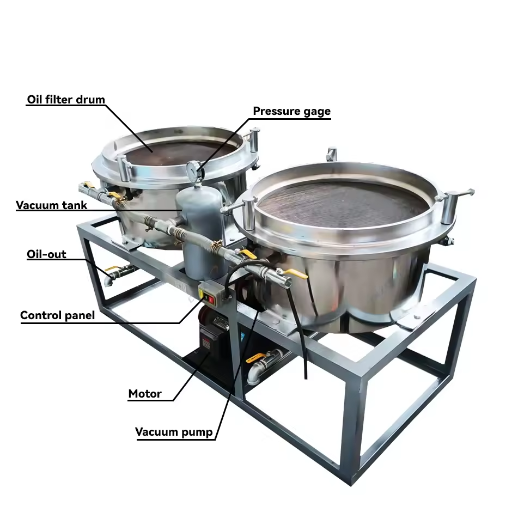
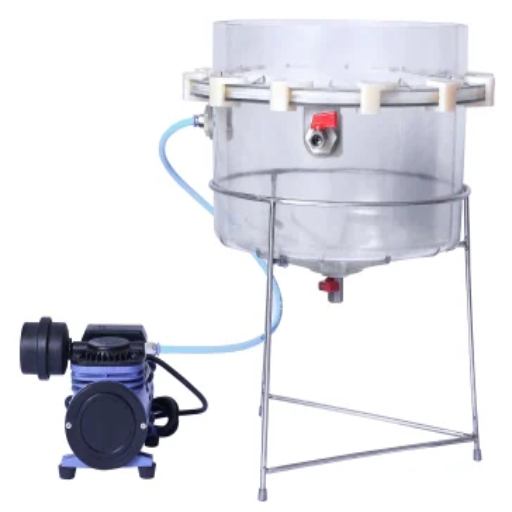
Vacuum Oil Filter Machine is expert industrial machinery that purifies and rejuvenates different oils, such as transformer, turbine, and lubricating oils. Sometimes, the presence of water, gases, and solid particles in oil destroys its properties for best performance, since vacuum-based technology is deployed in this machine to remove them. Endlessly functional components usually include a vacuum chamber, a heating element, a filter, and a control interface.
This technique involves heating the oil to reduce its viscosity so that suspended impurities are filtered out more easily. At the same time, moisture and gases are removed in the vacuum environment at relatively low temperatures, which prevents the oil from thermally degrading. Recent vacuum oil filter machines encompass multi-stage filtration and sensor-based systems for enhanced efficiency in ensuring high purification. These machines keep essential oils in prime condition, which defines the longevity of machine health, thereby lessening production breaks and improving working capacity.
How Does the Vacuum Oil Filter Work?
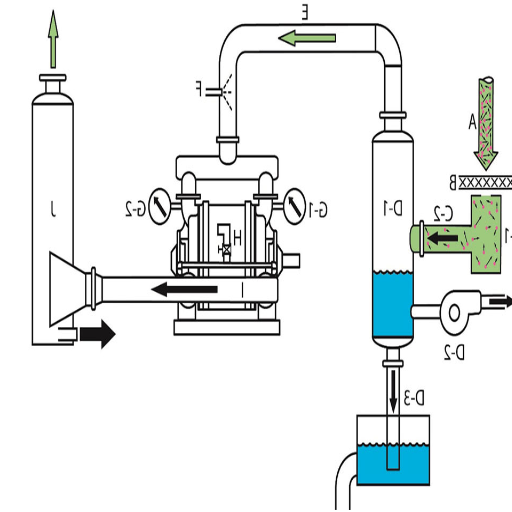
A vacuum oil filter employs vacuum dehydration and multi-stage filtration to expel impurities, water, and gases from the oil. In doing so, the oil contaminated with impurities enters the system through pre-filters to remove large particles and debris. It then goes to the vacuum chamber, where, under this low-pressure condition, moisture and dissolved gases are dissipated at lower temperatures to avoid thermal stress to the oil. Even tiny traces of water and volatile substances are removed at this stage.
Once the vacuum stage is achieved, fine filtration continues, wherein advanced filter elements trap any remaining small particles, ensuring the oil is pure. Modern vacuum oil filtration systems with sensors automatically control the oil quality, temperature, and flow rate. According to industry data, vacuum oil filtration brings oil water content to below 100 ppm and delivers a cleanliness level of NAS 1638 Class 6 or better. The process increases the oil’s usability time, protecting critical equipment and thus saving serious downtime and maintenance costs.
Details of the Major Components in a Vacuum Oil Filtering System
A vacuum oil filtration system involves several components working together to achieve optimal oil purification and equipment protection. Below are the critical parts with their respective functions:
Vacuum Chamber: The vacuum chamber lies at the heart of the system’s function. Deprived of pressure, it removes moisture, air, and gases from lubricating oil. This process, in turn, is paramount in achieving close to negligible water content and oil of quality maintained to high standards.
Heating Element: The heating element heats the oil to an optimum temperature, increasing its viscosity and, hence, liberating impurities more efficiently. Careful temperature control separates contaminants held in suspension without degrading the oil itself.
Degassing Unit: The degassing unit efficiently rids the oil of oxygen, nitrogen, and other unwanted gases during the purification process. This step is crucial to increasing the dielectric strength of transformer oils and ensuring the performance of equipment.
Precision Filters: Precision filters provide several stages of filtration that remove solid particles and particulates. They are designed to meet cleanliness levels such as NAS 1638 or ISO standards to assure continuing performance in the purification process.
Oil Pump: High-performance oil pumps effectively transport oil through the system. These pumps are optimized for flow rate and pressure, keeping the filtration process uninterrupted while maintaining reliability.
Water Separation Unit: Usually consisting of a coalescing or hydrophobic material, this unit carefully separates and removes the free and emulsified water, drastically reducing the water content to below the industrial standard.
Control System: These are advanced vacuum filtration systems with control panels that automate the monitoring of parameters such as oil temperature, pressure, and viscosity in real time, thereby enhancing operational efficiency.
Safety Systems: Modern systems usually offer safety devices, such as pressure relief devices, temperature sensors, and automatic shutdown mechanisms, to provide overloading protection and ensure smooth functioning.
Designed around the above components, vacuum oil filtration systems deliver the best oil purification results, extending oil service life and ensuring the integrity of industrial machinery. The precision and ingenuity applied make these systems invaluable in industries that depend on a clean and efficient oil supply.
Benefits of Using a Vacuum Oil Filter Machine
Enhanced Oil Purification Process
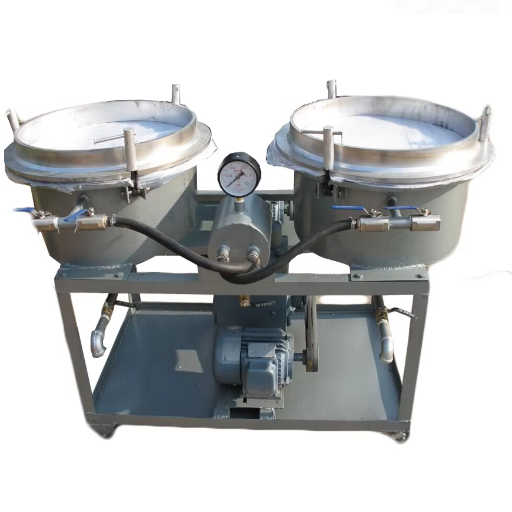
Vacuum oil filtering machines use a superior filtration process for increased oil purification. These filtering systems protect the oil against impurities like moisture, gas, and solid particles, directly aiding machinery efficiency and longevity. Modern systems offer multi-stage technology, vacuum dehydration, and fine filtration to treat high- and low-viscosity oils.
Some data reveal that industrial plants employing top-notch vacuum filtration systems observe considerable reductions in equipment wear and tear since clean oil significantly lessens the abrasive action within the mechanical elements. Moreover, a few systems can provide automated monitoring, so the user tracks water content and particle levels in real-time to ensure that filtration performance is always optimal. With ever-increasing pressure upon sustainability, these machines assure resource conservation by lengthening oil-replacement intervals and lowering environmental waste and operational costs of service activities.
Improved Oil Life and Performance
With the present-day oil filtration systems, the longevity and performance of industrial lubricants are notably enhanced. Through its continuous removal of contaminants like water, dirt, and metal particles, a filtration system helps guard oil’s chemical structure from oxidation and sludge formation, leading to further oil deterioration. Studies reveal that efficient purification could extend the oil life by about 50%, thus reducing oil change frequency and the cost incurred thereto. Besides, optimized performance empowers the machine to operate efficiently, decreasing unnecessary downtimes and improving productivity.
An even more vital role would be the decrease of strain and energy consumption for the equipment when clean oil is utilized. An increase in friction, heat, and wear occurs with dirty oil, culminating in early failure of equipment. High-performance filtration ensures that an average level of oil cleanliness is maintained, thus allowing parts such as pumps, bearings, and valves to function normally without impedance or excessive energy usage. This consequently saves energy and ensures the longer life of equipment, making the systems an environmentally viable and economically sustainable option for industries.
Technological advancements have made for intelligent oil-monitoring processes. Many filtration systems now come with IoT-enabled sensors coupled with advanced diagnostics to give real-time feedback on oil quality parameters; this includes particle count, moisture levels, and viscosity. These findings enable technicians to make well-considered decisions and to work on issues from the onset. By implementing such modern features, companies can thus realize better performance results in alignment with sustainability and efficiency objectives.
Cost-Effective Oil Processing Solutions
These oil processing solutions include cost-effectiveness when industrial sectors endeavor to strike a balance between operational efficiency and the budget. Initially, oil filtration and processing innovations today offer industries options to reduce wastage, prolong equipment life, and save energy, making them economically viable. Employing advanced technologies for filtration, such as depth filtration and centrifugal separation, will assist industries in purifying oil with the least downtime possible. These solutions ease maintenance schedules, optimizing labor and resources- a critical factor when attempting to cut costs in demanding operations.
Besides, data-centric systems, powered by IoT-enabled monitoring tools, deliver actionable insights that dramatically reduce unnecessary expenditure. In real-time, these systems monitor key parameters such as contamination level, flow rate, and temperature variations. For example, an alert from predictive maintenance could save disruption costs by pointing out potential failures before their actual occurrence, thus saving time and money. Direct cost-effective integration ensures operational resilience and profitability for sectors such as manufacturing, automotive, and energy. Applying such advanced oil processing solutions will allow sustainability improvements with the top efficiency and lower costs in the long term.
Maintenance Tips for Vacuum Oil Filter Machines
Regular Inspection of Filter Elements
Regular inspection of the filter elements in vacuum-type oil filters is necessary if one aims to assure their performance and lengthen the life of the equipment. Filter elements can build up heavy contaminants like dirt, sludge, and metal particles and aggravate each other with time, thus reducing the capability of the filtration process. Regular inspection should be carried out, and based on operating conditions and manufacturer recommendations, the filter must be cleaned and replaced to preclude blockages; thus ensuring good purification of oil. For example, industries working in harsher environments should check them more frequently.
When checking, inspect the filter media condition for clogging, wear, or any damage that may hinder its filtration abilities. Suppose the filter elements appear dirty or worn beyond the limits. In that case, they should be replaced to avoid loss of efficiency, overheating, or, in extreme cases, the eventual breakdown of the equipment. Data suggests the maintenance of filter elements can increase the expected life of the machines and improve oil cleanliness by 70%, resulting in more production hours without downtime and less power consumption.
Furthermore, procuring quality spare parts and stocking sufficient spare filters should be part of a complete schedule, thus minimizing downtime during scheduled maintenance. Leading proactive maintenance will ensure the highest performance of the vacuum oil filter machine while reducing costs relating to compromises that become considerably expensive if ignored. All operations can thus aim for smoother activities, improved equipment reliability, and guaranteed productivity when maintenance work equals regular inspection.
Maintaining the Vacuum System Efficiency
Developing and upgrading operational practices can help maintain vacuum system efficiency over long time spans. New technologies, such as the newest filtration technology and an adaptive system monitor, can greatly improve performance. Using automated monitoring tools for tracking pressure, temperature, and flow rate lets the maintenance team immediately detect and correct inefficiencies.
Using higher-grade filters to reduce particle contamination would be another alternative to maintaining a steady level of vacuum quality. Data indicate that an optimized filtration system operates almost 30% longer than a standard setup. Regularly cleaning system components and routine recalibrations will maintain the system at optimum working levels. This approach ensures maximum efficiency, less downtime, and operational costs for the vacuum systems through technological advancements and proper maintenance practices.
Handling of Vacuum Pump Components
Vacuum pump components should be handled and maintained to keep their efficiency and longevity. Ensure that the elements, such as seals and gaskets, filters, etc., are kept in an environment that can adequately prevent contamination by being clean and dry. During installation or maintenance, care should be taken not to expose lately cleaned sensitive parts to dust or moisture as both compromise performance and cause premature wear. Lubricate all mildly moving parts before assembly. Regularly inspect for wear and damage to rotary vanes, diaphragms, and bearings, and replace immediately if worn or damaged.
Streamlining an organization’s operations would mean using special tools for assembly and disassembly to lessen the risk of accidental damage to components. Also, to maximize the pump’s reliability, use compatible lubricants and adhere strictly to the manufacturer’s maintenance schedules. Studies have proven that handling components in line with maintenance procedures can increase vacuum pump efficiency by up to 25%, thus minimizing the number of interruptions that occur during operations and reducing the maintenance cost. Remaining precise and conscientious will ensure vacuum systems perform smoothly for peak output.
Common Applications of Vacuum Oil Filtration
Transformer Oil Purification Procedures
Transformer oil purification is a critical process, guaranteeing electrical transformers’ survival and optimal performance. During operation, transformer oil collects impurities, such as dissolved gases, water, and solid particles. These impurities reduce the insulation capacity and cooling properties of the oil. The advanced methods of vacuum dehydration and degassing recover these qualities and hence maintain the reliability of the system.
Vacuum dehydration efficiently removes moisture, which is especially dangerous since traces of water drastically reduce the dielectric strength of transformer oil. In operation, a low-pressure atmosphere is formed, so moisture is separated efficiently at lower temperatures without destroying any chemical properties of the oil.
Degassing is the removal of gases dissolved through electrical discharge or overheating. These gases, being dissolved, can cause breakdowns in the equipment and pose a hazard to the surroundings if left there. Present purification systems include conditioning of the oil, whereby solid materials and contaminants are also filtered out from the oil to bring the cleanliness of the oil up to strict industrial standards.
Studies have proven that purified transformer oil can extend the life of transformers by up to 50% while reducing unexpected failures. Thus, industries are dependent upon the newer purification techniques to keep their work uninterrupted and to prevent their critical electrical infrastructure from premature aging or damage.
Coconut Oil Filtration Systems
Coconut oil filtration is a critical process in determining oil purity and quality, particularly for food, cosmetics, and biofuels. Recent filtration techniques synthesize mechanical, thermal, and chemical procedures to minimize impurities and maximize oil’s properties without compromising its nutritional value.
The most common methods include cold filtration, where the oil is cooled to a particular temperature so that impurities solidify and are then easy to remove with a fine mesh or filter press. This process helps preserve the natural flavor and nutrients of coconut oil and is hence good for culinary purposes. Centrifugation is another modern method used for separation, purifying the oil while retaining its organic properties.
Membrane filtration is another emerging method that employs unique semi-permeable membranes to trap minuscule impurities. It is highly effective for industries that require ultra-refined oil, such as pharmaceuticals and cosmetics. Employing multi-stage filtration, which combines at least two of these filtration methods, guarantees even higher purity levels to satisfy industries with very high quality demands.
Advancements have been made that optimize pressure and flow rate during filtration, leading to enhancements in efficiency, reduced wastage, and lowered operational costs. Such kinds of filtration will not only boost the shelf life of the oil but also foster its use in multiple industrial sectors aligned with sustainable goals promoted these days.
Degasification of Edible Oil Processing
Degasification is essential in preserving the quality and stability of edible oils during processing. This step removes dissolved gases such as oxygen, nitrogen, and carbon dioxide that would otherwise accelerate oxidation and diminish the oil’s nutritional and sensory properties. By eliminating these gases, manufacturers gain the considerable advantage of greatly extending shelf life and preserving freshness.
Newer degasification methods have emerged, with vacuum and membrane solutions that achieve higher efficiencies. Vacuum degasification reduces the pressure to below atmospheric levels and forces the dissolved gases out. Modern membrane systems, on the other hand, allow for a more precise extraction of dissolved gases with very little impact on the oil’s composition.
One of the important parameters of reduced post-degasification peroxide values is a clear indication of oxidation. Studies have proven that advanced degasification greatly reduces these values, hence guaranteeing better oxidative stability and consumer satisfaction. Furthermore, it improves the oil’s thermal stability, which is an important factor when oils are considered for a high-heat cooking process or industrial applications.
By using these refined techniques, edible oil processors will fulfill regulatory and marketing demands for high-quality, durable products. They will also contribute to greater sustainability by reducing waste and conserving energy.
Choosing the Right Oil Filter Machine
Factors Influencing Machine Price
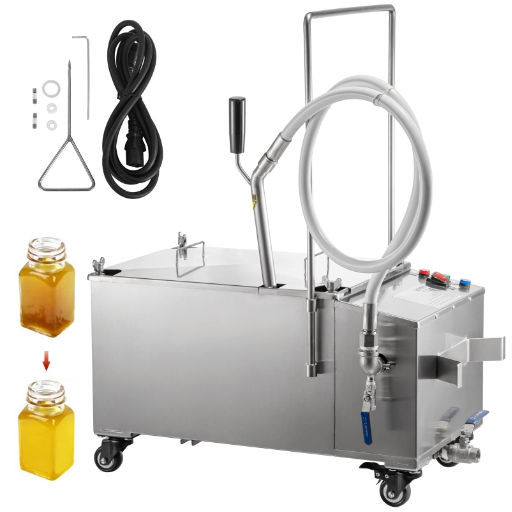
On the price side, I consider a few key factors when determining the price of an oil filter machine. Most importantly, the machine’s capacity is one of the major deciding factors in the machine’s cost. Thus, larger-scale industrial machines are priced higher because they can accommodate huge volumes of oil. Moreover, small machines for local businesses or niche markets tend to be cheaper but cannot afford the cost of higher speed or efficiency for mass production.
Other than this, the type of filtration method adopted by the machine is an essential criterion for price determination. Advanced filter systems, including vacuum or centrifugal filtration, will be more pricey as they can filter better and maintain cleaner oil. This does, however, translate to economic benefits in the long run through the savings in time and cut in wastage. Then, the price would be decided based on the materials used to manufacture the machine and the build quality. Machines that can withstand corrosion and are made from good-quality materials like stainless steel cost more but are worth investing in as they provide a longer service life and are less prone to wear.
Lastly, I would also consider the level of automation and additional features included in the machine. Fully automated systems featuring programmable controls and energy-saving solutions bear substantial costs, yet will significantly cut down labor costs and human error. Customization options, including some specialized functionality, such as processing different types of oils, might also add to the overall price. Ultimately, making the right trade-off between upfront cost and long-term operational savings will surely enhance the performance of the oil filter machine and thus provide a workable solution that fits budget constraints and production goals.
Comparing Different Filtration Technologies
Comparing different filtration technologies tends to show that the choice depends on the operation’s specific requirements. In this regard, centrifugal filtration effectively removes fine particles and performs well with high-density oils, but its operational expenses and maintenance procedure are relatively high. Vacuum filtration, on the contrary, is better at separating water and sludge from the oils, thus making it perfect for industries where contamination shots are a regular concern. However, vacuum systems usually consume much energy, which in the long run might hike maintenance costs.
Pressure filtration, in contrast, uses filter media to retain contaminants and is usually the preferred choice because it is simple to operate and relatively cheap. However, such processes require the media to be replaced frequently, which might add to these operational costs. Likewise, magnetic filtration is a more technical process offering accurate particle removal in settings dealing with ferrous particles without using consumable filters. However, it may not be suitable for all uses and would initially involve a relatively high cost.
According to these observations, the choice will have to compromise performance, cost efficiency, and the operational needs of those involved. It is critical to understand the nature of the oil being filtered and the level of purity required. Each technology is the best fit in differing situations, so aligning the filtration type with production goals and maintenance prowess should make it useful in the short term and in the long term.
Evaluating Machine Specifications and Features
When considering specifications and features, I concentrate on how well the equipment meets operational requirements and objectives. The first consideration is the capacity and throughput of the machine. The machine must deal with the workload anticipated without damaging its components or becoming a bottleneck in the production process. Another thing to consider is its energy efficiency and operating costs, which impact profits in the long term. A machine that delivers performance at a low operating cost will be almost impossible to turn down for an investment.
Another important one is its suitability for the materials and processes used in the operations. I then assess whether it has a design and performance that fit the needs of the process, for example, the type of oil in a filtering system, application precision, and so on. Following this, a closer look is taken at maintenance requirements, spare parts, and technical support. A machine that is easy to maintain and well-supported by spare parts and technical help will help avoid downtime and keep the machine running consistently, making it a good choice in the long run.
Finally, I will consider advanced features or other technical innovations that could aid efficiency or supply a competitive advantage. Moreover, automation, process control, and integration capabilities would add great value due to their ability to simplify operations and reduce the possibility of human errors. By evaluating these factors, mapping against the particular objectives and constraints of the operation, I can make a conscious strategic choice that will strike a balance between quality, efficiency, and cost.
Reference Sources
- Advantages and disadvantages of the vacuum oil filter and operation method – Lube Oil Recycle
- 3 Benefits of Vacuum Pumps for Oil Purification – ZY Oil Purifier
- Vacuum Transformer Oil Filter Machine: Working Principle and Benefits – Yunen Oil Purifier
- Maintenance and Longevity Tips for Oil Cycle Vacuum Units – Gucum Pompa
- Tips for Maintaining an Oil-Filtration System – FE&S Magazine
Frequently Asked Questions (FAQs)
What is a coconut oil filter, and how does it work with a vacuum oil filter machine?
A coconut oil filter purifies coconut oil by removing impurities and contaminants. When utilized with a vacuum oil filter machine, it further purifies the oil. In the vacuum environment, less water and less gas make particle removal more efficient. This method of filtration not only brings about a purer essence of the fame but also ensures that the oil purity is maintained in the sense that it never gets moist or with volatile compounds. The endingly clean coconut oil is ready for cooking or other applications.
How does the oil purifier maintain the sound quality of oil filtration?
This oil purifier has an advanced purification system that uses multiple filtering methods to bring the oil to high cleanliness levels. Using vacuum dehydration and excellent filtration, the oils are treated to get rid of contaminants such as particulate matter and water vapor. It is quite effective with all types of oils, including hydraulic and lubrication oils, and it ensures that the oil retains its viscosity and performance from time to time. A good oil purifier might help users with lower levels of contamination, measured in ppm, and longer equipment life execution.
What is the advantage of choosing a vacuum filter during oil filtration?
The benefits provided by a vacuum filter in oil filtration include a relatively superior water and sludge removal efficiency from oils. A deeper vacuum can be created through the vacuum chamber, allowing for the withdrawal of impurities such as solids, resulting in cleaner oil at less operating cost. It also serves for industrial oils, which can reduce much of the downtime if the oil quality is ensured. It allows for easy maintenance due to the practical design of the system and may be considered for various applications.
What is the cost of an oil filter machine, and what influences it?
An oil filter machine price can vary significantly as it depends on several factors, including the capacity, filtration technology, and even the brand name reputation. Due to advanced purification systems and more efficient designs, machines of the highest quality usually sell for a premium. Also, depending on what kind of oil is intended to be filtered, the selling price may be based on different operating procedure criteria. In the long run, however, an investment in an oil filter machine would bring huge savings in conserving the oil and keeping it from being replaced so often.
How does vacuum dehydration improve oil quality?
Vacuum dehydration increases oil quality by removing water content and contaminants. Inside the vacuum, the boiling point of water is lowered so the water in its vapor phase can be removed efficiently without damaging the oil. This procedure is essential to the oil’s integrity, at least in industrial applications, where cleanliness is of primary concern. With improved oil quality, better lubrication properties, and reduced wear, users can expect machines to perform better, thereby strongly contributing to increased reliability and efficiency.
What is the role of oil transformer purifiers in electrical equipment maintenance?
The transformer oil purifier is necessary to maintain poor quality transformer oil, which is vital for insulating and cooling electrical equipment. Such an oil purifier will use an advanced filtration system to remove contaminants such as sludge and water, thus maintaining the oil in a dielectric state. Through regular applications of a transformer oil purifier, premature failures of electrical systems can be avoided, and the longevity of the equipment can be extended as a whole. An operator who would then be well versed on keeping the oil well maintained would be able to lessen downtime and thereby improve the electrical system’s effect.