Box type substations are revolutionizing the way electrical power is distributed, offering a compact, efficient, and highly reliable solution for modern power systems. These substations are designed to meet the growing demands of urbanization, industrial advancements, and decentralized energy production. Combining sleek design with advanced functionality, box type substations are widely used in applications ranging from urban networks to renewable energy projects. This guide will explore the key components, design considerations, and benefits of box type substations, providing you with a comprehensive understanding of their role in advancing electrical infrastructure. Whether you’re a power systems engineer, a project planner, or simply curious about cutting-edge energy solutions, this article will equip you with the essential knowledge to appreciate and implement these versatile power systems effectively.
What Is a Box Type Substation?

A box type substation is a compact, enclosed structure that houses essential electrical equipment for power distribution and transformation. It typically contains components such as transformers, circuit breakers, switchgear, and control systems, all configured to safely and efficiently manage the transmission of electricity. These substations are designed for modular installation, allowing for quick deployment and operational flexibility. Their enclosed design provides protection from environmental factors, ensuring reliable performance in various conditions while minimizing maintenance requirements. Box type substations are commonly used in urban areas, industrial facilities, and renewable energy projects for their efficiency and space-saving benefits.
Understanding the Transformer in a Box Type Substation
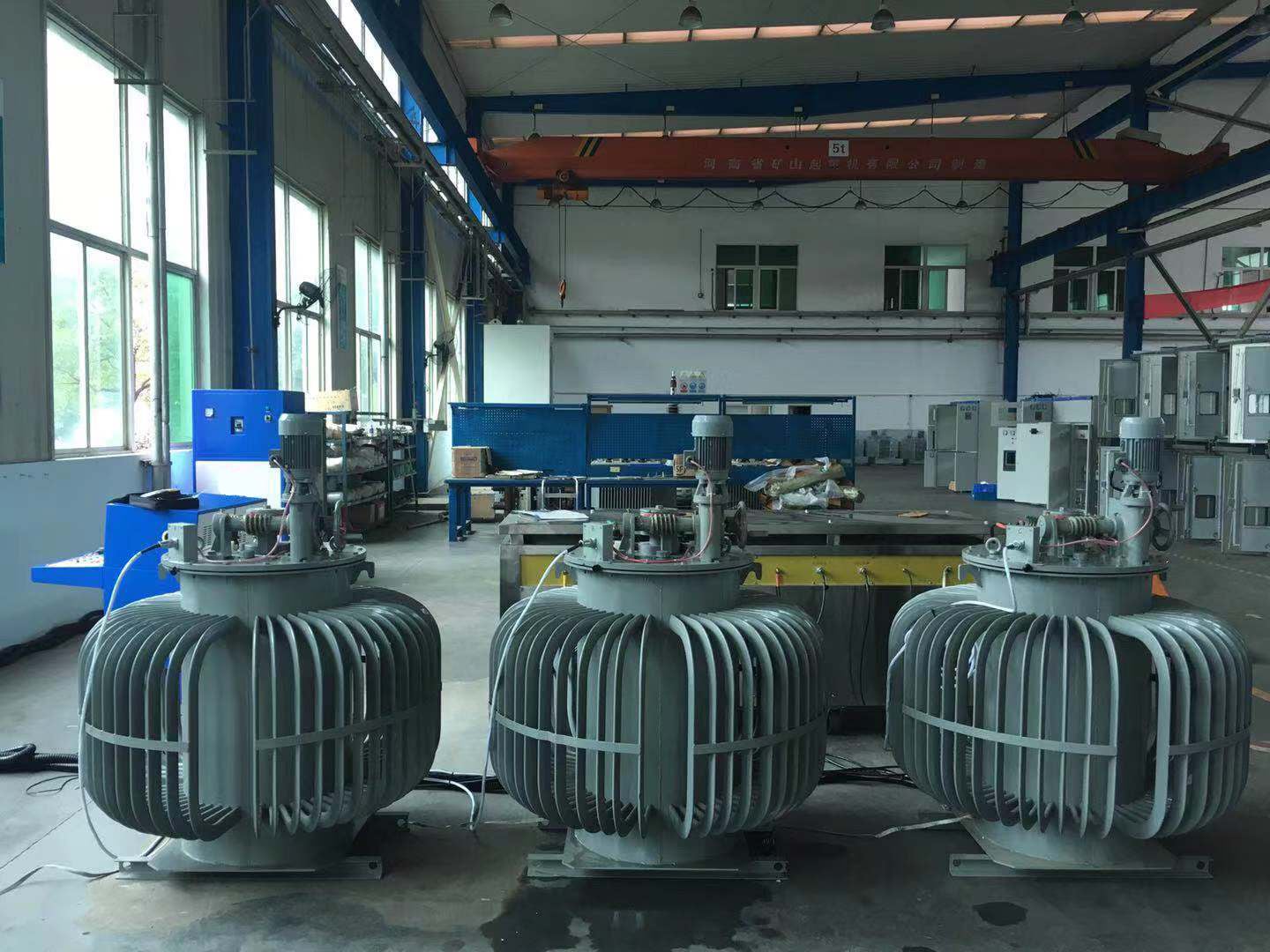
The transformer in a box type substation is a critical component responsible for voltage conversion to facilitate efficient power distribution. Typically, the transformer steps down high-voltage electricity from the grid to a lower voltage suitable for end-users or industrial applications. These transformers are designed for compactness and are often oil-immersed or dry-type, depending on the operational requirements and environmental conditions. The use of high-quality insulation and efficient cooling mechanisms ensures reliable performance under varied load conditions. Additionally, safety features such as overcurrent protection and temperature monitoring systems are integrated to prevent failures and extend the lifespan of the equipment. By optimizing energy transformation and minimizing losses, box type substations with advanced transformers play a pivotal role in modern electric power systems.
Key Components of a Box-Type Substation
- High Voltage Switchgear
This component manages the input and disconnection of high voltage power. Key technical parameters include rated voltage (commonly 12kV, 24kV, or 36kV) and short-circuit breaking capacity (25kA to 40kA).
- Transformer
The transformer serves to step down high voltage to a lower, usable voltage. Typical parameters include capacity (ranging from 50kVA to 2500kVA), insulation class, and efficiency (typically above 98%).
- Low Voltage Switchgear
Responsible for distributing power to end users and providing circuit protection. It includes breakers, fuses, and meters. Rated voltage usually ranges from 0.4kV to 1kV with a rated current of up to 6300A depending on the application.
- Enclosure
The enclosure provides physical protection and environmental sealing for the equipment. It is typically designed with an IP54 or IP65 protection level to ensure suitability for outdoor usage and harsh environments.
- Auxiliary Power System
This system supplies power for internal devices such as cooling fans, heaters, and lighting. Parameters include voltage rating (most often 220V or 110V AC/DC) and power capacity.
- Cooling System
Ensures the transformer and other components operate within their thermal limits. Options include natural air cooling (AN) or forced air cooling (AF), defined depending on the load capacity and environment.
- Protection and Control System
Incorporates relays, control units, and monitoring devices for system safety and operation. Protection relay settings depend on the current and voltage thresholds suited for the overall system.
- Earthing System
Provides critical safety by grounding the equipment to prevent electric shock and ensure fault current dissipation. Includes galvanized steel or copper strips designed for low resistance, typically under 1Ω in most installations.
By integrating these key components with precisely defined parameters, box-type substations achieve high efficiency, reliability, and adaptability for various power distribution scenarios.
The Role of Power Distribution in Substations
Power distribution in substations serves several vital functions, ensuring the efficient and reliable delivery of electricity. The key roles include:
- Voltage Transformation
Facilitates the step-down or step-up of voltage levels between transmission and distribution systems to meet the requirements of end users.
- Load Distribution
Balances electrical loads across various feeders and circuits to prevent overloading and ensure stable operation.
- System Protection
Incorporates protection mechanisms such as circuit breakers, relays, and fuses to isolate faults quickly and protect equipment from damage.
- Monitoring and Control
Utilizes advanced control systems to manage circuit switching, monitor power flow, and optimize operational efficiency in real time.
- Power Quality Maintenance
Ensures stable frequency and voltage levels, with minimal harmonic distortion, to provide high-quality power to consumers.
- Energy Metering
Measures the electrical energy transmitted through the substation for operational management, billing, and regulatory compliance.
Each of these roles is indispensable for the smooth and effective operation of power distribution networks, ensuring reliability and safety across the electrical grid.
How Is a Box-Type Substation Installed?
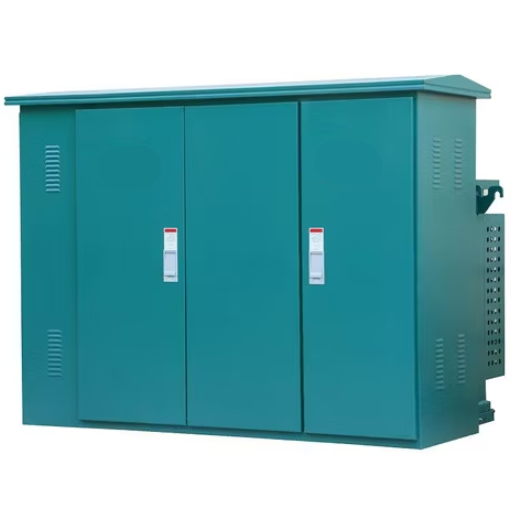
Installation of a Box-Type Substation
The installation of a box-type substation involves several critical steps to ensure safety, reliability, and compliance with technical standards:
- Site Selection and Preparation
Choose a stable, level site with adequate drainage to prevent water accumulation. The location should comply with safety clearance and accessibility requirements.
- Foundation Construction
Build a reinforced concrete foundation to support the substation’s weight and ensure structural stability.
- Positioning and Assembly
Place the pre-fabricated substation enclosure on the foundation using lifting equipment. Secure the box to the foundation with bolts or anchors to resist mechanical forces.
- Electrical Integration
Connect incoming and outgoing cables to the high-voltage and low-voltage terminals. Proper grounding must be implemented to enhance system safety.
- Testing and Commissioning
Perform insulation resistance tests, protective relay calibration, and functional checks on all components. Ensure compliance with local electrical codes before energizing the substation.
Steps in the Installation Process
- Site Preparation
Conduct a detailed site survey to identify optimal placement for the substation. Clear the area of any obstructions and level the ground to ensure a stable foundation.
- Foundation Construction
Construct a reinforced concrete foundation designed to support the weight and dynamic forces of the equipment. Embed anchor bolts or inserts for the secure mounting of components.
- Equipment Assembly
Assemble major substation components such as circuit breakers, transformers, and switchgear as per manufacturer specifications. Verify all parts for defects or damage before installation.
- Mechanical Installation
Position and fix the equipment onto the prepared foundation using appropriate bolts or anchors. Align components precisely to facilitate smooth operation and minimize mechanical stress.
- Cable Routing and Installation
Lay high-voltage and low-voltage power cables through designated conduits or cable trays. Ensure proper separation of power, control, and communication cables to reduce electromagnetic interference.
- Electrical Integration
Connect incoming and outgoing cables to terminal points, including busbars, transformers, and circuit breakers. Implement a robust grounding system and ensure connections are secure and corrosion-resistant.
- Relay and Control Wiring
Install control panels and complete wiring for protective relays, automation systems, and communication modules. Follow detailed schematics to ensure correct connections.
- Testing and Commissioning
Conduct rigorous testing such as insulation resistance, continuity checks, and relay calibration. Perform operational tests on circuits and equipment to verify functionality and compliance with electrical codes.
- Final Inspection and Energization
Inspect the entire installation for mechanical, electrical, and safety compliance. Secure all loose ends, label components, and ensure all documentation is complete before energizing the substation.
Considerations for High-Voltage Connections
When handling high-voltage connections, I ensure adherence to both safety and technical standards. Firstly, I verify insulating materials and clearance distances to mitigate risks of electrical arcing and insulation breakdown. All connectors and terminations are meticulously inspected for thermal performance and proper crimping or bolting to avoid hotspots or connection failure. Grounding systems are checked to ensure fault currents are safely discharged, protecting equipment and personnel. Additionally, I ensure compliance with IEEE and IEC standards regarding high-voltage design and operational guidelines, constantly prioritizing reliability and safety.
Safety Measures During Installation
During installation, I ensure strict adherence to proper safety protocols to mitigate risks associated with high-voltage systems. Firstly, all equipment is de-energized and verified using calibrated voltage detectors before work begins, adhering to NFPA 70E guidelines. Insulated tools are utilized, and personal protective equipment (PPE) such as arc-rated clothing, rubber gloves (complying with ASTM D120 standards), and face shields are mandated to protect against electrical arcs and shocks. I confirm that minimum approach distances, as outlined in OSHA 1910.269, are maintained based on system voltage levels. Grounding and bonding connections are securely installed to prevent induced voltages during work. Additionally, I validate that all lifting and handling of heavy components follow ASME standards for cranes and rigging equipment. Real-time hazard assessments and documented lockout/tagout procedures are essential to ensure the environment remains safe for the team and the equipment complies with all operational requirements.
Why Choose a Prefabricated Substation?

Prefabricated substations offer several technical and operational advantages over traditional site-built alternatives. These systems are engineered and assembled in controlled environments, ensuring high-quality construction and compliance with industry standards. Their modular design significantly reduces on-site installation time, minimizing downtime and associated costs. Additionally, prefabricated substations enhance safety and reliability due to rigorous factory testing conducted prior to deployment. They are also highly customizable, allowing for tailored configurations to meet specific power distribution and operational requirements. This makes them an efficient, scalable, and cost-effective solution for modern electrical infrastructure needs.
Benefits of Using Prefabricated Systems
- Reduced Installation Time: Prefabricated systems are constructed off-site, significantly reducing on-site installation time and allowing for faster project completion.
- Lower Costs: The streamlined manufacturing process minimizes labor and material waste, leading to cost savings during construction and deployment.
- Enhanced Safety: Rigorous factory testing ensures that these systems are compliant with safety standards, reducing risks during installation and operation.
- High Reliability: The controlled environment in which they are built ensures consistent quality, reducing potential system failures and downtime.
- Customizability: Prefabricated systems can be tailored to specific project requirements, offering flexibility in design and configuration.
- Scalability: Modular components allow for easy scaling of systems to meet expanding operational demands.
- Environmentally Friendly: Prefabricated solutions reduce construction waste and site disruption, contributing to more sustainable building practices.
- Ease of Maintenance: The standardized components in prefabricated systems simplify inspections and maintenance activities, ensuring long-term operability.
- Improved Project Scheduling: The predictable timelines of prefabrication processes help in achieving precise project milestones and deadlines.
- Transportability: Prefabricated systems are designed for ease of transport, enabling quicker deployment to remote or challenging locations.
Comparison with Traditional Substation Models
Prefabricated substations and traditional substations differ significantly in terms of design, construction, implementation, and maintenance. Prefabricated substations are modular in nature, allowing for faster deployment, ease of transport, and enhanced adaptability for varying project needs. On the other hand, traditional substations are customized on-site, requiring longer construction times and greater resource allocation. Each option presents distinct advantages and is suited to specific scenarios based on project complexity and operational requirements.
Key Parameters Comparison
|
Parameter |
Prefabricated |
Traditional |
|---|---|---|
|
Setup Time |
Faster |
Slower |
|
Customization |
Limited |
Extensive |
|
Transportability |
High |
Low |
|
Maintenance |
Simplified |
Complex |
|
Cost Efficiency |
Higher |
Variable |
|
Scalability |
Flexible |
Rigid |
|
Space Required |
Compact |
Larger |
|
Environmental |
Minimal |
Significant |
|
Reliability |
High |
Variable |
|
Lifecycle |
Short |
Long |
This summary provides a succinct overview of the essential distinctions, aiding stakeholders in determining the most suitable substation model for their operational demands.
Cost-effectiveness of Prefabricated Substations
Prefabricated substations are designed with cost-efficiency in mind, offering significant savings in several areas compared to traditional substations. First, their modular construction allows for standardized manufacturing processes, reducing labor costs and time associated with on-site assembly. Prefabrication minimizes material wastage and optimizes resource utilization, further lowering overall project expenses. Additionally, transportation and installation are more streamlined, as the compact design often requires less space and simplified foundation work, decreasing associated civil engineering costs.
The lifecycle cost of prefabricated substations is also advantageous. Their reliable and low-maintenance components extend operational lifespans while reducing downtime, ensuring enhanced performance over time. Furthermore, their scalability permits future capacity expansions without substantial redesigns, providing long-term financial flexibility. These attributes collectively position prefabricated substations as a cost-effective solution for rapidly evolving power infrastructure needs.
What Types of Transformers Are Used in Box Type Substations?

Box-type substations commonly utilize oil-immersed transformers and dry-type transformers. Oil-immersed transformers are efficient in cooling and insulating, making them ideal for high-capacity operations. Dry-type transformers, on the other hand, are preferred in environments where fire safety and minimal maintenance are critical. The choice of transformer depends on the specific application requirements, such as load capacity, environmental conditions, and safety regulations.
Differences Between Distribution Transformer and Power Transformer
Distribution transformers and power transformers differ primarily in their purpose, capacity, voltage range, efficiency, and operating conditions.
|
Parameter |
Distribution Transformer |
Power Transformer |
|---|---|---|
|
Purpose |
Voltage reduction |
Voltage transmission |
|
Capacity |
Low |
High |
|
Voltage Range |
11kV-33kV |
Above 33kV |
|
Efficiency |
High at partial load |
High at full load |
|
Cooling |
Air/Oil |
Oil |
|
Load Type |
Fluctuating |
Continuous |
|
Installation Area |
Near end-user |
Power stations |
|
Maintenance |
Minimal |
Regular |
Advantages of Dry Type Transformers
- Safety: Dry type transformers are free from flammable liquids, reducing fire hazards and making them safer for use in sensitive or densely populated areas.
- Low Maintenance: They require minimal maintenance as there is no oil to test, replace, or manage, leading to reduced operational costs.
- Environmental Friendliness: The absence of oil eliminates the risk of leaks, making them more eco-friendly and compliant with environmental regulations.
- Durability: Designed to withstand harsh environmental conditions, they are resistant to moisture, chemical contaminants, and dust.
- Enhanced Cooling: Advanced ventilation systems and designs ensure effective cooling, improving operational efficiency and reliability.
- Compact Design: They are available in compact sizes, optimizing space utilization, especially in urban and industrial settings.
- Low Noise Levels: Dry type transformers operate quietly, making them suitable for indoor installations in noise-sensitive environments.
- High Reliability: With reduced failure mechanisms and advanced insulation systems, they provide dependable performance over extended periods.
Application of Oil Immersed Transformers
- Power Distribution: Widely used in electrical power distribution networks to step down high voltage for industrial and residential use.
- Energy Transmission: Essential in high-voltage transmission lines to efficiently transfer energy over long distances.
- Industrial Operations: Commonly employed in heavy industries requiring substantial and continuous power supply, such as manufacturing plants and refineries.
- Renewable Energy Systems: Utilize these transformers in hydroelectric, wind, and solar power generation for voltage regulation and energy grid integration.
- Utilities and Substations: Provide critical support in substations for voltage transformation and regulation in utility grids.
- Electrical Isolation: Serve as isolation transformers for safety and the prevention of electrical interference.
- Power Plants: Deployed to step up generator voltage for transmission in conventional and nuclear power plants.
How Does Voltage Affect Box Type Substations?

Voltage plays a critical role in determining the design, operation, and overall performance of box type substations. High voltage levels require advanced insulation, robust structural components, and specialized equipment to ensure safety and reliability. Conversely, low voltage applications prioritize compact designs and cost-effective materials while maintaining optimal performance. The voltage level also directly impacts the type of transformers, circuit breakers, and switchgear used within the substation, influencing both its efficiency and capacity to handle electrical load. Proper voltage regulation is essential to prevent equipment failure, mitigate energy losses, and ensure seamless integration into the power grid.
Understanding Voltage Levels in Substations
Key Voltage Levels in Substations and Their Applications
Voltage levels in substations are typically categorized into three main classes based on their role in power transmission and distribution systems: high voltage (HV), medium voltage (MV), and low voltage (LV). High voltage (generally above 100 kV) is used in transmission substations to efficiently transport electricity over long distances, minimizing energy losses. Medium voltage (ranging from 1 kV to 100 kV) is commonly employed in distribution substations to facilitate regional grid integration and ensure supply to industrial and commercial users. Low voltage (below 1 kV) is crucial for delivering power to end-users, including residential consumers.
Each voltage class necessitates specific equipment such as transformers, circuit breakers, and protection systems tailored to its operational parameters. Advanced network control and automation technologies are frequently utilized to monitor and regulate voltage levels, enhancing reliability and reducing downtime. Understanding and correctly implementing voltage levels in substations helps prevent overloading, safeguards critical infrastructure, and optimizes overall system efficiency.
The Impact of High Voltage on Performance
- Enhanced Transmission Efficiency: High voltage reduces current for the same power level, minimizing resistive losses in conductors, and improving the overall efficiency of power transmission.
- Improved System Capacity: Operating at high voltage allows transmission lines to carry more power, enabling systems to meet increasing energy demands without the need for extensive infrastructure expansion.
- Reduced Line Losses: By increasing voltage levels, power systems experience significant reductions in line losses, thereby conserving energy and maintaining economic operational performance.
- Long-Distance Transmission Feasibility: High voltage enables effective and reliable transmission of electricity over long distances, connecting remote generation plants to load centers.
- Decreased Conductor Size Requirements: Higher voltages permit the use of smaller conductors for the same power transfer, leading to cost savings in material and construction.
- Mitigation of Voltage Drop Issues: Operating at higher pressures minimizes voltage drops across the transmission network, ensuring consistent power quality to end-users.
- Support for Integration of Renewable Sources: High voltage systems are more adept at handling fluctuations and delivering power generated from renewable sources such as wind and solar over long distances.
- Enhanced Network Stability: High voltage improves grid stability by maintaining a constant flow of electricity even under varying load conditions, reducing the likelihood of system disturbances.
Managing Low-Voltage in Distribution
Managing low-voltage distribution systems involves ensuring the efficient and safe delivery of electricity from substations to end-users, typically over short distances. Key practices include:
- Voltage Regulation: Utilizing voltage regulators, capacitors, and tap-changing transformers to maintain voltage levels within acceptable limits for optimal performance and reduced equipment stress. These tools help address voltage drops caused by resistance in distribution lines or uneven load demands.
- Load Balancing: Properly balancing electrical demand across phases minimizes phase imbalance, which can lead to efficiency losses and potential damage to connected equipment. Monitoring systems and smart grid technologies assist in real-time analysis to achieve load equality.
- Quality Monitoring: Advanced monitoring systems track voltage fluctuations, harmonics, and power factor irregularities to maintain power quality and quickly address any disruptions. This ensures end-user devices perform effectively without damage or degradation.
- Upgrading Infrastructure: Upgrades like replacing older conductors, insulation, or introducing advanced technology systems help minimize line losses and improve distribution efficiency while addressing growing electricity demands.
- Distributed Energy Resources (DER) Integration: Incorporating renewable sources such as rooftop solar panels requires intelligent control systems to manage bidirectional power flow and support voltage stability in the network.
Reference Sources
-
Box-type substation – Knowledge – Provides an overview of high-voltage switchgear, distribution transformers, and low-voltage distribution devices.
-
Classification, structure, maintenance, and troubleshooting of box-type substations – Covers the integration of high and low voltage equipment, transformers, and secondary equipment.
-
The Ultimate Guide To Electrical Substation Transformer – Discusses the use of box-type substations in various settings, including high-rise buildings and underground facilities.
-
What is BOX TYPE Substation? – News – Highlights safety features such as fire protection, explosion-proofing, and anti-theft measures.
-
Box Type Substation – Taishan Transformer – Focuses on the design and application of box-type substations in urban and industrial environments.
Frequently Asked Questions (FAQs)
Q: What is a box-type transformer substation?
A: A box-type transformer substation is a compact, fully enclosed power solution designed for efficient electrical distribution. It integrates various power equipment, including transformers and switchgear, within a single structure, making it suitable for outdoor use in residential areas, wind power stations, and more.
Q: How does a box substation differ from a traditional transformer substation?
A: A box substation offers a compact and reliable solution with a fully enclosed structure that protects electrical equipment from environmental factors. Unlike traditional substations, box substations are designed for easy transportation and installation, making them ideal for mobile applications and locations with limited space.
Q: What are the advantages of using a compact substation in power generation?
A: Compact substations provide several advantages in power generation, including space efficiency, quick installation, and reduced maintenance. Their modular design allows for easy integration into existing electrical systems, offering reliable power solutions for both urban and rural areas.
Q: Can a box-type substation be used in wind power applications?
A: Yes, a box-type substation is suitable for wind power applications. Its movable steel structure and compact design make it an excellent choice for wind power stations, where space and environmental conditions can be challenging.
Q: What role do vacuum circuit breakers play in a transformer substation?
A: Vacuum circuit breakers are crucial components in a transformer substation, offering reliable protection for electrical systems. They interrupt fault currents quickly and safely, ensuring the continuous operation and reliability of the power supply.
Q: What is the significance of a transformer box in a box-type substation?
A: The transformer box is an integral part of a box-type substation, housing the transformer and associated power equipment. It ensures safe and efficient step-down and low-voltage transformation, crucial for distributing electricity to end-users.
Q: How does the steel structure of a box substation enhance its durability?
A: The steel structure of a box substation provides a rust-proof and weather-resistant enclosure for the electrical equipment. This enhances the durability and longevity of the substation, making it suitable for outdoor use in various environmental conditions.
Q: Are there any specific industries where box-type substations are particularly beneficial?
A: Box-type substations are particularly beneficial in industries such as oil and gas, wind power, and residential areas. Their compact and reliable design allows for effective electrical distribution in environments where traditional substations may not be feasible.
Q: What is the typical capacity of a compact transformer used in these substations?
A: A compact transformer used in box-type substations typically has a capacity ranging from 315 kVA and upwards, depending on the specific power requirements and application needs.