Fraud Blocker

Exploring the Latest Innovations in AC High Voltage Tester Technology

Voltage testing, especially of high-voltage systems, ensures the reliability and safety of systems and components. On the evolutionary track of technology, AC high-voltage testers have undergone significant development, incorporating newer features for enhanced accuracy, efficiency, and safety. This article sheds light on some of the latest developments in the high-voltage testing paradigm and on the sophisticated methods employed for voltage detection and analysis. Whether you are an industry expert or simply an interested individual seeking to understand the science behind these developments, this comprehensive guide will walk you through the latest trends, methodologies, and best practices in AC High Voltage Testing Technology.

Introduction to AC High Voltage Testing

Introduction to AC High Voltage Testing

Meaning of High Voltage Testing

High-voltage testing is essential for evaluating the strength, reliability, and performance of electrical equipment and systems under high-voltage conditions. This testing ensures that components such as transformers, cables, switchgear, and insulation materials can withstand the application of high voltages safely and efficiently without failure.

Typically, the testing procedure subjects the equipment to voltage levels exceeding the standard operating voltage to assess its strength under electrical stress. The primary high-voltage tests include dielectric tests to assess insulation strength, partial discharge tests to detect insulation faults or weaknesses, and impulse tests that simulate lightning or switching surges. These tests are crucial for ensuring conformity to industry standards, such as those established by IEC or IEEE.

Technology advancements have contributed to recent improvements in high-voltage testing technologies. Automation and sensor diagnostic systems have made the testing process easier, more accurate, and considerably shorter in terms of time. For example, modern testing equipment provides real-time data acquisition and analysis, instantly alerting test technicians to potential problems, thereby improving reliability in critical areas, such as power grids and industrial plants. The use of such techniques enables industries to minimize the risk of failures, thereby extending the life of the equipment and complying with evolving safety standards.

Importance of Electric Voltage Detectors on Safety

Safety at the electrical level depends heavily on voltage detectors, and they are therefore installed in all sectors: domestic, commercial, and industrial. The presence of potential electrical hazards is usually the first factor identified by these tools, such as the presence of live electrical voltages. They are designed with state-of-the-art features, including non-contact detection, adjustable sensitivity levels, and visual and auditory alert systems.

According to industry figures, the incidence of electrical-related accidents has gone down with the use of voltage detectors. For example, the use of such tools in industrial settings has witnessed a 25% relative reduction in injuries from accidental contact in recent years. Furthermore, these detectors can be easily integrated into inspection programs due to their small size and portability, hence promoting routine safety compliance.

Having been combined with current advances in technologies such as connectivity to smartphone apps or analytics-based systems, they can now provide historical data and perform real-time monitoring, a significant advantage for predictive maintenance, wherein organizations can identify an issue before it becomes a major outage or a safety law infringement. It is thus maintained through continuous enhancement that the importance of voltage detectors remains in protecting human life and ensuring uninterrupted power systems.

Overview of AC High Voltage Testers

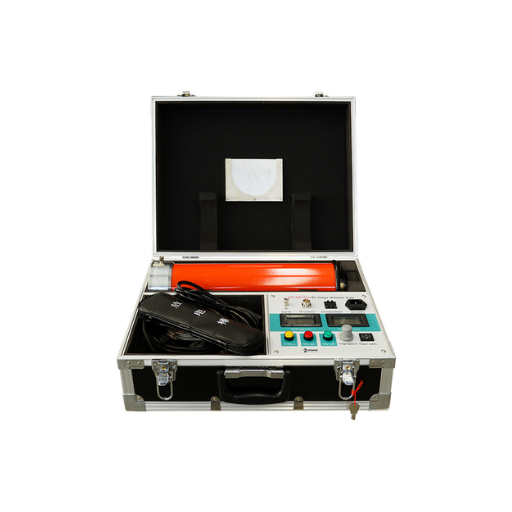
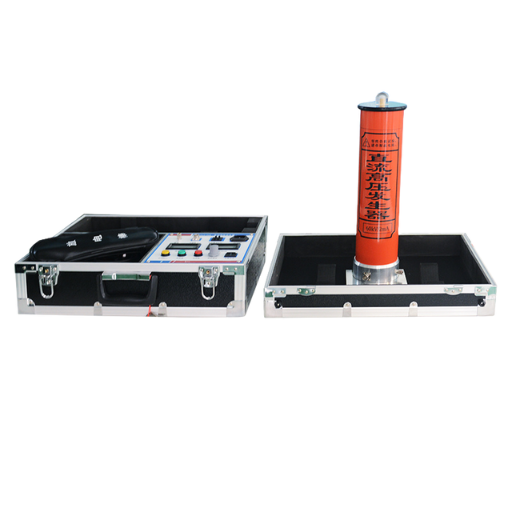
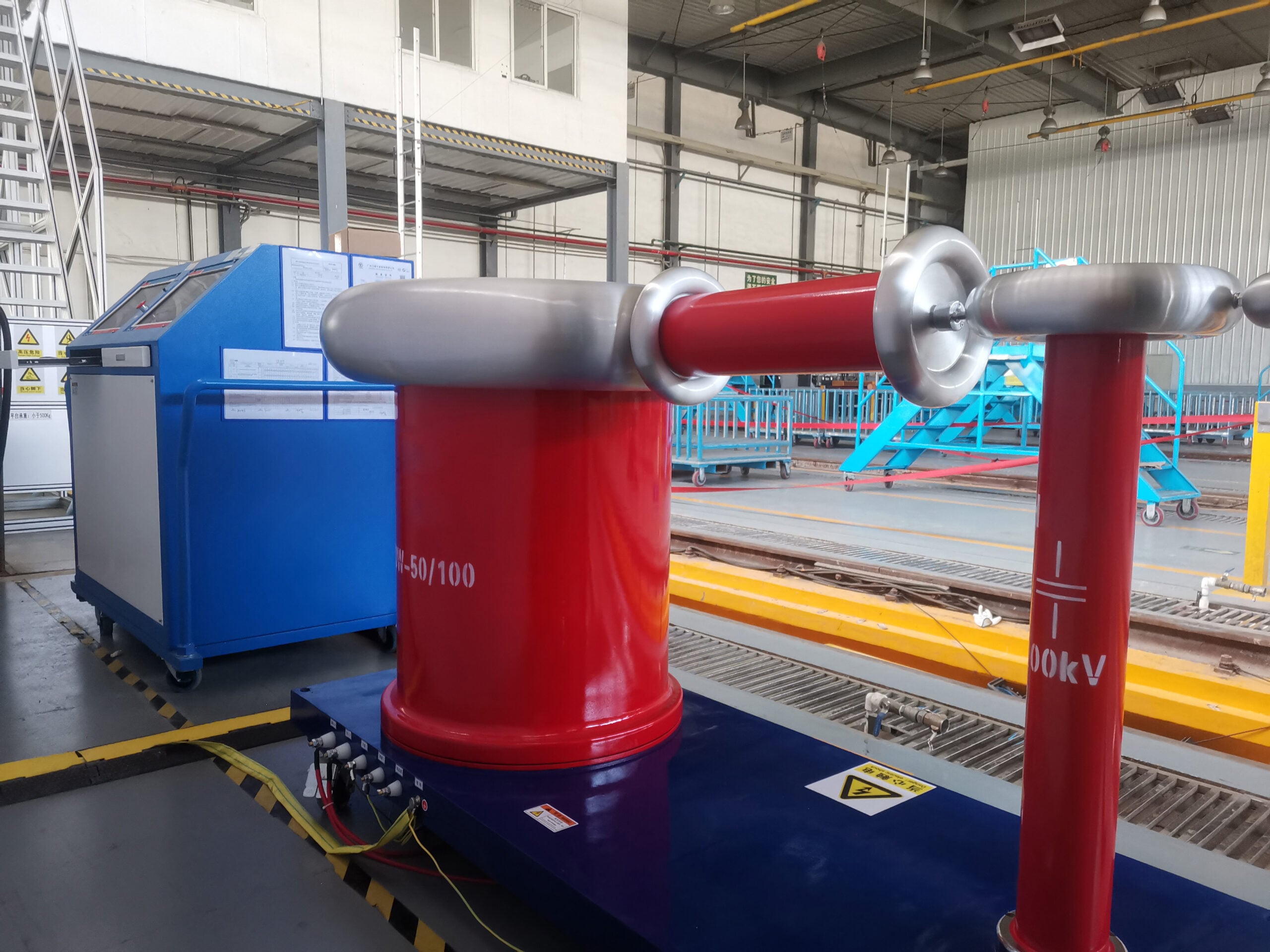
AC High Voltage Testers are crucial instruments used for testing the insulation resistance and dielectric strength of electrical equipment, cables, and components under AC conditions. They ensure safety in operation and meet the requirements of standards such as IEC and IEEE. The primary purpose is to subject the equipment under test to periods of high voltage similar to the ones it would experience in regular service, to identify any weaknesses or imperfections within the insulation.

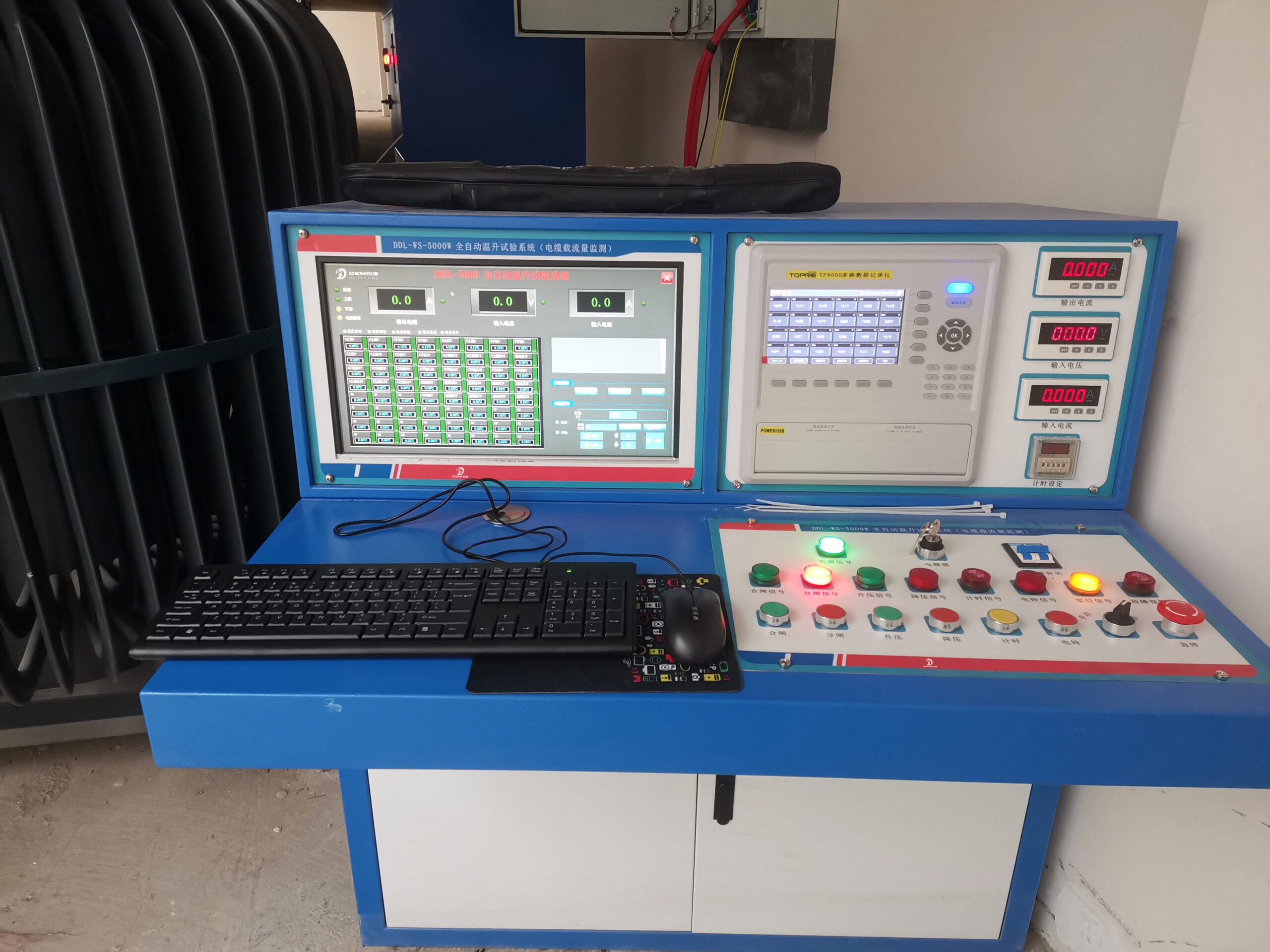
Interfaced with digital controls and equipped with data recorders, these modern AC high-voltage testers have become highly advanced, boasting automatic control, a slow and steady ramp-up of voltage, and safety features that eliminate human risk during testing while ensuring accurate and dependable test results.

Features that can distinguish one AC high-voltage tester from another include the maximum output voltage, range of frequencies, and stability of the waveforms. A high-voltage tester is used to test the integrity of electrical equipment in various industrial settings, including power generation, manufacturing, and electrical infrastructure, ensuring the equipment remains reliable and is not prone to failure, thereby promoting public safety. Advances in testing technology have led to improvements in the instrument, making it more accurate, user-friendly, and compatible with innovative testing systems.

Types of AC High Voltage Testers

Types of AC High Voltage Testers

Overview of Non-Contact Voltage Testers

Non-contact testers are essential machines for checking the presence of voltage, often without requiring direct contact with the wire or circuit. These testers utilize advanced capacitive sensing technology, which focuses on detecting any electric field emanating from energized conductors. For professional or residential purposes, these instruments are preferred because they offer a degree of safety and convenience that allows users to verify live wires or de-energized circuits from afar.

Modern non-contact voltage testers offer things like variable sensitivity settings, allowing detection at a huge spectral voltage range-mostly somewhere between 12V and 1000V, in theory, ranging from a low voltage detection to one of high voltage. In general, most models come with visual or audible cues that may take the form of a light indicator or a beeping sound; this ensures that the feedback provided is the correct one in every case. They also have other options, such as a flashlight, which can be used in dimly lit or confined spaces, as well as in situations that require a compact design.

A widely used tool in fields such as electrical maintenance, construction, and home improvement, non-contact voltage testers increase the speed of testing and ensure safety issues related to direct electrical contact. According to industry trends, demand for smart testers that can be connected to mobile applications for more comprehensive diagnostics and logging is slowly growing, demonstrating the increasing need for IoT in testing technologies.

Features of the TIC 300 Pro

The TIC 300 Pro is designed with advanced functions that provide accurate, fast, and safe electrical testing, including:

Intelligent Voltage Detection: Non-contact voltage detection methods with high accuracy and for a wide range of voltages for application purposes, both residential and industrial.

Enhanced Safety Design: Warning users with an integrated alert system, both audible and visual, indicating the existence of voltage levels to avoid hazards.

IoT Integration: Connects with mobile apps for data logging, accessing diagnostics, and generating reports for maintenance.

Robust Build Quality: Intended to endure harsh working conditions with a sturdy yet ergonomic design for comfortable, prolonged use.

Broad Compatibility: Supports test voltage levels under various environmental conditions, making it highly versatile for professionals working with diverse electrical systems.

Energy-Efficient Operation: Equipped with a long-lasting battery that consumes low power, it will seldom require replacement with regular use over time.

Ease of Calibration: Quick and simple calibration should be performed to ensure accuracy over time.

The TIC 300 Pro has always positioned itself in the market as a dependable, multifunctional tool that caters to the demand of modern electrical testing methods and integrates with any innovative technology.

Understanding the 275HVD High Voltage Detector

The 275HVD High Voltage Detector is a state-of-the-art device meant to accurately and safely detect high-voltage systems. Crafted and equipped with sophisticated technology to measure accurate voltage levels, it helps technicians carry out vital safety tests efficiently. It offers one of the widest voltage ranges, from minimal low-voltage detection to ultra-high voltage detection, making it suitable for various industrial and utility applications.

The detector is made with visibility in mind. Its bright LEDs light up, and the alarms are loud enough to be heard from a distance, even in adverse conditions, such as bad weather or poor lighting. That sturdy build ensures reliability with weatherproof and shockproof materials, making it suitable for harsher outdoor scenarios. Additionally, its incredibly lightweight design and ergonomic grip make it easier to manipulate and carry while working for extended periods.

The 275HVD is also energy efficient, using power sparingly so that prolonged usage is possible between battery changes. For greater versatility, it is also compatible with a variety of attachment accessories to meet different operational requirements. All in all, the 275HVD High Voltage Detector is a blend of precision, reliability, and ease of use, which aids the professionals in meeting safety standards and optimizing workflows in high-voltage systems.

Key Technologies in Voltage Testing

Key Technologies in Voltage Testing

Digital Voltage Meters vs. Analog Voltage Detectors

While checking digital voltage meters against analog voltage detectors, precision, use, and modernization will be put into consideration. Digital voltmeters excel in accuracy and offer advanced features, including high-resolution displays and automatic settings, thereby reducing human error. These devices may also feature data logging, providing the user with a time-based record of the readings. Considered more robust and featuring advanced capabilities, these digital devices are primarily chosen for complex applications that require absolute precision.

They operate by a simpler mechanism, featuring needle-based displays to indicate voltage levels. Although less sophisticated than digital detectors, analog detectors are still valuable in environments where changes in voltage levels must be recorded as they occur, without delay. These instruments have been praised for their durability, resistance to electrical interference, and minimal maintenance requirements. Hence, analog voltage detectors constitute an ideal choice for field settings or a quick diagnostic.-

Selecting between digital and analog instruments depends on the specific task at hand. Digital meters are essential for measurements that require high accuracy, such as those used in renewable energy, power distribution, and automation industries. On the other hand, simpler detections are suitable for analog meters, particularly in applications where simplicity, price, and ruggedness are the foremost criteria. The combination of both devices in the workspace enables professionals to tackle a wide range of voltage testing requirements efficiently.

Advancements in AC Hipots Technology

An innovation in AC Hipots technology to improve high-voltage testing reliability and efficiency. An AC Hipot now presents the possibility of adjusting the output voltage with utmost precision and also monitoring it in real-time, thanks to digital processors. Using smart diagnostics, the devices can detect insulation breakdowns more accurately, thereby safeguarding critical equipment and minimizing downtime in the industrial system.

Secondly, lightweight and portable designs have enabled easy inspection in remote or restricted environments. Another enhancement in many AC Hipots allows for fully automatic test sequences to satisfy international test standards, thereby minimizing the human error encountered in manual testing. For power generation and manufacturing, this represents a high-level evolution, ensuring a quick yet accurate assessment to achieve rapid scalability and operational efficiency.

Cloud-based data logging, in addition, enhances traceability through secure storage and retrieval of test results for past analysis, allowing for better preventive maintenance strategies to be charted. These innovations reaffirm the importance of AC Hipots for ensuring the reliability of high-voltage systems used in a variety of applications- you name it, solar energy, aerospace components, etc.

Portable High-Voltage Testers: Advantages and Uses

They offer a unique blend of mobility and functionality, where usable sites for these tools include over-the-field and on-site maintenance. Created for precision and reliability testing, their basis lies in marketing the integrity of high-voltage equipment across various industries like utility, manufacturing, renewable, and aerospace.

Lightweight and compact are two of the most significant advantages of portable high-voltage testers, as testing can be done at remote or restricted sites without the need to carry bulky equipment. The tester can perform tests that combine some of the best diagnostic features with user-friendly interfaces. Extensively deployed features, such as digital readouts, programmable testing parameters, and automatic polarity switching, increase usability and minimize human error.

Another significant advantage of portability consists of minimizing downtime by providing faster inspection and diagnostic capabilities. Technicians can promptly locate irregularities or faults in components such as cables, transformers, or breakers, thus averting any possible system failures. Moreover, specific models provide additional safety features, such as short-circuit protection or automatic discharge functions, to protect operators during test procedures.

With utmost adaptability, configurations can be applied to comply with multiple test standards and voltage ranges. Due to their adaptability, they find applications ranging from power grid maintenance to quality control in the manufacturing environment. Logging and storing test results is also a bonus with portable high-voltage testers, thus enabling companies to ensure efficient operation while ensuring compliance with safety regulations.

Applications of AC High Voltage Testers

Applications of AC High Voltage Testers

Electrically Testing the Cables and Systems

The AC high-voltage testers are among the primary criteria for testing and evaluating the reliability and integrity of cables and electrical systems. The devices can test for weaknesses in insulation or partial discharges-faults that would hamper the system’s efficiency or might even cause safety hazards. For instance, today’s AC high-voltage testers feature more advanced insulation resistance measurement techniques to verify that the cable meets the required standards.

High-voltage tests are performed to confirm that the electrical erections can withstand operational stresses and environmental factors. During the test, collected data, such as leakage currents and dielectric strength measurements, help diagnose system malfunctions and recommend preventive maintenance to prevent system failures. These testers are considered crucial for completing the new installation’s quality assurance tests and for routine maintenance work on in-service installations, thereby minimizing maintenance-related downtimes.

Phasing Operation with High Voltage Testers

Phase testing with high-voltage testing instruments plays a crucial role in ensuring that electrical systems meet health and reliability requirements, particularly for industrial and commercial applications. The testers are used to test the insulation condition between the different phases of multi-phase systems, to detect any phase-to-phase faults with dielectric breakdowns that could lead to failure. The application of controlled high voltage and recording any response, such as leakage current or insulation resistance, may help identify weaknesses and degradation even during the early phases of the equipment’s life.

High-end capacitance and voltage testers nowadays possess various automatic functions and improved precision, allowing for the testing of different phases in a shorter time and with greater accuracy. Data logging capabilities are provided in modern instruments to track test results, which are vital for maintenance planning and long-term performance analysis. Moreover, they are constructed in strict adherence to all safety standards so that operations can be conducted safely during testing. The use of such advanced technologies will enable systems to operate with less downtime and greater longevity, thereby improving overall operational efficiency.

Insulation Resistance Testing Using Meggers

Before applying the Megger insulation resistance test, it is essential to follow a stepwise approach, adhering to specific guidelines. Firstly, check if the equipment is turned off and de-energized to maintain safety during the test. Clean the test leads and connections to ensure they are free of contaminants or damage, as defective or dirty leads may result in erroneous readings.

The selection of test voltage for a particular piece of equipment should allow an accurate reading. Typically, this depends on the nature of the insulation material and the system’s working voltage. Overvoltages can cause damage to the insulation, but under voltages will provide incomplete data. Test timings should also be standardized for comparison purposes, although longer ones could offer information about time-related insulation properties or moisture absorption abilities.

Modern-day Meggers often offer advanced features, including the ability to auto-range measurements, digital readouts, and storage facilities to track trends over time. Utilizing this functionality enables technicians to detect subtle changes in resistance that may indicate early insulation deterioration. Business records every test result and compares it with baseline or historical data to assess equipment health and plan preventive maintenance.

Weather factors, such as temperature and humidity, may also influence the measurements from a resistance meter. Carrying out tests under similar conditions will eliminate ambiguity; otherwise, correction factors should be applied. Utilizing precision methods in testing and leveraging Megger’s advanced features will ensure that organizations maintain the integrity of their electrical systems, reduce failure risks, and extend equipment lifespan.

Safety Considerations in High Voltage Testing

Safety Considerations in High Voltage Testing

Recommended Practices When Using Voltage Testers

By following these best practices when using voltage testers, operators undoubtedly receive the respect they deserve. Inspect the tester for any visible signs of damage, such as frayed wires or cracks in the casing, which may indicate potential issues related to reliability or safety. Always ensure your device is calibrated to obtain accurate voltage readings. Check the tester’s voltage rating to ensure it matches that of the system being examined, and avoid any potential overloading.

Wear PPE, including insulated gloves, face shields, and safety glasses, when operating voltage testers. These should protect against any possible incident of electric shock or arc flashes. Remove all unnecessary moisture, dust, and other factors that can prevent an accurate measurement in the test location or generate hazards during testing.

Best test results call for orderly testing. The equipment or system should be disconnected from all sources of energy, if applicable, except for the source being tested. Terms should be tested for the absence of voltage before direct contact, using an instrument believed to be working correctly as the reference. When one is finished, he must also, for several reasons, check again to see if the device has ceased to function correctly due to any possible contradictory element introduced during the test procedure.

Modern safety features, such as non-contact voltage detection, automatic range selection, and overload protection, enhance both user-friendliness and safety in voltage testers. Whenever users utilize these tools effectively, errors are significantly reduced while upholding most, if not all, safety standards. Applied consistently under best practices, top-notch professionals perform very high diagnostics with due regard for the safety of their personnel and equipment.

Understanding Risks Associated with High-Voltage Testing

Ensuring that an electrical system is reliable and safe requires it to be subjected to high-voltage testing, which carries its own risks that must be addressed. The primary danger relates to electric shock, which, if proper safety measures aren’t implemented, might result in severe injury or death. Professionals must also consider the potential damage to their equipment caused by overvoltages or improper test configurations, which could result in significant expenses for repair or downtime.

Another dangerous hazard stems from arc flashes, which arise when electrical energy discharges through air between conductors or from a conductor to a grounded surface. Major burns or explosions can occur, presenting extreme hazards to personnel. Components subjected to high voltages for extended periods eventually undergo insulation breakdown, which in turn reduces the efficiency and life expectancy of these components.

The aim is to minimize risks; hence, stricter compliance with standards and safety regulations as promulgated by the IEC or OSHA is mandatory. Using the latest test instruments, which feature special features such as insulation resistance measurement and automatic fault detection, will offer additional protection to the operator and increased system integrity. Beware and use highly sophisticated testing techniques to avoid risks and safeguard themselves and their work in high-voltage environments.

Regulatory Compliance in High Voltage Testing

Certainly, when it comes to regulatory compliance for high-voltage testing, I do everything possible to ensure adherence to standards such as IEC, OSHA, or any other standards adopted by the governing body in the region under observation. These regulations outline the rules for safety, protection of equipment, and improved operational efficiency. In this way, I ensure that the team and I ceaselessly undergo training and remain aware of any changes in compliance requirements, keeping the developer educated on these issues as well.

Additionally, I use advanced testing equipment that may be used interchangeably with compliance testing. Automatic fault detection, insulation resistance measurement, and data logging provide a means of performing very exact tests while keeping records for audit purposes. Documentation is paramount in proving compliance, so I make sure that thorough records are kept for all testing procedures, equipment certifications, and any repairs undertaken. This, along with an understanding of regulations and some of the latest technology, gives me confidence in ensuring a high level of safety, compliance, and efficiency in any high-voltage situation.

Reference Sources

  1. AC High Voltage Testers – Key Features and its Applications
    This source discusses modern advancements in high voltage testers, including digital displays, data logging, and remote-control options.

  2. Exploring Future Applications of High-Voltage Technology
    A blog exploring the impact of R&D in high-voltage technology, including recent breakthroughs and methodologies.

  3. Series Resonance Technology in GIS AC Withstand Voltage Test
    This article explains the application of AC voltage in testing electrical equipment and the innovations in series resonance technology.

  4. High Voltage Test Equipment – HV TECHNOLOGIES
    A comprehensive resource on high voltage testing equipment, focusing on accuracy and reliability.

  5. Whitepaper: Mastering High Voltage: The Importance of Accurate Test Equipment
    This whitepaper highlights the importance of calibration and precision in high-voltage test equipment.

Frequently Asked Questions (FAQs)

What in the world is an AC high voltage tester for?

An AC high voltage tester is a device that works by applying high voltage to conductors to determine the integrity and safety of electrical systems. Such devices should be used to check medium-voltage and high-voltage equipment to ensure installations are safe and compliant. They provide systems that are energized with voltage and identify any problem areas before energizing the circuit. Electrical professionals can reduce the risk of being shocked or experiencing equipment failure when using a dependable high-voltage tester. Such devices may also have a feature that produces audible alerts and displays visual signals to capture the user’s attention while testing.

What factors should I consider when selecting an AC voltage tester?

When choosing an AC voltage tester, some critical features to evaluate include the voltage range it covers, its reliability aspects, and the safety standards it meets. Ideally, go for testers that can test a variety of voltages, including KV AC levels, to be versatile for different applications. With a sturdy carrying case that prevents any damage while moving or traveling, it is better. Other features such as self-test modes, audible warnings, and visual indicators make the tool more user-friendly. Digital voltage readings provide accurate measurements; some models are even available with adapters or probes attached to increase their testing capabilities.

Can an AC high-voltage tester be used for DC applications?

An AC high-voltage tester is explicitly designed for alternating current (AC) and is not suitable for direct current (DC) testing purposes. For testing DC voltages, a separate DC voltage tester or a universal tester that measures both AC and DC voltages must be used. Each tester is meant for different measurement ranges or limitations. Hence, the correct test equipment must be used to ensure accurate readings and user safety. Using the wrong equipment could result in either false readings or damage to the equipment or the system.

What made you wonder about the difference between a megger and an AC voltage tester?

A megger or insulation resistance tester is primarily used to determine the insulation resistance of electrical systems. At the same time, the chief function of an AC voltage tester is to confirm the presence or absence of voltage in a circuit. Thus, meggering involves applying a high voltage to the insulation for a set time, during which its integrity is tested under operating conditions. AC voltage tests can be performed using devices such as voltmeters or portable indicators. They may measure voltage levels or simply indicate the presence of voltage, sometimes even without direct contact. Since these testing tools are designed for use in critical operations, they must support a range of testing and maintenance, provided that these safe practices are maintained for the greater safety and functionality of the system.

How can I safely test a set of high-voltage cables?

The safety of testing high-voltage cables necessitates the use of clean testing instruments and apparatus, such as a high-voltage tester or megger. PPE should be worn at all times to minimize the hazards. When working with test lines at high voltage, maintain a safe distance and use a hot stick to hold the test point away. Before applying maintenance fines, always verify the presence of voltage randomly. Furthermore, a self-test for a tester to confirm that it is working accurately must be conducted.”

I’m DEMIKS, and I manage this blog. We are bringing electric power technology from China to the rest of the world for its innovation, sustainability, and global impact. We are deeply driven by professionalism, integrity, and service excellence.

Scroll to Top
Get in touch with DEMIKS company
Contact Form 在用