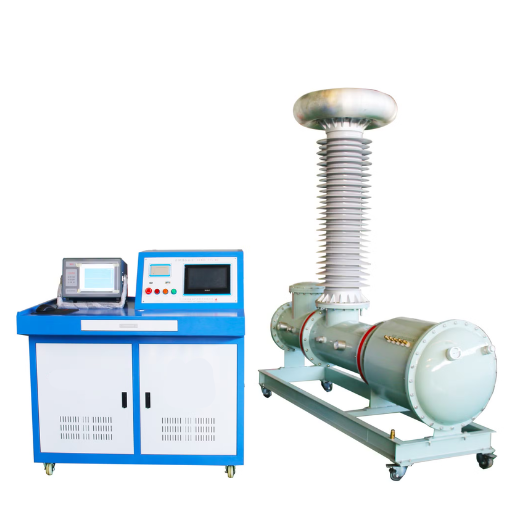
In the wake of electrical safety and reliability, accuracy, as well as diligence, are really necessary. Thus, DC high voltage test equipment is a mechanism in identifying the issues beforehand, thus preventing the system from having a failure and standing operational. If you are a worker who deals with industrial environments, utilities, or electronics testing, having knowledge of the benefits of DC high voltage testing will surely enhance safety measures and system performances. In this article, a list of the top five advantages of this advanced equipment is enumerated, emphasizing risk reduction, maintenance process optimization, and protection against electrical hazards. Continue reading to understand why DC high voltage test equipment emphasizes electrical system safety.
Understanding DC High Voltage Test Equipment
What is DC High Voltage Test Equipment?
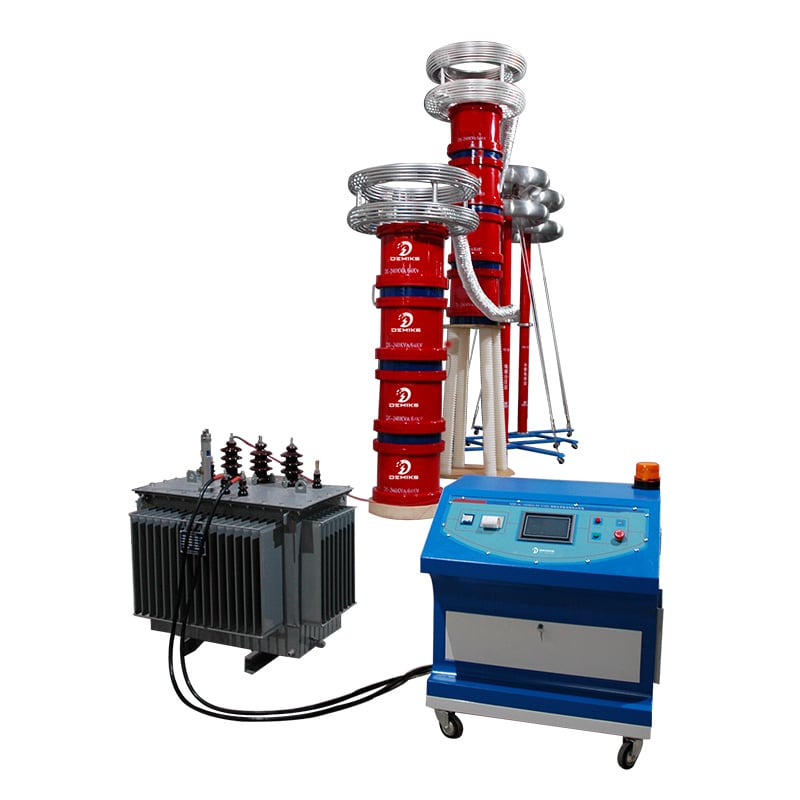
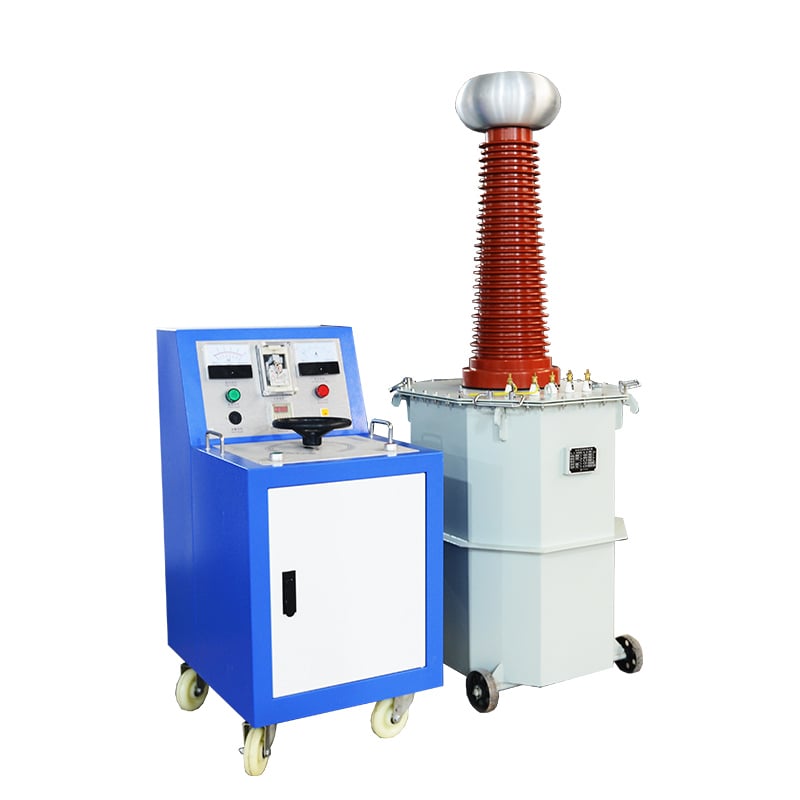
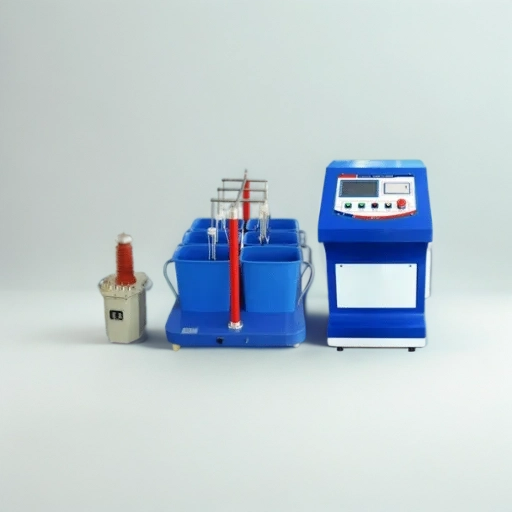
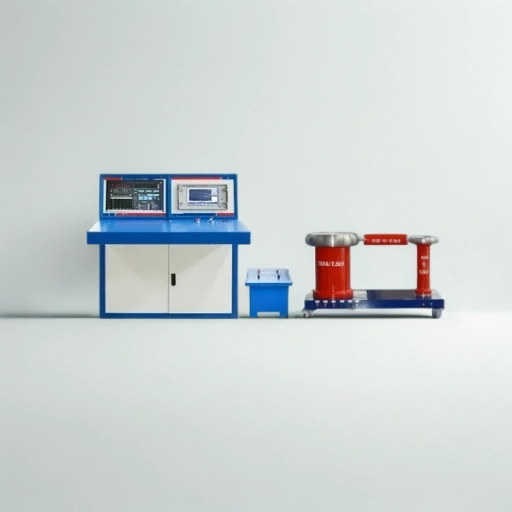
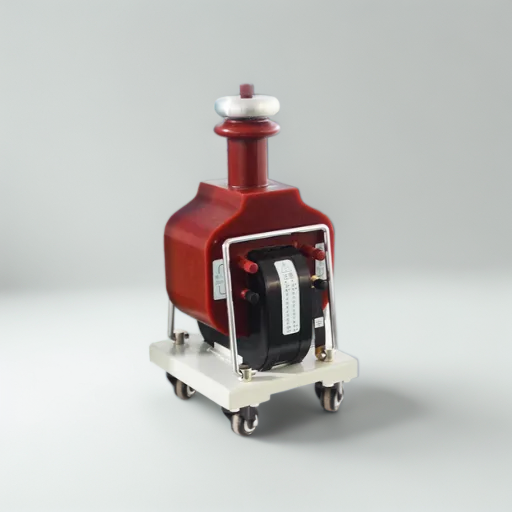
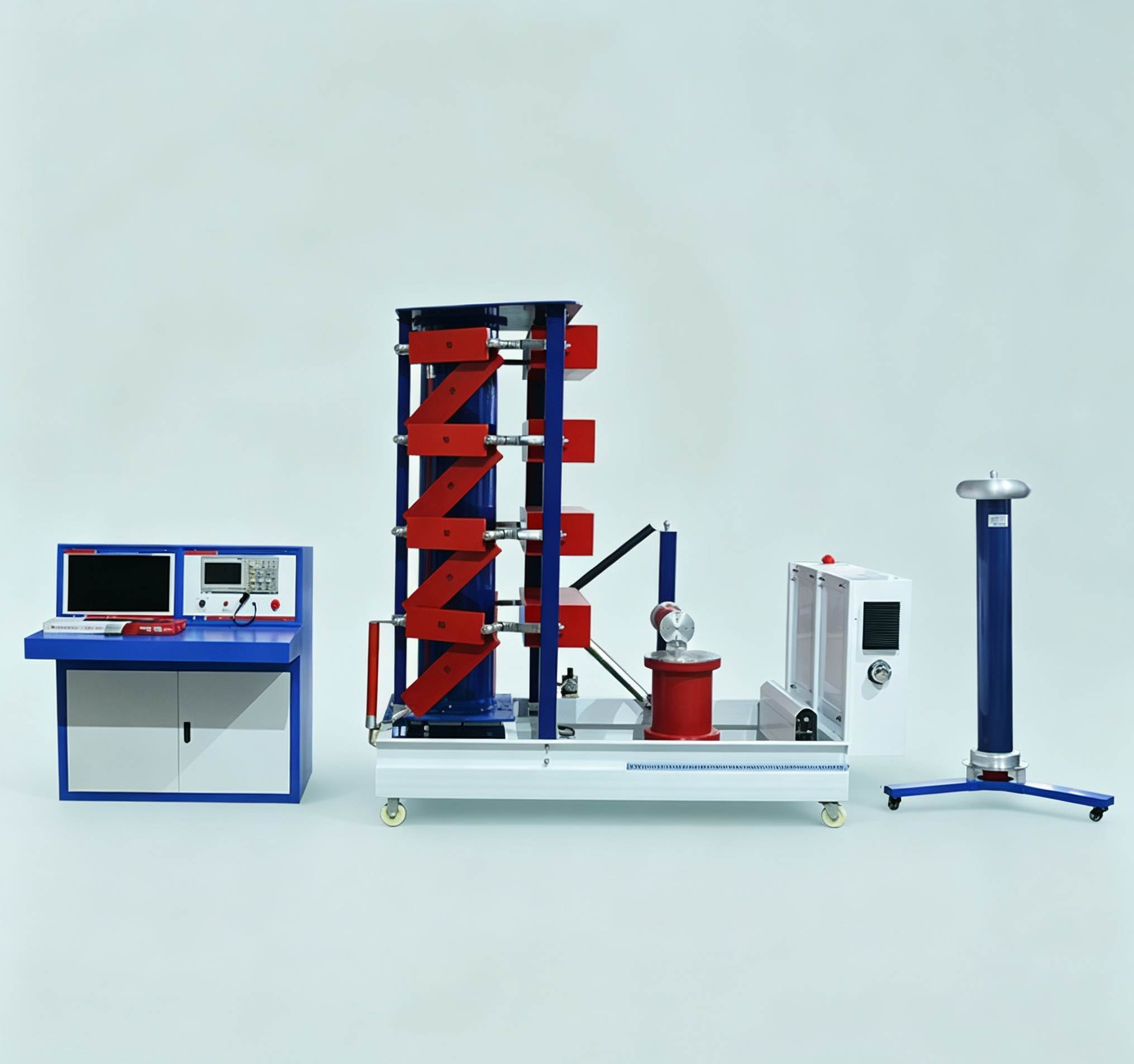
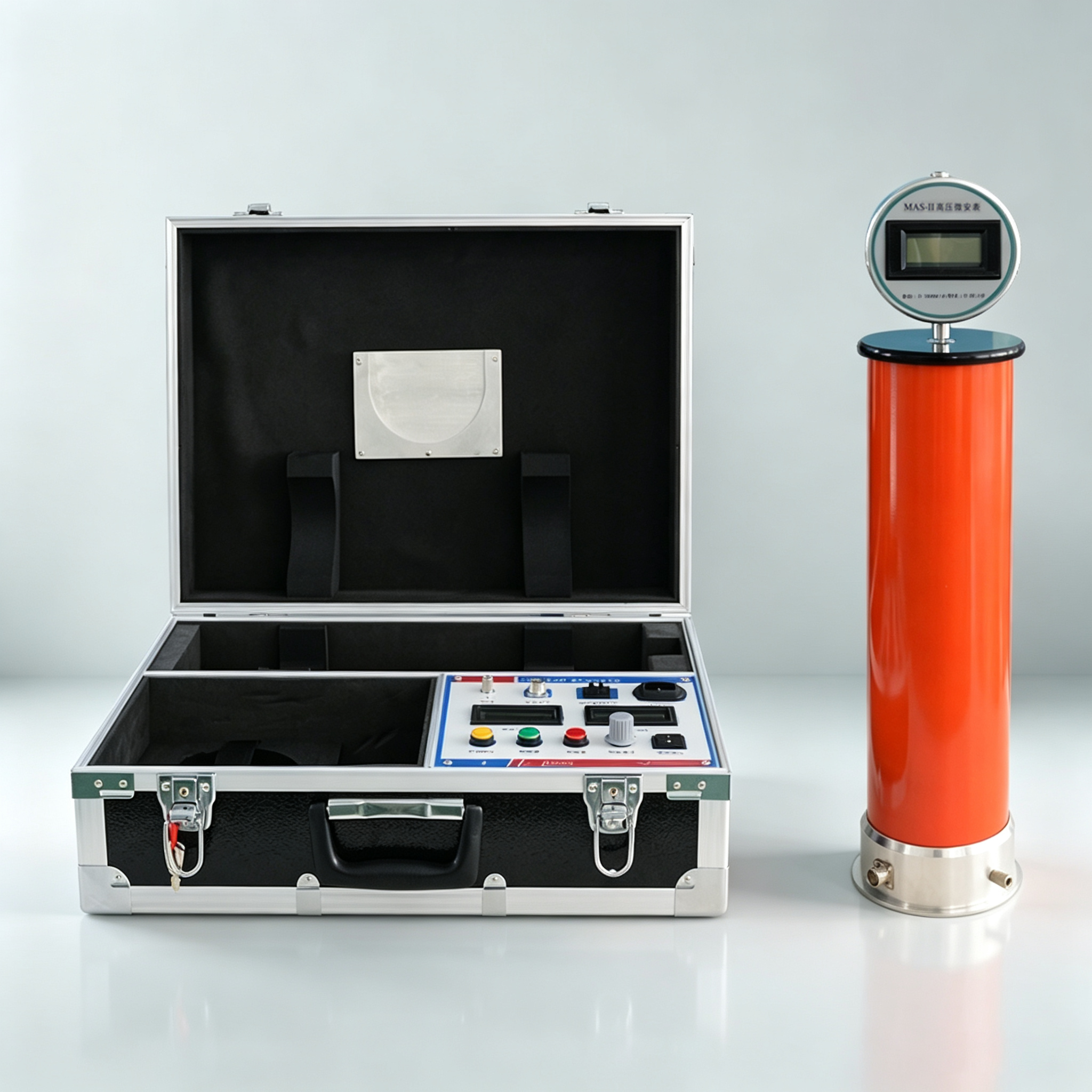
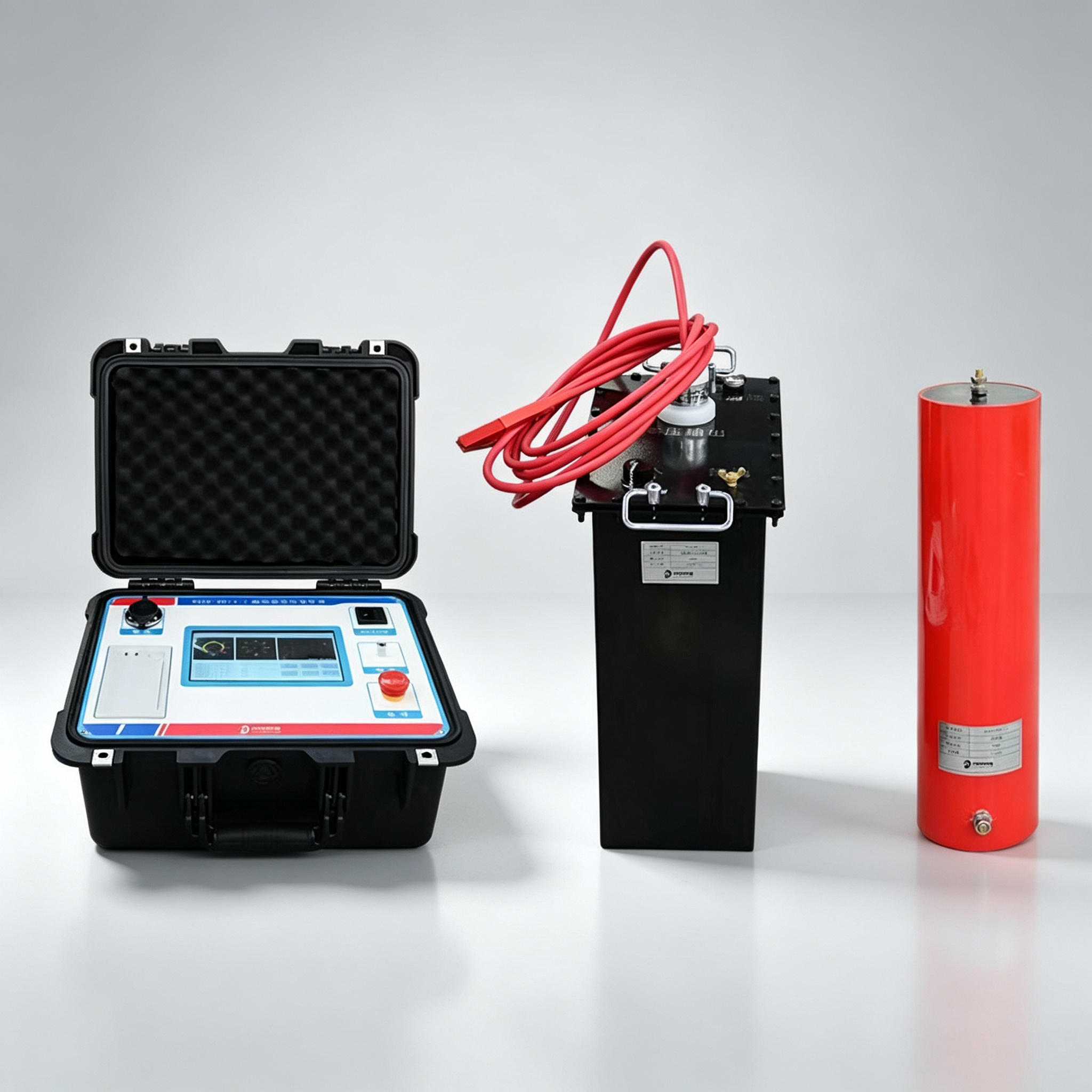
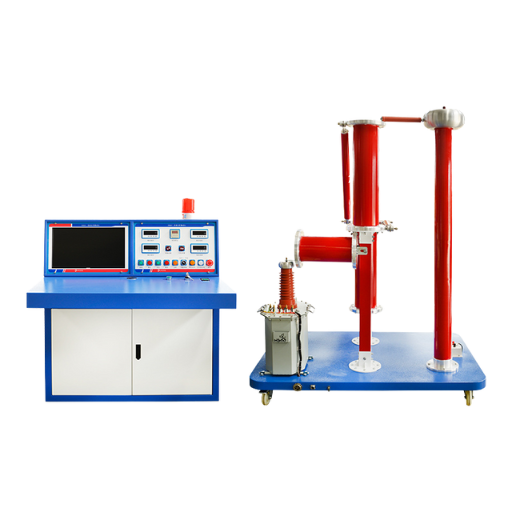
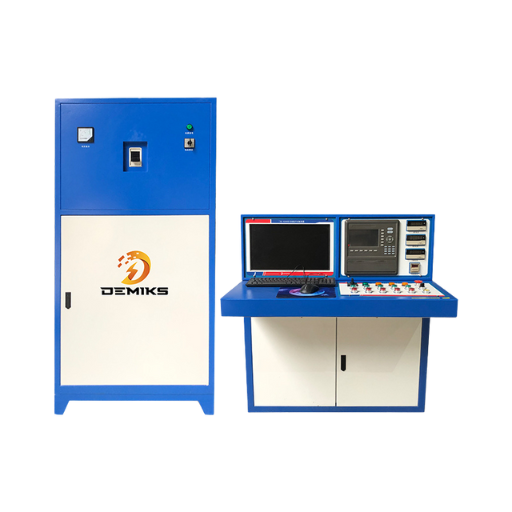
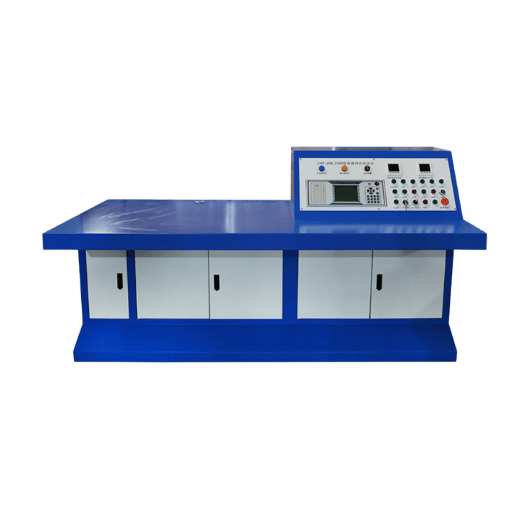
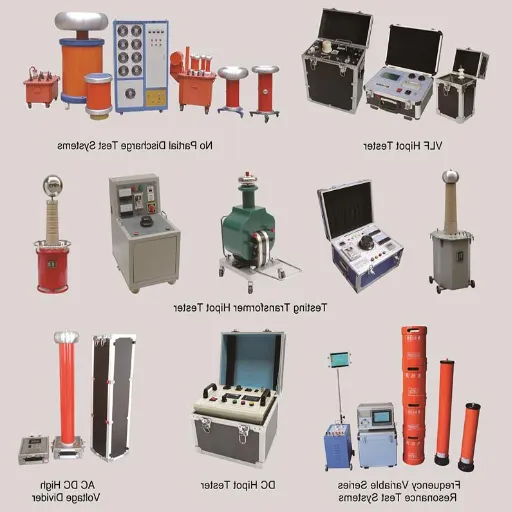
DC high voltage test equipment is largely specialized to check for strength and insulation properties under high voltage conditions in electrical systems and components. Generation of DC voltage applied to electrical equipment like cables, transformers, switchgears, and other key components is done to verify their performance, durability, and safety with these tests. This is an essential step in checking for potential weaknesses, guaranteeing adherence to set standards by the industry, and upstopping very expensive failures.
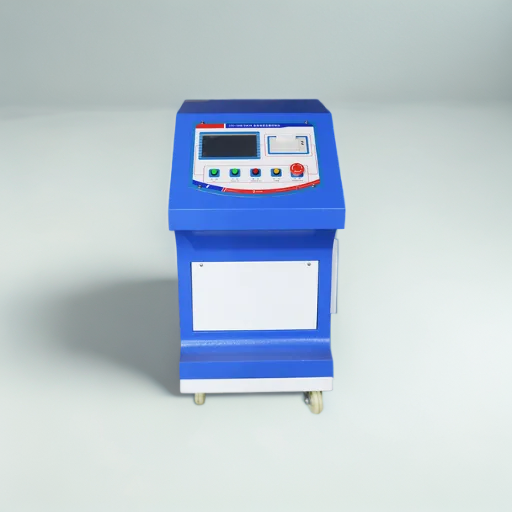
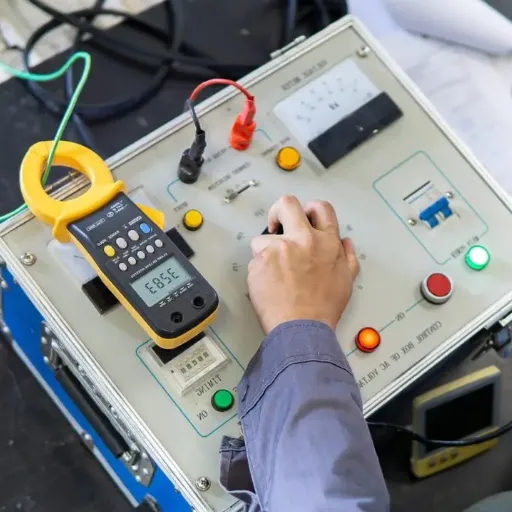
Modern DC high-voltage test equipment would often have such off-the-shelf features as digital control, accurate measurement, and data recording in real-time. These features enable operators to test quickly while acquiring insightful information about the behavior of the system. Knowing the voltage withstands being applied on a system component without breaking down will inform the engineers on the life expectancy of the equipment and will be able to address problems beforehand. Such testing is vital in areas like power generation, aerospace, and manufacturing, where the product has to operate reliably under electrical stress.
The Role of DC Hipot Testers in Safety
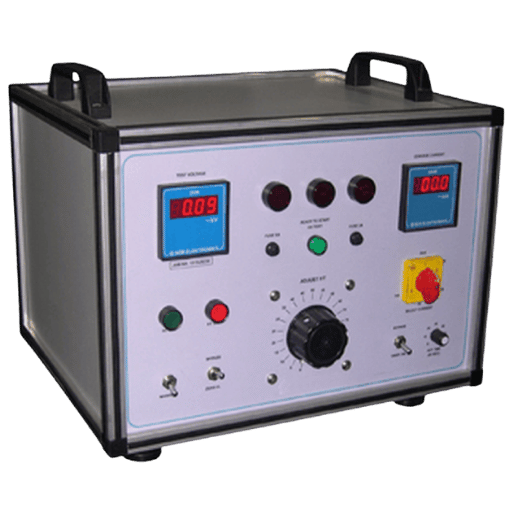
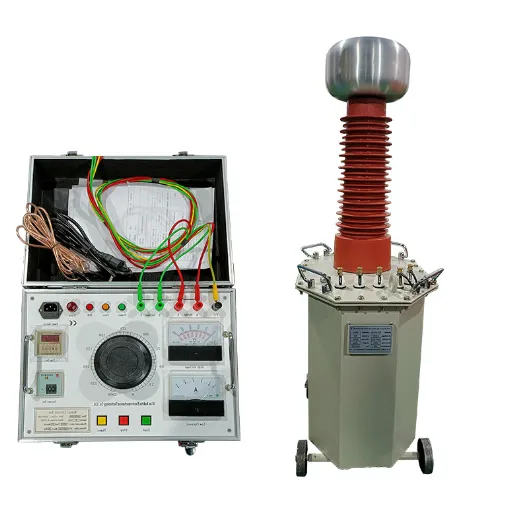
DC Hipot testers are essential in guaranteeing safety and reliability in electrical systems. Applying a controlled high voltage to components or the systems, the units discover weaknesses, defects, or points where breakdown may occur before the failure in operational functioning. This preventive nature protects critical equipment and also lessens the possibility of electrical hazards which can either cause personnel injury or spur a great loss due to downtime. Modern advancements on the DC Hipot testing have brought about features in real-time monitoring, precision voltage control, and automated reporting that provide engineers with numbers to back up their decisions confidently. These devices still remained the tool of choice in industries wherein safety standards must not be compromised and performance is established to be consistent.
Key Features of High Voltage Test Equipment
Accurate Voltage Control: Modern high voltage test equipment offers precise voltage control, allowing for better testing accuracy and ensuring that systems operate within required parameters. This feature minimizes discrepancies and enhances reliability during testing procedures.
Real-Time Monitoring: The inclusion of real-time monitoring systems enables engineers to observe test results instantaneously. These systems help detect faults or irregularities early, preventing potential damage to equipment and reducing downtime.
Automated Reporting: Advanced devices come equipped with automated reporting capabilities, which streamline the documentation process. These reports provide comprehensive data logs and analytics, ensuring compliance with industry standards and simplifying record-keeping.
User-Friendly Interfaces: High voltage testing tools now feature intuitive, user-friendly interfaces that simplify operations. Technicians can easily configure tests, view diagnostic results, and troubleshoot efficiently, even without extensive training.
Enhanced Safety Features: Safety remains a focal point, with devices integrating protective mechanisms such as automatic shutdowns in case of overload, insulated designs, and real-time fault detection to safeguard both personnel and equipment.
Versatility Across Applications: High voltage test equipment is designed to accommodate a wide range of industrial and electrical applications, from cable testing to insulation analysis. Their adaptability ensures their utility across diverse environments and industries.
These advanced features demonstrate how innovation in high voltage testing is continually evolving to meet the demands of modern engineering and industrial applications.
Benefits of Using DC Voltage Testing in Electrical Applications
Enhancing Safety with Dielectric Strength Testing
The dielectric strength testing contributes significantly to electrical safety by ascertaining the integrity of insulating materials under a voltage that is self-explanatory. The test assesses how much electric field an insulating material can endure without breaking down; therefore, it stands as the measure of determining the potential weakness, if any, or defect in a component. A reliable testing prevents an insulation failure incident, thereby mitigating electrical hazards and consequently imparting a greater life span to the equipment. The dawn of newer technologies has seen simultaneous advances in testing techniques resulting in an enhancement in precision of the modern tools to measure dielectric strength with much more accuracy and efficiency. In this way, industries would be able to observe stringent safety regulations working under the toughest conditions by embracing dielectric strength testing.
Improved Reliability of Electrical Cables
The proper operation of infrastructure depends heavily on keeping downtime to a minimum with electric cables. Upgraded materials and better manufacturing practices improve the performance of cables in order to reduce insulation breakdown and increase operating life. Introduction of XLPE insulation and better conductor materials for cables have made them thermally more resistant and mechanically stronger to withstand severe conditions. Also, strict quality control procedures identify defects during production and ensure compliance with industrial standards.
Research has established that modern cables with improved insulation resist voltages up to 400 kV while operating under great consistency of performance, thereby expanding their industrial and power grid high-demand scope. When paired with preventive maintenance methods such as thermal imaging and partial discharge testing, one can arrive at an early prediction of failures. Such development takes the form of strong electrical networks that can bear the exigencies of present-day industries and urban systems.
Cost-Effectiveness of Regular Voltage Testing
Preventive voltage testing has tremendous economic advantages to avoid unforeseen outages and minimize downtime. Studies show that if you are into preventive testing, maintenance costs can be cut down by a whopping 30%-as it checks for potential faults before they turn bigger and require expensive repair of the systems. Voltage testing further contributes to reliability, increases the life of expensive machines, and therefore, less frequent replacements. Those industries that are paying for testing enjoy an increase in operational efficiency as stable electrical systems waste little energy and attract the lowest utility bills. The integration of contemporary testing tools and methods aids organizations in achieving long-term viability of their power, safety, and resilience.
Types of DC High Voltage Testers Available
Portable High Voltage Testers
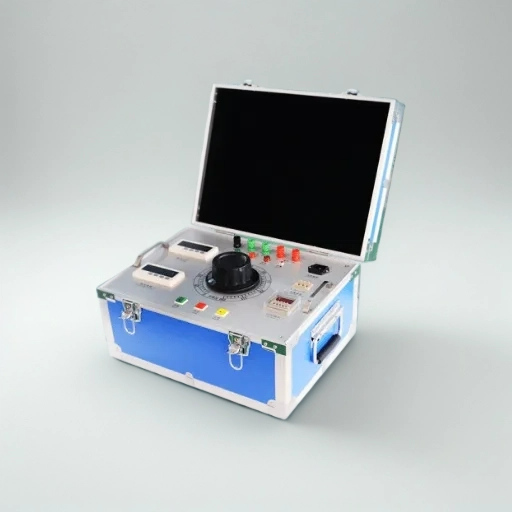
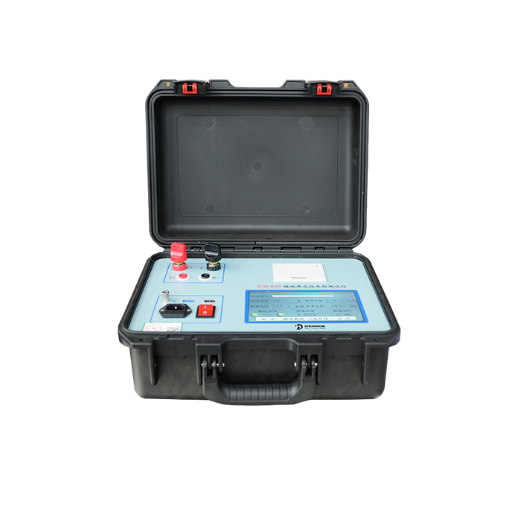
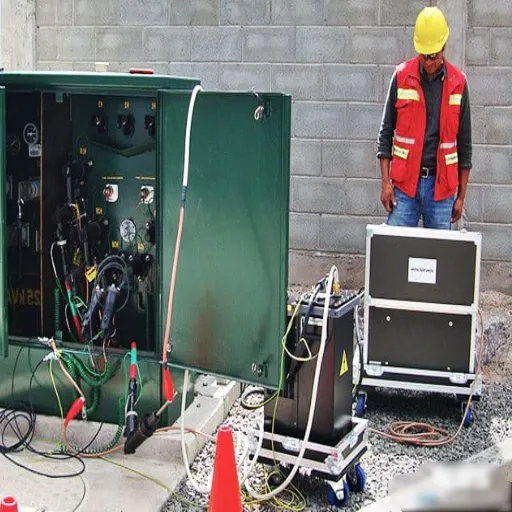
Portable high-voltage testing devices, also sometimes called “portable testers,” are compact and light-weight instruments for flexible utility in diverse field testing applications. The testers for portable use serve to check insulation, diagnose faults, and measure high voltage performance of various equipments such as transformers, cables, and switchgears. The testers often come equipped with intuitive controls, plus various safety features-enough to mention a few: overvoltage protections and automatic discharge so that it might be considered safe and comfortable for the operator to use.
Modern high voltage portable testing instruments are at the forefront of technology for precise measurement and reliability. Programmable with digital display interfaces, these testers output accurate test results and, in essence, facilitate operations. Various units optionally include data storage and data transfer capabilities for technicians to log results and later analyze and report them. This tool’s versatility assures its necessity for maintenance personnel and electrical engineers while working toward the reliability and safety of power systems amidst industrial settings.
Digital vs. Analog DC Hipot Test Equipment
Precision, usability, and leading-edge features mark the key differences between digital and analog DC Hipot test devices. Digital-test lines have technology that bestows them with higher accuracy and repeatability in voltage and current measurements, with full data available for analysis. They are often provided with programmable settings, automated test sequences, and digital readouts, making the product the most user-friendly outlet in modern industrial testing practices.
On the other hand, these analog DC Hipot testers are sometimes considered good because of their simple construction and sturdy build. They mostly operate through manual controls and analog dials, which some testers actually enjoy due to the tactile feedback these mechanisms afford; to them, it is straightforward. But they do not provide advanced features and precise data logging capability that digital testers offer.
Both would have their advantages, and this decision would really depend on the application in question. For restriction and thorough testing levels, as well as for literature-based decisions, digital testers are heads above the rest. On the other hand, one would go for the analogue tester should he want an old-fashioned and inexpensive solution.
Specialized Test Systems for Different Applications
Some test systems are specialized for industry and applications. Hence, they must meet stringent performance requirements and guarantee reliability. In the case of voltage testing, knockout systems like hipot testers check insulation and spot defects. Industries needing very accurate environmental testing must have systems designed to simulate the most severe environment in terms of temperature, humidity, or pressure so that product quality can be assured.
With the ongoing advancements, various cutting-edge technologies are being incorporated into the building systems. Current platforms provide real-time data analysis of substrates, offer higher levels of connectivity, and present highly intuitive interfaces to enable technicians to monitor and adjust testing processes effortlessly. These cutting-edge technologies now further ensure a detailed analysis and evaluation of the compliance standards for products from several fields and supply technical assistance in recent developments in aerospace technology and renewable energy technologies. Supported by modern methodologies and constantly advancing technological trends, special test systems allow a methodical, data-centric quality assurance process without depending on search-based generic interpretation.
How to Choose the Right High Voltage Test Equipment
Factors to Consider When Selecting a DC Hipot Tester
When selecting a DC hipot tester, several crucial factors must be considered regarding its utmost performance and test objectives. The first measurement involves asking about the voltage and current range of the tester, with reference to the equipment or components being tested, whereas confirming that the tester meets or preferably exceeds your required voltage level is most important to carry out honest testing of the equipment of your choice. The second consideration is the insulation resistance measurement capability, as this directly influences the seriousness with which it can detect potential defects.
Of course, safety features integrated into this tester should come into consideration, such as an automatic cutoff or warning alert to assure the safety of the operator and the equipment amid high-voltage testing. Another gravely important consideration is ease of use. A lucid interface and auto functions can nurture workflows and cut down on operator errors. On the other hand, compatibility of calibration and accuracy levels have to be taken into account to guarantee that they comply with industry standards. Build quality and portability become all the more important if the testing is to be done on the field or various sites. Once these have really been explored and/or addressed, then an efficient and reliable DC hipot tester may be acquired suitably for your particular quality assurance need.
Top Brands and Models of High Voltage Testers
When it comes to high voltage testers, several leading brands have established a solid reputation for delivering reliability, precision, and advanced features. These manufacturers provide diverse models designed to meet various industrial testing requirements, ensuring compliance with safety standards and efficient performance.
Hipotronics – Known for their robust design and cutting-edge technology, Hipotronics offers models like the 800PL Series, which provides accurate results and user-friendly interfaces for different voltage testing needs.
Megger – A trusted name in the industry, Megger is renowned for its exceptional range of hipot testers, including the HV Tester Series. These models are prized for high operational efficiency, portability, and comprehensive safety features.
Fluke – Fluke’s high voltage testers, such as their 80kV range, are recognized for precision and ease of use. Their products stand out due to ergonomic designs and consistent measurement accuracy.
Haefely – Haefely’s portfolio includes advanced testers like the Hipotronics PT Series. These models deliver operational versatility and superior performance in various testing environments.
Chroma ATE – A leading innovator, Chroma ATE offers models with advanced software integration, such as the Chroma 19000 Series. These devices are well-suited for automating testing and improving operational workflows in high-demand settings.
Each of these brands ensures that their testers are built to uphold stringent quality, safety, and reliability standards, making them ideal for industries requiring uncompromising precision in high voltage testing.
Understanding Test Voltage Levels and Safety Standards
Test voltage levels are critical in ensuring the integrity and operational safety of electronic equipment. Calibration must be precise in order to properly test if the device can stand the appearance of high voltages without either failure or malfunction. Considerations on safe voltage ranges and test procedures are covered under the standards of the involved industries such as IEC and UL. The advanced testing equipment, such as those of the major brands mentioned earlier, are equipped with the features necessary for fulfilling these requirements in order to reduce any degree of error, thereby making the equipment more reliable. These devices, together with updated techniques and best practices, assure detailed analyses for industries that require the utmost performance under harsh conditions.
Best Practices for Using DC High Voltage Test Equipment
Safety Precautions While Testing
Being cautious regarding high voltage and DC test equipment is always uppermost in my mind. I start by reading the user’s manual of the equipment from start to end and understand all operational procedures. This awareness supports careful handling of the equipment, respect for eventual hazards, and correct application of the device. Before the test, I examine all connections, cables, and apparatuses for any damage or wear. Compromised equipment may lead to an unsafe environment; therefore, slight substitution of any single defected part becomes an absolute must before any testing can proceed. Also, I insist on using equipment that meets internationally recognized safety standards so as to minimize hazards.
I make sure that everyone within my range of visibility is duly notified of the high-voltage activities being conducted. I refuse to allow anybody into the area in which the test is being conducted and place safety barriers or warning signs where necessary. The correct use of protective equipment to keep one’s own self safe from shocks includes wearing insulated rubber gloves, safety goggles, and non-conducting shoes. I need to ensure that the surrounding area is dry and devoid of conductive objects such as very thin wires and gaskets so as not to pose a risk of unwanted grounding or short circuits by itself when starting the test procedure.
Lastly, I always use the lockout/tagout procedure to ensure equipment has been physically locked out or tagged out from responding to any power sources, especially during adjustments and maintenance. Similarly, it is paramount to ground the test object after testing to discharge any voltage forcefully, so if precautions are followed, testing can commence with confidence in the least possible risk of electrical hazards to the tester and parties concerned.
Regular Maintenance of Test Equipment
Maintaining test equipment ensures its durability, precision, proper testing, and safety. I regularly check my tools for any signs of wear, damages, or calibration discrepancies. To give you a few examples, checks for breaks in insulation in cables and connectors are very important because the same could cause performance degradation or potential safety hazard. Such checks essentially maintain the overall integrity of the system. All equipment must be kept clean, as dirt, dust, and residues could interfere with components or cause incorrect readings. Cleaning procedures adhere to the manufacturer’s guidelines and never involve the use of materials or methods that might damage sensitive elements.
I also make scheduling regular calibrations of instruments. Calibration sustains and upholds equipment to accurate measurement and to provide reliability over time and especially under frequent use or varying environmental conditions. These calibrations may be recommended by many manufacturers, usually on an annual basis, although it totally depends on how often the instrument is used or specific needs of the instrument. Lastly, I maintain a log of all maintenance and calibration performed on equipment as this serves to track equipment performance and to stand up to the possibility of any industry standards.
Really, good storage is an important factor in protecting the test equipment. Tools should be stored in a neat, dry, and temperature-controlled environment so there is no harm coming from moisture or extreme temperature or even an accidental impact. With devices mounting batteries, I frequently check the level of charge and take them out if the equipment will be unused for a length of time to check for leakage. Maintaining a thorough procedure such as this ensures that the reliability of test equipment is upheld and work is performed in a smooth and safe manner.
Interpreting Test Results Effectively
My I place is to effectively interpret test results by being completely familiar with the context and parameters of the tests. First, I check whether the specifications and requirements relevant to the task or project apply to the results so that they are set against correct benchmarks. It involved cross-checking observed data to expected results or standards to determine discrepancies. Consistency in measurement and observation is crucial, for minor lapses might lead to wrong conclusions.
I also make analyzes in trends and patterns, not isolated readings. Some are just variations in test results depending upon the environmental or operational conditions during testing. By differentiating these outliers or repetitive matters, it can detect fault in the system being tested. Consult technical manuals or reference materials or even industry standards to look up if necessary. When complicated or vaguely defined results come out, I would cooperate with some colleagues or seek expert consultation to get more insight.
A clear documentation of all findings is an absolute must for tracking progress and making way for decision-making. I always ensure that these results are conveyed well to others in an orderly fashion with visual aids, such as charts or graphs if necessary, and should be able to present information that people can use. In general, one can only interpret things through a mixture of technical knowledge, keen observation, and communication skills.
Reference Sources
- Advantages of DC Hipot Test Compared to AC Test – Highlights the benefits of DC testing, including lower leakage current settings.
- AC vs. DC Hipot Testing: Key Differences & Best Uses – Explains when and why to use DC high voltage testing for safety and efficiency.
- What Are the Advantages of a DC High Voltage Test Machine? – Discusses precise testing capabilities and safety benefits of DC test machines.
- How to Work Safely with High-Voltage Test & Measurement Equipment – A whitepaper focusing on safety practices when using high-voltage test equipment.
- Precautions for Conducting High-Voltage Tests – Provides safety precautions and best practices for high-voltage testing.
Frequently Asked Questions (FAQs)
What is DC high voltage test equipment used for?
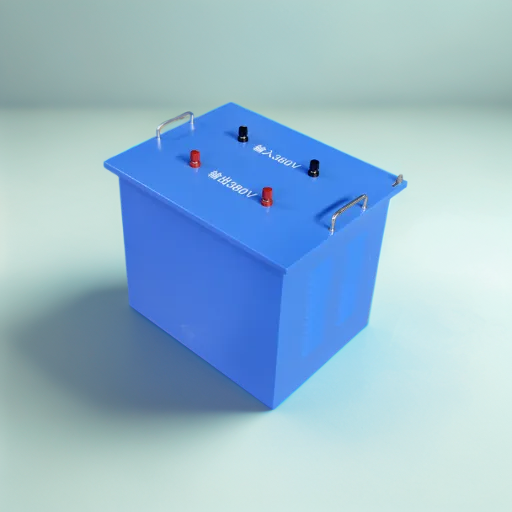
One main use of any DC high voltage test equipment would be to determine the dielectric strength and insulation resistance of high voltage systems. The tool such as the high voltage PTS-75 works to ensure that electrical components can withstand a particular level of voltage without breakdown. It is important in industrial applications for testing transformers, cables, and other apparatus. Testing the insulation under high voltage conditions suggests possible failures and adds to the reliability of the equipment. The equipment generally consists of a power supply, voltage detector, and an output meter to display the readings accurately.
How does a DC hipot tester work?
A DC hipot tester works by subjecting the insulation of electrical components to a high voltage DC output so as to test for dielectric strength. The device generates a voltage and applies it to the test object while monitoring for a breakdown or a partial discharge. It is important to test the insulation to ensure it is strong enough to endure operational voltages plus a safety margin. All such testers come with extended manual help on how to use them, with applications for both portable and fixed testers. The results of a DC hipot test may comment on the overall health of the electrical system and aid in compliance to laws.
What are the advantages of using digital voltage meters in high voltage testing?
Digital voltmeters provide various advantages and benefits when applied in high voltage testing. Since precise measurement ranges are provided for reading inside the digital meter, one easily can carry out instantaneous evaluation over the equipment of the high voltage. The latest version of many meters incorporates fancy features like data-logging and non-contact voltage detection. They take the measurement and can take DC/AC voltage measurement that utilizes enormous scaling. For best results, calibration should be done in time.
What types of tests can be performed with high voltage test equipment?
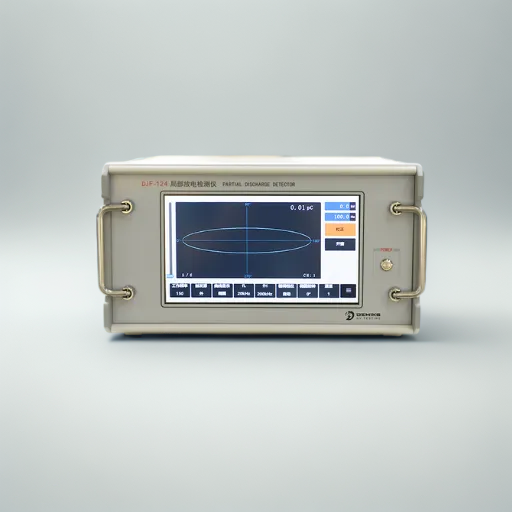
Depending on its construction and applications, one can conduct various tests on high voltage test equipment, such as dielectric withstand tests, insulation resistivity measurements, breakdown tests; and so on. Such tests determine the extent to which electrical components, such as cables and transformers, separated by insulating material, can withstand a high voltage without failure. The equipment works well in the output generation. This helps holding technicians detect the problems such as insulation degradation or breakdown of some components. On the other hand, and partially outside this range, partial discharge tests can also be conducted to diagnose possible faults in high voltage systems. This wide range of testing capability renders high voltage test equipment indispensable for electrical installations from the safety and reliability viewpoint.
What is the significance of insulation resistance testing in high voltage applications?
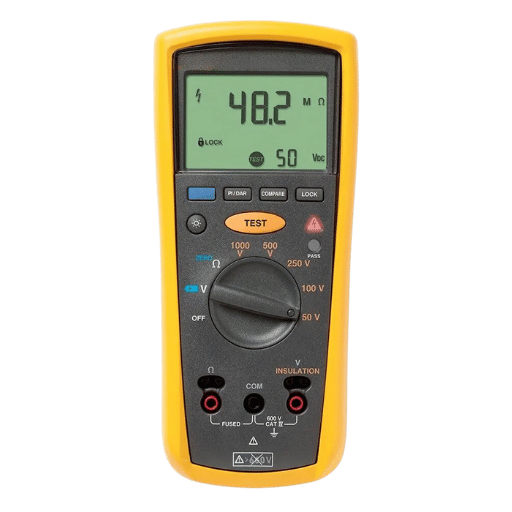
High-voltage applications demand insulation resistance checks to test the sanctity of insulation in the electrical system. Insulation materials must be measured to see if they can withstand application of high voltage without breaking down. Low insulation resistance is a pointer to potential faults or degradation, which might end up bringing about failures. Megohmmeters are used for such testing and give accurate readings that can be analyzed. In order to keep high voltage equipment safe and running efficiently, especially in industrial applications, regular insulation resistance tests are conducted.
How does grounding affect high voltage testing?
The grounding is the course through which currents run down to earth in the course of high voltage testing. When grounded properly, the test equipment becomes safe to operate without the chance of electrocution to personnel. Grounding during testing stabilizes the voltage levels and makes for better measurement accuracy. Hence, it is important to see grounding regulations are followed while carrying out any high voltage test to avoid non-compliance and hazards. However, good grounding also protects sensitive equipment from damage, thereby enhancing high voltage reliability.


![Partial Discharge Test Equipment: Types, Selection & IEC 60270 Guide [2026]](https://demikspower.com/wp-content/uploads/2026/05/0-10.webp)

![What Instrument Is Used to Measure Temperature? [2026 Guide]](https://demikspower.com/wp-content/uploads/2026/05/0-8.webp)