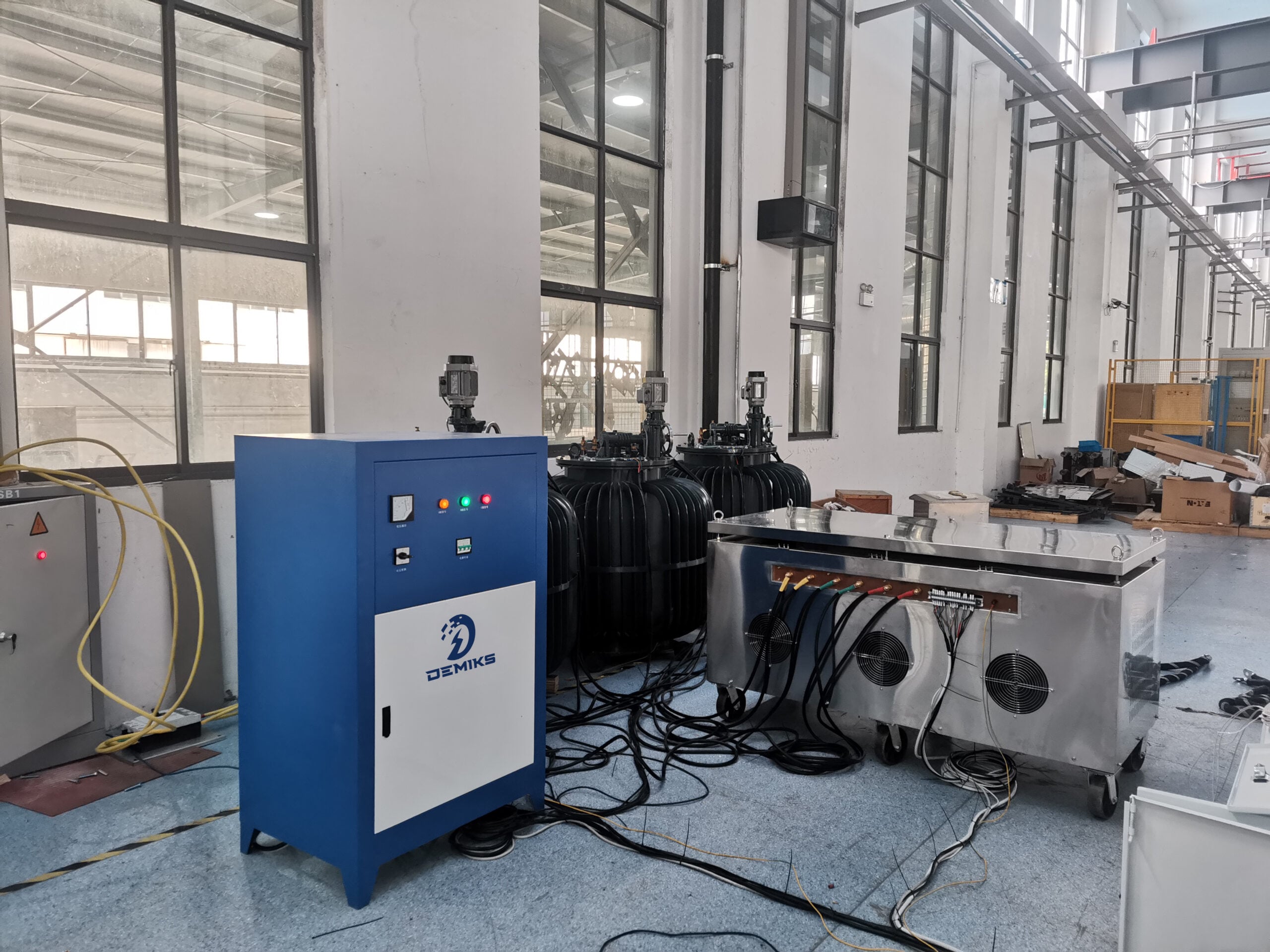
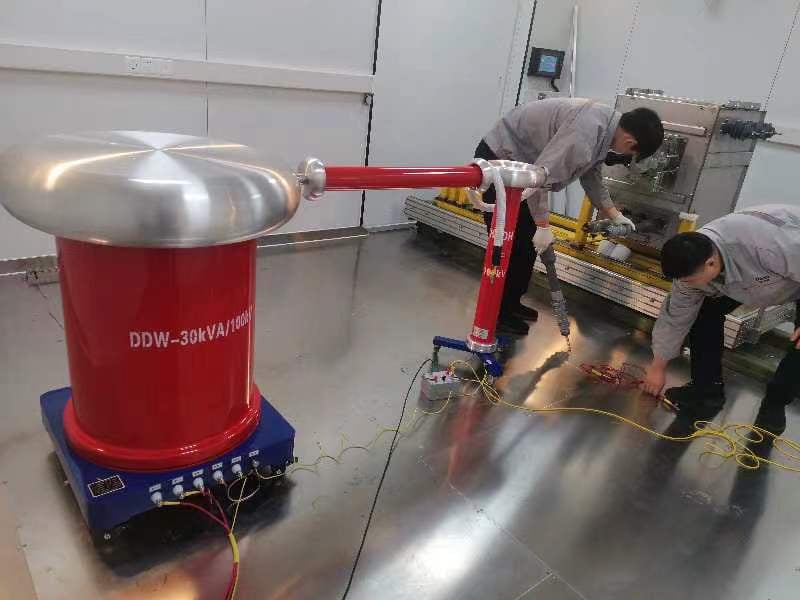
High-potential or high-pot test voltage has since become a fundamental factor in contemporary electrical testing, protecting equipment reliability and ensuring industry safety. By 2025, the role of high-pot testing is expected to grow further as technology evolves, safety standards change, and a strong demand arises for powerful yet safe electrical systems. This blog aims to analyze how high-pot test voltage is influencing the future of testing methodologies, including their ups and downs and emerging trends, as well as innovations destined to change conventional industry practices. Whether you’re a practicing electrical engineer, in quality assurance, or just someone interested in advanced testing techniques, this article will certainly provide pertinent knowledge that keeps you refreshed and up to date.
Understanding the Hi-Pot Test and Its Importance
What is a Hi-Pot Test?
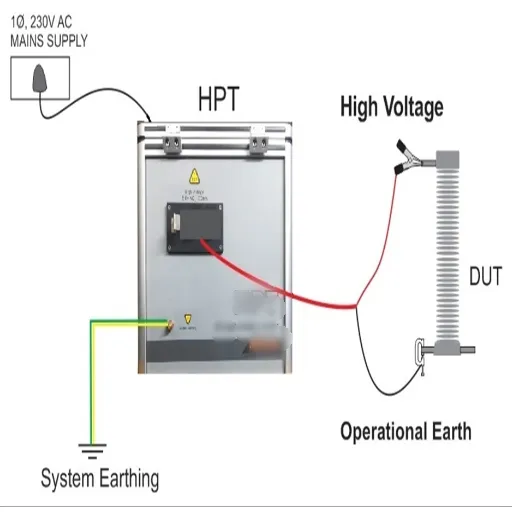
A Hi-Pot test, an abbreviation for a high-potential test, is a safety testing procedure to check if the insulation of an electrical device or system is intact. Testing involves applying a high voltage across the insulation barrier of the product, with the insulation being tested so that leakage current is kept down to an unacceptable or unsafe level. Hi-Pot testing is required to ensure that electrical products like transformers, cables, and circuit boards do meet safety provisions and can withstand surges or operational voltages without failure or damage.
The Hi-Pot test, we can assume, is used to detect defects in insulation breakdown that are considered the major causes of equipment failure and hazards. The earlier these problems are detected, i.e., either during manufacturing or maintenance, the process would save stoppage costs, save user life, and fulfill the regulations. With all the modern concepts in high-potential test systems, along with automatic voltage control and leakage current monitoring in real-time, this process is by far the most optimized, precise, and foolproof method to date for use in industrial and commercial applications.
The Role of Test Voltage in Dielectric Strength Testing
The test voltage is one such critical factor in the definition of the material’s ability to withstand electrical stress under some operating or extremely difficult conditions. The test voltage, deliberately set above the normal operating voltage level, checks whether the insulation holds up under a breakdown or leakage current in a worst-case scenario. For example, IEC 60950-1 and UL 60950-1 standards have listed the test voltages based on rated voltages for uniformity and more wisdom.
Test voltages are dependent upon numerous parameters, such as the application, characteristics of the insulating materials, and safety standards. Generally, the test voltage is designated as a multiple of the operating voltage, and 1.5 to 2 times operating voltage can be considered as series 1. For example, if the operating voltage is 230V, the test voltage relevant during the dielectric strength tests can vary from 345V to 460V.
Another primary consideration is the rate of test voltage application, known as the ramp rate. The test voltage is applied slowly, allowing for controlled stress and preventing false failures caused by sudden voltage surges. Modern test equipment also incorporates features such as programmed voltage ramps and automatic cutoffs to enhance accuracy and safety.
Applying carefully defined test voltages enables the dielectric strength test to ensure the reliability of electrical insulation, minimize the risks of malfunction, and ensure compliance with existing industry safety standards. This protects the end user and also helps prolong the life of electrical and electronic devices.
High-Potential Testing Safety Standards
High-potential testing is one of the many tests carried out following safety standards for being consistently and safely performed in different industries. Such standards specify the voltage level, the time for which it is used, and the insulation requirements. If these standards are followed, then the test procedure will be effective as well as safe for the people and equipment involved.
Key Safety Standards:
- IEC 61010: Focuses on electrical safety of equipment used for measurement, control, and laboratory testing
- ANSI/UL 1010: Outlines dielectric withstand test methods for high-voltage testing practices
- IEEE 43: Addresses insulation resistance of electrical machinery
- ISO 17025: Ensures uniform calibration and test equipment in testing laboratories
- OSHA 29 CFR 1910 Subpart S: Maintains workplace safety during electrical work
By upholding these safety measures, manufacturers, laboratories, and industries ensure that electrical safety is maintained and risk is minimized, while achieving varying levels of compliance within regulatory frameworks. This, in turn, has a bearing on both product reliability and operational efficiency.
Components of the High Pot Test Setup

Essential Equipment for Conducting Hi-Pot Tests
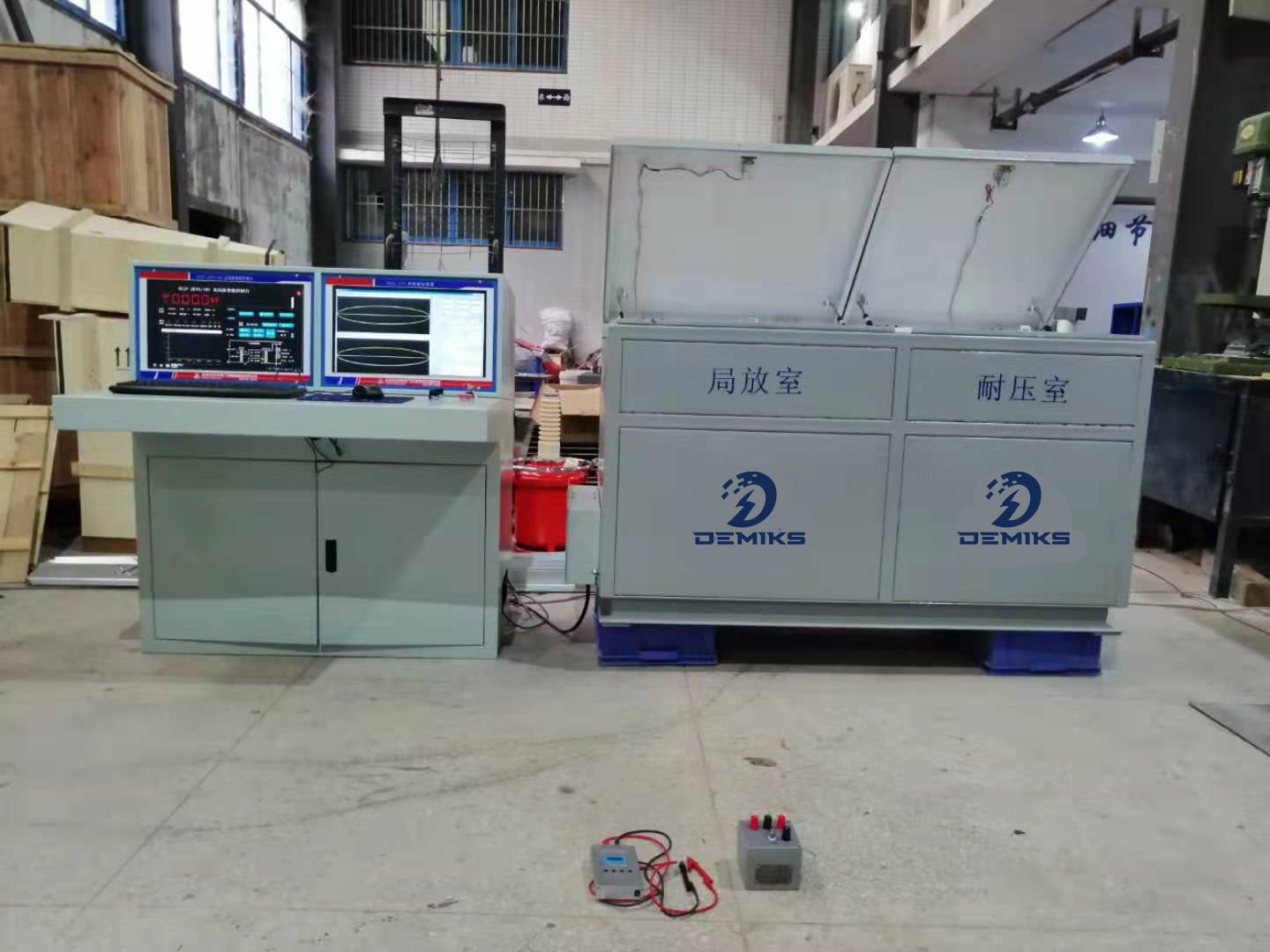
A proper Hi-Pot test utilizes equipment that ensures the highest accuracy and safety during the test. A standard Hi-Pot testing setup consists of the following indispensable parts:
Hi-Pot Tester
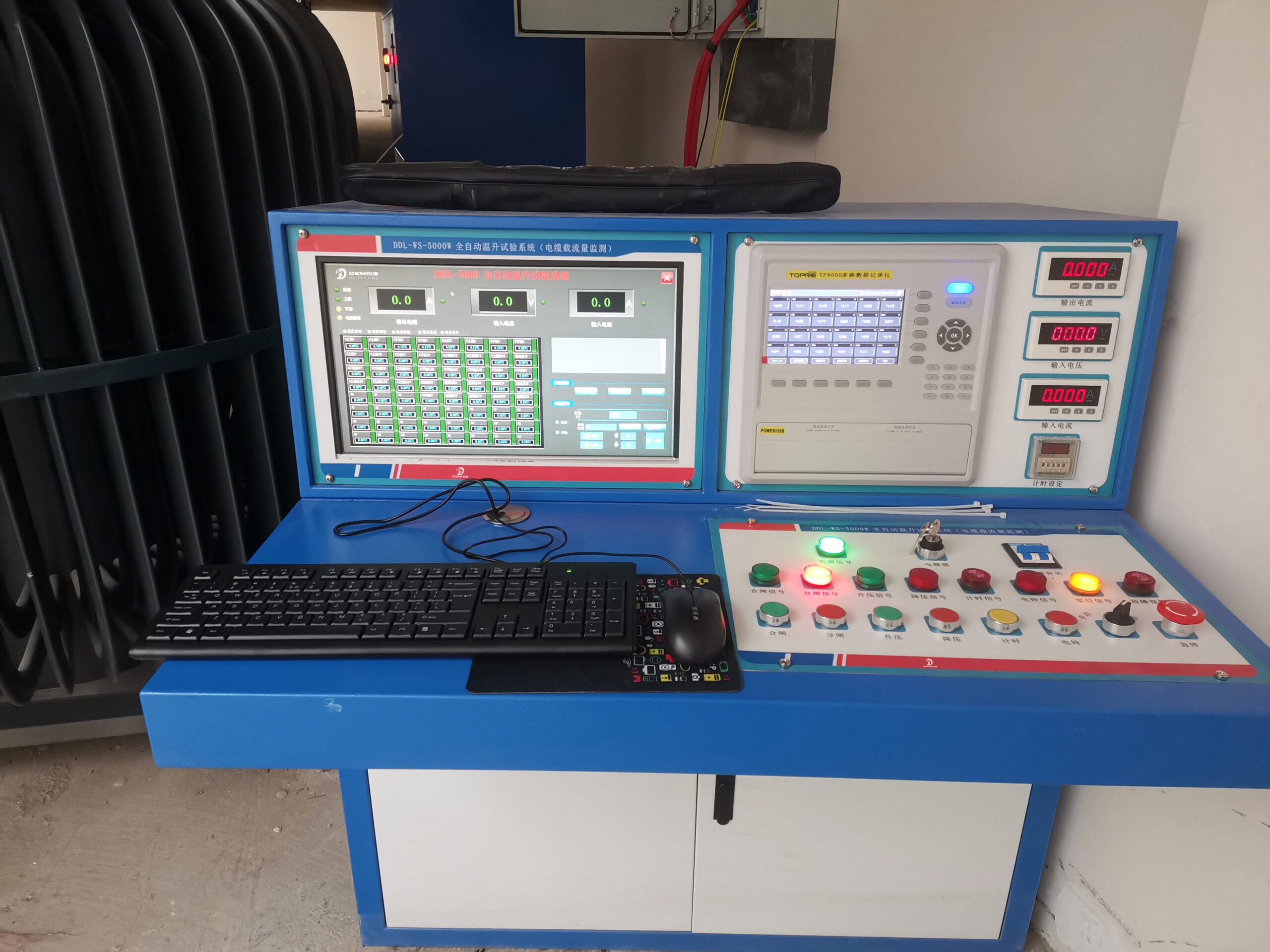
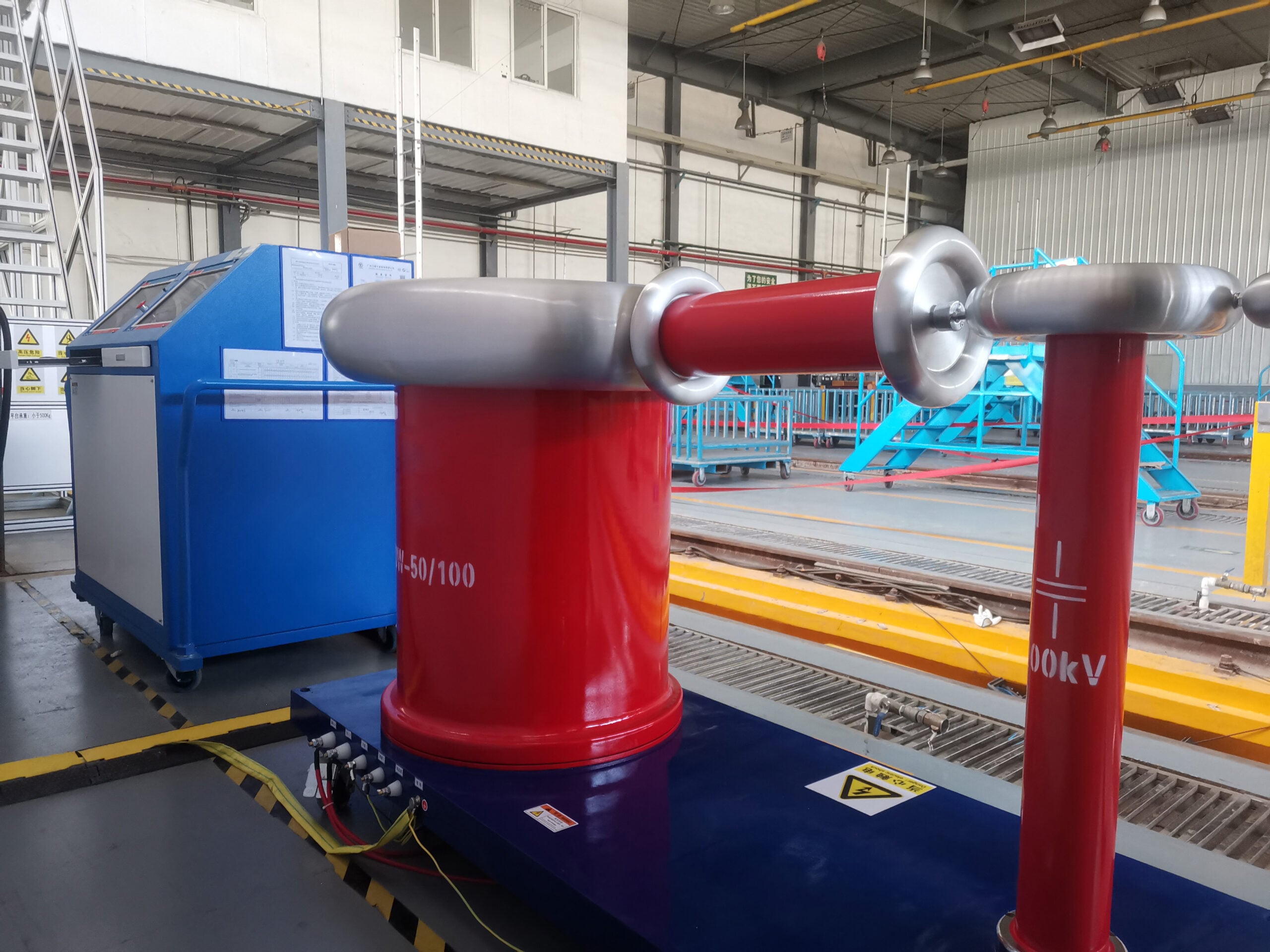
In the heart of an installation, the tester-created high voltage is imparted to the DUT. Modern testers allow the operator to select voltage levels, program test sequences, and measure leakage currents with advanced precision.
Test Fixture
The test fixture securely holds the DUT during testing. They are designed to reduce external disturbances while maintaining constant contact with test points to avoid false readings and test mode changes.
Additional Essential Components:
- Insulated Test Leads and Connectors: High-grade cables with good dielectric strength for safe high voltage transmission
- Safety Barriers and Indicators: Insulated shields, enclosures, warning lights, and auditory signals for operator safety
- Grounding Equipment: Bonds and clamps to prevent dangerous voltage buildup
- Data Storage and Monitoring Tools: Advanced logging and monitoring facilities for detailed reporting
- Measurement Accessories: Digital multimeters or insulation resistance meters for comprehensive testing
The combined use of these components will provide organizations with the means to receive precise test results while simultaneously protecting operational safety and ensuring compliance with established electrical safety standards.
AC vs. DC Voltage in Dielectric Testing
When dielectric testing is conducted, the selection of AC or DC voltage plays a crucial role in the results, as both have distinct properties and applications. Both voltages are, however, employed to assess the insulating qualities of electrical components to ascertain that they pass safety and performance tests; the way they function is different.
| Voltage Type | Characteristics | Applications |
|---|---|---|
| AC Voltage Testing | • Reproduces real-world conditions • Tests both positive and negative stress cycles • No residual charge buildup • Higher energy requirements |
• Routine quality control • Dynamic operational scenarios • General insulation testing |
| DC Voltage Testing | • Continuous voltage without polarity reversals • Excellent for leakage current measurement • More energy-efficient • Can create residual charges |
• High-voltage withstand tests • Power distribution systems • Aerospace applications |
Depending on the industry standards and equipment under test, many industries employ both AC and DC dielectric tests to evaluate their products thoroughly. Comparing the merits of both methods of testing, electrical safety practitioners ensure that insulation systems are thoroughly tested for endurance and meet the minimum safety standards, while optimizing laboratory tests for fast turnaround and reliability.
Safety Protocols During High-Voltage Testing
High-voltage testing requires the observance of safety provisions to be safeguarded-from persons, equipment, and other tangible factors or environment. One of the most crucial things, therefore, shall be the setup of a secured testing area with access limited only to authorized and qualified personnel. It will be salutary to post warning signs around the testing area with a physical barrier so that no unsuspecting persons accidentally expose themselves to high voltage apparatus.
⚠️ Critical Safety Requirements:
- Appropriate personal protective equipment (PPE) including rubber gloves, boots, and flame-resistant clothing
- Regular inspection of all equipment and tools for defects
- Automatic safety interlocks to detect faults and shut off power quickly
- Proper grounding systems for controlled current paths
- Regular training on emergency preparedness and risk management
Through strict safety protocols and technological aids, high-voltage testing can be performed safely and efficiently, with assets protected.
The Testing Process: Steps and Best Practices

Preparation for a High Pot Test
When preparing for a test, meticulous planning and considerations with utmost regard to safety are required to ensure the results achieved are accurate and to prevent any potential hazard. The preparation process can be stated in the following critical steps:
Review Testing Requirements
Before starting the test, the manufacturer’s specifications, industry standards, or project requirements must be reviewed to ensure that the test voltage and duration, as well as the tests themselves, comply with the relevant safety and performance criteria.
Inspect Equipment and Components
Conduct a thorough visual and physical inspection of the equipment, cables, and insulation to be tested. Check for wear, damage, or contamination that may affect the test result, such as cracks, moisture, or foreign matter on the insulation surfaces.
Check Instrument Calibration
Verify that all instruments, including the High-Pot tester, are calibrated and in good working condition. Calibration must be carried out at regular intervals to maintain the accuracy and reliability of test results.
Create Safe Test Conditions
Establish a controlled test environment and restrict access to unauthorized personnel. Barriers, warning signs, and grounding equipment should be used to prevent any accidents related to unintentional contact or stray voltages.
When conducted accordingly, these preparations for a High Pot test can be effectively managed, thereby reducing potential hazards and enhancing the accuracy and reliability of the results.
Conducting the Test: Step-By-Step Procedure
🔬 Testing Procedure Overview
The following step-by-step procedure ensures safe and accurate high-pot testing while maintaining equipment integrity and operator safety.
- Initial Safety Check: The High Pot test cannot truly be said to have begun unless all safety precautions have been ensured. Barriers should be strictly erected to prevent unauthorized personnel from entering the testing area, with warning signs suitably placed to indicate the danger.
- Establish Test Parameters: Select the appropriate voltage and current limits based on the equipment manufacturer’s specifications and relevant industry standards. Parameters must be reviewed in detail to ensure their compatibility with the device under test (DUT).
- Connect and Set Up the Test Equipment: Attach the High Pot testing equipment securely to the DUT. Use the appropriate terminals and avoid loose connections, as they may cause incorrect readings or pose safety hazards.
- Apply Voltage: Start applying the testing voltage gradually, according to the predefined parameters for your test. Avoid sudden increases in voltage, as this may cause a surge that damages the circuit.
- Watch Leakage Current: Note the leakage current reading throughout the testing period. Any deviations above the specified limits during the test may indicate insulation weakness or faults.
- Test Duration and Observation: Maintain the test voltage for the specified duration while observing the DUT for any visual, auditory, or olfactory anomalies, such as sparks, crackling sounds, or burnt odors.
- Gradual Voltage Reduction: The voltage is then gradually decreased at the end of the test duration, and it is never suddenly removed, so as not to impose sudden stress on the components.
- Disconnect the Equipment: Once the test is complete, ensure the High Pot tester is turned off and discharged of any residual electricity. Carefully disconnect all test leads and cables from the DUT.
- Analyze Test Results: Review logged data, including voltage levels, leakage currents, and duration compliance, to determine if the DUT meets the safety and performance specifications.
- Report Findings: A comprehensive test report should be compiled, encompassing test parameters, observations, measurements, and conclusions.
Following this structured approach will allow the efficient execution of the high-pressure test, guaranteeing the safety of personnel and equipment. Besides ensuring the reliability and long-term performance of electrical devices, it warrants such rigorous testing.
Interpreting Results & Calculations
The High Pot test is essential for assessing insulation integrity in electrical devices, and an accurate interpretation of its results has to be ensured. The first step is to accurately analyze the leakage current data. Measured leakage current values should be compared against the corresponding test parameters or regulatory limits for the device to be accepted or rejected. Any deviations from acceptable levels could signal insulation breakdowns, imperfections, or operational hazards.
Key Calculation Formula:
Where: R = Insulation Resistance, V = Applied Voltage, I = Leakage Current
Electricler drifts from this course of action ensure an electrified passage crucial for security and proper performance. On the contrary, the outcomes of trial episodes across the span of time can be analyzed to forewarn attrition of devices in the long-run or bring forth patterns that must be investigated. Such an approach will surely help set up manufacturing processes and implement quality-control procedures so as to make safer and more durable electrical equipment.
Emerging Trends in High Pot Testing by 2025

The Dawn of Advanced Test Voltages
Currently, advances in test voltage technology have become a key factor in securing higher pot efficiencies and greater precision in pot testing. The modern systems provide for the voltage to be adjusted automatically, depending on the characteristics of the material under test, i.e., adaptive voltage control. The testing parameter is manipulated to the best possible condition without stressing sensitive components, which could have given false failures.
🤖 AI-Driven Analytics
Anomalous events can be detected in real-time, providing knowledge and insight into potential failure points and contributing toward predictive maintenance.
📡 IoT Integration
Wireless and IoT-enabled devices enable remote monitoring and control of high-pot testers, improving accessibility while keeping operators safe.
☁️ Cloud Storage
Cloud-based data storage makes it easier for teams to track long-term performance trends and share insights across departments.
By 2025, such innovations are expected to establish a new standard for testing safety and health, and promote advancements in industries that rely on high-performance electrical systems. Increasingly, companies are leveraging these new technologies to meet stringent industry standards that ensure product reliability for demanding applications.
Industry 4.0 Changes Imposed on Safety Testing Practices
The highest form of safety testing and practices set in with Industry 4.0 through fostering next-generation technologies, pre-eminently IoT, AI, and Machine Learning. These new phenomena afford for real-time data gathering, predictive analytics, and remote monitoring so that safety assessments would be both timely and precise. For instance, IoT-connected devices can monitor equipment conditions and detection of any safety issues prior to them turning into primary failure points.
Industry 4.0 Benefits:
- Predictive Analytics: AI enables companies to track maintenance needs and define optimal testing schedules
- Digital Twins: Virtual system simulations create optimal testing conditions without physical hazards
- Automated Documentation: Real-time updates and tracking systems ensure regulatory compliance
- Cost Efficiency: Enhanced safety frameworks improve operational productivity
The adoption of Industry 4.0 makes it easier for the organisation to comply with regulations by automating documentations and detailed reports. Organisations that employ real-time updates and tracking systems will quickly adapt to alterations of industry standards; in other words, they will witness improvements in product reliability and consumer trust. Installing these will apply to the safety framework as a whole, whilst this being cost-efficient and operationally productive.
Successful Implementations of High Pot Testing
High-Potential or High-Pot Testing has emerged as the chief procedure for ensuring the safety of electric elements in many industries. The most effective implementations have been those that augment advanced testing instruments by incorporating rigorous automation and data analysis systems, thereby enhancing accuracy and efficiency.
| Industry | Application | Benefits |
|---|---|---|
| Automotive | EV battery insulation testing | Enhanced vehicle safety and regulatory compliance |
| Renewable Energy | Transformer and inverter testing | Reduced downtime and improved performance |
| General Manufacturing | Automated testing systems | 20% reduction in defects, fewer warranty claims |
According to industry reports, in some industries, with automation in the high pot test, organizations have managed with a record 20% decrease in defect occurrences. Higher reliability then exists in products because there are fewer warranty claims. Further, this allowed for cloud reporting and AI diagnostics, which enable technicians to proactively troubleshoot issues quickly before it enters production process, thus ensuring maximum safety.
Future of High Pot Testing: Challenges and Opportunities
Dealing With Common Concerns in High Voltage Testing
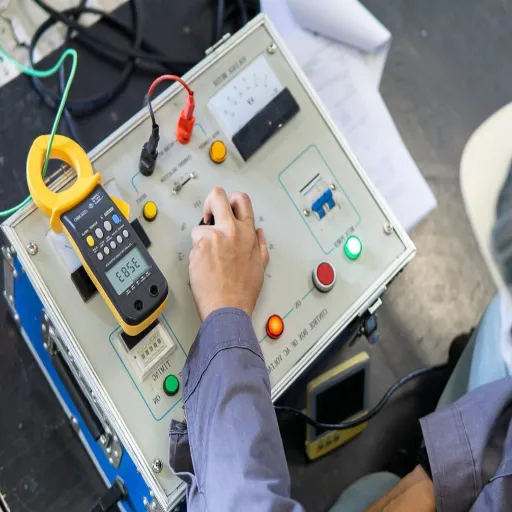
Arguably, one of the most common issues I encounter in high-voltage testing is inconsistency in results due to operator error or, indeed, outdated equipment. There are instances where manual intervention may result in misreadings or faults being overlooked when speed is prioritized over accuracy. To this end, I have found the purchase of modern automated High-Pot Testing equipment to be very effective in mitigating human error.
Common Challenges & Solutions:
- Inconsistent Results: Modern automated equipment provides uniform test parameters and reliable results
- Equipment Downtime: Predictive maintenance systems with AI diagnostics prevent failures
- Safety Concerns: Comprehensive training and automated shutoff functions ensure safer testing
- Manual Errors: Cloud-based monitoring solutions enable real-time tracking and efficient decision-making
Last but not least, safety always comes first in high voltage testing. I ensure that my team is thoroughly trained on how to work with HV equipment and follow the established safety processes. Combined with modern testing instruments that feature an automated shutoff function and error warning systems, these measures ensure safer testing while maintaining accuracy and efficiency throughout the production life cycle.
The Future Regulations and Their Impact on Testing
High-voltage testing regulations are steadily evolving in response to modern technological advancements, environmental considerations, and the enforcement of safety issues. Suppose one views their own account from the perspective of the testing objects. In that case, it is prudent to act ahead of these novel regulations to maintain compliance through the integrity of the testing processes.
🌱 Environmental Focus
Future regulations will require testing equipment with low power consumption and environmentally friendly operations, promoting sustainable methods while reducing operational costs.
💻 Digitalization Requirements
Greater focus on standardizing digital data collection, storage, and reporting processes across testing areas, making digital facilities a requirement rather than an option.
The growing cooperation between organizations and operational authorities can be witnessed in the future. Open communication regarding compliance issues and potential technological solutions can lead to the realization of workable regulatory frameworks which both industry and consumers can benefit from. I want to be part of such talks and bring time-tested innovations toward the implementation of new regulations that will encourage innovation, efficiency, and higher safety standards in high-voltage testing.
Areas for Improvement in Safety Standards
To prevent high-voltage tests, it must necessarily focus on safety improvement in any focal areas selected. High standards of safety, simply in terms of accessibility, and the most modern technologies for surveillance, are going to go far toward hazard preemption. The newest technologies involving real-time data analytics and automated detection would, in fact, allow for immediate warnings to be sent to users when abnormal situations occur so that hazards can be immediately averted.
Advanced Monitoring Technologies
Real-time data analytics with automated detection systems can immediately alert users when issues arise, enabling prompt hazard prevention and eliminating room for human error.
Standardized Safety Procedures
Implementation of transparent and standardized safety procedures that align with the latest technical developments, requiring collaboration between industry experts, regulators, and technology providers.
Comprehensive Training Programs
Ongoing training that blends theory with hands-on experience, empowering professionals to approach complex scenarios with confidence and fostering a culture of safety where prevention and accountability are paramount.
By equipping these professionals with the knowledge and tools to foster a culture of safety where prevention and accountability are paramount, we can, in the long run, elevate industry standards.
Reference Sources
-
Hipot Test: Enhancing Efficiency and Accuracy in 2025 – MK Test: Explains the purpose of high-pot testing and its role in ensuring insulation reliability.
-
Hipot Testing: Importance and Applications in Cable Assemblies – Violin Technologies: Highlights the significance of high-pot testing in manufacturing electrical equipment and systems.
-
High Voltage & Power Testing for Electrical Equipment – Contract Laboratory: Discusses high voltage testing as a diagnostic tool for identifying insulation breakdowns and ensuring safety.
- Find more info now.
Frequently Asked Questions (FAQs)
What is a hipot test?
A hipot test, also simply called a high-potential test, is a type of electrical testing given to the insulation of electrical and electronic devices. The DUT is given high voltage for a certain amount of time for establishing that it can withstand such voltage without breakdown. The leakage current is considered during the test to see if it crosses an acceptable limit. If the leakage current is found to be above the prescribed limit, it suggests an insulation failure. This test is performed for safety and reliability purposes of electrical equipment.
How is the test setup for a high-voltage test?
The main setup needed to run a high voltage test is a connection between the device under test itself and the hipot tester. The test leads of the hipot tester are connected to the conductor(s) of the DUT under test. The grounding connection is made to the chassis or frame. The test setup is made ready for the actual test by adjusting the specifications on the test equipment itself, such as the voltage level and duration of the test. This stage of setting up the actual test requires a safety check that all connections are secure and the test area free from obstruction hazards. A proper setup reduces the risk of electrical hazards.
What types of voltage can be applied in a hipot test?
Depending on the test requirements, hipot testing utilizes both AC and DC voltages. The AC hipot test usually uses a sinusoidal voltage, while a DC test relies on a voltage that remains constant. The type of insulation and IEC-dependent specifications can also influence the decision between AC and DC. Each type has its own merits; maybe weaknesses in insulation are found through AC but are not apparent under DC. The type of voltage for a dielectric withstand test is therefore an important consideration.
What is the importance of measuring leakage current during a hipot test?
The leakage current is a critical measurement during the hypothetical test because it indicates how much current flows through the insulation under high-voltage conditions. A low leakage current indicates good insulation, but higher values indicate possible failure points. Leakage current is monitored by electrical engineers to make sure that the electrical insulation complies with safety standards. There should be a current limit set to distinguish between acceptable and unacceptable levels so that the tested device is deemed reliable. Proper assessment of leakage current is crucial to electrical safety power applications.
What is the difference between AC and DC hipot tests?
The AC and DC hipot tests differ mainly in the type of voltage applied to the device under test. An AC hipot test applies an AC voltage, while the DC version uses a direct voltage. These two parameters would stress the insulation differently; AC tests allow for finding weaknesses arising from capacitive coupling, while the DC test would simply confirm a breakdown of insulation. In other words, both tests are compared in dielectric withstand strength testing; however, depending on the type of insulation material, the results may differ. An electrical engineer shall analyze both test methods to determine the most suitable one for the specific device conditions and the expected operating voltage.
What are the safety criteria for high-potential testing?
Safety standards for the hypot testing are essential to safeguard both the operator and the equipment. Mostly, such standards would be drawn up by a few organizations; in this case, very appropriately by the IEC, with the result that essential precautions and procedures are laid down. Electricity is dangerous, and the sign must say: grounding must be done, and the operator must also use personal protective equipment. The testing grounds should be marked well for everyone’s safety, and the testing equipment must be used only by persons qualified for that task. Adherence to these safety guidelines goes a long way to avoiding hazards that may arise and help carry out the hypot test so it does not jeopardize persons or damage the equipment.
Conclusion
High-potential testing continues to evolve as a vital procedure in the electrical safety and reliability domain. Moving forward to 2025, the introduction of advanced technologies, increased safety standards, and newer approaches to testing will govern the future of this important undertaking. Keeping an eye out for developing trends and safe practices shall feed into the improvement of safety amongst all industry sectors.