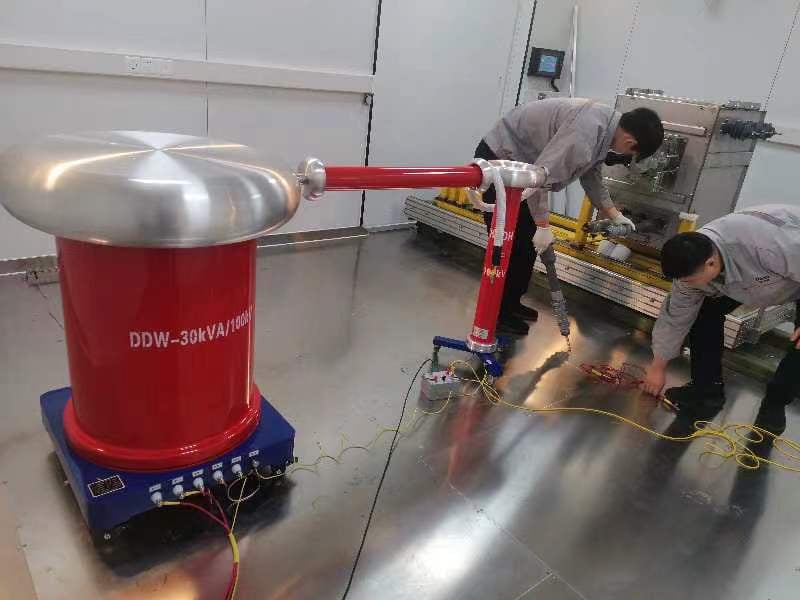
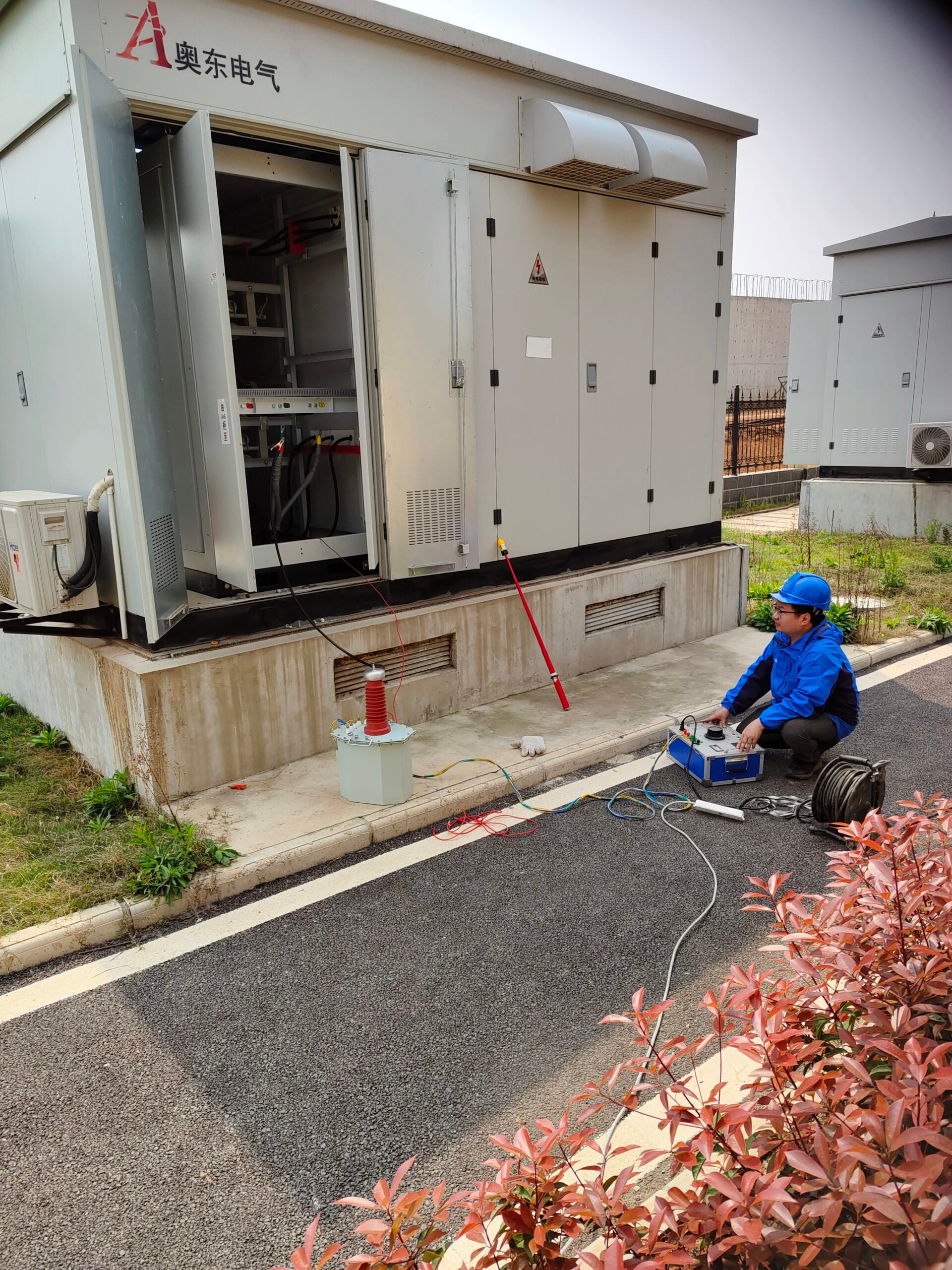
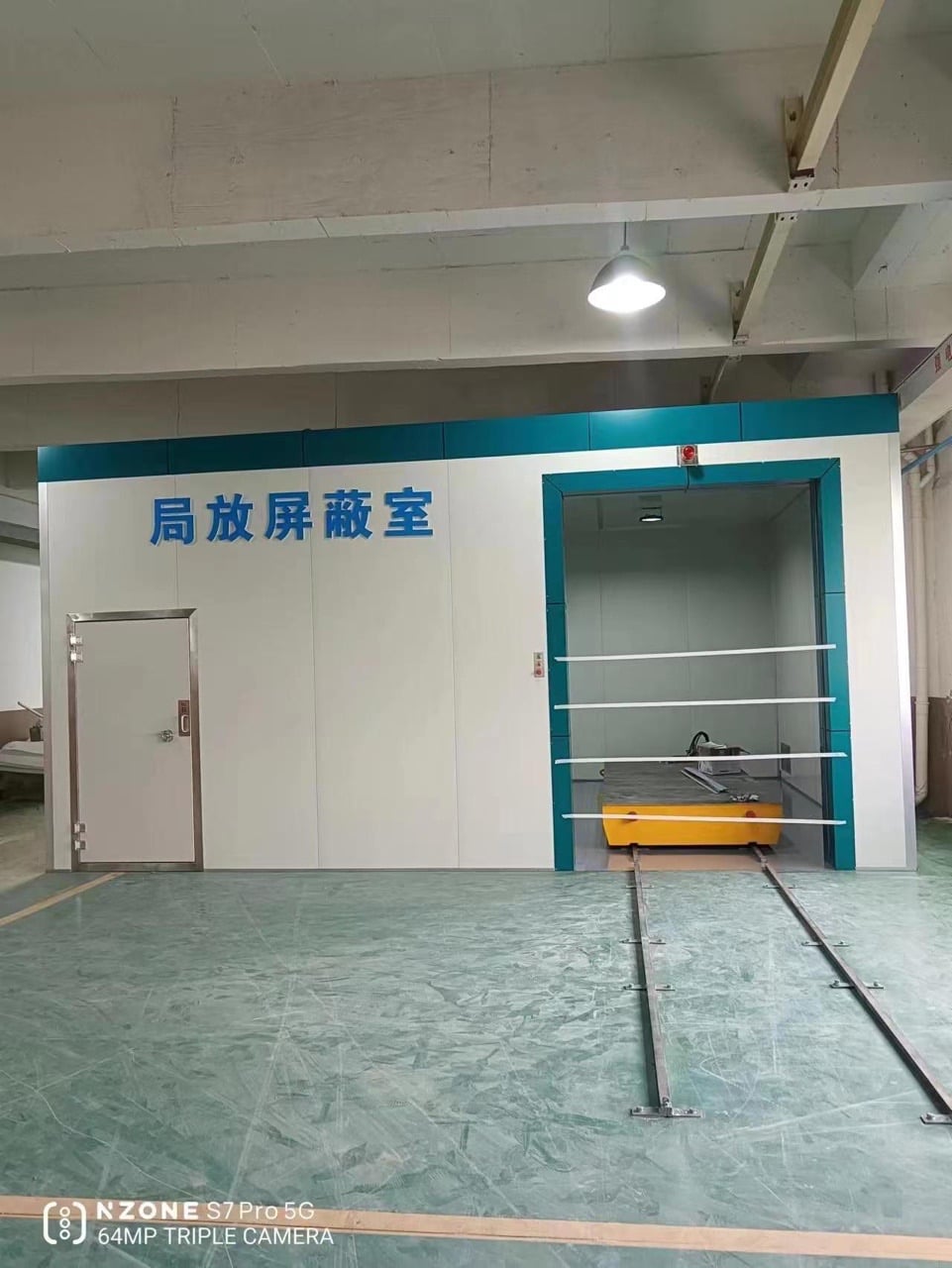
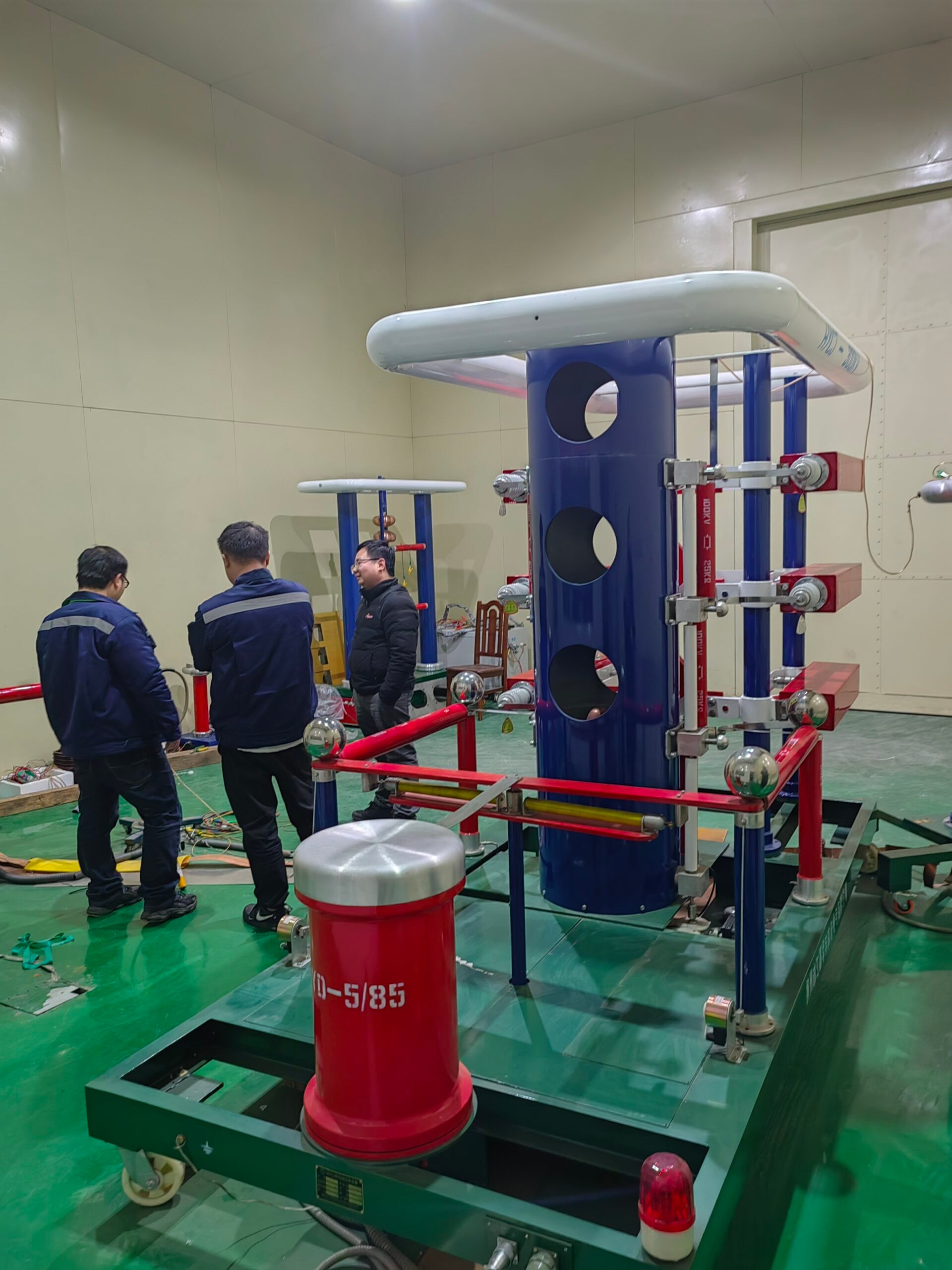
The objective of the commentary is to discuss an impulse voltage test system and the generator for lightning impulse voltages that certain equipment can undergo high voltage testing while guaranteeing practicability, safety, and adherence to industry standards. Fast technological changes require that a person understands the nature of an impulse voltage tester because many upgrades and novel solutions will be pursued in this area from 2025 onward. This article effectively highlights the main features that you should look for in your future impulse voltage tester, equipping yourself with knowledge that will help in making a sound buying decision. Then, we shall have a look at the most up-to-date technological features and how they can help upgrade your testing methods for better outcomes-from improved precision to superior-level automation.
Introduction to Impulse Voltage Testing
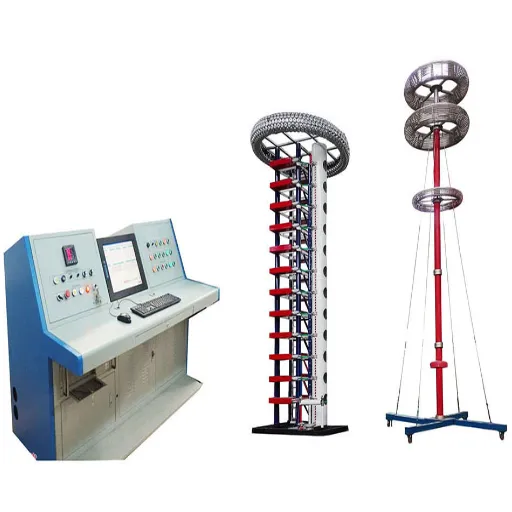
What is Impulse Voltage?
Impulse voltage is defined as a voltage surge of high magnitude and short duration, characterized by a specific wave shape that typically resembles a lightning stroke or a switching surge in power systems. These voltage spikes have speedy rise times and decay times on the order of microseconds. The primary aim of impulse voltage testing is to recreate these transient conditions in electrical equipment, thereby testing the reliability, durability, and strength of insulation under the most stressing operating conditions.
Industry Standard: Modern impulse voltage testers are designed to meet stringent international standards, such as IEC 60060, with controlled waveforms and measurement precision. The widely accepted wave shape for impulse voltage is that of 1.2/50 μs, where the first number represents the rise time in microseconds and the second represents the time it takes for the wave to decay to 50% of its peak value.
The standardization, therefore, supports consistency and comparability in equipment performance testing. The use of an advanced tester with automated control and accuracy enhancement methods will, thus, enable industries to test equipment for improved life properties, thereby enhancing the resiliency of the equipment and prolonging its operational life.
Significance of Impulse Voltage Testing in 2025
The impulse voltage test is one of the most essential tests to ensure reliability and safety. With a worldwide demand for green energy in forms of wind and solar, more and higher-voltage generators and transformer systems will hopefully be developed. As surge voltages produced by lightning strikes or switching operations present a greater threat to equipment in these infrastructures, impulse voltage testing has evolved to become the main check to save, predict, and inhibit failure.
Market Growth
A report by prominent industry analysts reveals that growing grid innovation and continuous electrification activities are driving the significant expansion of the global market for high-voltage testing equipment.
2025 Advancements
By 2025, state-of-the-art testing equipment will offer greater precision, with processes automated to reduce human error and yield more accurate results.
Hence, industries are increasingly interested in environmental sustainability, and here is where an equipment needs to face and cater to any difficulties arising to the origination of a breakdown or inefficiency in its operation. Addressing such weaknesses that are identified by impulse voltage testing from repair costs and environmental degradation will allow the company to maintain a greater number of operating systems throughout their life. The study of impulse voltage, along with the new-age AI power diagnostic tools and data analytics, offers engineers the highest insight into equipment functioning and durability.
Key Insight: An impulse voltage test, therefore, in 2025 is no longer just a matter of compliance. It rather joins the ranks of strategic measures to ensure safety, innovation, and sustained reliability in this electrified and interconnected world.
Main Applications of Impulse Voltage Test Systems
Other terms for impulse voltage test systems are also power systems in an electrical engineering set-up, especially for testing high-voltage equipment. Conditions are created as close to real-life ones such as lightning or switching surges.Reasons being they are interested in testing the performance parameters of insulation materials experimentally for their durability. Such systems help ensure electrical appliances plus transformers, circuit breakers, and cables withstand extreme conditions.
Power Systems
Testing transformers, circuit breakers, and cables to ensure they can withstand dangerous voltages and ensure continuous electrical energy distribution.
Renewable Energy
Solar farms, wind turbines, and similar installations require testing to check vulnerability to transient voltage spikes caused by environmental factors.
Automotive
With increasing acceptance of electric vehicles, impulse voltage systems ensure safety and longevity of battery packs and electric drive components.
Aerospace & Defense
High-voltage components for satellites, airplanes, and defense systems undergo rigorous testing to minimize performance failures.
Smart Grids & IoT
Electronic systems manufacturing industry uses impulse testing most to maintain steady performance of sensitive electronic components.
Such application variety underscores the growing importance of impulse system testing in industries, with the need for additional safety measures, operational reliability, and preparedness against previously unimagined voltages in modern electrical infrastructure.
Essential Features of Impulse Voltage Generators
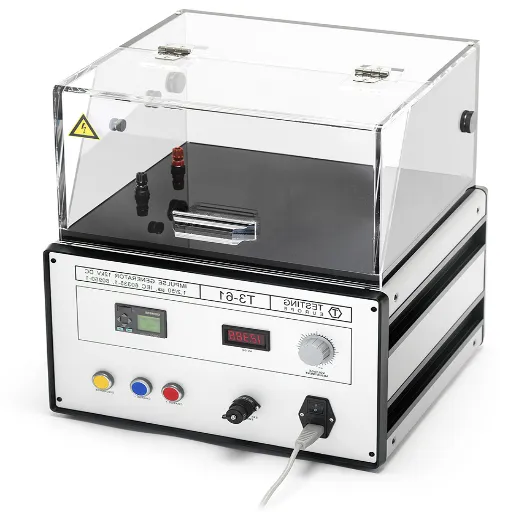
Waveform Characteristics to Evaluate
Due to the system’s impedance properties, faults occurring during performance tests of impulse voltage generators shall be observed under the prementioned characteristic, ensuring accuracy and reliability of results. A standard impulse voltage is generally characterized by a very sharp front time and a rather elongated tail time. The widely accepted standard is usually the 1.2/50 µs curve, where the 1.2 µs represents the rise time and 50 µs represents the tail time. Remain set for simulating transient overvoltage situations occurring in real life, this is, therefore, an absolute must for the testing of insulation systems and electrical equipment.
Critical Parameters to Analyze
- 1
Rise Time: Precise control to ensure sudden surge mimics real voltage conditions - 2
Peak Voltage: Consistent amplitudes for reproducible test conditions - 3
Oscillations: Minimized waveform distortion for accurate results - 4
Wavefront & Tail Time: Accuracy according to IEC 60060-1 standards
Modern impulse voltage generators are equipped with automatic monitoring and management of these parameters, resulting in less disturbance due to unmatched voltage or deviation from the waveform. As the industry imposes stringent requirements that push the limits of electrical systems’ capabilities, it becomes increasingly important to simulate and measure these waveforms properly for safety, reliability, and operational durability.
IEC Requirements for Impulse Voltage Generators
An impulse voltage generator produces precise and consistent high-voltage tests under specific technical conditions specified by the International Electrotechnical Commission (IEC). Among others, IEC standards, such as IEC 60060-1, state that these generators should generate a standardized impulse waveform comprising a lightning impulse waveform and a switching impulse waveform, with a specified front time, time to half-value, and amplitude tolerance.
Observance of these parameters brings about uniformity and comparability of the test results. Additionally, the generators should ensure such stability in the waveform under load variations, so that no significant differences arise when an insulation material, transformer, or any other high-voltage apparatus is subjected to the test.
Advanced Features in Modern IEC-Compliant Systems:
- Real-time waveform quality monitoring
- Automatic timing corrections with digital sampling
- Data logging and report generation capabilities
- Reduced manual intervention and human error measurement
Not only do impulse voltage generators, with respect to IEC requirements, enhance the accuracy of high-voltage testing methods, but they also facilitate the further development of safer and more efficient electrical systems.
Integration with Current Test Systems
The modern generation of impulse voltages has been introduced to integrate with high-voltage testing systems, enabling a variety of tests. Such generators will have digital interfaces and automatic control, thus making it easy for data acquisition systems and analysis software to integrate with them. Real-time monitoring and control will be used for these generators and auxiliary equipment, which include oscilloscopes, measurement transformers, and data loggers, in order to acquire accurate and reliable measurement results.
Enhanced Workflow
Automated repetitive processes reduce human error
Modular Design
Configurable components for specific testing needs
System Sync
Synchronized testing ecosystem for efficiency
To integrate workflows and enhance the efficiency through automated routine processes, such as instrument calibration and parameter setting, human errors are minimized altogether; hence, human operators can only focus on other crucial aspects of testing. With modular designs and configurable components, they can customize according to specific testing needs required by research, manufacturing, or compliance verification. So, these tools preserve an aligned and very efficient testing ecosystem that is fit for future adaptation in high-voltage technology.
Understanding Impulse Voltage Test Systems

Components of an Impulse Voltage Test System
The impulse voltage test system comprises several components essential for achieving the required precision and creating conditions conducive to high-voltage testing. Some of the key elements include:
1
Impulse Generator
The heart of the system, generating high-voltage pulses that simulate real-life phenomena like lightning strikes. Features capacitors, resistors, and spark gaps configured for standard waveforms (1.2/50 µs). Modular designs allow scaling from few kV to several megavolts.
2
Wave-Shaping Network
Works with the impulse generator to achieve specific waveform parameters including peak amplitude and rise/fall times. Adjustable resistors and capacitor values ensure adherence to IEC 60060 standards.
3
High-Voltage Dividers
Essential for measuring and scaling down extremely high voltages during testing. Available in resistive, capacitive, or combined configurations, providing accurate representation of test voltages.
4
Control Unit
Central supervisory station enabling parameter setting, test initiation, and real-time monitoring. Features automatic waveform analysis, fault detection, and ensures uniform results with reduced work time.
5
Measuring Equipment
Includes oscilloscopes, digital recorders, and analysis software for capturing and analyzing waveforms. Modern systems integrate digital platforms for real-time visualization and post-test analysis.
6
Support & Grounding
Test object support and grounding arrangements ensure safety and accuracy. Platforms accommodate physical dimensions while providing electrical insulation and proper grounding to prevent arc flash.
When working together, these components provide a testing environment that is exact and genuine for a wide array of applications, ranging from electrical equipment design to quality assurance and regulatory compliance. The continuous evolution of digital integration and system automation works towards improving the efficacy and precision of impulse voltage testing.
Benefits of Using High Voltage Impulse Test Systems
High-voltage impulse test systems provide general functions for the industries engaged in heavy testing of electric equipment. With such test systems in place, the real situations of lightning strikes or switching surges can be reproduced to design tests for manufacturers’ products. If they have been found to have any weaknesses in the early stages, such impulse testing can loose a lot in the way of work failures, maintenance costs, and process shutdowns.
Key System Advantages
Scalability across voltage levels
Customizable testing requirements
Consistent repeatability
Maximum safety standards
Since such systems support scalability and customizability across various voltage levels, both higher and lower, as well as unique testing requirements, they are utilized in power generation, power transmission, and electronics manufacturing. Impulse test systems for high voltages thus ensure repeatability, while maintaining consistency between testing times and parameters, and stand to be the integrity system that ensures electrical equipment meets maximum safety and performance standards.
Real-World Case Studies in Impulse Testing
Power Transmission Systems
In an antiseptic impulse testing domain, the corona discharge impulse test ensures product reliability. The end, though, of the constructive use in power transmission lines was to simulate extreme electrical stresses on equipment that were created during operation and by adverse weather conditions. High-voltage transformers and circuit breakers are further tested to simulate lightning strikes, overvoltage accidents, and under-voltage accidents.
Result: A European utility company achieved a 30% improvement in system performance, reducing maintenance and downtime costs.
Aerospace and Defense
High-altitude operations, which arise from immense electrical stress in the component, warrant very rigorous impulse testing as part of their support certifications. For instance, impulse testing is very stringent for military-grade radars and communications, ensuring they can operate in transient circumstances.
Result: An aerospace OEM experienced a 20% reduction in rejection rates after introducing high-precision impulse testing.
Renewable Energy Services
Considering that renewable energy sources are growing with immense velocity—wind and solar energy being examples—impulse testing is therefore required for validating the performance of inverters, transformers, and grid-interface equipment. For example, in wind energy projects, impulse testing is used to assess the strength of transformer insulation systems against voltage surges caused by lightning or changes in reactive power.
Result: A renewable energy firm achieved a 15% reduction in breakdown incidents after implementing advanced impulse testing techniques.
Electronics Manufacturing
Thanks to the miniaturization of electronic components, impulse testing must become very precise with respect to insulation voltage withstand and life under high voltage. The electronics industry employs impulse tests for circuit components in consumer-grade circuits, such as cell phones and laptops.
Result: An international electronics brand saw a 25% increase in product lifetime due to impulse testing integration.
Industry Impact: These real-life examples highlight how impulse testing proves to be an indispensable tool across industries. By subjecting products to artificially generated heavy electrical stresses and ensuring they perform in those conditions, companies can reduce risks, meet stringent safety standards, and deliver products with greater reliability and longevity.
Trends in Impulse Voltage Testing for 2025
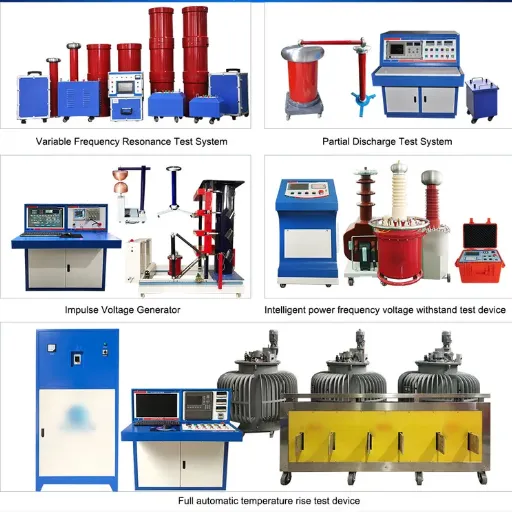
Impulse Generators in Emerging Technologies
Developments in digital technology, materials science, and automation technology are shaping the future of holders of impulse generators. There is one significant trend worth mentioning, where innovative control systems are integrated to achieve precise adjustments and track test activities in real-time. Thus, the system cuts human mistakes while promoting efficiency, setting a path toward test results with higher consistency and repeatability.
Digital Control Systems
Innovative control systems for precise adjustments and real-time tracking, reducing human errors and improving efficiency.
Compact & Portable
New materials and design optimizations for smaller, lightweight equipment without performance compromise.
AI-Driven Analytics
Integration of AI analytics to interpret data and predict failure points more accurately than traditional methods.
Conversely, the other emerging technology is the compact and portable impulse generator. New materials and design optimizations allow the use of small and lightweight equipment without compromising performance. This is particularly beneficial for on-site testing applications where mobility and convenience are a priority.
Moreover, impulse generators today are beginning to integrate AI-driven analytics to interpret raw data and predict failure points more accurately than before. Such features enhance the testing procedure, while simultaneously providing engineers with insights that can inform decisions for design and performance optimization.
Sustainability Focus
Sustainability also steers design choices nowadays. The new models are designed with a focus on energy efficiency and the use of environmentally friendly materials, following the global trend toward greener engineering.
Altogether, these developments unveil a transition toward more innovative, efficient, and environmentally friendly testing solutions, ensuring that impulse voltage testing remains strong enough to meet the industry’s future needs.
Advancements in Impulse Voltage Divider Design
In the first place, good accuracy and reliability are being achieved during the high voltage testing environment-the evolution of impulse voltage dividers. Modern designs incorporate optimum grading capacitors and resistive elements to provide voltage measurements with greater precision at higher frequencies. Engineers constantly try to utilize the highest insulating materials and thermal management within their devices, thereby encouraging durability and consistency in such demanding test conditions.
Key Design Improvements
-
Optimized Grading: Enhanced capacitors and resistive elements for higher frequency precision
-
Thermal Management: Advanced materials for durability in extreme test conditions
-
Modular Approach: User-customizable dividers for different voltage ranges
-
Standards Compliance: Maintained adherence to international safety and performance standards
The trend of modularization has been adopted in some areas, allowing users to build dividers that suit different voltage ranges and testing requirements, thereby further enhancing their flexibility and cost-effectiveness. All such enhancements ensure that impulse voltage dividers still maintain their position at the heart of international standards for safety and performance while adapting to the demands of an ever-evolving testing protocol.
Impact Digital Controls on Testing Accuracy
The advent of computer controls has tremendously enhanced test accuracy and reliability. The digital units are self-calibrating, making automatic corrections without the need for test engineer intervention; thus, they eliminate human errors, ensuring consistent results on all occasions. Other features include real-time data display and analysis by computer algorithms to detect any abnormal behavior, allowing remedial action to be taken promptly and improving testing efficiency.
Self-Calibration
Digital units perform automatic corrections without engineer intervention, eliminating human errors and ensuring consistent results across all testing sessions.
Real-Time Analysis
Computer algorithms provide real-time data display and analysis, detecting abnormal behavior for prompt remedial action and improved efficiency.
Data Management
Seamless data acquisition, storage, retrieval, and reporting capabilities ensure compliance optimization and enhanced decision-making processes.
So also, an interface of the present digital sort will allow for smooth data acquisition, storage, retrieval, reporting, and decision-making processes-that is, compliance and performance optimization must be insured. Such technologies offer high-voltage testing facilities, range accuracy, and safety considerations in energy, aerospace, and automotive applications. Therefore, through these sophisticated digital controls, agencies can attempt to conform to the very demanding standards but also open newer avenues for the testing methodologies.
Choosing the Right Impulse Voltage Tester
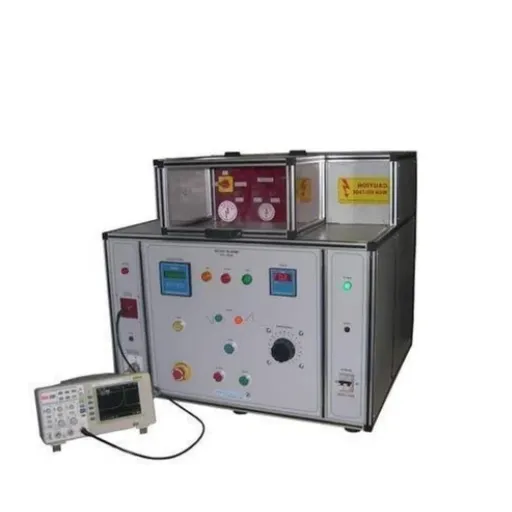
Factors to Consider When Selecting a Tester
Several factors must be assessed when deciding on what type of impulse voltage tester to get so that it can meet the operational needs and industry standards that will eventually apply:
1
Voltage Range and Capability
The voltage range of the tester should meet the test requirements. Most modern testers accommodate an extensive range of voltages, which is indeed very helpful since testing environments are so incredibly variable from industry to industry, across areas of energy, automotive, and aerospace.
2
Accuracy and Precision
At such high testing voltages, safety and compliance stand paramount to precision, whereas accuracy. Having the advanced digital control and calibration features will surely lessen measurement mistakes and increase testing reliability.
3
Data Storage and Analysis Features
Because more and more importance is attached to performance parameters, testers with strong data storage, real-time analysis, and display facilities are in demand. They enable good tracking, comparison of results, and data-based optimization of the testing processes.
4
Adherence to Standards
Ensure that the tester conforms to international and industry-specific standards (for example, IEC, IEEE). Compliance ensures that the device will produce acceptable results, recognized by regulatory, certification-worthy bodies, and clients.
5
Easy to Integrate and Usable
Select a tester that integrates well with other workflows in place at the laboratory while offering the user easy interaction. The presence of automation, simple and intuitive software, and scalability options will expedite logistic operations and reduce training requirements.
6
The Safety Measures
Safety assumes paramount importance when high voltage is being handled. For example, in the presence of overload protection, insulation monitoring, and emergency shutoff, these devices avert risks to operators and equipment.
7
Cost versus Value
Compare the price of the instrument against its operating features and long-term value. As front-end price varies, it is worth investing in products of high quality that will give advanced functionalities and years of durability while also respecting industry compliance, all of which in turn reduces maintenance costs and increases ROI with time.
Selection Outcome: After a thorough consideration of each of these factors, an impulse voltage tester can be selected that will fulfill not only the technical requirements of the organization but also requirements for operational purposes such as efficiency, compliance, and innovation.
Comparative Analysis of Top Impulse Voltage Testers
When doing comparative analysis, I consider parameters such as accuracy, capacity to test, durability, and industry standards. One of the main factors is the accuracy of a tester that will measure high-voltage pulses, as good measuring results are essential for ensuring the safety and reliability of electrical systems. A second important factor I consider is the capacity for testing a wide range of applications from smaller components to larger-scale electrical systems.
Build quality and durability were indeed very important for me in selecting hepatitis C:, because I looked for models made of really tough material that could endure use for long periods of time in harsh working conditions. It must comply with international standards such as IEC or IEEE, since it specifies safety and performance parameters at global levels. Cost-effectiveness is another aspect; here again, the more expensive ones at times can have justification because of their highly advanced features, simple interface, and less maintenance requirements over time.
In the last phase, I check more features like data logging, real-time monitoring, and connectivity options. Testers with advanced software integration and automated reporting systems save time and enhance productivity. Through weighing all of these factors, I can select the best-suited impulse voltage testers meeting both technical specifications and operational efficiency criteria.
Make Your Testing Equipment Future Proof
To make my testing equipment future-proof, my foremost criterion is versatility and compatibility. Equipment that supports almost any voltage level and testing standard can serve current requirements and, at some point, in the future, will ensure adaptability to new requirements of the industry. In addition, modular designs come into the fairest category, permitting easy upgrades and expansions without undertaking time-consuming and costly system overhauls.
Future-Proofing Checklist
Vigorous software support with frequent updates
Integration with commonly used platforms and data sharing
Comprehensive customer support, training, and extended warranty
Reliability and lifecycle considerations for long-term operation
Alongside these, I wish to have equipment with vigorous software support and frequent software updates. Systems that feature advanced testing, updatable firmware, and allow testers to upgrade to new testing protocols constantly surely keep equipment current as technology and standards change. I believe further integration into commonly used platforms and sharing of data currently present on these systems is yet another step toward making these systems usable in the long run and an essential asset for any future-oriented operation.
Building upon the above, I consider reliability and lifecycle, together with build quality and manufacturer support. I gain great confidence in the investment when I deal with companies that offer all-around customer support, training, and extended warranty covers. Considering these factors will help me in keeping my testing equipment efficient, adaptable, and in tandem with present and future operational needs.
Reference Sources
-
HV-Impulsgenerator IPG 2436/2025 – Absolute EMC: Discusses built-in voltage dividers, high-voltage outputs, and waveform monitoring for impulse voltage testers.
-
Programmable Automatic Impulse Voltage Tester – HVTest: Highlights advanced waveform generation technology and precise control over voltage parameters.
-
Impulse Winding Tester – Chroma USA: Features 6kV impulse voltage and high-speed sampling rates for improved discharge detection.
-
The Best Non-Contact Voltage Tester – The New York Times: Reviews advanced non-contact voltage testers with innovative features for 2025.
-
What is Your Favorite Non-Contact Voltage Tester? – Reddit: Community insights on popular voltage testers, including user experiences and preferences.
- Find more info now.
Frequently Asked Questions (FAQs)
What is an impulse voltage tester?
An impulse voltage tester is any piece of equipment that subjects electrical apparatus to high-voltage impulses and, hence, tests its capacity to withstand insulation. The simulation of lightning strikes or switching impulses, which allows for testing the operation of insulation systems, is used to interrupt transformers, cables, and motors that may be affected during electrical disturbances. An impulse test spike-height is formed within microseconds (µs), a practical value to ascertain whether the apparatus will withstand the high voltage. They are also necessary to carry out the safety withstand voltage test as per the IEC.
How do these test systems work?
An impulse voltage test system generates a controlled high-voltage impulse and applies it to the test object, which can be anything under test, such as a transformer or cable. A test system consists typically of an impulse generator, voltage dividers, and measuring instruments. The impulse generator most commonly produces voltage and current pulses to simulate electrical events such as a lightning strike. These test systems are applied to assess the insulation strength and reliability of the electrical components. Hence, based on observing how the equipment under test reacts and performs, engineers can determine the ability of this equipment to be operated safely.
Uses of the Impulse Generator in Testing?
Some of the advantages of using an impulse generator during testing are that it affords the possibility of simulating lightning strikes and switching impulses to assess accurately how electrical equipment will perform under such extreme conditions. This becomes especially problematic when extremely high voltages are considered, in which any failure in the insulation could be highly damaging. The impulse generator is capable of giving rise to a wide range of amplitudes of impulse currents for many different scenarios. It increases the accuracy of voltage measurement and helps find weak points in the insulation system before the equipment is put into service.
What types of tests does an impulse voltage tester perform?
Impulse voltage testers can perform various tests, including impulse winding tests on transformers and motors. These tests are designed to verify the insulation’s adequacy in resisting high-voltage surges and lightning impulse voltages. The tests further help in checking the performance of electrical equipment under extreme conditions. The impulse analysis system that boasts the highest resolution can gather more detailed data on how components respond to impulse currents; such data is needed to ensure that safety withstand voltage tests meet industry standards. Moreover, chopped lightning impulse tests can also be conducted to assess the insulation strength of cables and other components.
Why is safety withstand voltage testing necessary?
Safety withstand voltage tests are intended to ensure an equipment being tested behaves in a manner that allows it to operate safely at very high voltages. It certifies that the components, like transformers and motors, can withstand sudden high-voltage surges; for instance, such surges may be caused by lightning or switching operations. This kind of testing virtually certifies that the manufacturer has met appropriate insulation characteristics and safety withstand voltage criteria for their product; otherwise, the equipment may give way leading to an electrical failure, damage to property, or even loss of life. Tests of this kind allow the designers in subsequent designs to engineer systems better able to withstand such voltage impulses.
How do impulse voltage dividers assist in testing?
Impulse voltage dividers are critical in impulse voltage testing for voltage measurement. These devices scale down high-voltage impulses to low levels so that normal measuring equipment can measure these voltages safely. Since accurate voltage readings are guaranteed, test results remain reliable. In connection with high-voltage surge tests, where it becomes critical to have precise data to analyze the operation of electric equipment, impulse voltage dividers are indeed indispensable. If the impulse analyzing system is of sufficient resolution, engineers will be able to carry out meaningful data analysis concerning the insulating and safety aspects.