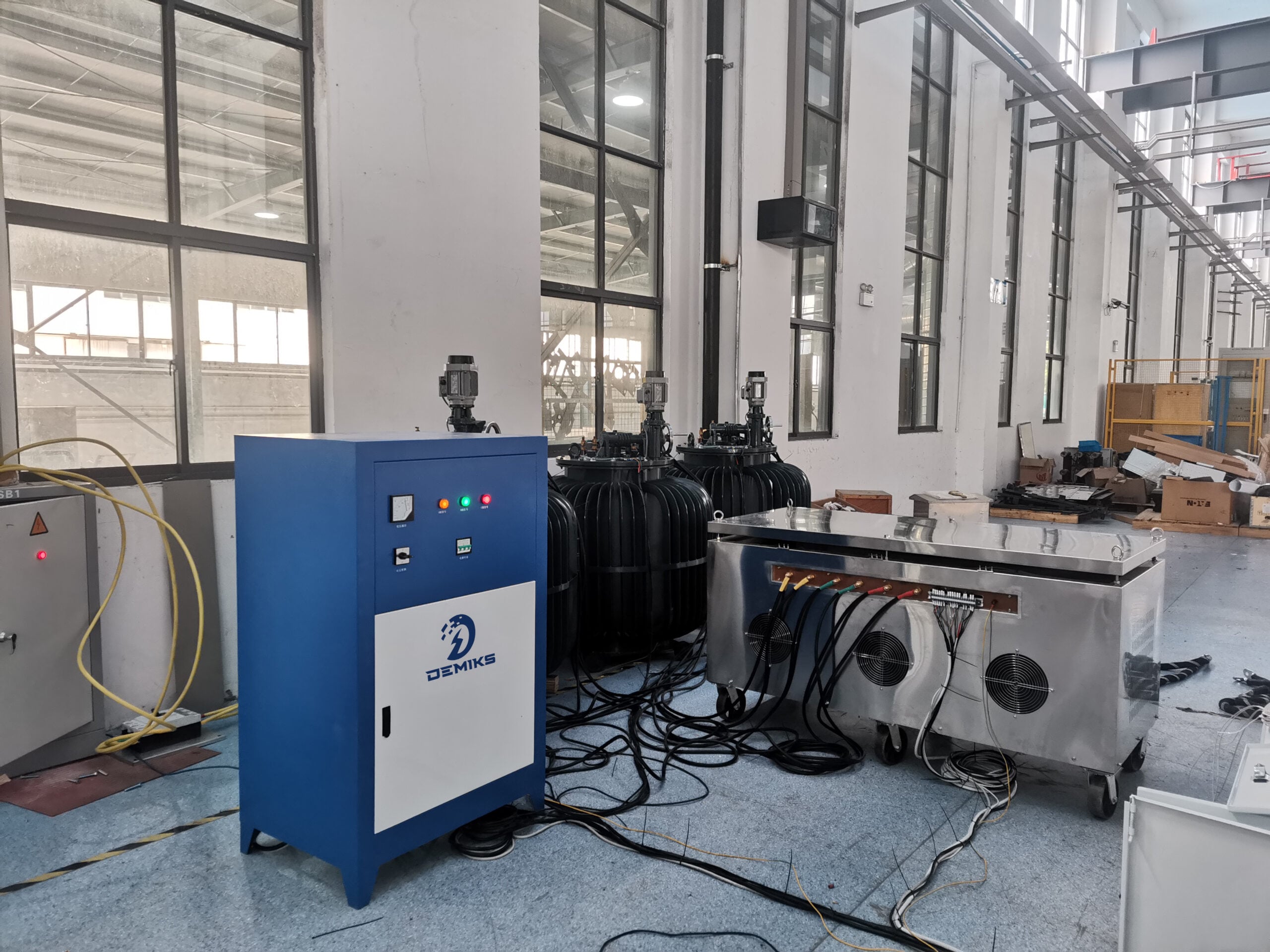
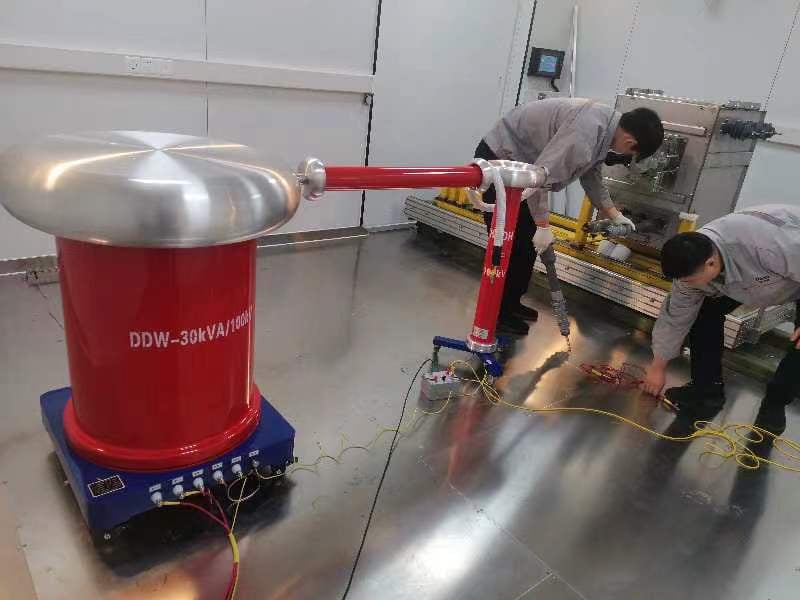
Today, consider how power flows up and down the chain, energizing industries, cities, and emergencies all over the globe, with high-voltage electrical systems acting as infrastructure centers. But to operate correctly, they require accurate tools and expertise to remain efficient and safe, especially near 11kV. Therefore, the 11kV voltage tester is now considered an instrument that has modernized 11kV testing and maintenance systems by practitioners in the field. This article reflects on the undeniable benefits of testing high-voltage systems and the ways in which the 11kV voltage tester steps in to ensure safety, enable diagnostics, and guarantee operational reliability. This guide will be an uber resource to answer any need you may have concerning the use of 11kV voltage testers in any high-voltage application, whether you are an electrical engineer, maintenance technician, or just curious about some tools used in today’s electrical systems. Continue reading to learn how this tool can take your electrical testing and maintenance to the next level, thereby enhancing your skill set.
Understanding Voltage Testers
A Voltage Tester and Its Background
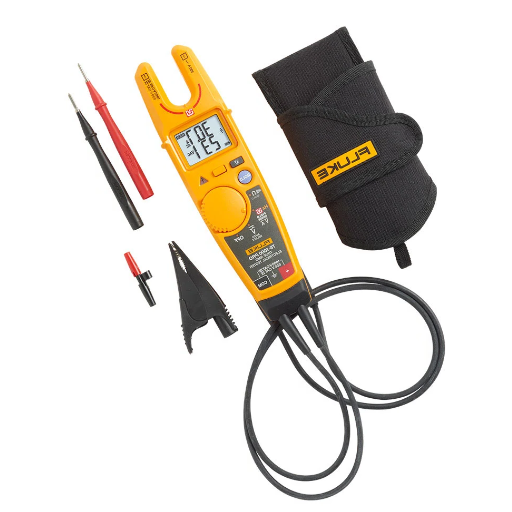
Voltage testers are necessary tools that measure the presence of voltage in circuits, systems, or equipment. They relate to safety, ensuring that one cannot handle an electrical apparatus carelessly. The modern-day testers can test voltage of low order to high order in some cases, and there is another specialized type of voltage tester for high voltage, i.e., 11kV systems. Testers can take many forms, such as contactless, multimeters, or probe-type, depending on the intended use of the test.
With every technical advancement, voltage testers come with features like LED indicators and audible alerts that work as accurate feedback systems to aid the user. Some of the high-end testers would even calibrate themselves automatically according to varying conditions to keep the results accurate. Many testers have more operations, such as continuity testing and phase rotation testing, that become helpful in the other electrical diagnostic processes. Sneaking in safety measures like an insulated body and an ergonomic grip in their designs, these tools help minimize hazards while conducting electrical testing.
Types of Voltage Detectors
Voltage detectors are made in various types, each meant for specific work environments. Below are the most common types and their unique differentiating features:
Non-contact voltage tester:
Another way voltage testers are known is with the non-contact variant used popularly for its straightforward application and increased safety. It detects a voltage in the conductors’ gallery. They find applications in preliminary checks and troubleshooting of low-voltage and high-voltage systems. Some indicators of voltage will indicate this presence by flashes and buzzes to inform the user, therefore increasing user-friendly functioning.
Contact voltage testers:
Contact voltage testers are directly involved with the electrical circuit to determine its potential existence. More accurate tasks are typically associated with measuring exact voltages. Contact voltage testers offer a higher level of accuracy compared to non-contact testers and are highly advantageous where access to active circuits can be directly controlled.
Analog Voltage Testers:
Analog voltage testers utilize a needle-based display to indicate voltage levels. Nowadays, with the advent of digital alternatives, they are becoming less of a popular choice, yet their preference is still maintained where they interfere with accuracy. The simplicity of their operation and their ruggedness have been their forte-they have stayed valued.
Digital Multimeters (With Voltage Detection):
Digital multimeters combine voltage detection with various other operations, such as resistance and current measurement, and continuity testing. With several additional features, such as data storage and auto-calibration, professionals performing complex diagnostics prefer them. With all digital readout features, it provides precise measurements that are both useful and crucial in work that requires exact measurements.
Voltage Probes:
Typically, voltage probes are regarded as low-drag tools used to measure voltage levels in low-voltage circuits. Small and handy, they are well-suited for quick and easy checks, particularly in the electronics and automotive industries.
Phase Testers:
Phase tester-like devices are designed to determine the phase sequence in three-phase power systems. They ensure proper connection and also prevent inconveniences caused in industrial environments due to incorrect phase alignment.
Each voltage detector has its functions and specific application-compatible sets of optimizations. When selecting voltage detectors, considerations such as environmental factors, required precision, and added functionalities should be taken into account to ensure ease and safety.
High Voltage Testing Significance
High-voltage testing is extremely necessary to make certain that respective electrical systems or components are reliable, safe, and functional. Applying well-controlled high-voltage test conditions to the equipment will help manufacturers and engineers find whether there exist any weaknesses or inadequacies in the insulation of the equipment that may fail when subjected to the operational stresses. Industries reliant upon complex electrical systems such as power distribution, manufacturing, and transportation thereby consider this very much important.
High-voltage testing stands to guarantee the adherence of transmission lines to a predetermined set of industry standards and specifications for electrical and mechanical parameters. In general, the phrase “high voltage” associates mainly with power generation and power transmission. Therefore, with high-voltage tests, any apprehension regarding power supply interruptions is removed, and the operational life of electrical equipment is increased. It is the insulation resistance tests that ascertain the materials’ capability to withstand electrical stress over long periods, while withstand testing will ensure that the system accepts surges and other distressing conditions without failure. By means of such high-voltage testing, preventive action can be taken to ensure proper working conditions, avoiding the possibility of electrical hazards, thus protecting the workers along with the property or infrastructure.
In the modern testing era, diagnoses are made with ultimate assurance; practically all monitoring systems have been designed to be in perfect harmony with the provided instructions; hence they reduce or eliminate procedural handling so as to obtain repeatable results. In this manner, the tests for partial discharge and dielectric breakdown of insulation materials provide an opportunity for engineers to intervene in the early stages to prevent minor faults from turning into major fault conditions. High-voltage tests, by their very nature, become an investment ensuring that the tests are conducted on a specific basis, laying down the foundation upon which operational efficiency can be maintained, regulatory requirements can be met, and electrical system performance can always be secured.
11kV and 33kV Voltage Testers
Features of 11kV Voltage Testers
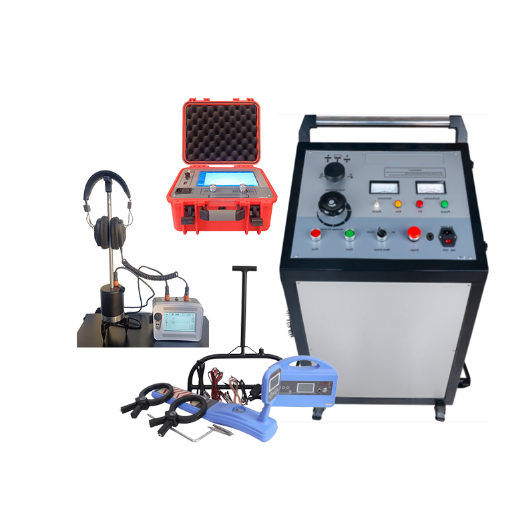
The 11 kV voltage testers are designed to meet the critical requirements of high-voltage applications and must provide adequate safety and reliability. It is fitted with high-grade insulation and rugged mechanical construction to withstand severe environmental conditions. Some of their listed features are:
- High-Precision Measurement: Provides accurate readings on both AC and DC voltages, ensuring consistent and reliable results during testing procedures.
- Enhanced Safety Mechanisms: Used with automatic discharge features and overload protection to prevent any form of danger to the user.
- Portable and Durable Design: Designed for field use in any situation, this device features lightweight materials and a rugged casing to ensure long-term durability.
- Digital Display for Clarity: More equipped with transparent, backlit digital screens for easier reading under any lighting conditions, including outdoors.
- Compliance with Standards: Safety standards, such as IEC 61010, have been selected in accordance with industry practices.
- Multifunction Testing: Supports insulation resistance, live-line voltage, and cable fault detection, which are essential for many high-voltage systems.
- Energy-Efficient Operation: Low power consumption, combined with a long battery life, enables extended use during field testing purposes.
These testers become crucial tools in maintaining the safety, operating efficiency, and reliability of industrial and utility electrical systems.
11kV and 33kV Testers Compared
Several factors, including application requirements, system voltage levels, and safety standards, should be considered when selecting between 11kV and 33kV testers. Methods and equipment for testing are determined by specimen voltage and application.
By understanding these differences, inspection teams can select equipment that best suits their specific operational needs, ensuring excellent performance, safety, and seamless troubleshooting of their electrical systems.
Application in Medium-Voltage Systems
Medium-voltage systems, so-called because the voltage levels range from approximately 1 kV to 36 kV, require testing and monitoring for operational safety, reliability, and efficiency. Testers and diagnostic tools for electrical systems are utilized in such systems for fault detection, insulation resistance testing, and preventive maintenance. Insulation resistance, for example, may alert one to a cable or transformer weakness that could later escalate into a serious fault, thereby saving downtime and repair costs.
Industrial plants, commercial setups, and utilities have far-reaching applications for the deployment of such systems and are usually used as the backbone of energy distribution. An advanced diagnostic tool interfaced with modern digital front ends permits technicians in collecting data in real-time and performing further analyses. It helps an organization to follow important parameters such as levels of partial discharge, thermal status, and load quality. In addition, the presence of IoT-enabled solutions enhances the possibilities for remote condition monitoring of the systems, supporting proactive maintenance and thus reducing manual intervention.
Due to the rapidly evolving testing technologies, the early detection rates of faults have augmented. One classical example is that of medium voltage switchgear testing aimed for establishing the integrity of very critical components for safety and consequent use throughout their life. This testing equipment must be selected depending on the special requirements of the medium voltage system so as to allow increased reliability and chances low interruption, thereby satisfying the very strict industrial regulations.
Benefits of Using High Voltage Detectors
Enhancing Safety in Electrical Systems
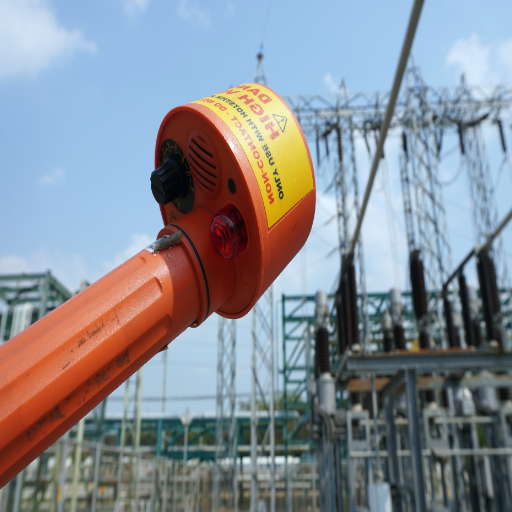
High-voltage detectors serve an important safety function in preventing hazards that may result in an accidental touch of live parts. Today’s detectors may therefore be used in voltage verification with utmost sensitivity and precision to provide the fastest and most reliable response. For instance, handheld instruments allow real-time alarming and warning in hazards through sound or visual signals. Their durability and reliability across a broad voltage range make them ideal for site inspections in industries or maintenance operations at power distribution systems.
Basically, considered as innovative equipment, the usage of the high-voltage detecting instruments into the monthly safety procedures renders the essentially perfect prevention of electrical accidents. The industry data support the fact that after implementing better safety measures including high voltage detectors, the occurrence of electrical accidents is lowered in the workplace. Further, the devices comply with international codes and standards so that the operators and security of any kind of equipment adhere to these standards and intervention such as IEC 61243 or ANSI thereby giving the institution the power to fulfill its compliance requirements. Along with that, such technologies enhance the reliability of the electrical system and protect both employees and the critical equipment from unforeseen hazards.
Improved Accuracy and Reliability
Advanced tools and technologies are used to guarantee maximum precision and reliability in the electrical systems. Modern devices include state-of-the-art algorithms and smart sensors that ensure exact measurements and diagnostics on site. The installation should furnish the establishment with the means to identify and rectify problems before failure-driven down time sets in, thus allowing for operational continuity. Further, decision-making has become easier with verified sources of data and data analytics methods without any compromise on reliability. This synergy between innovative technology and precise data is laying the pathway for the systems that are workable and resilient and keep minimizing the margin of error, which shall be a focal requirement of any industry that has been in the pursuit of high performance and safety standards.
Advantages of Non-Contact Testing
Increasingly, more industries are recognizing the benefits that arise from the application of these non-contact testing methods. Accordingly, such methods eliminate the need for direct contact with the material under test, which would otherwise lead to contamination or, in some cases, even damage to fragile elements. Extraordinary means, such as lasers, ultrasound, or electromagnetic sensors, are employed by these non-contact testing methods to detect defects, irregularities in structure, or anomalies in performance with high precision and accuracy.
In addition to faster inspection processes when repeated or large-volume assessments are involved, non-contact testing, particularly when such activities are performed in areas where operational speed and accuracy are crucial, is also relevant. This includes manufacturing and aerospace, where such considerations are crucial. Equally indicative of safety concerns, this type of testing also inspects areas that are hazardous or difficult to access, thereby precluding interstate technicians.
Courtesy of improvements in optical sensors and AI-driven analysis, non-contact testings now generate real-time insights and detailed data visualization that allow teams to pick the best. This constitutes a valued utility when it comes to checking product quality and building reliability in both industries, as mentioned above.
IEC Standards for Voltage Testing
Overview of the IEC Standards
International Electrotechnical Commission standards are extremely important for establishing international standards regarding safety, performance, and efficiency of electrical and electronic systems. These standards ensure compatibility between devices and systems, while simultaneously setting up safety standards in different industries. IEC standards apply to numerous fields, including those related to power generation and distribution, electronics, and telecommunication.
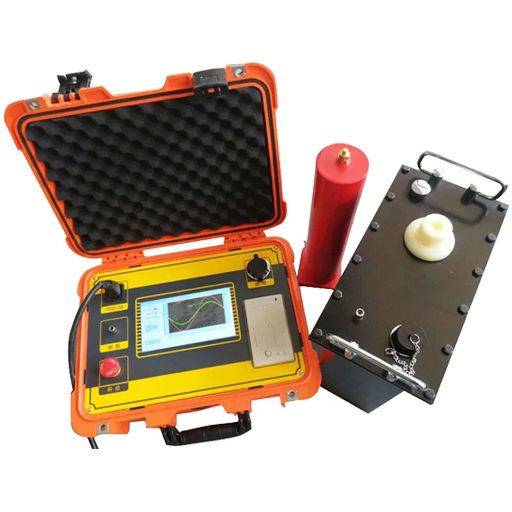
Voltage testing procedures receive special focus under IEC standards, such as IEC 60060 and its various parts, which deal with high-voltage test techniques. These standards provide basic descriptions of methods, including reference to withstand voltage tests, measuring partial discharges, and performing impulse tests. Evaluation conducted according to these standards will fairly and consistently assess the adequacy of electrical insulation for this type of equipment, thereby preventing the possibility of failure or downtime.
Further, some section amendments included the latest standards reflecting the technological developments such as AI-enabled diagnosis and digital signal processing and allowing the industries to currently employ test methods that were more accurate, scalable, and cost-efficient. These improvements shall serve the renewable energy, automotive, and smart grid sectors’ need for greater energy efficiency and many system integration choices. IEC standards remain crucial for guaranteeing and assuring quality and nurture innovation for companies that find themselves emerging under increasingly stringent compliance regimes worldwide.
Medium Voltage Testing Compliance
This discipline requires following worldwide safety and performance standards strictly while conducting medium voltage tests. Any industry making use of medium-voltage systems shall uphold requirements as contained in the IEC or ANSI standards as may be applicable to them in order to ensure their equipment is reliable and efficient through different operational aspects. Novel trends on testing methods favor the latest technologies with AI-driven diagnostics and automated monitoring to augment accuracy and repeatability. For example, test types such as partial discharge or dielectric strength have been rendered more straightforward with these latest online monitoring solutions, which limit the downtime and enable in-depth examination on request.
Eco-considerations related to testing at medium and high voltages prevail, as practices promote the use of recyclable materials and energy-efficient systems within diagnostic tools. This is a response to not only regulatory pressures but also global sustainability agendas. Statistical data support that organizations implementing cutting-edge and environmentally compatible testing methods experience substantially reduced operational risks and enhanced lifecycle performance of systems. Remaining on top of technological developments and complying strictly with all relevant frameworks enables companies to not only ensure compliance but also become the vanguards of innovation and responsibility.
Effect on High Voltage Instrumentation
Testing has undergone dramatic changes in accuracy, efficiency, and safety with the onset of technology in the domain of high voltage instrumentation. Hence, computerization came with some additional features such as advanced data analysis, AI diagnostics, and high-speed digital measurements. These allow for the accurate monitoring of voltage levels, insulation testing, and fault-finding within complicated electrical systems. According to literature, the application of these newer technologies could reduce the failure rate of equipment by almost 50%, simplify testing phenomena, and increase the operational life of high-voltage systems.
Besides, with such advanced automation and intelligent systems integrated, a more seamless compliance of such international testing standards IEC 60060-1 and IEEE 4 basically cannot be resisted. With newer-age equipment design aligned with global sustainability goals, the energy consumption during testing is kept to a bare minimum, making it truly modern. This goes on to prove how modern technological innovations are making high-voltage instrumentation more modern, in turn establishing it as a crucial tool for maintaining stability, safety, and environmental accountability in industries.
Future Trends in Voltage Testing Technology
Advancements in High Voltage Instruments
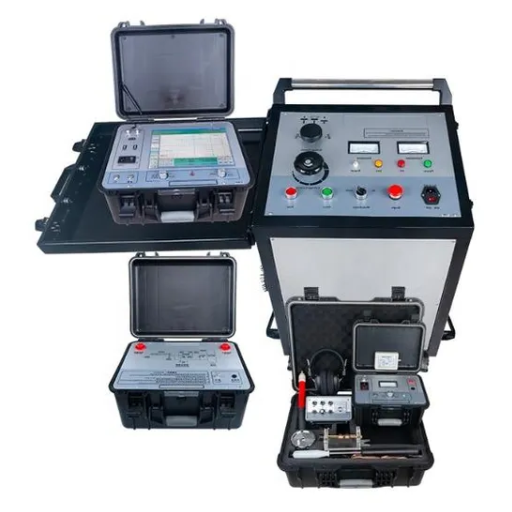
I remain amazed by the advances made over the centuries to ensure a greater level of accuracy, efficiency, and adaptability in testing processes. They utilize these newer devices, equipped with new insights into digital technology, embedded smart sensors, and data analytics, to arrive at an exact measurement. These parameters guarantee not only advancements in testing but also in diagnostics and troubleshooting, which are imperative in critical areas, such as monitoring the power grid and ensuring equipment quality.
Still, portability and user-centric design remain significant domains of advancement. Manufacturers have now put on the market small, lightweight, and high-voltage testing instruments that have not compromised in performance, and are deployable much more easily in field conditions. User-friendly interfaces, combined with automatic calibration, grant yet further reductions in setup time, air, and operational complexity. These tools become increasingly adaptable, as they can accommodate a broader range of voltage ratings and environmental parameters, offering versatile performance in industrial and other settings.
Ultimately, sustainability began to be the foremost concern in layout for new generation of high-voltage instruments. Energy-saving components, synergetic power-management systems, and materials with a preference towards longevity and lowest environmental impact were some measures put under the sustainability banner. Thus, all these developments of different design aspects of high-voltage testing instruments have unfolded in promoting high-voltage electricity systems in all regions of the world.
Emerging Technologies in Voltage Detectors
I believe that all a modern voltage application is considered one: the functions being realized and the affordances being given with emerging technologies in the backdrop. One major change would be, for example, when lagging behind the advent of IoT in voltage detectors. Hence such applications made way for real-time monitoring and data communication, so users can always work remotely checking for voltage levels and finding abnormalities before they develop into major issues. They also make better use of the system, increasing safety because with remote diagnostics and analyses, technicians need not be on-site with live electrical equipment.
One such technology is non-contact sensing. Although it sounds interesting, it is used to detect the presence of voltage from a distance, eliminating the need for contact with the energized equipment. The ultimate goal is to reduce risks to the operators working in a high-voltage environment. Further improvements are underway in utilizing AI and machine learning techniques in voltage detectors for predictive maintenance. Such intelligent systems predict a fault or decrease in performance by tracking trends in data collected over a given period, thereby informing actions to be taken on the equipment.
As designs improve emphasizing being light and ergonomically nature, durability enhancement is introduced so that they may withstand the stress of souvenir return activities in harsh environmental conditions, voltage detectors are slowly being ushered in the future. Improvements in battery efficiency and energy-saving techniques are also applied to enhance the working time while decreasing downtime. All such advancements testify to the development even more toward innovative, safer, and reliable tools for electrical testing; this is, well, in accordance with the growing demands of the present-day energy systems.
Association with Smart Grid Systems
In our minds, an excellent energy management plan that utilizes tools effectively integrates smart grid systems. The smart grid must be highly interactive when exchanging data and monitoring events in real-time to optimize energy distribution and consumption. To this end, test tools are increasingly becoming intelligent and interconnected, utilizing advanced sensors and communication technologies that maintain compatibility with these sophisticated grids. Embedded with IoT-enabled technology, these tools not only accurately assess electrical systems but also provide crucial data to the grid monitoring System to improve efficiency and reliability.
This integration also plays an essential role in spotting potential faults or inefficiencies inside the grid before they evolve into much larger problems. With the advantage of real-time analytics and predictive maintenance, problems undergo therapy before downtime occurs, hence improving energy resilience. Further, in the shift toward cleaner energy means of generation, including renewables, these tools prepare the grid for balancing the varying energy input so that it can remain stable.
Returning to the issue, the integration of electrical testing tools with innovative grid systems represents a welcome development that aims to resolve the complexities of energy networks, which are continually evolving. By capitalizing on technology at its best, tighter integration, performance consistency, and the advancement of cleaner and more efficient energy solutions that meet present-day requirements can be achieved.
Reference Sources
-
The Benefits of Using a High Voltage Live Line Tester – Five Star HV: Highlights increased safety for workers and reduced risks of electrical accidents in high-voltage environments.
-
The Importance of Voltage Detectors – Substation Safety: Discusses the benefits of voltage detectors, including time and cost savings by identifying faulty components or circuits.
-
Non-Contact High Voltage Detector Model 275HVD – AEMC: Features a high-voltage detector designed for non-contact voltage detection with adjustable range settings.
- Click here to read more.