The voltage insulation tester plays an important role in electrical safety and industrial operations, ensuring finer system reliability. The sophisticated tester detects faults and weaknesses in the insulation of electrical conductors that may, under circumstances, cause costly downtime and even hazards. In modern industries, where electrical systems are increasingly complex, it is all the more important to understand the applications and benefits of voltage insulation testers. This article glances through their applications in varied industries and how they aid in process efficiencies, along with their characteristics that make them a requirement in any fast-moving industrial ambiance today. Be it an engineer, technician, or facility manager, this document will give useful suggestions with which you can work efficiently with this must-have equipment.
Introduction to Voltage Insulation Testing

What is an Insulation Tester?
The insulation tester is a very particular type of compact apparatus that measures the resistance of the insulation of various pieces of equipment and that guarantees that it is capable of preventing any unwanted current flow: The tester applies high DC voltage under supervision of the operator for the testing of the ability of the insulation material to withstand electrical stress and also to detect weak lines or faults in two directions, while the presence of such faults would mean that the insulation of the concerned equipment is faulty due to reasons such as moisture or dirt, thus risking unwanted failure of equipment at times. Modern insulation testers will commonly have features such as digital display, automatic data recording, and compatibility with industry standards, rendering them extremely useful for maintenance and troubleshooting as well as for all manner of compliance in industries ranging from energy and manufacturing to construction and telecommunications.
Importance of Voltage Insulation Testing
It is really important for voltage insulation testing in order to secure and maintain proper operation efficiency of electrical systems. The testing determines whether the insulation suffers any crack, moisture absorption, or deterioration. If these occur, energy losses, malfunctioning of equipment, or worse, an accident like electrical shock or fire can happen there. These periodic insulation tests help detect abnormalities in due time, thereby minimizing unplanned downtime or loss and repair costs.
Since the modern insulation-testing technique enhances extracting precision and magnifies the immaculacy of the results, in the first place, digital insulation resistance testers come with temperature correction algorithms, multi-voltage test ranges, and sophisticated diagnostic tests, thereby providing an accurate set of results in almost any environment. Such instruments prove crucial wherever the integrity of electrical insulation under adverse outdoor circumstances is essential to ensure continuous power generation, such as renewable energy. Continuous insulation testing and evaluation remain imperative, thus embracing the operational finesse and risk forethought of compliance with international safety standards such as IEEE evaluations or IEC.
Overview of Insulation Resistance
The insulation resistance measure has the factors affecting the effectiveness and life of the electrical system. One significant factor is the inherent dimension of the insulation material that accounts for its resistance ability to electrical stress applied upon degradation over time. Hence losing resistance and unable to resist environmental factors, cheap insulations are usually low-grade insulations. High-grade insulation materials are XLPE (cross-linked polyethylene) and EPR (ethylene propylene rubber) owing to their high resistance against environmental factors.
An essential parameter is environmental conditions. Thus, the presence of moisture and maximized temperature, accompanied by various contaminants like industrial chemicals, can lead to deterioration of insulation levels and consequent decrease in resistance. Very high humidity can allow surface currents to flow, thereby affecting the whole system. Another critical factor is age and wear. Given enough time, physical stress, UV exposure, thermal expansion, and contractions work to degrade even the finest insulation materials, thereby reducing their resistance.
Finally, voltage stress and electrical load must be considered. When the operating voltages are increased, to induce stress on the insulating system, if the conditions are unforeseen by the insulating material, a potential dielectric breakdown may take place. Downward maintenance in terms of checking insulation resistance should be carried out regularly. The contemporary digital insulation tester accurately measures insulation resistance. It gives early warnings and prevents huge losses when systems are down, thus guaranteeing a safer environment.
Types of Voltage Insulation Testers
High Voltage Insulation Tester
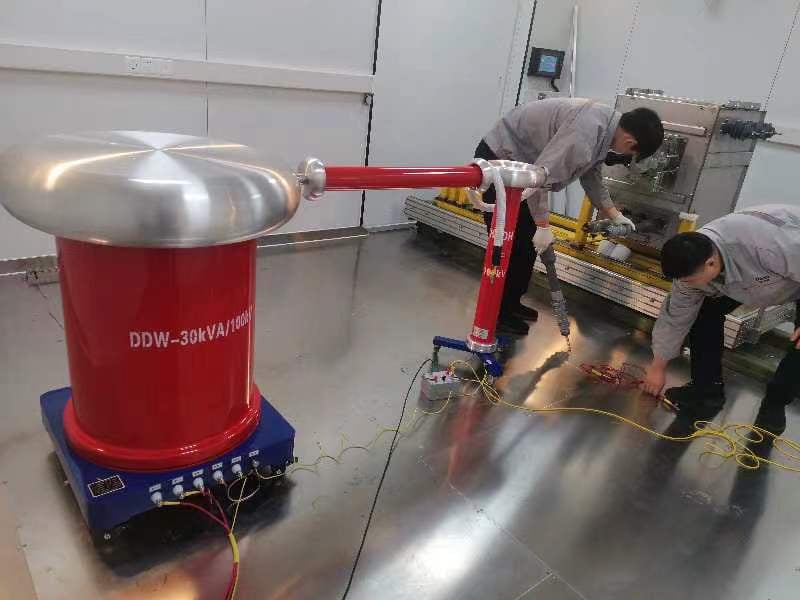
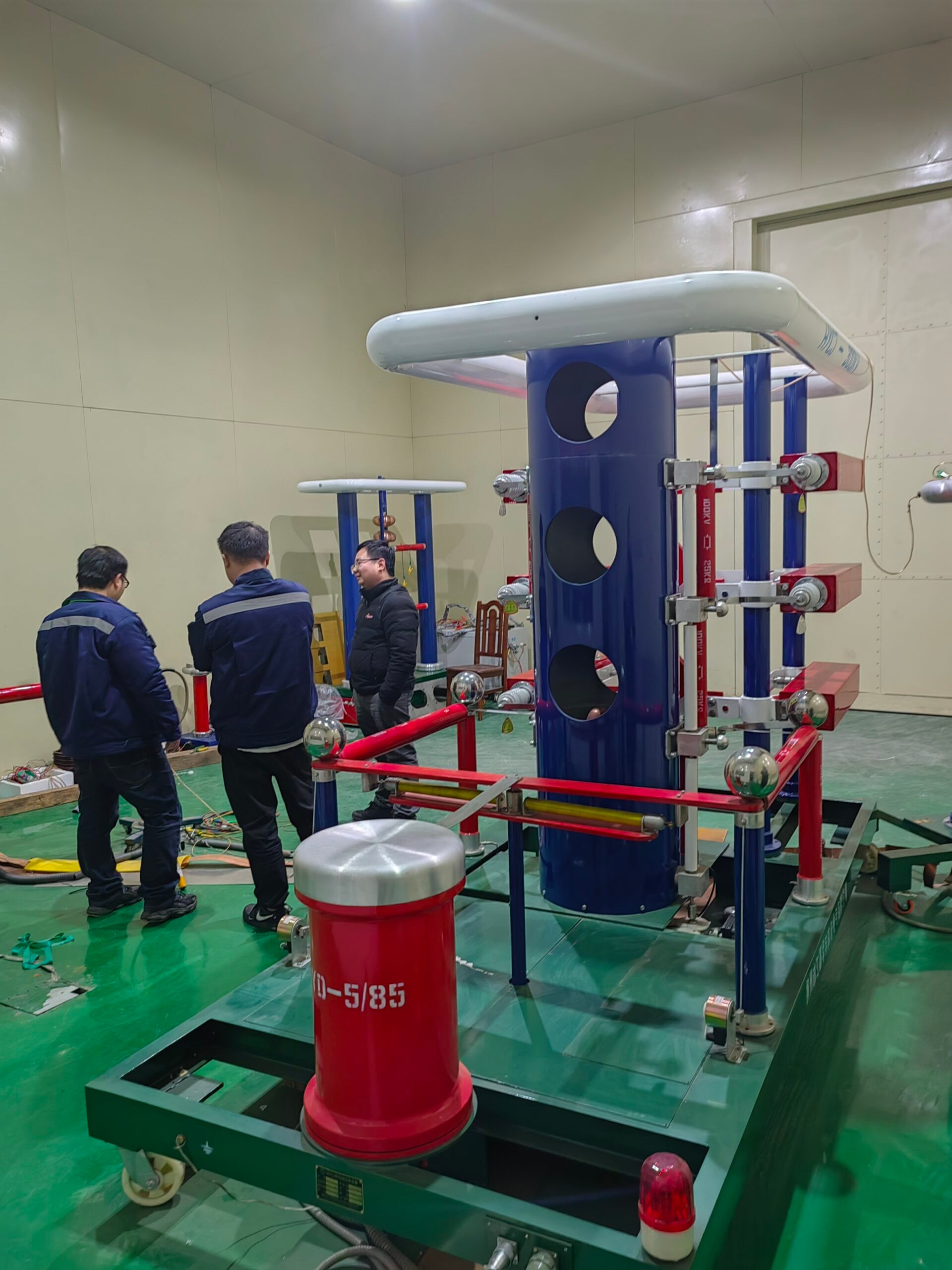
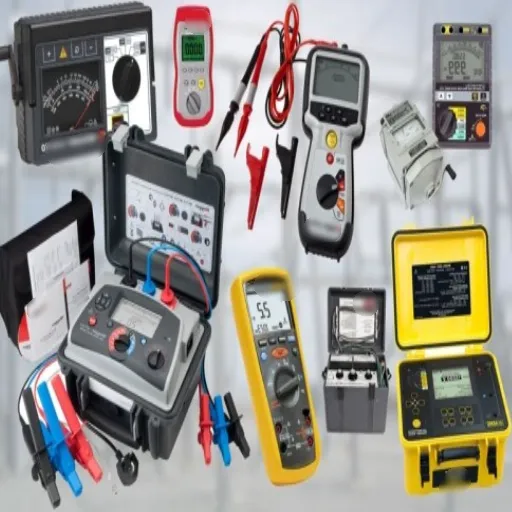
High-voltage insulation testers are special tools developed to analyze the insulation quality of electrical systems working with high voltages. Such devices are outfitted with features like the setting of test voltages, high accuracy of measurement, and safety mechanisms protecting operators and equipment. New-age testers often boast digital interfaces that provide a real-time display of insulation resistance, enhancing ease and precision in assessment.
Another advantage of modern high voltage insulation testers is their broad range of test voltages they can usually administer, with some going up to several kilovolts, thus suitable for testing equipment found in power generation, telecommunication, and aerospace companies. Further, many of the testers today can calculate polarization index (PI) and dielectric absorption ratio (DAR), thus giving another dimension for assessing insulation performance with respect to time. Engineers can detect minute degradation trends and intervene before they culminate into catastrophic failure.
Some models include computer-aided testing software for integrated operation and automation of test result recording and data analysis to make testing easier and reporting purposes, for building up records for future reference, maintaining better scheduling, and reducing downtime. A high-voltage insulation test should be done to maintain reliability and efficiency in modern electrical infrastructure.
Digital Insulation Resistance Tester
Digital insulation testers provide various benefits, such as precision, efficiency, and more features to electrical testing. Advanced digital displays on these testers allow users to see the precise resistance values, granting them confidence in a correct measurement. Due to multiple test modes and programmable settings, digital testers can be adapted to suit specific applications and environments. Other features include data storage and USB connectivity for data transfer to a computer for further analysis and keeping records. With a slender design coupled with an intuitive interface, the digital insulation resistance tester is the very tool a professional cannot dispense with, materially enhancing safety, downtime reduction, and life extension for electrical systems.
Extech MG500 and Other Models
Extech MG500 is a high-performance digital insulation resistance tester designed to meet a wide array of requirements of various industries. With a test voltage of up to 1000V and an insulation resistance measurement capability of up to 500GΩ, the device gives accurate and reliable performance in industrial and domestic applications. Enhanced safety features are also integrated into the design of the MG500 for including live circuit detection, thus preventing device damage and ensuring user safety during operations.
Other insulation testers in the Extech series, like the MG310 and MG320, provide alternatives in line with the customized performance criteria. The MG310 is easy to carry and provides baseline functions efficiently-therefore, it is used primarily for testing while on the move. The MG320, however, has extra memory storage and Bluetooth capabilities to facilitate the transfer and analysis of data. These models together stand as evidence of the brand’s endeavor to merge durability, precision, and advanced technology, so that users are never hindered in meeting the unique requirements posed by the testing environment.
How to Measure Insulation Resistance
Understanding Test Voltage and Output Voltage
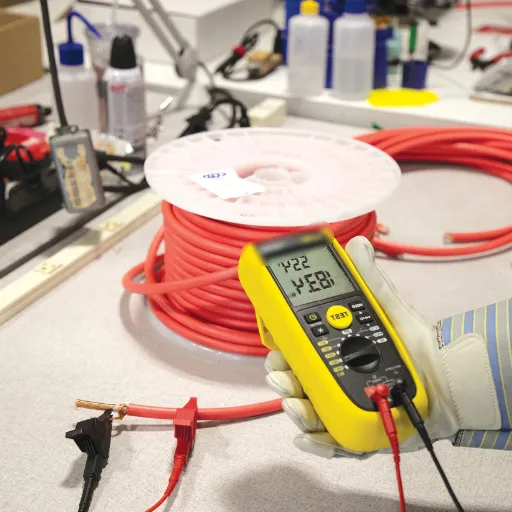
In this test process, insulation resistance testing always depends on the use of correct test voltage and output voltage for truly accurate and dependable measurement. Test voltage is understood to be the voltage applied to the insulation surface for testing and is typically selected with respect to the working voltage of the system or the manufacturer’s recommended test voltage. Hence, the standard test voltage usually varies from 250 volts to 5,000 volts, depending on the equipment that’s being tested.
Output voltage, conversely, means the voltage supplied by the instrument during the test. Nowadays, insulation testers are made so as to give an output voltage that remains constant, even though the load on it changes, since only with such a constant voltage can a valid reading be obtained. For example, in very high-resistance testing, a deviation of voltage given out leads directly into false readings, which puts a great deal of prominence on the term “stability” as an important feature.
Standard industry guidelines, such as those outlined by IEC or IEEE, provide voltage recommendations to suit different types of equipment. Following these standards ensures safety and compliance while helping to identify potential insulation breakdowns under appropriate testing pressures.
Understanding the interplay between test voltage and output voltage can significantly enhance the effectiveness of any insulation resistance test, ensuring reliable performance assessments and extending the lifespan of electrical systems.
Steps for Conducting an Insulation Test
- Preparation: Ensure that all supply sources leading to the equipment under test are safely disconnected at the very outset. Faulty equipment evaluation or accident may result if a voltage tester is not employed to check the absence of energization in the system. Identify the test points between live conductors and earth or between conductors as per the requirements of a particular system.
- Inspect and Clean: Observe for wear, contamination, or damage in the instrument and test leads. It should be cleaned of any dirt or moisture in the area to be tested. A clean and dry surface will provide a more accurate reading of insulation resistance.
- Choose the Right Test Voltage: For test voltage selection, refer to equipment specifications and standards relating to the industry. Low voltages would generally fall under ranges of 250V or 500V, while bigger voltage systems may go from 1kV all the way to 5 kV. Using incorrect test voltages for measurement may either fail to recognize the breakdown of insulation or damage the equipment.
- Connect the Insulation Tester: The insulation resistance tester (prominently known by the generic term megohmmeter) is to be connected properly with the test points, strictly per the instructions of the manufacturer. Usually, one of the leads is connected to the conductor to be tested, while the other is snuggly attached to a ground or another conductor. A secure and steady connection is desired for accuracy of the readings.
- Perform the Test: Set your insulation tester for the chosen voltage and begin the test. Allow it a few seconds to build and stabilize voltage so it can measure the resistance properly. Some modern testers will give you the resistance reading automatically. Always keep an eye out for any sudden drops in the readings, as these indicate BIOS failures.
- Interpret the Results: Analyse the resistance reading given by the tester. The insulation resistance should mostly be in megohms or higher, with very low resistance values signifying an insulation defect. Consult the equipment’s normal guide or an insulation chart giving acceptable resistance ranges according to the test voltage used.
- Evaluate Polarization Index: Consider PI testing for critical-type systems. Measure the insulation resistance over 10 minutes, and compare against resistance at the 1-minute mark. If the value of PI ratio is greater than 2, it usually means the condition of the insulation is healthy.
- Document the Findings: All test data should be noted down-from voltage settings to resistance readings and even any abnormalities observed. A detailed record assists in trend analysis and compliance with safety and regulatory requirements. In the case of large systems, compressing results into summary reports can help for use in optimization strategies involving preventive maintenance.
- Finalize the Procedure: Once testing is done, make sure to discharge from the system any residue voltage that could cause a shock hazard. Disconnect the tester, then proceed to reassemble the current equipment. Go through all safety steps once again before letting power flow back to the equipment.
Key Takeaway: These systematic steps provide professionals with a framework for the proper insulation integrity assessment to enhance system reliability and timely to assess maintenance needs. Presented with regular testing, their use will minimize the risks and maximize the operating life of electrical systems.
Interpreting Test Results
Interpretation of test results of insulation depends on whether the numerical data are compared to the recommended industry standard values. High reading of insulation resistance generally means a good insulation condition, while a lower reading could mean degradation, contamination, or moisture ingress. These trends become important when analyzing the historical data with the aim of detecting any degradation pattern or irregularity found in some equipment.
The nominal resistance values descending with increasing repetitions could be indicative of exacerbating conditions warranting urgent intervention. Modern tools often assist with analytics to compare readings against some standard threshold, thereby imparting actionability and precision to the data. It’s quite important to consider these conclusions along with some external factors like temperature; unrelated changes can really affect the readings. Once these insights are correlated with maintenance and operational requirements, users can exercise the utmost in reliability and system performance over time.
Applications of Insulation Testers in Various Industries
Electrical and Electronics Sector
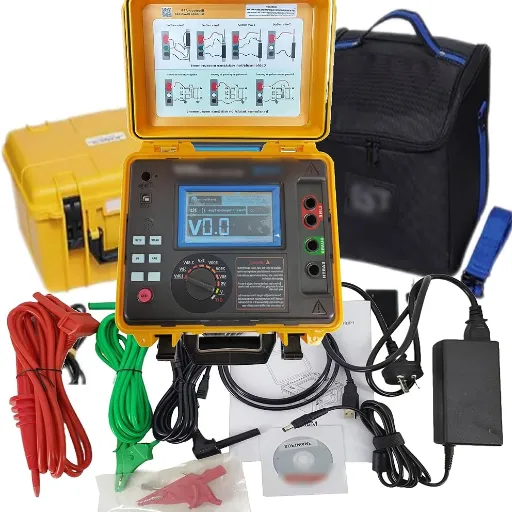
Insulation testers work to check circuits, equipment, and devices for their safety and good operation in the electrical and electronics sector. They are most useful for measuring insulation resistance in cables, transformers, motors, and switchgear to determine possible leakage or degradation before failure. For example, industry reports state that regular insulation testing reduces failure rates of electrical equipment by a maximum of 60%. Modern insulation testers nowadays employ digital interfaces coupled with real-time analytics for interpreting the data and tracking maintenance activities. Advances in the technology have really helped to streamline regular inspection activities in manufacturing plants, data centers, or on renewable energy installations, thereby tending to make these systems more reliable and compliant to stringent industrial standards.
Manufacturing and Industrial Applications
Advanced insulation testers have revolutionized production and industrial processes by ensuring the reliability of electrical systems through advanced diagnostics and predictive maintenance. These instruments serve best in the identification of a potential weakness in the early stage to avoid unexpected outages and high operational costs. For instance, during production processes, regular insulation testing assures smooth flow, preventing the precision equipment from being damaged by electrical faults.
Industry report data suggests that predictive maintenance, enabled nowadays by advanced insulation testing, can reduce maintenance costs by almost 30% while at the same time increasing equipment lifespan. In addition to this aspect, complying to safety standards is no longer a tough procedure since these devices include automated reports that ease the documentation and audit processes. From robotics in assembly line machinery to heavy construction operations, insulation testers effectively cater to various needs, all while keeping pace with industry 4.0 transformation. Hence, these units continue to serve as a linchpin for maximizing productivity and preserving competitive advantage in industrial operations.
Importance of Safety and Compliance
An insulation resistance tester is imperative for safety and compliance in different industries by determining weaknesses in electrical insulation that lead to failure or accidents. Regular inspection minimizes all risks that include the electric shock, fire hazard, or malfunctioning of the equipment, keeping their people safe and maintaining operational integrity. These tools enable organizations to comply with internationally accepted and stringent safety regulations like ISO, IEC, and IEEE, instituted to regulate the performances of electrical systems with adequate safety in the work environment. For example, making sure insulation-resistance criteria are in place and observed should prevent shut-downs capable of negating production activities or important services.
Modern insulation testers equipped with state-of-the-art analytics can provide a detailed view of the equipment health system for predictive maintenance. This can drastically minimize downtime and maintenance costs. With comprehensive data logging, these instruments allow detailed reporting, enabling organizations to efficiently demonstrate compliance during a safety audit, an important consideration for organizations operating in a high-risk situation such as energy, manufacturing, or construction. Having an insulation test as part of the safety procedure will facilitate regulatory compliance while cementing an operators’ culture that promotes reliability and accountability.
Choosing the Right Insulation Tester
Factors to Consider When Selecting a Tester
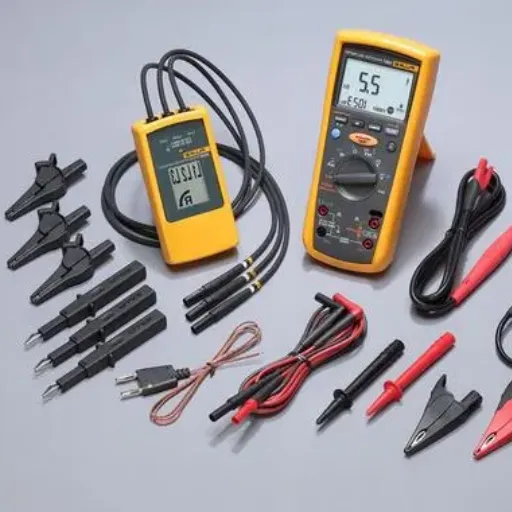
When selecting an insulation tester, several critical factors must be evaluated to ensure optimal performance and suitability for your specific operations. These considerations not only maximize efficiency but also align with safety and regulatory standards:
Important Note: By carefully weighing these factors, organizations can ensure the selection of an insulation tester that not only meets technical requirements but also supports broader safety and operational goals.
Fluke vs. Extech: A Comparative Analysis
When rating Fluke versus Extech insulation testers, I consider both to be strong contenders with individual strengths that align with particular needs. Fluke is perhaps known more for being rugged, reliable, and safe than any other brand. With a history of at least three decades of innovative engineering, Fluke testers are for the few who value accuracy and reliability in a working environment fraught with anxiety. The Fluke name commands respect in advanced diagnostics, longer warranty periods, and better build quality, which is why industrial applications, where utmost accuracy and durability are prerequisites, are willing to pay a premium price for its products.
In contrast, Extech is known for functionality and competitiveness with regard to price. Their insulation testers usually provide a broad spectrum of features, handy user interfaces, and varied measuring capabilities, giving machines for a smaller team or an individual technician who needs something that really works without the crazy price. Extech’s products fit perfectly in lighter applications or general maintenance, where ease of use and cost-efficiency are big factors.
The upshot here lies in the general needs and special priorities involved. In other words, if your projects are ones for which utmost precision and rugged reliability are needed, the investment in a Fluke should have a serious consideration. Whereas, if balancing functionality and price is what applies to your case, Extech outright brings good value for the money while offering the basic features at least. Both brands have demonstrated themselves through the years; a choice based on your operational needs and your budget should stand you most to benefit, hence impacting your toolkit favorably.
Budget-Friendly Options for Beginners
As a start, finding reliable yet really affordable equipment can strike the balance between building confidence and being efficient in one’s work. From my research, there are several options in the market that offer the best balance between price and function, and are perfect for newbies. In fact, the Extech lineup proliferates with cost-effective options that deliver just the bare minimum of what any do-it-yourselfer needs while within an affordable price range. The Extech EX330, for one, is a handy general-purpose multimeter that lets you measure temperature and detect voltage-one of the fundamental skills to getting started, at a bargain price. Moreover, the simple design and easy-to-use interface are set so that a newcomer can get along in no time.
Another excellent pick is the Klein Tools MM400, a highly rated multimeter favored for its robustness and utility at a reasonable cost. It also allows for heavy-duty functions such as measuring AC/DC voltage, resistance, and continuity for your basic projects. What I like most about this unit is its ease of use and solid construction, which ensure beginners don’t get lost in complicated operations while also making sure they have a device that lasts for quite a while.
Ultimately, for those new to their toolkits, supporting devices with essential features, decent reliability, and decently written manuals are important. With such top brands as Extech or Klein, you will not need to pay too much money but will still be able to trust the products to work adequately. These cheaper options worth an investment provide necessary experience and avoid low-grade tools. Slowly as your skills improve, building upon your collection to include more advanced, specialized equipment will become necessary.
Reference Sources
- The Basics of Insulation Resistance Testing and Why It’s Important – Vitrek
- Megohmmeters and Insulation Tester Applications – EE Power
- What are the Applications of High Voltage Tester? – HV Cable Hipot
- Proven Automated Insulation Resistance Testing – MK Test
- How High Voltage Testing Can Make Your Insulation Systems More Efficient – Electrolock
Frequently Asked Questions (FAQs)
What is an insulation tester, and how does it work?
An insulation tester provides measurement regarding insulation resistance of all types of electrical circuits or equipment. The test voltage;- usually in the range of 500V to 2500V-is applied to the insulating material, and its resistance is then measured for determining its integrity. With very accurate readings, digital insulation testers normally come with an LCD display for ease of visibility. They ensure the electrical safety of human beings while also averting their failure resulting from insulation deterioration over time.
What is the significance of insulation resistance measurements?
The stratum resistance measurement is highly regarded in respect to evaluating the quality of the insulating material. These measurements can really point out any potential leakage or faults that can cause leakage paths to develop, thereby setting the stage for a short circuit or an electric shock. By using a megohmmeter insulation resistance tester, the technicians ascertain that insulation values conform to standard safety and operational requirements. Also, sufficient insulation resistance is a factor considered in keeping electrical equipment down for maintenance or for long life, whichever way.
How do you perform a high-voltage insulation test?
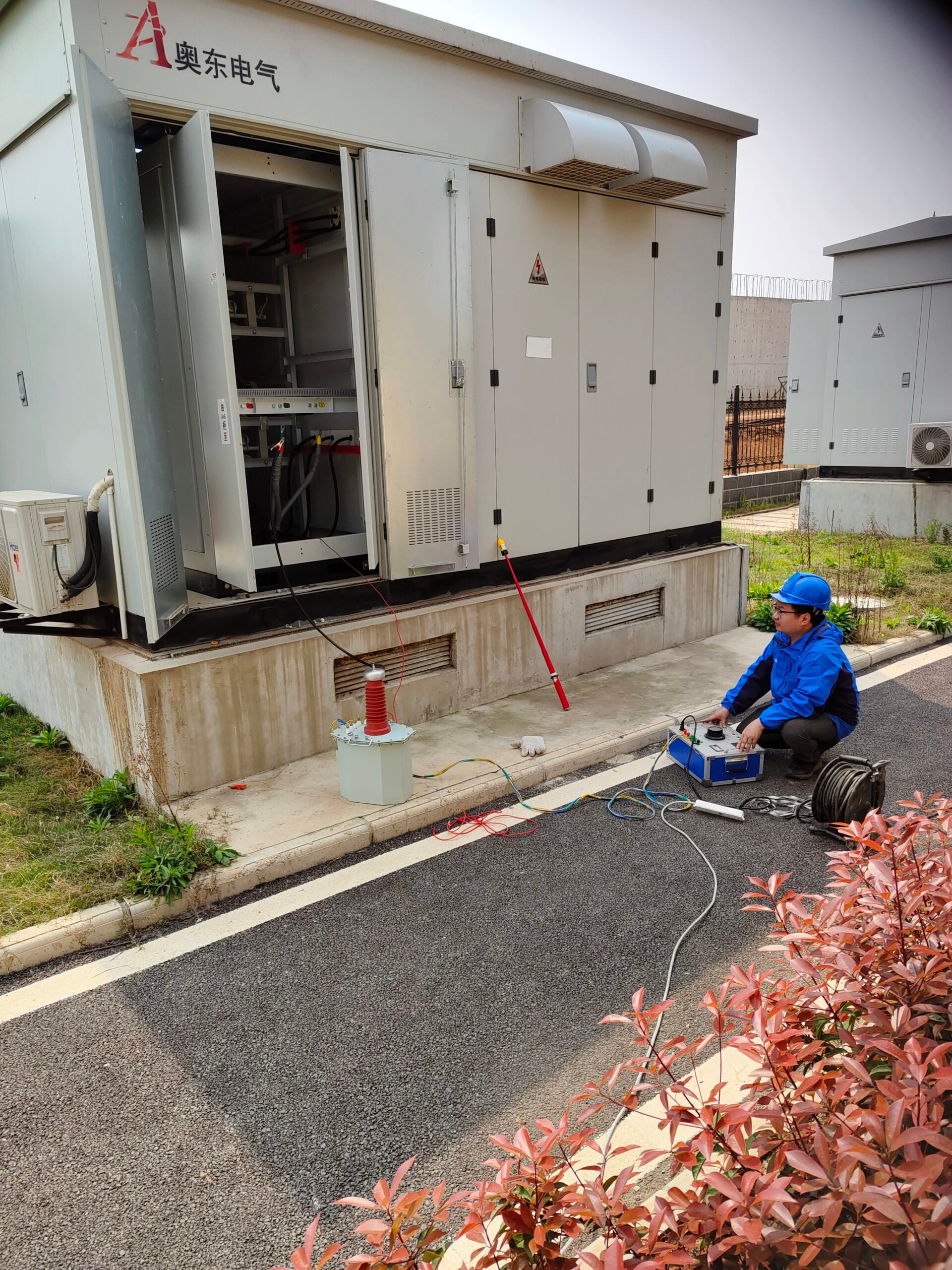
The process of carrying out a high-voltage insulation test requires the use of a high-voltage insulation tester to apply a certain voltage value to the insulation under test. The voltage is generally more than 1000V. The tester measures the leakage current and, on the basis of the current, gives us a reading of insulation resistance. It is very necessary that proper safety measures are maintained during the testing. Making sure the tester is grounded perfectly, the proper test leads meant for high-voltage testing being used are all some safety measures one should always maintain during the test. Once testing has been done, the results help to analyze if the insulation could still be good or if it requires replacement.
What features should I look for in a digital insulation resistance tester?
When selecting a digital insulation resistance tester, features to consider are things like auto ranges, selectable test voltages, and backlit LCDs for viewing under any ambient light. For example, models like the Fluke 1587 FC give more advanced features: true-RMS measurement and data hold for easy reading. Other features such as a carrying case and being adaptable to nearly any test circuit are good for convenience when setting up and during testing.
What is the purpose of the dielectric absorption ratio in insulation testing?
DAR represents a very important parameter in insulation testing, comparing the insulation resistance values measured at different time intervals. It serves the purpose of judging the quality or condition of the insulating material. When the DAR value is high, it means that the insulation is good, but the low ratio indicates either deterioration or moisture ingress. This is an especially important measurement in application where consistent insulation performance is tantamount to safety and reliability.
Can a voltage tester be used for insulation testing?
While a voltage tester can check for voltage in circuits, it cannot test insulation. Insulation testing must be executed by using a digital insulation tester or perhaps a megohmmeter insulation tester. These apply high test voltages to provide more reliable values for insulation resistance. Anybody who uses a voltage tester for insulation testing will end up with half-baked results that could easily introduce hazards. Make sure to use proper tools every time when carrying out insulation resistance measurements.