Fraud Blocker

A Comprehensive Guide to Choosing the Best Transformer Oil Tester for Industrial Applications in 2025

Transformer oil testing is a vital part of industrial maintenance and reliability, and hence the first line of defense against costly equipment failures. With the advancement of technology and the increasing demand for reliability, selecting the right transformer oil tester has become both an investment and temptation for businesses in 2025. This article will indulge you in the matter and provide industry professionals with insight to evaluate, compare, and decide from the latest and most efficient transformer oil testing solutions. Beginning from the understanding of major testing parameters to the analysis of state-of-the-art features and innovations, this article is your ultimate resource. Whether you want to increase the working life of your equipment or aim for improved operational efficiency or want to comply with strict industry standards, this guide is geared toward helping you make a strategic and well-informed decision.

Contents show

Understanding Transformer Oil and Its Importance

What is Transformer Oil?

The transformer oil is a highly refined mineral oil that is mainly intended for use in electrical transformers or in other electrical equipment. Its insulation, cooling, and arc suppression purposes are within the equipment itself. It is formulated to have a pronounced dielectric strength, thermal stability, and chemical purity as well, permitting it to work efficiently under very high electrical and thermal stresses.

The main classification of transformer oils is based on the composition and origin of the oils: mineral transformers and synthetic transformers. Mineral oils are considered to be derived from crude petroleum and are commonly used because they are cheap and known to work well. Synthetic oils, including silicone- and ester-based fluids, are used where fire resistance and biodegradability take precedence.

Modern transformer oils have to conform to highly strict parameters set forth by ASTM and IEC, among others. For example, parameters like flash point, pour point, moisture content, and dielectric breakdown voltage have to be tested with meticulous care to attest the oil’s quality and reliability. These formulations are now improved with novel additives that impart enhanced oxidation stability, resistance against sludge, and operational abilities during adverse conditions.

Transformer oil, being crucial in transformers, must remain clean and well-maintained. Contaminated or deteriorated oil might cause failure of the apparatus, a loss in operating efficiency, or in some cases, become a serious safety hazard during any operation. This calls for regular monitoring and testing thereof using acceptable methods.

Role of Transformer Oil in Electrical Insulation

Transformer oil is one of the vital substances for the smooth and safe functioning of electrical transformers; it serves dual functions: insulation and heat dissipation. Acting as an insulation medium, transformer oil will not allow any discharges to the occurring between the internal components, such as windings and the tank, thereby keeping the system stable and avoiding short circuits. The high dielectric strength of transformer oil in this regard enables it to withstand extraordinarily high voltages without breakdown.

Another thing that allows transformer oil to act in heat management is to carry thermal energy generated in the transformer’s core and windings to the outer cooling systems. When heat is effectively dissipated, the operating temperature is lowered and this reduction in thermal degradation of the solid insulation materials guarantees reliability under load. The chemistry of transformer oil, usually refined mineral oil or otherwise synthetic, is built to resist oxidation and prevent sludge formation that must be produced, because sludge would only mar its insulating and cooling abilities.

Strict quality control standards and continual diagnostic testing must be implemented to safely guarantee the ongoing effectiveness of transformer oil. Parameters such as dielectric breakdown voltage, moisture content, and acidity level provide vital information on the status of the oil. Under special circumstances, additional tests such as Dissolved Gas Analysis (DGA) are performed to detect potential faults like overheating or partial discharge before these become the source of catastrophic failure. Proper maintenance and replacement strategies thus keep transformers working longer and more securely, consequently suggesting a great reliance on transformer oil in today’s power systems.

Types of Transformer Oil

Transformer oils can be typically divided under two main classes based on their base composition and under application requirements into mineral-type transformer oil and synthetic-type transformer oil. Each offers different properties and advantages in operation, thus making them favorable in some transformer configurations and settings.

⚡ Mineral-Based Transformer Oil

While mineral-based transformer oils are the most common type, they are mainly divided into two classes: naphthenic oils and paraffinic oils. Naphthenic oils are used due to their lower viscosity index and higher oxidation stability, yielding a higher performance under temperature variations. These kinds of oils usually have fewer long-chain hydrocarbons, thereby restricting wax formation under low temperatures. Paraffinic oils have very high flash and fire points, thus providing a great safety margin under high-temperature conditions. These oils cost less and have proven to be reliable for classical transformer applications over decades of use.

🔋 Synthetic Transformer Oil

Being evil performing their properties, synthetic transformer oils like silicone oils or ester-based fluids find increasing adaptation. Silicone oils can bear high-temperature conditions, having excellent thermal resistance; hence, they can be equally used where the environment has heavy thermal loadings. Natural and synthetic ester-based oils dry off as biodegradable and greener alternatives. Therefore, these oils would be chosen on account of eco-sensitive installations or applications requiring fire safety because these oils have a high fire point and are self-extinguishing. Furthermore, these oils being hydroscopic, in fact, assist in offering better insulation properties by absorbing moisture from the transformer systems.

In normal operating concessions, mineral oils are normally less expensive and offer good performance, and synthetic oils are employed for safe environment fire requisites or for extreme thermal requirements. Choice of transformer oil largely depends on load requirement, environmental consideration, and operation-induced long-term considerations. With this, currently, there is a progressive movement towards synthetic ester oils for their environmental-friendly and fire-retardant properties, indicating higher importance for sustainability in contemporary power systems.

Key Testing Methods for Transformer Oil

Overview of Transformer Oil Testing

Inspection of transformer oil is a vital step in studying the condition and performance characteristics of oil used in transformers to ensure its reliability and prevent failures in power systems. These tests provide information about the physical, chemical, and electrical parameters of the oil as to whether the oil can carry out the simple tasks of insulation, cooling, and protection of the transformer parts. Due to regular testing, it becomes possible to detect early deterioration, contamination, or fault conditions in the equipment, thereby reducing maintenance costs and promoting the extension of the service life of transformer equipment.

The key testing methods basically include dielectric breakdown voltage, which checks the ability of the oil to withstand electrical stress without breaking down, and dissolved gas analysis (DGA), a technique employed to recognize the gases evolved as a result of thermal or electrical faults within the transformer. Moisture content testing is another important parameter, wherein excess moisture in the oil degrades its insulating properties and promotes aging. Total acid number (TAN) testing provides the acid level in the oil, which is indicative of its oxidation and contamination. There is also Interfacial Tension (IFT) testing, which checks the interaction between oil and water and gives an indication of contamination or aging trends. All of these tests perform on accurate instruments and are carried out with the industry’s approved procedures to be certain of the reliability and accuracy of the measurements.

An advanced analytical method is furan analysis, wherein by-products of cellulose degradation are identified; in addition, particle count testing is performed to ascertain the cleanliness of oil. So now, with the advancement in sensor technology, some new systems are able to carry out real-time online monitoring of oil, thus providing continuous information about essential parameters. The data arising out of these tests provide a solid base for developing a good predictive maintenance system, which reduces the chances of sudden failures and thereby assists in maintenance of grid stability. This is an indication of how transformer oil testing methods have been evolving to meet the requirements of the increasingly complex and sustainably designed power networks.

Dielectric Strength Testing

A test to check the dielectric strength is an important check to test whether the transformer oil shows sufficient insulating properties at high voltage. It is a test in which the breakdown voltage of oil is determined by application of sufficiently high voltage said multiplied with breakdown of oil or electrical discharge. This test includes the rising of the electrical voltage applied to the electrodes immersed in a transformer oil sample until a breakdown occurs. A high dielectric strength means that oil contains no foreign particles, moisture, or contaminants which would otherwise hamper the performance.

Properly modern tests are performed according to international standards such as ASTM D877 or IEC 60156. The procedure includes placing the oil sample into a vessel with specially spaced electrodes. The voltage is then ramped up in set increments, and the breakdown voltage is measured with precise instruments calibrated for this purpose. A good transformer oil shall work with dielectric strength of 30 kV and higher, according to the actual operating requirements of the installation.

Regular tests for dielectric strength are highly important in evaluating transformer oil in situ. A lower dielectric strength may indicate the presence of contaminants-whether it be water, metallic particles, or by-products of aging oil-that may require filtration of the oil or replacement with fresh oil. With this process, the operational reliability of high voltage transformers can be continuously ensured, and the overall stability of power distribution systems cart can be guaranteed.

Oil Dielectric Testing Procedures

Owing to the inherent importance of obtaining a valid test result, attention must be paid to the quality of the record and its reproducibility. During the testing, a sample of uncontaminated oil is first taken from the transformer, usually with a sterile sampling device so that no dirt or other external impurity is influenced to alter the result of testing. Finally, the oil has to be kept in a sealed container free from moisture or humidity so that water will not get absorbed into it before testing.

The principal method of dielectric testing uses the best dielectric-breakdown-voltage tester to determine the insulating strength of the oil. The sample is placed between two standard electrodes with a fixed gap distance, and a ramped DC voltage is applied until a breakdown occurs. The greater the voltage, the more energy the oil can withstand without breaking down. The test is repeated several times so that an average value for the breakdown voltage can be taken for better accuracy.

Modern dielectric testers come equipped with varying gap size adjustments accompanied by automated voltage ramping for precision. Depending on the specific equipment specifications and environment, typical test voltages of breakdown in transformer oil vary from 30 kV to 60 kV. If the test values drop below a certain limit, then abnormal analysis of other tests such as dissolved gas analysis or particle count testing may be required to pinpoint the root causes.

Calibration of instrumentation equipment, monitoring of environmental factors, and stringent observation of ASTM and IEC standards form part of the procedure. Besides, the procedure enforces the use of temperature correction factor so that the dielectric strength value may be considered valid since the temperature directly influences oil properties. The conduct of these steps ensures the very operational safekeeping and functioning of electric infrastructure.

Selecting the Right Transformer Oil Tester

Criteria for Choosing Oil Test Equipment

When selecting transformer oil test equipment, several critical criteria must be considered to ensure the reliability, accuracy, and compliance of testing procedures:

  • 📋 Testing Standards ComplianceThe equipment should be calibrated as set forth by ASTM D877, ASTM D1816, or IEC 60156. The adherence to these standards renders the test results universally acceptable and relevant to industry criteria with respect to dielectric breakdown voltage and oil quality.
  • 🎯 Measurement Accuracy and SensitivityPrecision is the key in pinpointing the slightest impurities or dielectric changes in the oil. Advanced testers should be very sensitive to give accurate readings for preventive maintenance and for the early detection of possible signs of faults.
  • ⚙️ Automation and User InterfaceModern oil test equipment should incorporate automated features such as self-calibration, programmable testing protocols, and intuitive graphical interfaces to enhance user experience and reduce the likelihood of operational errors during testing.
  • 💾 Data Logging and ConnectivityHigh-performance transformers require robust monitoring of oil conditions over time. Equipment with advanced data logging capabilities, built-in storage, and connectivity options (e.g., USB or cloud-based integration) simplifies recording and analyzing results for trend analysis and reporting.
  • 🛡️ Safety FeaturesOil testing involves high voltages, making safety a top priority. Equipment with robust insulation, fail-safe mechanisms, and emergency shut-off systems ensures that operational risks are minimized.
  • 📦 Portability and DurabilityFor field diagnostics, compact and rugged equipment is essential. Portable testers with a robust build can withstand varied environmental conditions while delivering accurate and efficient performance on-site.
  • 🌡️ Temperature Adjustment CapabilitiesGiven that dielectric strength varies significantly with temperature, oil testing equipment should incorporate automatic or manual temperature correction adjustments. This ensures precise results regardless of the ambient conditions during testing.

By evaluating these factors, asset managers and technicians can select the most appropriate transformer oil test equipment to maintain the safety, performance, and longevity of electrical infrastructure.

Features to Look for in a Transformer Oil Tester

When selecting transformer oil testing equipment, it is crucial to consider several essential features to ensure accuracy, reliability, and operational efficiency.

High Measurement Accuracy

Precision is vital for assessing the dielectric strength of transformer oil. Modern oil testers should offer high measurement accuracy, typically within ±2% or better, ensuring consistent assessment of insulation performance.

Automated Testing Routines

Advanced testers come equipped with automated testing protocols that comply with international standards such as ASTM D1816, IEC 60156, or BS standards. Automation minimizes human error and ensures repeatable, standardized results.

Data Storage and Export Capabilities

The ability to store a substantial volume of historical test data is critical for trend analysis and maintenance planning. Look for units that feature internal memory and external export options, such as USB or wireless connectivity, for seamless data transfers.

User-Friendly Interface

A clear and intuitive user interface, often with a touchscreen display, simplifies operation and reduces the training required for technicians. Additionally, multi-language support can accommodate diverse field teams.

Temperature Compensation Functionality

Since temperature significantly influences dielectric strength readings, the tester should include automatic temperature compensation to ensure measurement accuracy under varying environmental conditions.

Durability and Portability

Field conditions necessitate rugged and portable equipment. A robust casing with IP-rated protection ensures the device can withstand harsh environments, while portability facilitates ease of use during on-site testing.

Wide Voltage Range

The capability to handle a wide range of test voltages ensures flexibility for various types of transformer oils and industrial applications. Testers with ranges up to 100 kV are commonly desired.

Compliance with Environmental and Safety Standards

Ensure the equipment is designed with safety features such as automatic shut-off mechanisms if abnormal conditions arise. Certifications for environmental standards, such as reduced emissions and energy efficiency, also demonstrate forward-thinking design.

By prioritizing these features, utilities and maintenance professionals can select transformer oil testing equipment that aligns with their operational requirements, enhances predictive maintenance capabilities, and contributes to the safe and efficient functioning of electrical assets.

Portable vs. Stationary Oil Testers

Each has its advantage: portable and stationary types are distinctly useful in transformer oil testing; that is to say, the advantage that may be gained by such testers is dependent on the operational requirement and deployment application in question. Portable oil testers are things to be small and lightweight, made for an on-site diagnosis so that utilities can quickly assess the condition of transformer oil at site without having to carry samples all the way to afar laboratory setup. They are crucial in field operations, imparting an on-the-spot measurement of dielectric strength, water content, and dissolved gases. Being portable, it requires very little downtime in diagnosing, hence bringing quick decision-making into the forefront in critical situations.

On the contrary, a stationary oil tester is typically located in a centralized laboratory type of environment or permanent facility. These systems are bulkier, have reasonably more advanced testing capabilities, and are designed to handle larger volumes with improved accuracy. A stationary tester will be used where there are extensive analyses, such as advanced chromatographic methods, to detect trace-level contaminants like corrosive sulfur or furanic compounds. Being high-throughput testers with advanced analytical capabilities, the stationary testers will be required for utilities needing broad and granular assessment for use in long-term asset-management strategy.

Choosing whether to purchase a portable or stationary oil analyzer depends on such things as how often tests are done, the depth of analysis required, and the size of the operation. For example, a large-scale utility with many transformers may find it useful to practice the hybrid technique: portable units for quick routine testings in the field, and stationary systems for deeper laboratory analyses. Both methods play a key role in predictive maintenance schemes to sustain more reliable and longer life transformer assets.

Understanding Breakdown Voltage and Its Significance

What is Breakdown Voltage?

In the field of dielectrics, the breakdown voltage means the minimum amount of voltage needed to break down a dielectric, such as transformer oil, so that it becomes conductive. This happens when the electric field strength within the insulating fluid surpasses its dielectric strength, causing charge propagation to suddenly burst through. Breakdown voltage becomes one very important parameter in determining the quality of the insulating properties of transformer oil as it also determines the overall reliability and safety of the transformer.

Some of the factors influencing the breakdown voltage include impurities such as moisture, particulate matter, or dissolved gases within the insulating fluid. Hence, any water content or such impurities will tend to greatly reduce the dielectric strength, consequently posing an electrical breakdown threat to the system. Standards like ASTM D1816 and IEC 60156 provide methods to measure the breakdown voltage for the purpose of evaluating the insulating oil’s quality. Under typical test conditions, the measured values for the breakdown voltage of transformer oil vary from 30 kV to 70 kV, depending on the purity of the oil.

A regular checkup constitutes an integral part of the predictive maintenance program for breakdown voltage testing. By monitoring variable changes in breakdown voltage over time, the operator might even detect early abnormalities in insulation degradation, with timely interventions made possible. Advanced test procedures and technology solutions such as modern oil testers for better accuracy and repeatability of data worth making a difference in the decision to improve the operational efficiency of high-voltage equipment.

Factors Affecting Breakdown Voltage in Transformer Oil

A few of these critical parameters affecting transformer oil breakdown include the contaminants present, moisture levels, temperature fluctuations, and aging of the oil. Contaminants in the form of dissolved gases, metal particles, or fiber materials in any dimensions decrease to varying degrees the insulating power of the oil. Studies, for instance, have shown that a very small amount of particulate matter of about 0.01 percent volume concentration could bring in some 20-30% reduction in the breakdown voltage of the transformer oil.

Moisture content is yet another major factor for the lowered breakdown voltage. Transformer oil has a limited capacity for moisture. Any water present, either dissolved or as free water, increases conductivity, thus reducing the insulating efficiency of the oil. Research shows that an increase of just 50 ppm (parts per-million) in water content causes a noticeable decrease in the breakdown voltage.

Temperature also greatly influences how oil performs. The higher the temperature, the faster hydrocarbon chains deteriorate, and this gives rise to polar compounds with increased conductivity. Higher temperature also enhances water miscibility, thus degrading further the dielectric strength.

Lastly, this age-and-oxidation consortium produces acids, sludge, and other byproducts of degradation. Such myriad substances impair the insulating characteristic of the oil, with older oils having sometimes demonstrated as much as 40% reduction in such performance parameters vis-à-vis fresh oils treated properly. Hence a timely monitoring, filtration, and replacement of transformer oil must be conducted to secure the maintenance of optimum breakdown voltage level.

Interpreting Breakdown Voltage Test Results

Sometimes, breakdown voltage test results are affected by different sets of parameters; consequently, they provide agendas in the condition and reliability of transformer oil. Contaminants might include water, particulate matter, or dissolved gases, which basically cause a decrease in the breakdown voltage values. In the case of water as a contaminant, even a few ppm (parts per million) levels of water present can be critical for affecting oil’s performance. For example, if a given oil contains more than 50 ppm of water, such water content can cause severe reductions in its dielectric strength, which would otherwise favor electric arcing and equipment failures.

Presence of temperature is one factor. An increase in the temperature decreases the oil’s viscosity, thereby making it easier for the particles to stay in suspension and the more probable they are to undergo breakdown in a high field. Aging products of a mixture also tend to bring down the layer of breakdown voltage by changing chemical nature and surface tension properties of the oil.

Certainly, voltages are usually greater than 30 kV over a 2.5-mm electrode gap in new and really good transformer oils; these are accepted as good performance for most industrial transformers, whereas the voltage lower than 30 kV is a warning of corrective action, which might include dehydration, filtration, or total replacement of oil. By sticking to international standards such as IEC 60156 or ASTM D1816, the breakdown voltage test protocols may gain more accuracy and reliability.

Regulatory Standards and Specifications for Transformer Oil Testing

ASTM Standards for Transformer Oil Testing

To my mind, ASTM proposes a very comprehensive scheme under which transformer oils are analyzed to secure their safety, reliability, and performance. ASTM standards are critical in testing the dielectric strength of transformer oils, such as ASTM D877 and ASTM D1816. In other words, these standards define ways to test under controlled conditions the insulating characteristics of the oil to ascertain that the oil will prevent electrical discharges effectively within the transformer. ASTM D1816 is further specialized, as it maintains a controlled gap between electrodes that better simulate conditions under which an oil has to operate in real situations; this way, a valid measure of the oil’s capability to perform well under operating conditions is achieved.

Other important tests such as moisture content (ASTM D1533), acid value (ASTM D664), and interfacial tension (ASTM D971) find protocols under ASTM besides dielectric tests. These tests evaluate oil quality, such as chemical stability, contamination, and other aspects relating to performance. Inspection schedules following these standards allow for early detection of possible problems that include oxidation or contamination that may threaten safe or efficient operation of transformers. By adopting a system of testing compliant with ASTM standards, utilities and facility managers may retain transformers for as long as possible and reduce the chances for failure.

While observing ASTM standards along with regulatory body guidelines under IEC, I ensure consistent monitoring of the oil’s property allied with best practices in industrial utilization. This kind of systematic approach helps me take informed decisions about cases where we need to either maintain the transformer oil or replace it with a fresher one so as to augment reliability and performance in electrifying critical systems.

Compliance and Reliability in Oil Testing

In my transformer oil testing for keeping compliance, I follow rigid methodologies involving international standards and a blend of the latest developments in diagnostic technologies. Keeping a test procedure reliable means employing existing standards along with staying abreast of newly developed best practices. Online monitoring systems have evolved over time, storing analysis results of essential oil parameters in real time, such as dielectric strength, moisture content, and dissolved gas. Those data help me in fault prevention, maintaining transformer systems’ operational integrity.

Also, for compliance purposes, I assess the compatibility of insulating oils to ensure that they are able to comply with minimum requirements set under regional regulations and operational needs. This involves looking at the oxidative stability of the oil and controlling its acidity to reduce corrosion and deterioration of transformer components. Through the use of insulating oils having proper viscosity, flash point, and chemical composition, I am able to assure their permanence in the long run under varying operational conditions.

Using an adaptive approach to combine traditional testing methods with innovations like AI-based diagnostics or cloud monitoring allows me to take predictive maintenance to the next level. These advances themselves preserve compliance with the practices while virtually eliminating downtime to give greater reliability and effectiveness to critical electrical systems.

Importance of Following Industry Specifications

It is essential to adhere to industry specifications to have the highest standards of safety, reliability, and performance upheld in any technical discipline. By abiding by these specifications, I can ensure that my systems and processes remain in line with the best modern practices in the industry; that automatically lessens any chance of equipment failure, operational inefficiency, and even safety hazards. Standards such as those promulgated by the Institute of Electrical and Electronics Engineers (IEEE) or the International Electrotechnical Commission (IEC) stand as a measure of compliance and invention. They provide a standard mechanism for improving interoperability; thus any design or solution strictly adheres either to or interoperates with another pre-existing system.

Additionally, compliance with industry specifications allows me to be on top of regulatory conundrums that continuously evolve with technological advancement. Often, these standards require energy-efficient products and practices to reduce environmental impact and promote global sustainability goals-a technical advantage with the added benefit of branding the project as socially responsible and ahead in the industry.

Finally, following these specifications gives me application toward cutting-edge technologies while maintaining absolute operational integrity. For instance, should one integrate an AI-driven diagnostic solution or IoT-enabled monitoring solution, the guidelines provide for scalability, cybersecurity, and compatibility of the systems. This discipline acts to promote innovation but keeps the basic and critical systems unchanged and dependable in favor of the clients and stakeholders as developers and to the greater technical community.

Reference Sources

Frequently Asked Questions (FAQs)

❓ What is a transformer oil tester and how does it work?

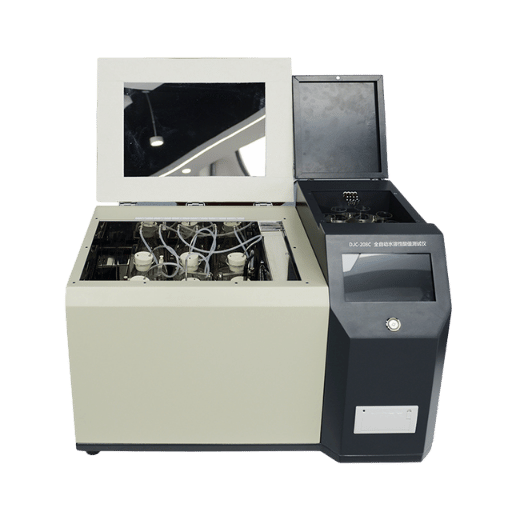
Transformer oil tester is a class of specialized equipment that tests a few transformer insulating oil properties, such as dielectric strength and thermal stability. It evaluates parameters like the breakdown voltage of the dielectric, which acts as indicators of an oil’s capacity to insulate electrical equipment. Generally, a tester conducts the tests automatically or semi-automatically, providing reliability and consistency to the results. Using preset test sequences, it measures the quality of mineral oil or ester-based insulating oils. The studies are very important for the maintenance of high-voltage electrical systems that prevent transformer failure.

❓ Why is dielectric breakdown voltage important in oil testing?

Dielectric breakdown voltage is an important parameter that is measured during the oil test of the transformer insulating oil. This voltage, being the maximum voltage before the oil becomes conducting, can induce electrical failures. A higher breakdown voltage suggests the oil is capable of insulating high-voltage equipment efficiently, whereas a lower value is indicative of degradation or contamination. Regular testing of dielectric strength is a preemptive measure to detect problems and is thus a useful measure in transformer maintenance. The adherence of testing experts to industry standards helps guarantee reliability in transformers through monitoring this parameter.

❓ What are the benefits of using automatic transformer oil testing equipment?

Transformer oil testing can be facilitated through fully automatic equipment, hence ensuring a quicker and more accurate result. The system adopts advanced methods to perform varied tests: from dissipation factor to dielectric loss within insulating oils. Automation cuts down the possibility of errors from operators and guarantees that the test is carried out according to the standard requirements without any compromise. Besides, automatic testers can test more specimens one after another, making it a perfect solution whether at the laboratory or on-site testing: a feature that will increase the efficiency of transformer maintenance programs, thereby ensuring safe operation of transformers over time.

❓ What is the significance of dissolved gas analysis (DGA) in transformer oil testing?

Dissolved Gas Analysis (DGA) is among the great diagnostic tools by which the state of the transformer insulating oil can be assessed. It analyses gases dissolved in oil, which reveals any electrical faults or thermal degradation. Gases form by some sort of heating or electrical discharge inside the transformer, even if the very walls seem intact. By analyzing the concentrations of this wide variety of gases, the testing experts can determine what heating is occurring inside the transformer, such as overheating and arcing, to name a few. DGA offers a complement to other tests such as dielectric breakdown voltage, which checks the quality of the oil. Some DGA tests are highly recommended for proper maintenance of equipment and ensuring the reliability of the high-voltage electrical system.

❓ How often should transformer oil be tested?

Depending on the transformer running condition and its age, transformer oil testing frequency is specified. Typically, it is wise to test the oil every 1 to 3 years under maintenance inspection. Under stressful conditions or over-voltage or over-current transient events frequent testing may be required. Such testing assists with the detection of contaminants and assures that the oil commences to specifications as prescribed by industrial standards. Establishing a regular oil-testing schedule is a pre-emptive approach operators use to address all impending issues before they develop and, consequently, extend the transformer life.

❓ What types of contaminants can affect transformer oil quality?

The contaminants that affect the quality of transformer oil may include moisture, particulate matter, and dissolved gases. Water ingress into transformer oil can greatly reduce its dielectric strength; this could even lead to dielectric breakdown and consequent failure of the insulation system. Particulate contamination with debris from paper insulation, etc., also inhibits the performance of the oil. Frequent oil testing enables the identification of these contaminants, thus allowing intervention at the appropriate time. Most testing experts recommend some form of analytical method to monitor the state of the oil and to undertake corrective actions so that the transformer may be fully operational and safe.

I’m DEMIKS, and I manage this blog. We are bringing electric power technology from China to the rest of the world for its innovation, sustainability, and global impact. We are deeply driven by professionalism, integrity, and service excellence.

Scroll to Top
Get in touch with DEMIKS company
Contact Form 在用