Precision in measuring energy is vital for equitable billing, cost-effective operational activities, securing energy system functions, enforcing operation strategy frameworks, and advancing energy governance efficiency. For specialists working in the electrical and energy fields, the calibration of a 3 phase energy meter is both fundamental and intricate, requiring utmost accuracy, strict adherence to frameworks, and thorough guidelines. In this guide, I have sought to offer a clear, complete, and practical framework of the calibration procedure so that you can attain consistent and precise results. No matter if you are a long-practicing technician or a beginner in the field, this article will provide you with the technical details and proven methods required for competent calibration of 3 phase energy meters. Join us as we reveal the tools, techniques, and critical checks that make calibration indispensable.
What is Energy Meter Calibration?
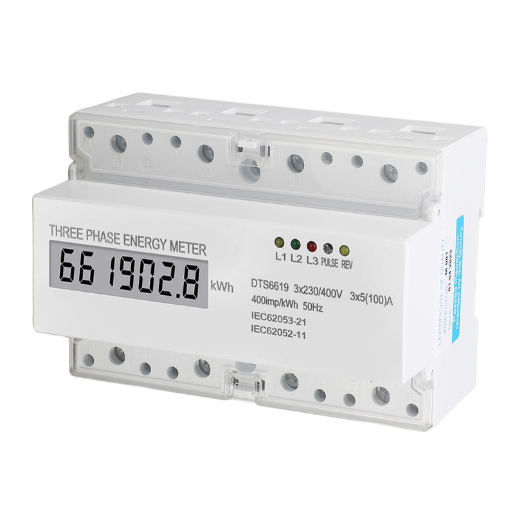
Calibration aims to guarantee energy meters are functioning optimally and aligns the performance of devices with relevant benchmarks. In controlled environments, calibrating devices involves systematic comparison against a set standard. This process improves reliability by reinforcing measurement accuracy which is essential for compliance in metrological frameworks in regulated environments. In systems with multiple operators, equitable charging and dependable assessment of energy utilization is greatly enhanced with sustained accuracy.
Understanding the Importance of Meter Calibration
Calibration of energy meters is essential for both trustworthy billing and the proper functioning of the energy distribution networks. Technologies such as smart grids, which measure electricity consumption for load balancing, anomaly detection, and operational optimization, have tasks that must be performed accurately as quickly as possible nowadays. Incorrect measuring, for example, can cause energy audits to inaccurately estimate consumption, conflict during automated reconciliation processes between energy providers and their customers, among others. As automated data collection devices become interconnected with other systems, proper calibration is even more important because IoT devices must ensure high data trustworthiness for different systems and intercommunicability of the whole system. It is well understood that any inaccuracy at the start can amplify over time, making providers and end-users question the quality of service. Performing calibrations routinely aids energy managers to reduce the negative impact of ignoring investments that need to be made to meet industry requirements and energy standards while automating the framework.
What is the Procedure for Energy Meter Calibration?
Calibration of the energy meter involves a set of orderly steps to make sure everything works right and adheres to the requirements. In the beginning, the energy calibration meters undergo visual inspection to check for any physical damages and blemishes which may affect its functioning and performance. After this step, the meter will be plugged in into a specialized test bench meant for calibration. Each one of these test benches have a set of reference meters which are extremely precise, making them excellent comparisons during the calibration.
In the course of the calibration process, energy calibration meters are tested using different levels of both active as well as reactive loads. Measurements need to be taken in multiple stages in order to ensure optimal accuracy. In this particular case, at low, medium, and high loads. For the energy calibration meters, any sort of discrepancy from the reference value leads to correction of the readings and relevant adjustments.
Once calibration is complete, results are carefully recorded, and the meter is tagged or sealed with a certificate of calibration, confirming that it is operationally ready. These conditions mandate periodic recalibration, restoring compliance with regulatory standards, regulatory compliance, efficient energy management, and accurate energy billing.
How Does Calibration Affect Measurement Accuracy?
Calibration is critical in maintaining measurement systems and optimizing the accuracy of measurement devices by assuring that equipment functions within specified tolerances. Within an energy measuring system, devices such as energy meters, undergo calibration where their performance is benchmarked against a standard reference with known higher accuracy, usually kept at a metrological institute. The computation for deviation recalibration processes is done on a higher level standard. If performed less than periodically, aged components, temperature changes, and mechanical wear overshooting set tolerances are well capable of creating systematic errors.
Measuring accuracy relies heavily on calibration. With today’s advanced technologies, modern calibration techniques can uncover more delicate discrepancies than older techniques could. For example, laboratories can achieve accuracy within fractions of a percentage point through laser or digital based calibration systems. In addition to that, recording the intervals of recalibrations along with documentation ensures traceability which upholds international standards such as the ISO/IEC 17025. With consistent calibration, automated measurement systems can deliver accurate data essential for operational performance, maintaining standards, and regulatory compliance.
How to Calibrate an Electric Energy Meter?

- Prepare the Equipment
Prepare the following equipment: a reference standard energy meter, stable power source, testing leads, and any other reference guides.
- Inspect the Meter
Perform a visual inspection for the electric energy meter for any external damage, e.g., cracks on the casing, broken terminals and discolored displays.
- Connect to the Test Setup
Integrate the electric energy meter with the rest of the testing system. Ensure that the current and voltage input/output lines to the meter are connected properly and firmly.
- Apply Test Loads
Employ a consistent and predetermined test load at different levels simulating real world operating conditions (e.g. light, medium and full load).
- Compare Readings
Use the reference standard meter to measure energy consumption of the test load and take comparison readings with the meter under test.
- Adjust as Necessary
Make necessary alterations as per the guidelines provided by the manufacturer when the test meter readings show significant errors.
- Document Results
Ensure audit and quality traceability by recording all relevant data including calibration performed, test conditions, and any changes made.
- Verify Calibration
Confirm the test meter reading by applying additional load points to evaluate if the adjustments made were accurate.
Completing all of these tasks guarantees the electric energy meter is functioning accurately and within expected tolerances.
Tools and Equipment Needed for Calibration
- Precision Reference Standard
A reference standard meter is important to validate the energy meter’s performance as benchmarks and verifiers need to be high accuracy standards. Calibration procedures are based on the deviation between measured and known correct values, therefore, the standard used must be equally precise as or more precise than the equipment under test.
- Adjustable Load Source
This device creates different levels of current and voltage so it can test a meter under various real-world load scenarios. This allows the meter under test to be fully exercised to its range of operation.
- Voltage and Current Injection Equipment
A specific testing boundary requires precise measured controlled inputs of voltage and current. Devices generating these inputs are essential for proper accuracy evaluation of the meter.
- Oscilloscope or Power Quality Analyzer
Through these parameters, one can scrutinize waveform shapes and meter for power quality metrics such as total harmonic distortion (THD), ensuring the meter captures the necessary data.
- Test Bench with Automation
Automation has enhanced accuracy, repeatability, and reduced execution blunders, therefore a calibration test bench centralizes all meters for standardized testing environments which streamlines processes.
- Environmental Monitoring Tools
Temperature and humidity instruments are needed to evaluate if the environmental criteria pertaining to the meter being tested are aligned with the placed conditions.
The entire calibration workflow being trusted relies on the equipment and tools used, therefore all must be compliant to preset validation standards for the preset industry benchmarks.
Common Calibration Errors and How to Avoid Them
- Improper Zeroing of Instruments
Zeroing an instrument is one of the critical steps in the calibration procedure. It ensures that the instrument has an accurate baseline measurement. Neglecting this step, or performing it incorrectly, can add up over time and introduce errors to the final measurements. In every scenario, confirming the zero-point setting is necessary before the calibration begins when the equipment is placed in stable environmental conditions.
- Ignoring Environmental Factors
During calibration temperature, pressure, and humidity can act as environmental variables which will change the accuracy of the instruments. For example, extremely high temperatures may damage sensitive components, causing them to read inaccurately. To prevent this, surveillance systems can be utilized to monitor these parameters and keep them within the recommended ranges provided in the equipment specifications.
- Utilizing Non-Certified Standards
The reference standards play an important part in the calibration as they significantly impact the precision of the results. The usage of untitled, outdated, or incorrectly calibrated standards does raise suspicion in value obtained since they can introduce uncertainty and potentially create errors in lower level processes. It is crucial to always use certified materials and issued with international recognition, along with making sure they are checked regularly for recalibration.
- Operator-Related Errors
Poorly trained or distracted personnel will impact the calibration quality by slip-up in the procedure, process interpretation, or data collection, leading to erroneous outcomes. Such human errors can be minimized through providing comprehensive training programs, documented detailed step-by-step guidance, and the application of automated systems where possible.
Fixing the above inaccuracies improves the precision of taking measurements, creates passing results for compliance with external regulatory bodies, protects the data in systems deemed sensitive, and protects key operations of the organization.
What are the Benefits of Accurate Meter Calibration?

For operational effectiveness, regulatory compliance, and efficiency, precise measurements need accurate meter calibration. Accurate measurement minimizes the waste of resources, finances, and manufactured products. Other than enhancing trust and improving the organization’s image, proper calibration ensures safe operation of the equipment by mitigating the possibility of accidents or equipment failure. For all the stakeholders, proper calibration guarantees transparency and documented results improves the trust.
Improving Reliability of Electricity Measurements
Electricity measurements are best enhanced using high-grade measuring tools, which have high accuracy, stability, and precision. Measures of precision with worsened accuracy and stability need to be fine, as they increase variability in data collection and measurement. Additionally, regularly spaced calibrations refresh and maintain the reliability of measurements within the defined tolerance envelope, siphoning off errors due to instrument drift over time.
Real-time data acquisition and advanced data analysis can utilize digital multimeters and other computer-based power quality analyzers. These devices enable more accurate measurement while performing tasks that require monitoring of harmonic values, computation of phase angles in relations to primary current and voltages, monitoring the values of voltage, current, and frequency continuously.
Furthermore, keeping an ideal testing environment is just as important. Outside conditions, like temperature changes, EMI, or even excessive moisture, can significantly impact the accuracy of the measurements. Applying protective and controlled environmental methods does eliminate these problems so that consistent and repeatable measurements are obtained.
Concerns over measurement accuracy can also come from improper staff training. The importance of abiding by regulations such as ISO or IEC standards cannot be stressed enough. Educating staff towards industry benchmarks encourages better performance with no errors due to IEC 61000 or ISO/IEC 17025 guidelines. Data analysis, verification, and even error detection can now be automated with the help of software platforms. Such advanced systems can perform their functions as well as facilitate proper decision making, which incorporates well-defined conclusions and trustworthy outcomes.
Cost Savings Through Efficient Energy Meter Calibration
Energy meter calibration, when optimized, reduces operational costs associated with inaccuracies in energy measurement and billing. Calibrated meters maintain correct accountability in measured energy consumption, helping organizations avert financial losses attributed to over, or underestimating energy usage. Automation in testing systems and sophisticated digital utilities help reduce remote manual control, and operational standstill, refining the entire calibration sequence for utility providers.
Moreover, smart meters with built-in diagnostics allow for smarter real-time tracking of the meter’s diagnostics, decreasing the need to monitor and adjust the meter regularly. Such innovations may reduce costs related to maintenance while improving reliability and durability. Following these practices alongside international calibration standards fosters long-term efficiency that utility companies can quantify as reduced expenditures while customers gain reliable services and trust.
What Equipment is Used in Meter Calibration?

Like all instruments, meters have to be checked against standards and calibrated using specialized instruments. Some of the critical instruments are:
- Calibration Standards – to check against high-accuracy reference meters or other benchmarks used as standards with known values and set a performance basis to adjust for the meter under calibration.
- Test Benches – Automated devices/bench systems that carry out certain operations under a pre-defined set of operating conditions like voltage, current, or flow, and thus test the accuracy of a meter.
- Voltage and Current Sources – Instruments that feed balanced and stable controlled electric outputs, used as input while calibrating electric meters.
- Flow Calibration Systems (for water or gas meters): These are devices that guarantee the exact measurement of fluid passing through them in a controlled environment.
- Software Tools: These are tailored applications designed to aid in the gathering, analysis, and documentation of the data throughout the calibration stages.
These technologies enable maintenance of compliance with industry regulations, while ensuring the calibrated meters function within predetermined acceptable margins of error.
Types of Calibration Devices for Energy Meters
|
Calibration Device Type |
Key Points |
Parameters |
|---|---|---|
|
Reference Standard Meters |
High-accuracy meters for comparison |
Accuracy class, voltage, current range |
|
Portable Test Equipment |
Mobile solutions for on-site calibration |
Weight, power source, interface type |
|
Phantom Load Test Sets |
Simulates specific load conditions |
Load accuracy, phase adjustment capability |
|
Automated Test Benches |
High-efficiency for batch calibrations |
Number of channels, test speed, automation |
|
Multi-function Calibrators |
Versatile devices for various meter types |
Frequency range, input/output options |
|
Voltage and Current Sources |
Supplies stable voltage/current for testing |
Precision levels, range of output |
|
Digital Multi-meters |
High-resolution tools for detailed measurements |
Display counts, sampling rate |
|
Pulse Generators |
Creates precise pulses for energy meter testing |
Pulse frequency, voltage range |
|
Temperature Simulation Devices |
Tests meter behavior under thermal changes |
Thermal range, stability |
|
Communication Protocol Simulators |
Tests communication interfaces (e.g., MODBUS) |
Protocol compatibility, baud rates |
Choosing the Right Meter Calibrator for Your Needs
Achieving the best performance requires knowing the unique requirements for a meter calibrator. Start with identifying the energy meter type to work with, followed by its calibration parameters, for example: voltage range, current range, and pulse frequency. To ensure that energy meter’s class accuracy is maintained, make sure to evaluate the calibrator’s precision by checking its tolerance values and measurement stability under different conditions.
Moving on, confirm the additional features and environments that the calibrator supports for testing compatibility. For example, if the test requires thermal stability, make sure to choose devices that can simulate broad temperature ranges with high stability. The same goes for modern meters that depend on communication protocols such as MODBUS or DNP3 and require validation through communication protocol simulators. Make sure that the device can work with the required baud rates and interfaces to the energy meter’s communication subsystem seamlessly.
Look into the matters of maintenance, technical support availability, and long term reliability. Accessible support alongside low maintenance calibrators enhances trust over time. Accuracy in operations is a direct result of investing in devices tailored to specific metrology procedures.
Maintenance of Calibration Equipment
In order to keep calibrating equipment working accurately and within defined technical boundaries, it is important to maintain them regularly. Cleaning the equipment regularly prevents awry dust and other particles from interfering with the devices. Movement components and sensors should also be checked regularly, as failure to do so causes drastic calibration failures.
Without a thorough examination of a given device, an accurate calibration cannot be performed. It is the responsibility of the manufacturer to do regular updates along with other precision maintenance. Such updates include auxiliary battery checks and resetting alignment firmware. Surgeons regard temperature along with humidity levels monitoring of a device as equally crucial, thus focusing strictly on external measuring factors too. Proper stashing limits risk of degradation whilst enhancing the lifespan, through stashing in clean areas.
Standard measurement devices equipped within a certain timeframe experience drift owing to material fatigue, and electronic variance requiring them to be calibrated against a trusted device. Routinely smoothing the employing of known metrics paired with ISO 17025 rules ensures compliance praise and international benchmarks. International standards of calibration and testing guarantee unmatched quality traceable reference materials alongside detailed logs with mechanical work performed, guaranteeing a precise calibrating frame in the future.
Following these steps will enable users to enhance the efficiency and trustworthiness of their calibration tools, prolonging their usability while ensuring consistent precision in important tasks.
How to Correct Errors in Energy Meter Readings?
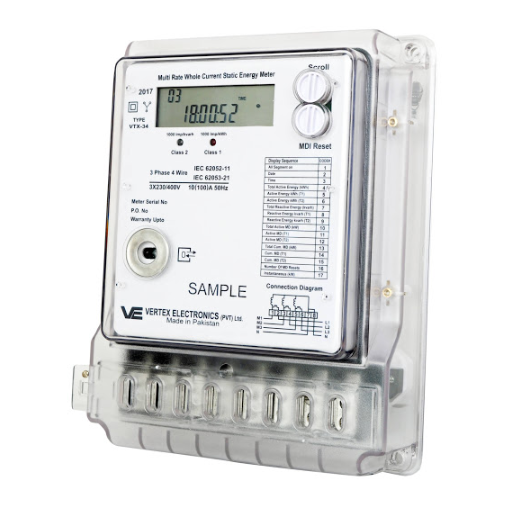
1. Validation of installation: Make sure that the energy meter is installed in the appropriate location. Identify any loose cables, wiring issues, or problems with the current transformer (CT) placement. An inaccurate reading can result from improper installation.
2. Assure Calibration: Make sure the energy meter is measuring the energy accurately and it is not over or under measuring as per the requirement of the entity’s preset values. Approved methods and devices should be used in order to ensure accuracy.
3. Evaluate Meter Settings: Verify other pre-defined parameters to be sure that they meet requirement of the system, such as defined values of voltage and current. Errors can occur due to misconfiguration.
4. Monitor Exogenous Factors: Measure external factors that may active an extreme within a normative range, such as extreme cold or hot temperatures, humidity, and electromagnetic fields. Meter should be safeguarded against those factors in order to maintain trustworthiness.
5. Study the Information for Variability: Large differences could indicate a malfunction or an error. An accurate reference meter should be used along with historic usage data to compare with the energy meter’s readings.
6. Check with the users of equipment for further reference. If the problems still exist, follow the troubleshooting steps provided in the user guide or contact the manufacturer’s customer support desk.
Addressing systematically all possible sources of error guarantees an accurate and reliable energy reading, which will greatly enhance efficiency within operations.
Identifying Common Sources of Measurement Error
The discrepancies in measuring energy meters can arise from technical and environmental concerns. Some of the more common sources of error include the following.
- Meters may be influenced by outside conditions such as harsh weather and humidity, or electromagnetic fields such as radio and microwave signals. For example, energy meters may not function properly in their intended environment. Energy meters may not give consistent results while placed in electromagnetic fields generated by circuits or other devices.
- Current transformers can be driven into a saturation region when they are overloaded, experience sudden changes in load, or when they are drastically underloaded. These issues can occur when the load is connected onboard fleets and when they are operating offshore. As a result, current transformers may not provide precise current-to-signal ratio.
- Bad grid conditions, overloaded circuits, or poor connections may result in irregular supply of energy which in turn leads to inaccurate readings. Therefore, maintaining voltage levels is paramount in high-accuracy energy systems.
- The failure of aligning with the manufacturer’s installation guide often leads to wrong measurements. This may happen due to wrong wiring, wrong polarity, or improper device positioning in relation to components such as CTs. Other than that, improperly aligned devices greatly affect measuring accuracy.
- Harmonic Distortions: The use of nonlinear loads like VFDs, inverters, and other electronic devices injects harmonics into the system. These distortions are capable of affecting the meter’s energy measurement functionality, especially in high THD environments.
To eliminate these prevalent gaps in measurement accuracy, regular proactive maintenance, installation to set standards, and routine testing of the meters should be conducted. Managers can reduce measurement inaccuracies and improve operational compliance with regulatory requirements by addressing these parameters.
Methods for Error Compensation in Calibration
Every measurement instrument needs accurate calibration for reliability, and several compensation techniques are used to resolve potential errors. One of these methods is temperature compensation, which mitigates environmental influences that can cause measurement deviations. Instruments can now function effectively even in difficult thermal conditions due to the application of sophisticated temperature sensors, temperature corrected algorithms, and additional protective measures.
Moreover, linearization methods are applied to non-linear devices and sensors for response behavior correction. Polynomial fitting and lookup tables are one of the more common approaches to achieving alignment between raw sensor outputs with reference values by performing accurate adjustments. Another essential technique is real-time automated system corrections by the digital tool for external factors like EMI (Electromagnetic Interference) through software algorithms.
Along with the primary techniques mentioned, frequent recalibration using identifiable standards minimizes errors. Through traceability, industries are ensured that calibration steps are performed according to set benchmarks, defined by guidelines including ISO/IEC 17025, thus improving the accuracy and consistency of measurements. Advanced diagnostic tools alongside machine learning are increasingly applied, predicting and preemptively mitigating errors, which enhances the long-term reliability of these calibrated systems.
Adjusting Calibration Parameters for Accuracy
Best practices for accuracy optimization offer scant regard for preliminary system requirements and use multi–factor influences in a singular approach. One Option is factors such as the physical conditions of temperature, atmosphere, humidity, and electromagnetic impact which could all potentially affect the accuracy of measurement equipment performance as instruments. Facilities must maintain strict environmental controls to limit the influences of these variables.
One such anchoring framework are reference standards which function as benchmarks for calibration. These standards must be more accurate than the instruments undergoing calibration, and also must be traceable to metrology institutes on a national or international level. Any losses of precision on the reference standard will degrade the accuracy of the whole calibrated system.
Also, adjustments should also consider instrument drift effects which happen due to aging, wear out, thermal expansion or other physical changes over time. Moreover, enhanced data-smart techniques such as predictive analytics and adaptive algorithms are being utilized to monitor the changes in instrument accuracy and make timely changes to the calibration settings. When used on these systems, these approaches will allow organizations to maintain compliance to stringent industry requirements consistently and ensure their systems perform within specified tolerances at all times.
Where to Find Energy Meter Calibration Resources?
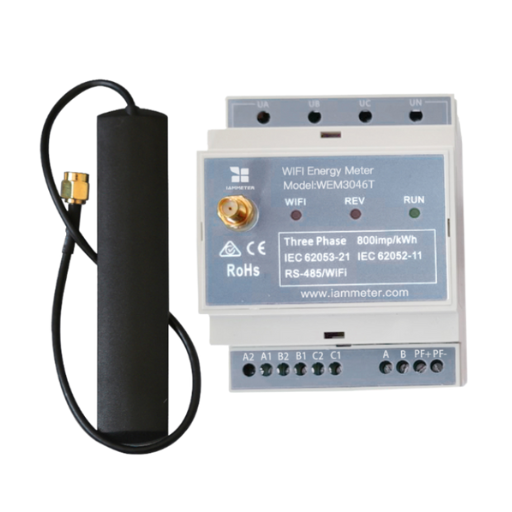
There are several listed primary sources from which energy meter calibration information can be obtained.
- Manufacturer Support – Most manufacturers of energy meter offer comprehensive calibration manuals and provide relevant software alongside offering help through a help desk. Working with these helps one gets bespoke information about specific devices.
- Accredited Calibration Laboratories – Such facilities, especially those granted authorization by bodies like ISO/IEC 17025, have been known to provide energy meters with professional calibration services to ensure accuracy and compliance.
- Industry Standards Organizations – These include categories like IEEE or ANSI which provides standards, technical publications, and other energy meter calibration related documents.
- Government and Regulatory Agencies – These agencies are known for publishing unofficial documents of law and also keep databases of certified calibration service providers.
- Training and Certification Programs – Professional educational institutions provide courses that come with certified credential as an added feature alongside granting access to calibration resources.
These cited sources if adhered to guarantee accuracy and calibration consistency with industrial standards.
Accessing Calibration Procedure PDFs and Manuals
Evaluating and retrieving calibration procedure and measure instruments precision documents is vital to achieving optimal performance. These documents provide essential methodologies aligned with proper calibration processes, checklists, and even schematics. Many companies have updated manuals available for free download on their sites. In addition, many technical forums and industry-specific knowledge bases host collections of calibration documents. Validation of these documents against recognized industry benchmarks ensures that the calibrations are accurate as per the latest advancements and regulations. This practice makes certain that the processes are robust, compliant, and technically sound.
Professional Calibration Services: When to Seek Help
There are cases where regular calibrations can be done in-house, using set SOPs and templates. In such scenarios, having professionally calibrated equipment is the most beneficial and rational course of action. For example, medical diagnostic, aerospace, or sophisticated manufacturing equipment hold sensitive instruments that require professionally calibrated automation services to gain accuracy within rigid tolerances. Equipment that show erratic behavior despite attempts at standard calibrations require high-level diagnostic instruments and expertise provided exclusively by specialized service professionals.
The other scenario is the critical performance verification during audits or certification processes from the relevant oversight authorities, such as ISO or clinically regulated bodies. Only trained professionals can ensure that the compliance documents are complete, cross-checked, and protected from discrepancies which would otherwise result in costly operational halts or legal fines.
In addition, encountering complex multi-variable systems with simultaneous interdependent adjustments to be made calls for education and proprietary tools to restore system-wide accuracy needed from professional services. With up-to-date instruments and methodologies derived from recent technological advancements, agencies can guarantee quality control far beyond what would be achievable in-house. These examples highlight operational accuracy in central systems and show how engaging experts without limits enables unparalleled precision.
Reference Sources
-
Remote Automatic Meter Reading System: This study developed a remote wireless automatic meter reading device using STM32 microcontrollers and 3G wireless modules. The system supports real-time data collection, image processing, and calibration of voltage and current measurements. The calibration process employed a least squares method to enhance accuracy.
-
Intelligent Anomaly Detection in Gateway Electrical Energy Metering Devices: This research introduced a hybrid deep-learning model (SAE-LSTM) for detecting anomalies in energy metering devices. The model effectively identifies abnormal events by analyzing three-phase voltage data, improving anomaly detection accuracy under varying signal-to-noise ratios.
-
A Simple Calibration Method for Ratio and Phase Errors in Electronic Energy Meters: This paper proposed a digital calibration method to address ratio and phase errors in electronic energy meters. The method uses Lagrange quadratic interpolation for phase error correction and correction coefficients for ratio errors, achieving high accuracy without additional hardware costs.
Frequently Asked Questions (FAQs)
Q: What is the importance of calibrating a three-phase electrical energy meter?
A: Calibrating a three-phase electrical energy meter is crucial to ensure the accuracy and reliability of measurements. Proper calibration helps in identifying any discrepancies in the meter’s readings, allowing for corrections that enhance the precision of energy consumption calculations.
Q: What are the basic steps involved in the electrical energy meter calibration procedure?
A: The basic steps in the calibration procedure include setting up the meter, applying a known load, measuring the output, and comparing it with the expected values. Adjustments may also be made using automatic calibration methods to ensure accuracy.
Q: How can I manually compute the calibration correction for my electronic energy meter?
A: To manually compute the calibration correction, you need to measure the actual energy consumed and compare it with the meter’s reading. Use the equation: Correction = (Measured Reading – Actual Consumption) / Actual Consumption * 100% to find the percentage error.
Q: What role does the pulse output play in the calibration of a three-phase power meter?
A: The pulse output indicates the amount of energy consumed over a specified time. During calibration, the pulse output can be used to verify the accuracy of the meter by comparing the number of pulses generated to the actual energy consumption calculated in kWh.
Q: What types of instruments are typically used for calibrating electrical energy meters?
A: Common instruments for calibrating electrical energy meters include precision power analyzers, reference standards, shunts, and resistors. These tools help in providing accurate measurements and ensuring that the calibration process meets engineering standards.
Q: Can the calibration of an electrical energy meter be done automatically?
A: Yes, many modern electronic energy meters come equipped with automatic calibration features, allowing the meter to adjust itself based on predetermined standards and conditions, thus enhancing the accuracy of the readings.
Q: What factors affect the accuracy of a three-phase electrical energy meter during calibration?
A: Factors that affect accuracy include the quality of the calibration equipment, environmental conditions, load variations, and the inherent characteristics of the meter such as its coils and resistors. Ensuring stable conditions during calibration is vital for reliable results.
Q: How do I calculate the kWh using the calibration data obtained from the energy meter?
A: To calculate kWh using calibration data, multiply the number of pulses counted by the meter’s pulse weight (kWh per pulse), which can be determined during the calibration process. This will give you the total energy consumed in kilowatt-hours.
Q: What is the significance of using a PC or wireless setup during the calibration of an electrical energy meter?
A: Using a PC or wireless setup allows for more sophisticated data analysis and easier tracking of calibration results. It enhances the calibration process by enabling remote monitoring and adjustments, ensuring that the energy meter operates optimally.