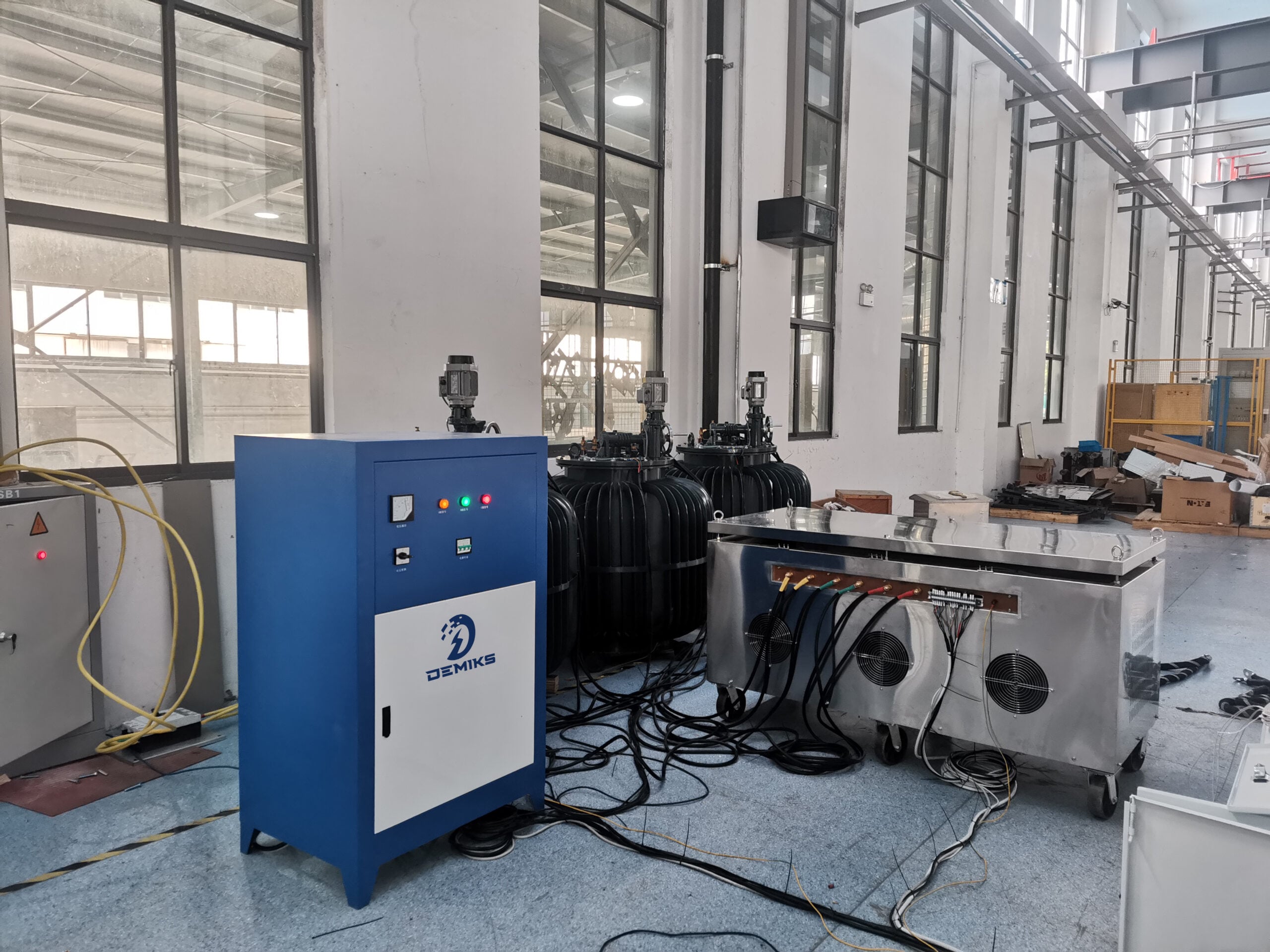
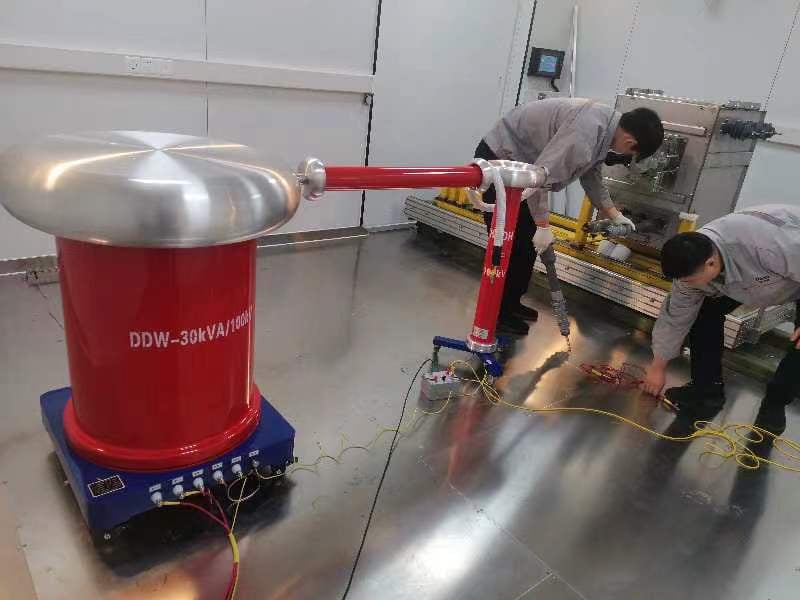
Electrical testing technology is undergoing a total transformation and is reaching new heights in 2025, with worrying advances in transformer turns-ratio meters. These instruments have shaped and redefined electrical diagnostics, offering precision and efficiency that were previously unavailable. Whether for checking transformer performance to ensure it is working perfectly or protecting grid stability, the transformer turns-ratio meter now enjoys the rank of being indispensable to the technician or design engineer from whichever industry this professional comes from. This article explores how modernized versions of these instruments have brought about a revolution, examining their technical aspects and practical applications. Stay tuned as we take a look behind the scenes of diagnostic excellence in transformer testing and see how turn-ratio meters break all records.
Understanding Transformer Turns Ratio
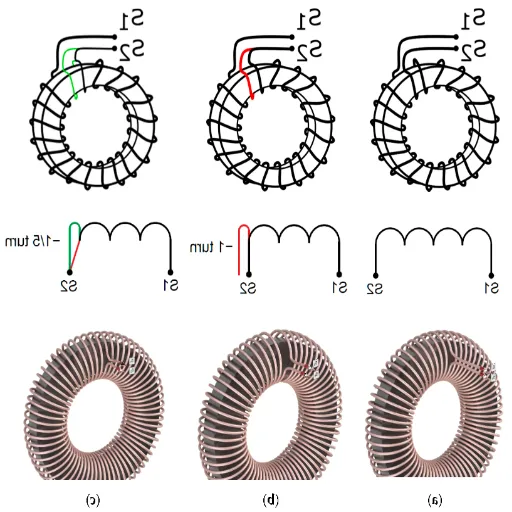
What is the turn ratio and its importance?
The turn ratio is the ratio of turns between the primary coil of a transformer and the secondary coil. The values for the turn ratio are crucial for adjusting the voltage output by the transformer during operation. For example, a turn ratio of 10:1 indicates a step-down ratio of 10, by which the voltage is reduced from the primary to the secondary circuit during energy transfer.
Critical Importance of Turns Ratio
Efficiency is impaired and the safety of the transformer in the electrical setup is compromised should there be any deviation from the expected turns ratio. If the turns ratio is not as anticipated, it could indicate damage to the transformer windings, an insulation fault, or a manufacturing defect. Mostly, regular turns ratio testing boosts the reliability of the system as it can avoid eventualities and subsequent downtime. Using modern turns-ratio meters, accurate measurements can now be taken that allow for better diagnostic accuracy of transformers, from small residential sites all the way to large industrial power networks.
Types of Transformers and Their Turns Ratios
Transformers are classified relative to their design, purpose, and function, with each specific turns ratio being suitable to that kind of operation. Below are some common transformer types and a brief look at their turns ratios:
Step-Up Transformers
Ratio: Greater than 1 (e.g., 1:10)
Function: Increase voltage from primary to secondary
Application: Power generation sites for long-distance transmission. More turns in secondary winding than primary, stepping up voltage by factor of 10.
Step-Down Transformers
Ratio: Less than 1 (e.g., 10:1)
Function: Reduce voltage from primary to secondary
Application: Residential and commercial uses, reducing voltage by factor of 10 for typical electrical applications.
Isolation Transformers
Ratio: 1:1 (no voltage change)
Function: Electrical isolation without voltage transformation
Application: Safety purposes, noise reduction, sensitive electronics, and medical applications.
Distribution Transformers
Ratio: Variable based on grid requirements
Function: Enable efficient power delivery to end-users
Application: Transmission and distribution networks, stepping down from high voltage to commercial/residential levels.
Instrument Transformers
Ratio: High reduction (e.g., 1000:1 for CTs, 100:1 for PTs)
Function: Safe measurement of high currents/voltages
Application: Current and voltage measurement systems for monitoring and protection.
Autotransformers
Ratio: Variable along continuous winding
Function: Voltage regulation with single winding
Application: Voltage adjustment applications where part of winding serves as both primary and secondary.
Key Principle: The turns ratio of a transformer is a principal factor that governs its serviceability in achieving specific power requirements while ensuring efficiency, practicality, and safety. Proper measurement and monitoring of these turns ratios are vital, as system integrity and performance depend on them.
Picture of Transformer Turns Ratio Test
By transformer rating test, we ascertain the state of a transformer with regard to whatever turns ratio it was designed for. The test involves checking the ratio of the number of turns of the primary winding to the number of turns on the secondary winding by virtue of voltage transformation and efficiency of the unit. Such a variation in the ratio might indicate something abnormal, such as the winding becoming damaged or blocked, and insulation being damaged.
Modern TTR Testing Benefits
Precision Measurement
Digital equipment provides highly accurate ratio measurements under various loads and environmental conditions
Regulatory Compliance
Ensures transformers meet standards while optimizing performance and minimizing downtimes
Predictive Maintenance
Detailed data analysis enables failure prediction, reducing sudden failures and providing network stability
Testing of a turn ratio is best done by using a highly accurate and reliable modern digital testing equipment. This equipment gives a precise measurement of the transformer turns ratio under diverse loads and environmental conditions and, thus, insights into its performance. Suppose the measured ratio deviates from the nameplate ratio by a value more than that allowed by tolerance; then such deviation could suggest the presence of an abnormality that needs investigating.
The transformers would be tested for regulatory compliance; from there, output performance would be optimized while minimizing downtimes. The detailed data analysis would also enable predictive maintenance, thereby reducing the chances of sudden failure and providing stability to the network systems.
Key Features of Modern Transformer Turns Ratio Testers

Digital vs. Analog: The Test Equipments Evolving
This has truly enhanced the precision and efficiency of test equipment. In their time, analog testers were reliable. Still, they required manual installation of scales and adjustments made by observers, which introduced scope for human error and wastage of resources in the testing process. These were electromechanical devices; on the face of it, measurements depended on the angles of the needles, which allowed for indeterminate measurement, especially in industrial processes where very high accuracy must be maintained.
Conversely, the digital tester focuses on automation, speed, and exactitude. These modern instruments make testing easier by performing calculations automatically, displaying data in real-time, and attaining a very good resolution by means of advanced processors. The data are saved and exported for further analysis and documentation relevant in regulatory compliance. It is worth mentioning that the ultra-small design and portability afford on-site maintenance and reduced downtime and disruptions.
Any user with even basic computer skills will find the interface friendly. Digital equipment makes these the possible self-calibration and fault detection options. Above and beyond that, these features ensure reliability and scalable solutions that satisfy real-world electrical installation demands. Being on the very edge of technology, transformer testing equipment has always remained at the forefront of the fourth evolution and has proudly maintained standards to which many actual transformers aspire to in terms of performance and operational excellence.
Accuracy and Reliability in Measurement
Each of the transformer testing equipment must necessarily work with excellence in terms of accuracy and reliability to ensure the best operational performance and system health. The modern testing instruments operate by amalgamating cutting edge algorithms with accurate sensors. This minimizes human errors and gives consistent results even when subjected to different operating conditions. Anomaly within the system can be detected at the minutest levels, with the system showing detailed insights into the parameters involved in the functioning of the transformer in question. This, advanced technology in testing equipment aids in better decision-making so that technicians can optimally choose the preventive actions. Furthermore, higher equipment reliability also certainly tends toward less downtime. It, therefore, provides long-term stability to electrical systems in public life, thus making these tools invaluable components of power management infrastructure.
Automatic Testing Capabilities in Vanguard Models
Advanced Automation Features
The advanced Empire models come equipped with the capability to perform automatic testing to facilitate transformer diagnostics. Such systems are equipped with high-end algorithms and an easy-to-use interface with which tests can be performed with only minimal intervention from an operator. Automating tests such as winding resistance tests, insulation resistance measurements, and ratio testing checks accuracy and saves time and allows one to collect and analyze data immediately to view trending performances and potential faults in the transformer. With high levels of automation come the reduction of human error and increased efficiency, thereby setting a new standard for reliability in power system diagnostics.
Popular Transformer Turns Ratio Meters in 2025

Review of the AEMC 8510 Digital Transformer Ratiometer
AEMC 8510 Key Features
The AEMC 8510 is indeed a strong and rugged transformer turns ratio testing instrument. With its advanced features, the instrument is capable of providing ratio measurement and phase angle deviation data with very high accuracy, allowing the user to gain thorough diagnostic insight. It can measure over an extensive range of measures and can be used for testing all types of transformers, including distribution transformers and power transformers.
Specifications
- High accuracy ratio measurements
- Phase angle deviation analysis
- Extensive measurement range
- Compatible with all transformer types
- Lightweight and portable design
The AEMC 8510 is a smart name for such an easy-to-use device, which lessens the testing time and makes setup very simple. The thing is so lightweight and handy to use in the field. It has a ruggedly solid case that takes well to rough environments. It has an automatic test voltage selection feature that makes measurements more accurate and stable.
AEMC 8510 Advantages
- Data Management: Ability to store and export test data for analysis and compliance records
- Efficiency: Streamlined testing process minimizing downtime
- Versatility: Perfect blend of performance, convenience, and reliability
- Field Ready: Rugged design suitable for challenging environments
The ability of the AEMC 8510 instrument to save and export data gives the test technician the freedom to analyze the results before keeping detailed records for applications and performance trending. This helps streamline testing activities while minimizing down-time and maximizing efficiency. In general, the “AEMC 8510 Transformers Test set” can cater well to the demands of modern transformer testing with the perfect mix of performance, convenience, and reliability.
A Comparison of Three-Phase Transformers with the ATRT-03 S2
In any electrical system, the three-phase transformers play a crucial role in handling high-capacity energy transmission, enabling efficient and reliable operation. With the increasing level of industrialization, Three-phase transformers are also gaining popularity in commercial and utility applications for modifying voltage levels, offering the additional benefits of minimal energy losses. They usually are robustly insulated; they employ efficient cooling mechanisms, balanced power loads across the three phases, and deliver a constant, continuous supply of power.
ATRT-03 S2 Specifications
Detection System
Automatic connection detection for streamlined testing
Measurement Accuracy
Highly precise measurement system for reliable results
User Interface
Intuitive design for ease of operation
Speed
Fast operation reducing testing time while maintaining accuracy
ATRT-03 S2 is a turn ratio tester of the highest order designed for perfect analysis and accurate testing of transformers, including three-phase ones. The ATRT-03 S2 offers several key features, including an automatic connection detection system, a highly accurate measurement system, and an intuitive user interface. The ATRT-03 S2 was also found to be fast in terms of operation, and since it reduces actual testing time, its method can, in fact, maintain or even improve accuracy. Furthermore, being able to measure phase angle deviations and ratio errors will enable much more comprehensive transformer diagnostics.
Since there are three-phase transformers, the focus should be put on maintenance and operational efficiency. The ATRT-03 S2 offers a diagnosis of the transformer’s health, allowing for timely maintenance and preventing untimely downtime, which can impact production. A well-built transformer combined with modern testing technology has laid the foundations for the present generation electricity network for better performance and life.
Raytech’s TR-Mark III: A Comprehensive Overview
TR-Mark III Advanced Capabilities
The TR-Mark III by Raytech is a transformer testing instrument that serves with utmost precision and efficiency in transformer diagnostics. Employing advanced measurement technology, the TR-Mark III provides precise readings for turns ratio, winding resistance, and excitation current. Being compact and easy to operate, it can be taken to the field for practical use or to the comforts of a laboratory, thereby allowing both the technicians and engineers to use it.
Data Management Features
- Integrated storage facilities
- Advanced connectivity options
- Data logging capabilities
- Automated report generation
- Trend analysis for maintenance planning
Safety & Standards
- High-voltage protection systems
- International test standards compliance
- User safety prioritization
- Reliable operation protocols
- Network stability maintenance
Withstanding the test of time in the database processing capabilities, TR-Mark III integrates storage facilities and connectivity options that enable data logging and report generation. The data generated thus may be very useful to the maintenance professional for further analysis in trend identification or spotting anomalies to fight on time. Testing speed and accuracy, along with the TR-Mark-III, will significantly reduce downtime, resulting in increased operational efficiency.
The device also prioritizes user safety in its operational approach, incorporating high-voltage protections and adhering to international test standards. For small transformers, it is a dependable tool; while for large power units, it becomes a valuable asset in maintaining the reliability and stability of electrical networks.
Applications of Turn Ratio Testing in Electrical Engineering

Importance of Maintenance and Diagnostics
Testing the turns ratio is important for diagnostic and maintenance purposes in transformers. It is used to determine if a transformer is operating properly and if abnormal conditions are found to correct them before the situation worsens. When an engineer compares the measured turns ratio with the expected turns ratio, the abnormality in form, such as winding damage, insulation breakdown, or incorrect connections, becomes apparent. Regular ratio tests eliminate expensive downtime and thus increase the electrical system reliability.
Maintenance Benefits
Performance Tracking
Accurate data enables engineers to track performance trends over time
Failure Prevention
Time-based framework for failures and scheduling timely repairs
Life Extension
Extends transformer life through proactive maintenance
Periodic maintenance provides the opportunity to obtain accurate data from which the engineer can track performance trends over a period of time. This could then lead to a time-based framework for failures, with repairs being carried out in a timely fashion, extending the life of the transformers. Due to improvement in testing technology, the development has become swifter, with a great amount of detail being prepared for better decision-making and less time consumption.
Case Studies: Successful Application in the Real World
Another case that bears witness to the success of transformer testing is the deployment and implementation of an extensive network of renewable energy sources. In a wind farm comprising over 100 transformers, advanced diagnostic testing was conducted to gauge the health of insulation and detect possible partial discharge activity. The technicians identified several transformers as being on the verge of failure due to insulation degradation. Interventions with preemptive measures were implemented, followed by repairs and upgrades in certain locations, resulting in a 35% decrease in unexpected trips over the three years and improved overall efficiency of the wind farm.
An engineer working for a utility company had another fascinating field application-the power grid was aging, with numerous transformers reaching the end of their life cycle. Regular dissolved gas analysis DGA and frequency response analyses FRA conducted by the company identified transformer units undergoing early mechanical and thermal stresses. Early intervention minimized downtime and increased the average life of the vital equipment by 20%.
Key Takeaway: These few examples illustrate how combining modern testing technologies and data analysis can yield measurable outcomes, including increased reliability, cost reduction, and improved system performance.
Integration with Other Test Equipment: Megger and Beyond
The adoption of advanced testing technologies, such as FRA, along with diagnostic instrumentation for Megger testing, ensures that the health of electrical systems is analyzed in a broader sense. Megger instruments traditionally test for insulation resistance and continuity, providing a vital baseline indication of the electrical circuit’s integrity. This becomes really interesting when combined with FRA for a sparse, dual-layered diagnosis-by-interrogation approach that discerns insulation degradation accompanied by an early mechanical anomaly inside the transformer.
For instance, FRA would look out for mechanical deformation or winding displaced condition, whereas Megger would check if the insulation barriers protecting the equipment are intact. In other words, provided with both tools, an engineer can check his results, an action that greatly increases the accuracy and reliability of the diagnosis. This aids both a smooth diagnostic and preventive process, as well as cutting down on costly outages while at the same time elongating system life.
Combining tests also supports compliance with international electrical standards, enabling better equipment performance and safety. Moreover, tools on their own drive efficiency by providing a single report for scheduling of maintenance, asset management approaches, and directions for the long-term upgrade of systems. Therefore, combining new methods with old instruments creates a strong, data-informed testing matrix for musical demands on the present grid.
Future Trends in Transformer Testing Technology
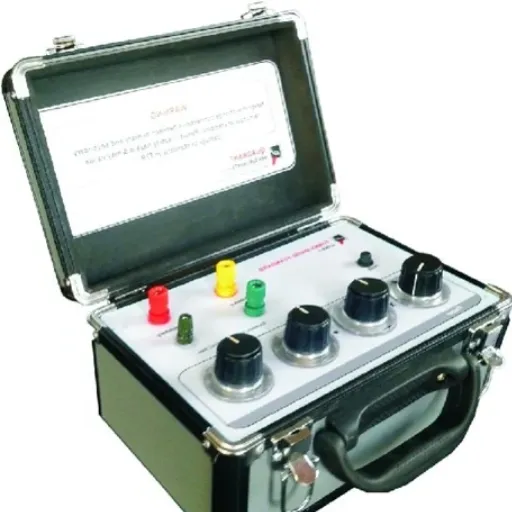
Emerging Trends for 2025 and Beyond
When I consider the future of transformer testing technology, the trends for 2025 and beyond strongly lean toward the integration of AI and ML. These technologies promise to change the diagnostic and predictive maintenance approach. AI-based systems will enable us to analyze massive datasets amassed through testing procedures and derive answers to issues faster and with higher identification accuracy. For example, an algorithm might warn about a potential transformer failure before the event itself, thereby limiting downtime and minimizing operational costs. This shift toward predicting lawn maintenance assumes system reliability among its highest priorities.
2025+ Technology Trends
AI & Machine Learning
Massive dataset analysis for faster, more accurate issue identification and failure prediction
IoT Connectivity
Real-time data transmission and remote monitoring from anywhere globally
Sustainability Focus
Energy-efficient equipment and compatibility with renewable energy sources
Another trend I see shaping the future is the evolution and adoption of higher-level IoT (Internet of Things) connectivity in testing equipment. With IoT-enabled devices, real-time data transmission and remote monitoring will be made even simpler. This alteration will certainly ease inspection processes, allowing testing teams to view metrics from virtually anywhere in the world. Moreover, IoT solutions will manage assets even more efficiently by continually rendering transformation health insights and enabling utilities to resolve challenges preemptively.
Lastly, transformer testing technology will place high importance on considerations of sustainability. As global energy systems increasingly shift toward greener solutions, testing tools and procedures will be expected to evolve in line with these eco-friendly grids. This can include developing energy-efficient testing equipment and verifying compatibility with renewable energy sources. With these surging trends, we aim to cater to the increasing demands of modern medical power systems while maintaining efficiency and environmental responsibility.
Artificial Intelligence and Machine Learning in Testing
From my perspective, AI and ML are shaping traditional testing methods, depending on the industries where accuracy, time, and scale are the primary factors. These high-tech tools facilitate the processing of huge data in a blink of an eye by crunching large raw data in an instant, recognizing patterns, and perhaps even anticipating a failure of the system before it does occur. Such a key moment of anticipation ensures less downtime, alongside preventing costs incurred due to errors or inefficiencies. This approach of automated testing becomes viable under AI-based tools; not only can we automate tedious manual testing processes, freeing up time to work on higher-order and strategic tasks and enhance overall workflow efficiency.
AI/ML Implementation Benefits
- Adaptability: AI algorithms learn and adapt to changing system requirements
- Real-world Simulation: Machine learning models create scenarios to test systems under multiple conditions
- Hidden Flaw Detection: Advanced pattern recognition identifies issues not visible through traditional methods
- Dynamic Testing: Ensures testing remains relevant as technologies evolve rapidly
The whole different kind of adaptability enters the test world with AI and ML. For example, these AI-based algorithms become aware of things that change as system requirements evolve so that testing stays relevant and practical in a fast-evolving technological space. So much of that dynamicity is sought in renewable energy and software development, where new discoveries move too quickly to be thoroughly tested on the technical side. Machine-learning models simulate real-world conditions to test a system with many parameters and expose hidden defects.
That being said, with the application of AI and ML, testing can definitely optimize the process and create room for innovation in predictive analytics and adaptive testing strategies. The two of them have packed with the power to ensure that today’s systems grow more complex with confidence for greater reliability and sustainability.
Innovations in Test Equipment Design and Functionality
The primary emphasis in innovations in test equipment design and function lies in developing intelligent and versatile equipment for better operational efficiency and measurement accuracy. The connectivity concept in itself was a paradigm shift, with IoT-enabled test devices sharing data in real time, being controlled remotely, and further monitored, among others. This, then helps to streamline the workflow, whereas also assisting the diagnosis for predictive maintenance in order to keep the machine working at optimum capacity with minimal downtime. It is great when these advancements help reduce human error, as well as shorten the time needed in very critical situations.
Miniaturization Advances
- Scaling down components without functionality loss
- Enhanced portability for fieldwork
- On-site diagnostic capabilities
- User-friendly software interfaces
AI Integration
- Automatic calibration systems
- Adaptive testing protocols
- Real-time anomaly analysis
- Precision without complexity
Following alongside these works in miniaturization are two different developments, one concerning the scaling down of components, with or without enhancement of functionality. Test equipment, since its inception and beyond, has had to be at least as capable as traditional, bulkier systems while conserving flexibility for the execution of fieldwork and on-site diagnostics. Software that is easy to operate makes the challenge much easier, even for someone with less technical know-how. Such democratization of the technology gives teams the capability of complicated testing without requiring that every technician be specially trained.
The deployment of AI and ML within test equipment is expected to make a tremendous difference. These enable automatic calibration, adaptive testing protocols, and on-the-spot analysis for anomalies. I believe it’s fascinating how AI can speed up the selection process from an analytical perspective without compromising precision. All these elements come together to modernize testing into a responsive and scalable process, thus meeting the diverse needs of the industry as they arise.
Reference Sources
-
5 Actionable Insights for 2025: What is the Importance of Turn Ratio
This source explains the fundamental role of transformer turn ratios in voltage transformation. -
Transformer Turns Ratio Test: Some Unknown Facts
It provides insights into how TTR tests assess the condition of transformer windings and cores. -
7 Key Steps to Mastering the Transformer Turn Ratio Tester
This guide highlights advanced features like measuring excitation current and phase angles. -
Your 2025 Buyer’s Guide: 5 Essential Features in a TTR Tester
It discusses modern TTR testers and their role in preventing transformer failures. -
Transformer Turns Ratio (TTR) Test: How to Perform It
This article explains the purpose of TTR tests in identifying shorted turns and insulation failures.
Frequently Asked Questions (FAQs)
What is a transformer turns ratio tester?
With an amazing capacity to uniquely identify an instrument measuring the ratio of the number of windings in power transformers, the turns-ratio tester serves as the main testing instrument. This measurement, therefore, is indispensable for the transformers’ ability to work within their set limits. When testing a power transformer, its turns ratio is determined, so that the primary and secondary coils are guaranteed to be correctly set. Such testers may either be manual or automatic, having digital display readouts which present measurements with great accuracy. Thanks to this modern equipment, including the digital transformer ratiometer, the whole package of testing power transformers is done in a swift, efficient way right on-site, thus, saving enormous amounts of time for on-site testing.
What is the operation of the digital transformer ratiometer?
A digital phase transformer turns ratio meter operates by applying a voltage to the primary winding of the transformer and measuring the voltage developed across the secondary winding. Now, the value of this ratio is displayed instantly and clearly on an LCD screen. These instruments are high-voltage devices designed to operate safely with precision. Many models, such as the ATRT-03 S2, come equipped with features to automate the measurement process, thereby enhancing the user interface. Accuracy is a critical design feature of these devices, which is tested for current transformers to verify their specification limits.
What are the advantages of using a phase transformer turns ratio meter?
Phase transformer turns-ratio meters offer several significant advantages when testing three-phase transformers. They permit the simultaneous testing of all three phases, thereby significantly speeding up the process compared to single-phase testing. The ability to test multiple phases also enables them to diagnose any issues of phase imbalance and polarity. Advanced models include automatic operation and detailed display options, making interpretation easier. Maintenance teams benefit significantly from this on-site evaluation.
What is the importance of turn ratio testing in transformer maintenance?
Testing the turns ratio is of great importance in a transformer maintenance procedure to provide a warning of potential problems before they can escalate. Any anomaly concerning the turns ratio might suggest an occurrence of winding faults or short circuits. It is a regular test to ensure that the transformers are operating within their specified parameters, thereby avoiding catastrophic failure and setting them up for a long life. The procedure is, in fact, straightforward with the recent computerized transformer testers, which allow for rapid measurements and assessment of the transformer’s condition. Additionally, an accurate reading of the turn ratio may be crucial during the commissioning of new installations.
Can one rent transformer testers for ongoing projects?
Transformer tester rentals are often possible for short-term projects that provide an economical alternative to companies that do not require the use of such equipment on a permanent basis. Rental programs offer top-notch equipment at a fraction of the cost of buying new instruments. The suppliers should offer various models, including testers for high-voltage regions and test requirements for three-phase systems. This gives companies the ability to seek the very instrument they need without blocking their funds long-term. Maintenance and support are usually included in the rental contract, keeping the equipment in good working order.
What specifications should I look for in a transformer turns ratio meter?
Depending on the application, one should consider the following main technical specifications when selecting the best transformer turns ratio meter for their particular need. It should have a wide range to be able to test both single-phase and three-phase transformers and hence should not be limited to certain types. Accuracy plays a major role, so choose a model that is known for providing the most accurate readings-Megger and Raytech serve as good examples. Some convenience-oriented features of interest could be automatic operation, an LCD, and light and compact design. Verify that the prospective test sets correspond in safety and performance to the respective industry specifications.