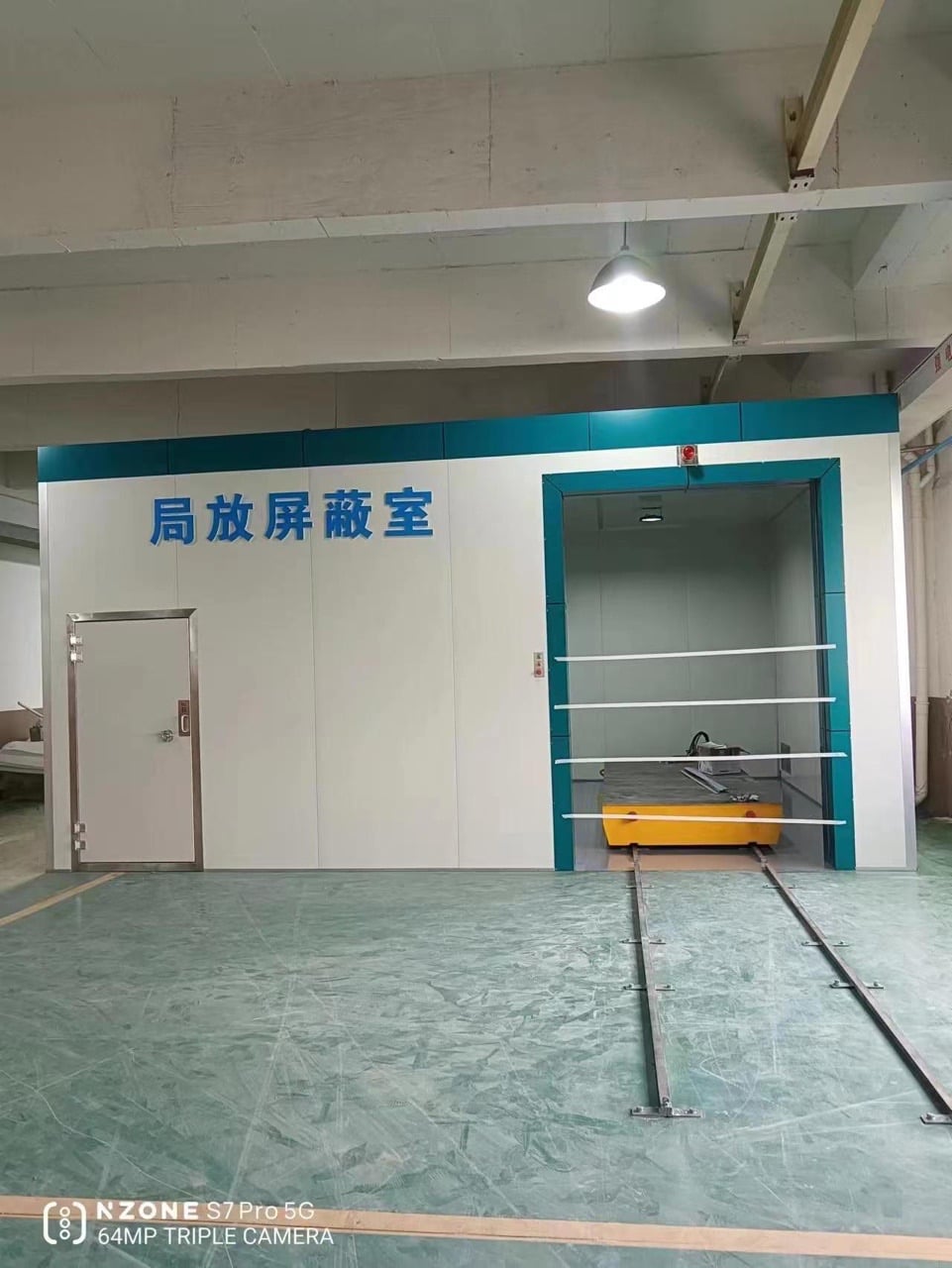
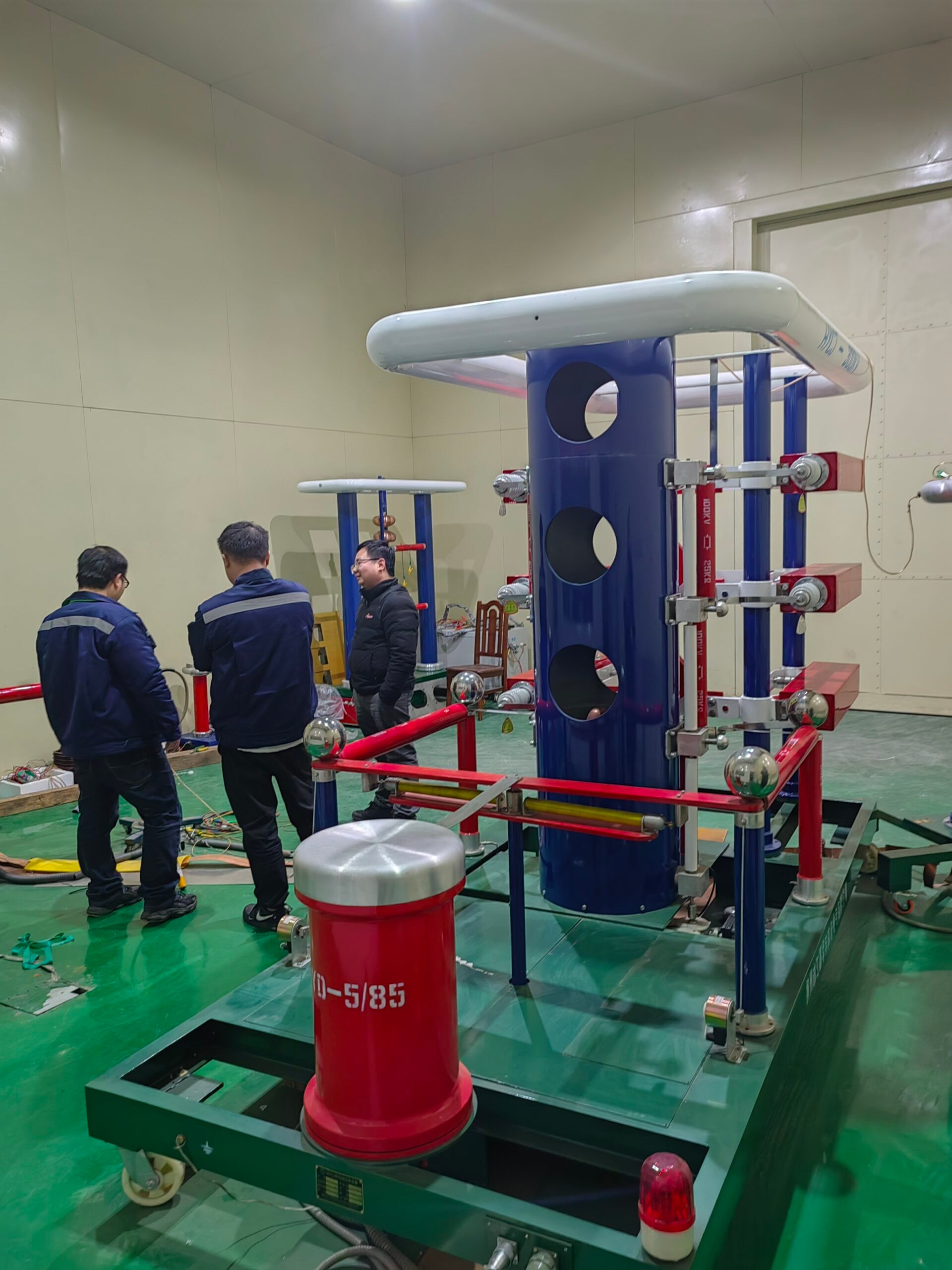
Modern networks rely on and utilize relay protection systems in order to maintain a safe electrical environment by continuously monitoring devices for problems and controlling the grid to isolate problematic areas. From a technician’s perspective, master the unique skill of testing protection relays so you can avert undue outages and costly damages to the network. This piece outlines some of the most effective relay protection testing techniques with which every technician can benefit from operational insights learned and best practices applied. Understanding key components and going through dummy fault settings are two of the most central issues this survey identifies concerning accuracy and efficiency in testing. This article is useful for improving professional and operational skills for participants, irrespective of their training horizon.
What is Relay Protection and Why is it Important?

Relay protection aids in detecting and preventing faults in electrical systems such as overcurrents or short circuits. As a core part of electric system reliability and safety, protective relays aid in preserving equipment and maintaining stability by isolating affected zones automatically via circuit breakers. Besides reducing repairs and downtime, relay protection supports infrastructure during overloading or imbalance events and safeguards personnel during system cascading faults and failures.
Understanding the Role of Protective Relays in Power Systems
Relays can be divided into groups depending on their operating principles and the systems they supervise. These groups include Electromagnetic relays, Static relays, micro-process-based relays, and other common types. Electromagnetic relays are one of the older types which use mechanical movements and are thus common in aging power systems due to their simplicity and robustness. Static relays are more advanced systems that incorporate electronic components and offer faster operation and accuracy. The most modern evolution, Micro process-based relays or Digital/Numerical relays, set industry standards by introducing advanced capabilities such as self-monitoring, communication, or adaptable schemes for tailored protection.
Choosing the most suited relay depends on the application requirements. For example, overcurrent relays detect excessive current flow in electrical systems, while differential relays protect transformers, generators, and busbars by locking on the differential current between the incoming and the outgoing current in a group of circuits. Moreover, distance relays are a must for transmission lines since they measure impedance to detect faults within a very large range. Relay technology increases the dependability of power systems by advanced methods of fault identification that enhance the power system efficiency and response times.
The Impact of Relay Protection on System Reliability
Relay protection systems are important for operational reliability within electrical grids as they protect the system from issues such as stability. Their main function is to rapidly isolate faulted components, helping to limit network-wide disturbances, which helps prevent cascading failures. Where older methods relied heavily on principles of static systems, more modern protection methods use advanced algorithms, real-time data, and telemetry for much smarter adaptive fault management. For example, numerical relays offer high precision measurements such as determining faults with fewer than a few percentage of the line length precision, vastly improving repair time and system restoration efficiency.
Moreover, power industry studies show that reliability improves greatly in systems with advanced relay protection in use. Specifically, the performance indicators of modern relays have shown decrease in the values of System Average Interruption Duration Index (SAIDI) and System Average Interruption Frequency Index (SAIFI) metrics. This suggests that advanced relays enhance not only fault detection and isolation but improve overall grid reliability by ensuring seamless power supply with minimal interruptions.
Key Standards and Regulations Governing Relay Protection
As with any other part of an electrical grid, relay protection systems require compliance with regulations that are rigid and precisely defined. The IEEE C37 series, which defines relays, relay systems, and functional devices, serves as one of the main baseline documents. These documents support operational conformity spanning various conditions and scenarios. Also, the standards set by the IEC 61850 document cover communications within substation networks ensuring automation and interoperability that define modern relay protection systems.
The North American Electric Reliability Corporation (NERC) has also contributed significantly through its PRC standards which set forth the policies of protection, control, and criteria for checking the reliability of a power system. For instance, NERC PRC-001 mandates that utilities integrate protection system coordination across coupled interconnection boundaries so that faults can be detected and isolated without unnecessary cascading outages. In addition, compliance with requirements such as NERC PRC-005 guarantees that and pylons with relays are reliably maintained and tested on schedule, thus reducing the possibility of failure due to excessive wear or miscalibration.
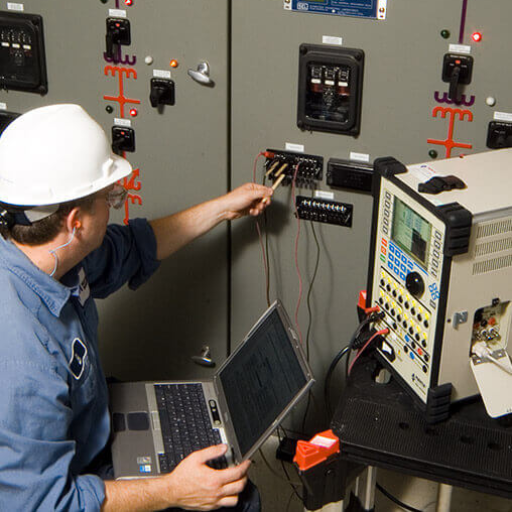
How to Become a Proficient Relay Technician?
- Education and Training
Complete basic training for electrical engineering or a related discipline. An entry-level position as a relay technician requires at least an associate’s degree or certification in electrical technology with a specialization in power systems.
- Understand Industry Standards
Familiarize yourself with important standards like NERC PRC-001 and PRC-005. Compliance is a critical skill as these regulations outline vital gaps in essential protective practices for system reliability.
- Hands-On Experience
Look for low-level job openings and apprentice opportunities to learn on the job. Relay installation, testing, and maintenance work is important in developing mastery.
- Stay Current on Technologies
With the introduction of new technologies such as digital relays and automation, the field is changing rapidly. Staying current with skills demanded by the industry enhances your value; this can be achieved through manufacturer-sponsored training programs or advanced classes.
- Obtain Relevant Certifications
Enhance your employability with advanced job-specific certifications from NETA or NICET. Obtaining these professional certifications strengthens your market competitiveness.
- Develop Problem-Solving Skills
It is necessary to have the ability to efficiently diagnose and resolve various types of issues. This essential skill can be reinforced by practice in diagnosing and resolving diverse challenging scenarios.
Aspiring professionals must take these steps to relay systems; they will be well on their way to building power system reliability skills.
Essential Knowledge of Electrical Systems
For relay technicians, an electrical system’s operation is the underpinning knowledge which every relay technician should have. This includes knowledge of basic principles such as circuit theory, measurement of electricity, and system components like transformers, breakers, as well as electric protective relays. Mastery of understanding electrical schematics and diagrams enables a technician to interpret systems and accurately troubleshoot faults as they arise.
Contemporary advancements are integrated with modern electrical systems which often utilize digital, or microprocessor-based relays alongside networking protocols like IEC 61850, as well as advanced system data acquisition techniques and automation. Also, the principles of fault analysis such as load flow, short circuits, and transient stability are necessary for ensuring an operation is reliable and safe. In these technical aspects, having additional detailed competencies helps the technician transmit more accurate evaluations and perform targeted system interventions.
Developing Relay Testing Skills for Enhanced Performance
Achieving advanced skills in testing of relays requires mastery of all round the different testing types and methods. Today’s protective relay testing also includes the modern tools and application programs capable of simulating complex conditions of the grid. Relay test sets using automated testing systems of digital relay communications and GOOSE-based IEC 61850 messaging need to be complied with to meet the standards of smart grid and other industry requirements.
As an applied skill, fault injection creates realistic conditions such as voltage sags, harmonic distortion, or frequency changes. Analyzing relay operation gives information relating to the dependability and speed of the fault detection and isolation system. One example is dynamic state simulation which assists in confirming relay operations as grid configurations evolve, thus minimizing the chances of misoperation.
Test output interpretation is improved by acquiring data analytics skills. With comprehensive diagnostic data from test logs, the specialists are able to detect recurring patterns in device performance and system weaknesses. This approach ensures regulatory compliance is achieved while also addressing issues during maintenance cycles, which increases the operational life of the relay devices. Routine application of advanced techniques as described is essential in strengthening the protection system’s performance across complex layers of electrical networks.
What are the Best Practices for Relay Testing?

- Perform Regular Maintenance Testing
Schedule routine tests to check the functionality and accuracy of relays. Maintaining the relay refers to preemptive maintenance, which protects against failures, ensuring the relay will function properly during crucial operational times.
- Use Standardized Testing Procedures
Use consistent methods for all assessments; employ proven methods such as differential or end-to-end testing for every evaluation.
- Calibrate Testing Equipment
All industry equipment calibration standards must be aligned to ensure accurate results when measuring with all testing instruments and equipment requirements.
- Document and Analyze Results
Maintaining accuracy documents, analyze records, track performance, and assess data to identify potential drastic issues to emerging trends proactively.
- Train Personnel
Instruct engineers and technicians on modern relay test methodologies to provide specialist relay tests training sessions using the modern tools available.
- Adopt Advanced Testing Tools
Streamline the workflow by using automated and digital equipment to minimize errors, enhance precision, and test accurately.
Following these practices helps protect an organization from unproductive system downtimes, maintaining the system’s reliability, and ensuring all protection mechanisms are fully functional in critical circumstances.
Creating Effective Test Plans for Relay Testing
Custom relay specialized tests designed to cater the specific needs of the protection systems serve requires meticulous, systematic steps to optimize rigor. Key building blocks:
- Clearly Defined Objectives
Set relay function performance goals. Define targeted outcomes; precision benchmarks for each function outcome, to be achieved when testing performance-calibrated targets.
- Detailed Test Procedures
Create a detailed outline for each individual test, including input parameter settings, anticipated output responses, and procedures for response analysis, including discrepancy evaluation. Well-documented procedures minimize ambiguity and promote uniformity across varying test scenarios.
- Accurate Hardware and Software Configuration
Check the configuration and calibration of all testing equipment. The test protocol description must also capture the appropriate configuration of secondary injection kits, the relay’s interfacing software, and the communication protocols IEC 61850 or DNP3.
- Pre-Defined Acceptance Criteria
Establish baseline values and conditions for operation of the relay as they are to be tested under simulations. This example includes trip time intervals and other diagnostics, such as detection of faults and reset functions.
- Contingency Scenarios
Include tests to measure the relay operational parameters in the presence of non-standard conditions. Such cases would include the relay operation during transient faults and under power quality disturbances.
With these added to the test plan, teams can validate the relay functionalities in a step-by-step approach and determine deficiencies before final deployment, thus enhancing the mitigation plan for protective relay failure within the electrical system.
Common Test Procedures for Various Relay Types
|
Relay Type |
Key Test Procedure |
Key Parameters to Monitor |
|---|---|---|
|
Overcurrent Relay |
Conduct timing tests |
Pickup current, time delay |
|
Differential Relay |
Perform ratio and magnitude tests |
Differential current, CT ratios |
|
Distance Relay |
Measure impedance response |
Impedance, reach settings |
|
Directional Relay |
Verify phase angle operation |
Phase angle, voltage, current |
|
Voltage Relay |
Test voltage trip levels |
Pickup voltage, drop-out voltage |
|
Frequency Relay |
Simulate over/under-frequency conditions |
Frequency range, trip time |
|
Motor Protection Relay |
Run thermal and overload simulations |
Overload current, thermal level |
|
Generator Protection Relay |
Check over/under excitation |
Voltage, excitation levels |
|
Transformer Relay |
Test winding temperature settings |
Temperature settings, oil levels |
|
Arc Flash Relay |
Conduct light intensity tests |
Sensitivity, trip speed |
How to Troubleshoot Common Relay Issues?
- Check Electricity Supply: Check the voltage and power input to the relay to ensure proper supply. A relay malfunctioning can be caused by a faulty power supply.
- Evaluate Wiring Connections: Make sure all connections are free from damage and secured. Broken and loose wires can disrupt relay operations.
- Test Functionality Of Relay Coil: Confirm continuity and resistance of the coil using a multimeter. Many times a damaged coil causes the relay to fail.
- Review Load Level Data: Ensure that the load attached to the relay is within its operational prescribed limits. Exceeding designated limits leads to malfunction.
- Check General System Configuration And Settings: Ensure the parameters being set do not contradict system prerequisites. Incorrectly set parameters can lead to optimal relay inoperability.
- Assess External Environmental Parameters: Check the relay for extreme temperature, humidity, vibrations, and other fixtures. Hbex relay extrema shall be controlled.
- Conduct Relay Self Diagnostics: Run tests on internal bstto digrams if tbltbigare supported t obtain erro codes mark inspection.
By thoroughly identifying these actions, structures, and frameworks, one can eliminate multiple core issues related to relays guarantees maximum reliability uptime.
Utilizing Dynamic Testing Techniques for Troubleshooting
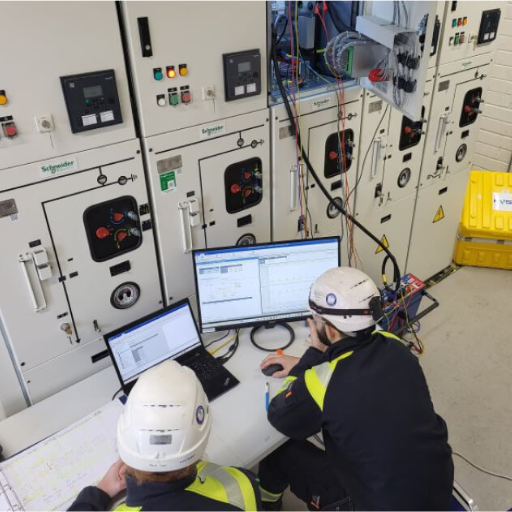
In the realms of electrical systems, protective relays serve a pivotal role, and dynamic testing techniques are crucial in evaluating their real-time responsiveness and operational accuracy. These techniques involve the application of fault simulation or specific input signaling to the relay to test its response and identify potential failures. Specialized testing instruments like secondary injection test sets are widely used for current, voltage, and timing injection testing of the system to simulate current, voltage, and timing to real system events.
For example, some modern tools enable detailed assessment of trip and reset responses by reviewing actual fault data playback during control actions. Static tests alone fail to provide robust answers, especially when operational dynamics and environmental factors come into play. Thus, supplementing static testing with dynamic testing yields far more accurate and reliable conclusions.
During dynamic testing, accuracy in evaluation hinges on configuration criteria, as each test scenario is bounded with configuration parameters. Voltage levels, time-coordination curves, and expected faults must align with the relay’s operation to yield a productive evaluation. Dynamic testing methods allow for thorough complex relay behavior troubleshooting, resulting in reduced downtimes and optimized system protection.
Steps to Confidently Test Any Generator Relay
- Understand the Relay Specifications and Application
Start with an examination review covering the manual and technical specifications of the relay. Ensure understanding of what protection schemes can be implemented, for example overcurrent, differential, or reverse power protection. Make sure to note the relay’s rated voltage, current settings, and logic sequences in operational workflows to confirm all tests align with the generator system that is being safeguarded.
- Inspect the Physical Connections and Wiring
Prior to testing, visually inspect all relay interconnections along with any associated circuitry for loose, corroded, or damaged parts. Make sure CTs and VTs are hooked up properly and check if the signals are in the proper alignment with the system expectations.
- Verify Relay Configuration Settings
Check the protection settings by interfacing with the relay or the software that is connected to it. Confirm that all the protective limits and time delays set are within the programmable logic boundaries of the generator and its operational limits or the fault coordination studies revision history. Look for any custom logic or advanced features programmed into the protective relay that require special attention.
- Perform a Functional Test
Test steps and reset values are verified by applying controlled signals simulating real-world electrical scenarios. Apply testing for phase-to-phase, phase-to-ground, symmetrical and asymmetrical faults to validate behavior conforms to expectations. Measure trip times against coordination curves and fault-clearing timelines to ensure compliance.
- Simulate Actual Operating Conditions
Example distinct operational scenarios, such as load alterations, transient faults, or generator initiation, may be applied for assessing the varying performance of the relay. This step ensures efficient protection for generator assets and that the relay’s dynamic response is reliable.
- Analyze Data and Validate Performance
As part of the testing relay accuracy, collection of trip time records, event logs, and protection signals must be done. Evaluating these against defined benchmarks will require modification of the settings to improve responsiveness and precision.
- Document the Testing Process
A thorough documentation of all test processes, measurement results, and outcome results is crucial. This documentation must also include any changes made to the estimated settings along with detailed instructions on the recommended timeline for subsequent evaluations. Documenting accurately assists in validating the processes done and assures compliance to set standards.
Systematic adherence to these guidelines enhances operational reliability and minimizes electrical failure risks by assuring that the performance of the testing personnel gets from the generator relays is properly configured.
What is Generator Relay Protection Testing?

Generator relay protection testing involves checking the operation and dependability of protective relays in a generator system. These relays are essential elements designed to identify surges, undercurrent, low frequency, and over voltage, shutting down the system to avert damage. Testing these protective relays ensures that the relays will function as required when fault conditions are simulated. This procedure is very important in maintaining the safety and efficiency of an electrical power system.
Understanding the Fundamentals of Generator Relay Protection
Composed of overcurrent relay systems and differential protection relays, generator relay protection systems are designed to isolate faults rapidly and accurately. Additionally, overcurrent relays are responsible for monitoring the generator’s current levels to mitigate conditions where excessive currents could potentially damage the system. Moreover, underfrequency and overfrequency relays aid in preventing system frequency deviations which could result in excessive mechanical stress or unstable operation of the generator.
Overfrequency and underfrequency relays have integrated remote monitoring features for real time data on system performance regardless of geographical location. This, coupled with new microprocessor-based overfrequency relays, has greatly improved their multifunctionality and custom diagnostics as these intelligent devices utilize algorithms to calculate data. Additionally, with the ability for remote monitoring, dynamic feedback allows for improved reconfiguration in the event of device failure.
Implementing these features also provides generators with automated prompts for scheduled maintenance based on operational requirements, ensuring efficient reduced downtime. Overall, integrating robust frameworks aids in Improving accuracy of fault detection while significantly reducing failures during power generation and elongating the operating dynamic iaof critical assets integrated within the power systems infrastructure.
Specific Challenges in Generator Relay Protection Testing
The complexity of the dynamics and operating conditions of generators makes testing their relay protection systems a formidable task. One difficulty involved is in reproducing fault conditions like overcurrent, overvoltage, or shifts in frequency within the frameworks of a controlled test environment. Generators are used to working under a certain level of load and in a transient state, and their behavior tends to be non-linear in such conditions which standardized testing equipment may not fully capture.
Another problem arises from the use of multi-functional relays with complex embedded algorithms and logic circuitry. Assessing control function sensitivity and selectivity is a multi-stage process where the functions must be tested within controlled layered fault environments—simultaneous or cascading multiple system anomalies require precise testing tools tailored for sensitive and selective evaluation.
Moreover, contemporaneous assets in the grid for data exchange interoperability and cybersecurity add yet another layer of difficulty due to modern protocols such as IEC 61850 used for inter-asset communication. Risk is posed to relay coordination schematics due to incorrect parameters in communication frameworks or due to tested software versions implemented after updates.
Ensuring correct testing in settings with strict downtime is yet another challenge. Companies need to perform verification of the protection relays within a very short time window to minimize operational impact. Consequently, rigorous testing protocols need to be established. Resolving these issues involves a comprehensive blend of modern testing tools, trained staff, and following guidelines like IEEE C37.102- 2016 pertaining to the design and verification of protection systems, which outlines the standards for the design and verification of protection systems.
Reference Sources
-
Integrated Passive Anti-Islanding Protection in Micro Grid: Development of an anti-islanding protection strategy using passive parameters. The proposed algorithm efficiently detects islanding events with minimal non-detection zones and power quality impact.
-
Study of Testing on Transformers and its Significance: Diagnostic tests for transformer health and failure prevention. Highlights the importance of regular testing to ensure transformer reliability and reduce failure risks.
-
Detection of Fault During Power Swing in Test System Interconnected with DG: Fault detection during power swings in systems with distributed generation. The proposed scheme reliably detects faults, including high-resistance ones, even with DG presence.
Frequently Asked Questions (FAQs)
Q: What is the purpose of a test set in relay protection testing?
A: A test set is used by test technicians to simulate various fault conditions in protective relay systems, allowing them to verify the operating characteristics and reliability of electrical components during the commissioning process.
Q: How do test technicians ensure compliance with industry standards when commissioning protection systems?
A: Test technicians follow step-by-step test procedures outlined in a relay testing handbook to ensure that all relay settings and tests meet compliance with industry standards during the commissioning of protection systems.
Q: What are the main components of a basic relay testing setup?
A: A basic relay testing setup typically includes a test set, advanced testing equipment and software, and connections to the protective relay systems being tested, allowing for accurate measurements and diagnostics.
Q: How can a protection engineer diagnose and troubleshoot issues in electromechanical relays?
A: A protection engineer can diagnose and troubleshoot issues in electromechanical relays by using a test set to simulate conditions and analyze the relay’s response, ensuring proper functionality and identifying faults in the relay schemes.
Q: What is the significance of relay theory in the context of distance protection?
A: Relay theory is crucial in understanding how distance protection operates, as it provides the foundational knowledge necessary for test technicians to effectively test and commission distance protective relay systems.
Q: Can a generator relay operate correctly with any test set during testing?
A: No, a generator relay must be tested with a compatible test set designed for its specific operating characteristics to ensure accurate results during commissioning and maintenance checks.
Q: What role does power system analysis play in relay protection testing?
A: Power system analysis helps test technicians assess the performance of protective relay systems under various conditions, allowing them to simulate fault scenarios and evaluate the effectiveness of relay settings based on real-world data.
Q: How do partial discharge tests contribute to the reliability of electrical systems?
A: Partial discharge tests help identify insulation defects within electrical equipment, which can compromise the reliability of electrical systems. By using a test set to conduct these tests, technicians can prevent potential failures in protective relay systems.
Q: What advanced testing equipment is commonly used in relay protection testing?
A: Advanced testing equipment such as Doble test sets and software tools are commonly used in relay protection testing to perform comprehensive evaluations and ensure that protective relay systems function correctly under various scenarios.